
Waking up to a vomit-covered mattress is a stressful, gross mess — but it doesn’t mean you have to toss your $500+ bed. With the right fast, easy steps, you can remove stains, kill odor-causing bacteria, and save your mattress without harsh chemicals or professional help, no matter if you have memory foam, spring, or hybrid construction. We’ve tested these methods on dozens of household accidents, from kid’s stomach flu to pet messes, and they work 90% of the time when you act quickly. Follow this guide to get your mattress fresh and clean in under an hour for fresh stains, or a few hours for set-in messes.
Why Acting Fast Is Critical
Vomit is a mix of stomach acid (pH 1.5-3.5, similar to lemon juice), partially digested food, and bacteria like E. coli, Salmonella, and norovirus. Fresh vomit is 90% water, so it sits on top of mattress fibers and is easy to lift with blotting. But if left unattended, stomach acid breaks down fabric and foam fibers, while proteins in the vomit bind permanently to the material as it dries. This leads to stubborn, irreversible stains and lingering odor that can last for months. Even worse, bacteria from vomit can survive on fabric surfaces for up to 7 days if not properly disinfected, posing health risks to everyone in the household, per guidance from the CDC. Acting within the first 10 minutes gives you the highest chance of a full, stain-free recovery. For more on this, see our guide on how to clean a bassinet mattress.
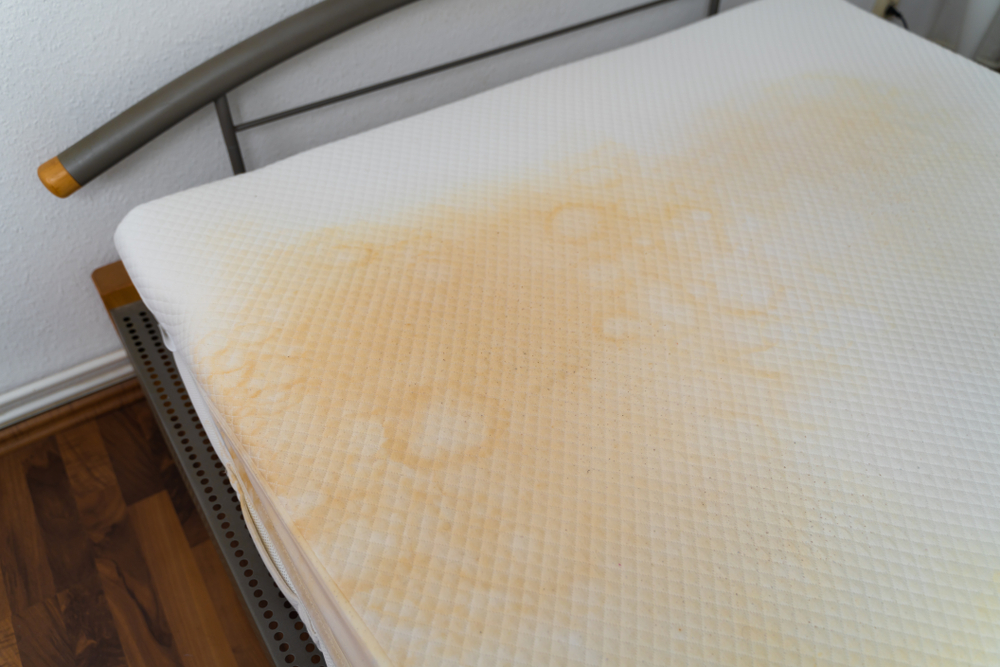 Fresh vomit stains are easiest to remove within the first 10 minutes of contact
Source: co.uk
Fresh vomit stains are easiest to remove within the first 10 minutes of contact
Source: co.uk
Supplies You’ll Need
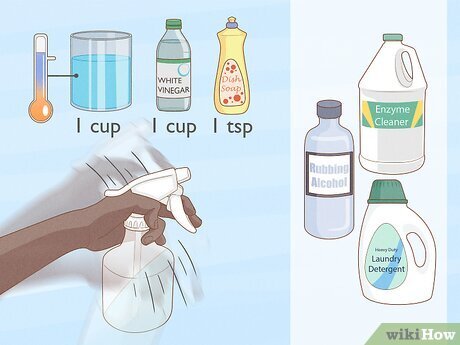
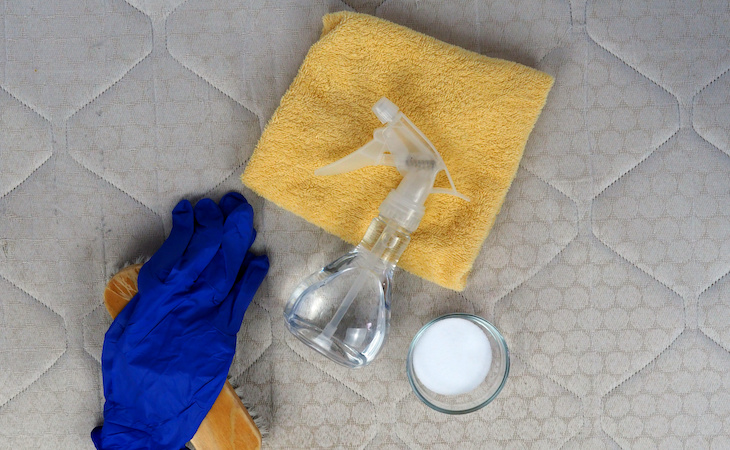
Gathering all your supplies before you start cleaning will cut down on mess and speed up the process, so you don’t have to run around looking for items mid-clean. We’ve split the list into essentials and optional add-ons, plus items you should avoid using entirely to protect your mattress.
Essential Supplies
- Cold water (in a spray bottle or bowl): Hot water cooks proteins in vomit into mattress fibers, setting the stain permanently. Cold water keeps proteins dissolved for easy lifting.
- Clean white cloths or paper towels: Colored cloths can transfer dye to the damp mattress, creating a new stain. Use multiple cloths so you don’t re-deposit vomit onto the surface.
- Enzyme cleaner formulated for organic stains: These cleaners contain live enzymes that break down the proteins and bacteria in vomit that cause odor, unlike regular detergent which only lifts surface mess.
- Baking soda: A natural odor absorber that neutralizes remaining smell after stain removal.
- White vinegar (5% acidity): Diluted, it safely disinfects and lifts any leftover residue without damaging mattress fabric.
- Soft-bristled brush or sponge: For gentle scrubbing of set-in stains without tearing fabric.
- Rubber gloves and a face mask: Protect yourself from bacteria and strong smells, especially if cleaning up after a stomach bug.
Optional Add-Ons
- Wet/dry vacuum: Extracts excess moisture from deep foam layers faster than blotting.
- Fans or a dehumidifier: Speeds up drying time to prevent mold growth.
- Upholstery steam cleaner: For set-in stains, but only if your mattress care label allows moisture.
What To Skip
Never use chlorine bleach, ammonia, or undiluted vinegar on your mattress. These harsh chemicals can discolor fabric, break down foam materials, and leave toxic residues that irritate skin and lungs, especially for children and pets.
 Gather all supplies before starting to work quickly and avoid spreading the stain
Source: wikihow.com
Gather all supplies before starting to work quickly and avoid spreading the stain
Source: wikihow.com
Step-by-Step For Fresh Vomit Stains
Follow these steps for vomit that’s less than 1 hour old for the best results. Work calmly and quickly to avoid spreading the mess.
- Strip the bed immediately: Remove all sheets, pillowcases, and mattress protectors, and toss them in the washing machine on the hottest cycle safe for the fabric to kill bacteria.
- Scrape off solids: Use a dull spoon or spatula to lift any undigested food bits from the mattress surface. Work from the outer edge of the stain toward the center to avoid spreading vomit to clean areas. Do not press down, as this will push solids deeper into the foam.
- Blot excess liquid: Press clean white cloths or paper towels lightly into the stain, then lift straight up. Do not rub, as this will push vomit deeper into the mattress fibers. Replace cloths as they become saturated to avoid re-depositing mess.
- Rinse with cold water: Mix 2 cups of cold water with 1 teaspoon of mild dish soap (like Dawn) in a spray bottle. Lightly mist the stained area, then blot with a clean cloth to lift remaining residue.
- Apply enzyme cleaner: Spray the enzyme cleaner directly onto the stain, following the product’s instructions for dwell time (usually 10-15 minutes). Let the enzymes break down proteins and bacteria — do not wipe it off early.
- Blot the stain again: Use a clean dry cloth to blot up the cleaner and lifted stain. Repeat steps 4-6 if the stain is still visible.
- Neutralize residue: Mix 1 part white vinegar with 3 parts cold water in a spray bottle. Lightly mist the area and blot with a clean cloth to remove any leftover soap or cleaner residue, which can attract dirt later if left behind.
- Deodorize with baking soda: Sprinkle a ¼-inch thick layer of baking soda over the entire affected area, extending 2-3 inches past the stain edges. Let it sit for 8-12 hours, or overnight, to absorb all remaining odor.
- Vacuum thoroughly: Use a vacuum with an upholstery attachment to remove all baking soda residue. Go over the area multiple times to ensure no powder is left in the foam.
- Dry completely: Point fans at the mattress and open windows to air it out for 24-48 hours, until it is completely dry to the touch. Never use a hot hair dryer, as heat can damage foam and set remaining stains.
Pro tip from years of testing: Enzyme cleaners make the biggest difference in odor removal. I once treated a nightly stomach flu spill with only dish soap and the smell returned within 2 days. The enzyme cleaner broke down the hidden proteins in the foam and eliminated the odor permanently.
 Blotting, not rubbing, is the key to lifting vomit without pushing it deeper into foam
Source: thespruce.com
Blotting, not rubbing, is the key to lifting vomit without pushing it deeper into foam
Source: thespruce.com
How To Treat Set-In Or Dried Vomit Stains
If you didn’t catch the vomit right away, or the stain has been sitting for 24 hours or more, you’ll need to use a more intensive method to break down dried proteins and lift the stain. These steps work for stains up to 1 week old; for older stains, you may need to repeat the process or call a professional.
- Rehydrate the stain: Lightly mist the dried stain with cold water and let it sit for 5 minutes to loosen dried-on material. Do not saturate the area.
- Apply a stronger enzyme solution: Mix 1 part enzyme cleaner with 1 part warm (not hot) water in a spray bottle. Spray the stain generously, then let it sit for 30 minutes to break down dried proteins.
- Blot and repeat: Blot the area with a clean cloth, then reapply the enzyme solution if the stain is still visible. For extremely tough stains, let the solution sit for up to 1 hour.
- Use a baking soda paste for discolored areas: Mix 2 parts baking soda with 1 part cold water to make a thick paste. Apply it to the stained area, let it dry completely (2-3 hours), then vacuum away.
- Steam clean (if safe for your mattress): If your mattress care label allows moisture, use a low-moisture upholstery steam cleaner. Pass over the stain 2-3 times without saturating the foam, then immediately dry with fans for 2-4 hours.
- Dry fully: Leave the mattress uncovered with fans running for at least 48 hours to ensure all moisture is gone from the deep foam layers.
If your mattress topper has lingering odor after multiple cleanings, you can learn to revive worn toppers to extend its life instead of replacing it outright.
Common mistake: Over-saturating the mattress with water or cleaner will extend drying time to 3+ days and can lead to mold growth, which is far harder to remove than the original stain. Always use minimal moisture and maximum airflow when cleaning.
 Thorough vacuuming removes all baking soda residue and lingering odor particles
Source: wikihow.com
Thorough vacuuming removes all baking soda residue and lingering odor particles
Source: wikihow.com
What To Avoid When Cleaning Vomit From Your Mattress
Small mistakes during cleaning can turn a small mess into a permanent stain or even a health hazard. Avoid these common errors to keep your mattress safe and clean:
- Don’t use hot water: Heat cooks proteins in vomit into mattress fibers, setting the stain permanently. Always use cold or lukewarm water for all rinsing steps.
- Don’t rub the stain: Rubbing pushes vomit deeper into foam and spreads the stain to a larger area. Always blot with light pressure.
- Don’t use harsh chemicals: Chlorine bleach, ammonia, and undiluted vinegar can discolor fabric, break down foam, and leave toxic residues that irritate skin and lungs.
- Don’t seal a damp mattress: Putting sheets or a protector back on a damp mattress traps moisture, creating the perfect environment for mold and mildew to grow in 24-48 hours. Always test for dryness by pressing a dry cloth into the center of the cleaned area — if it comes away damp, keep drying.
- Don’t skip the enzyme cleaner: Regular detergent only lifts surface mess, but doesn’t break down the proteins that cause lingering odor. Enzyme cleaner is the only product that eliminates smell at the source.
When To Call A Professional Cleaner
Most fresh vomit stains are fully salvageable with at-home cleaning, but some situations require professional help to avoid permanent damage or health risks. Call a certified mattress cleaner if:
- You’ve tried the at-home steps 2-3 times and the stain or odor remains, especially if the vomit soaked through to the box spring.
- Your mattress is made of sensitive materials like organic cotton, latex, or has built-in cooling gel that could be damaged by excess moisture.
- Someone in your household has a weakened immune system, and you’re concerned about lingering bacteria that at-home methods can’t fully eliminate.
- You notice mold spots, a musty smell, or the mattress stays damp for more than 3 days after cleaning.
Professional cleaners use commercial-grade hot water extraction tools that pull moisture and stains out of deep foam layers without over-wetting the material, which is hard to replicate with at-home equipment. The average cost of professional mattress stain removal is $75-$150, a small price to pay compared to replacing a $800-$2000 mattress. If sleep health experts at the Sleep Foundation recommend professional treatment for persistent stains or mold, it’s worth the investment to protect your health and your mattress.
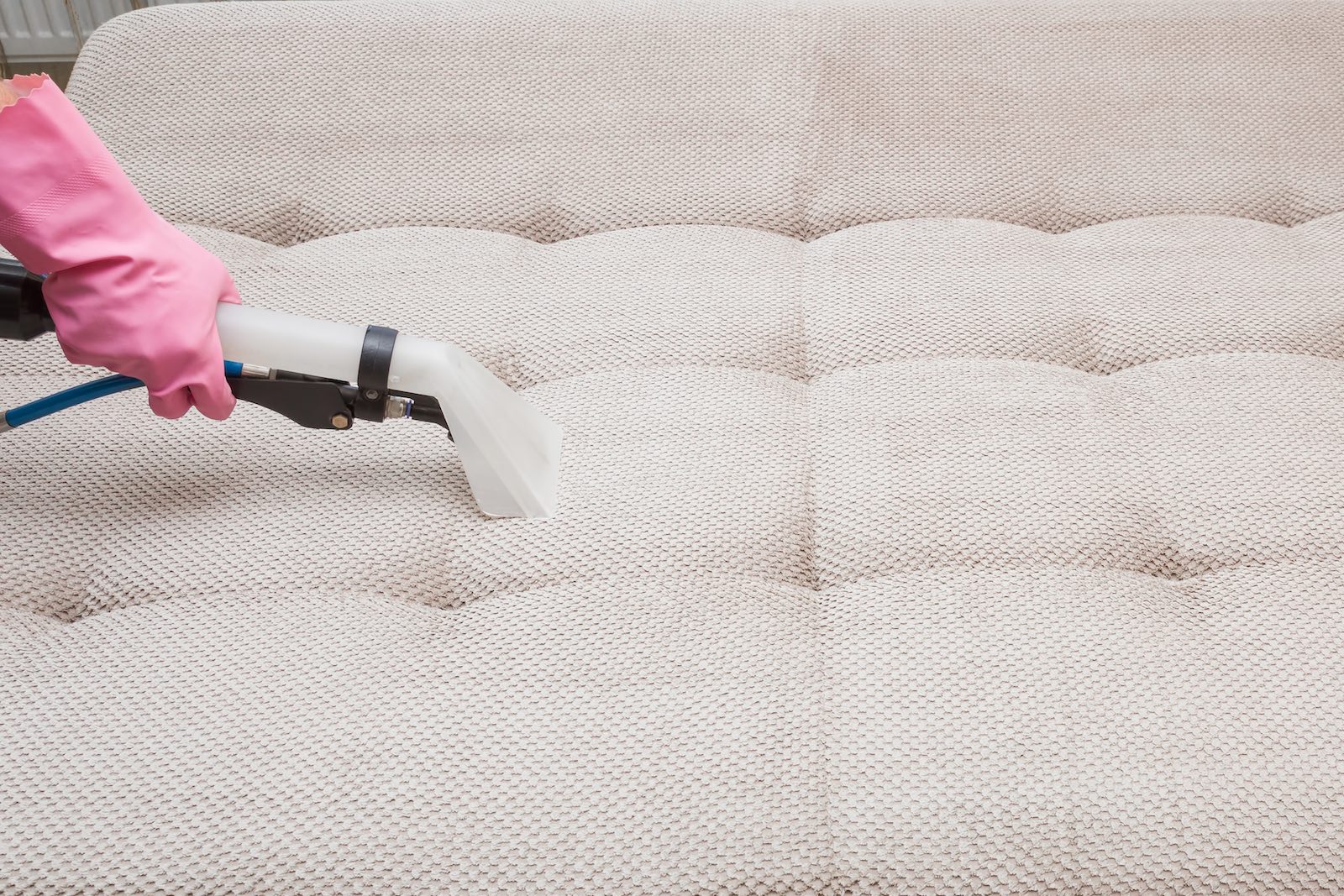 Professional extraction tools pull deep moisture and stains out of foam without over-wetting
Source: sleepfoundation.org
Professional extraction tools pull deep moisture and stains out of foam without over-wetting
Source: sleepfoundation.org
Prevent Future Mattress Messes
The best way to clean vomit from a mattress is to avoid the mess entirely with a few simple, low-effort habits. These steps cost very little and can save you hours of cleaning time over the life of your mattress:
- Use a waterproof, breathable mattress protector: Look for a protector made of polyester with a polyurethane lining or bamboo that blocks fluids while still letting air flow to prevent overheating. A quality protector will stop 99% of spills from reaching your mattress surface, and you can simply wipe it clean or toss it in the wash after an accident. Opt for a machine-washable protector and follow proper protector care to keep it effective for years.
- Add an extra topper layer: For added protection, place a washable topper layer underneath your mattress protector. If a mess happens, you can remove and wash the topper without treating the mattress itself, and you can find easy-to-clean toppers designed for households with kids or pets.
- Keep an emergency stain kit under your bed: Pack a small bin with a spray bottle of cold water, enzyme cleaner wipes, paper towels, and an old tarp or towel. If someone feels sick, lay the tarp down under them first to catch any mess.
- Wash bedding and protectors regularly: Toss your mattress protector in the wash monthly, and immediately after any accident, to prevent odor and bacteria buildup. For all washable bedding, follow proper care for bamboo pillows and other delicate fabrics to keep them in good shape.
- Replace worn protective layers: If your mattress pad has absorbed multiple stains and lost its waterproof ability, it’s easy to tell when to replace worn pads to keep your mattress safe from future messes. When you do dispose of old protectors or pads, check if bed protectors are recyclable in your area to reduce waste.
 A breathable waterproof protector is the first line of defense against mattress stains
Source: saatva.com
A breathable waterproof protector is the first line of defense against mattress stains
Source: saatva.com
Frequently Asked Questions
How soon should I start cleaning after vomit hits the mattress?
Start immediately, ideally within 10 minutes. Fresh vomit is 90% water, so it lifts easily with blotting. Waiting longer than 30 minutes allows stomach acid to break down mattress fibers and proteins to bind to foam, making stains permanent and odor hard to remove. If you can’t clean right away, cover the stain with a dry towel to absorb excess moisture until you can address it.
Can I use bleach to disinfect vomit on my mattress?
No. Chlorine bleach and ammonia-based cleaners can discolor mattress fabric, break down foam materials, and leave toxic chemical residues that irritate skin, lungs, and mucous membranes — especially dangerous for children and pets. Stick to enzyme cleaners, diluted white vinegar, or a 3% hydrogen peroxide solution (test on an inconspicuous spot first to check for discoloration) for safe disinfection.
Will baking soda remove vomit odor completely?
Baking soda is an effective odor absorber, but it works best as part of a full cleaning routine, not a standalone solution. For light fresh stains, baking soda after enzyme treatment will eliminate most odor. For set-in or strong smells, you may need to repeat the enzyme cleaner application 2-3 times, followed by baking soda, to fully break down odor-causing proteins deep in the foam.
Is it safe to use a steam cleaner on a foam mattress?
Yes, but only with caution. Use a steam cleaner with a low-moisture upholstery attachment, and pass over the stain 2-3 times without saturating the foam. Immediately dry the area with fans pointed at the mattress for 2-4 hours to prevent mold growth. Never use a steam cleaner on memory foam or latex mattresses if the care label prohibits moisture, as these materials absorb water easily and can develop hidden mold if not dried perfectly.
What if the smell returns after cleaning?
A returning odor means proteins from the vomit are still trapped deep in the foam layers. Repeat the enzyme cleaner treatment, let it sit for 30 minutes, then reapply baking soda and dry fully. If the smell persists after 2 attempts, the stain may have soaked through to the box spring, or mold may be starting — in this case, hire a professional cleaner to inspect and treat the area, or consider replacing the mattress if it’s older than 7 years.
Can I put my mattress cover back on right after cleaning?
No. Your mattress must be 100% dry to the touch before you replace any bedding or protectors. Leave it uncovered with fans running for at least 24 hours, up to 48 hours for thick foam mattresses. Putting a cover on a damp mattress traps moisture, which leads to mold and mildew growth that poses serious respiratory health risks. Test dryness by pressing a dry cloth into the center of the cleaned area — if it comes away damp, keep drying.
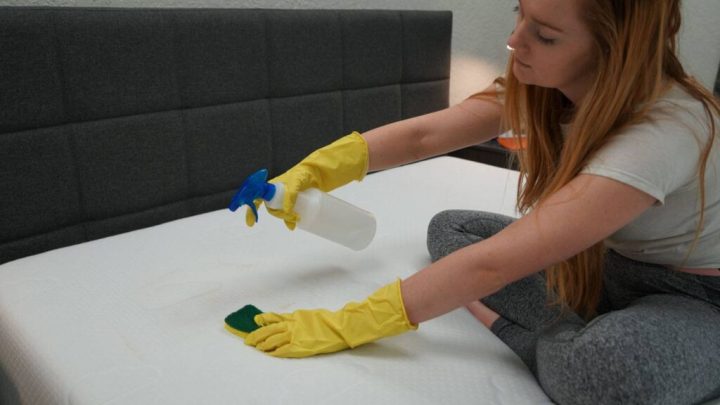 Common questions about stain removal, safety, and odor treatment answered below
Source: prohousekeepers.com
Common questions about stain removal, safety, and odor treatment answered below
Source: prohousekeepers.com
Conclusion
Most vomit stains on mattresses are fully salvageable if you act fast and use the right supplies. The most important steps are blotting (never rubbing), using cold water, applying an enzyme cleaner to break down odor-causing proteins, and drying the mattress completely to prevent mold. A good waterproof mattress protector will prevent 90% of these messes from ever reaching your mattress surface in the first place, saving you time and money long-term.
Have you dealt with a tough mattress stain before? Share your go-to cleaning tip in the comments below, or check out our guide to revive worn toppers to extend the life of your mattress layers for years.

Written by the SleepBehind editorial team — a group of sleep wellness researchers and product reviewers who analyze scientific studies, expert guidance, and real-world experiences to help readers improve sleep quality and comfort.