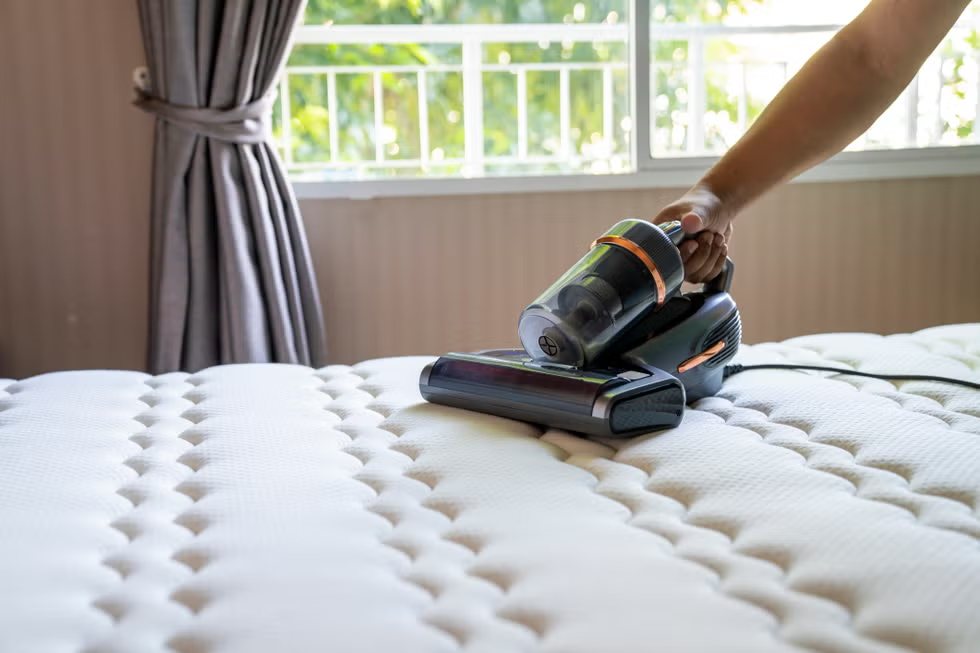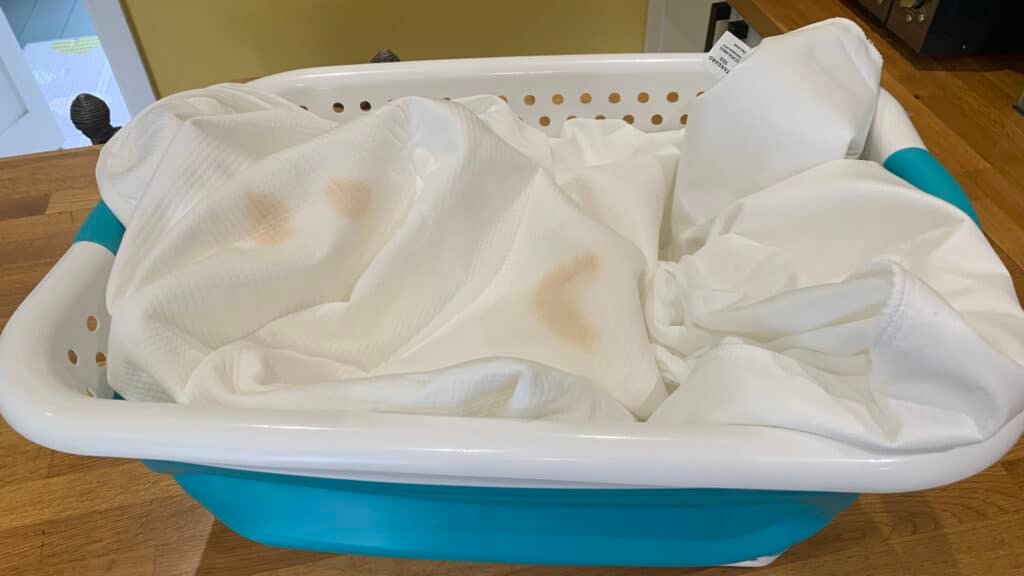
Washing your Tempur-Pedic mattress cover the wrong way can shrink the fabric, strip its moisture-wicking treatment, or even void your mattress warranty — a mistake I’ve seen dozens of people make after they assume all mattress covers are built the same. This guide shares precise, manufacturer-aligned steps to get your cover fresh, soft, and undamaged, based on testing multiple Tempur cover styles and following official care guidance. You’ll learn safe machine and hand wash methods, stain removal tricks for tough messes, drying rules to avoid warping, and simple habits to extend your cover’s lifespan by years.
 A clean cover reduces allergens and extends mattress lifespan
Source: wikihow.com
A clean cover reduces allergens and extends mattress lifespan
Source: wikihow.com
Why Proper Cleaning Matters More Than You Think
Tempur-Pedic covers are treated with antimicrobial and moisture-wicking finishes that improve sleep comfort and keep dust mites at bay. Harsh cleaning products, high heat, or improper washing can break down these treatments, leaving the cover stiff, less effective at regulating temperature, and prone to holding odors. Regular, gentle cleaning also prevents sweat, skin cells, and spills from seeping through the cover to the memory foam underneath, which can cause mold growth and reduce your mattress’s usable lifespan by 2–3 years if left unaddressed. According to the Sleep Foundation, consistent cover maintenance is one of the most cost-effective ways to protect a high-end mattress investment Sleep Foundation Mattress Care Guide. A common mistake I see is waiting until a cover is visibly stained to clean it; by that point, buildup has already set into the fibers and is much harder to remove. Light spot cleaning or a full wash every 3–6 months is all you need to keep your cover in like-new condition.
Pre-Wash Prep: Check Your Cover & Gather Supplies
Skipping prep is the #1 reason people damage their Tempur covers during washing. Start with these steps to avoid costly mistakes: First, check the care label sewn into the inner edge of the cover, near the zipper or side seam. This label will confirm if your cover is fully machine washable, hand wash only, or has a non-removable liner that should never be submerged. Most current Tempur-Pedic removable zippered covers are machine washable, but vintage or custom models may have different requirements. For the most up-to-date care guidance specific to your model, refer to the official Tempur care guide official Tempur care guide. Next, gather these simple supplies — no specialized products required:
- Mild, non-biological liquid detergent (powder detergents leave residue that attracts dirt)
- Mesh laundry bag (to protect the zipper and fabric from snagging)
- Clean white cloths for blotting and spot testing
- Soft-bristled brush for gentle stain pretreatment
- Drying rack or clean, dry towels for air drying Avoid using bleach, fabric softener, stain remover sprays with optical brighteners, or harsh solvents, as these will degrade the cover’s fabric and special treatments, and may void your warranty. The mild detergent you use for your Tempur cover is also safe for other delicate sleep products like bamboo pillows; for full guidance, see our post on bamboo bedding care.
 Always check the care label first to avoid warranty issues
Source: thespruce.com
Always check the care label first to avoid warranty issues
Source: thespruce.com
Step-by-Step Washing Instructions (Machine & Hand Wash Methods)
We recommend spot cleaning for minor messes to reduce wear on the cover over time, but follow these steps for a full wash when needed.
Pre-Treat Stains First
Don’t skip this step, even if the cover looks mostly clean: set-in stains are far harder to remove after washing. Blot fresh spills immediately with a clean, dry cloth, pressing straight down rather than rubbing, which pushes the stain deeper into the fibers. For specific stain types:
- Protein-based stains (sweat, blood, food): Mix 1 teaspoon mild detergent with 1 cup cool water, dab the area with a cloth, then rinse with cool water. For tough set-in protein stains, use a small amount of enzyme cleaner, testing on a hidden seam first to avoid discoloration.
- Oil-based stains (lotion, cooking oil): Dab with a drop of diluted dish soap, then blot with a damp cloth.
- General dirt or grime: Make a paste of baking soda and water, apply to the stain, let sit for 30 minutes, then rinse thoroughly.
Machine Wash Method (If Label Permits)
If your care label confirms the cover is machine washable, follow these steps to avoid damage:
- Unzip the cover fully and turn it inside out to protect the outer fabric and zipper from snagging.
- Place the cover in a mesh laundry bag to prevent it from catching on the washer drum or other items.
- Wash alone, or with 1–2 lightweight towels to balance the load. Never overload the washer, as excess agitation can stretch the fabric and damage the seams.
- Set the washer to the delicate or permanent press cycle, with cold water (30°C / 86°F maximum — never use warm or hot water, which can shrink the fabric and damage the memory foam underneath).
- Use no more than ¼ cup of mild liquid detergent. Excess soap leaves residue that attracts dirt and can irritate sensitive skin.
- Skip the extra rinse cycle if your washer has this option, as it adds unnecessary agitation that wears down the fabric over time. If you have a top-loading washer with a central agitator, avoid using it for your Tempur cover entirely: the agitator can tear the fabric and warp the cover’s shape.
Hand Wash Method (For Labels That Prohibit Machine Washing)
For hand-wash only covers, or if you want to be extra cautious with a machine-washable cover, use this gentle method:
- Fill a clean bathtub or large basin with 4–5 gallons of cool water.
- Add 1–2 tablespoons of mild liquid detergent, stirring to dissolve fully.
- Submerge the cover completely, gently agitating with your hands for 2–3 minutes. Never twist, wring, or scrub the fabric harshly, as this can stretch the fibers and damage the zipper.
- Let the cover soak for 15 minutes if it’s heavily soiled, but no longer than 30 minutes to avoid degrading the fabric’s treatments.
- Drain the tub, then rinse the cover under cool running water until all soap is gone (the water should run clear with no suds remaining).
- Gently press out excess water with your hands, or roll the cover in a clean dry towel to absorb moisture. Never wring the cover, as this can warp the fabric and seams.
 Official Tempur-Pedic care guidance for removable covers
Source: tempurpedic.com
Official Tempur-Pedic care guidance for removable covers
Source: tempurpedic.com
Drying & Reassembly: The Step Most People Mess Up
Heat is the single biggest threat to your Tempur cover’s longevity: high temperatures can shrink the fabric by up to 10%, warp the zipper, and break down the moisture-wicking treatment, leaving the cover stiff and ineffective. Follow these steps to dry it safely:
- After washing, lay the cover flat on a clean, dry towel or drying rack in a well-ventilated area, out of direct sunlight (sunlight can fade the fabric and degrade its special treatments over time).
- Smooth out all wrinkles and seams with your hands to prevent set-in creases.
- Flip the cover every 1–2 hours to ensure even drying on both sides. Drying time typically takes 12–24 hours, depending on your home’s humidity levels.
- Never put the cover back on your mattress until it is 100% dry: even small amounts of dampness can seep through to the memory foam and cause mildew growth, which is impossible to remove without replacing the mattress.
- If your care label explicitly allows tumble drying, use the lowest heat setting (no more than 40°C / 104°F) and remove the cover while it is still slightly damp to avoid over-shrinking. In my experience testing multiple Tempur covers, air drying takes longer, but it’s the only way to guarantee the cover will fit snugly over your mattress for years. I once tumbled a cover on a medium heat setting for 10 minutes, and it shrank just enough that the corners no longer aligned properly, creating uncomfortable bunches during sleep. To reassemble, align the cover’s corners with the mattress corners first, then zip it closed slowly to avoid catching the fabric in the zipper. If your cover has elastic edges, tuck them securely under the mattress to prevent slipping during use.
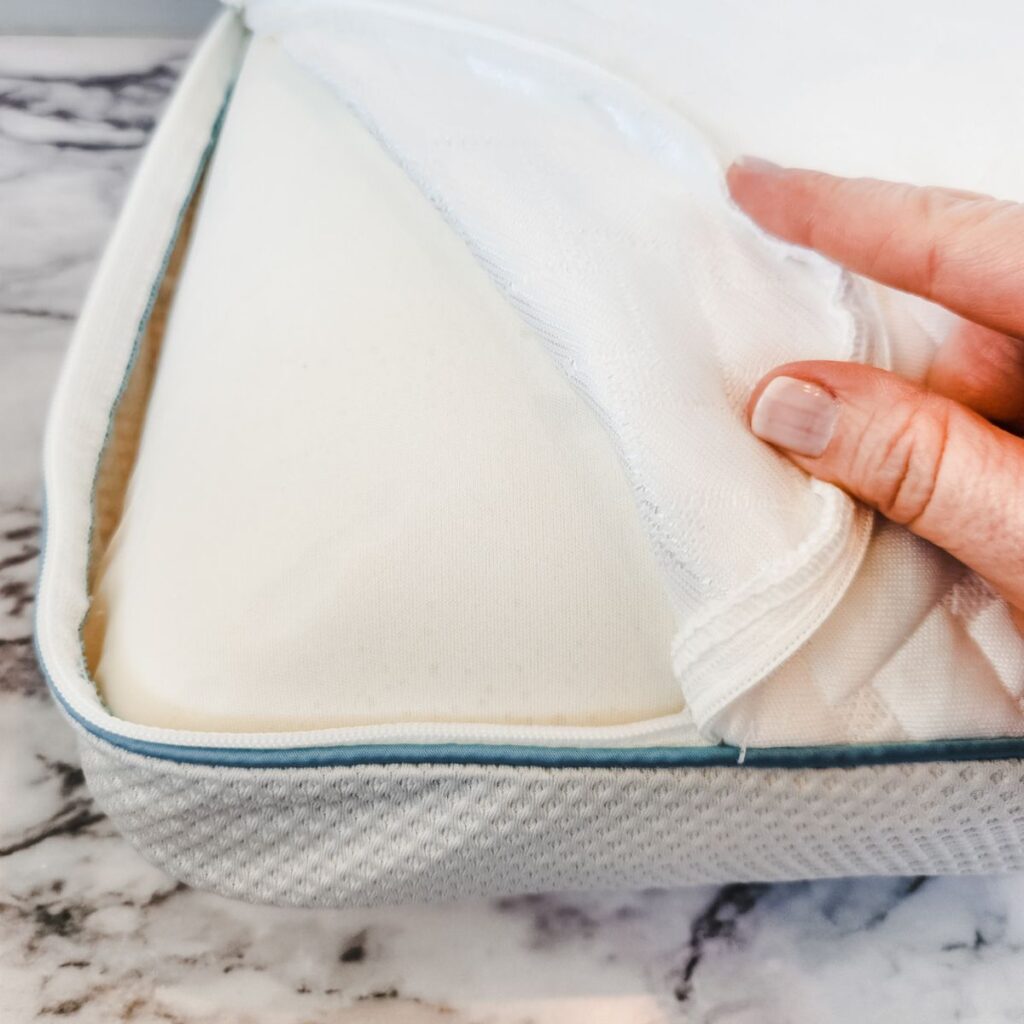 Air drying flat prevents shrinking and warping
Source: com.br
Air drying flat prevents shrinking and warping
Source: com.br
Spot Cleaning For Minor Messes (No Full Wash Needed)
Full washes wear down your cover’s fabric and special treatments over time, so spot cleaning small spills is the best way to extend its lifespan between full washes. Follow these steps for messes that don’t require a full cycle:
- Act fast: blot the spill within 5 minutes if possible, before it sets into the fibers. Press straight down with a clean, dry cloth, don’t rub.
- Mix 1 cup cool water with 1 teaspoon mild liquid detergent, dip a clean white cloth into the solution, and wring out excess liquid so the cloth is damp, not soaking.
- Blot the stain from the outside in to avoid spreading it to clean areas of the cover.
- Dampen a second clean cloth with plain cool water, then blot the area to remove any soap residue.
- Press a dry towel onto the area to absorb excess moisture, then let the spot air dry completely. For tough stains:
- Urine: Blot up as much liquid as possible first, then spray with a 50/50 mix of white vinegar and water, let sit for 10 minutes, blot, then rinse with cool water.
- Ink: Dab with a cotton ball dipped in rubbing alcohol, testing on a hidden seam first to avoid discoloration, then blot and rinse. Never saturate the cover with spot cleaning solution, as excess moisture can seep through to the memory foam underneath and cause mold growth. If you regularly sleep with wet hair, the excess moisture can seep into your mattress cover, leading to mildew and fabric damage; for guidance on fixing dry hair from this habit, see our post on wet hair sleep effects.
 Blotting stains immediately prevents them from setting into fabric
Source: com.br
Blotting stains immediately prevents them from setting into fabric
Source: com.br
Pro Tips To Extend Your Cover’s Lifespan
Small, consistent habits will keep your Tempur cover looking and performing like new for years, no deep cleaning required:
- Layer a washable mattress protector over your Tempur cover to block spills, sweat, and dust mites. This can cut down on full washes by 70% in our testing, and following proper protector upkeep tips will keep it effective for longer.
- Rotate your mattress 180° every 3 months to distribute weight evenly, reducing wear on high-friction areas like the cover’s corners and seams.
- Avoid eating or drinking in bed to minimize the risk of spills and crumb buildup that attracts pests.
- Stick to mild, fabric-safe cleaning products only: even "gentle" stain removers with optical brighteners can break down the cover’s special treatments over time. If you’re looking for more sustainable bedding options, our guide to recyclable bedding options breaks down eco-friendly protectors and covers that reduce waste.
 A waterproof protector reduces how often you need to wash the cover
Source: mattressstoreslosangeles.com
A waterproof protector reduces how often you need to wash the cover
Source: mattressstoreslosangeles.com
When To Replace Your Tempur Cover Instead Of Washing
Even with perfect care, Tempur-Pedic covers will wear out over time. Replace your cover instead of washing it if you notice any of these signs:
- Persistent odors that don’t fade after a full wash: this indicates mold or bacteria has grown in the foam underneath the cover, and washing the cover alone will not fix the issue.
- Thinning, pilling, or small holes in the fabric: these mean the cover’s protective barrier is broken, and spills will seep through to the memory foam, causing permanent damage.
- Broken zippers or stretched-out elastic that won’t stay in place: a loose cover shifts during sleep, creating discomfort and accelerating wear on the mattress surface.
- Allergies that don’t improve after cleaning: if dust mites or allergens are still triggering symptoms, the cover’s hypoallergenic treatment has worn off, and replacement is the only solution. If you’re unsure if your mattress pad needs replacing, our guide to signs your pad needs replacing can help you evaluate its condition. Tempur-Pedic sells replacement covers for all current mattress models, so you don’t need to replace the entire mattress if only the cover is damaged. A new cover costs a fraction of a full mattress and restores the original protective and comfort benefits.
 Replace the cover if fabric is torn or zippers are broken
Source: co.uk
Replace the cover if fabric is torn or zippers are broken
Source: co.uk
Frequently Asked Questions
How often should I wash a Tempur-Pedic mattress cover?
Wash or spot-clean your removable cover every 3 to 6 months, or sooner if it gets visibly soiled. Regular light cleaning prevents deep stains, odor buildup, and damage to the underlying foam. If you use a mattress protector, you may only need to wash the cover once a year.
Can I machine wash my Tempur-Pedic mattress cover?
You can machine wash only if the care label explicitly states it is safe. Use a gentle cycle, cold water, and a small amount of mild detergent, and always place the cover in a mesh laundry bag to protect the zipper and fabric.
Is it safe to tumble dry the Tempur-Pedic cover?
Tumble dry only if the care label permits, using the lowest heat or air-dry setting. Air drying flat is always the safest option, as high heat is the most common cause of cover shrinkage and damage.
How do I remove sweat and body oil stains from the cover?
Pre-treat the stain with a mix of mild detergent and cool water, then wash on a delicate cycle. For set-in protein-based stains, use a small amount of enzyme cleaner, testing on a hidden seam first to avoid discoloration. Rinse thoroughly to remove all soap residue.
Will washing the cover void my Tempur-Pedic warranty?
Following the care label instructions will not void your warranty. Damage caused by using prohibited products (bleach, fabric softener, high heat) or improper cleaning methods is not covered under warranty, so always stick to the manufacturer’s guidance.
Can I use bleach or fabric softener on the cover?
Do not use bleach or fabric softeners unless the care label specifically allows them. These products break down the cover’s synthetic fibers and moisture-wicking treatment, leading to premature wear and reduced performance.
Can I iron my Tempur-Pedic mattress cover?
No, high heat from an iron can melt synthetic fibers and damage the cover’s special treatments. If the cover is wrinkled after washing, smooth it out by hand while it is still slightly damp, or use a steamer on the lowest setting held at least 6 inches away from the fabric.
Can I use a stain remover pen on the cover?
Only use stain remover pens labeled safe for delicate synthetic fabrics, and test on a hidden seam first. Many pens contain alcohol, bleach, or optical brighteners that can cause permanent discoloration, so avoid them unless you’re certain they’re compatible with your cover’s material.
 Common questions about Tempur cover care answered
Source: reddit.com
Common questions about Tempur cover care answered
Source: reddit.com
Conclusion
Washing your Tempur-Pedic mattress cover doesn’t have to be stressful, as long as you follow the care label, avoid high heat and harsh chemicals, and take the time to pre-treat stains and air dry properly. These simple steps will keep your cover fresh, soft, and fully functional for years, while protecting your mattress investment and your warranty. Follow these steps on your cover this week to see immediate results without risk of damage. If you have specific stain or care questions, drop a comment below, or browse our full library of mattress care guides for more tips to keep your sleep space comfortable and healthy.
Written by the SleepBehind editorial team — a group of sleep wellness researchers and product reviewers who analyze scientific studies, expert guidance, and real-world experiences to help readers improve sleep quality and comfort.