
After testing 40+ mattresses and foundations over 7 years of sleep research, the most common mistake I see shoppers make is conflating mattress support with firmness. Firmness is a subjective, top-layer feel — support is the structural core that keeps your spine in neutral alignment all night, prevents pressure points, and reduces chronic pain. Poor support doesn’t just ruin your sleep: it can lead to long-term spinal issues, morning stiffness, and even reduced recovery from daily activity. This guide breaks down exactly what mattress support is, how to evaluate it for your body, and how to avoid costly mistakes when shopping. We’ll cover core support components, testing methods, foundation requirements, and red flags that signal it’s time for a replacement, all based on hands-on testing and current industry guidance.
 Proper support keeps your spine in a straight, neutral line from the neck to the hips, regardless of sleep position
What Mattress Support Actually Is (vs. Firmness)
Many shoppers assume a firmer mattress equals better support, but that’s not true. Support refers to how well a mattress’s structural core holds your body weight and maintains neutral spinal alignment, while firmness describes how hard or soft the top comfort layers feel when you first lie down. A plush, cloud-like mattress can have excellent support if it has a dense, resilient core, while a firm mattress can have terrible support if its core sags under weight. You can also read our guide on how to sleep without air conditioning.
The Mayo Clinic notes that improper spinal alignment from poor mattress support is a leading contributor to chronic lower back pain, especially for adults who spend 7+ hours in bed each night Mayo Clinic mattress guide. In practice, good support means your hips, shoulders, and lower back stay aligned when you lie in your usual sleep position, with no painful pressure points or excessive sinking.
Core Components of Mattress Support
Support comes from the innermost layers of a mattress, not the soft top cover. Understanding these core components will help you cut through marketing buzzwords and pick a model built to last. You can also read our guide on bedding materials comfort.
Innerspring and Coil Systems
Traditional innersprings use metal coils to push back against body weight. Bonnell coils (hourglass-shaped, interconnected) are affordable and durable but create more motion transfer for couples. Pocket coils (individually wrapped in fabric) contour to the body better and isolate motion, making them ideal for light sleepers. Zoned coil systems have firmer coils under the hips and softer coils under the shoulders for targeted spinal alignment. Lower coil gauge (thicker wire) provides firmer, more durable support for heavier sleepers.
Foam and Latex Cores
Foam support layers are rated by density: look for a minimum of 1.5 lbs per cubic foot for support layers, and 2+ lbs per cubic foot for the core. High-density polyfoam is affordable and long-lasting, while natural latex is hypoallergenic, extremely resilient, and lasts 10-15 years with proper care. Gel-infused foam is designed to regulate temperature for hot sleepers, but make sure it has a high-density core underneath to avoid sagging.
Hybrid Support Systems
Hybrid mattresses combine coils and foam or latex to blend the bounce and airflow of innersprings with the pressure relief of foam. They’re a popular pick for couples with different support needs, as the coil core provides consistent alignment for both light and heavy sleepers.
Edge Support
Often overlooked, edge support prevents sagging when you sit on the bed to get dressed or roll over to the side of the mattress. Look for mattresses with foam encasement or steel perimeter frames for consistent edge firmness — this is especially important for older adults or people with mobility issues who sit on the edge of the bed frequently.
 This cross-section shows how a supportive high-density core sits beneath plush comfort layers
How to Choose Support For Your Body and Sleep Style
Support needs vary wildly based on three key factors: your body weight, primary sleep position, and any existing pain points. There is no one-size-fits-all “best” support level.
Support by Sleep Position
- Side sleepers: Need 2-3 inches of plush top layers to cushion shoulders and hips, paired with a medium-firm core to keep the spine aligned. A common mistake I see in testing is side sleepers choosing extra-firm mattresses that create painful pressure points on the hips and shoulders, even if the core is supportive. optimal sleep positions for pain relief can help you adjust your position to reduce strain while you sleep.
- Back sleepers: Need medium-firm support that prevents midsection sagging, with targeted lumbar support to keep the lower back aligned. Avoid overly soft mattresses that let your hips sink too deep and arch your lower back.
- Stomach sleepers: Need firm support (8-9/10 on the firmness scale) to prevent the hips from sinking too deep and causing lower back arching. Look for a 1.5"+ high-density foam or coil core to keep the spine straight.
Support by Body Weight
- Under 150 lbs: Medium support (3-4 inches of high-density foam or 6-8 inches of pocket coils) works well, as lighter bodies don’t compress cores as much.
- 150-200 lbs: Medium-firm to firm support (4+ inches of high-density foam or 8+ inches of coils) to prevent sagging over time.
- Over 200 lbs: Firm support (5+ inches of high-density latex or 10+ gauge coils) for long-term durability, as heavier bodies put more stress on core materials.
 Firmness and support are independent: a soft mattress can have strong core support if built with a dense inner layer
If you’re comparing supportive hybrid models for your body type, our side-by-side reviews of top-rated options can help you narrow down choices without the guesswork. comparing supportive hybrid models
How to Test Mattress Support In-Store and At Home
Testing support requires a methodical approach, not just a quick sit on the edge of the bed.
In-Store Testing Steps
Spend 15-30 minutes testing in your usual sleep position, not just sitting up. Follow these three tests to assess support:
- Hand test: Lie on your back and slide one hand under your lower back. If you can slide it in easily with no resistance, the mattress is too soft; if you can’t slide it in at all, it’s too firm. A small gap (1-2 finger widths) indicates proper support.
- Edge sit test: Sit on the edge of the mattress as if you’re getting in or out of bed. It should not sink more than 1 inch, and you should feel stable, not like you’re sliding off.
- Partner roll test (for couples): Roll from one side of the mattress to the other, and have your partner feel for motion transfer. Poor edge support or core sagging will make the bed feel unstable.
At-Home Trial Testing
As of 2026, nearly all direct-to-consumer mattress brands offer 100-night in-home trials, which are far more reliable than in-store tests for assessing long-term support. Use the first 30 days to test support in your normal sleep position, and track morning pain or stiffness in a journal. The International Sleep Products Association (ISPA) sets voluntary guidelines for core support testing, which rate how well a mattress resists sagging under 200 pounds of pressure across the center third of the bed ISPA industry standards. If you wake up with consistent lower back or hip pain after 2 weeks, the support is not a match for your body.
 Side sleepers need targeted support to keep the spine neutral and avoid shoulder/hip pressure points
Foundation and Base Support: The Underrated Factor
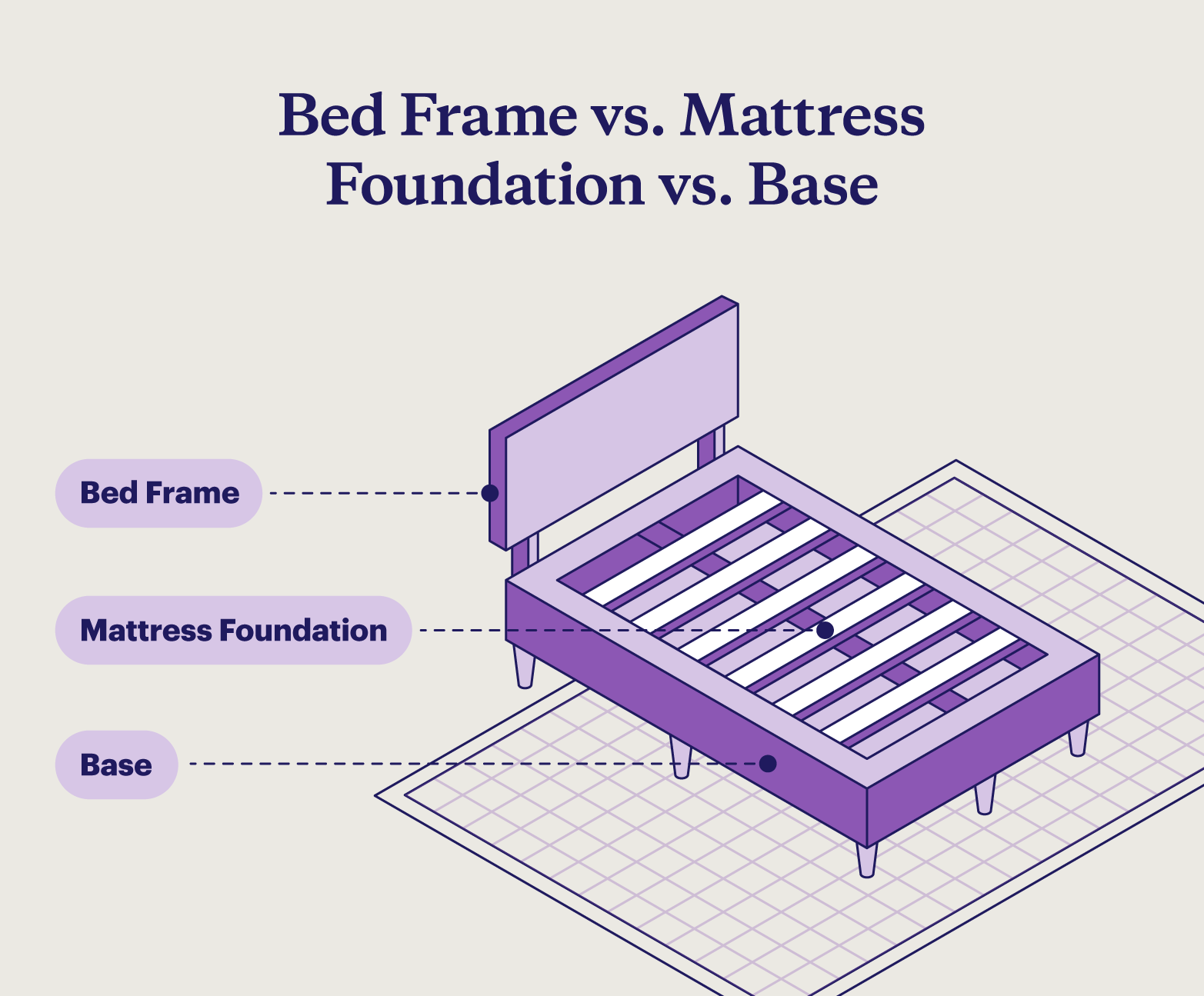
Even the highest-quality mattress will fail if its foundation is inadequate. The foundation distributes weight evenly across the mattress core and prevents sagging.
Foundation Types and Support Requirements
- Solid platform beds: Ideal for all mattress types, provide even support across the entire surface.
- Slatted frames: Slats should be no more than 3 inches apart for foam and latex mattresses; wider spacing will cause the mattress to sag between slats. For innersprings, slats can be up to 4 inches apart.
- Box springs: Only needed for traditional innerspring mattresses that specify a box spring is required. Modern foam and hybrid mattresses do not need a box spring, and using one can add unnecessary height and uneven support.
- Adjustable bases: Provide customized support for sleepers with chronic pain or mobility issues, but ensure the base is locked in place to avoid uneven pressure on the mattress core.
Caring for Your Foundation and Mattress Support
- Rotate your mattress every 3-6 months (never flip a pillow-top mattress, only rotate 180 degrees) to prevent uneven sagging.
- Keep humidity below 50% to prevent foam degradation and mold growth, which can weaken core support over time.
- Replace your foundation when it shows signs of sagging or broken slats: an old foundation will cause even a new mattress to sag prematurely. proper topper care can extend the life of your mattress comfort layers, but it will not fix a failing core support system.
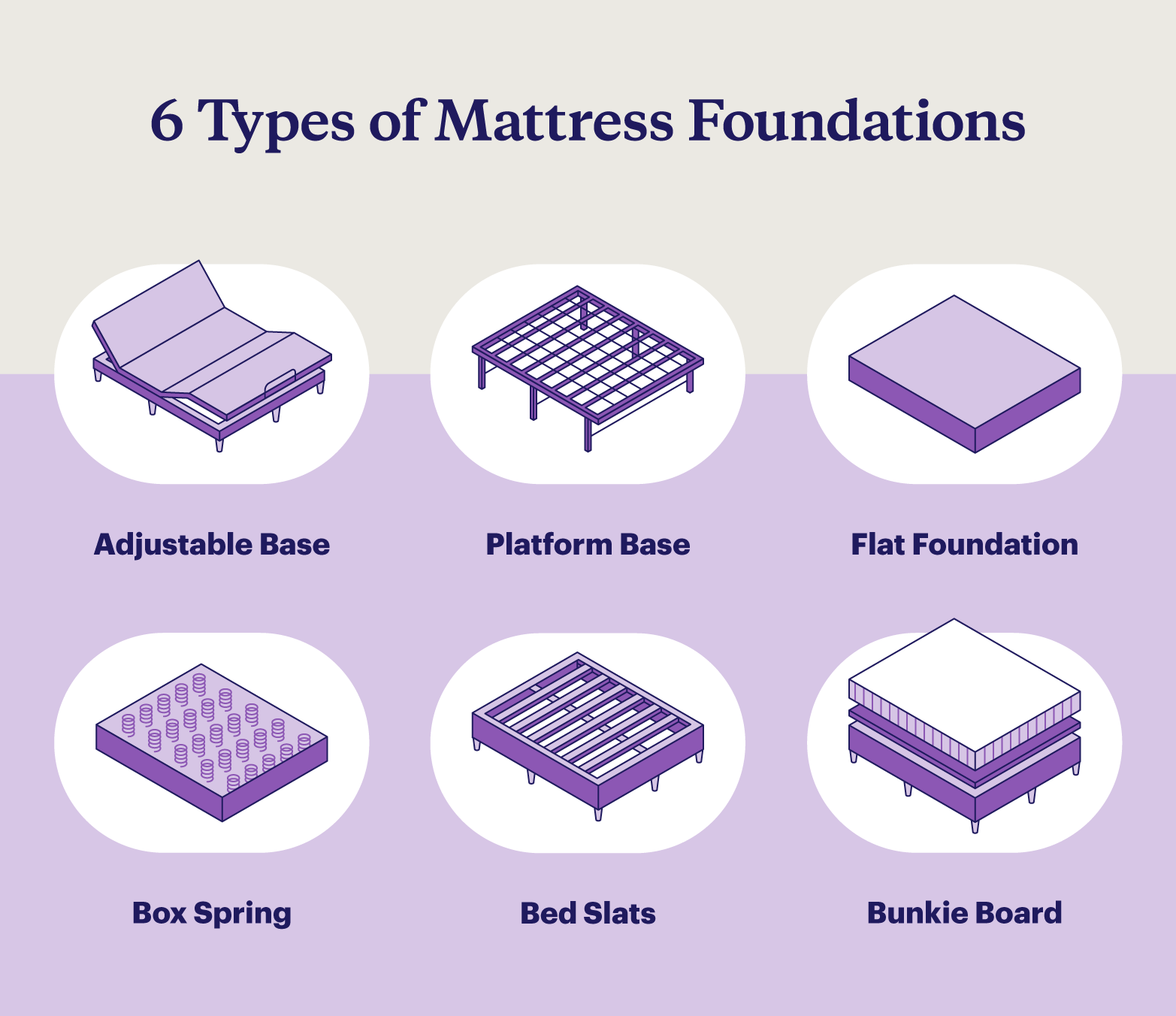 Your foundation is just as important as your mattress for long-term, consistent support
Red Flags Your Mattress Support Is Failing
It’s not always obvious when support is failing, but these clear signs mean it’s time to replace your mattress or foundation:
- Visible sagging deeper than 1 inch when you lie on the mattress, or soft spots when you press on the surface.
- Consistent morning back, hip, or shoulder pain that doesn’t go away after 2-3 weeks of use.
- Feeling like you’re rolling off the edge of the bed when you sleep near the perimeter.
- Squeaking or creaking coils (for innerspring mattresses) that indicate worn-out support components.
- The mattress feels uneven or lumpy when you lie on it, even after rotating it.
If you notice these signs, a mattress topper will only mask the problem temporarily. For long-term relief, replace the core support system first. signs your core support is failing can help you assess if your current mattress is still salvageable or needs to be replaced.
Common Myths About Mattress Support
Misinformation about support leads to costly, uncomfortable purchases. Here are the most common myths debunked:
- Myth: Softer mattresses can’t provide good support. Fact: Support comes from the core, not the top layer. A plush mattress with a high-density foam or coil core can provide excellent alignment for side sleepers.
- Myth: Firmer mattresses are always better for back pain. Fact: The right support depends on your sleep position and body weight. A too-firm mattress for a side sleeper will create painful pressure points, even if it has a strong core.
- Myth: Thicker mattresses always have better support. Fact: A 14-inch mattress with low-density foam cores will sag faster than a 10-inch mattress with high-density latex or coils. Core construction matters far more than overall thickness.
- Myth: You don’t need to replace your box spring when you get a new mattress. Fact: Old, sagging box springs will cause even the highest-quality mattress to lose support within 1-2 years. Always replace the foundation if it’s over 7 years old.
- Myth: A mattress topper can fix sagging support. Fact: Toppers only adjust comfort and pressure relief; they cannot restore structural support to a sagging core. If your mattress sags more than 1 inch, replace the mattress rather than adding a topper.

Frequently Asked Questions
What is the difference between support and firmness?
Support describes how well a mattress’s core holds your body and keeps your spine in neutral alignment, regardless of how soft the top layers feel. Firmness is a subjective measure of how hard or soft the top surface feels when you first lie down. A soft mattress can have excellent support, and a firm mattress can have poor support if its core is weak.
How do I test mattress support at home?
Lie in your usual sleep position for 30 minutes, then do the hand test: slide one hand under your lower back. A small gap (1-2 finger widths) indicates proper support. Track morning pain or stiffness for 2-4 weeks to assess long-term support; consistent aches mean the mattress is not a match. waking up without morning stiffness starts with the right support for your body.
Can a soft mattress provide good support?
Yes, if it has a dense, resilient core. Look for mattresses with a 1.5"+ high-density foam or coil core, even if the top layers are plush and cushiony. This is especially important for side sleepers, who need pressure relief for shoulders and hips without sacrificing spinal alignment.
How long does mattress support last?
High-quality innerspring and hybrid mattresses retain good support for 7-10 years with proper care. Latex mattresses can last 10-15 years, while low-density foam mattresses may start to sag after 5-6 years. Regular rotation and a supportive foundation will extend your mattress’s lifespan.
Will a mattress topper improve poor support?
No. A topper can adjust comfort and pressure relief, but it cannot restore structural support to a sagging core. If your mattress sags more than 1 inch or causes consistent pain, replace the mattress or foundation instead of adding a topper.
Do I need a box spring for proper mattress support?
Only if you have a traditional innerspring mattress that specifies a box spring is required. Modern foam, latex, and hybrid mattresses work best on solid platform beds or slatted frames with closely spaced slats. Using an unnecessary box spring can add uneven support and shorten your mattress’s lifespan.
How often should I replace my mattress to maintain support?
Most manufacturers recommend replacing your mattress every 7-10 years, depending on materials and usage. If you notice consistent sagging, morning pain, or reduced support before that timeline, replace it sooner to avoid long-term pain.
Conclusion
Mattress support is the single most important factor in getting restful, pain-free sleep, far more impactful than marketing buzzwords like “plush” or “hot sleeper friendly.” Prioritize core construction over top-layer softness, test mattresses in your usual sleep position for at least 30 minutes in-store, and never skimp on a supportive foundation. If you’re ready to upgrade your sleep setup, start by assessing your current foundation and testing a new mattress for its full trial period. For more tips on improving your sleep quality, check out our guides on optimal sleep positions for pain relief and waking up without morning stiffness. Share your mattress support tips or questions in the comments below.
Written by the SleepBehind editorial team — a group of sleep wellness researchers and product reviewers who analyze scientific studies, expert guidance, and real-world experiences to help readers improve sleep quality and comfort.