
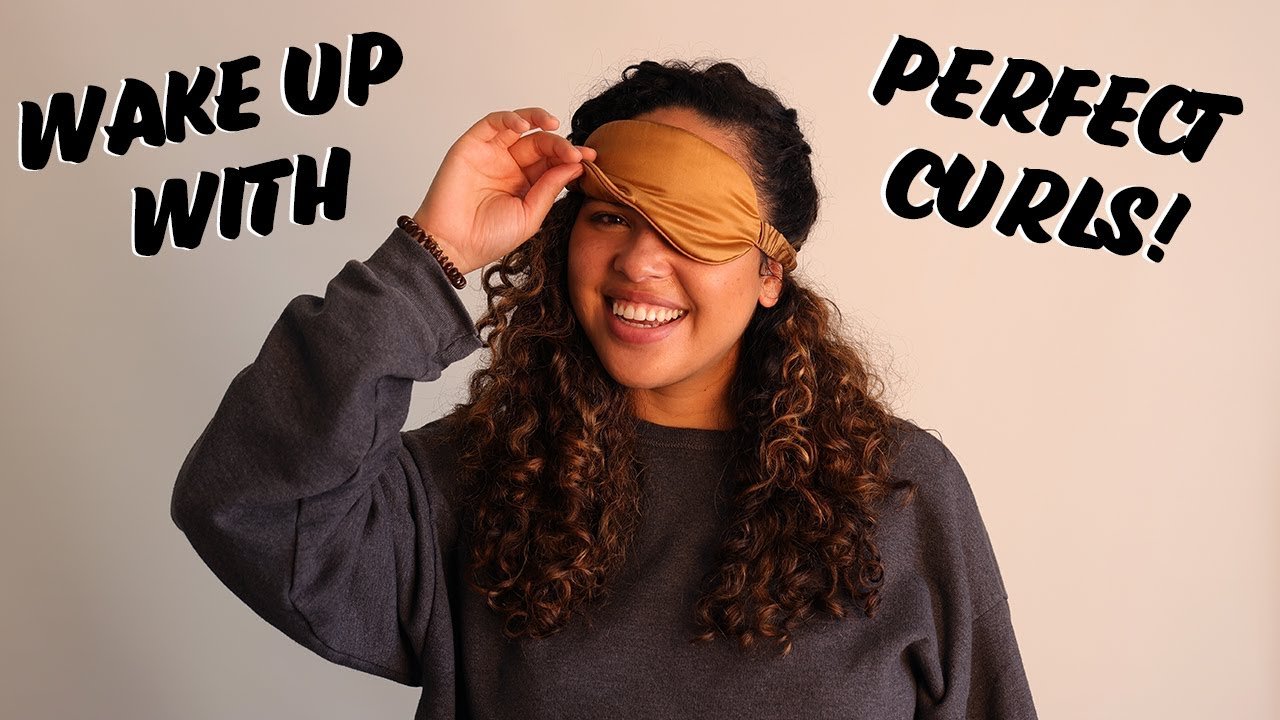
Waking up to flattened, frizzy, or stretched-out curls after washing your hair at night is a universal frustration for people with curly hair. If you’ve ever spent 20 minutes restyling your hair in the morning only to have it frizzy by noon, you know how valuable a solid overnight curl routine is. I’ve worked with hundreds of curl clients over the past 5 years and tested dozens of night techniques, so I know exactly what works (and what’s a waste of time) for sleeping with wet curls. This guide breaks down 8 simple, effective techniques tailored to all curl types, plus product picks, troubleshooting tips, and answers to common questions to help you wake up with defined, low-frizz curls every day.
 Pineappling is one of the most popular low-friction styles for wet curls.
Why Proper Night Care For Wet Curls Matters
Sleeping with wet curls changes how your short curly hair routines dry and set overnight. Wet hair has raised, swollen cuticles that are far more prone to friction and breakage than dry hair. If you sleep on wet curls without protection, you risk flattening your curl pattern, excessive frizz from cuticle rubbing, and uneven drying that leaves some sections crunchy and others damp. A proper routine preserves your natural curl definition, cuts morning restyling time by more than half, and reduces breakage from tension and friction. When done consistently, these techniques can even extend the time between trims by preventing split ends from overnight rubbing. You can also read our guide on how to improve rem sleep naturally.
Common Myths And Real Risks Of Sleeping With Wet Curls
Many people avoid sleeping with wet curls entirely due to unsubstantiated fears of permanent damage, scalp mildew, or extreme breakage. The reality is far less dire, as long as you follow basic protective steps. The American Academy of Dermatology confirms that wet hair is significantly more fragile than dry hair due to raised cuticles, but gentle handling and loose styles eliminate most overnight breakage risk. Curly hair care best practices from the AAD recommend avoiding tight elastics and harsh toweling to preserve hair integrity.
Common myths to ignore:
- Myth: You must 100% air-dry your hair before bed. Truth: Damp (not dripping) hair is perfectly safe to sleep on if you use a loose protective style and satin tools.
- Myth: Wet curls always cause scalp mildew. Truth: Mildew only occurs if hair is soaking wet and your bedding is non-breathable, with poor bedroom ventilation. Blotting excess water eliminates this risk entirely.
- Myth: You need expensive, curl-specific products to protect your hair. Truth: A basic satin pillowcase and loose style work for most people, no pricey products required.
The only real risks of sleeping with wet curls are breakage from tight hairstyles, frizz from cotton pillowcases, and mild scalp irritation from soaking wet hair pressed against a cold pillow for hours. If you have a sensitive scalp or notice persistent odor after sleeping with damp hair, switch to drying your hair 80% before bed until you adjust your routine. If you have anxiety around hair damage from overnight routines, rest easy knowing these low-friction techniques eliminate nearly all risk of harm. You can also read our guide on weighted eye mask for sleeping review.
 Common myths about sleeping with wet curls are largely unsubstantiated when proper protection is used.
8 Easy Night Techniques For Wet Curls
Follow these step-by-step techniques in order for the best results, or mix and match based on your curl type and sleep habits.
1. Blot Excess Water Gently First
Never rub wet hair with a rough cotton towel to dry it—this roughens up the cuticle and causes frizz and breakage. Instead, use a microfiber towel or old cotton t-shirt to squeeze (not rub) water from your ends up to your roots. Stop blotting when your hair feels cool and slightly damp to the touch, not dripping wet. For high-porosity hair that absorbs moisture quickly, blot for 30 seconds longer to remove more surface water; for low-porosity hair, leave a bit more moisture in to enhance curl definition. Pair this step with easy bedding care to keep your sleep surface fresh between washes and avoid trapped moisture. You can also read our guide on how to sleep with wavy hair.
2. Apply Leave-In And Styling Products To Damp Hair
While your hair is still evenly damp, apply a pea-sized amount of lightweight leave-in conditioner first, working from ends to roots to add slip and moisture. Next, apply your chosen curl cream or gel section by section, scrunching each section to encourage curl clumps. A common mistake I see with curl clients is applying product to soaking wet hair, which dilutes the formula and leaves curls undefined by morning. For 3a-3b looser curls, stick to water-based, lightweight products to avoid weighing down your roots. For 4b-4c tight coils, add a drop of lightweight argan or jojoba oil to your ends after product to seal in moisture and prevent overnight dryness. For people who wear a gel cast, gel cast without a bonnet is possible with a loose pineapple and satin pillowcase.
3. Detangle Gently Before Securing Your Style
Tangled hair will mat and tangle further overnight, leading to breakage and lost curl definition. Use a wide-tooth comb or your fingers to detangle in small sections, starting at the ends and working your way up to the roots. For tighter curl types, a flexible-bristle detangling brush works well. Keep movements slow and gentle—never pull through knots, as this causes immediate breakage. If you detangled in the shower, do a quick 1-minute pass before bed to catch any leftover tangles that could cause matting while you sleep. You can also read our guide on why cant i fall asleep fast.
4. Use A Loose Pineapple For High Volume
The pineapple method is the most popular protective style for wet curls, and for good reason: it keeps all your hair on top of your head, so it doesn’t get crushed against your pillow overnight. Gather all your hair at the crown of your head, and secure it with a loose, fabric-covered scrunchie (avoid tight, rubber elastics, which cause traction). The style should be loose enough that you can slide a finger between the scrunchie and your scalp without feeling tension. For people with short curls (ear-length or shorter), split your hair into two small pineapples on either side of your head instead of one large one. For extra protective style variations, adjust the pineapple height or add loose braids for tighter curl types.
5. Try Loose Braids For Tighter Curl Patterns
If you have 3c-4c tight coils, loose braids are often more effective than a pineapple for preserving curl shape and preventing shrinkage. Split your hair into 2-3 equal sections, and braid each section loosely from root to end, securing the end with a soft fabric hair tie. Keep the braids loose enough that they don’t pull at your roots—tight braids will stretch out your curl pattern and cause traction breakage over time. Leave the ends of the braids loose for extra volume in the morning, or tuck them into the braid for a smoother, less messy look.
6. Wrap With A Silk Or Satin Scarf For Edge Protection
After securing your hair in a pineapple or loose bun, wrap a silk or satin scarf around your hairline and the base of your style to protect your fragile edges from friction. This also keeps your hair from slipping out of its style overnight, so you wake up with fewer stray strands. Choose a scarf that’s not too tight—tight headwraps cause tension on the hairline and can lead to breakage over time. This step also helps with keeping hair off your face so you don’t wake up with strands stuck to your skin or pillowcase.
7. Sleep On A Satin Or Silk Pillowcase
Cotton pillowcases are the #1 cause of overnight frizz and breakage for curly hair: they absorb moisture from your hair, rub against raised cuticles, and create friction that stretches out curl patterns. Swap your cotton pillowcase for a satin, silk, or bamboo option, which has a smooth, low-friction surface that keeps moisture in the hair shaft and prevents your style from getting crushed. If you don’t want to buy a new pillowcase, a satin sleep cap works just as well. For pillow compatibility with damp hair, opt for breathable satin or silk covers that wick moisture away instead of trapping it against your scalp.
8. Adjust Your Sleep Position To Avoid Flattening
If you sleep on your side or stomach, your hair gets pressed flat against your pillow overnight, leading to root flattening and lost volume. Try to sleep on your back as much as possible, or use a satin pillowcase on both sides if you share a bed. For side sleepers, pull your pineapple or loose bun higher on your head so it doesn’t get smushed under your head while you sleep. If you move frequently in your sleep, add a satin bonnet over your style for extra protection. Small sleep position adjustments can prevent root flattening and preserve your curl shape overnight, even if you move frequently in your sleep.
 A consistent routine is the biggest factor in waking up with defined, frizz-free curls.
Essential Tools And Products For Wet Curl Protection
You don’t need a cabinet full of expensive products to protect your wet curls overnight, but a few key tools make a huge difference:
- Satin or silk pillowcase: Reduces friction compared to cotton, locks in moisture
- Satin bonnet or sleep cap: Extra protection for people who move a lot in their sleep, or have fragile edges
- Microfiber towel or old cotton t-shirt: For gentle blotting of excess water without roughing up cuticles
- Wide-tooth comb or flexible detangling brush: For gentle detangling without breakage
- Lightweight leave-in conditioner: Adds slip and moisture to damp hair
- Curl cream or gel (no crunch): Defines curl clumps and holds shape overnight
- Lightweight hair oil (argan, jojoba): Seals moisture into ends to prevent overnight dryness
Avoid heavy, oil-based products that never fully absorb, as these can leave residue on your satin pillowcases and cause buildup over time.
 Satin and silk tools reduce friction and lock in moisture for healthier overnight curls.
Tailoring Techniques To Your Curl Type And Porosity
No single technique works for every curl type, so adjust your routine based on your hair’s unique needs:
- 2a-2c wavy hair: Use lightweight, water-based products, and a loose pineapple or low loose bun. Avoid heavy gels that weigh down waves.
- 3a-3b loose curls: A standard pineapple works well, with a light curl cream for definition. Use a satin bonnet if you move a lot in your sleep.
- 3c-4a tight coils: Loose braids or a loose bantu knot work better than a pineapple to prevent shrinkage. Use a heavier curl cream and a drop of oil on ends.
- 4b-4c coily hair: A silk scarf wrapped over a loose pineapple or two-strand twists provides extra protection. Use a thick, moisturizing leave-in and curl cream to prevent overnight dryness.
Porosity also matters: high-porosity hair absorbs moisture quickly but loses it fast, so blot more water before bed and seal ends with oil. Low-porosity hair has trouble absorbing product, so use water-based formulas and avoid heavy, occlusive products that sit on top of the hair shaft. If you infrequent wet sleep routines, you can simplify the routine to just blotting, a loose pineapple, and a satin pillowcase for low-effort protection.
 Different curl patterns benefit from tailored protective styles to preserve shape overnight.
Troubleshooting Common Overnight Curl Issues
Even with a solid routine, you may run into occasional issues. Here’s how to fix the most common problems:
- Flat, lifeless roots: Loosen your pineapple 1-2 inches higher on your head, and avoid securing it too tightly at the base. In the morning, flip your head upside down and scrunch roots with a little water or curl refreshing spray.
- Excessive frizz: Add a tiny amount of gel to your routine before bed to clump curls and reduce cuticle friction. Ensure your satin bonnet or pillowcase is clean, as product buildup increases friction over time.
- Damp, mildewy scent: Blot hair until it’s just damp, not soaking, before bed. Ensure your bedroom is well-ventilated, and wash your satin pillowcases and bonnets every 1-2 weeks to prevent bacteria buildup. If you notice unexpected overnight dryness, add a light oil to your ends before bed to lock in moisture.
- Matting and tangling: Detangle thoroughly before bed, use loose braids instead of a pineapple for very tight curl types, and avoid putting hair up in a tight bun or ponytail.
- Breakage around the hairline: Switch to a silk scrunchie, loosen your protective style, and avoid tight headwraps that pull on your edges.
 Most common overnight curl issues have simple, fixable solutions.
Frequently Asked Questions
Will sleeping with wet curls damage my hair?
No, not if you follow protective steps. Wet hair is more fragile than dry hair, but loose styles, gentle detangling, and low-friction fabrics prevent breakage and tension. Damage only occurs if you use tight elastics, rub hair against cotton, or sleep on hair that’s soaking wet, which can cause scalp irritation and cuticle damage over time.
How damp is too damp to sleep with?
Your hair should feel cool and slightly damp to the touch, not dripping wet. If you squeeze a section of hair and water runs down your arm, it’s too wet—blot it with a microfiber towel for another 2-3 minutes before bed. Soaking wet hair can cause your scalp to stay cold and damp overnight, leading to irritation, and can also seep into your bedding, causing mildew and odor over time.
Can I diffuse my hair before bed instead of sleeping with it wet?
Yes, diffusing on low heat until your hair is 80-90% dry is a great option if you don’t want to sleep with damp hair. Just use a cool shot at the end to close the cuticle and lock in moisture. This reduces overnight frizz and makes your style last longer, but it adds 10-15 minutes to your routine.
Does pillow type really matter for wet curls?
Absolutely. Cotton pillowcases absorb moisture from your hair, rub against raised cuticles to cause frizz, and create friction that leads to breakage. Satin, silk, or bamboo pillowcases have a smooth surface that reduces friction, keeps moisture in the hair shaft, and prevents your style from getting crushed overnight. If you can’t switch your pillowcase, use a satin bonnet or sleep cap for similar protection.
How often can I use the pineapple method?
You can use the pineapple method every night if it works for your curl type. Just make sure the scrunchie is loose enough that you don’t feel any tension on your scalp or hairline. If you notice breakage around your roots, switch to a silk scrunchie or loosen the style further. For tighter curl types, you may want to alternate with loose braids every other night to avoid stretching your curl pattern.
 Answers to the most common questions about sleeping with wet curls.
Final Tips For Consistent, Defined Curls
Sleeping with wet curls doesn’t have to be a gamble—with the right routine, you can wake up with defined, low-frizz curls every morning, no matter your curl type. Start with the basics: blot excess water, apply product to damp hair, secure your hair in a loose protective style, and sleep on satin. Test one new technique at a time for 3 nights to see how your curls respond, rather than overhauling your entire routine at once. If you’re stuck on which technique to try first, start with the loose pineapple and a satin pillowcase—these two small changes deliver the biggest visible improvement for most people.
Have questions about your specific curl type or product picks? Drop a comment below—we read every response and follow up with personalized tips to help you get the best results from your overnight curl routine.
Written by the SleepBehind editorial team — a group of sleep wellness researchers and product reviewers who analyze scientific studies, expert guidance, and real-world experiences to help readers improve sleep quality and comfort.