Waking up groggy, foggy, and drained after logging a full 7–9 hours in bed is a universal frustration. The American Academy of Sleep Medicine confirms that meeting the standard recommended sleep duration doesn’t guarantee restful rest: their official guidelines emphasize that sleep quality, timing, and consistency are equally critical for feeling refreshed. Morning fatigue almost always points to disrupted sleep stages or unaddressed daily habits, not a lack of time spent asleep. This guide breaks down the most common causes of unrefreshing sleep, how to spot the difference between simple sleep deprivation and deeper issues, and actionable, evidence-backed fixes to help you wake up energized.
What Does “Waking Up Tired” Actually Mean?
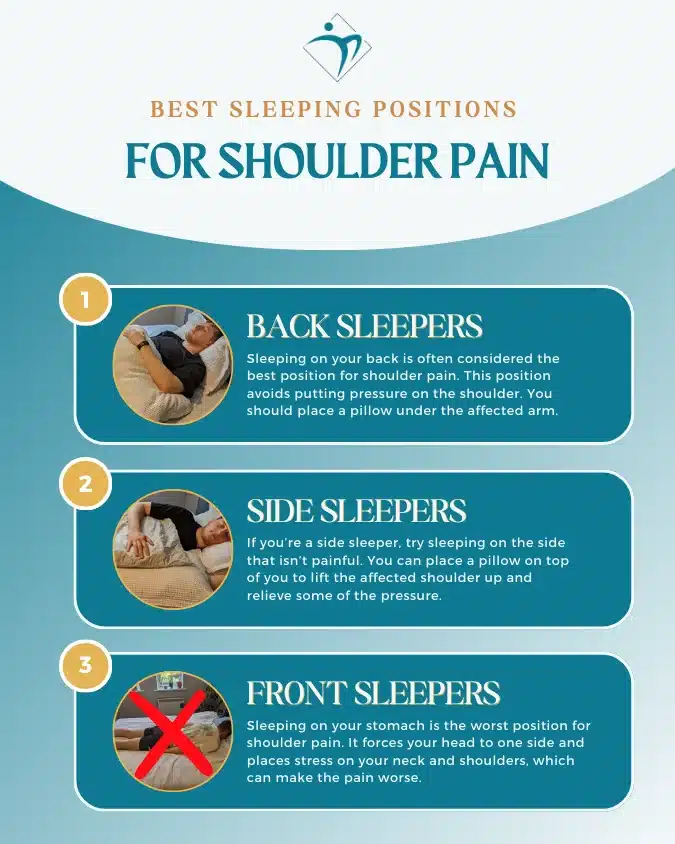
Waking up tired is distinct from feeling sleepy. Sleepiness is the physiological drive to fall asleep, while fatigue is a persistent lack of energy and restoration that lingers even after a full night of rest. Restorative sleep depends on the full, uninterrupted cycle of sleep stages: light sleep, deep (N3) sleep for physical repair, and REM sleep for memory consolidation and mood regulation. If these stages are fragmented or shortened, you’ll wake up feeling drained even if you logged enough hours in bed—a core focus of our sleep basics guide. You can also read our guide on how to sleep without shoulder pain.
Physical and mental fatigue often appear together, but they have distinct roots:
- Physical tiredness feels like heaviness in the limbs, muscle soreness, or low stamina
- Mental fatigue shows up as brain fog, poor focus, low motivation, or irritability
Many people assume 8 hours in bed equals 8 hours of restorative sleep, but frequent micro-awakenings (so brief you don’t remember them) or mistimed sleep can steal hours of deep and REM sleep without you noticing.
 Common factors that disrupt sleep stages and cause morning fatigue
Source: bettersleep
Common factors that disrupt sleep stages and cause morning fatigue
Source: bettersleep
The Most Common Reasons You Wake Up Tired
Poor Sleep Quality (Inadequate Deep or REM Sleep)
Poor sleep quality is the leading cause of morning fatigue. Deep sleep makes up 13–23% of total sleep in healthy adults, concentrated in the first half of the night, and drives physical recovery. REM sleep increases in the second half of the night and supports emotional regulation and memory. If you miss even 30 minutes of deep sleep, you’ll likely wake up with physical heaviness; missing REM sleep leads to brain fog and emotional flatness. A shorter night with solid, uninterrupted sleep stages often feels more restful than a longer night with frequent disruptions. If you’re regularly missing out on deep sleep, small adjustments to your routine can make a big difference—we cover actionable deep sleep optimization tips in our dedicated guide.
Circadian Rhythm Disruption and Social Jet Lag
Your body’s internal 24-hour clock (the circadian rhythm) coordinates sleep, hormone release, and energy levels based on light exposure, meal timing, and consistent sleep-wake schedules. When you shift your bedtime or wake time by more than an hour between weekdays and weekends (a pattern called social jet lag), it’s equivalent to crossing one time zone per week, throwing off the timing of sleep stages and reducing their restorative value. Shift workers, who often sleep during daylight hours when melatonin production is suppressed, are at especially high risk for circadian disruption and morning fatigue. Resetting a misaligned circadian rhythm takes consistent timing, but targeted steps can speed up the process—learn how to reset your body clock fast with our evidence-based routine.
Stress, Anxiety, and Elevated Nighttime Cortisol
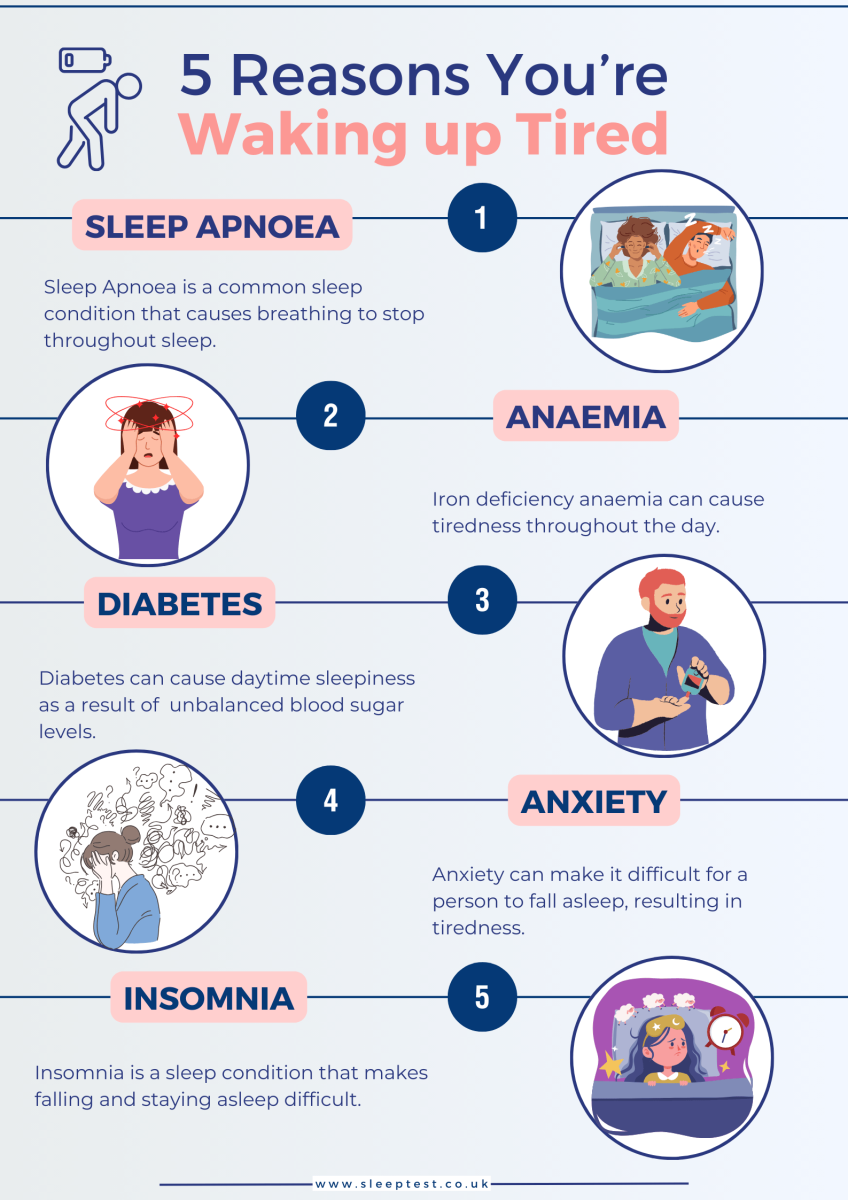
Cortisol is a wakefulness hormone that should be low at night and peak 30–60 minutes after you wake up. Chronic stress or anxiety keeps cortisol elevated into the evening, making it harder to enter deep sleep and causing frequent light sleep micro-awakenings. Racing thoughts don’t always prevent you from falling asleep, but they can keep you stuck in lighter sleep stages all night, leading to mental fatigue even after 8 hours of rest. This is one of the most common reversible causes of morning tiredness for people with high work or life stress.
Sleep Apnea and Nighttime Breathing Disorders
Obstructive sleep apnea (OSA) causes repeated pauses in breathing throughout the night, which trigger micro-awakenings to restart breathing. These disruptions are often so brief you don’t remember them, but they fragment sleep architecture so severely that deep and REM sleep can be reduced by 50% in severe cases. The CDC recognizes sleep apnea as a leading cause of unrefreshing sleep, with an estimated 30 million U.S. adults living with undiagnosed OSA. Common red flags include loud snoring, gasping or choking sounds during sleep, morning headaches, and persistent daytime fatigue. For people with mild OSA, specialized sleep apnea pillows can help keep airways open and reduce disruptions.
Poor Sleep Environment
Even small disturbances in your bedroom can pull you out of deep sleep without full wakefulness:
- Light exposure as faint as a streetlight or phone LED indicator suppresses melatonin production
- Noise as low as 40 decibels (the level of a quiet conversation) causes micro-awakenings
- A bedroom temperature above 67°F (19°C) prevents your core body temperature from dropping enough to enter deep sleep
- An uncomfortable mattress or stiff bedding causes frequent micro-movements that disrupt sleep stages
Small tweaks to your bedroom setup can eliminate many of these environmental disruptors without a big budget.
 Graphic showing how daily habits and bedroom conditions impact sleep quality
Source: sleeptest
Graphic showing how daily habits and bedroom conditions impact sleep quality
Source: sleeptest
Lifestyle Habits That Secretly Drain Your Energy Overnight
Late-Night Screen Exposure
Phones, laptops, and TVs emit blue light that suppresses melatonin production by up to 50% when used within an hour of bed. This delays sleep onset and shortens deep sleep in the first half of the night, even if you don’t notice difficulty falling asleep.
Caffeine Timing Mistakes
Caffeine has a half-life of 5–6 hours, meaning a 3pm coffee still has 50% of its caffeine in your system at 9pm. Research shows caffeine consumed within 6 hours of bedtime can significantly reduce deep sleep duration, even if you fall asleep easily after drinking it.
Alcohol Before Bed
Alcohol is a sedative that helps you fall asleep faster, but it suppresses REM sleep in the second half of the night. As it metabolizes, it causes frequent awakenings and lighter, less restorative sleep, leaving you tired the next morning.
Heavy Late Night Meals
Heavy, high-fat or high-sugar meals within 2–3 hours of bed keep your digestive system active when it should be resting. This delays deep sleep onset, increases core body temperature, and causes nighttime discomfort that disrupts sleep stages.
Sleeping With Wet Hair
Going to bed with wet hair is a common but overlooked cause of morning fatigue. Damp hair and a wet pillow create a cold, damp sleeping environment that lowers your core body temperature too much, disrupting deep sleep. It can also cause scalp irritation or fungal overgrowth that leads to discomfort and micro-awakenings, and piled wet hair can cause neck stiffness and tension headaches by morning. If you regularly go to bed with wet hair, small adjustments to your routine can reduce these disruptions: we cover the healthiest ways to sleep with wet hair, plus tips for protecting your hair and comfort overnight.
How to Tell If Your Tiredness Is From Poor Sleep (Not Just Sleep Deprivation)
It’s easy to assume you need more sleep if you wake up tired, but the root cause is often poor sleep quality rather than insufficient hours. Use this checklist to spot the difference:
- You wake up unrefreshed most days, even after 7+ hours in bed
- You need 2+ alarms to get up, or hit snooze repeatedly
- You experience brain fog, poor focus, or irritability within an hour of waking
- You have an energy crash in the afternoon, even after a good night’s sleep
- You wake up with a dry mouth, sore throat, or mild headache most mornings
If you’re sleepy, you likely need to extend your sleep duration. If you’re tired after meeting the recommended 7–9 hours, focus on improving sleep quality, timing, and your daily habits.
How to Test and Track Your Sleep Quality
If you’re not sure what’s causing your fatigue, tracking your sleep can reveal patterns you might miss. Start with a simple sleep diary for 1–2 weeks, logging:
- Bedtime and wake time (including weekend variations)
- Nighttime awakenings and how long it takes to fall back asleep
- Caffeine, alcohol, and meal timing
- Morning energy levels (1–10 scale)
- Any notable stressors or late-night screen use
Wearable sleep trackers (like Apple Watch, Fitbit, or Oura Ring) can estimate sleep stages and nighttime movement, though they are not as accurate as a clinical sleep study. If your diary or tracker shows frequent awakenings or low deep/REM sleep, you can adjust your habits accordingly. If symptoms persist after 2–4 weeks of changes, talk to a doctor about a formal sleep study.
 Sleep trackers can help identify disruptions in your sleep stages
Source: thesleepreset
Sleep trackers can help identify disruptions in your sleep stages
Source: thesleepreset
Evidence-Based Fixes to Wake Up Feeling Refreshed
In practice, most people have 2–3 overlapping factors causing their fatigue, so a multi-pronged approach works best. Start with one small change this week, and add more as they become routine.
Protect Your Deep Sleep Stages
Deep sleep is most abundant in the first 3–4 hours of the night, so prioritize protecting that window:
- Avoid alcohol, heavy meals, and intense exercise 3 hours before bed
- Keep your bedroom completely dark and cool (60–67°F / 15–19°C)
- Stick to a consistent bedtime even on weekends to keep your circadian rhythm aligned
Optimize REM Sleep
REM sleep occurs mostly in the second half of the night, so cutting sleep short by even 1–2 hours drastically reduces REM quantity. To protect REM:
- Limit alcohol consumption, as it suppresses REM sleep even in small amounts
- Manage stress with a 10-minute wind-down routine before bed (reading, stretching, or meditation)
- Avoid setting an alarm that cuts your sleep short if you can wake up naturally
Fix Your Sleep Timing and Consistency
Going to bed and wake up at the same time daily—within a 30–60 minute window, even on weekends—trains your circadian rhythm to release melatonin and cortisol at the right times. This alone can improve sleep quality by 20–30% for most people with irregular schedules.
Optimize Your Bedroom Environment
Small environmental changes often deliver larger gains than supplements or gadgets:
- Use blackout curtains to block all external light
- Add a white noise machine or earplugs to eliminate disruptive noise
- Replace an old, lumpy mattress or add a supportive topper: we cover how to revive a Northern Nights feather topper or know when to replace a Gelform mattress pad to keep your bedding supportive
- Wash your mattress protector regularly to eliminate allergens and irritants that disrupt sleep: follow our Hush mattress protector cleaning guide to keep it in good shape
Adjust Problematic Lifestyle Habits
- Set a screen curfew 1 hour before bed, and keep phones out of the bedroom if possible. If you struggle to wind down without screens, our guide to falling asleep fast includes simple, screen-free routines that help you drift off in 10 minutes or less.
- Cut off caffeine 6 hours before bed, and limit alcohol to 1 drink or less within 3 hours of sleep
- Eat heavy meals at least 3 hours before bed, and stick to light, low-sugar snacks if you’re hungry late
- Avoid sleeping with wet hair to reduce discomfort and environmental disruptions
 Small, consistent habit changes are the most effective fix for most people
Source: eatingwell
Small, consistent habit changes are the most effective fix for most people
Source: eatingwell
When Waking Up Tired Is a Medical Red Flag
If you’ve adjusted your sleep habits, environment, and schedule for 2–4 weeks and still wake up tired, it’s time to see a healthcare provider. Persistent morning fatigue can be a sign of underlying conditions including:
- Obstructive sleep apnea or other breathing disorders
- Anemia, thyroid disorders, or vitamin deficiencies
- Chronic fatigue syndrome or depression
- Neurological conditions that disrupt sleep architecture
Red flags that warrant immediate medical attention include loud snoring with gasping or choking sounds, morning headaches, sudden memory or mood changes, or falling asleep unexpectedly during the day. This guide provides educational information only, and is not a substitute for professional medical advice.
 Underlying medical conditions can cause unrefreshing sleep even with adequate hours
Source: hamptonroadsent
Underlying medical conditions can cause unrefreshing sleep even with adequate hours
Source: hamptonroadsent
Frequently Asked Questions
What if I sleep 8 hours but still feel tired?
You can wake up tired after 8 hours if your sleep is fragmented or you’re missing key stages. Frequent micro-awakenings from sleep apnea, a poor sleep environment, or stress can steal hours of restorative sleep without you remembering waking up.
Can poor diet make me wake up tired?
Yes. Heavy late meals, low iron, low B12, and high-sugar foods before bed can all lower energy levels. Balanced meals and basic blood work to check for nutrient deficiencies can help resolve diet-related fatigue.
Is screen time the main reason people wake up tired?
Screens are a common contributor, as blue light delays melatonin and shortens deep sleep, but they rarely act alone. Most people have overlapping factors like stress, irregular schedules, or poor sleep environments that compound the effect of screen use.
How soon can I expect to feel better after changing habits?
Some people notice improved energy within 3–5 days of fixing their sleep schedule or cutting off caffeine. For lasting change, give new habits 2–4 weeks to fully reset your circadian rhythm and sleep architecture.
When should I see a sleep doctor?
See a provider if you snore loudly, gasp for air at night, fall asleep unexpectedly during the day, or if lifestyle fixes fail to improve your energy after several weeks. A sleep study can diagnose disorders like sleep apnea that require medical treatment.
Can naps help if I wake up tired?
Short 20–30 minute power naps can improve alertness and reduce afternoon fatigue without hurting nighttime sleep. Naps longer than 30 minutes can push back your circadian rhythm, reduce deep sleep at night, and leave you with sleep inertia (grogginess) when you wake up.
Why do I wake up tired even after 10 hours of sleep?
Oversleeping can disrupt your circadian rhythm and lead to sleep inertia, and is often a sign of underlying issues like depression, sleep apnea, or chronic fatigue. If you regularly need more than 9 hours of sleep to feel rested, talk to a doctor.
 Answers to the most common questions about unrefreshing sleep
Source: pzizz
Answers to the most common questions about unrefreshing sleep
Source: pzizz
Conclusion
Waking up tired after a full night’s sleep is rarely caused by one single issue—it’s usually a combination of sleep habits, environment, and sometimes underlying health factors. Start by tackling one small change this week: either fix your sleep schedule, cut off screens an hour before bed, or address disruptive habits like sleeping with wet hair. Track how your energy levels change over 2 weeks, and if you still feel drained, reach out to a sleep specialist for a full evaluation. If you found this guide helpful, share it with someone who’s also struggling with morning fatigue, and explore our full library of sleep tips to build a routine that leaves you feeling rested every day.

Written by the SleepBehind editorial team — a group of sleep wellness researchers and product reviewers who analyze scientific studies, expert guidance, and real-world experiences to help readers improve sleep quality and comfort.