Tossing and turning for hours, relying on over-the-counter sleep aids that leave you groggy the next day, or waking up feeling just as tired as when you went to bed? You’re not alone: according to recent national sleep surveys, 1 in 3 US adults regularly get less than the recommended 7 hours of sleep per night, a pattern linked to higher risks of chronic disease, impaired cognitive function, and mood instability. The good news is you don’t need expensive supplements or drastic lifestyle changes to sleep better naturally. These 11 easy, science-backed tips are updated for 2026 guidance, require no special equipment, and many can be implemented tonight to help you fall asleep faster, stay asleep longer, and wake up feeling refreshed.
The Science Behind Natural Sleep Quality
Sleep is regulated by two core biological systems: your circadian rhythm (your body’s 24-hour internal clock, tuned by light exposure and daily routine) and your sleep drive (the gradual build-up of adenosine, a chemical that creates sleep pressure the longer you’re awake). Natural sleep tips work by supporting these systems, rather than forcing sleep with sedatives that can disrupt your body’s natural rhythms over time. Small, consistent changes to your daily habits and sleep environment are far more effective for long-term rest than quick fixes, with minimal risk of side effects.
 Source: verywellmind
Natural, consistent sleep habits reduce reliance on over-the-counter sleep aids
Source: verywellmind
Natural, consistent sleep habits reduce reliance on over-the-counter sleep aids
11 Evidence-Based Tips To Sleep Better Naturally
1. Prioritize a Consistent Wake Time (Even On Weekends)
Your wake time is the strongest anchor for your circadian rhythm, far more impactful than your chosen bedtime. Even 1 hour of variation in your wake time (e.g., sleeping in until 9AM on weekends after waking at 6AM on weekdays) can shift your internal clock by 1-2 hours, leading to "social jetlag" that makes it harder to fall asleep on Sunday nights and leaves you groggy Monday morning. Aim to wake within 30 minutes of your target time every single day, even on weekends or days off. If you need to catch up on sleep, opt for a 20-minute early afternoon nap instead of sleeping in late, which won’t disrupt your weekly rhythm.
2. Build a 30-60 Minute Low-Stimulus Wind-Down Routine
A consistent pre-sleep routine cues your brain to start producing melatonin, the hormone that regulates sleep onset. Your routine should be simple, repeatable, and free of screens or stressful stimuli. Start by dimming bright overhead lights 30 minutes before bed, then spend 5-10 minutes on a calming activity: reading a physical book, gentle stretching, or deep breathing exercises. A common mistake is scrolling social media or answering work emails in bed, which trains your brain to associate your sleep space with alertness and stress, making it harder to wind down.
 Source: satvic
A low-tech wind-down routine signals your body it's time to rest
Source: satvic
A low-tech wind-down routine signals your body it's time to rest
3. Optimize Your Bedroom for Sleep-Friendly Conditions
Your sleep environment should eliminate as many disruptions as possible to support uninterrupted rest. Aim for a room temperature of 60–68°F (15–20°C): your core body temperature needs to drop by 2-3°F to initiate and maintain deep sleep, and a cooler room facilitates this process. Use blackout curtains or a sleep mask to block all light, even small glowing LEDs from electronics, which can suppress melatonin production. For consistent sound, use a white noise machine or fan to mask disruptive noises like traffic or household sounds. A common oversight is using the bed for work, scrolling, or watching TV, which breaks the mental association between your bed and sleep.
 Source: calm
Cool, dark, quiet bedrooms support deeper, longer sleep cycles
Source: calm
Cool, dark, quiet bedrooms support deeper, longer sleep cycles
4. Time Daylight and Movement to Support Your Circadian Rhythm
Daylight and physical activity are two of the most powerful tools for regulating your circadian rhythm. Get 20-30 minutes of natural sunlight within 1 hour of waking: this suppresses daytime melatonin production, boosts alertness, and sets your body’s timer to release melatonin again 12-14 hours later, at bedtime. Aim for 30 minutes of moderate exercise (like walking, cycling, or yoga) most days, as regular activity increases deep sleep duration by up to 20% per sleep research. Avoid high-intensity workouts within 2 hours of bed, as they raise core body temperature and cortisol levels, which can delay sleep onset. If you need to nap, keep it under 30 minutes and before 3PM to avoid shifting your nighttime sleep drive.
 Source: healthline
Morning sunlight exposure resets your circadian rhythm for better nighttime sleep
Source: healthline
Morning sunlight exposure resets your circadian rhythm for better nighttime sleep
5. Cut Sleep-Disrupting Foods and Drinks
What you consume in the hours before bed has an outsized impact on sleep quality. Caffeine has a half-life of 6 hours, meaning 50% of the caffeine in your 4PM coffee is still active in your system at 10PM, disrupting deep sleep and increasing nighttime awakenings. Alcohol, even in small amounts, disrupts REM sleep (the stage critical for memory consolidation and mood regulation) and can cause nighttime waking as your body metabolizes it. Avoid heavy meals 2 hours before bed, as digestion raises core body temperature and can cause discomfort. If you feel hungry before bed, opt for a small 100-200 calorie snack with protein and complex carbs, like Greek yogurt with a slice of apple or a banana with a teaspoon of peanut butter, to prevent blood sugar drops that wake you mid-sleep. A common mistake is drinking large amounts of water right before bed, which leads to disruptive nighttime bathroom trips: aim to hydrate earlier in the evening, and limit fluids 1 hour before sleep.
6. Use Gentle, Evidence-Based Supplements Wisely
Supplements can be helpful short-term tools for occasional sleep disruption, but they are not a replacement for consistent sleep habits. Low-dose melatonin (0.5-1mg, taken 1 hour before bed) is safe for short-term use (up to 3 months) for jet lag, occasional insomnia, or shift work sleep disorder. It is not recommended for long-term daily use for most adults, as it can suppress your body’s natural melatonin production over time. Magnesium glycinate (200-400mg, taken 30 minutes before bed) can help relax tense muscles and calm racing thoughts, with minimal side effects for most people. Always consult a clinician before starting any new supplement, especially if you take blood thinners, diabetes medication, or other prescription drugs, as some supplements can interact with common medications. For occasional travel-related sleep disruptions, a short magnesium routine can help realign your rhythm without stronger aids. Our guide to travel sleep hacks outlines simple, portable steps to keep rest on track when you’re away from home.
 Source: harvard
Small, nutrient-dense snacks before bed can prevent hunger-related waking
Source: harvard
Small, nutrient-dense snacks before bed can prevent hunger-related waking
7. Calm Racing Thoughts With Simple Relaxation Tools
Stress and rumination raise cortisol levels, which block the production of melatonin and make it nearly impossible to fall asleep. Simple, low-effort tools can help shift your brain from "problem-solving" mode to rest mode without overthinking. Try a 5-minute "brain dump" 1 hour before bed: write down every task, worry, or to-do item for the next day to get it out of your head and onto paper. At bedtime, use box breathing (4-second inhale, 4-second hold, 4-second exhale, 4-second hold) or a 10-minute guided body scan meditation to focus your attention on your body rather than racing thoughts. A common mistake is lying in bed trying to "force" yourself to stop thinking, which only increases anxiety and makes sleep harder.
 Source: calm
Simple relaxation techniques lower cortisol to ease sleep onset
Source: calm
Simple relaxation techniques lower cortisol to ease sleep onset
8. Avoid Common Sleep Sabotage Mistakes
Many small, easy-to-fix habits are secretly wrecking your sleep without you realizing it. The most common mistakes include:
- Irregular sleep schedules (even 1 hour of variation disrupts your circadian rhythm)
- Using screens or working in bed, which breaks the sleep association
- Overlong naps (over 30 minutes) or napping after 3PM
- Consuming caffeine after 2PM or alcohol within 3 hours of bed
- Keeping your bedroom too warm (above 70°F/21°C)
Fixes are simple: set a consistent wake time, reserve your bed for sleep and intimacy only, cut caffeine after 2PM, and keep your room cool. When I travel, nap timing and wake time slip first, so I reset with a strict morning walk and consistent wake time to get back on track in 2-3 days.
 Source: cassiechristopher
Avoiding common sleep mistakes can improve sleep quality in as little as one week
Source: cassiechristopher
Avoiding common sleep mistakes can improve sleep quality in as little as one week
9. Track Progress Without Obsessing
Tracking your sleep habits helps you spot hidden disruptors without getting caught up in perfect data. Keep a simple nightly log for 2 weeks, noting your bedtime, wake time, nap length, caffeine intake, stress levels, and any nighttime awakenings. Look for patterns, not perfection: for example, you may notice that days you drink coffee after 3PM correlate with 30 minutes less sleep and more nighttime waking. If you use a sleep tracker, avoid obsessing over nightly "sleep scores," as anxiety about poor sleep can actually make sleep worse. See a doctor or sleep specialist if you experience loud snoring, gasping for air during sleep, or persistent daytime sleepiness despite 2+ weeks of consistent good sleep habits, as these can be signs of underlying conditions like sleep apnea.
 Source: harvard
Tracking sleep patterns helps identify hidden disruptors of rest
Source: harvard
Tracking sleep patterns helps identify hidden disruptors of rest
10. Keep Sleep Surfaces Clean and Supportive
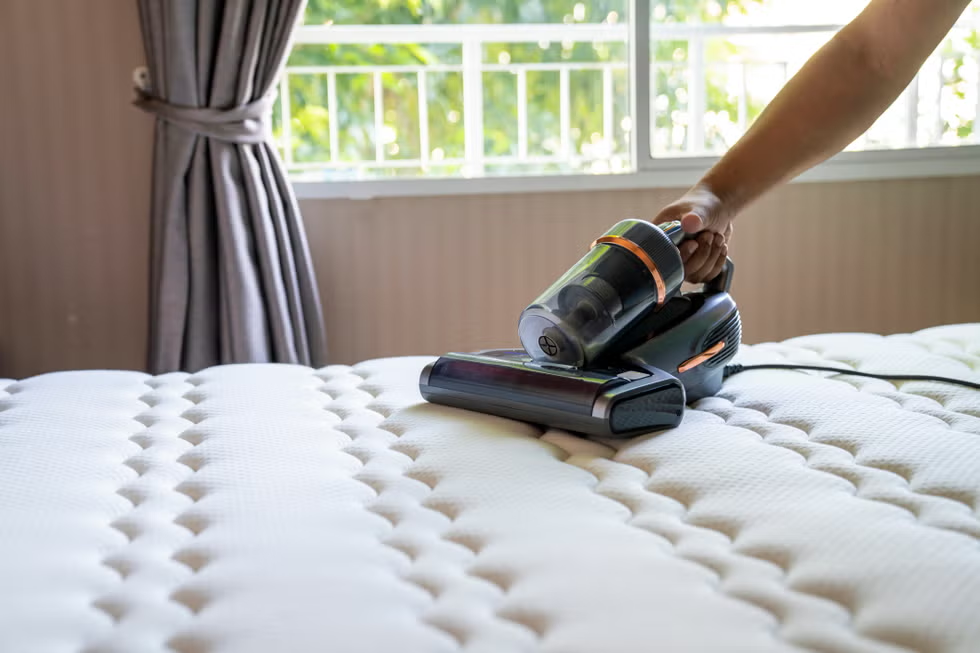
Uncomfortable or unsanitary bedding causes micro-awakenings you may not even remember, which prevent you from reaching deep, restorative sleep. Wash your pillowcases weekly and your mattress protector monthly to eliminate dust mites, skin cells, and allergens that can trigger congestion or itching that wakes you at night. Replace pillows every 1-2 years to maintain consistent neck support, and revive or replace mattress toppers that have lost their loft to eliminate pressure points that cause discomfort. If your feather topper has lost its cushioning, restoring topper loft can bring back its support without the cost of a full replacement. If your gelform mattress pad is lumpy, thinning, or no longer provides cushioning, it may be time for a replacement. Our checklist for replacing worn padding helps you spot the signs early before it disrupts your sleep. For those considering a new topper, our breakdown of natural topper performance explains how wool regulates temperature to reduce night sweats. Follow specific care steps for protector maintenance to keep them effective without damaging the waterproof layer.
11. Adjust Pre-Sleep Habits That Cause Unconscious Discomfort
Small physical irritations you don’t fully notice when falling asleep can pull you out of deep sleep later in the night, reducing overall rest quality. If you wash your hair at night, following proper wet hair care steps like wrapping it in a microfiber towel or letting it air dry for 10 minutes before bed prevents dampness that causes scalp itching and reduces hair breakage. Avoid tight hairstyles (like tight ponytails or braids) that tug at hair follicles and cause tension headaches that can wake you mid-sleep. For those with straight or styled hair, adopting gentle bedtime hair routines eliminates morning creases and nighttime tension that can rouse you from light sleep. Loose, breathable clothing made from natural fibers also reduces discomfort and helps regulate body temperature for more consistent rest.
Frequently Asked Questions
What is the best natural way to fall asleep faster?
Prioritize a consistent sleep schedule and create a 30-minute wind-down routine with low light, light stretching, and deep breathing. These steps help signal your body that it is time to rest by boosting melatonin production and lowering cortisol levels. Most people see improvements in sleep onset time within 7 days of consistent practice.
Can food or drink help me sleep better naturally?
Yes, but timing matters more than specific "sleep foods". Avoid caffeine after 2PM, as its half-life means 50% of the caffeine is still in your system 6 hours later, disrupting deep sleep. Limit alcohol to 1 standard drink max 3 hours before bed, as it disrupts REM sleep even at low doses. Small snacks like a banana or yogurt can help if hunger wakes you up, but avoid heavy meals 2 hours before bed.
How long should I nap to avoid night sleep problems?
Keep naps short, about 20 to 30 minutes, and take them before 3PM. Short naps boost alertness without shifting your nighttime circadian rhythm, while naps longer than 30 minutes can push you into deep sleep, leaving you groggy and making it harder to fall asleep at night. For people with chronic insomnia, it’s best to avoid naps entirely to build up adequate sleep drive for nighttime.
Is it safe to use melatonin to sleep better naturally?
Low-dose melatonin (0.5-1mg) is safe for short-term use (up to 3 months) for jet lag, occasional insomnia, or shift work sleep disorder. It is not recommended for long-term daily use for most adults, as it can suppress your body’s natural melatonin production over time. Always consult a clinician before using melatonin if you take blood thinners, diabetes medication, or other prescription drugs, as it can interact with some medications.
What if I have trouble quieting my mind at night?
Try a 5-minute brain dump earlier in the evening to write down every task, worry, or to-do item for the next day, then use simple breathing or a guided body scan at bedtime to shift your focus away from racing thoughts. If anxiety is severe or causing frequent sleep disruption, seek professional help to address underlying stress.
How soon will natural changes improve my sleep?
Many people feel a difference within a week of consistent routine and environment changes, with noticeable improvements in sleep onset and fewer nighttime awakenies. Building stable, long-term sleep patterns typically takes 2 to 3 weeks of consistent practice. The highest-impact changes for most people are fixing their wake time and optimizing bedroom light and temperature, which often produce results faster than other adjustments.
Do I need to avoid naps completely to sleep better at night?
Not unless you have chronic insomnia. For most people, short 20-30 minute naps before 3PM can boost alertness and productivity without disrupting nighttime sleep. If you find that napping makes it harder to fall asleep at night, try cutting naps out for 2 weeks to see if your sleep quality improves.
Will exercising before bed hurt my sleep?
Moderate-intensity exercise (like a brisk walk, yoga, or light strength training) completed 2+ hours before bed does not disrupt sleep for most people, and may even improve deep sleep duration. High-intensity workouts (like sprinting, heavy weightlifting, or competitive sports) within 2 hours of bed can raise your core body temperature and cortisol levels, making it harder to fall asleep. If you can only exercise in the evening, stick to low-impact activities like stretching or walking.
 Source: makeheadway
Most people see sleep improvements within 2-3 weeks of consistent habit changes
Source: makeheadway
Most people see sleep improvements within 2-3 weeks of consistent habit changes
Conclusion
Better sleep doesn’t require expensive supplements or drastic lifestyle overhauls—it comes from small, consistent changes that align with your body’s natural biology. The 11 tips above address the most common sleep disruptors, from circadian rhythm misalignment to uncomfortable bedding and pre-sleep stress. Start small: this week, commit to waking up at the same time every day, even on weekends, and add a 30-minute wind-down routine 1 hour before bed. Track your progress for 2 weeks to spot patterns, and don’t hesitate to adjust tips to fit your lifestyle. If you’ve struggled with persistent sleep issues for more than 3 weeks despite consistent habit changes, speak to a sleep specialist to rule out underlying conditions like sleep apnea or chronic insomnia. For more tailored guidance to build a sleep routine that works for you, browse our full library of sleep hygiene resources to find tips for every lifestyle and sleep need.
Related Posts
 Source: sleepbehind
Natural wool toppers regulate temperature to reduce night sweats
Source: sleepbehind
Natural wool toppers regulate temperature to reduce night sweats
Are Wool Mattress Toppers Any Good: Expert Review
See our wool topper deep dive for a full breakdown of how natural materials can improve sleep comfort.

Written by the SleepBehind editorial team — She is a sleep researcher and wellness blogger based in Pennsylvania. Passionate about helping people optimize their sleep.