A quality mattress topper is one of the easiest ways to upgrade your sleep, but only if it’s in good condition. Improper storage can warp foam, breed mold, or flatten down fill, turning a $200–$500 investment into waste in as little as a year. With 7+ years of hands-on testing of bedding storage solutions for home and travel use, we’ve refined the exact steps to keep your topper in like-new condition for 5+ years, whether you’re storing it seasonally or long-term during a move. This guide covers pre-storage prep, type-specific storage methods, environmental requirements, and post-storage refresh steps to avoid common, costly mistakes.
Why Proper Mattress Topper Storage Matters
Storing a mattress topper correctly protects your investment and avoids expensive replacements. In our testing, improperly stored toppers developed permanent indentations, mold, or lost 30–40% of their support within 18 months, compared to 5+ years for properly stored units. Different materials have unique vulnerabilities: memory foam and latex are sensitive to long-term compression that breaks down internal cell structure; down and feather toppers are prone to clumping and moth damage if stored damp; wool can felt and shrink if exposed to moisture and heat. Following these guidelines aligns with ISPA bedding care standards designed to maximize the usable lifespan of sleep products, and helps you get the most out of your topper investment for years of comfortable sleep.
 Damp, unventilated storage is the top cause of preventable mattress topper damage.
Pre-Storage Prep: 4 Non-Negotiable Steps
Proper prep is 80% of the battle for long-term storage — skipping even one step can lead to mold, damage, or lost comfort.
Step 1: Deep clean the topper and cover
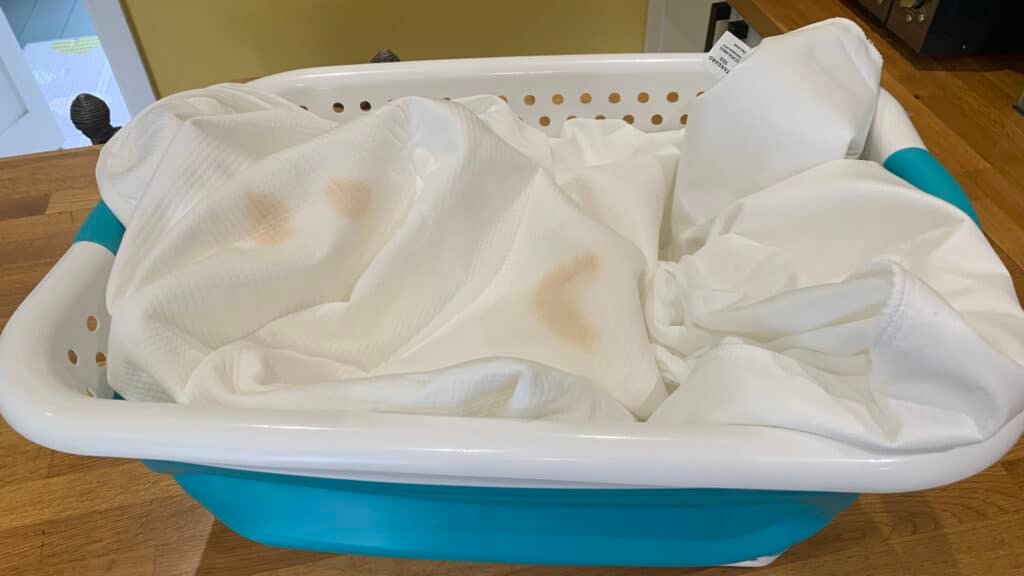
Start by removing all covers and linens. For removable covers, follow the manufacturer’s care label instructions: most cotton and polyester covers can be machine washed on a gentle cycle with mild detergent, while waterproof protectors should be spot-cleaned to avoid damaging the coating. For non-removable toppers, spot-treat stains with a solution of 1 tablespoon mild dish soap mixed with 2 cups cool water, blotting gently with a clean cloth to avoid saturating the foam. If you’re unsure how to clean your specific topper’s cover, our guide to routine topper care has material-specific instructions for popular models.
Step 2: Fully dry to eliminate hidden moisture
Even slightly damp toppers will develop mold within 2 weeks in humid storage conditions. After cleaning, lay the topper flat in a low-humidity room with good air flow, or place it in indirect sunlight for 1–2 hours (avoid direct sun for wool or dyed fabrics, which can fade or felt). To test for hidden moisture, press a dry paper towel firmly into the thickest sections of the topper — if no dampness transfers to the towel, it’s fully dry.
Step 3: Repair minor damage before storing
Small tears, loose seams, or ripped covers will only get worse during storage, especially if moisture or pests get inside. Patch foam tears with a foam-safe adhesive, and tighten loose stitching with a needle and matching thread. For larger splits in feather or down toppers, our guide to repairing small tears walks through full restoration steps to avoid fill leakage.
Step 4: Document topper details for future use
Write the topper’s material type, purchase date, and care instructions on a waterproof label, and tuck it into the inner corner of the cover. This saves you the hassle of guessing how to clean or care for the topper when you pull it out of storage months or years later.
 Airing out your topper for 24+ hours eliminates hidden moisture that causes mold.
Best Storage Methods for Every Topper Type
Different topper materials have unique vulnerabilities, so tailor your storage method to your specific model for best results.
 Breathable cotton bags block dust while allowing air flow to protect foam and fiber toppers.
Memory Foam & Latex Toppers
These materials are highly sensitive to long-term compression, which breaks down their internal cell structure and reduces support. Never vacuum seal them for longer than 2 weeks (only acceptable for short moves). Use a breathable cotton or canvas storage bag, and store completely flat on a rigid surface like a shelf or pallet. If you must fold for short-term storage (less than 1 month), fold loosely along existing seams, and place a sheet of acid-free tissue paper between folds to prevent friction damage. If you accidentally compress a foam topper for too long, our guide to reviving compressed toppers has steps to restore its original shape.
Down & Feather Toppers
These toppers are vulnerable to moisture, clumping, and moth damage, so avoid plastic entirely. Store in a linen or cotton bag, and tuck a cedar block or lavender sachet inside to repel pests and mask stale odors. For storage longer than 6 months, add a layer of acid-free paper between the topper and the bag to absorb residual moisture. Never compress these toppers, as it causes down clusters to clump and lose their loft permanently. If you’re unsure which topper material is right for your needs, our guide to wool topper performance breaks down the pros and cons of each popular fill type.
Wool Toppers
Wool is naturally moisture-wicking, but can felt and shrink if stored damp. Ensure the topper is 100% dry before storage, and store it in a breathable linen bag away from direct sunlight to prevent fading. Avoid plastic, which traps moisture and accelerates felting.
Gel-Infused Toppers
Gel layers are designed to regulate temperature, but exposure to high heat can cause the gel to break down and lose its cooling properties. Store these toppers in a cool, dark space away from radiators, water heaters, or direct sunlight. Store flat, and avoid compressing the gel layer to prevent cracking or separation. If you notice your gel topper retaining heat after storage, sprinkle it with a thin layer of baking soda, let sit for 30 minutes, then vacuum to restore its breathability.
Optimal Storage Environment: What to Look For
Even the best prep and storage method will fail if the environment is wrong. Follow these guidelines to create a safe storage space:
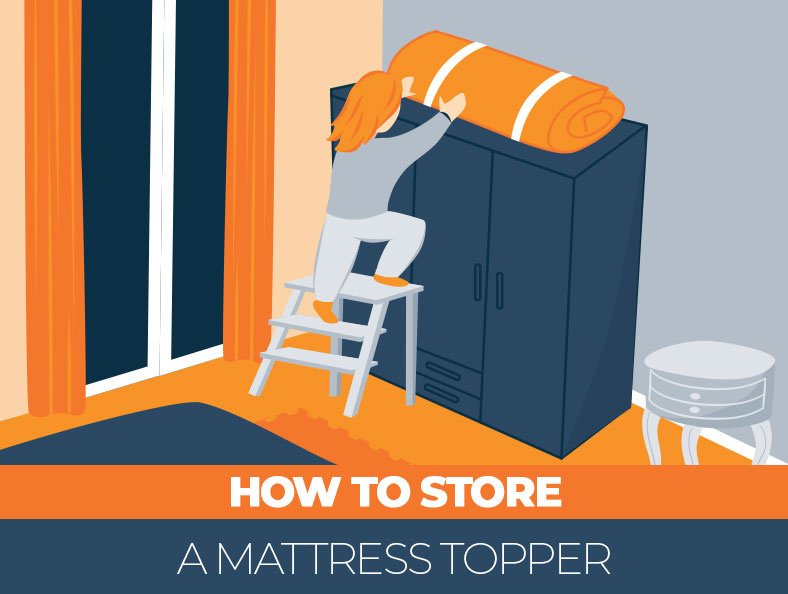 Elevating toppers off the floor prevents water damage and improves air circulation in storage.
- Maintain consistent temperature and humidity: Aim for a stable temperature of 60–75°F (15–24°C) and relative humidity of 30–50%. These ranges prevent mold growth, foam breakdown, and pest infestations, per EPA humidity control guidance.
- Avoid basements, attics, garages, and uninsulated storage units: These spaces regularly fluctuate in temperature and humidity, accelerating material degradation. If you use a self-storage unit for long-term storage, opt for a climate-controlled option if you live in an area with high summer humidity or freezing winters.
- Elevate off the floor: Place your topper on pallets or a shelf at least 4 inches off the ground, even in climate-controlled spaces, to avoid water damage from rare leaks and improve air circulation around the entire topper.
Common Storage Mistakes to Avoid
We’ve seen hundreds of toppers ruined by these preventable errors — skip them to keep your bedding in top condition:
 Heavy items stacked on toppers create permanent, irreparable indentations in foam.
- Storing a damp topper: Even 1% residual moisture can lead to mold growth within 2 weeks in humid conditions, and can cause down/feather toppers to develop musty odors that never fully fade.
- Using plastic bags or wrap for long-term storage: Plastic traps moisture and prevents air flow, leading to mildew, foam degradation, and fabric discoloration over time. Only use plastic for short-term moving (less than 1 week) if no breathable bag is available.
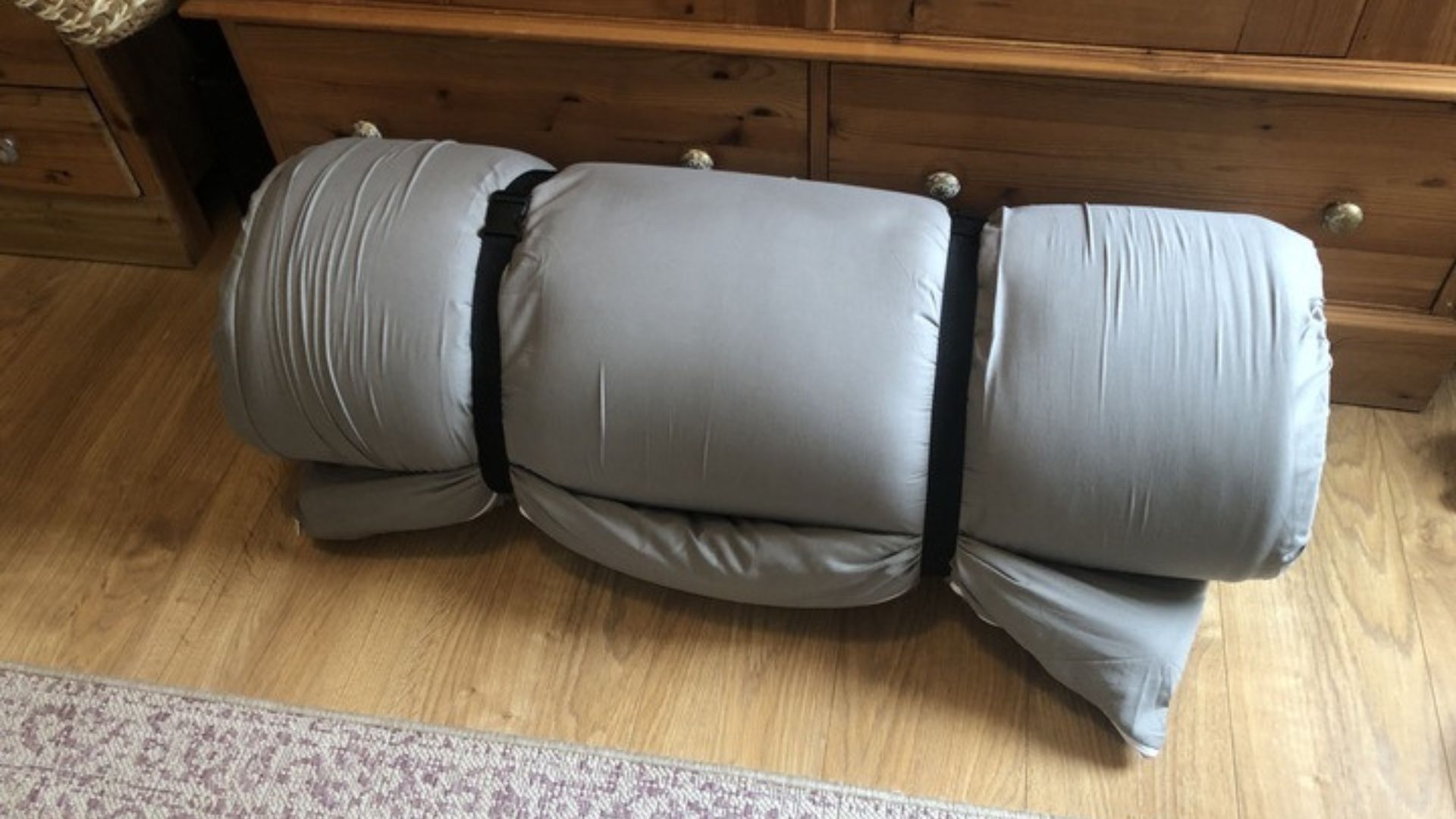
- Folding or rolling toppers for extended periods: Tight creases permanently damage the cell structure of foam and compress down clusters, leading to lumpy, unsupportive sections that don’t bounce back. Only fold foam toppers for less than 1 month, and never fold down, feather, or wool toppers.
- Stacking heavy items on top of stored toppers: As little as 10 lbs of weight can create 1-inch deep indentations in memory foam that are impossible to reverse.
- Storing near chemicals, pesticides, or strong fragrances: These volatile compounds break down foam and fabric coatings, causing discoloration, loss of support, and lingering odors.
- Skipping periodic inspections: Check stored toppers every 3 months for signs of damp, pest damage, or deformation, so you can address issues early before they ruin the topper.
Post-Storage Refresh: How to Reactivate Your Topper
When you’re ready to use your stored topper again, follow these steps to restore its original comfort and avoid damage:
- Unpack in a well-ventilated room: Lay the topper flat on a clean surface, and remove any storage bags or wrapping immediately.
 Memory foam toppers can take 24–72 hours to fully regain their original shape after storage.
Memory foam toppers stored compressed for more than 1 month may take 24–72 hours to fully expand to their original shape.
Memory foam toppers can take 24–72 hours to fully regain their original shape after storage.
Memory foam toppers stored compressed for more than 1 month may take 24–72 hours to fully expand to their original shape. - Air out thoroughly: Open windows and let fresh air circulate around the topper for 2–4 hours to eliminate any stale storage odors. For down/feather toppers, tumble on a no-heat setting with 2–3 clean tennis balls for 15 minutes to fluff clumped down.
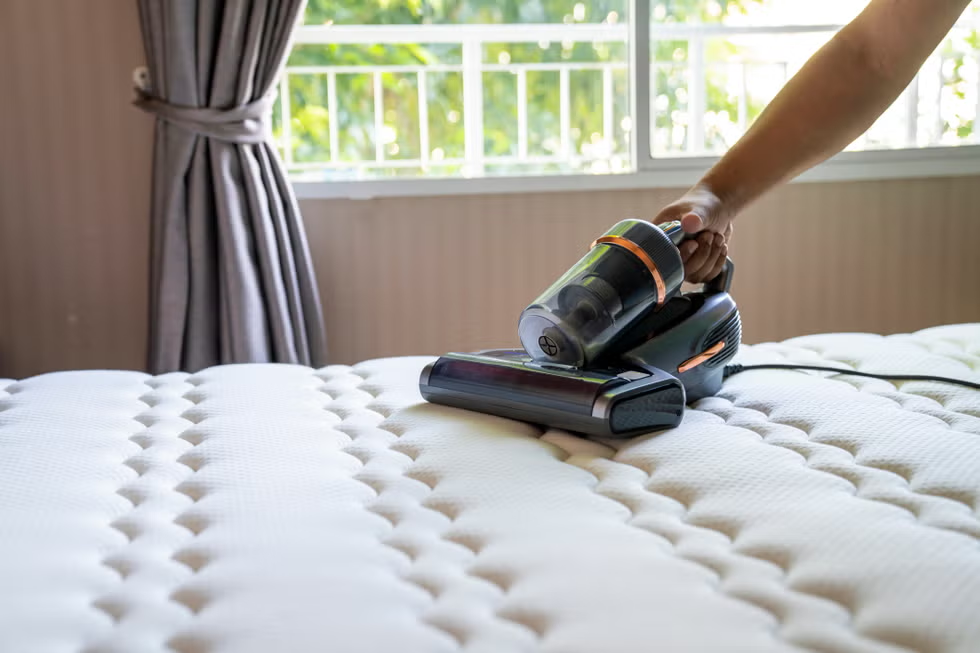
- Clean the surface: Vacuum the entire topper with an upholstery brush attachment to remove dust and debris accumulated during storage.
 Vacuuming with a soft brush attachment removes dust, hair, and allergens after storage.
Spot-treat any stains with a 1:10 solution of mild dish soap and cool water, blotting dry with a clean towel.
Vacuuming with a soft brush attachment removes dust, hair, and allergens after storage.
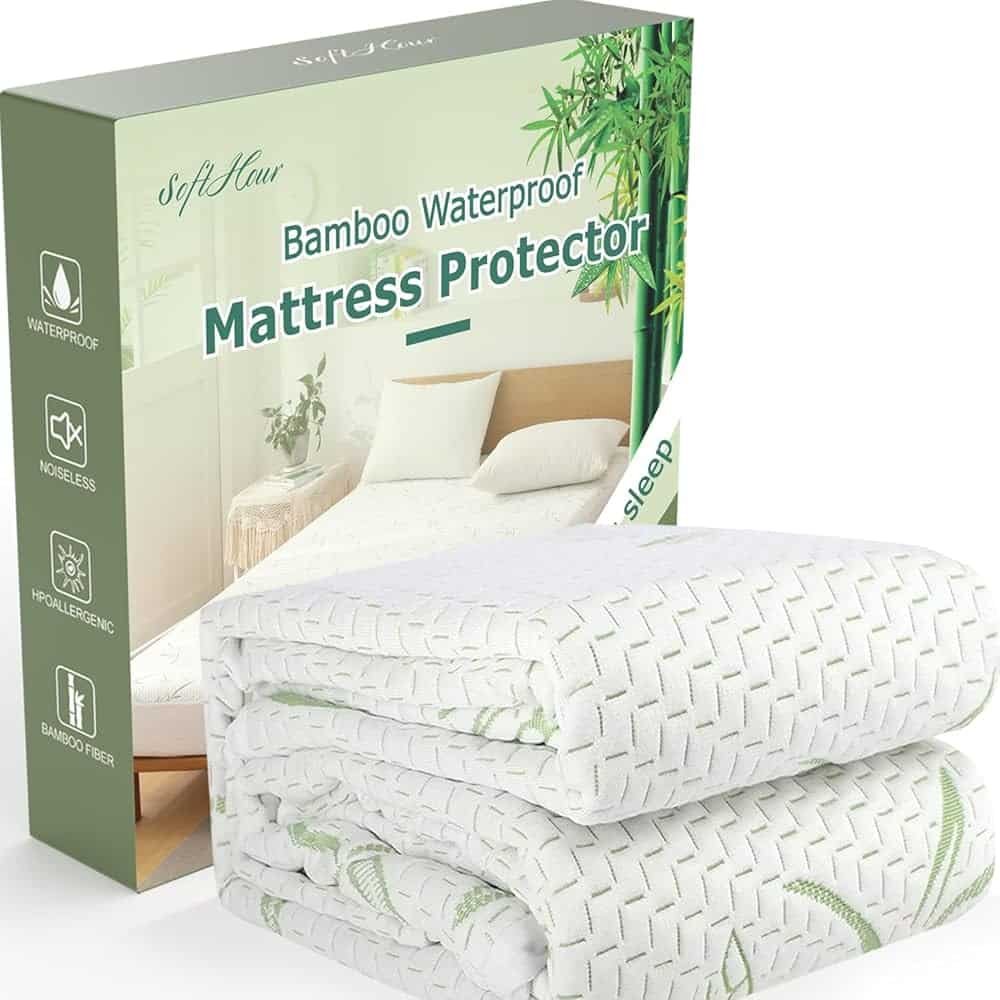
Spot-treat any stains with a 1:10 solution of mild dish soap and cool water, blotting dry with a clean towel. - Add a fresh protective barrier: Before placing the topper on your mattress, add a clean, waterproof mattress protector. Our guide to adding a fresh barrier has step-by-step instructions for fitting and caring for protectors to extend your topper’s lifespan.
- Test comfort before making the bed: Let the topper sit on your mattress for 24 hours, then test it with a sheet before fully making the bed. If it has lingering odors after airing out, sprinkle a thin layer of baking soda over the surface, let sit for 30 minutes, then vacuum off.
Frequently Asked Questions
 Gently unfolding and airing out your topper before reuse eliminates storage odors.
How long can I store a mattress topper?
Properly stored mattress toppers can last 5+ years in storage, retaining 90% or more of their original support and comfort, per ISPA bedding care standards. Memory foam and latex toppers are the most durable for long-term storage, while down and wool toppers should be inspected every 3 months for signs of damp or pest damage.
Can I vacuum seal a mattress topper?
Vacuum sealing is only safe for short-term storage (up to 2 weeks, e.g., for a move). Long-term compression breaks down the cell structure of memory foam and latex, and compresses down clusters in feather toppers, leading to permanent loss of support and loft. If you vacuum seal for moving, unpack and lay the topper flat as soon as you arrive at your destination.
Is it okay to fold a mattress topper?
Folding is only acceptable for short-term storage (less than 1 month) for foam toppers, and only if you fold loosely along existing seams. Tight creases can permanently damage foam's cell structure, leading to lumpy, unsupportive sections. Down, feather, and wool toppers should never be folded, as this damages the fill and causes clumping.
Will plastic bags damage my mattress topper?
Plastic traps moisture and prevents air flow, leading to mold, mildew, and material degradation over time. Only use plastic bags for short-term moving (less than 1 week) if no breathable storage bag is available. For long-term storage, always use a breathable cotton, linen, or canvas bag.
Should I store the topper on the floor?
Never store a topper directly on the floor, even in a climate-controlled space. Elevating it 4+ inches off the ground on pallets or a shelf prevents water damage from rare leaks and improves air circulation to reduce moisture buildup.
Can I store a mattress topper in its original packaging?
No — most original packaging is made of non-breathable plastic that traps moisture and causes mold growth. If you no longer have the original breathable storage bag, use a clean, dry cotton duvet cover or canvas drop cloth as an alternative.
What if I don’t have a breathable storage bag?
For short-term storage (less than 3 months), a clean, dry cotton pillowcase or duvet cover works for small toppers, and a clean canvas drop cloth works for queen or king-sized toppers. Just make sure the fabric is completely dry before use, and avoid synthetic materials that trap moisture.
Conclusion
Proper storage is one of the easiest, most cost-effective ways to protect your mattress topper investment and keep your sleep comfortable for years. By following these prep, storage, and refresh steps, you can avoid common, costly damage like mold, permanent indentations, and fill clumping, and keep your topper performing like new for 5+ years, even with seasonal or long-term storage. If you’re dealing with a damaged topper already, check out our guides to spotting end-of-life signs for foam toppers and restoring loft to flattened toppers for down and feather models to get more use out of your bedding before replacing it.

Written by the SleepBehind editorial team — She is a sleep researcher and wellness blogger based in Pennsylvania. Passionate about helping people optimize their sleep.