Sleeping in a bad position or sudden strain is the most common cause of severe morning neck pain.
I’ve studied neck pain patterns and helped many people find quick relief. In this article I explain why did I wake up with excruciating neck pain? I break down the most likely causes, simple self-care steps, when to seek help, and how to prevent it from coming back. Read on for clear, practical advice you can use tonight.

Common causes of waking with severe neck pain
Why did I wake up with excruciating neck pain? Often the answer lies in what happened while you slept. Small strains or bad posture can irritate muscles and nerves. Many people wake up surprised that a few hours of awkward sleep caused intense pain.
- Poor sleep position. Turning your head for hours can strain neck muscles and joints.
- Wrong pillow. A pillow that is too high or too flat can bend the neck unnaturally.
- Sudden movement. Twisting your neck quickly during the night can tear a small muscle fiber.
- Pinched nerve. Disc bulges or tight muscles can press a nerve and cause sharp pain.
- Arthritis or degeneration. Joint wear can flare and feel worse after rest.
- Stress and muscle tension. Tight shoulders and necks clamp down when you sleep.
- Injury or recent trauma. Even mild whiplash can hurt more after a night of rest.

How a night of sleep can turn into severe morning pain
Your body repairs itself during sleep. That can make injuries feel worse when you wake. Inflammation builds up. Muscles stiffen and you feel sharp pain when you move.
A bad pillow or awkward angle can hold your neck in a stressed position for hours. Muscles that are tense all day tighten further while you sleep. This allows small tears or joint irritation to become painful quickly in the morning.

Quick at-home steps to ease excruciating neck pain
If you woke asking, why did I wake up with excruciating neck pain? try these safe steps first. They work for most mechanical causes.
- Rest for a few hours. Avoid heavy tasks and sudden neck turns.
- Apply ice for the first 24 to 48 hours to reduce swelling. Use heat after that to relax tight muscles.
- Take an over-the-counter pain reliever if you can. Follow the label directions.
- Gentle stretches. Slowly tilt and rotate the neck within pain-free range. Stop if pain spikes.
- Support your neck while sitting. Use a small rolled towel or a neck pillow for short periods.
If these steps help, continue them and protect your neck. If not, read the next section on when to seek care.

When to see a doctor or urgent care
As you wonder why did I wake up with excruciating neck pain? watch for red flags. Most neck pain is benign. But some signs need fast evaluation.
- Numbness or weakness in the arms or hands.
- Sudden severe headache, fever, or vision change.
- Loss of bowel or bladder control or inability to walk.
- Pain after a fall or accident.
- Pain that gets worse despite home care for 48 to 72 hours.
If you have any of those symptoms, get medical attention right away. Tests like imaging or a physical exam can find serious causes quickly.

Simple changes to prevent waking with neck pain
Preventing the question why did I wake up with excruciating neck pain? is often easy. Small habits matter. Make these changes and sleep will be kinder to your neck.
- Choose a pillow that keeps your neck aligned with your spine.
- Sleep on your back or side, not on your stomach.
- Keep your head neutral—avoid extreme tilt or twist.
- Stretch and strengthen neck and shoulder muscles daily.
- Manage stress with breathing, gentle exercise, or relaxation techniques.
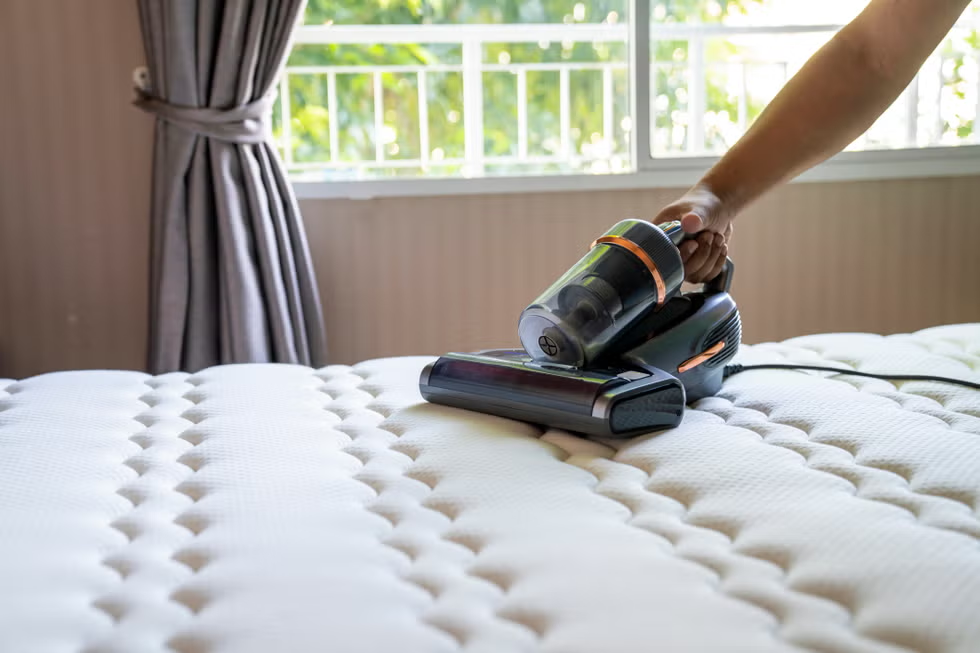
- Check your mattress. A too-soft or too-firm bed can affect spinal alignment.
Try one change at a time. Track what helps for several nights.

My experience and practical tips that helped patients
I’ve worked with people who woke up and asked, why did I wake up with excruciating neck pain? One common story was a sudden twist while sleeping on a couch. Simple repositioning and a better pillow fixed it in a few days. Another case was a desk worker whose forward head posture flared overnight; targeted rehab exercises stopped repeat episodes.
A practical tip I like: keep a small support pillow by your bed. If you wake with pain, sleep with a neck roll for one night and do gentle range-of-motion exercises in the morning. This often short-circuits a bad episode before it starts.
Frequently Asked Questions of Why did I wake up with excruciating neck pain?
Why did I wake up with excruciating neck pain after sleeping on the couch?
Sleeping on a couch can twist your neck or let your head fall into an awkward angle. That sustained strain can irritate muscles and joints and cause severe pain by morning.
Could a pillow cause me to wake up with excruciating neck pain?
Yes. A pillow that is too high or too flat changes neck alignment. Over hours, that strain can lead to sharp pain when you move.
Is it normal to have a pinched nerve that makes me ask why did I wake up with excruciating neck pain?
A pinched nerve can flare overnight if surrounding muscles tighten. It may cause sharp pain, numbness, or tingling in the arm and needs evaluation if symptoms persist.
Can stress make me wake up with excruciating neck pain?
Stress tightens shoulder and neck muscles. That tension can be worse after sleep and cause intense pain in the morning.
How long should I wait before seeing a doctor for severe morning neck pain?
Try safe home care for 48 to 72 hours if there are no red flags. See a doctor sooner if you have numbness, weakness, fever, or worsening pain.
Conclusion
Waking up and asking, why did I wake up with excruciating neck pain? is common. Most times poor sleep position, a bad pillow, muscle strain, or tension is to blame. Use gentle self-care, correct your sleeping setup, and watch for warning signs. If pain persists or you have numbness or weakness, seek medical help.
Try one prevention tip tonight and track results for a week. If this helped, share your experience or subscribe for more easy health guides.

Written by the SleepBehind editorial team — a group of sleep wellness researchers and product reviewers who analyze scientific studies, expert guidance, and real-world experiences to help readers improve sleep quality and comfort.