Sleeping direction can affect comfort, sleep quality, and personal energy for many people.
I’ve studied sleep habits and tested bed layouts for years, and I’ll walk you through practical, research-aware guidance on sleeping direction. This guide blends science, cultural wisdom, and hands-on tips so you can pick and test the best sleeping direction for your home. Read on for clear steps, real-life examples, and simple tests you can do tonight.

Why sleeping direction matters
Sleeping direction shapes how your body faces the room and the world. Small changes in bed angle can alter light exposure, airflow, and how quiet or private you feel. Cultural systems and some studies hint that direction can also affect stress and sleep timing, though results vary. Trying different sleeping directions is a low-cost way to test what helps your rest.
Scientific evidence and cultural beliefs about sleeping direction
Scientific findings on sleeping direction are mixed and often small in scale. Some research suggests body orientation can affect blood pressure, heart rate, or body temperature, but large, consistent proofs are lacking. Cultural systems like Vastu and feng shui give clear sleeping direction rules and many people report better sleep when they follow them. Treat cultural advice as a low-risk experiment and weigh results against your own sleep data.
How to choose the best sleeping direction for you
Decide on a plan. Pick up a simple compass app and try one sleeping direction for two weeks. Track sleep time, how often you wake, and your morning mood. Consider these practical factors when choosing a sleeping direction:
- Room layout. Place the bed where light and noise are minimal and where the headboard feels solid.
- Window and door placement. Avoid having your head directly under a window draft or in line with a door.
- Personal comfort. East-facing or south-facing heads work for some people; test directions rather than assume.
- Health conditions. If you have circulatory issues, try small shifts and monitor symptoms.
- Partner preferences. Balance comfort for both people by testing shared changes.

Practical tips to test and change your sleeping direction
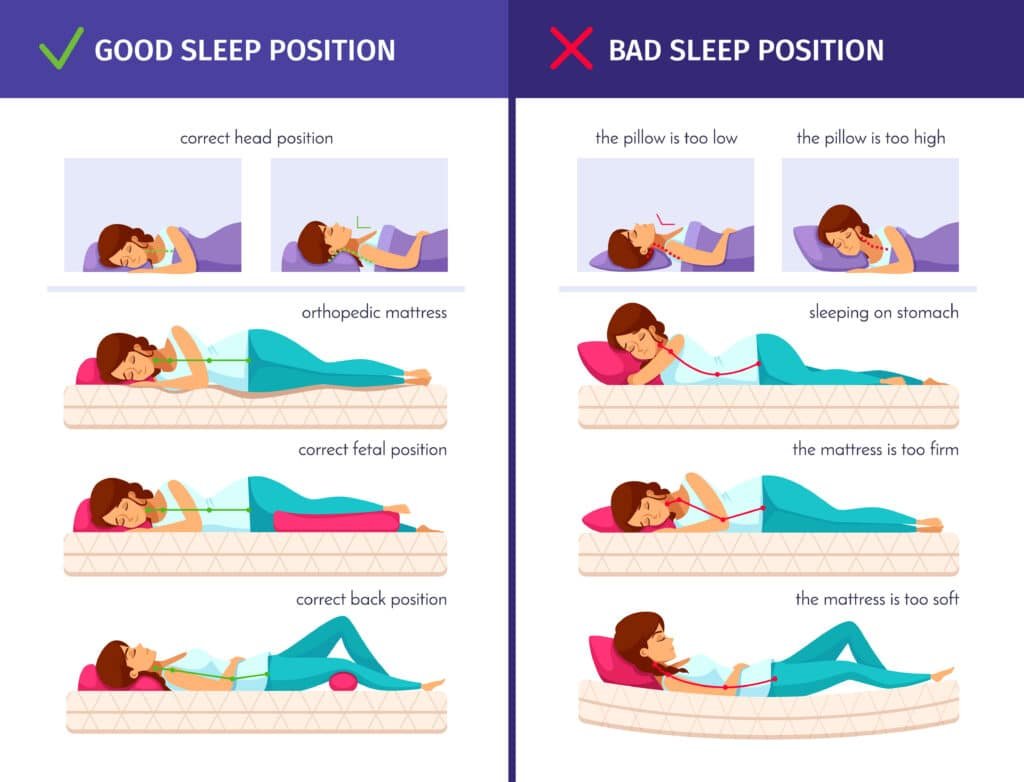
Make one change at a time to see real results. Start by rotating the bed 90 degrees or moving the headboard to face a new direction. Use a sleep diary or phone app to note sleep quality, wakeups, and mood. Keep other factors steady: same mattress, same bedtime, and similar room temperature. From my experience, moving the bed an inch or changing the head orientation can feel surprisingly different within days.
Common myths and misconceptions about sleeping direction
People often expect instant miracles after changing sleeping direction. Real change usually shows over days or weeks. Sleeping north will not harm everyone; no universal rule fits all bodies or homes. Magnetic or cosmic claims are often overstated. The practical rule is to test and trust direct personal results over broad statements.
Frequently Asked Questions of Sleeping direction
What is the best sleeping direction for health?
There is no single best sleeping direction proven for everyone. Try different directions and track your sleep to find what suits you.
Does sleeping direction affect blood pressure?
Some small studies suggest orientation can influence blood pressure in sensitive people, but evidence is not conclusive. Monitor your readings if you suspect a change.
Should my head face east when I sleep?
Many traditions recommend east for better energy and alertness, but that may not work for everyone. Test east-facing sleep for a few weeks to see if you feel better.
Can I improve sleep by rotating my bed?
Yes. Rotating the bed can change light, drafts, and how secure you feel, which can improve sleep. Keep other sleep habits steady while testing.
How long should I test a new sleeping direction?
Give each sleeping direction at least two weeks to judge effects. Short tests can mislead because sleep varies naturally.
Will sleeping direction help insomnia?
Sleeping direction alone rarely cures chronic insomnia. It can be a helpful part of a broader sleep plan that includes routine, light control, and stress work.
Conclusion
Sleeping direction is a simple, low-cost change you can test to improve your rest. Use a clear plan: change one thing, track results, and keep other sleep habits steady. Try different directions, trust your data, and pick what feels best for your sleep and health. If you found this useful, try one change tonight and note the difference—then share your results or subscribe for more sleep tips.
Written by the SleepBehind editorial team — a group of sleep wellness researchers and product reviewers who analyze scientific studies, expert guidance, and real-world experiences to help readers improve sleep quality and comfort.