Machine wash cold or warm on gentle cycle; tumble dry low or air-dry to finish.
I’ve spent years testing bedding and caring for mattress protectors in homes and rentals, so I know what works. This guide on how to wash a mattress protector will walk you through labels, materials, step-by-step cleaning, stain removal, drying, and common mistakes. Read on for easy, practical tips you can use today to keep your protector fresh and your mattress safe.
:max_bytes(150000):strip_icc()/how-to-wash-mattress-protector-5220415-01-695e0b05a7464531a0a5a8e58a9b55a9.jpg)
Why washing your mattress protector matters
A clean protector keeps your mattress hygienic. It blocks sweat, spills, dust mites, and stains from reaching the mattress. Washing regularly extends the life of both protector and mattress. It also helps reduce odors and allergy triggers. Learning how to wash a mattress protector properly saves money and prevents damage.
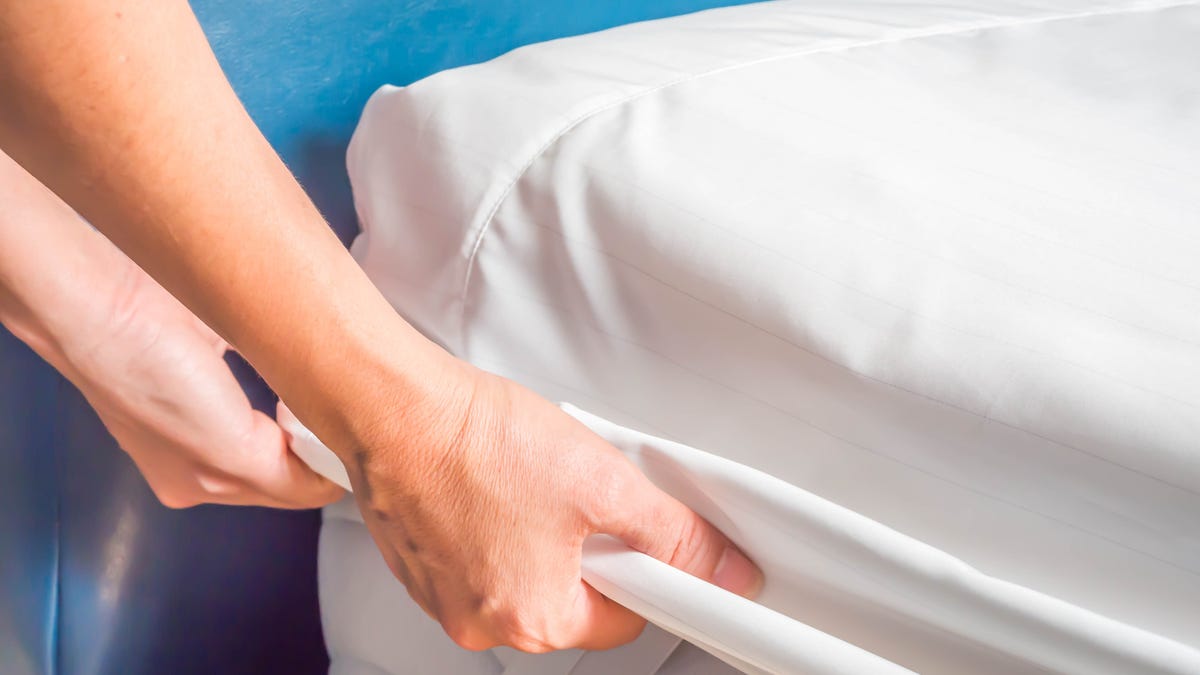
Know your protector: materials and care labels
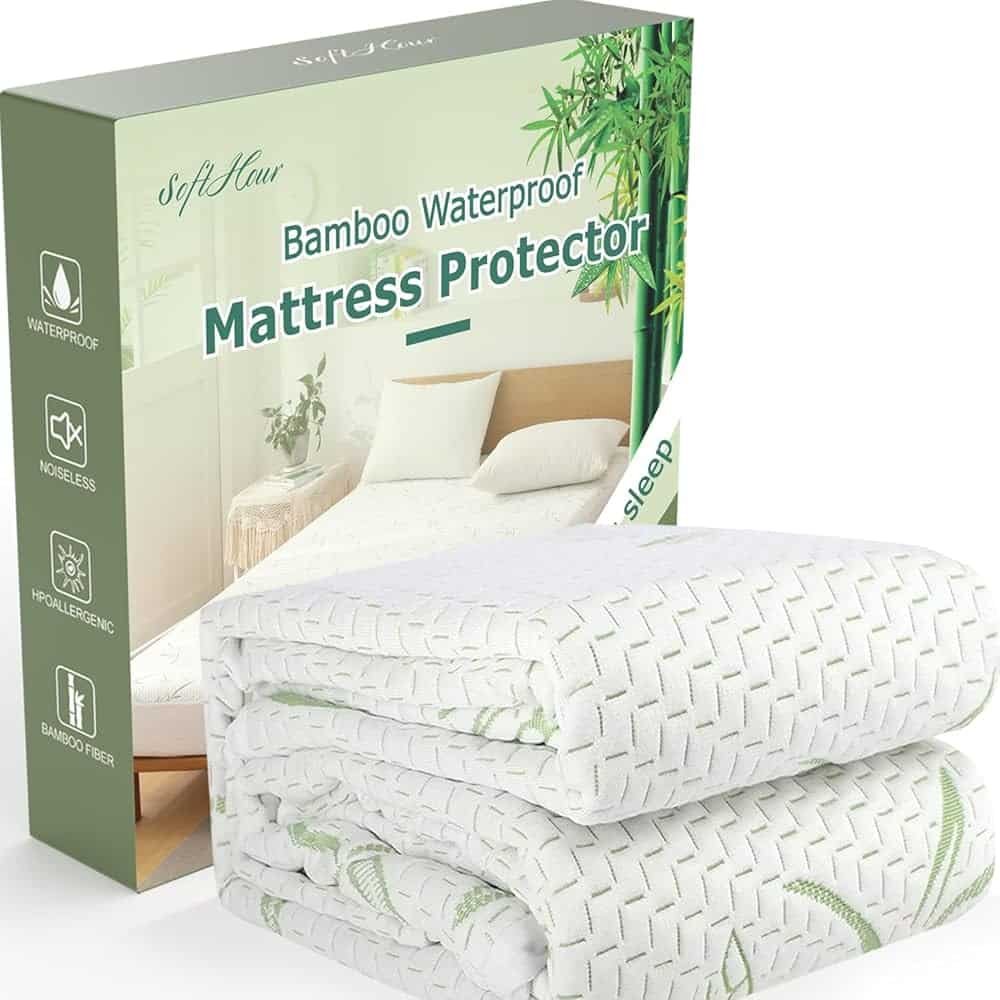
Most protectors are made from cotton, polyester, bamboo, terry, or polyurethane (waterproof) laminate. Each material needs specific care. Always read the care label before you decide how to wash a mattress protector. Look for washing temperature, drying instructions, and whether bleach or fabric softener is allowed. If a label says dry clean only, follow it to avoid damage.
/how-to-wash-mattress-protector-5220415-05-4aed9eee4652482ea04bfc8fb40bf7a6.jpg)
Step-by-step: how to wash a mattress protector
Follow these steps to clean most protectors safely.
- Inspect the protector
- Check for stains, tears, or delamination.
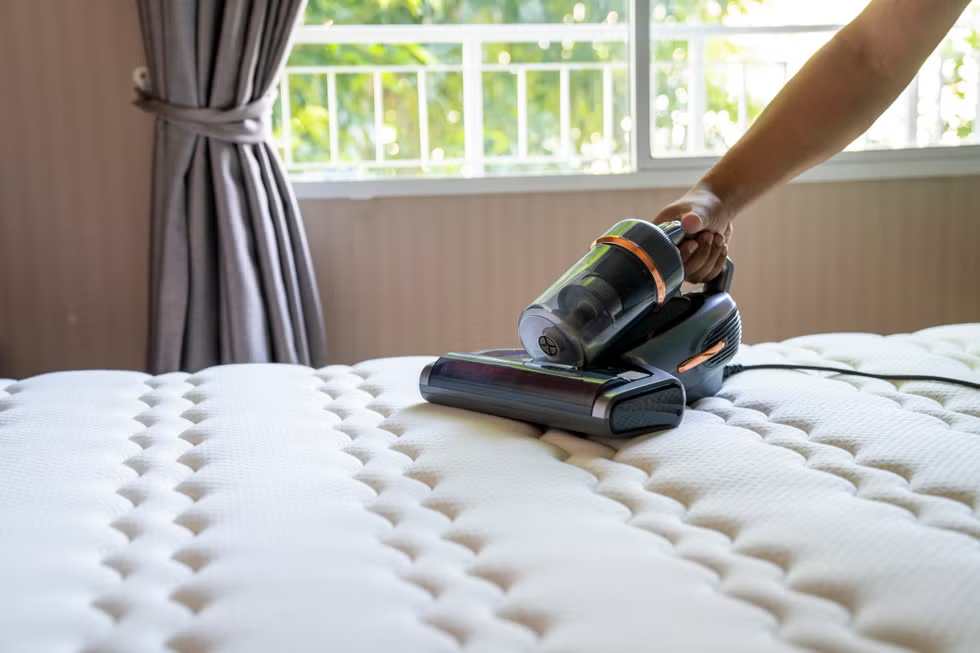
- Remove loose debris by shaking or vacuuming.
- Pre-treat stains
- Blot fresh spills with a clean towel.
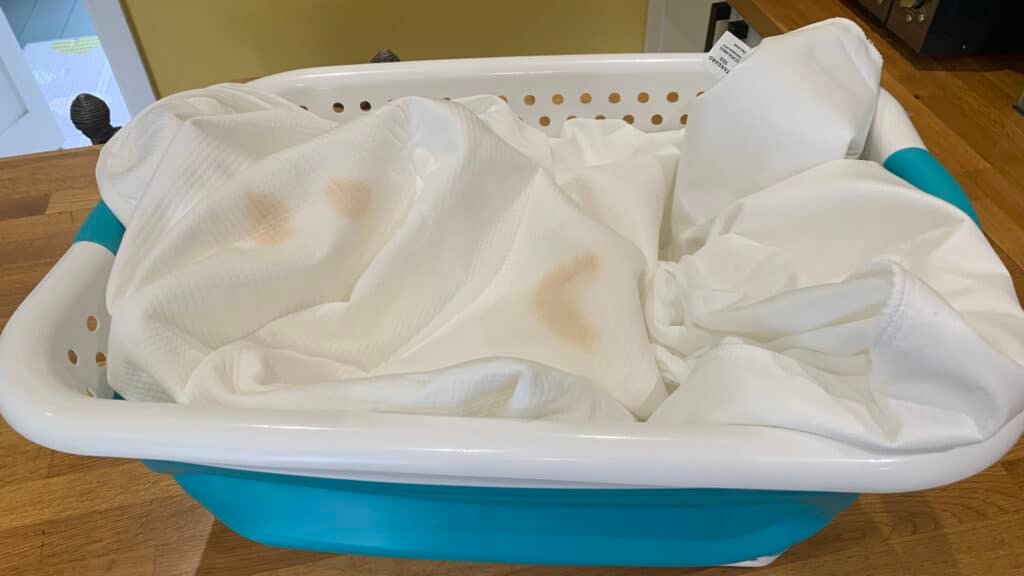
- Use a mild stain remover or a mix of water and gentle detergent on stains.
- Let the solution sit 10–15 minutes, then blot gently.
- Load the washer correctly
- Wash protectors alone or with a few towels.
- Use a mild liquid detergent. Powder can leave residue.
- Choose a gentle cycle to protect seams and waterproof layers.
- Select water temperature
- Cold or warm water is safe for most protectors.
- Hot water can damage waterproof membranes. Use hot only if the care label allows and you need to kill allergens.
- Rinse and spin
- Use an extra rinse if your machine offers it.
- This helps remove detergent from waterproof layers.
- Dry carefully
- Tumble dry on low heat or air-dry.
- High heat can melt waterproof membranes.
- Remove promptly to avoid wrinkles and mildew.
These steps form a reliable routine for how to wash a mattress protector without harming it.

Machine washing vs. hand washing
Machine washing is quick and effective for durable protectors. Use gentle cycles and low heat. Hand washing is best for delicate or oddly shaped protectors. Fill a tub with lukewarm water, add mild detergent, soak 15–30 minutes, gently agitate, then rinse thoroughly. Both methods work when you follow the care label and avoid harsh chemicals.
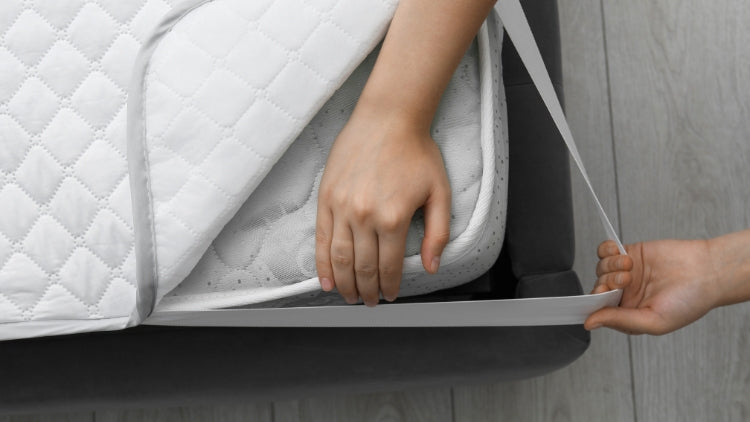
Drying, ironing, and storage
Drying correctly prevents damage and odor. Tumble dry low or air-dry flat. Avoid high heat near waterproof layers. Do not iron waterproof protectors; heat can ruin membranes. Store protectors in a cool, dry place when not in use. Fold them loosely to prevent creases.
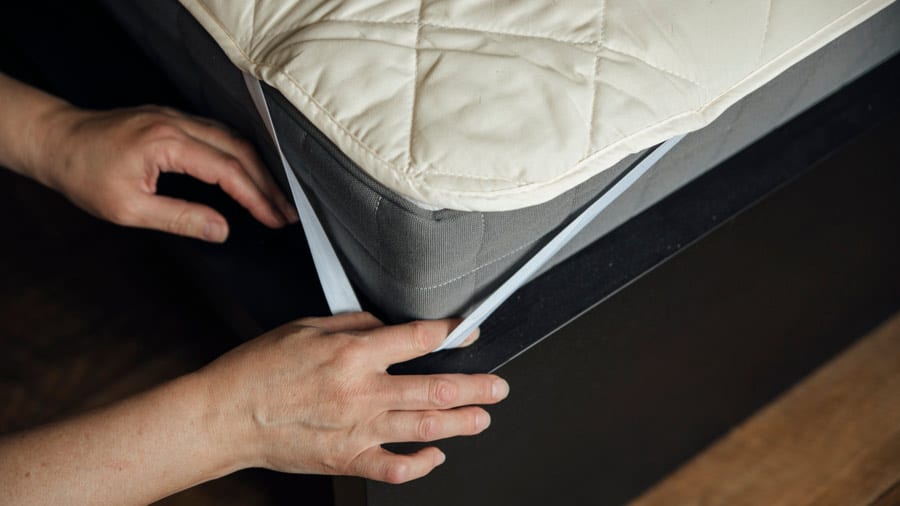
Stain removal and deep cleaning
For stubborn stains, try these safe methods.
-
Enzyme cleaner
- Works on sweat, blood, and organic stains.
- Apply per product instructions, then launder as usual.
-
Baking soda and vinegar
- Sprinkle baking soda, spray diluted vinegar, wait 10 minutes, then blot.
- Rinse and wash afterward to avoid lingering odors.
-
Oxygen-based bleach
- Use if the care label allows.
- It’s gentler than chlorine bleach and effective on many stains.
Deep clean yearly by washing per label instructions and adding an extra rinse. For heavy soiling, repeat stain treatment before washing. These steps ensure long-term freshness and show you how to wash a mattress protector thoroughly.

How often to wash your mattress protector
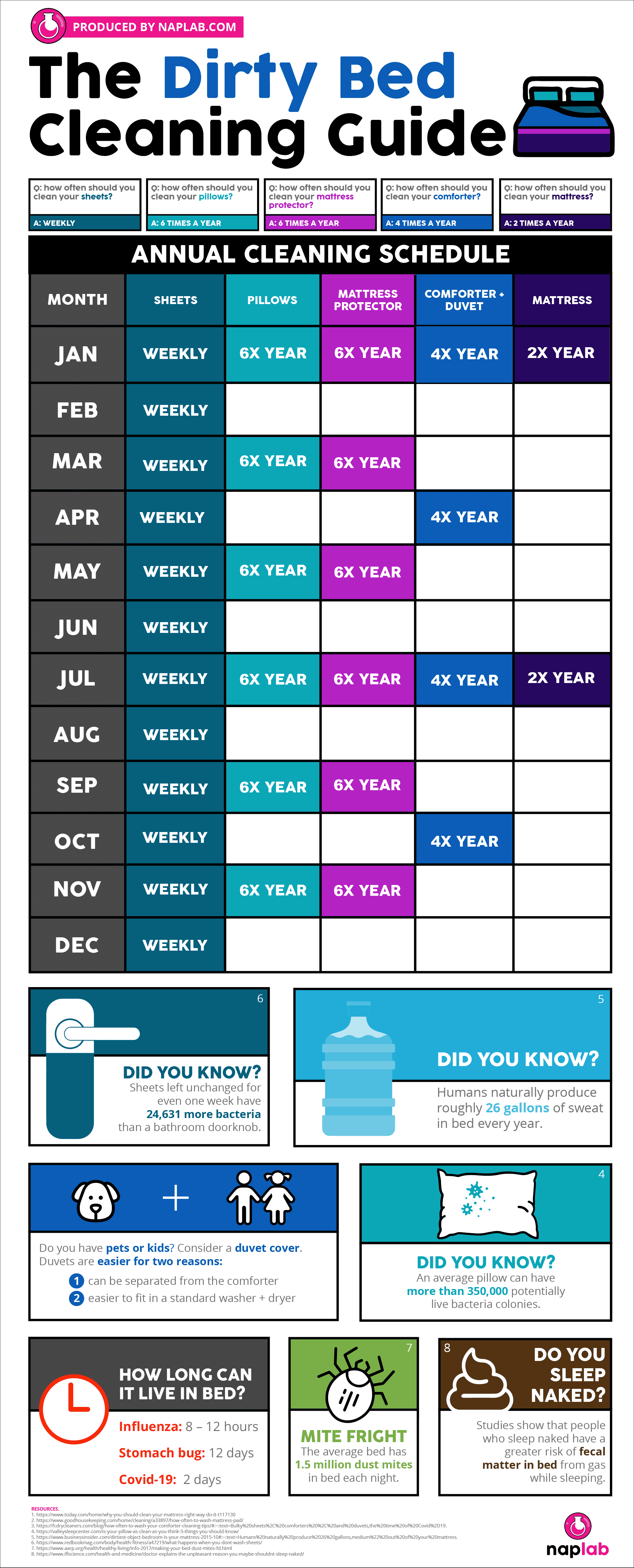
Wash protectors every 1–3 months for general use. Wash monthly if you sweat heavily, have pets on the bed, or suffer allergies. Clean immediately after spills. Regular washing keeps allergens down and preserves waterproof layers. This schedule is a practical guide for how to wash a mattress protector and maintain hygiene.

Common mistakes to avoid
Avoid these errors to protect your investment.
-
Using hot water on waterproof protectors
- Heat can peel membranes and ruin waterproofing.
-
Using bleach or fabric softener
- These can weaken fabric and damage membranes.
-
Overloading the washer
- Too much weight stresses seams and reduces cleaning effectiveness.
-
Skipping the rinse cycle
- Residual detergent can irritate skin and attract dirt.
-
Drying on high heat
- This melts synthetic layers and shortens life.
Being mindful of these mistakes helps you get the most from your protector and clarifies how to wash a mattress protector without costly errors.
Personal tips from experience
I once ruined a waterproof protector by drying it on high heat. I learned to always use low heat and check labels. I also recommend washing a protector on a gentle cycle with a small, clean load of towels. Spot test stain removers on an inside seam. These small habits prevent damage and keep protectors doing their job.
Frequently Asked Questions of how to wash a mattress protector
How hot should I wash a mattress protector?
Use cold or warm water unless the care label allows hot. Hot water can damage waterproof membranes and cause delamination.
Can I use bleach on a mattress protector?
Avoid chlorine bleach. It can weaken fibers and ruin waterproof layers. Use oxygen-based bleach if the label permits.
Will washing remove waterproofing?
Proper washing shouldn’t remove waterproofing if you follow the care label. High heat and harsh chemicals are the usual culprits.
Can I tumble dry a mattress protector?
Yes, on low heat or air-dry setting. High heat risks melting membranes and shrinking fabric.
How do I remove urine or sweat stains?
Pre-treat stains with an enzyme cleaner or a gentle detergent. Let it sit, then wash on a gentle cycle with an extra rinse.
Conclusion
You now have a clear, practical plan for how to wash a mattress protector. Follow care labels, use gentle detergent, avoid heat and harsh chemicals, and wash regularly to protect your mattress and health. Try these steps on your next wash and note the difference in cleanliness and lifespan. If this guide helped, leave a comment, subscribe for more home-care tips, or share your own protector-care story.

Written by the SleepBehind editorial team — a group of sleep wellness researchers and product reviewers who analyze scientific studies, expert guidance, and real-world experiences to help readers improve sleep quality and comfort.