Sleep without a pillow by easing into a flat, neck-neutral position over several weeks.
I’ve helped many people learn how to sleep without a pillow, and I’ll guide you step by step. I write from hands-on experience and research. In this article you will learn when and why to try sleeping without a pillow, how to make the switch safely, and how to troubleshoot common problems. My goal is to give clear, practical advice on how to sleep without a pillow so you can decide if it fits your sleep goals and health needs.
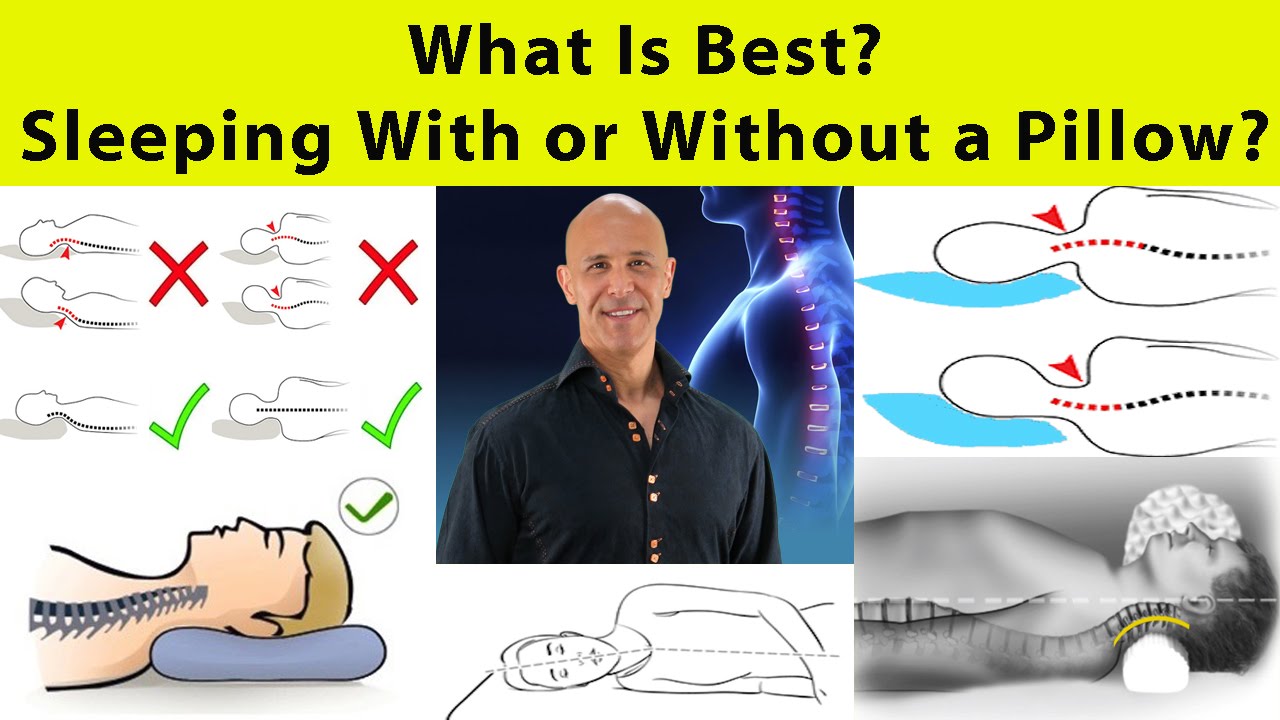
Why people try sleeping without a pillow
Many try how to sleep without a pillow for comfort or health. People report less neck pain and a cooler sleep. Some sleep positions feel more natural without extra loft.
Why try it now
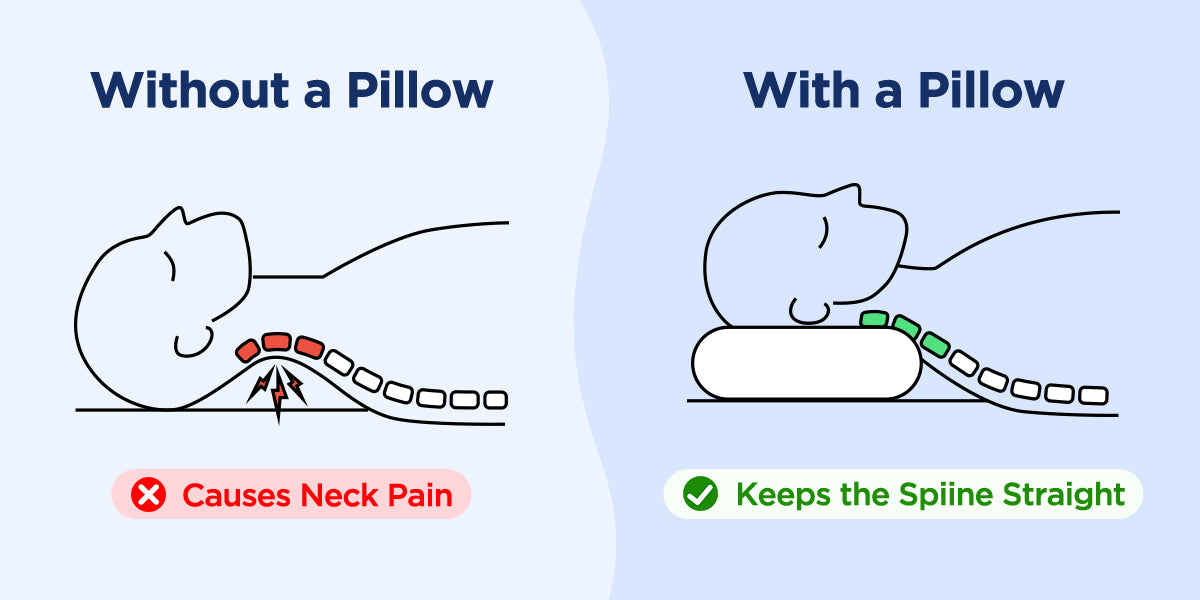
- Pillows can raise the head too much. This strains the neck.
- Some mattresses already give enough support. A pillow then feels like overkill.
- People with certain spine conditions or sleep goals want a flatter alignment.
What research and experts say
- Studies link pillow height to neck posture. Too high or too low can cause pain.
- Research suggests a neutral neck line helps breathing and reduces snoring for some people.
- Still, evidence varies. Some people do better with supportive pillows.
Who often benefits
- Stomach sleepers who need less neck bend.
- People with mild forward neck strain.
- Those who sleep hot and want less fabric near their face.
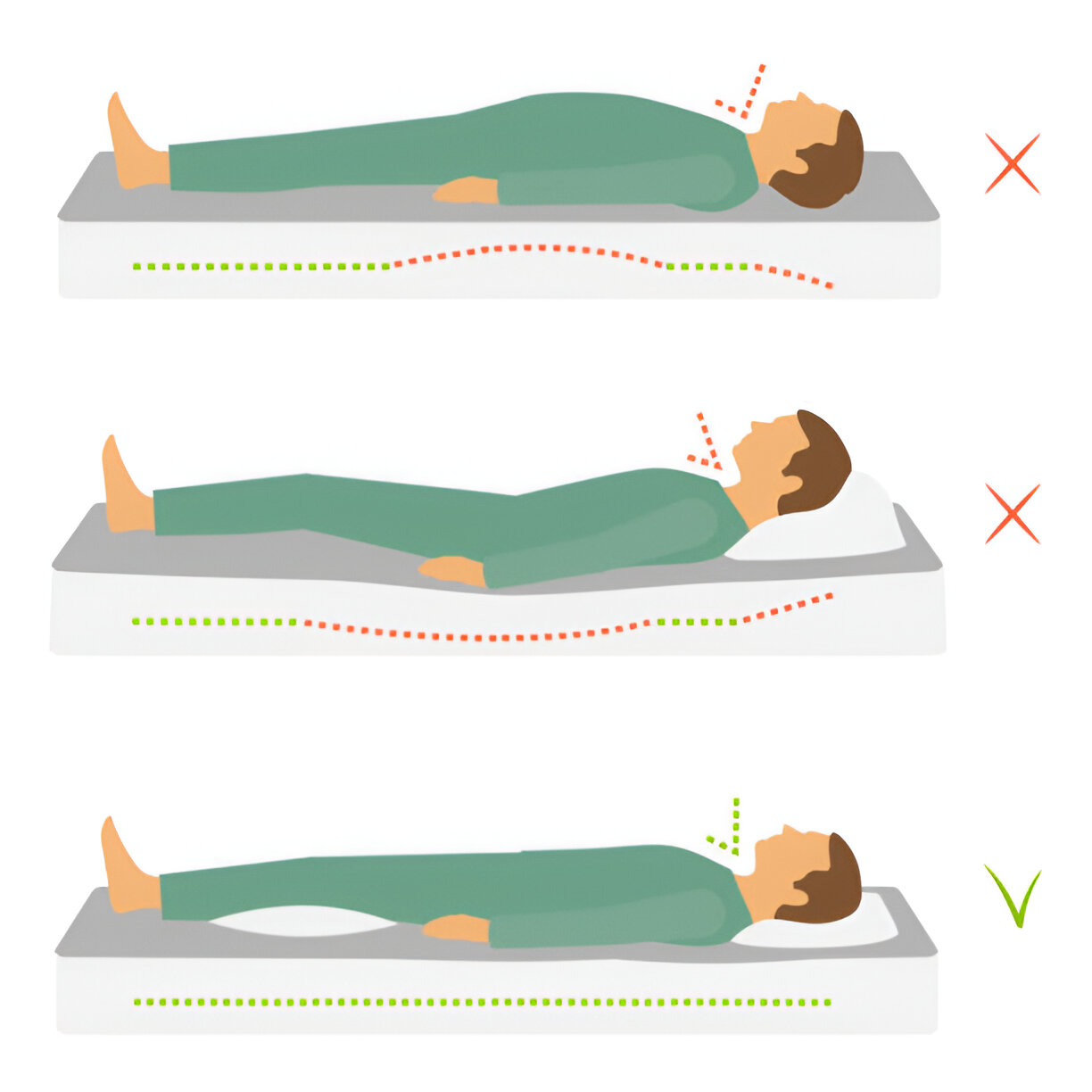
Benefits of sleeping without a pillow
Sleeping without a pillow can help more than you think. Benefits depend on body, mattress, and sleep style.
Common benefits
- Better neck alignment for some people. A flat head can keep the spine straight.
- Less shoulder pain for side-to-back sleepers who use mattress contouring.
- Cooler sleep. Less fabric retains less heat around your face and neck.
- Simpler bedding and fewer laundry items to care for.
Potential health perks
- Reduced snoring in some people. A flatter head can open the airway.
- Less forward head posture during the day if neck muscles reset at night.
- Fewer neck aches when pillow height was the root cause.
Risks and when to avoid it
Sleeping without a pillow is not for everyone. Know when to avoid it.
When you should not try how to sleep without a pillow
- If you have cervical spine issues. Neck problems can worsen without support.
- If a doctor or physical therapist advises against it.
- If you have moderate to severe sleep apnea. Changing head position can alter breathing patterns.
Other risks
- New or more neck pain during the transition. Your muscles may need time to adapt.
- More pressure on ears and face for some side sleepers.
- Worsened snoring for some people who need slight elevation to keep airways open.
If pain increases or sleep quality drops, stop and consult a clinician.
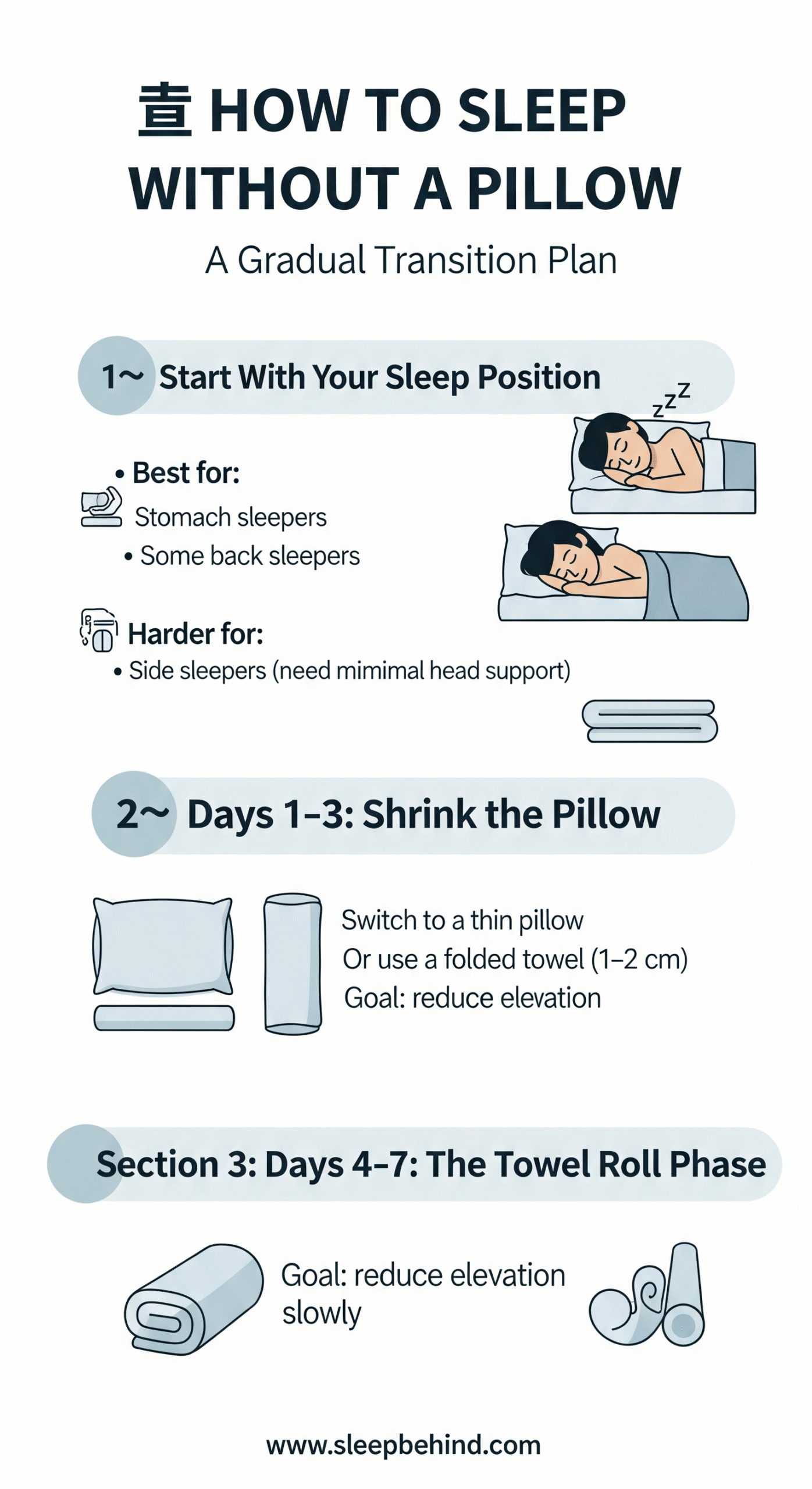
How to sleep without a pillow: step-by-step transition plan
Switch slowly. A gradual plan reduces risk and improves comfort.
- Assess your mattress and sleep position
- Sleep on a medium-firm mattress that supports your spine.
- Note whether you sleep on your back, side, or stomach.
- Try short naps without a pillow
- Start with 10–20 minute naps without a pillow.
- See how your neck and shoulders feel afterward.
- Night trial for a few nights
- Try one or two nights per week without a pillow.
- Track pain, stiffness, and sleep quality in a short journal.
- Use thin alternatives if needed
- Fold a thin towel under the neck only, not the head.
- Use a low-profile pillow to reduce loft in small steps.
- Increase time gradually
- Add one more night each week if you feel good.
- Stay flexible. You can mix pillow-free nights with normal nights.
Key checkpoints
- If neck pain returns, pause and reassess.
- If breathing or snoring worsens, try slight elevation again.
- Give your body at least two to four weeks to adapt to the change.

Tips for different sleep positions
How to sleep without a pillow depends on how you sleep. Small changes can help.
Back sleepers
- Keep hips and shoulders supported.
- Try a thin towel under the neck for the first week.
- Focus on neutral spine feel; avoid a head tilt.
Stomach sleepers
- This group often benefits most from how to sleep without a pillow.
- Remove the pillow to reduce neck twist.
- Place a thin cushion under the pelvis if lower back feels tight.
Side sleepers
- Side sleepers usually need some loft for neck support.
- Try a very thin pillow or neck roll instead of no pillow.
- Place a pillow between knees to keep hips aligned.
Combination sleepers
- Alternate approaches work best.
- Use a low profile pillow for side sleep phases and remove it when you roll onto your stomach or back.
Bedding, mattress, and neck support alternatives
Your bed matters when you learn how to sleep without a pillow. The right surface can make a big difference.
Choose the right mattress
- Medium-firm mattresses often support the spine well.
- A contouring mattress can cradle shoulders and hips for side sleepers.
Use thin supports instead of full pillows
- Neck rolls support the curve of the neck without lifting the head high.
- Folded towels give low, firm support that you can adjust.
Adjust bedding temperature
- A cooler sleep space may make pillow-free nights feel better.
- Use breathable sheets and lighter blankets.
Try ergonomic tools
- Cervical rolls and foam wedges give measured support.
- These help you test how much lift you need without a standard pillow.

Personal experience and troubleshooting
I moved to sleeping without a pillow after a long trial. I started with naps and used a thin towel under my neck. At first my neck felt odd. After two weeks the tightness eased. I now do two pillow-free nights per week. My neck feels less tense in the morning.
Common problems and fixes from my testing
- Neck stiffness after night one — try a towel roll instead of full removal.
- Waking with jaw tension — check pillow-free position; try gentle jaw stretches before bed.
- Increased snoring — raise the head slightly or resume a low pillow.
Lessons I learned
- Be patient. Muscles adapt slowly.
- Track your sleep and pain to see real trends.
- Combining pillow-free nights with supportive days helps maintain comfort.
When to get expert help
- See a physical therapist if neck pain persists for several weeks.
- Get medical advice if breathing or sleep quality falls.
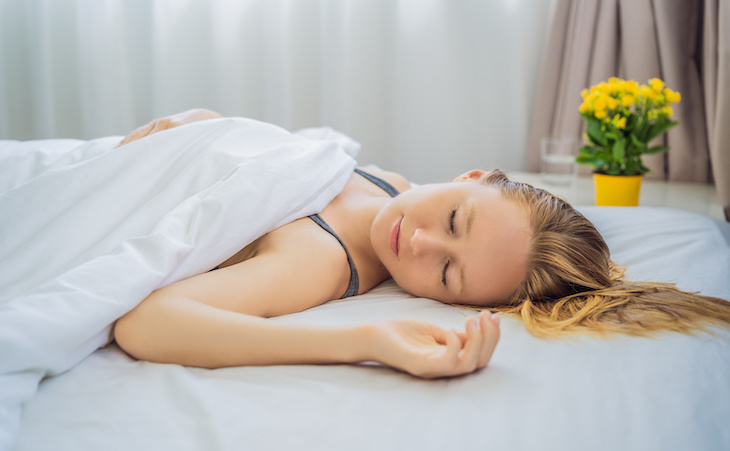
Frequently Asked Questions of how to sleep without a pillow
Is it safe to sleep without a pillow every night?
For many people it is safe. Those with neck issues or sleep apnea should consult a clinician first.
How long does it take to adjust to sleeping without a pillow?
Most people adjust in two to four weeks with gradual trials. Short naps and one-night trials help the transition.
Will sleeping without a pillow reduce neck pain?
It can reduce neck pain for people whose pillow lifted the head too much. If pain worsens, stop and reassess.
Can children sleep without a pillow?
Infants should not have pillows. Older children may try pillow-free sleep, but check pediatric advice for safety.
Does sleeping without a pillow help snoring?
It can help some people by improving head and neck alignment. However, it may worsen snoring for others who need slight elevation.
Conclusion
Trying how to sleep without a pillow can be simple and rewarding when done carefully. Start slow, test naps, and use thin supports as you adapt. Track how your neck, breathing, and sleep quality change. If pain or breathing issues appear, pause and seek professional advice. Take one small step tonight: try a 20-minute nap without a pillow and note how you feel. If this guide helped you, leave a comment about your experience or try more tips to find what works best.
Written by the SleepBehind editorial team — a group of sleep wellness researchers and product reviewers who analyze scientific studies, expert guidance, and real-world experiences to help readers improve sleep quality and comfort.