Sleep sitting up, using cold compresses, OTC pain relief, and gentle home remedies to ease tooth pain.
I have helped many people and lived through my own sleepless nights with dental pain. This guide on how to sleep with tooth pain gives clear, practical steps you can try tonight. I explain why pain gets worse at night, safe home fixes, sleep-position tips, and when you must see a dentist. Read on for simple actions you can use right away to get rest and reduce discomfort.

Why tooth pain often feels worse at night
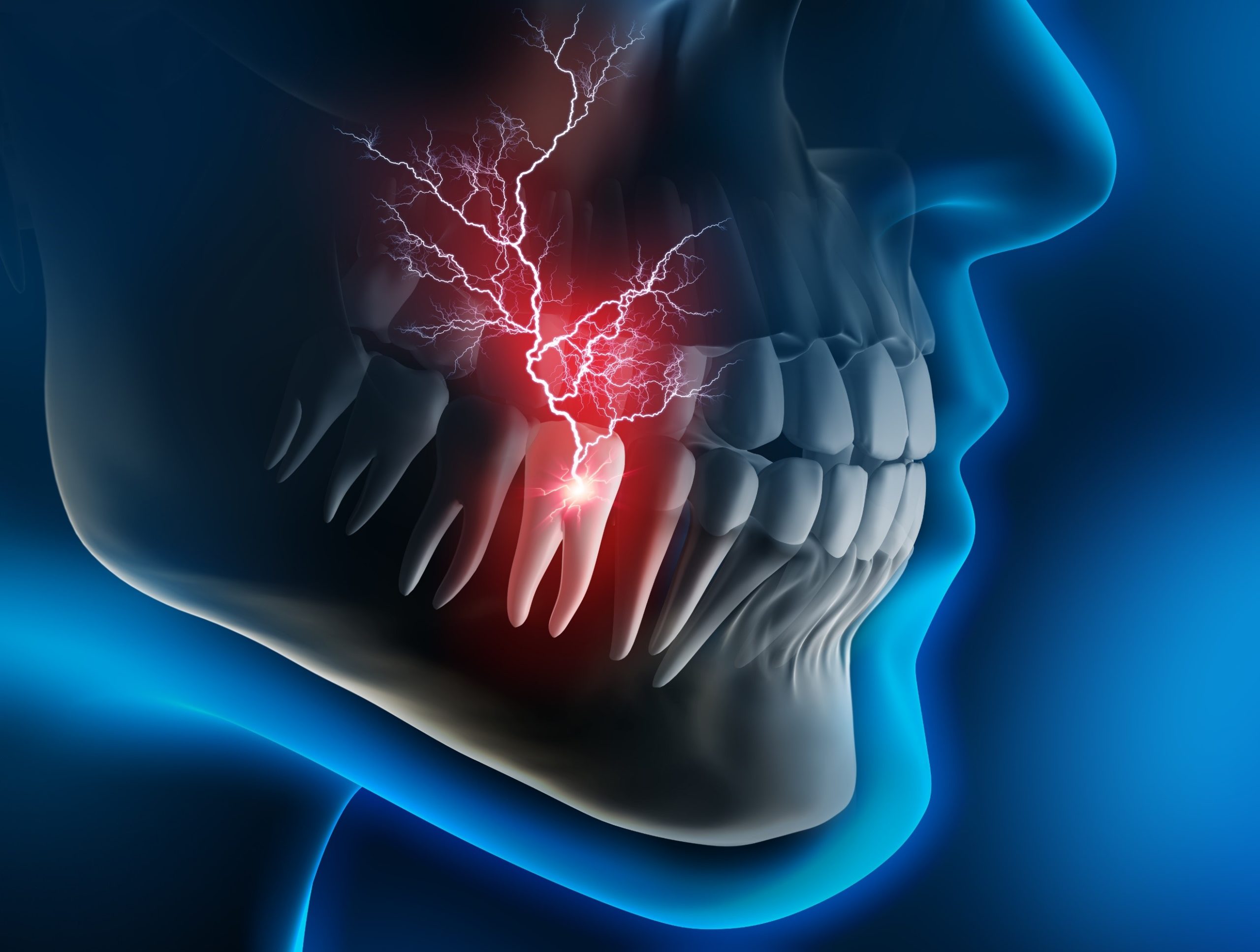
At night your body slows down. Blood flow rises in the head when you lie flat. This can boost pressure in a painful tooth and make it throb. Less distraction at bedtime also makes pain feel stronger.
Inflammation and infections can spike pain overnight. Tooth pain from a cavity, cracked tooth, or gum issue often gets sharper when you try to sleep. Knowing this helps you pick the right steps to sleep with tooth pain.

Immediate steps to help you sleep with tooth pain
These actions are quick to use and can lower pain fast. Try a few to find what helps most.
- Elevate your head
- Use an extra pillow to keep your head above your heart. Gravity lowers pressure in the painful area.
- Apply a cold compress
- Hold a wrapped ice pack for 15 minutes on the cheek near the pain. Wait 10 minutes and repeat.
- Rinse with warm salt water
- Mix 1/2 teaspoon salt in 8 ounces of warm water. Swish gently and spit. This reduces bacteria and soothes tissue.
- Use clove oil carefully
- Dab a tiny amount of clove oil on a cotton ball and press near the tooth. Clove oil has natural numbing compounds. Do not swallow.
- Take safe OTC pain medicine
- Use ibuprofen or acetaminophen as directed on the label. If you can, take ibuprofen for inflammation and pain.
I once had a night where the ice pack and salt rinse helped enough to sleep. I kept the extra pillow and a small ice pack near the bed. That simple setup helped me fall asleep quicker.

Home remedies that can reduce tooth pain at night
These remedies are gentle and often effective while you wait for dental care.
- Cold compress routine
- 15 minutes on, 10 minutes off. Repeat for up to an hour before bed.
- Warm compress for jaw pain
- If pain feels muscular, warm packs can relax tight jaw muscles.
- Saltwater rinse
- Use several times a day, especially before bed.
- Over-the-counter oral gels
- Use benzocaine gels briefly for surface pain. Follow product rules and avoid overuse.
- Avoid very hot or cold drinks before bed
- Extreme temps can trigger a painful tooth and keep you awake.
- Soft diet at dinner
- Eat soft, bland foods to reduce pressure on a sore tooth at night.
I tested the cold-then-warm approach for a jaw-related toothache. Cold eased the swelling. Warmth relaxed the jaw. The combo made falling asleep possible.
 medicines”
style=”max-width: 100%; height: auto; border: 2px solid black; border-radius: 10px; display: block; margin: 0 auto;”
loading=”lazy”
/>
Safe use of over-the-counter pain medicines
OTC medicines can give needed relief. Use them safely to sleep with tooth pain.
- Ibuprofen
- Good for pain and inflammation. Follow dosage on the label. Do not mix with other NSAIDs.
- Acetaminophen
- Works for pain but not inflammation. Keep within daily limits.
- Combination dosing
- You may alternate ibuprofen and acetaminophen for stronger control. Check safe timing and totals.
- Topical numbing gels
- Use small amounts and avoid long-term use. Watch for allergic reactions.
If you have medical conditions, take blood thinners, or are pregnant, check with a clinician before using medicines. Safety first.
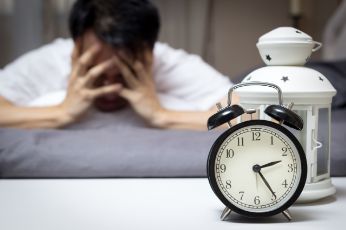
Best sleeping positions and bedroom setup for tooth pain
Small sleep changes can cut pain intensity and help you fall asleep.
- Sleep upright or semi-reclined
- Use two pillows or a wedge. This lowers blood pressure near the painful tooth.
- Sleep on the opposite side
- Lie on the side away from the sore tooth to reduce pressure.
- Keep the room cool and dark
- A cool room helps lower inflammation and makes it easier to sleep.
- Use white noise or calm music
- Gentle sound masks the heartbeat and distracts from pain.
I kept a small chair-back pillow after a bad tooth infection. Sleeping elevated and on the opposite side reduced my throbbing by morning.

When to see a dentist or seek urgent care
Some tooth pain needs fast professional care. Know the red flags.
- Severe swelling or fever
- This can signal an infection that needs antibiotics or drainage.
- Trouble breathing or swallowing
- Seek emergency care immediately.
- High, worsening pain that doesn’t respond to OTC meds
- See a dentist quickly.
- Persistent pain longer than 48–72 hours
- Book a dental visit for diagnosis and treatment.
Do not delay if you notice spreading swelling or systemic symptoms. Quick treatment prevents worse trouble.
Preventing future nights of tooth pain
Good habits reduce the chances you will search for how to sleep with tooth pain again.
- Brush twice a day with fluoride toothpaste
- Keep brushing easy and gentle.
- Floss nightly
- Floss reaches spots a brush misses.
- Visit your dentist regularly
- Routine care catches problems early.
- Avoid chewing hard or sticky foods
- These can crack teeth or pull fillings loose.
- Manage grinding and clenching
- Ask about a night guard if you grind your teeth.
These steps cut risk. They also protect sleep and overall health.

Personal mistakes and tips I learned the hard way
I delayed a dental visit once. I tried every home trick but waited too long. The infection needed antibiotics and a root canal. From that I learned:
- Use remedies for short-term relief only.
- Keep emergency dental numbers handy.
- Take full doses of OTC meds when needed and safe.
- Prepare a “tooth-pain kit” with salt, a small ice pack, numbing gel, and a clean towel.
These small habits kept later nights far calmer.
Frequently Asked Questions of how to sleep with tooth pain
How quickly can OTC medicine help me sleep with tooth pain?
OTC medicines like ibuprofen or acetaminophen usually start to ease pain within 20 to 60 minutes. Use them at the first sign of trouble and follow dosing instructions.
Can I use clove oil to help me sleep with tooth pain?
Yes, clove oil can numb pain briefly. Dab a tiny amount on a cotton ball and press near the tooth. Avoid swallowing and stop if you feel irritation.
Is it safe to sleep with a painful tooth without seeing a dentist?
Short-term sleep with tooth pain is okay, but you should see a dentist if pain lasts more than 48 to 72 hours or if swelling or fever develops. Delaying care can lead to infection.
Will elevating my head really help with tooth pain at night?
Yes. Elevating your head reduces blood pressure near the painful tooth and can lower throbbing. Use pillows or a wedge to stay slightly upright.
When is tooth pain an emergency at night?
Seek urgent care if you have severe swelling, trouble breathing or swallowing, high fever, or rapidly worsening pain. These signs can indicate a spreading infection.
Conclusion
You can take clear steps tonight to sleep with tooth pain. Elevate your head, use cold packs, rinse with salt water, and take safe OTC meds if needed. These steps can reduce pain and help you rest while you arrange dental care. Act early, avoid long delays, and see a dentist when symptoms persist or worsen. Try the tips here and share what worked for you. Leave a comment, subscribe for more health guides, or book a dental checkup to stop future sleepless nights.
Related Posts

Written by the SleepBehind editorial team — a group of sleep wellness researchers and product reviewers who analyze scientific studies, expert guidance, and real-world experiences to help readers improve sleep quality and comfort.