Sleep on your back or side with a supportive pillow, gentle ice or heat, and short pain relief.
I have helped and guided many people through neck pain and sleepless nights. This article explains how to sleep with strained neck in clear, practical steps. I blend research, clinical tips, and real-world experience so you can rest without making the strain worse. Read on to learn simple moves, pillow choices, sleep positions, and bedside routines that work.
Why your neck feels strained: common causes and what to know
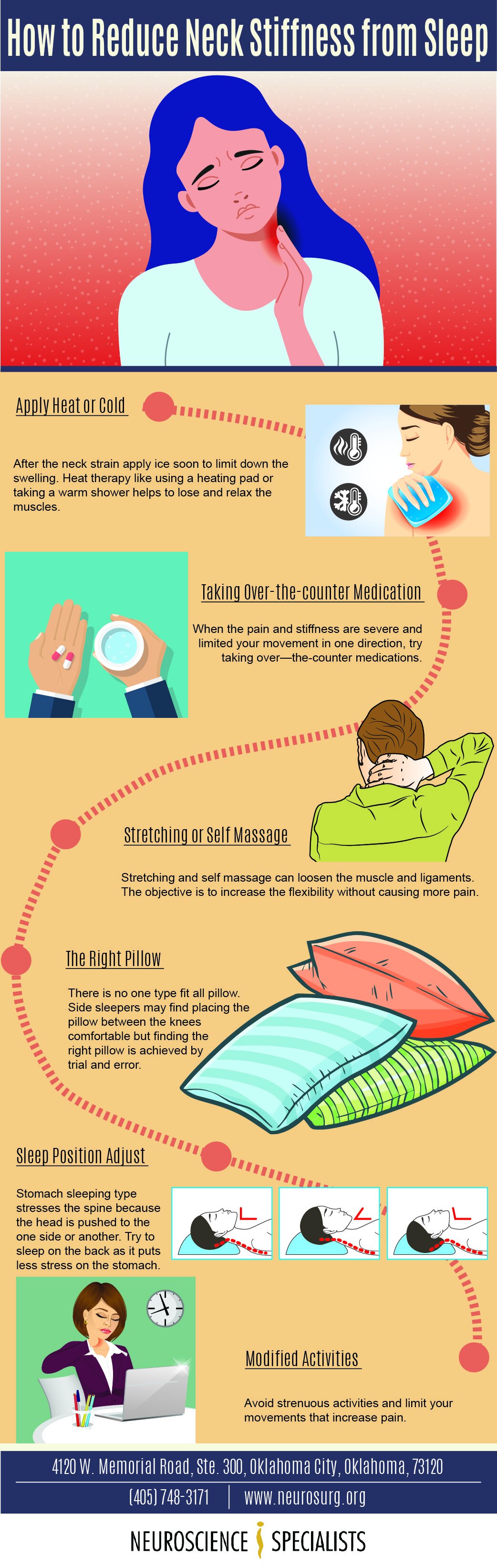
A strained neck usually means the muscles or soft tissues are overloaded. Poor posture, sudden movement, sleeping in an awkward position, or overuse can cause the pain. Stress and tight shoulders also feed into a strained neck and make sleep hard. Knowing the cause helps you pick the right sleeping strategy and avoid repeat strains.
Immediate steps to ease pain before sleep
Try these quick actions the hour before bed to help you sleep with strained neck.
- Apply ice for 10 to 15 minutes if the strain is new, then switch to heat after 48 hours if it feels stiff.
- Do gentle range-of-motion moves: nod slowly, then turn your head side to side three to five times.
- Take an over-the-counter pain reliever if needed and cleared for you, and avoid heavy activity.
I have used this routine after waking with a kink. The short stretches and timing of heat helped me sleep within a few hours.
Best sleep positions when you have a strained neck
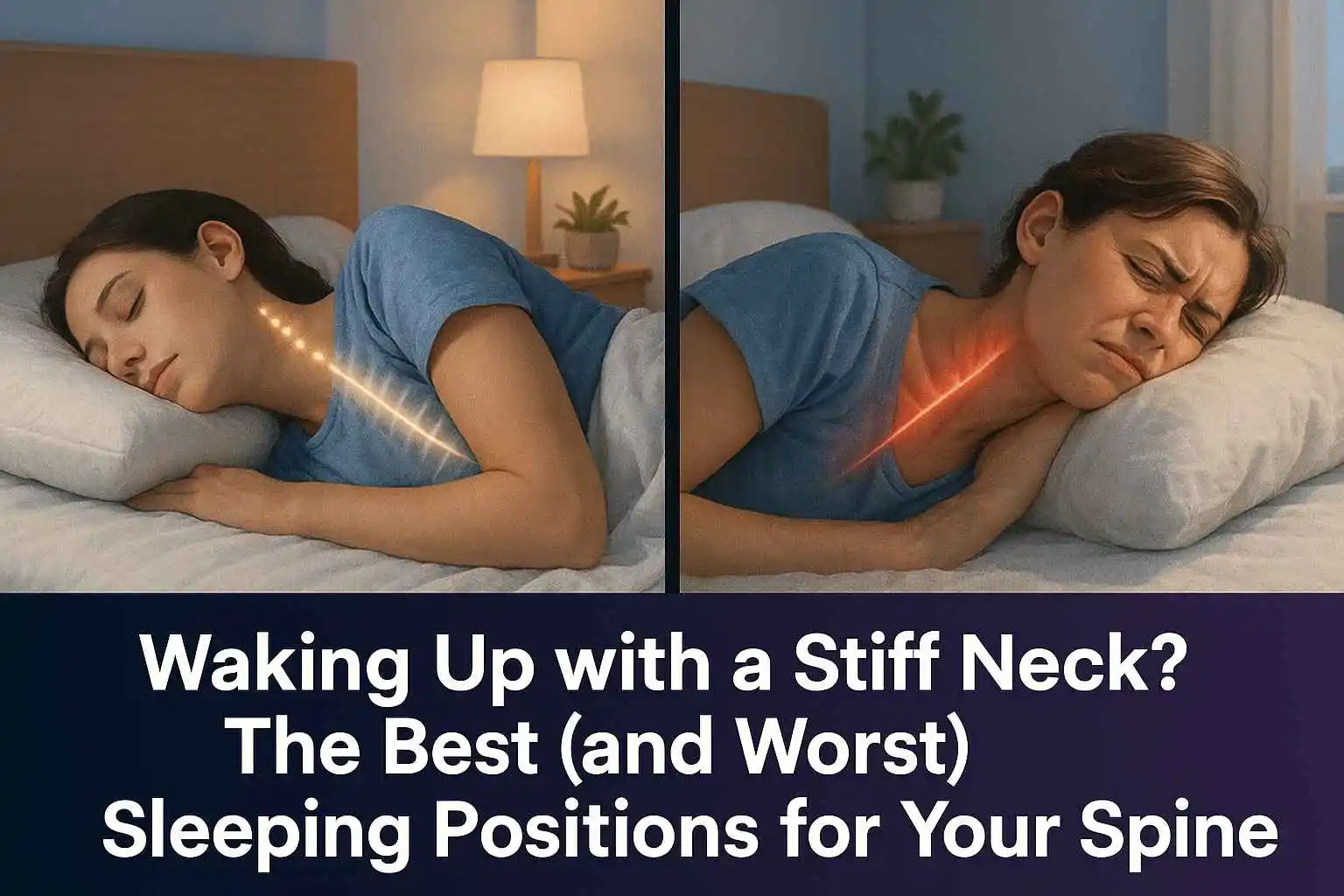
How you lie down can make or break a night of rest. Try these positions for safer sleep with a strained neck:
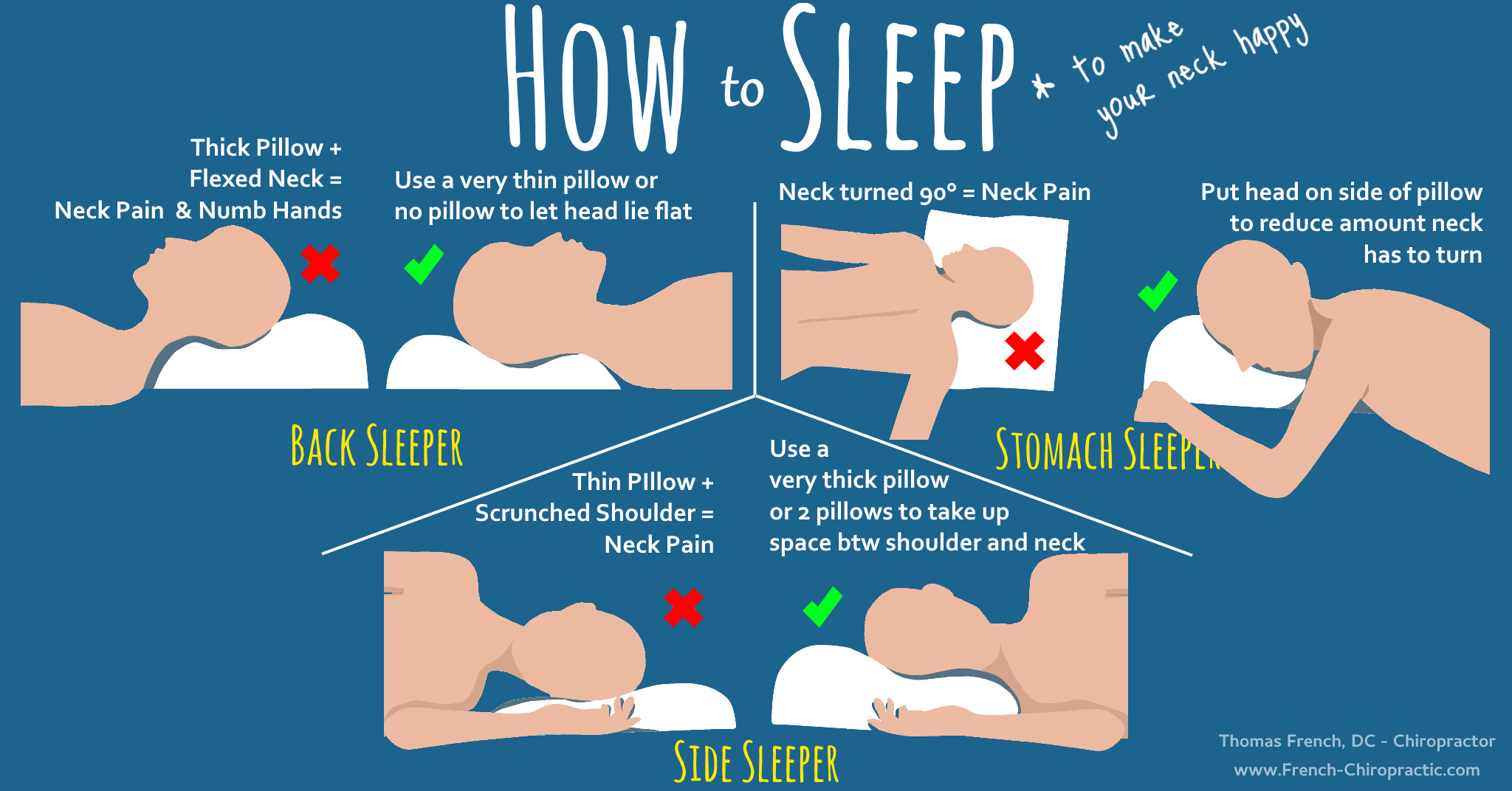
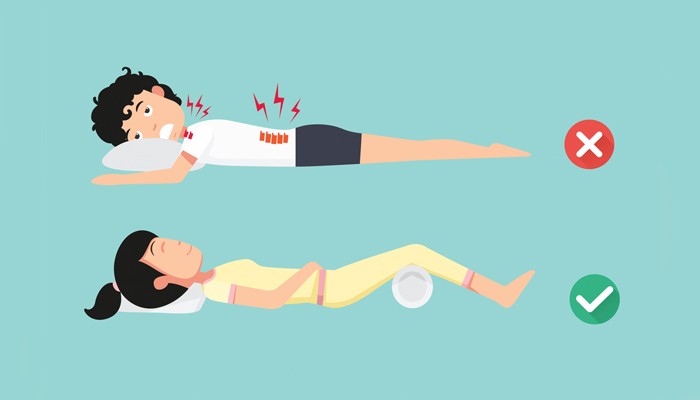
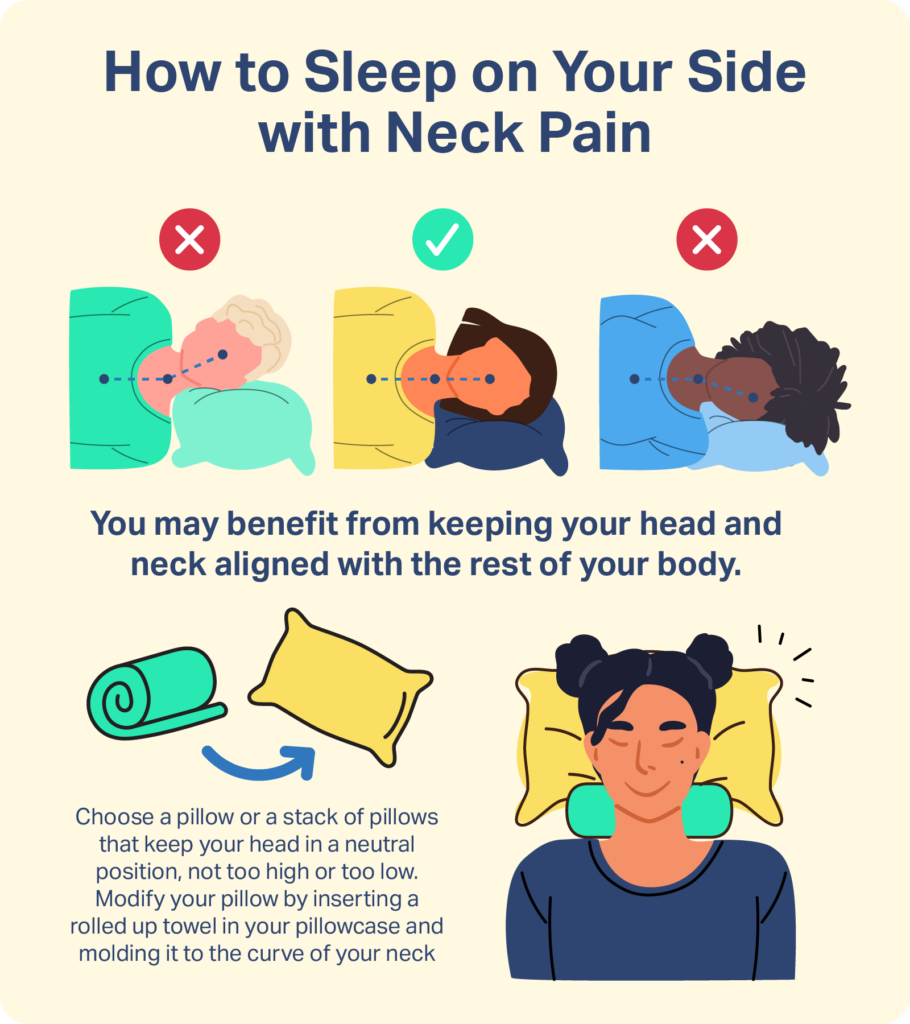
- Back sleeping with a cervical pillow that fills the gap under your neck to keep the spine neutral.
- Side sleeping with a pillow high enough to keep your head aligned with your spine and your neck level.
- Avoid stomach sleeping because it twists the neck and increases strain.
I once switched from stomach to back sleep using a wedge pillow. My neck felt less tense the next morning.
Choosing the right pillow and bedding
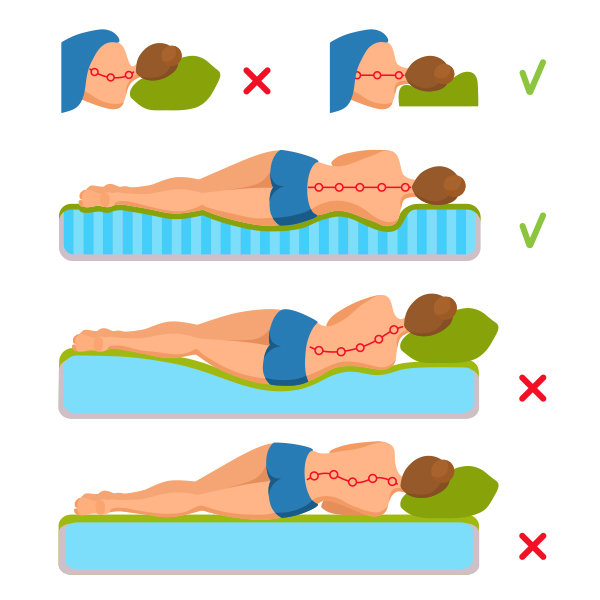
The pillow matters a lot when learning how to sleep with strained neck. Select a pillow that supports natural neck curve and keeps the head aligned.
- Cervical pillow or memory foam that cradles the neck without tilting the head too far forward.
- Adjustable loft pillows let you add or remove fill until alignment feels right.
- Pillow placement matters: tuck a small roll between shoulder and neck when side sleeping for extra support.
Test a pillow for at least a week. Small changes in height often bring big relief.
Mattress and sleep environment tips
A firm but slightly cushioning mattress helps keep your spine straight. If your mattress sags, your shoulders and neck drift out of alignment.
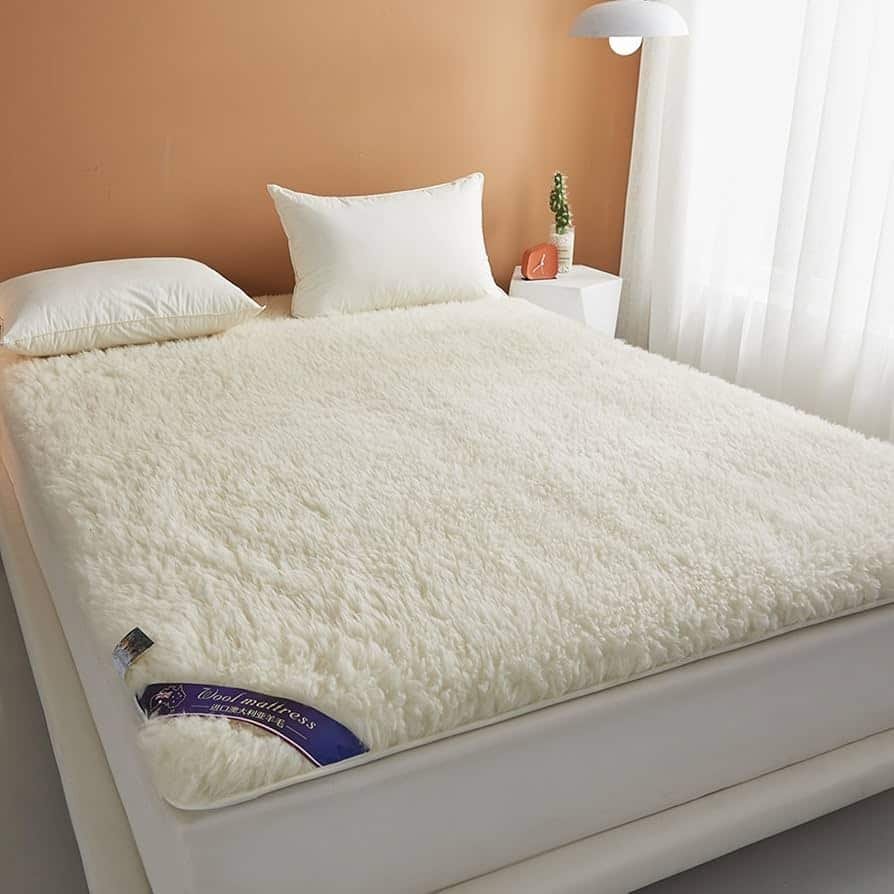
- Use a mattress topper if replacement isn’t possible. It can rebalance support.
- Sleep posture matters more than mattress brand. Keep hips, shoulders, and head in one line.
- Make the room calm and cool. Good sleep quality helps muscles recover overnight.

Bedtime routine and gentle exercises to prepare for sleep
A short pre-sleep routine lowers pain and helps you sleep with strained neck more easily. Keep routines brief and gentle.
- Neck mobility: tilt chin to chest and then look up slowly, three repetitions each way.
- Shoulder rolls: roll shoulders forward and back five times to release upper trap tension.
- Deep breathing and progressive muscle relaxation for five to ten minutes to lower muscle guarding and pain.
I found breathing work stopped me from tensing up at night. It shortened the time it took to fall asleep after a flare.
Sleep aids and when to use them safely
Sleep aids can be helpful for short-term pain. Use them carefully and under guidance.
- Short-term muscle relaxants may ease spasms when recommended by a provider.
- Topical analgesics can give local relief without systemic effects.
- Avoid long-term dependence on sleep pills; focus on posture and rehab.
I recommend combining medication with active recovery. Medication alone rarely fixes the root cause.

When to see a doctor or physical therapist
Most strained necks get better in days to weeks with self-care. See care if you have these signs.
- Severe or increasing pain, numbness, weakness, or arm tingling.
- Loss of bowel or bladder control, or high fever—seek emergency care.
- If pain lasts longer than four weeks or keeps returning, consult a specialist for targeted treatment.
Early professional input can speed safe recovery and prevent chronic problems.
Frequently Asked Questions of how to sleep with strained neck
What is the best position to sleep in with a strained neck?
Back sleeping with a supportive cervical pillow is often best. Side sleeping is second, as long as your neck stays aligned with your spine.
Can I use heat and ice together for a strained neck at night?
Use ice in the first 48 hours for acute injury, then heat to relax muscles. Apply each in short sessions and avoid falling asleep with them on.
Is it okay to sleep in a recliner when my neck is strained?
A recliner can help by reducing neck twisting and easing pain for some people. Make sure your head and neck stay supported and aligned.
Should I take pain medicine to help sleep with a strained neck?
Over-the-counter pain meds can help short-term to allow rest. Always follow dosing instructions and check with a provider if you have health issues.
How long will a strained neck affect my sleep?
Most mild strains improve in a few days to two weeks with proper care. If sleep problems persist past four weeks, seek medical advice.
Conclusion
You can sleep with a strained neck without making it worse. Use short stretches, proper pillow support, and gentle heat or ice. Keep your head aligned with your spine and follow a calm bedtime routine to help muscles relax. Try the tips above, track what helps, and consult a professional if pain or numbness persists. Share your experience below or subscribe for more practical recovery tips.
Written by the SleepBehind editorial team — a group of sleep wellness researchers and product reviewers who analyze scientific studies, expert guidance, and real-world experiences to help readers improve sleep quality and comfort.