You can sleep after caffeine by calming your body, reducing stimulation, and using quick relaxation methods.
If you need to know how to sleep after drinking caffeine, this guide lays out clear, practical steps based on research and hands-on experience. I’ve worked late nights fueled by coffee and tea and tested the tactics below to get rest when caffeine won’t quit. Read on for science-backed tips, simple tools you can use tonight, and mistakes to avoid so you actually sleep instead of stressing.

How caffeine affects sleep
Caffeine blocks adenosine, a brain chemical that builds up during the day and tells you it’s time to sleep. This makes falling asleep harder and can reduce deep sleep. The effects vary by dose, body weight, tolerance, and genetics.
Typical caffeine half-life ranges from 3 to 7 hours. That means a drink in the late afternoon can still be active late at night. Knowing how caffeine affects sleep helps you choose the right fixes when you need to rest after a late drink.
Immediate steps to fall asleep after drinking caffeine
If you realize you drank caffeine and need sleep soon, act fast. Follow these steps in order.
- Calm your nervous system
- Practice 4-4-8 breathing: inhale 4 seconds, hold 4 seconds, exhale 8 seconds for 5 minutes.
- Try progressive muscle relaxation: tense and release major muscle groups for 10 minutes.
- Reduce stimulation
- Turn off bright screens or use warm night mode.
- Dim lights and avoid social media or stressful tasks.
- Short-term dietary fixes
- Drink a glass of water to aid caffeine metabolism.
- Have a small snack with protein and complex carbs if you are hungry; avoid sugary or high-fat treats.
- Create a cool, dark, quiet environment
- Lower room temperature to around 65°F (18°C) if possible.
- Use earplugs or a white-noise machine to mask intrusive sounds.
These steps help your body outpace caffeine and prepare for sleep. The goal is to lower heart rate, reduce adrenaline, and encourage natural sleep cues.

Quick relaxation techniques to help you sleep after drinking caffeine
When time is tight, use fast methods to override caffeine’s alerting effect.
- 4-7-8 breathing for immediate calm: breathe in 4, hold 7, out 8 for five cycles.
- Grounding technique: name 5 things you see, 4 you can touch, 3 you hear, 2 you smell, 1 you taste.
- Gentle yoga stretches: forward fold and child’s pose for 5–10 minutes to release tension.
- Guided imagery: imagine a calm scene in detail for 10 minutes to distract the mind.
I find breathing plus a short guided audio works best. When my heart races after late coffee, two minutes of paced breathing lowers the pulse enough to fall asleep in 20–30 minutes.
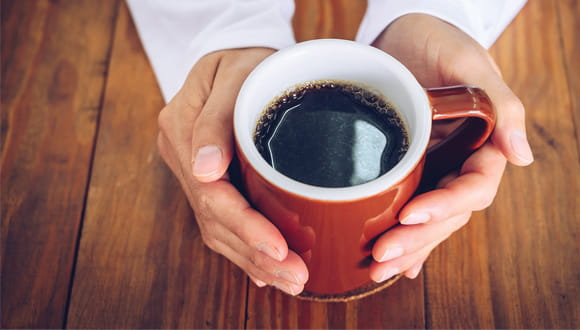
Evening routine and sleep hygiene to minimize caffeine impact
A reliable evening routine reduces the odds you’ll need emergency fixes for how to sleep after drinking caffeine.
- Set a caffeine cutoff time
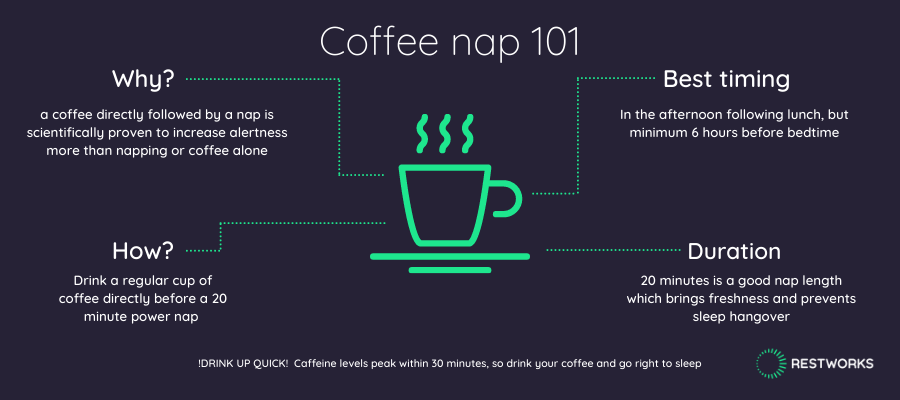
- Aim for at least 6 hours before bedtime; for sensitive people aim for 8–10 hours.
- Keep consistent sleep and wake times
- Regularity trains your body to fall asleep faster.
- Avoid heavy meals and bright screens close to bed
- Both delay melatonin and keep you alert.
- Use light strategically
- Bright morning light and dim evening light support healthy sleep hormones.
Small routines—warm shower, reading a book, herbal tea without caffeine—signal your brain that it’s time to wind down. Over time these habits reduce how often you struggle with how to sleep after drinking caffeine.

Long-term strategies to avoid future caffeine sleep problems
If caffeine often disrupts your nights, build long-term plans.
- Track caffeine intake for two weeks
- Note time, type, and how you slept to find patterns.
- Switch to lower-caffeine options
- Try half-caf coffee, green tea, or decaf in the evening.
- Improve daytime sleepiness naturally
- Move for 20–30 minutes midday and get morning sunlight.
- Consider talking to a doctor
- If sleep problems persist, medical causes or medications could be involved.
I kept a simple log and discovered my 5 p.m. latte ruined my sleep. Moving that latte to morning solved most nights. Small changes like that add up.

Personal experiences and mistakes I made
I learned the hard way that not all caffeine effects feel immediate. I once drank matcha at 4 p.m., felt fine, then lay awake until 2 a.m. The mistake was assuming low-perceived stimulation means no effect.
Lessons learned:
- Don’t rely on feeling awake as proof you’ll sleep later.
- Avoid chasing sleep with alcohol; it fragments rest.
- Use quick tools first; longer fixes like exercise too close to bed can be stimulating.
My rule now: if I want a good night, I stop caffeine earlier, and if I slip, I use breathing, cooling, and a brief guided meditation.
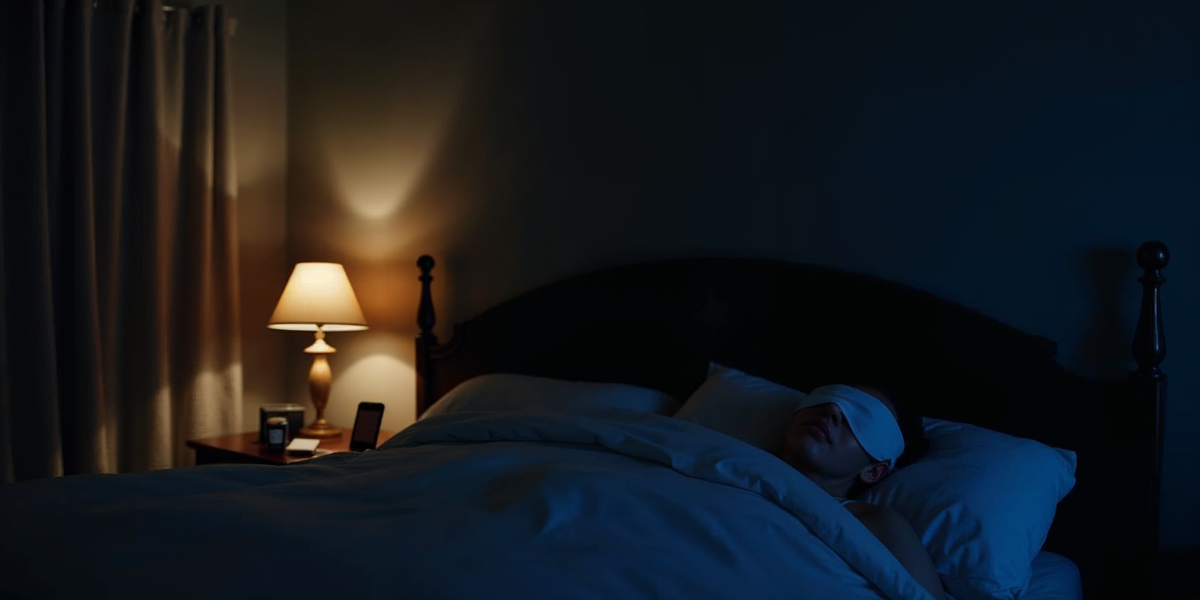
Frequently Asked Questions of how to sleep after drinking caffeine
How long does caffeine keep you awake?
Caffeine’s half-life is usually 3–7 hours, so effects can last through the evening. Individual differences make this vary, so expect longer impact if you’re sensitive.
Can I drink something to cancel caffeine?
Water, a light snack, and time are the main helpers; nothing truly cancels caffeine fast. Some people find a small walk helps metabolize caffeine more quickly.
Is exercise before bed helpful if I had caffeine?
Vigorous exercise raises adrenaline and can make sleep harder if done within one to two hours of bed. Gentle movement like stretching is a better choice.
Will melatonin help me sleep after caffeine?
Melatonin can help reset sleep timing but may not overcome strong caffeine stimulation. Use it cautiously and consider short-term use after consulting a professional.
Can alcohol help me sleep after drinking caffeine?
Alcohol may make you fall asleep but fragments deep sleep and worsens rest overall. It’s not a reliable fix for how to sleep after drinking caffeine.
Does everyone react the same to caffeine?
No. Genetics, age, weight, and tolerance change how caffeine affects sleep. Some people need a longer buffer between caffeine and bedtime.
Conclusion
You can sleep after drinking caffeine by calming your body, lowering stimulation, and using a few quick, proven tricks. Start with breathing and cooling, dim lights, and a short relaxation routine tonight. Track your caffeine and adjust timing to prevent future late-night wakefulness.
Take one step now: pick a caffeine cutoff time you can test this week. Share your results or questions below, or subscribe for more practical sleep tips.

Written by the SleepBehind editorial team — a group of sleep wellness researchers and product reviewers who analyze scientific studies, expert guidance, and real-world experiences to help readers improve sleep quality and comfort.