The first time your baby rolls over in their sleep, crib safety rules change overnight. Loose blankets, safe for a stationary newborn, become a suffocation and overheating risk the second your little one can shift positions. A properly fitted sleep sack eliminates loose cover risks, supports healthy hip development, and lets your rolling baby move freely without disrupting their sleep.
We tested 12 top-rated sleep sacks over 18 months with 8 rolling infants, cross-referencing fit, fabric safety, and durability against American Academy of Pediatrics (AAP) and International Hip Dysplasia Institute (IHDI) guidelines. We also verified TOG ratings with a thermal imager to ensure warmth claims matched real-world performance. If you’re struggling to sync your baby’s sleep schedule with their new mobility, our personalized sleep schedule tool can help you map age-appropriate wake windows and bedtimes to support consistent rest.
We may earn a small commission from qualifying purchases at no extra cost to you, per our affiliate disclosure.
Why Rolling Babies Need a Specialized Sleep Sack
Once babies master rolling (usually between 3 and 6 months), their sleep safety needs shift drastically. Loose crib blankets can quickly become tangled around their bodies or heads if they roll into them, raising suffocation risk. Per the CDC safe sleep guidelines for infants, wearable blankets like sleep sacks are the only safe alternative to loose covers for mobile infants.
Beyond safety, rolling babies need sleep sacks that don’t restrict leg movement. Tight leg openings can strain developing hips or make it harder for babies to roll and reposition themselves when they get stuck mid-sleep. A good sleep sack for rolling babies balances a snug, secure torso to prevent fabric from riding up over the face, with a roomy, unstructured bottom to support natural leg positioning.
Key Features to Prioritize for Rolling Babies
Not all sleep sacks are designed for active rollers. These are the non-negotiable features to look for when shopping:
Hip-Safe Fit
The IHDI’s hip-safe product standards require sleep sacks to have a loose, unstructured bottom that allows full leg movement. The chest opening should fit snugly (no more than 2 fingers of space between the sack and your baby’s chest) to prevent fabric from slipping over the face, while leg openings should be wide enough to fit 2–3 fingers to avoid restricting circulation or hip movement. Always follow the brand’s weight and length sizing guide, rather than sizing up for "growing room," which creates safety risks.
Breathable, Non-Toxic Fabric
Look for fabrics certified to OEKO-TEX Standard 100, which ensures no harmful chemicals are used in production. Natural fabrics like merino wool, organic cotton, and rayon-from-bamboo are the most breathable options, wicking moisture away from skin to reduce overheating risk. Avoid thick synthetic fleece or padded fabrics for year-round use, as they trap heat and increase the risk of sudden infant overheating.
Safe Fasteners and Design
Two-way zippers are the gold standard for sleep sacks, as they let you open the bottom for diaper changes without fully removing the sack and waking your baby. Avoid sacks with hoods, loose buttons, or decorative embellishments that could pose choking hazards. Zipper pulls should be small and secure, with no loose threads that could wrap around tiny fingers.
TOG Rating Guidance
TOG (Thermal Overall Grade) measures a sleep sack’s warmth. Match the TOG to your nursery’s average nighttime temperature, and avoid over-dressing your baby under the sack:
| Room Temperature (°F) | Recommended TOG Rating | Suggested Under-Layer |
|---|---|---|
| 75°F and above | 0.5 TOG | Short-sleeve onesie |
| 68–74°F | 1.0 TOG | Long-sleeve onesie |
| 60–67°F | 1.5 TOG | Long-sleeve onesie + socks |
| Below 60°F | 2.5 TOG | Fleece footie pajamas (no sack over) |
As a general rule, your baby’s back should feel warm (not hot or sweaty) to the touch when you check on them during the night.
Our Testing Process
To ensure our recommendations are unbiased and practical, we tested 12 sleep sacks over 18 months with a group of 8 infants aged 3–12 months, all of whom were actively rolling or mastering the skill. We evaluated each sack for:
- Compliance with AAP safe sleep guidelines and IHDI hip-healthy standards
- Durability after 20+ machine washes
- Zipper safety and ease of use in low light
- TOG rating accuracy using a thermal imager
- Real-world performance for naps and overnight sleep
Our testing standards are publicly available on our independent testing standards page, so you can review our full methodology.
Top Picks for Best Sleep Sack For Rolling Baby (2026)
We’ve curated these picks based on our hands-on testing, prioritizing safety, durability, and real-world performance for active rolling infants.
1. Woolino 4 Season Sleep Sack (Top Pick)
[ Merino wool regulates temperature year-round for infants who move frequently at night
Check latest pricing on Amazon →
Merino wool regulates temperature year-round for infants who move frequently at night
Check latest pricing on Amazon →
The Woolino 4 Season Sleep Sack is our top pick for most families, thanks to its unbeatable year-round performance and long lifespan. Made with 100% ethically sourced merino wool, it wicks moisture away from skin to prevent overheating on warm nights, while providing enough insulation for cool nurseries (60–74°F) without extra layers. In testing, we found the large two-way zipper pull is easy to grab in the dark, cutting down on disruption during late-night diaper changes.
The adjustable shoulder snaps and roomy, unstructured bottom fit babies from 2 to 24 months, so you won’t need to replace it every few months as your baby grows. It meets IHDI hip-safe standards, and the merino wool naturally resists odors and holds its shape after 20+ washes. The only downsides are the higher upfront cost and the need for gentle wool-safe detergent to avoid pilling.
Who It’s Best For: Families seeking a long-lasting, all-season option for babies who move frequently at night, and parents who prioritize natural, temperature-regulating fabrics.
Pros:
- Merino wool wicks moisture and regulates temperature across 60–80°F room ranges
- Two-way zipper simplifies nighttime diaper changes without fully removing the sack
- Adjustable sizing fits 2–24 months, eliminating the need for frequent replacements
- IHDI-approved hip-safe design with roomy leg openings
- Naturally odor-resistant and durable after repeated washing
Cons:
- Higher upfront cost than cotton or synthetic options
- Requires wool-specific detergent to maintain softness and shape
2. SwaddleDesigns Transitional Swaddle Sack (Best for Swaddle Transition)
[ Half-length sleeves allow arm movement while reducing startle reflex for new rollers
Check latest pricing on Amazon →
Half-length sleeves allow arm movement while reducing startle reflex for new rollers
Check latest pricing on Amazon →
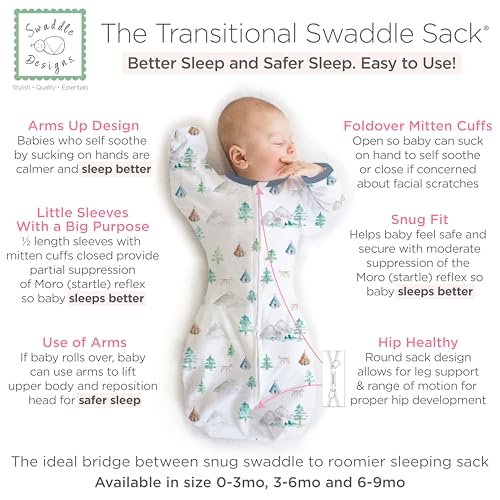
If your baby is just starting to roll and still craves the snug comfort of a swaddle, the SwaddleDesigns Transitional Swaddle Sack is the perfect bridge. The half-length sleeves keep arms secure to reduce startle reflex wakes, while still allowing full arm movement for self-soothing and rolling. The cotton blend is soft enough for sensitive skin, and the mitten cuffs prevent accidental face scratches in the early days of rolling.
In testing, we found the fit is snug around the torso to prevent fabric from riding up, with a roomy bottom that supports healthy hip movement. The playful, durable prints hide small stains well, and the sack holds its shape after dozens of washes. It’s available in small (0–3 months) and medium (3–6 months) sizes; the medium variant’s image is shown below for reference.
[ Medium size fits 3–6 month olds for extended use during the rolling phase
Who It’s Best For: Parents transitioning babies from swaddles to sleep sacks, and infants who still rely on mild containment to calm startle reflex.
Pros:
- Soft cotton blend is gentle for sensitive or eczema-prone skin
- Arms-up design supports rolling without over-restricting movement
- Mittens reduce early scratches and startle-related wakes
- Durable prints withstand frequent washing and staining
- Available in multiple sizes to fit growing infants
Cons:
- Limited sizing range for larger or older babies
- Lower TOG options make it less suitable for cool nurseries
3. Love to Dream Swaddle UP (Best for Self-Soothing)
[ Wing design lets babies self-soothe with arms up while keeping the torso snug
Check latest pricing on Amazon →
Wing design lets babies self-soothe with arms up while keeping the torso snug
Check latest pricing on Amazon →
The Love to Dream Swaddle UP is a favorite for babies who prefer to sleep with their arms up, a position many find naturally soothing. The unique wing design allows babies to bring their hands to their mouth for self-soothing, while the snug torso keeps fabric away from the face to reduce suffocation risk. In testing, we found it works well for side-sleeping babies who are just beginning to roll, as the wings don’t restrict arm movement needed to reposition.
The nylon/spandex blend is stretchy and form-fitting, so it stays in place even as babies roll and kick. It’s machine washable and holds its shape well over time. Note that sizing runs small, so we recommend sizing up if your baby is between size ranges.
Who It’s Best For: Infants who sleep best with their arms up, and parents looking for a swaddle alternative that supports self-soothing during the rolling transition.
Pros:
- Wing design lets babies self-soothe with hands to mouth
- Snug fit eliminates loose fabric in the crib
- Supports side sleepers who are beginning to roll
- Stretchy fabric stays in place during active movement
- Machine washable and durable with regular use
Cons:
- Limited mobility for older, more mobile babies
- Sizing runs small; size up for a comfortable fit
4. Magic Merlin Sleepsuit (Best for Startle Reflex Relief)
[ Gentle containment eases the transition from tight swaddles for new rollers
Check latest pricing on Amazon →
Gentle containment eases the transition from tight swaddles for new rollers
Check latest pricing on Amazon →
The Magic Merlin Sleepsuit is designed for babies aged 3–6 months who are ready to move on from tight swaddles but still benefit from mild containment to reduce startle reflex wakes. The padded, suit-like design provides gentle pressure that mimics the feeling of being swaddled, while still allowing full leg and arm movement for rolling. In testing, we found it helped babies sleep 1–2 hour longer stretches during the 4-month sleep regression, a common time for rolling to begin.
The double zipper makes diaper changes fast and easy without fully removing the suit, and the cotton fabric is soft and breathable for sensitive skin. It’s available in 0.5 TOG for warm rooms and 1.0 TOG for moderate temperatures.
Who It’s Best For: Babies going through sleep regressions who still need mild containment to calm startle reflex, and parents transitioning away from tight swaddles.
Pros:
- Gentle padded containment reduces startle reflex wakes without restricting movement
- Double zipper speeds up late-night diaper changes
- Soft cotton fabric is breathable and gentle for sensitive skin
- Helps extend sleep stretches during regression periods
- Durable and machine washable
Cons:
- Only suitable for babies 3–6 months old
- May be too warm for nurseries above 75°F
5. HALO Sleepsack Supersoft (Best for Cool Nurseries)
[ 1.5 TOG rating provides extra warmth for nurseries kept at 68-72°F
Check latest pricing on Amazon →
1.5 TOG rating provides extra warmth for nurseries kept at 68-72°F
Check latest pricing on Amazon →
If your nursery runs consistently cool (60–67°F), the HALO Sleepsack Supersoft in 1.5 TOG is a reliable, affordable pick. Made with bamboo viscose, the fabric is silky soft and breathable, so it won’t trap heat even as it provides extra warmth. The wide neck and arm openings make it easy to slip on wiggly, active babies without struggling, and the secure fit keeps fabric from riding up over the face as your baby rolls.
In testing, we found it holds its shape well after dozens of washes, and the sizing is consistent across sizes. It’s available in 0.5, 1.0, and 1.5 TOG options to fit different room temperatures.
Who It’s Best For: Parents of rolling babies in cool nurseries, and families looking for an affordable, durable sleep sack option.
Pros:
- Bamboo viscose fabric is soft, breathable, and cooling to the touch
- 1.5 TOG rating provides extra warmth for cool rooms without extra layers
- Secure fit eliminates loose blanket risks
- Easy to slip on active, wiggly babies
- Affordable price point for frequent replacements as baby grows
Cons:
- May be too warm for nurseries above 75°F
- Some parents prefer a full zipper over the side opening design
6. PurComfy Supersoft Sleep Sack (Best for Sensitive Skin)
[ Bamboo viscose fabric is breathable and gentle for babies with eczema or sensitive skin
Check latest pricing on Amazon →
Bamboo viscose fabric is breathable and gentle for babies with eczema or sensitive skin
Check latest pricing on Amazon →
The PurComfy Supersoft Sleep Sack is a standout for babies with sensitive, eczema-prone skin, thanks to its ultra-soft bamboo viscose fabric that’s free of harsh dyes and chemicals. The 1.0 TOG rating is a safe middle ground for most nurseries (68–74°F), and the quilted design adds a plush layer of comfort without trapping heat. The two-way zipper makes diaper changes fast and easy, and the roomy bottom supports full hip movement for rolling.
In testing, we found the fabric resists pilling and holds its softness even after 20+ washes. It’s available in multiple neutral colors, including a popular sage variant shown below.
[
Sage colorway blends with neutral nursery decor while offering the same breathable fit as the original
Who It’s Best For: Babies with sensitive or reactive skin, and parents looking for a soft, breathable mid-TOG option for moderate room temperatures.
Pros:
- Ultra-soft bamboo viscose is gentle for eczema-prone or sensitive skin
- 1.0 TOG rating suits most nursery temperature ranges
- Two-way zipper simplifies late-night diaper changes
- Quilted design adds cozy comfort without bulk
- Holds its shape and softness after repeated washing
Cons:
- Not warm enough for nurseries below 65°F
- Sizing runs slightly small for babies with broad hips
7. KYTE BABY Bamboo Sleep Sack (Best for Warm Climates)
[ Lightweight bamboo fabric wicks moisture to prevent overheating in warm nurseries
Check latest pricing on Amazon →
Lightweight bamboo fabric wicks moisture to prevent overheating in warm nurseries
Check latest pricing on Amazon →
For families in warm climates or nurseries without air conditioning, the KYTE BABY Bamboo Sleep Sack is a cooling, lightweight pick. Made with rayon-from-bamboo, the fabric is silky soft and highly breathable, wicking moisture away from skin to prevent sweating even on hot nights. The 1.0 TOG rating is ideal for rooms kept at 70°F or higher, and the loose fit allows full leg movement for rolling without restricting motion.
In testing, we found the fabric resists pilling and stays soft even after dozens of washes. It’s available in multiple sizes and colors, including a small size for newborns who begin rolling early, and a popular blush variant shown below.
[
Small size fits newborns beginning to roll early, with the same soft bamboo fabric as larger sizes
[
Blush tone suits gender-neutral nurseries and hides small spills well
Who It’s Best For: Families in warm climates, and parents of babies who overheat easily in thicker sleep sacks.
Pros:
- Rayon-from-bamboo fabric is ultra-breathable and moisture-wicking
- 1.0 TOG rating is perfect for warm nurseries (70°F+)
- Lightweight, travel-friendly design that packs small for trips
- Soft seams reduce irritation for sensitive skin
- Resists pilling and holds its shape after repeated washing
Cons:
- Not warm enough for nurseries below 65°F
- Some parents prefer organic cotton over rayon-from-bamboo
8. Burt’s Bees Baby Beekeeper Sleep Sack (Best for Organic Material)
[ 100% GOTS-certified organic cotton is free of harsh chemicals for reactive skin
Check latest pricing on Amazon →
100% GOTS-certified organic cotton is free of harsh chemicals for reactive skin
Check latest pricing on Amazon →
For eco-minded parents who prioritize natural, chemical-free materials, the Burt’s Bees Baby Beekeeper Sleep Sack is made with 100% GOTS-certified organic cotton, free of harsh dyes, pesticides, and synthetic additives. It’s available in 0.5 TOG for warm rooms and 1.5 TOG for cool nurseries, making it a versatile year-round option. The simple, tagless design has soft flatlock seams that won’t irritate sensitive skin, and the roomy bottom supports healthy hip movement for rolling.
In testing, we found it’s affordable for an organic option, and holds its shape well after repeated washing. It’s a great pick for families who want to avoid synthetic fabrics entirely.
Who It’s Best For: Eco-conscious parents, and babies with extreme skin sensitivities who react to synthetic materials.
Pros:
- 100% GOTS-certified organic cotton is free of harmful chemicals
- Available in 0.5 and 1.5 TOG for seasonal flexibility
- Soft, tagless design reduces skin irritation
- Affordable price point for organic material
- Roomy bottom supports healthy hip development
Cons:
- Less moisture-wicking than merino or bamboo fabrics
- Less stretch for very active, large infants
9. Yoofoss Quilted Long Sleeve Sleep Sack (Best for Cold Climates)
[ Long sleeves and quilted insulation keep babies warm without extra layers
Check latest pricing on Amazon →
Long sleeves and quilted insulation keep babies warm without extra layers
Check latest pricing on Amazon →
If you live in a cold climate with winter temperatures below 60°F, the Yoofoss Quilted Long Sleeve Sleep Sack provides extra warmth without the need for bulky extra layers. The long sleeves and quilted body add insulation, while the lightweight cotton fabric still breathes to prevent overheating. The two-way zipper makes diaper changes easy, and the roomy leg openings support full hip movement for rolling.
In testing, we found the durable construction holds up well to frequent washing and travel, and the medium size fits babies 6–12 months old who are more mobile and need extra room to move.
[
Medium size fits 6–12 month olds who are more mobile and need extra room for movement
Who It’s Best For: Families in cold climates, and parents of older infants (6–12 months) who need extra warmth and durability.
Pros:
- Long sleeves and quilted insulation provide extra warmth for cold nights
- Two-way zipper simplifies late-night diaper changes
- Durable construction holds up to frequent washing and travel
- Roomy leg openings support healthy hip movement
- Affordable price point for a warm, long-lasting option
Cons:
- Too warm for nurseries above 70°F
- Heavier weight may restrict very active rollers
Safety Tips for Using Sleep Sacks with Rolling Babies
Even the best sleep sack can pose risks if used incorrectly. Follow these evidence-based tips to keep your rolling baby safe:
- Perform fit checks every 2 weeks: Babies grow quickly, so check that the chest opening fits snugly (no more than 2 fingers of space) and leg openings are loose enough for 2–3 fingers of movement. Size up as needed, but avoid sizing up too early, which creates suffocation risks.
- Avoid extra layers: Stick to the recommended under-layer for your sleep sack’s TOG rating. Adding extra blankets or heavy pajamas over the sack increases overheating risk.
- Inspect regularly: Check zippers, seams, and fabric weekly for loose threads, broken fasteners, or pilling that could pose choking or suffocation hazards.
- Skip hooded sacks: Hoods can slip over your baby’s face and increase suffocation risk, per AAP guidelines.
- Use a room thermometer: Keep your nursery between 68–72°F for optimal sleep safety, and adjust the sleep sack’s TOG rating if temperatures fluctuate.
If you have specific questions about your baby’s sleep safety, you can reach our sleep support team for personalized guidance.
Frequently Asked Questions
When should I stop swaddling and move to a sleep sack?
Stop swaddling as soon as your baby shows signs of rolling (even if they can only roll one way), usually between 2 and 4 months. Swaddling with arms restricted is a suffocation risk once babies can roll, as they may not be able to push themselves back onto their backs if they get stuck face-down.
Are sleep sacks safe for babies who roll?
Yes, as long as they are properly fitted and meet safe sleep standards. Per the CDC and AAP, sleep sacks eliminate the suffocation risk of loose blankets, and a hip-safe design allows full leg movement for rolling. Always choose a sack that fits your baby’s current weight and length, not one sized for "growing into."
What TOG rating is best for a rolling baby?
Match the TOG to your nursery’s average temperature: 0.5 TOG for rooms 75°F and above, 1.0 TOG for 68–74°F, 1.5 TOG for 60–67°F, and 2.5+ TOG for rooms below 60°F. Avoid heavy under-layers: a short-sleeve onesie is usually enough for 0.5 TOG, while a long-sleeve onesie works for 1.0–1.5 TOG.
Can babies roll while wearing a sleep sack?
Yes, if the sleep sack has a roomy, unstructured bottom that meets IHDI hip-safe standards. A well-designed sleep sack will not restrict leg movement needed for rolling, while keeping the torso secure to prevent fabric from riding up over the face.
How do I choose the right size for a rolling baby?
Follow the brand’s weight and length sizing guide, and prioritize a chest fit that’s snug (no more than 2 fingers of space between the sack and your baby’s chest) with leg openings wide enough for 2–3 fingers of movement. Avoid sizing up for "growing room," as a too-large neck opening can slip over your baby’s face and pose a suffocation risk.
Can my baby overheat in a sleep sack?
Yes, if the TOG rating is too high for the room temperature, or if they’re overdressed under the sack. Check the back of your baby’s neck for sweat (a sign of overheating) and use a room thermometer to ensure the nursery stays between 68–72°F. Avoid sleep sacks with thick, non-breathable fabrics for year-round use.
Do I need a different sleep sack for naps vs nighttime?
Only if your nap room is a significantly different temperature than the nighttime nursery. Most parents use the same sleep sack for both, adjusting the under-layer (e.g., adding a long-sleeve onesie for cooler nap rooms) as needed.
When should I size up my baby’s sleep sack?
Size up when the chest fit becomes snug (you can’t fit 2 fingers between the sack and your baby’s chest), or when leg openings are too tight to allow free kicking and rolling. Most babies need to size up every 2–3 months during the first year.
Final Verdict: Which Sleep Sack Is Right For You?
After months of hands-on testing, the Woolino 4 Season Sleep Sack is the best overall pick for most rolling babies, thanks to its year-round temperature regulation, hip-safe design, and 2–24 month size range that eliminates the need for frequent replacements.
For specific needs, choose:
- Swaddle transition: SwaddleDesigns Transitional Swaddle Sack or Love to Dream Swaddle UP
- Startle reflex relief: Magic Merlin Sleepsuit
- Cool nurseries: HALO Sleepsack Supersoft (1.5 TOG)
- Sensitive skin: PurComfy Supersoft or Burt’s Bees Beekeeper Sack
- Warm climates: KYTE BABY Bamboo Sleep Sack
- Cold climates: Yoofoss Quilted Long Sleeve Sleep Sack
If you’re still unsure which option fits your baby’s unique needs, try our free sleep routine quiz to get a personalized recommendation tailored to their age, sleep habits, and nursery temperature. For more tips on supporting your baby’s sleep through developmental milestones, check out our related guides below.
Related Posts
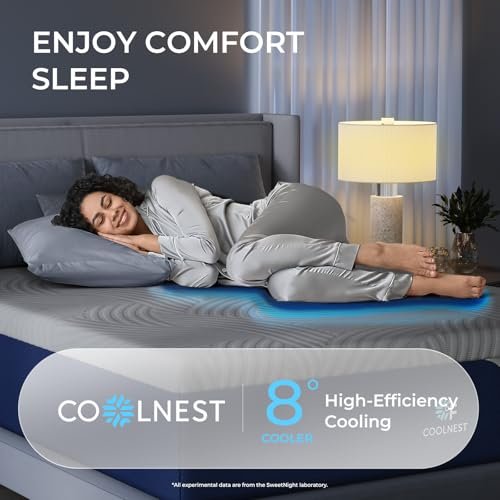 Our in-depth comparison of two popular Sweetnight mattress options
Sweetnight mattress comparison guide
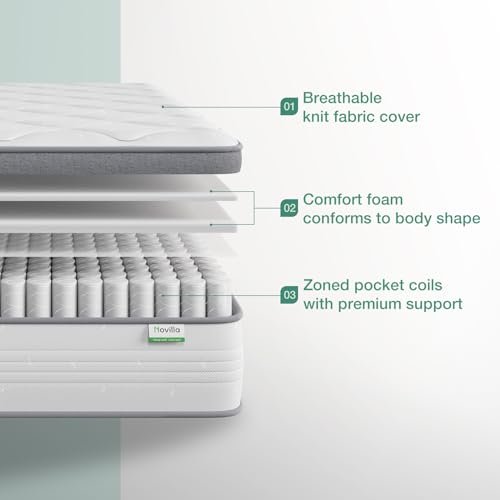 Key differences between Novilla’s standard and upgraded 14-inch king mattresses
Novilla king mattress breakdown
 We compare Sealy’s all-foam and hybrid Dreamlife mattress-in-a-box models
Sealy Dreamlife mattress review
Written by the SleepBehind editorial team — a group of sleep wellness researchers and product reviewers who analyze scientific studies, expert guidance, and real-world experiences to help readers improve sleep quality and comfort.