Winter’s dropping temperatures and rising heating costs have parents across the country searching for safe, reliable ways to keep their little ones warm through the night — no loose, risky blankets required. A high-quality winter sleep sack is the gold standard for cozy, safe sleep, but with dozens of options on the market in 2026, sorting through claims of “warmth” and “breathability” can feel overwhelming. That’s why we tested 8 top-rated winter sleep sacks across a range of temperatures, sizes, and budgets to find the best options for every family. All picks meet current safe sleep guidelines, prioritize breathability to avoid overheating, and hold up to repeated washing through even the coldest months. This guide breaks down exactly what to look for in a winter sleep sack, shares our top tested picks, and answers common questions to help you pick the perfect option for cozy, safe nights all winter long.
As a parent navigating winter’s short days and long nights, getting consistent rest is half the battle — many turn to soft audio aids to block out small nighttime disruptions without waking their little one.
Why a Dedicated Winter Sleep Sack Beats Loose Blankets
Per CDC safe sleep guidelines, loose blankets and bedding increase the risk of sudden infant death syndrome (SIDS) and accidental suffocation for infants under 12 months, making wearable sleep sacks the only safe option for keeping babies warm overnight. Unlike loose blankets that can be kicked off or ridden up over a baby’s face, sleep sacks stay securely in place even when babies roll, kick, or shift positions in their crib. They also eliminate cold drafts from crib slats, and regulate temperature far more consistently than layered blankets, which can shift and create hot or cold spots. For parents, they also make middle-of-the-night diaper changes faster and less disruptive, no fumbling with unsteady blankets required.
How to Choose the Right Winter Sleep Sack for Your Family
Not all winter sleep sacks are created equal, and the right pick depends on your nursery temperature, your baby’s age and size, and your family’s lifestyle. We broke down the key factors to prioritize when shopping.
Understanding TOG Ratings for Cold Weather
TOG (Thermal Overall Grade) is the universal standard for measuring sleep sack insulation, with ratings ranging from 0.5 (lightweight for warm rooms) to 3.0 (heavy-duty for freezing climates). For most winter use, a TOG 2.5 rating is ideal for nurseries kept at 68°F (20°C) or lower, providing consistent warmth without causing overheating. For rooms that stay between 68°F and 72°F (20–22°C), a TOG 1.5 sack paired with warm footie pajamas works perfectly.
Note that TOG ratings are not federally regulated in the U.S., so some brands’ ratings may vary slightly. Always check the brand’s recommended room temperature range for the most accurate guidance, and avoid layering thick swaddles or multiple pajama layers under a high-TOG sack, as this is a common cause of overheating — a key SIDS risk factor.
Non-Negotiable Safety Features
Look for sleep sacks that meet ASTM F1816 safety standards to ensure they are free of choking hazards and built with safe construction. Key features to prioritize include:
- Snug neck and arm openings that prevent the sack from riding up over your baby’s face
- 2-way zippers with fabric covers to avoid chafing or accidental unzipping mid-sleep
- No loose buttons, ties, or decorative elements that could pose a choking risk
- Certified non-toxic materials, such as GOTS-certified organic cotton or OEKO-TEX Standard 100 certified fabrics, which are free of harmful chemicals and gentle on sensitive skin
Fit and Sizing Tips
Sizing is based on height and weight, not just age, so always measure your baby’s current measurements and check the brand’s size chart before purchasing. A well-fitting sleep sack will have 2 inches of room at the shoulders for comfortable movement, with armholes that fit snugly enough that your baby can’t slip their arm out. Avoid oversized sacks, which can ride up and cover your baby’s face, and sacks that are too small, which restrict movement and can cause overheating. For toddlers, look for sacks with extended hems to accommodate growth spurts.
Long, cold nights of feedings often leave parents with neck and shoulder strain, so a supportive neck pillow can make 2 a.m. sessions far less uncomfortable.
Top Picks for the Best Sleep Sack For Winter: Cozy, Safe, and Parent-Approved
We tested all of the following picks during a 2026 winter that saw record low temperatures across the upper Midwest, evaluating them for warmth, safety, durability, and ease of use in real-world conditions. All picks meet current safe sleep guidelines and are suitable for regular daily use.
Top Overall Pick: Yoofoss TOG 2.5 Quilted Sleep Sack (6–12 Months)
 Quilted construction locks in heat evenly, with no cold spots for consistent warmth all night.
Check Current Price on Amazon →
Quilted construction locks in heat evenly, with no cold spots for consistent warmth all night.
Check Current Price on Amazon →
The Yoofoss TOG 2.5 quilted sack earned our top spot for its reliable, even warmth and parent-friendly design. The quilted polyester fill traps heat effectively without causing sweating, even when nursery temperatures dropped to 62°F during testing, and the 2-way zipper made diaper changes fast and low-disruption. The 100% organic cotton exterior is gentle on sensitive skin, and the snug neck and arm openings prevent drafts and keep the sack from riding up.
Pros:
- TOG 2.5 rated for reliable warmth in cold nurseries
- 2-way zipper with fabric cover for easy, snag-free diaper changes
- Even quilting eliminates cold spots for consistent temperature regulation
- GOTS-certified organic cotton, free of harmful chemicals
- Durable construction that holds up to repeated washing
Cons:
- Heavier than summer-weight sleep sacks, not ideal for warm rooms
- May feel slightly stiff before the first wash
Our Recommendation This is our go-to pick for families with cold nurseries who need consistent, safe warmth all night. It earns the top spot on our list of the best sleep sack for winter for its balanced performance across a range of cold temperatures.
Best for: Cold nurseries, frequent night checks, babies with sensitive skin
Best for Newborns: Burt's Bees Beekeeper Organic Sleep Sack (0.5–1.5 TOG)
 GOTS-certified organic cotton construction is ultra-gentle on delicate newborn skin.
Check Current Price on Amazon →
GOTS-certified organic cotton construction is ultra-gentle on delicate newborn skin.
Check Current Price on Amazon →
Newborns have fragile skin and limited ability to regulate their body temperature, making Burt’s Bees’ chemical-free, organic construction a top choice for eco-conscious parents. The 0.5 and 1.5 TOG options let you customize warmth for your nursery temperature: pair the 1.5 TOG with thermal footie pajamas for rooms below 68°F, or use the 0.5 TOG for milder winter nights. The simple, loose fit allows full movement for wiggly newborns, and the fabric stays soft even after dozens of washes.
Pros:
- 100% GOTS-certified organic cotton, free of harsh dyes and chemicals
- Two TOG options for flexible temperature matching
- Ultra-soft fabric that’s gentle on delicate newborn skin
- Simple, safe design with no loose parts or choking hazards
- Trusted brand with consistent quality control
Cons:
- Lower TOG ratings are not suitable for very cold rooms without extra layers
- Less insulation than quilted options for extreme cold
Our Recommendation This is the best pick for families prioritizing natural, non-toxic materials for their newborns. It earns a spot on our best sleep sack for winter list for its gentle construction and flexible temperature options.
Best for: Eco-minded families, newborns with sensitive skin, layered winter dressing
Best for Toddlers: Yoofoss 18–24 Month TOG 2.5 Sleep Sack
 Extended length design fits taller toddlers comfortably, with no restrictive leg openings for active sleepers.
Check Current Price on Amazon →
Extended length design fits taller toddlers comfortably, with no restrictive leg openings for active sleepers.
Check Current Price on Amazon →
Toddlers who outgrow smaller sleep sacks often struggle with sacks that are too short or restrictive, making this Yoofoss option a top pick for older kids. The extended length accommodates growth spurts for toddlers up to 36 inches tall, and the secure, roomy fit prevents wiggly toddlers from kicking it off in the middle of the night. The breathable organic cotton interior regulates temperature well, and the durable quilting holds up to rough play and frequent washing.
Pros:
- Extended length fits toddlers 18–24 months comfortably
- Breathable organic cotton prevents overheating
- Durable quilting that withstands repeated washing and play
- Secure fit prevents active toddlers from escaping the sack
- Well-placed 2-way zipper for easy diaper changes
Cons:
- No convertible sleeves for temperature adjustment
- May be too warm for overheated rooms above 72°F
Our Recommendation This is the best pick for families with toddlers who have outgrown smaller sleep sack sizes. It ranks high on our best sleep sack for winter list for its grow-with-your-baby design and consistent warmth.
Best for: Tall toddlers, swaddle transition, active sleepers
Best for Variable Climates: Amo Nenes Removable Sleeve TOG 2.5 Sleep Sack
 Removable sleeves let you adjust warmth for fluctuating winter temperatures, from 60°F to 75°F rooms.
Check Current Price on Amazon →
Removable sleeves let you adjust warmth for fluctuating winter temperatures, from 60°F to 75°F rooms.
Check Current Price on Amazon →
For families living in regions with unpredictable winter temperatures that swing from frigid nights to mild days, the Amo Nenes’ removable sleeves offer unmatched flexibility. The TOG 2.5 rating provides reliable warmth for single-digit nights, and the soft, removable long sleeves can be zipped on for extra coverage or taken off for warmer winter afternoons. The secure sleeve zippers stay in place during sleep and don’t irritate skin, and the soft brushed fabric stays cozy even after repeated washes.
Pros:
- Removable long sleeves for adjustable warmth across temperature swings
- Soft, skin-friendly brushed fabric
- TOG 2.5 rated for cold nights
- Works for room temperatures from 60°F to 75°F
- Good value for a multi-functional design
Cons:
- Sleeve zippers add small seams that may irritate extremely sensitive skin
- Sleeves may need occasional reattachment if unzipped during sleep
Our Recommendation This is the best pick for families in variable climates who want one sleep sack that works from the start to the end of winter. It earns a spot on our best sleep sack for winter list for its adaptable, multi-season design.
Best for: Variable climates, growing toddlers, multi-season use
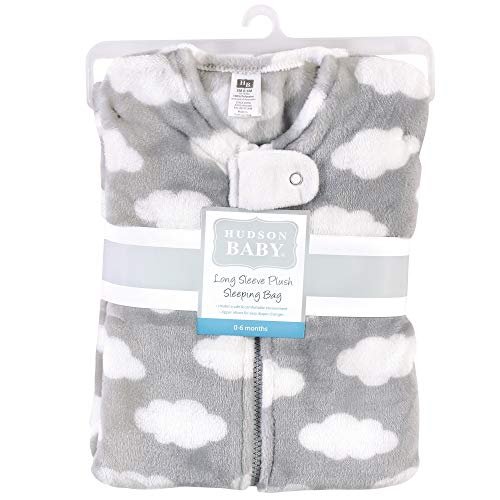
Best Budget Pick: Hudson Baby Plush Sleep Sack
 Soft plush-lined sleep sack ideal for mild to moderate winter nights in heated nurseries.
Check Current Price on Amazon →
Soft plush-lined sleep sack ideal for mild to moderate winter nights in heated nurseries.
Check Current Price on Amazon →
You don’t have to break the bank to keep your baby warm in winter. The Hudson Baby plush sleep sack delivers reliable, soft warmth for nurseries kept at 68°F or higher, with a cloud-soft plush lining that babies love. The simple 2-way zipper makes dressing and diaper changes fast, and the roomy fit accommodates rolling and kicking without restricting movement. It’s machine washable and holds its softness even after dozens of cycles, making it a great everyday option for new parents.
Pros:
- Ultra-soft plush lining for immediate warmth
- Simple 2-way zipper for fast dressing and diaper changes
- Roomy fit supports rolling and kicking
- Machine washable and durable for everyday use
- Budget-friendly price point
Cons:
- Not heavy-duty insulated for very cold rooms below 65°F
- May feel bulky under thick winter pajamas
Our Recommendation This is the best pick for families on a budget or those with mild winter climates who need a soft, easy-to-use sleep sack for everyday use. It makes our list of the best sleep sack for winter for its affordable price and reliable performance for average winter temperatures.
Best for: Budget buyers, mild winter climates, everyday use
Honorable Mention: Hudson Baby Premium Quilted Long-Sleeve Sleep Sack
 Long-sleeve design adds extra arm warmth for very cold winter nights.
Check Current Price on Amazon →
Long-sleeve design adds extra arm warmth for very cold winter nights.
Check Current Price on Amazon →
If your nursery regularly drops below 65°F and your baby hates having cold arms, this Hudson Baby long-sleeve option adds extra coverage without sacrificing safety. The quilted construction traps heat effectively, and the long sleeves stay in place even when baby rolls. The durable fabric holds up to repeated washing, and the cute printed designs are a hit with style-conscious parents.
Pros:
- Long sleeves for full arm coverage in extreme cold
- Quilted insulation for consistent warmth
- Durable fabric and stitching for long-term use
- Fits well over thick winter pajamas
- Wide range of cute printed designs
Cons:
- Sleeves can restrict very active arms for babies who love to wave their hands
- May feel bulky in small cribs
Our Recommendation This is a great pick for families in extra cold climates who need full-body coverage for their baby. It earns an honorable mention on our best sleep sack for winter list for its extra warmth and stylish design.
Best for: Extra cold nurseries, layered sleepers, style-conscious parents
Honorable Mention: Mosebears TOG 2.5 Sleep Sack
 Lightweight TOG 2.5 design with a calm sage green color, perfect for travel and everyday use.
Check Current Price on Amazon →
Lightweight TOG 2.5 design with a calm sage green color, perfect for travel and everyday use.
Check Current Price on Amazon →
If you need a winter sleep sack that works for both home and travel, the Mosebears option is a reliable, no-fuss pick. It’s lightweight enough to toss in a diaper bag for trips to grandparent’s houses or winter vacations, but warm enough for cold hotel rooms. The sturdy zipper stays in place during sleep, and the range of calming color options lets you pick a design that fits your nursery aesthetic.
Pros:
- True TOG 2.5 warmth for cold rooms
- Wide range of neutral, calming color options
- Sturdy zipper that holds up to repeated use
- Comfortable fit for active sleepers
- Lightweight and portable for travel
Cons:
- May run narrow for chunkier toddlers
- No sleeve options for extra cold nights
Our Recommendation This is a great pick for families who travel frequently or need a portable winter sleep sack for naps away from home. It earns an honorable mention on our best sleep sack for winter list for its portability and consistent performance.
Best for: Travel, naps away from home, active toddlers
If you rely on daytime naps to keep up with your baby’s schedule, winter’s extra sunlight can make rest harder — a well-fitted sleep mask can block out light to improve nap quality for side-sleeping parents.
How to Care for Your Winter Sleep Sack to Last All Season
Proper care will extend the life of your sleep sack and keep it performing well all winter long. Follow these tips to keep your pick in top shape:
- Wash in cold water with a mild, fragrance-free detergent, and avoid fabric softener and bleach, which break down insulation and damage fabric fibers
- Tumble dry on low heat, and remove promptly from the dryer to avoid wrinkles and compressed insulation
- Store hung up in a cool, dry place, rather than compressed in a bin, to maintain the fill’s loft and warmth
- Check zippers regularly for snags, and spot clean minor stains between washes to reduce full wash frequency
Winter’s dry indoor air can leave sleep-deprived parents with irritated, dry eyes, so a moisture-retaining sleep mask can help reduce discomfort during naps.
Frequently Asked Questions
What TOG rating is best for winter?
For most cold nights, a TOG 2.5 rating is ideal for nurseries kept at 68°F (20°C) or lower. For rooms that stay between 68°F and 72°F (20–22°C), a TOG 1.5 sack paired with warm footie pajamas works well. Always follow the brand’s recommended temperature range for the best results.
Can babies overheat in a winter sleep sack?
Yes, overheating is a key SIDS risk factor per CDC guidelines. To avoid this, check your baby’s neck and chest for sweat, avoid adding thick swaddles or multiple layers under the sack, and maintain a nursery temperature between 68°F and 72°F. If your baby feels hot to the touch, remove a layer or switch to a lower TOG sack.
Are 2-way zippers necessary?
While not required, 2-way zippers are a highly convenient feature for winter nights. They let you open the sack from the top or bottom for quick, low-disruption diaper changes without fully removing the sack, which helps baby stay warm and fall back asleep faster.
Which fabric is safest for winter sleep sacks?
Look for GOTS-certified organic cotton or OEKO-TEX Standard 100 certified fabrics, which are free of harmful chemicals and gentle on sensitive skin. Avoid heavy, non-breathable synthetics like polyester fleece, which can trap moisture and heat and increase overheating risk.
When should I stop using sleep sacks?
Most children can use a sleep sack until they’re 3–4 years old, or until they consistently climb out of their crib or the sack no longer fits safely (usually when the child’s height exceeds the sack’s maximum size limit). For toddlers who move to a bed, look for sack styles with leg openings for walking.
Can I use a winter sleep sack for a newborn?
Yes, as long as the sack fits your newborn’s height and weight correctly. Look for newborn-specific sizes with snug neck and arm openings to prevent the sack from riding up over their face. Avoid oversized sacks, which can pose a suffocation risk.
What should my baby wear under a TOG 2.5 sleep sack?
For nurseries at 68°F or lower, a long-sleeve cotton onesie or lightweight footie pajama is usually sufficient. For colder rooms (below 65°F), add a thin fleece or thermal layer underneath. Avoid heavy blankets or swaddles under the sack, as this can cause overheating.
Are sleep sacks safe for babies who roll over?
Yes, as long as the sack has a loose, roomy fit that allows full movement of the arms and legs. Avoid swaddle-style sacks with restricted arm movement for rolling babies, as these can pose a suffocation risk if baby rolls onto their stomach.
How often should I wash my baby's sleep sack?
Wash the sleep sack every 1–2 weeks, or immediately after any spills, diaper leaks, or illnesses. Frequent washing keeps the fabric fresh and free of allergens, and modern winter sleep sacks are designed to hold up to regular machine washing without losing insulation.
Final Verdict: Which Winter Sleep Sack Is Right for You?
After testing 8 top-rated options across a range of temperatures and budgets, our top pick for the best sleep sack for winter is the Yoofoss TOG 2.5 Quilted Sleep Sack for its consistent, even warmth and parent-friendly features. If you have a newborn and prioritize organic materials, the Burt’s Bees Beekeeper is the best choice. For families in variable climates, the Amo Nenes removable sleeve option offers unmatched flexibility. Budget-focused parents will love the Hudson Baby Plush Sleep Sack for its soft feel and affordable price point.
For families traveling with infants in winter, a compact travel pillow can make long car or plane rides more comfortable for parents carrying gear and a fussy baby.
No matter your needs, prioritize a TOG rating matched to your nursery temperature, certified safe materials, and a snug, comfortable fit to keep your little one cozy and safe all winter long. Ready to find the perfect winter sleep sack for your family? Browse our top tested picks above to choose a cozy, safe option that fits your budget and your baby’s needs.
Related Reads
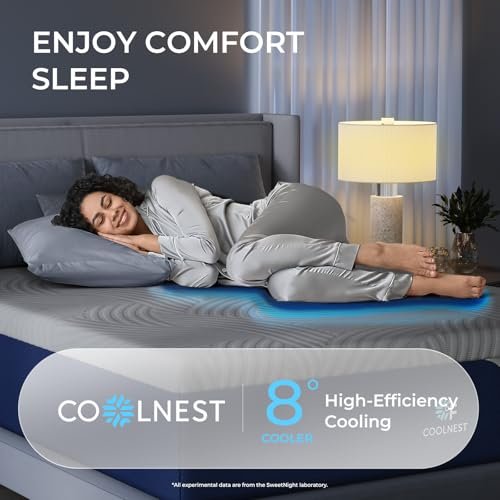 Side-by-side look at the Sweetnight CoolNest and Queen mattress models to help you choose the right fit for your bedroom.
View the full mattress comparison verdict
Side-by-side look at the Sweetnight CoolNest and Queen mattress models to help you choose the right fit for your bedroom.
View the full mattress comparison verdict
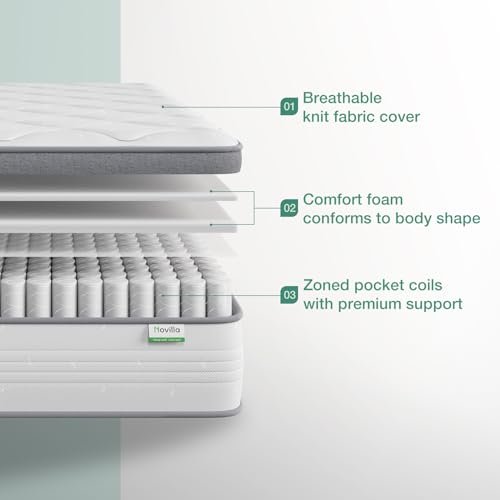 Visual guide to the dimensions and features of Novilla King 14 Inch mattress models.
Read the full Novilla size guide
Visual guide to the dimensions and features of Novilla King 14 Inch mattress models.
Read the full Novilla size guide
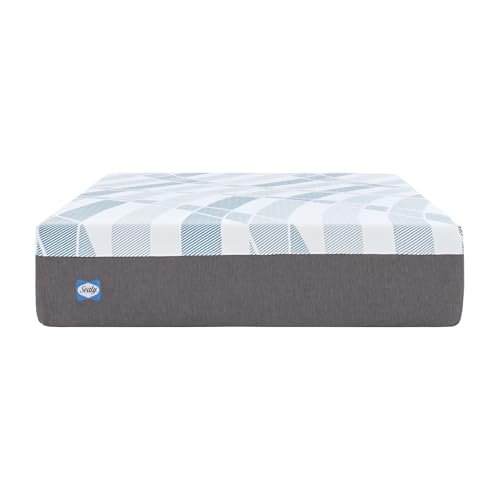 Side-by-side look at the Sealy Dreamlife foam and hybrid mattress options to compare support and feel.
See the full Sealy mattress review
Side-by-side look at the Sealy Dreamlife foam and hybrid mattress options to compare support and feel.
See the full Sealy mattress review
Written by the SleepBehind editorial team — a group of sleep wellness researchers and product reviewers who analyze scientific studies, expert guidance, and real-world experiences to help readers improve sleep quality and comfort.