Do you lie in bed scrolling TikTok, replaying an awkward work conversation, or mentally listing tomorrow’s to-dos while your body feels exhausted? You’re not alone: racing thoughts are one of the most common barriers to falling asleep, affecting millions of adults worldwide. The good news is a simple, science-backed night routine for a calm brain can quiet that mental noise in as little as 3 nights, no expensive gadgets or hour-long meditation sessions required.
This guide walks you through evidence-based steps to wind down, calm your nervous system, and train your brain to switch into rest mode automatically. We’ll cover minute-by-minute timing, environment tweaks, niche tips for people who wash their hair at night, and common mistakes that derail even the best-intentioned routines. All steps are adjustable to fit busy schedules, late work nights, and even parents with young kids. You can also read our guide on how to improve rem sleep quality.
Why a Calm Brain at Night Is the Foundation of Good Sleep
A calm brain isn’t just a “nice to have” for better sleep — it’s the core requirement for drifting off quickly and staying in restorative deep sleep for hours. When your mind is racing, your body stays in “fight or flight” mode, releasing stress hormones like cortisol that keep your heart rate elevated and block the production of melatonin, the hormone that signals sleepiness.
The benefits of a calm brain at bedtime extend far beyond not lying awake staring at the ceiling. Per the National Institutes of Health, consistent restful sleep supported by a calm pre-bed mindset reduces risk of chronic conditions like high blood pressure, type 2 diabetes, and weakened immunity. On a day-to-day level, a calm brain at night leads to:
- Faster sleep onset (drifting off in 10–20 minutes instead of an hour or more)
- Longer stretches of deep, restorative sleep for physical and mental repair
- Better emotional regulation and less anxiety the next day
- Improved memory consolidation and focus
A common myth is that you need to “tire your brain out” to fall asleep — for example, by binge-watching TV or scrolling social media until your eyes burn. In practice, this overstimulates your nervous system and makes racing thoughts worse, not better. The goal of a night routine is to actively signal your brain that it’s safe to switch to rest mode, not to exhaust it. You can also read our guide on how to cure circadian rhythm sleep disorder.
The Science of a Calm Brain Before Bed
Understanding how your brain and body work at night makes it easier to build a routine that actually works, instead of following generic tips that don’t fit your lifestyle. Two key biological factors drive your ability to calm your mind before sleep: your nervous system state and your circadian rhythm.
Sympathetic vs. Parasympathetic Nervous System
Your body has two branches of the autonomic nervous system that control your alertness and relaxation:
- The sympathetic nervous system is your “fight or flight” response, activated by stress, bright lights, caffeine, and stimulating content. When this is active, your heart rate rises, your mind races, and falling asleep feels impossible.
- The parasympathetic nervous system is your “rest and digest” mode, activated by calm, low-light, and low-stimulation activities. When this is active, your heart rate slows, your muscles relax, and you drift off easily.
The goal of every step in your night routine is to shift your brain from sympathetic to parasympathetic dominance. Small, consistent cues (like dimming lights or stretching) train your brain to make this switch automatically over time.
Circadian Rhythm & Melatonin Production
Your circadian rhythm is your body’s 24-hour internal clock, regulated by light exposure and consistent sleep-wake times. It controls when your brain releases melatonin (the sleep hormone) and cortisol (the wakefulness hormone).
In a perfect cycle, melatonin levels rise 1–2 hours before your usual bedtime, making you feel sleepy, while cortisol peaks in the morning to help you wake up. Modern life disrupts this cycle: blue light from phones and laptops, irregular sleep schedules, and even late-night snacks can suppress melatonin production and keep cortisol elevated at night.
Sticking to a steady sleep schedule is one of the most impactful ways to reinforce your circadian rhythm. Even small inconsistencies, like sleeping in 3 hours late on weekends, can throw off your rhythm for 2–3 days, making it harder to wind down on Sunday nights.
 Racing thoughts are a common barrier to falling asleep, but simple grounding techniques can quiet them in minutes.
Image source: ringconn.com
Racing thoughts are a common barrier to falling asleep, but simple grounding techniques can quiet them in minutes.
Image source: ringconn.com
Step 1: Optimize Your Sleep Environment (0-Minute Prep)
You don’t need to spend hours prepping your bedroom for a calm brain — small, consistent tweaks to your space can make it far easier to wind down automatically. The goal is to create an environment that signals safety and rest to your brain, so you don’t have to fight to relax when you get into bed.
Lighting & Temperature
Light is the strongest cue for your circadian rhythm, so controlling it in the evening is non-negotiable for a calm brain. Aim for these specific benchmarks:
- Keep your bedroom temperature between 60–67°F (15–19°C): this is the ideal range for your body to lower its core temperature, a key step for falling asleep.
- Use warm, dim lighting (2700K or lower) after 8pm: avoid overhead bright lights, which suppress melatonin production. Use table lamps or salt lamps instead.
- Block all sources of light: use blackout curtains, cover LED lights from electronics (like phone chargers or TV standby lights), or wear a silk sleep mask. Even small amounts of light can reduce melatonin production by 50% in some people, per the CDC.
- Avoid blue light from screens 1 hour before bed: blue light tricks your body's internal clock into thinking it’s still daytime, delaying melatonin release by up to 90 minutes.
Noise Control
Sudden or constant noise can trigger micro-arousals that keep your brain from entering deep sleep, even if you don’t wake up fully. Aim for a noise level of 50 decibels or lower (about the volume of a quiet conversation) for optimal rest:
- Use silicone earplugs to block sudden noises like traffic or housemates moving around.
- Try a white noise machine or a fan to mask consistent background sounds like street noise or a partner’s snoring.
- Add soft rugs, heavy curtains, or door seals to reduce noise entering your bedroom from outside.
Comfortable, Clean Bedding
Uncomfortable sheets, a lumpy mattress topper, or allergens in your bedding can cause subconscious tension that keeps your brain alert, even if you don’t notice it consciously. Prioritize these small, low-effort habits:
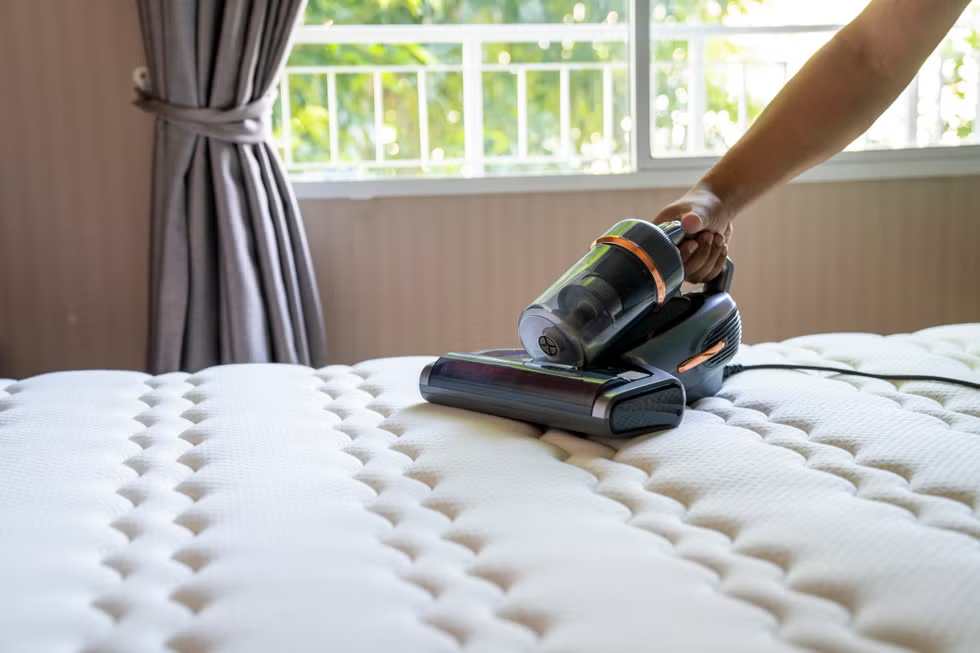
- Wash your bedding and mattress protector regularly to reduce dust mites and allergens that can cause low-grade inflammation and restlessness.
- Choose breathable, soft fabrics like cotton or linen for sheets, and replace pillows every 1–2 years for proper neck support.
- If your mattress topper is lumpy or worn out, it can disrupt your sleep even with a perfect routine — our guide to mattress topper replacement can help you identify when it’s time for an upgrade.
- Remove all work devices and stimulating items (like work notebooks or exercise equipment) from your bedroom to reinforce the association between your bed and rest only.
Consistent Sleep-Wake Times
Going to bed and waking up at the same time every day (even on weekends) is one of the strongest predictors of long-term sleep quality. This consistency trains your circadian rhythm to release melatonin at the right time, making it easier to wind down automatically at night.
60-Minute Wind-Down Routine: Minute-By-Minute Steps for a Calm Brain
This routine is designed to shift your brain from sympathetic to parasympathetic mode gradually, so you don’t feel overwhelmed by trying to “calm down” all at once. Adjust the timing to fit your schedule — even 30 minutes of these steps will have measurable benefits if 60 minutes isn’t feasible for your lifestyle.
60–45 Minutes Before Bed: Digital Disconnect & Gentle Movement
The first step of your wind-down is to cut off all screen use 60 minutes before bed if possible. Blue light from phones, laptops, and TVs suppresses melatonin production, and stimulating content (work emails, social media, news) activates your sympathetic nervous system. Per the CDC, adults who use screens within 1 hour of bed are 30% more likely to report poor sleep quality. If 60 minutes feels impossible, start with 30 minutes and work up.
Use this time for low-effort, gentle movement to release muscle tension built up from sitting at a desk all day:
- 5 minutes of slow stretching: focus on tight areas like your shoulders, hips, and lower back. Try child’s pose, cat-cow stretches, seated forward bends, and legs-up-the-wall.
- Avoid high-intensity exercise, which raises your heart rate and cortisol levels, making it harder to fall asleep.
If you wash your hair at night as part of your routine, take extra steps to protect your strands to avoid damage, frizz, and breakage while you sleep. Avoid rubbing wet hair with a regular cotton towel (this causes friction and frizz), and instead use a microfiber towel or cotton t-shirt to squeeze out excess water. For hair-type specific tips, our guide to protecting wet hair overnight covers routines for curly, straight, and wavy hair, while straight hair bedtime styles prevent damage without extra effort.
 5 minutes of gentle stretching before bed releases muscle tension and signals your brain it’s time to rest.
Image source: www.healthline.com
5 minutes of gentle stretching before bed releases muscle tension and signals your brain it’s time to rest.
Image source: www.healthline.com
45–30 Minutes Before Bed: Mind-Clearing Activities
Once screens are off, shift to activities that quiet mental chatter and stop the “to-do list loop” that many people experience at bedtime:
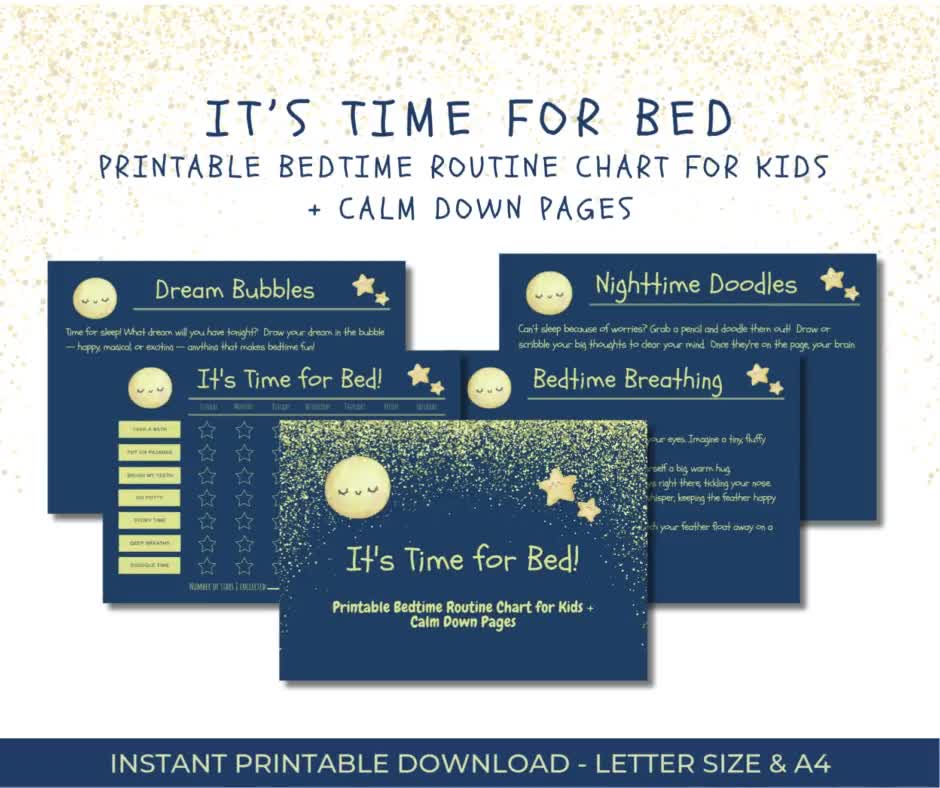
- Journaling: Spend 10 minutes doing a “brain dump” — write down every thought, worry, or task looping in your head to get it out of your brain and onto paper. You can also add 3 small gratitude points to shift your focus to positive experiences. You don’t need a fancy journal; a plain notebook works perfectly.
- Reading: Choose a physical book with light, non-stimulating content: poetry, light fiction, or nature writing. Avoid thrillers, work-related books, or news, which can increase alertness. Research shows reading for pleasure before bed reduces cortisol levels more effectively than many other common relaxation activities.
- Avoid stressful conversations: don’t bring up conflict with a partner, family member, or roommate right before bed, as this will activate your sympathetic nervous system and make it harder to wind down.
30–15 Minutes Before Bed: Nervous System Grounding
Use these 15 minutes to actively activate your parasympathetic nervous system with low-effort, no-gear practices:
- Deep breathing: Try 4-7-8 breathing: inhale through your nose for 4 seconds, hold for 7 seconds, exhale slowly through your mouth for 8 seconds. Repeat 5–10 times. If holding for 7 seconds feels uncomfortable, start with 4-4-4 breathing first to avoid lightheadedness.
- Progressive muscle relaxation: Tense each muscle group in your body for 5 seconds, then release slowly, moving from your toes up to your forehead. This helps release subconscious tension you may not notice until you try to sleep.
- Optional aromatherapy: If you enjoy scents, diffuse lavender or chamomile essential oil 30 minutes before bed. Research shows these scents reduce anxiety and improve sleep quality, but avoid strong synthetic fragrances that can cause headaches.
15 Minutes Before Bed: Final Wind-Down
- Do a quick 2-minute body scan to release any remaining tension in your jaw, shoulders, and forehead — common spots where people hold stress without noticing.
- Use the bathroom, brush your teeth, and get into bed.
- If you’re still awake after 20 minutes, get out of bed and do a quiet, low-stimulation activity (like reading a book in dim light or stretching) until you feel sleepy. This prevents your brain from associating bed with frustration and lying awake. Our guide to falling asleep faster naturally has extra strategies for people who struggle with frequent nighttime wake-ups.
 A simple paper journal is all you need for a brain dump before bed to clear racing thoughts.
Image source: www.etsy.com
A simple paper journal is all you need for a brain dump before bed to clear racing thoughts.
Image source: www.etsy.com
Common Mistakes That Derail a Calm Brain Night Routine
Even with the best intentions, small habits can sabotage your night routine and keep your brain activated at bedtime. Avoid these common pitfalls:
- Scrolling in bed “just to relax”: Many people believe scrolling social media or watching TV in bed helps them unwind, but the blue light and stimulating content (algorithms, notifications, news) activate your sympathetic nervous system, making it harder to fall asleep even if you feel tired. Per the CDC, adults who use screens within 1 hour of bed are 30% more likely to report poor sleep quality.
- Inconsistent sleep schedules: Sleeping in 2+ hours late on weekends throws off your circadian rhythm, making it harder to wind down on Sunday nights and leaving you groggy on Monday. Stick to a wake time within 1 hour of your weekday schedule, even on weekends, to avoid this “social jetlag.”
- Using your bed for work or entertainment: If you work, watch TV, or scroll in bed regularly, your brain starts associating your bed with activity and alertness instead of rest. Over time, this makes it much harder to fall asleep when you actually want to. Reserve your bed for sleep and sex only to reinforce the rest association.
- Consuming stimulants too late in the day: Caffeine has a 6–8 hour half-life, meaning a 4pm coffee can still be 50% active in your system at 10pm, suppressing melatonin and keeping your brain alert. Nicotine and sugar have similar stimulating effects. Avoid all stimulants at least 6 hours before bed, and opt for caffeine-free herbal tea like chamomile or peppermint instead.
- Drinking alcohol before bed: Alcohol may make you feel drowsy at first, but it disrupts deep sleep and REM sleep, causing you to wake up tired even if you slept 8 hours. Limit alcohol to 1–2 drinks max, and finish drinking at least 3 hours before bed.
Consequences of Skipping a Calm Brain Night Routine
Skipping a consistent wind-down routine doesn’t just lead to one bad night of sleep — it creates a cycle of poor rest that impacts every area of your life, both short-term and long-term.
Short-Term Impacts
- Longer sleep onset: lying awake for an hour or more most nights
- Frequent nighttime waking: stress and elevated cortisol cause micro-arousals that pull you out of deep sleep
- Daytime fatigue, irritability, and poor focus
- Increased anxiety and emotional reactivity to small stressors
Long-Term Health Risks
Chronic sleep disruption from a lack of a calm pre-bed routine is linked to a higher risk of:
- Chronic anxiety and depression
- High blood pressure and heart disease
- Weakened immune system, leading to more frequent illnesses
- Poor memory and cognitive decline over time
Skipping a calm brain routine is a leading cause of common sleep disruptions like insomnia and frequent nighttime waking. The good news is that building a consistent routine can reverse these effects in as little as 1–2 weeks.
Frequently Asked Questions
How long does a night routine for a calm brain need to be?
Even 15 minutes of intentional wind-down time can help calm your brain before bed, but 30–60 minutes is ideal for most people. Adjust the timeline to fit your schedule: if you work late, start with 10 minutes of deep breathing and a screen curfew, and add more steps as the habit sticks.
Can I use my phone in bed if I use a blue light filter?
Blue light filters reduce melatonin suppression, but the stimulating content (notifications, social media, work messages) still activates your sympathetic nervous system, making it harder to fall asleep. For best results, keep devices out of the bedroom entirely.
What if I have anxiety-related insomnia?
A consistent night routine is a core part of CBT-I (cognitive behavioral therapy for insomnia), the gold-standard treatment for anxiety-related sleep issues. Pair your routine with therapy or a CBT-I program for best results, especially if racing thoughts are a persistent issue.
Do I need to buy special products for a calm brain night routine?
No — most effective steps are completely free: dimming lights, stretching, journaling, and deep breathing cost nothing. Optional low-cost add-ons like a white noise machine or lavender essential oil can enhance your routine, but are not required.
Will a night routine work if I have a variable work schedule?
Yes — focus on consistency in your wind-down steps rather than exact bedtimes. Even if you go to bed at different times each night, doing the same calming activities (stretching, journaling, no screens) 30 minutes before bed will still signal your brain to wind down.
Final Thoughts: Start Small, Stay Consistent
A calm brain at night isn’t something you achieve overnight — it’s the result of small, consistent habits that train your brain to associate bedtime with rest, not stress. You don’t need to implement every step in this guide perfectly from day one. Start with one small change: turn off all screens 30 minutes before bed, and do 5 minutes of deep breathing before you get into bed. Track how you feel in the morning, and add more steps as the habit sticks.
Most people notice improvements in sleep quality, reduced anxiety, and better energy within 3–7 days of sticking to a consistent routine. If you continue to struggle with racing thoughts or insomnia after 2 weeks, consult a healthcare provider to rule out underlying conditions like sleep apnea or chronic anxiety.
For more science-backed sleep tips tailored to every lifestyle, from mattress care to hair protection for night washers, browse our full library of sleep guides.
…where you’ll find expert-backed advice on everything from choosing the right bedding to protecting your hair while you sleep, all designed to help you rest easier and wake up feeling your best.
Start with just one step tonight—whether it’s turning off screens 30 minutes earlier or trying 4-7-8 breathing—and build from there. Consistency matters more than perfection, and your brain will learn to wind down with practice. Sweet dreams.
Evening Nutrition & Hydration for a Calm Brain
What you eat and drink in the 2–3 hours before bed directly impacts your brain’s ability to switch into rest mode. Stimulants, heavy meals, and hidden sugars can keep your sympathetic nervous system activated, while the right small snacks and herbal teas can enhance relaxation and support natural melatonin production.
Avoid Late-Day Stimulants
Caffeine has a half-life of 6–8 hours, meaning a 4pm coffee will still be 50% active in your system at 10pm, suppressing melatonin and raising cortisol levels. Nicotine and added sugars have similar stimulating effects, causing blood sugar spikes and crashes that disrupt sleep.
- Stop consuming caffeine by 2pm if you are sensitive to its effects, or by 4pm at the latest for most people.
- Avoid nicotine products, including vaping and nicotine gum, entirely in the evening.
- Check labels for hidden added sugars in snacks, sauces, and “healthy” drinks like flavored water or kombucha, which can contain as much sugar as a standard soda.
- Swap caffeinated drinks for caffeine-free herbal teas like chamomile, peppermint, or lemon balm in the evening to satisfy the habit of a warm beverage without the stimulant effect.
Herbal Teas for Relaxation
Certain herbal teas contain compounds that activate the parasympathetic nervous system, lower cortisol, and promote sleepiness without the side effects of over-the-counter sleep aids. The most evidence-backed options for evening use include:
- Chamomile: Contains apigenin, an antioxidant that binds to brain receptors to reduce anxiety and improve sleep quality, per research from the National Institutes of Health.
- Lemon balm: A member of the mint family, clinical trials show it reduces stress and improves sleep in people with mild insomnia, with no reported side effects for most users.
- Peppermint: Soothes digestive discomfort, a common but overlooked cause of nighttime restlessness, especially after late dinners. Brew 1 cup of herbal tea 30–45 minutes before bed, and avoid adding sugar or honey if possible, as small amounts of sugar can still stimulate your nervous system.
Light Evening Snacks
Eating a heavy meal within 1–2 hours of bed causes indigestion, acid reflux, and increased core body temperature, all of which make it harder to fall asleep. But going to bed hungry activates your stress response and can cause nighttime wake-ups. The solution is a small, sleep-friendly snack 1–2 hours before bed, rich in nutrients that support melatonin and serotonin production:
- Banana with 1 teaspoon of almond butter: bananas are rich in magnesium and potassium to relax muscles, while almond butter provides tryptophan, an amino acid converted to sleep-regulating serotonin and melatonin.
- Small bowl of plain oatmeal with cinnamon: complex carbs help tryptophan cross the blood-brain barrier, and cinnamon regulates blood sugar to avoid nighttime crashes.
- Greek yogurt with a few walnuts: Greek yogurt provides calcium to help the brain use tryptophan for melatonin production, while walnuts contain omega-3 fatty acids that reduce inflammation and support deep sleep. Avoid spicy, fried, or acidic foods in the evening, as these cause indigestion and raise core body temperature, delaying sleep onset. If you do eat a larger dinner, aim to finish it at least 3 hours before bed to give your body time to digest.

Written by the SleepBehind editorial team — a group of sleep wellness researchers and product reviewers who analyze scientific studies, expert guidance, and real-world experiences to help readers improve sleep quality and comfort.