For many working-age adults, the 10pm to 7am sleep window delivers 9 hours of rest, which sits at the high end of clinically recommended sleep ranges. But the answer to "Is 10pm to 7am enough sleep?" is never one-size-fits-all: your ideal schedule depends on your age, health, genetics, lifestyle, and even your pre-sleep habits. This 2026 sleep science guide breaks down current clinical guidance, individual factors, and practical testing steps to help you determine if this schedule fits your body and life, no generic advice required.
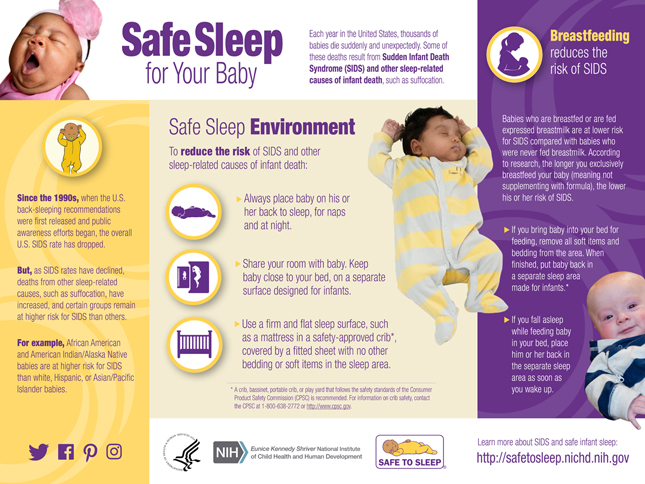 Safe sleep guidelines apply to all age groups, not just infants
Source: nih.gov
Safe sleep guidelines apply to all age groups, not just infants
Source: nih.gov
How Much Sleep Do Adults Actually Need?
Before evaluating the 10pm to 7am window, it helps to ground the question in current official guidance. Per 2026 CDC's official adult sleep duration guidelines, adults aged 18 to 64 need 7 to 9 hours of sleep per night, while adults 65 and older need 7 to 8 hours. The 10pm to 7am window provides 9 total hours, which hits the upper end of the recommended range for most working-age adults, and offers a buffer for occasional sleep debt.
It is critical to distinguish between time in bed and actual sleep time: sleep efficiency (the percentage of time spent in bed actually sleeping) is a far more meaningful metric than total hours in bed. A sleep efficiency of 85% or higher is considered healthy, meaning 9 hours in bed would deliver roughly 7.6 hours of restorative sleep for most people. Your individual sleep set point is also shaped by genetics, health, and lifestyle: some people function optimally on 7 hours, while others need the full 9 to feel rested.
Who Is the 10pm to 7am Schedule Best Suited For?
This schedule works well for people whose daily routines align with a late start time, and those with higher baseline sleep needs. Ideal candidates include:
- Adults with flexible work or school start times of 10am or later, such as remote workers, college students with no early morning classes, or people who set their own hours.
- People with physically or cognitively demanding jobs (healthcare workers, construction crews, competitive athletes, or people in high-stress roles) who need extra rest to support recovery and performance.
- People recovering from illness, injury, or periods of chronic sleep deprivation, who can use the 9-hour window to pay down accumulated sleep debt.
- People who fall asleep within 15 to 30 minutes of getting into bed, and wake up feeling refreshed without an alarm, indicating their natural sleep need aligns with the 9-hour total.
For these groups, the 10pm to 7am window also supports a consistent circadian rhythm, making it easier to wake up without grogginess and maintain steady energy levels throughout the day.
 Source: wikimedia.org
When 10pm to 7am May Not Be Enough or Practical For You
There are many scenarios where this schedule will not fit your needs or lifestyle:
- Teenagers (14–17 years old): Per American Academy of Pediatrics guidance, teens need 8 to 10 hours of sleep to support cognitive development and mental health. The 10pm to 7am window provides 9 hours, which is within range, but most U.S. high schools start before 8am, requiring a 9:30pm bedtime to get 9 hours of sleep. For teens with early school start times, 10pm to 7am only delivers 7 to 8 hours, which is at the low end of the recommended range and can lead to daytime sleepiness and poor academic performance.
- Older adults (65+): The recommended sleep range for this group is 7 to 8 hours, and many older adults experience lighter, more fragmented sleep as they age. Many naturally wake up at 5 or 6am, and forcing themselves to stay in bed until 7am can lead to restless, low-quality sleep. If you wake up before 7am feeling alert and energized, you do not need to force yourself to sleep longer.
- Shift workers: People who work overnight shifts (e.g. 11pm to 7am) cannot use this window for sleep, as it overlaps with work hours. Shift workers should prioritize a consistent sleep schedule aligned to their work hours, using blackout curtains and white noise to block sunlight and noise during daytime sleep.
- People with untreated sleep disorders: Conditions like sleep apnea, restless leg syndrome, or chronic insomnia reduce sleep quality even if you spend 9 hours in bed. If you suspect an underlying sleep disorder that disrupts rest quality, a sleep study can help you get targeted treatment to improve your rest, no matter what schedule you use.
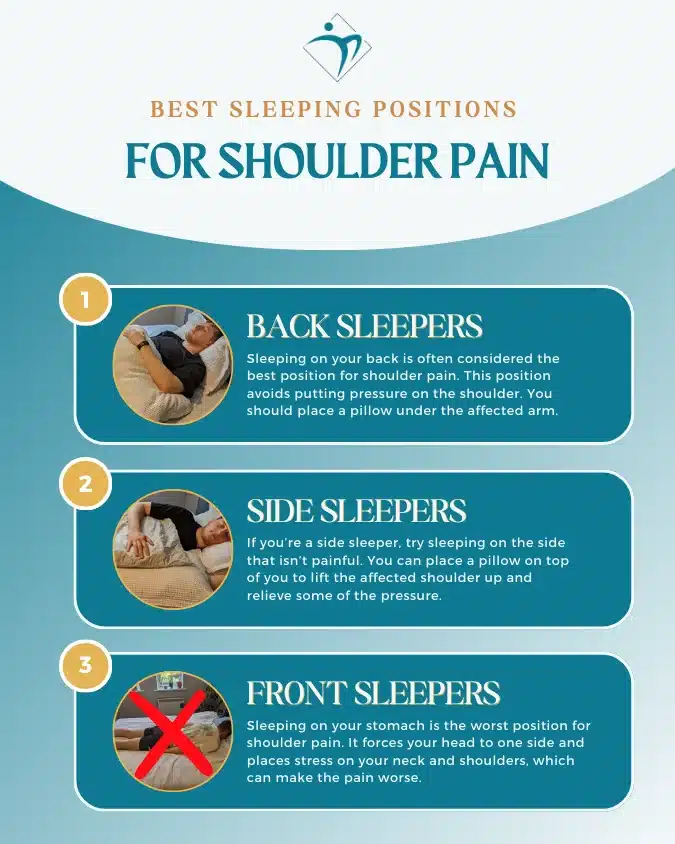
- People with chronic pain: Persistent pain can cause frequent nighttime awakenings and reduce deep sleep, meaning 9 hours in bed may not deliver enough restorative rest. If you manage pain that impacts your ability to stay asleep, evidence-based sleep strategies for chronic pain can help you get higher quality rest during your sleep window.
Key Factors That Impact If 10pm to 7am Works For You
Even if you fall into the "ideal candidate" group, these variables can change whether the schedule delivers enough rest:
- Sleep quality: Time in bed does not equal sleep time. Factors that reduce sleep quality include blue light exposure before bed, caffeine intake after 2pm, alcohol consumption within 3 hours of bed, high stress levels that elevate cortisol, and an uncomfortable sleep surface. In practice, many people assume 9 hours in bed is enough, but if you have a sleep efficiency of 75%, you are only getting 6.75 hours of actual sleep, which is not enough for most adults.
- Lifestyle demands: High-intensity training (marathon prep, heavy weightlifting) increases sleep need by 30 to 60 minutes to support muscle recovery and cognitive function, so 9 hours may be the minimum, not enough, for active individuals. High-stress jobs or caregiving responsibilities also increase cognitive fatigue, raising your sleep need.
- Genetics: A small percentage of people have a DEC2 gene mutation that allows them to function on 6 hours of sleep without negative effects, while others have a genetic need for 10+ hours. There is no way to change your genetic sleep set point, so testing is the only way to confirm if 9 hours works for you.
- Pre-sleep habits: Small habits like sleeping with wet hair can cause scalp discomfort, frizz, or even fungal irritation that disrupts sleep. Adjusting your pre-sleep hair routine can improve sleep quality: check out healthiest wet hair sleep habits for simple, low-effort changes.
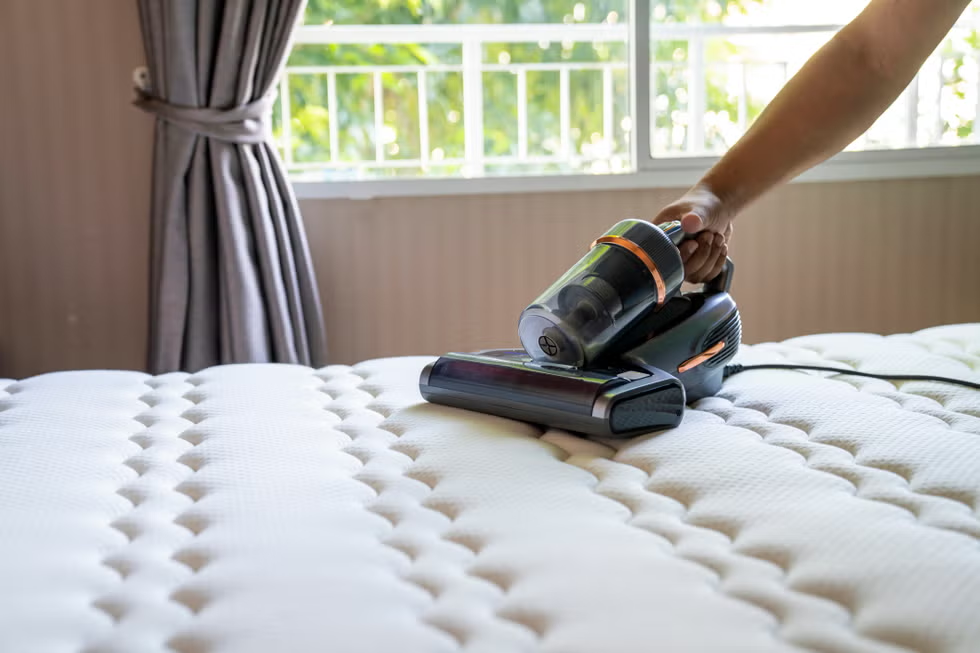
- Sleep environment: An unsupportive, lumpy mattress topper or flat pillow can cause chronic discomfort and frequent awakenings. Keeping your sleep surface clean and supportive is critical for quality rest: you can find step-by-step care guides for common accessories like mattress topper care steps and flattened feather topper fixes to maintain comfort. For pillow care, refer to our bamboo pillow cleaning guide to keep your pillow lofted and hypoallergenic, and our mattress protector cleaning tips to reduce allergens that disrupt sleep.
 Consistent, sufficient sleep supports physical and mental health long-term
Source: nhs.uk
Consistent, sufficient sleep supports physical and mental health long-term
Source: nhs.uk
How to Test If 10pm to 7am Is Right For You
The only reliable way to know if this schedule works for you is to test it consistently for 2 to 4 weeks, controlling for other variables to isolate the impact of the sleep window. A common mistake people make is changing multiple habits at once (shifting your bedtime while also starting a new workout routine, cutting out caffeine, and using a new pillow) — this makes it impossible to tell which change is impacting your sleep. Stick to one change at a time for accurate results.
Track these metrics during your test to evaluate success:
| Metric to Track | Signs the Schedule Works | Signs to Adjust the Window |
|---|---|---|
| Time to fall asleep | 15–30 minutes most nights | >40 minutes most nights, or frequent nighttime awakenings |
| Daytime energy (10am, 3pm) | Alert, no need for caffeine to focus | Sluggish, need multiple cups of coffee to stay awake |
| Mood | Stable, low irritability | Frequent mood swings, low patience, anxiety |
| Sleep efficiency (wearable data) | 85% or higher | <80% (spending >20% of time in bed awake) |
| Need for naps | No naps, or <20 minute nap once a week | Need 30+ minute naps most days to function |
If you notice most metrics point to positive results, the schedule is a great fit. If you struggle to fall asleep at 10pm, try shifting your lights-out time 15 to 30 minutes earlier to account for wind-down time. If you wake up at 6:30am feeling refreshed, you may not need the full 9 hours, and can adjust your wake time earlier if it fits your schedule.
 Age, health, genetics, and lifestyle all shape how much sleep you require
Source: healthline.com
Age, health, genetics, and lifestyle all shape how much sleep you require
Source: healthline.com
Practical Tips to Maximize Rest During the 10pm to 7am Window
If you decide to test this schedule, these evidence-based habits will help you get the highest quality rest possible during the 9-hour window, per AASM's evidence-based sleep hygiene recommendations:
Pre-Sleep Routine (30–60 Minutes Before 10pm)
- Wind down with low-stimulation activities: reading a physical book, light stretching, meditation, or listening to calm music. Avoid screens (phones, laptops, TVs) for the last hour before bed, as blue light suppresses melatonin production, the hormone that signals your body it is time to sleep. If you must use screens, enable blue light filters and keep brightness low.
- Avoid heavy meals, spicy foods, and excessive fluids 2 hours before bed to reduce nighttime awakenings from digestion or bathroom trips. Limit caffeine to before 2pm, as caffeine has a 6–8 hour half-life, so afternoon coffee can still be in your system at 10pm and disrupt deep sleep. Limit alcohol to 1 drink or less, and finish it at least 3 hours before bed, as alcohol disrupts deep sleep and causes frequent awakenings in the second half of the night.
- If you struggle with racing thoughts at bedtime, try a 5-minute brain dump: write down everything on your mind (to-do lists, worries) on a piece of paper to clear your head, so you do not ruminate in bed.
Optimize Your Sleep Environment
- Keep your bedroom cool (60–67°F / 15–19°C), dark, and quiet. Use blackout curtains to block streetlights, and a white noise machine or earplugs if you live in a noisy area.
- Reserve your bed for sleep and sex only: avoid working, scrolling, or watching TV in bed, so your brain associates the bed with rest, not stimulation.
- Keep your sleep surface comfortable and supportive: if your mattress topper is flattened or lumpy, it can cause discomfort and frequent awakenings. Regularly clean your mattress topper and pillows to reduce allergens and maintain support.
Daytime Habits That Support 10pm–7am Sleep
- Get 10–15 minutes of natural sunlight within 30 minutes of waking up: this signals your circadian rhythm to start the day, making it easier to fall asleep at 10pm at night.
- Exercise for 30 minutes most days, but finish high-intensity workouts at least 3 hours before bed, as intense exercise elevates core body temperature and cortisol, making it harder to fall asleep.
- If you need to nap, keep it to 20–30 minutes, and finish it before 3pm: longer or later naps can disrupt your nighttime sleep drive, making it hard to fall asleep at 10pm.
- Stick to a consistent wake time even on weekends: even if you stay up later on Friday or Saturday night, wake up within 30 minutes of your usual 7am time, and avoid sleeping in until 10am or later, which disrupts your circadian rhythm and makes it harder to fall asleep at 10pm on weeknights.
 A short 2-4 week test is the most reliable way to find your ideal sleep window
Source: sleepfoundation.org
A short 2-4 week test is the most reliable way to find your ideal sleep window
Source: sleepfoundation.org
Frequently Asked Questions
Is 10pm to 7am enough sleep for teenagers?
Per guidance from the American Academy of Pediatrics, teenagers aged 14–17 need 8 to 10 hours of sleep per night to support cognitive development, academic performance, and mental health. The 10pm to 7am window provides 9 hours, which is within the recommended range, but many U.S. high schools start before 8am, which would require a 9pm bedtime to get 9 hours of sleep. For teens with early school start times, 10pm to 7am may only provide 7 to 8 hours of sleep, which is at the low end of the recommended range and can lead to daytime sleepiness and poor focus.
Can shift workers use the 10pm to 7am sleep window?
Shift workers who work overnight hours (e.g. 11pm to 7am) cannot use this window for sleep, as it overlaps with their work schedule. Instead, shift workers should prioritize a consistent sleep schedule aligned to their work hours, even if that means sleeping during the day. Use blackout curtains, a sleep mask, and white noise to block sunlight and noise during daytime sleep, and avoid sunlight exposure on your way home from work by wearing sunglasses to prevent disrupting your circadian rhythm.
What if I wake up frequently between 10pm and 7am?
Occasional awakenings (once per night) are normal, but if you wake up more than once per night and can't fall back asleep within 20 minutes, that's a sign of poor sleep quality. Common causes include stress, discomfort from an unsupportive mattress, caffeine or alcohol intake close to bed, or underlying sleep disorders. Track your awakenings in a sleep diary for 2 weeks to identify patterns: if you notice you wake up consistently after drinking coffee after 4pm, or after eating a heavy meal before bed, adjust those habits first. If awakenings persist for more than 2 weeks despite adjusting habits, consult a board-certified sleep specialist to rule out conditions like sleep apnea or insomnia.
Is 9 hours of sleep too much for older adults?
Per National Sleep Foundation guidance, adults aged 65 and older need 7 to 8 hours of sleep per night. 9 hours is not harmful, but many older adults experience lighter, more fragmented sleep as they age, and may naturally wake up at 5 or 6am. Forcing yourself to stay in bed until 7am can lead to restless sleep and frustration, so it is better to wake up when you feel naturally rested, even if it is before 7am. If you wake up at 5am and feel alert and energized all day, you do not need to force yourself to sleep longer.
How fast will I know if 10pm to 7am is right for me?
Most people will notice a difference in their energy and mood within 3 to 5 days of sticking to the schedule consistently, but it is best to test the schedule for 2 to 4 weeks to account for an initial adjustment period, especially if you are shifting from a later bedtime. Pay attention to how you feel at consistent times each day (e.g. 1 hour after waking, mid-morning, mid-afternoon) rather than judging the schedule based on one bad night of sleep.
What if I can't fall asleep right at 10pm?
It is normal to take 15 to 30 minutes to fall asleep, but if you are regularly lying awake for 40+ minutes at 10pm, you may need to adjust your lights-out time to 15 to 30 minutes earlier, or improve your pre-sleep routine to help you wind down faster. Avoid using your phone or watching TV in bed, as the blue light and stimulation will make it harder to fall asleep. If you can't fall asleep after 20 minutes, get out of bed and do a low-stimulation activity (like reading a physical book in dim light) until you feel sleepy, then go back to bed. This helps your brain associate the bed with sleep, not wakefulness.
Does the 10pm to 7am window work for people with insomnia?
People with chronic insomnia (difficulty falling or staying asleep at least 3 nights per week for 3 months or more) may struggle with the 10pm to 7am window, as the pressure to fall asleep at a set time can increase anxiety and make insomnia worse. Instead, people with insomnia should work with a cognitive behavioral therapy for insomnia (CBT-I) specialist to address the underlying causes of their insomnia, rather than forcing a set sleep schedule. CBT-I is the gold standard treatment for insomnia, and has been shown to be more effective long-term than sleep medications.
 Small, consistent habit changes have a bigger impact on sleep quality than any single fix
Source: lbwmdstatic.com
Small, consistent habit changes have a bigger impact on sleep quality than any single fix
Source: lbwmdstatic.com
Final Takeaway
For many working-age adults, the 10pm to 7am sleep window provides 9 hours of rest, which hits the high end of the CDC's recommended 7–9 hour range and can support optimal physical, cognitive, and mental health. But there is no universal "perfect" sleep schedule: your ideal window depends on your age, health, lifestyle, and genetic sleep set point. The only way to know if 10pm to 7am works for you is to test it consistently for 2–4 weeks, tracking how you feel during the day rather than fixating on the number of hours you are in bed. If you consistently feel alert, focused, and in a good mood during the day, the schedule is a great fit. If you are still struggling with fatigue, frequent awakenings, or difficulty falling asleep, adjust the window by 15–30 minutes, improve your sleep hygiene habits, or consult a board-certified sleep specialist to rule out underlying conditions.
Ready to test the 10pm to 7am schedule? Start your 2-week sleep diary this week, tracking your bedtime, wake time, energy levels, and mood to find your ideal rest routine. For more evidence-based sleep guidance, explore our full library of sleep science guides to optimize every part of your rest.

Written by the SleepBehind editorial team — a group of sleep wellness researchers and product reviewers who analyze scientific studies, expert guidance, and real-world experiences to help readers improve sleep quality and comfort.