Most people experience a stiff neck at some point, often from minor muscle strain, poor sleep posture, or temporary tension that resolves in a few days with rest and basic self-care. But in some cases, a stiff neck is a warning sign of a serious, even life-threatening, underlying condition. Knowing the key red flags that accompany a stiff neck, and when to seek urgent medical help, can drastically improve outcomes for serious illnesses. This guide, aligned with 2026 clinical guidance from leading global health bodies, breaks down common causes, critical warning symptoms, immediate next steps, and prevention tips to help you make informed decisions about your health.
Common Non-Serious Causes of a Stiff Neck
In most cases, a stiff neck is not a cause for alarm. Below are the most frequent benign triggers, which typically resolve within 2–3 days with rest, gentle stretching, or over-the-counter pain relief:
Muscle Strain and Overuse
Holding your head in a fixed position for extended periods — such as craning at a phone or laptop for hours, or sleeping without proper neck support — can strain the small muscles and ligaments in your neck. This type of stiffness is usually accompanied by mild tenderness, limited range of motion, and no other unusual symptoms, and improves with rest, heat or ice therapy, and gentle movement.
Poor Sleep Posture
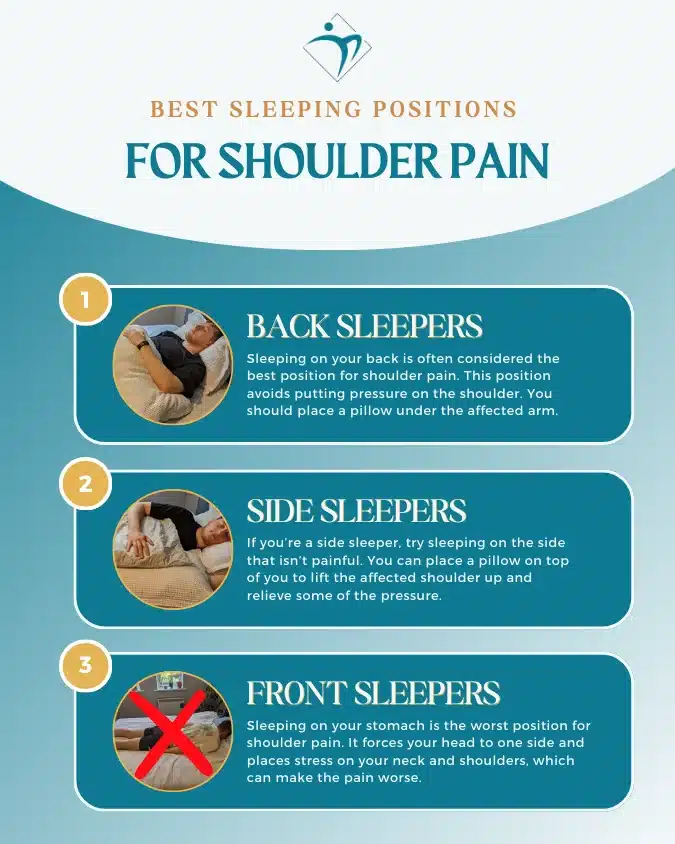
Sleeping with your neck twisted, using an overly soft or firm pillow, or resting your head at an awkward angle overnight are top causes of morning neck stiffness. Maintaining proper sleep alignment while you rest keeps your neck in a neutral position, reducing strain and preventing both pain and related discomfort like morning bedhead.
Stress and Tension
Chronic stress often causes people to unconsciously hunch their shoulders and hold tension in their neck muscles, leading to persistent stiffness that may last for days or weeks. This type of stiffness is often accompanied by shoulder pain, headaches, and a feeling of tightness that improves with stress management, massage, or gentle stretching.
 Source: cdc.gov
Caption: A woman experiencing a headache, a common symptom of meningitis, a serious condition that presents with stiff neck and fever as key red flags.
Source: cdc.gov
Caption: A woman experiencing a headache, a common symptom of meningitis, a serious condition that presents with stiff neck and fever as key red flags.
Critical Red Flags: Symptoms That Require Urgent Care
A stiff neck becomes a red flag when it is paired with other symptoms that signal a serious underlying condition. If you experience any of the following alongside neck stiffness, seek urgent medical evaluation immediately — do not wait to see if symptoms improve on their own.
Fever and Neck Stiffness
A sudden fever (temperature over 38°C / 100.4°F) combined with a stiff neck is one of the most well-known red flags, often indicating meningitis: an infection of the protective membranes (meninges) surrounding the brain and spinal cord. Bacterial meningitis is a medical emergency that requires immediate treatment to prevent severe complications or death. The CDC’s meningitis guidance notes that other infections, such as encephalitis or spinal abscesses, can also cause this combination of symptoms.
Severe, Unusual Headache
A headache that is dramatically more intense than any pain you have experienced before — often described as a "thunderclap" headache, or the worst headache of your life — paired with neck stiffness is a critical red flag. This can indicate bleeding in the brain, increased intracranial pressure, or a serious infection, and requires immediate emergency care.
Neurological Symptoms
Any new numbness, weakness, tingling, or loss of coordination in your arms, legs, or face, paired with a stiff neck, is a red flag for spinal cord compression, a herniated disc, or a neurological condition. Other neurological warning signs include vision changes, confusion, altered mental state, or loss of bladder or bowel control, all of which require urgent evaluation.
Breathing, Swallowing, or Speech Changes
Trouble breathing, difficulty swallowing, slurred speech, or drooping on one side of the face alongside neck stiffness can signal a serious neurological issue, such as a stroke, brain stem compression, or severe spinal injury. These symptoms are always a medical emergency — call emergency services immediately if they appear.
Recent Head or Neck Trauma
Even minor head or neck injuries, such as a fall, sports impact, or car accident, can cause underlying damage that presents as a stiff neck hours or days later. Stiffness after trauma may indicate a fracture, spinal cord injury, or bleeding in the neck or brain, and should always be evaluated by a clinician, even if the injury seemed minor at the time.
Rapidly Worsening Symptoms
If your stiff neck and any accompanying symptoms go from mild to severe in less than 24 hours, this rapid progression is a red flag for a serious underlying condition. Do not wait to see if symptoms stabilize — seek urgent care as soon as you notice rapid worsening.
A Common Clinical Observation: Why Delaying Care Is Risky
In clinical practice, a frequent and avoidable mistake is patients dismissing early red flag symptoms as “just a stiff neck” and waiting 24 hours or more to seek care. Many people with early bacterial meningitis initially attribute their fever and neck stiffness to a flu or minor muscle strain, delaying treatment that could prevent severe, long-term complications. The takeaway is clear: never ignore new, severe, or worsening symptoms that accompany a stiff neck, as early intervention drastically improves outcomes for all serious underlying causes.
 Source: wp.com
Caption: Visual summary of warning symptoms that accompany a stiff neck and require urgent medical evaluation.
Source: wp.com
Caption: Visual summary of warning symptoms that accompany a stiff neck and require urgent medical evaluation.
Immediate Steps to Take If You Notice Red Flags
Acting quickly and calmly when you spot a red flag for a stiff neck can reduce the risk of serious complications. Follow these steps based on the severity of symptoms:
- Call emergency services immediately if the person has trouble breathing, cannot swallow, is confused, has lost consciousness, or has sudden weakness on one side of their body. Do not move their neck unnecessarily while waiting for help.
- Go to an urgent care clinic or emergency room right away if you have a stiff neck paired with fever, severe headache, neurological symptoms, or a history of recent trauma. Bring a list of any medications you take, and note when symptoms started and any events (injuries, illnesses, travel) that occurred before they appeared.
- Avoid strong neck movement or pushing through severe pain until you are evaluated. Keep your head supported, and do not try to "crack" your neck or force range of motion, as this could worsen underlying damage.
- Document symptom timing and details to share with your clinician: note when stiffness started, how quickly symptoms worsened, the severity of pain, and any other symptoms you have experienced.
How Doctors Diagnose Serious Underlying Causes
When a red flag for a stiff neck is present, clinicians use a combination of exams and tests to identify the underlying cause, as recommended by Mayo Clinic’s guidance on neck stiffness warning signs:
Physical and Neurological Exams
Your clinician will first perform a full physical exam, checking your range of neck motion, palpating the neck for tenderness or swelling, and testing your reflexes. A neurological exam will follow, assessing muscle strength, sensation, coordination, and cranial nerve function (which controls swallowing, speaking, and eye movement) to identify any signs of nerve or spinal cord damage.
Imaging and Lab Tests
Additional tests are ordered based on your symptoms and exam results:
- X-rays, CT scans, or MRIs are used to check for fractures, spinal misalignment, disc damage, bleeding, or brain abnormalities. CT scans are often used for acute trauma, while MRIs are better for evaluating soft tissue and spinal cord issues.
- Lumbar puncture (spinal tap) is performed if meningitis or another central nervous system infection is suspected. A small sample of cerebrospinal fluid is collected from the lower back and tested for bacteria, viruses, or inflammation markers.
- Blood tests including a complete blood count (CBC) and inflammatory markers (like CRP or ESR) are used to check for infection, autoimmune conditions, or other systemic issues that could cause neck stiffness and red flag symptoms.
Treatment for Serious Causes of Stiff Neck With Red Flags
Treatment depends entirely on the underlying cause identified during diagnosis:
- Bacterial meningitis requires immediate hospitalization and intravenous (IV) antibiotics, often combined with corticosteroids to reduce inflammation and prevent complications like hearing loss or brain damage.
- Viral meningitis is usually less severe and resolves on its own with rest, hydration, and pain management, though severe cases may require antiviral treatment or hospital monitoring.
- Spinal cord compression, herniated discs, or trauma-related injuries may require surgery to relieve pressure or stabilize the spine, followed by physical therapy to restore function and reduce pain.
- Non-serious causes of stiff neck (once serious conditions are ruled out) are managed with self-care: OTC pain relievers like ibuprofen, heat or ice therapy, gentle stretching, and physical therapy for chronic strain. If a supportive pillow is recommended as part of recovery, chair neck support options can help alleviate strain during daily activities.
Proven Tips to Reduce Your Risk of Serious Stiff Neck
While you cannot prevent all causes of serious stiff neck, these evidence-based habits can reduce your risk of both minor strain and serious underlying conditions:
- Maintain good posture when sitting at a desk: keep your computer screen at eye level, avoid hunching over your phone for long periods, and take a 1–2 minute stretch break every 30 minutes to reduce neck tension.
- Use a supportive pillow that keeps your neck in a neutral, aligned position during sleep, and follow proper pillow care guidelines to keep it supportive over time. A well-maintained pillow can reduce daily strain and prevent morning stiffness.
- Avoid sleeping with wet hair, as dampness can contribute to muscle tension and neck stiffness. If you do accidentally go to bed with wet hair, there are simple steps to reduce morning dryness and scalp discomfort that can otherwise worsen neck tension.
- Adopt healthy sleep habits, such as the safest ways to sleep with wet hair if you wash your hair late at night, to reduce unnecessary tension in the neck and shoulders. A supportive sleep surface, including a well-kept mattress topper, can also reduce overall body tension that contributes to neck stiffness; learning how to maintain your topper will keep it performing well for years.
- Stay up to date on recommended vaccinations, including the meningococcal, pneumococcal, and Hib vaccines, which protect against common causes of bacterial meningitis.
- Wear seatbelts in cars and use appropriate protective gear for sports to reduce your risk of head and neck injuries that can lead to serious stiffness.
- For minor stiffness caused by styling or sleep positioning, small adjustments like learning how to reduce styling-related tension before bed can prevent unnecessary strain.
Frequently Asked Questions
What are the most serious signs to watch for with a stiff neck?
The most serious warning signs include a high fever (over 38°C / 100.4°F), a sudden severe headache (the worst you have ever experienced), new numbness or weakness in the limbs, trouble breathing, swallowing, or speaking, confusion, and rapidly worsening symptoms over hours. Any of these paired with a stiff neck require urgent medical care.
Can a stiff neck alone be a red flag?
A stiff neck by itself, without other unusual symptoms, is almost always caused by minor, non-serious issues like muscle strain or poor sleep posture. It only becomes a red flag when paired with other warning symptoms like fever, neurological changes, severe pain, or a history of recent trauma.
How fast should I seek care for a stiff neck with fever?
Seek urgent medical care immediately if you have a fever and neck stiffness that come on suddenly, especially if the fever is over 38°C (100.4°F) or you have a rash, severe headache, or confusion. Do not wait to see if symptoms improve on their own, as early treatment for infections like meningitis is critical to preventing severe complications.
Will imaging always find the cause of a stiff neck?
Imaging is a valuable tool for identifying structural causes of stiff neck, such as fractures, disc damage, or spinal misalignment, but it does not always detect infections, inflammation, or early neurological issues. Doctors use imaging alongside physical exams, neurological tests, and lab work to make a full diagnosis.
Can a red flag for a stiff neck be treated at home?
No. If you identify a red flag for a stiff neck, home care is not enough to rule out serious underlying conditions. You need professional evaluation to get an accurate diagnosis and appropriate treatment.
Is meningitis the only cause of stiff neck with fever?
No. While meningitis is a key concern, other infections (such as encephalitis, spinal abscesses, or severe flu), inflammatory conditions (like rheumatoid arthritis), and neck injuries can also cause fever and neck stiffness. A clinician will run tests to identify the exact cause.
Final Takeaway: Trust Your Instincts and Act Fast
Most stiff necks are minor, temporary issues that resolve with basic self-care. But a stiff neck paired with red flag symptoms — such as fever, severe headache, neurological changes, or recent trauma — is a sign of a potentially serious underlying condition that requires urgent medical evaluation. Never dismiss new, severe, or worsening symptoms, as early intervention drastically improves outcomes for all serious causes. If you found this guide helpful, share it with friends and family so they know the warning signs to watch for, and explore our other evidence-based wellness resources for more practical health tips.

Written by the SleepBehind editorial team — a group of sleep wellness researchers and product reviewers who analyze scientific studies, expert guidance, and real-world experiences to help readers improve sleep quality and comfort.