Waking up with a stiff neck or struggling to turn your head after a long day at your desk is an incredibly common complaint, affecting people of all ages and activity levels. The most frequent question people have when this happens is simple: is heat or ice better for a stiff neck? The answer depends almost entirely on timing, the type of pain you’re feeling, and the underlying cause of your stiffness. This guide breaks down evidence-based, step-by-step guidance to help you choose the right treatment, avoid common mistakes, and speed up recovery safely.
Why Neck Stiffness Happens (and Why Treatment Choice Matters)
Most stiff necks stem from minor soft tissue irritation in the cervical (neck) muscles, ligaments, or facet joints, rather than serious underlying conditions. The most common triggers include sleeping with your neck at an awkward angle (from a too-high pillow or falling asleep on the couch), prolonged forward head posture from scrolling or desk work, sudden strain from a quick movement (like turning your head too fast to check a blind spot), or mild inflammation from overuse. Less commonly, stiffness can stem from cervical disc irritation, arthritis, or nerve compression, which require different treatment approaches. For more on this, see our guide on what is a red flag for a stiff.
Knowing the cause is key to answering "Is heat or ice better for a stiff neck?" because ice and ice target completely different physiological responses: ice reduces acute inflammation, while heat relaxes tight, overworked muscles. A common mistake people make is reaching for heat first for a new injury, which can worsen swelling and prolong recovery.
How Heat and Ice Work on Stiff Neck Tissue
Ice (cryotherapy) lowers the temperature of your skin and underlying soft tissue, which constricts blood vessels to reduce swelling, numbs pain receptors, and slows nerve signaling that sends pain messages to your brain. It’s most effective for acute inflammation that’s less than 48 hours old. For more on this, see our guide on should i go to the er for a.
Heat (thermotherapy) raises tissue temperature, which dilates blood vessels to increase blood flow, relaxes tight muscle spasms, and improves tissue elasticity to restore range of motion. It’s best for chronic stiffness that’s lasted more than a couple of days, when inflammation has already subsided.
This timing-based approach aligns with evidence-based neck pain care guidelines from the American Academy of Orthopaedic Surgeons, which recommends targeted temperature therapy as a first-line home treatment for uncomplicated neck stiffness.
| Treatment | Best For | How It Works | Typical Session Duration |
|---|---|---|---|
| Ice (Cryotherapy) | Acute (new) pain, swelling, sharp pain <48 hours old | Constricts blood vessels to reduce inflammation, numbs pain receptors, slows nerve signaling | 10-15 minutes |
| Heat (Thermotherapy) | Chronic stiffness, muscle tightness, achiness >48 hours old | Dilates blood vessels to boost blood flow, relaxes muscle spasms, improves tissue flexibility | 15-20 minutes |
A common misconception is that heat is always "soothing," so people default to it for any type of neck pain. For new injuries with active inflammation, though, heat will increase blood flow to the area and make swelling and pain worse.
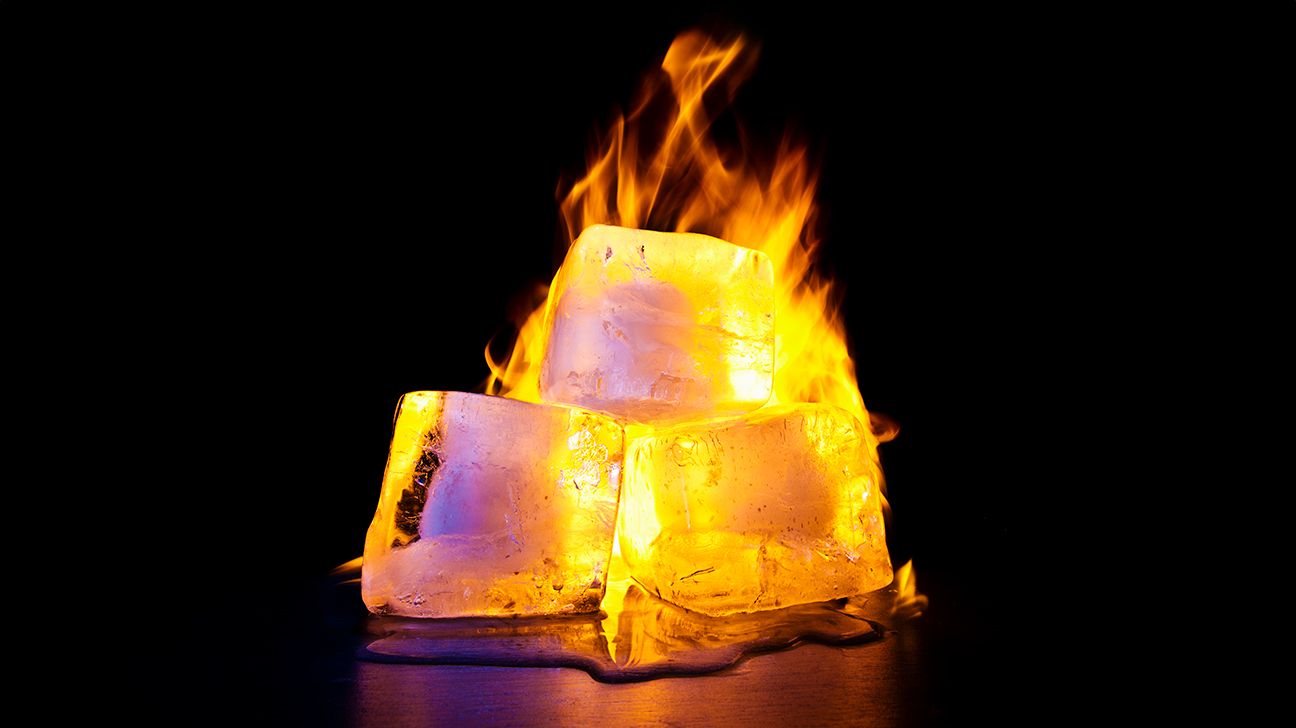 Visual comparison of the two primary at-home treatments for acute neck stiffness
Source: rvohealth.io
Visual comparison of the two primary at-home treatments for acute neck stiffness
Source: rvohealth.io
When to Use Ice for a Stiff Neck (Step-by-Step Guide)
Ice is the right choice if your pain meets all of the following criteria:
- Pain started in the last 48 hours
- Pain is sharp, throbbing, or localized to one small spot
- The area feels warm or looks slightly swollen
- Pain was triggered by a sudden movement (like a quick head turn, fall, or sleeping in a weird position)
Follow these steps for safe, effective ice application:
- Choose your ice source: a commercial cold pack, a bag of frozen peas, or a zip-top bag filled with ice and a small amount of water (it conforms better to the natural curve of your neck).
- Wrap it in a thin, dry towel or cloth—never apply ice directly to skin, as this can cause frostbite in as little as 10 minutes.
- Sit or lie down in a comfortable position that doesn’t strain your neck, then place the wrapped ice pack on the painful area.
- Set a timer: leave it on for 10-15 minutes maximum. If you notice skin turning red, numb, or painful, remove it immediately.
- Repeat every 1-2 hours while sharp pain and swelling are prominent, for the first 24-48 hours after the injury starts.
If pain doesn’t start to ease after 2 days of consistent icing, or you notice other symptoms like numbness or weakness, stop icing and see a clinician. A common mistake people make is leaving ice on for longer than 15 minutes to get "more relief," but this increases risk of skin damage without any added pain-reducing benefit.
 How temperature therapy changes blood flow and inflammation in sore neck muscles
Source: harvard.edu
How temperature therapy changes blood flow and inflammation in sore neck muscles
Source: harvard.edu
When to Use Heat for a Stiff Neck (Step-by-Step Guide)
Heat is the right choice if your stiffness meets these criteria:
- Achiness and tightness have lasted more than 48 hours
- Pain is dull and widespread, rather than sharp or localized
- There is no swelling or warmth in the affected area
- Stiffness is worse after long periods of sitting, or first thing in the morning
- Pain is from chronic posture issues, rather than a new sudden injury
Follow these steps for safe heat application:
- Choose your heat source: a microwaveable heat pack, a warm (not hot) wet towel, a heating pad on a low setting, or a warm shower that targets your neck and upper back.
- Test the temperature on the inside of your wrist first—if it’s too hot for your wrist, it’s too hot for your neck.
- Apply the heat to the stiff area for 15-20 minutes at a time.
- Check your skin every 5 minutes for redness, burning, or discomfort; remove immediately if you notice any of these.
- Repeat 2-3 times per day as needed for tightness.
Avoid heat if you have open cuts, rashes, or reduced sensation in your neck (from diabetes, nerve damage, or a previous injury), as you may not feel if it’s burning your skin. Never fall asleep with a heating pad on, as this can cause serious burns in a short period of time.
 Proper ice application for acute neck pain in the first 24-48 hours
Source: hopkinsmedicine.org
Proper ice application for acute neck pain in the first 24-48 hours
Source: hopkinsmedicine.org
Can You Combine Heat and Ice? (And When It Helps
Alternating heat and ice (called contrast therapy) is safe and effective for many people, especially once the acute inflammation phase has passed (after 48 hours). The typical pattern is 10 minutes of ice to dull any lingering sharp pain, followed by 10 minutes of heat to relax tight muscles, repeated 2-3 times per session. This works because ice constricts blood vessels to reduce inflammation, while heat increases blood flow to remove inflammatory byproducts and improve mobility.
Contrast therapy works best for people who have a mix of lingering mild swelling and muscle tightness after the first couple of days, or people with chronic neck stiffness that flares up occasionally. Avoid alternating within the first 24 hours of a new injury, as this can increase swelling. If one treatment works better for you than the other, there’s no need to force a combination—stick with what brings you relief.
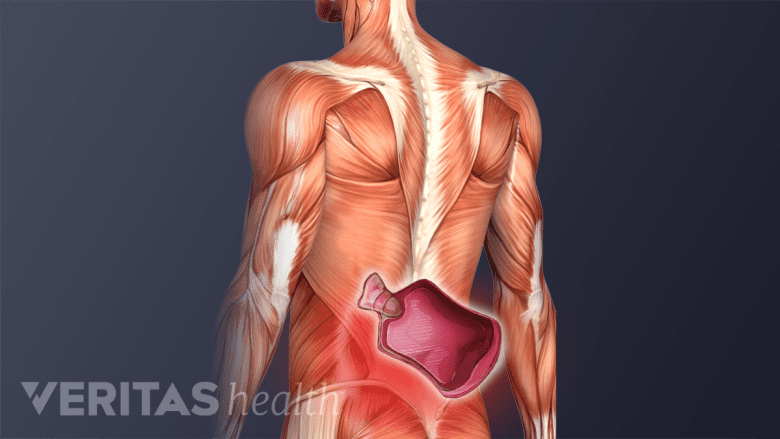 Heat therapy for chronic neck tightness and muscle soreness
Source: cloudinary.com
Heat therapy for chronic neck tightness and muscle soreness
Source: cloudinary.com
Red Flags: When to Skip Home Treatment and See a Doctor
Most simple stiff necks improve in 3-7 days with proper home care, but certain symptoms indicate a more serious underlying condition (like a herniated disc, infection, or nerve damage) that requires professional evaluation. Seek medical attention right away if you experience any of the following:
- Neck pain that starts after a fall, car accident, or other trauma, even if the pain seems mild at first
- Numbness, tingling, or weakness that radiates down your arms or into your hands
- Severe, unrelenting pain that doesn’t improve after 2 days of home treatment, or pain that wakes you up at night
- Fever, chills, or unexplained weight loss alongside neck pain
- Stiffness so severe you can’t touch your chin to your chest, or you have trouble holding your head up
- Pain accompanied by loss of bladder or bowel control (this is a medical emergency that requires immediate care)
If you have a history of neck issues (like arthritis or previous disc problems), check with your provider before starting heat or ice, especially if you have reduced sensation in the area.
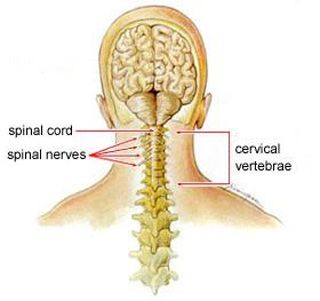 Cervical spine anatomy: common sources of neck stiffness and pain
Source: aaos.org
Cervical spine anatomy: common sources of neck stiffness and pain
Source: aaos.org
Extra Tips to Speed Up Neck Stiffness Recovery (Beyond Heat and Ice)
Heat and ice are effective for symptom relief, but the best long-term results come from pairing them with small, consistent habits that address the root cause of your stiffness:
- Add gentle neck mobility exercises to your routine: Do slow, controlled range-of-motion movements (like side-to-side tilts, chin tucks, and slow head turns) 3-4 times per day. Stop any movement that causes sharp pain.
- Fix your workspace setup: Keep your computer screen at eye level so you don’t hunch forward, and take a 2-minute break every 30 minutes to roll your shoulders and stretch your neck.
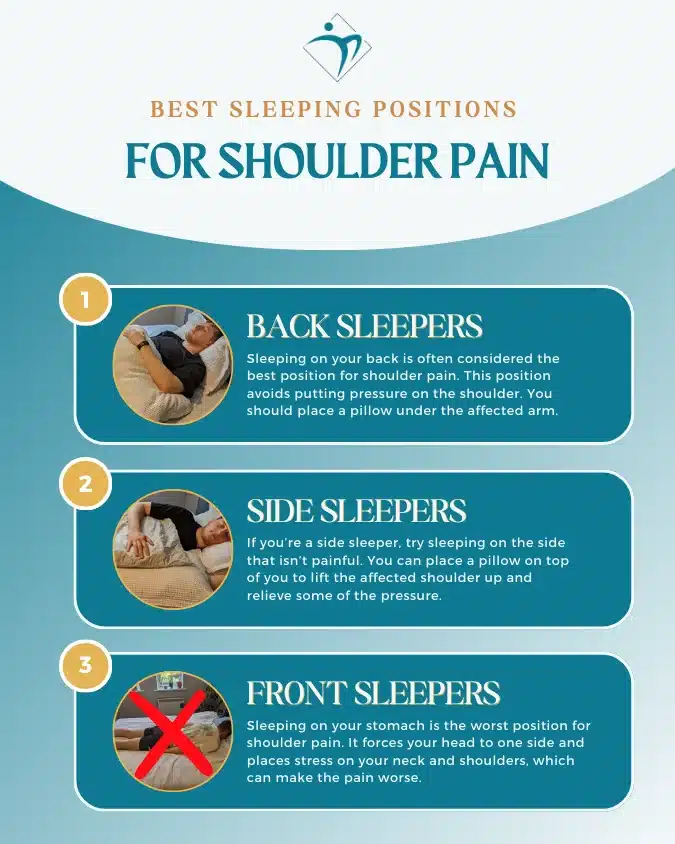
- Optimize your sleep setup: If you frequently wake up with a stiff neck, your pillow or sleep position may be a contributing factor. Sleeping with your hair wet can also add extra tension to your neck muscles overnight, so drying your hair before bed or using a loose protective style can help reduce morning stiffness. If you’re not sure how to protect your hair while you sleep, our guide on bedtime hairstyles for wet hair has simple, low-fuss tips that won’t pull on your scalp or neck.
- Upgrade your sleep support if needed: A supportive mattress topper can reduce neck strain by keeping your spine aligned while you sleep. If you’re wondering if your topper is past its prime, our guide on signs your mattress pad needs replacing breaks down the key indicators it’s time for an upgrade.
- Avoid hunching over your phone: Hold your phone at eye level instead of tilting your head down to scroll, which puts extra strain on your neck muscles over time.

Frequently Asked Questions
Is it safe to use heat and ice on the same day for a stiff neck?
Yes, alternating heat and ice (contrast therapy) is safe for most people once the initial 48-hour acute inflammation phase has passed. Start with 10 minutes of ice to numb any lingering sharp pain, followed by 10 minutes of heat to relax tight muscles, and repeat 2-3 times per session. Avoid alternating within the first 24 hours of a new injury, as this can increase swelling. If you have reduced sensation in your neck (from diabetes, nerve damage, or a previous injury), check with your doctor first, as you may not feel if the temperature is too extreme and causing skin damage.
Can heat make swelling worse in a stiff neck?
Yes, heat increases blood flow to the area, which can worsen swelling and inflammation if used during the first 48 hours after a new injury. Only use heat once the sharp pain has dulled and there’s no visible swelling or warmth in the neck. If you notice increased pain or swelling after using heat, stop immediately and switch to ice, and consult a clinician if symptoms don’t improve in 2 days.
How long should I ice a stiff neck?
Apply ice for 10-15 minutes per session, no longer. Repeat every 1-2 hours while sharp pain and swelling are present, for the first 24-48 hours after the injury starts. Never apply ice directly to bare skin, and avoid leaving it on for longer than 15 minutes, as this increases the risk of frostbite and skin damage without providing additional pain relief.
When should I call a doctor for a stiff neck?
Seek medical attention right away if you experience any of the following: neck pain after a fall, car accident, or other trauma; numbness, tingling, or weakness that travels down your arms or into your hands; fever, chills, or unexplained weight loss alongside neck pain; severe pain that doesn’t improve after 2 days of home treatment, or pain that wakes you up at night; stiffness so severe you can’t touch your chin to your chest; or loss of bladder or bowel control (this is a medical emergency that requires immediate care).
Can exercise help a stiff neck more than ice or heat?
Yes, slow, controlled neck mobility work and targeted stretches often speed recovery more than passive treatments alone. Use ice or heat to control symptoms so you can move comfortably without sharp pain. Start with gentle range-of-motion exercises 3-4 times per day, and stop any movement that causes sharp pain. If stiffness persists for more than a week, a physical therapist can give you a customized exercise plan to address underlying muscle imbalances.
What if neither heat nor ice helps my stiff neck?
If you’ve tried consistent ice for the first 48 hours followed by heat for the next 2-3 days and haven’t seen improvement, it’s a sign to see a healthcare provider. Persistent stiffness can be a sign of an underlying issue like a herniated disc, cervical arthritis, or nerve compression that requires professional treatment, rather than just home care.
Conclusion
For the vast majority of uncomplicated stiff necks, the answer to "Is heat or ice better for a stiff neck?" comes down to timing: use ice for the first 24-48 hours to reduce sharp pain and inflammation from new injuries, then switch to heat to loosen tight muscles and restore range of motion once swelling subsides. Both treatments are safe, low-cost, and work best when paired with gentle movement, posture adjustments, and supportive sleep gear to prevent recurrence. If you notice any red flag symptoms, or if stiffness lasts longer than a week, don’t hesitate to consult a healthcare provider to rule out underlying issues. Try the ice-then-heat approach this week, add 5 minutes of gentle neck stretches twice a day, and drop a comment below if you have questions about managing recurring stiffness.

Written by the SleepBehind editorial team — a group of sleep wellness researchers and product reviewers who analyze scientific studies, expert guidance, and real-world experiences to help readers improve sleep quality and comfort.