

Waking up or moving suddenly to find you can’t turn your head is disorienting, even frightening. The good news is that the vast majority of movement-limiting neck pain stems from minor muscle strain, spasm, or awkward sleeping position, and resolves with simple at-home care. A small number of cases signal serious underlying issues that require urgent medical attention, however, so recognizing red flags is critical. This guide, aligned with current orthopaedic and primary care clinical guidance, breaks down exactly what to do in the first hours, safe pain relief options, when to see a clinician, and steps to prevent future episodes.
 Waking up with a stiff, immobile neck is a common, usually benign issue with simple at-home fixes.
Source: hopkinsmedicine.org
Waking up with a stiff, immobile neck is a common, usually benign issue with simple at-home fixes.
Source: hopkinsmedicine.org
What Causes Sudden Neck Pain and Movement Loss?
When you ask, “What should I do if my neck muscle hurts and I can’t move my head?” understanding the root cause helps you pick the safest, most effective first steps. The most common benign causes include:
- Acute muscle strain from sleeping in an awkward position, sudden jerking motions (like whiplash from a minor car accident), or holding your neck in a fixed position for long periods (during a long drive, or hours of desk work without breaks)
- Muscle spasm, your body’s natural protective response to injured tissue, which feels like a tight, hard knot that locks your range of motion
- Minor ligament sprain from overstretching the soft tissues supporting your cervical spine Overnight triggers are extremely common: sleeping with wet hair, using an unsupportive pillow, or sleeping on your stomach can all lead to morning neck stiffness. Sleeping with damp hair can increase muscle irritation and stiffness overnight for some people, making it a frequent, easily preventable trigger. You can also read our guide on neck support pillow for chair. Less common but serious causes include herniated discs pressing on spinal nerves, cervical spine fractures from trauma, infections like meningitis or discitis, inflammatory conditions like rheumatoid arthritis, or spinal cord compression. The American Academy of Orthopaedic Surgeons (AAOS) confirms that the vast majority of acute, movement-limiting neck pain stems from soft tissue strain rather than serious structural issues, but early recognition of red flag symptoms is critical for preventing long-term damage.
 Overnight sleeping in an awkward position is the most common cause of sudden morning neck stiffness.
Source: wp.com
Overnight sleeping in an awkward position is the most common cause of sudden morning neck stiffness.
Source: wp.com
Step-by-Step Immediate At-Home Care (First 72 Hours)
If your neck pain just started, follow this structured, evidence-based plan to reduce pain, lower inflammation, and avoid worsening the injury:
- Stop all abrupt neck movement immediately Avoid twisting, tilting, or jerking your head to “work out” the stiffness—this can tear strained muscle fibers or irritate inflamed tissue. If you need to look behind you, turn your entire torso instead of just your neck.
- Apply ice for the first 24–48 hours Use a wrapped ice pack (never apply ice directly to skin to avoid frostbite) for 15–20 minutes every 2 hours while awake. This reduces swelling and numbs sharp, acute pain. A bag of frozen peas wrapped in a thin towel works just as well as a specialized ice pack.
- Switch to moist heat after 48 hours Heat relaxes tight muscle fibers, increases blood flow to the injured area, and reduces stiffness. Use a warm (not scalding) compress, heating pad on low, or a warm shower for 15–20 minutes at a time. Avoid dry heat, which can dry out skin and irritate inflamed tissue.
- Take OTC pain relievers as directed Acetaminophen (paracetamol) relieves pain without reducing inflammation, while non-steroidal anti-inflammatory drugs (NSAIDs) like ibuprofen or naproxen reduce both pain and swelling. Always follow dosing instructions on the label, and avoid NSAIDs if you have a history of stomach ulcers, kidney disease, or are on blood thinners without consulting a pharmacist first.
- Start gentle, pain-free range-of-motion after 48 hours Only move your neck within the range that doesn’t cause sharp pain: slow, small tilts side to side, gentle chin tucks (pulling your chin straight back like you’re making a double chin), and slow forward nodding (only as far as is comfortable). Do 5–10 repetitions 2–3 times a day. Stop immediately if movement causes sharp, shooting pain.
- Use a supportive, neutral pillow for sleeping Avoid high, stiff pillows that force your neck into an unnatural angle, or sleeping on your stomach which twists the neck for hours. A medium-firm pillow that supports the natural curve of your cervical spine is ideal. For guidance on matching pillow firmness to your sleep position, supportive pillow selection resources can help you make the right choice.
Common Mistakes That Worsen Neck Stiffness
Many people unintentionally prolong their recovery by making these avoidable errors:
- Wearing a rigid neck collar for more than 1–2 days without clinician guidance: prolonged use weakens neck muscles, leading to longer recovery times and higher risk of future stiffness.
- Pushing through sharp pain to “stretch it out”: this can tear strained muscle fibers and increase inflammation.
- Applying heat in the first 48 hours: heat increases blood flow to an acutely injured area, which can worsen swelling and pain in the first two days.
- Ignoring red flag symptoms (covered below) and delaying care if a serious underlying issue is present.
 Gentle, pain-free range-of-motion stretches can reduce stiffness after the first 48 hours of rest.
Source: cloudfront.net
Gentle, pain-free range-of-motion stretches can reduce stiffness after the first 48 hours of rest.
Source: cloudfront.net
Safe, Evidence-Based Pain Relief Options
For uncomplicated muscular neck pain, these options are safe to try at home to reduce discomfort:
- Trigger-point massage: Use your fingers, a tennis ball, or a soft massage tool to apply gentle, steady pressure to the tight, tender knot in your neck (usually 1–2 inches below the base of the skull, or along the side of the neck). Hold pressure for 30–60 seconds until the knot releases slightly. Stop if pain increases. A common clinical mistake is pressing too hard, which can irritate the muscle further.
- Topical analgesics: Creams, gels, or patches containing menthol, camphor, or diclofenac (an NSAID) provide localized pain relief without the systemic side effects of oral medications. These are a good option if you can’t take oral pain relievers due to stomach issues or other medication interactions.
- Prescription muscle relaxants: If spasms are severe enough to disrupt sleep or prevent gentle movement, a primary care provider may prescribe a short course (3–7 days) of a muscle relaxant like cyclobenzaprine. These can cause drowsiness, so avoid driving or operating heavy machinery while taking them.
- Guided gentle movement: Once pain subsides enough to move comfortably, slow, low-impact activities like walking or gentle yoga can improve blood flow to the injured area and reduce stiffness. Avoid any poses that put weight on your neck (like shoulder stands) until you have full, pain-free range of motion.
Red Flag Symptoms: When To Seek Urgent Care
The vast majority of movement-limiting neck pain is benign, but a small number of cases signal a serious, potentially life-threatening condition that requires immediate medical attention. Go to the emergency room or call emergency services right away if you experience any of the following, especially if they started after a fall, car accident, or blow to the head:
- Sudden, severe neck pain paired with fever, chills, night sweats, or unexplained weight loss (signs of a spinal infection like meningitis or discitis)
- Numbness, tingling, weakness, or loss of coordination in one or both arms or hands (signs of nerve compression or spinal cord injury)
- Difficulty swallowing, breathing, or speaking (signs of spinal swelling pressing on the esophagus, airway, or spinal cord)
- Loss of bladder or bowel control (a sign of severe spinal cord compression, a medical emergency)
- Severe headache, confusion, loss of balance, or nausea paired with neck pain (signs of meningitis or intracranial pressure) If you experience any of these symptoms, do not try to move your neck unnecessarily—keep it as still as possible until medical professionals evaluate you, as abrupt movement can worsen spinal cord or nerve damage in serious cases.
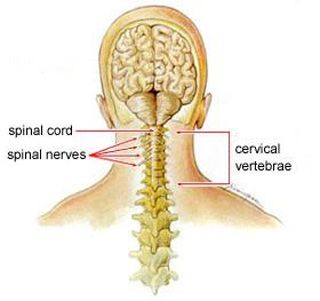 Understanding your neck anatomy can help you identify the source of pain and avoid movements that worsen strain.
Source: aaos.org
Understanding your neck anatomy can help you identify the source of pain and avoid movements that worsen strain.
Source: aaos.org
How Clinicians Diagnose the Cause of Your Neck Pain
If at-home care doesn’t improve symptoms after 3–5 days, or if you have red flag symptoms, a clinician will use a stepwise approach to identify the root cause:
- Clinical evaluation: A primary care provider, orthopaedic specialist, or neurologist will first ask about how the pain started (e.g., after an injury, during sleep, after prolonged desk work), how long you’ve had symptoms, and if you have any other symptoms (numbness, fever, etc.). They will test your range of motion, check your reflexes, and assess nerve function in your arms and hands.
- Imaging if indicated: If they suspect a structural issue (fracture, herniated disc, spinal compression), they may order an X-ray, MRI, or CT scan. X-rays are ideal for checking for fractures or bone spurs, while MRIs provide detailed images of soft tissues like discs, muscles, and nerves.
- Lab tests: If infection or inflammatory disease is suspected, they may order blood work or a spinal fluid test to check for signs of infection or autoimmune conditions.
- Specialist referrals: For complex cases, you may be referred to a physical therapist, pain management specialist, or spine surgeon for targeted care. It’s a good idea to ask your clinician about the expected recovery timeline, risks of delayed treatment, and what activities to avoid during recovery.
 A clinical evaluation checks range of motion, nerve function, and rules out serious underlying causes.
Source: cloudinary.com
A clinical evaluation checks range of motion, nerve function, and rules out serious underlying causes.
Source: cloudinary.com
Medical and Advanced Treatment Options
For cases that don’t respond to at-home care, or for structural issues identified via testing, your care team may recommend the following:
- Prescription medications: In addition to muscle relaxants, short courses of stronger oral pain relievers, or nerve pain medications like gabapentin may be prescribed for nerve-related neck pain. These are typically used for 1–2 weeks to avoid dependency or side effects.
- Corticosteroid injections: If a herniated disc or bone spur is pressing on a nerve, a corticosteroid injection near the affected nerve can reduce inflammation and relieve radiating pain that travels down the arm. Relief usually lasts 1–3 months, and most people can have up to 3–4 injections per year to avoid tissue damage.
- Targeted physical therapy: A licensed physical therapist will create a custom program of manual therapy (soft tissue massage, joint mobilization), gentle stretches, and strengthening exercises to restore range of motion, reduce pain, and prevent recurrence. Most people see significant improvement after 6–8 weeks of consistent physical therapy.
- Minimally invasive procedures: For persistent nerve compression that doesn’t respond to injections or therapy, procedures like epidural steroid injections or radiofrequency ablation may be used to reduce pain signals.
- Surgery: This is reserved for rare cases of severe structural damage (e.g., a fractured vertebra compressing the spinal cord, a large herniated disc causing persistent nerve damage) that doesn’t improve with conservative care. Recovery from cervical spine surgery typically takes 3–6 months, and your surgeon will outline specific post-op restrictions to avoid complications.
 Targeted physical therapy is one of the most effective treatments for persistent neck stiffness and pain.
Source: verywellhealth.com
Targeted physical therapy is one of the most effective treatments for persistent neck stiffness and pain.
Source: verywellhealth.com
How To Prevent Future Neck Stiffness Episodes
Most cases of sudden, movement-limiting neck pain are preventable with small, consistent habit changes, many of which tie to your sleep setup and daily routines:
- Optimize your sleep posture and bedding: Sleeping on your back or side (not your stomach) keeps your neck in a neutral, aligned position. Use a medium-firm pillow that supports the natural curve of your cervical spine—too high a pillow tilts your neck forward, while too flat a pillow provides no support. Poor sleep alignment, like sleeping on your stomach or with your neck twisted, is one of the most common triggers for overnight neck stiffness, and common sleep posture misalignment can also contribute to hair breakage and discomfort over time. If you regularly sleep with wet hair, adopting a safe nighttime hair routine can reduce overnight neck stiffness and hair damage; wet hair sleep hygiene outlines low-effort styles that keep hair off your neck and reduce moisture while you sleep. Also, make sure your mattress is supportive—an old, sagging mattress can throw your entire spine out of alignment during sleep. Regular bedding maintenance tips can extend the life of your mattress and topper to keep them supportive. If you use a bamboo pillow, regular cleaning keeps it supportive and free of allergens that can irritate neck muscles; pillow care guidelines outline how to wash and maintain your pillow to keep it in good condition for years.
- Take frequent breaks from prolonged static positions: If you work at a desk, look away from your screen every 30–45 minutes, roll your shoulders, and do a few gentle neck stretches. Keep your monitor at eye level so you don’t have to tilt your head down or up to see it, and use a lumbar support pillow to keep your spine aligned while sitting.
- Strengthen your neck and upper back muscles: Simple resistance exercises (like chin tucks, shoulder blade squeezes, and gentle resistance band pulls) done 2–3 times a week build muscle strength to support your cervical spine and reduce strain. Start with low resistance and increase gradually to avoid injury.
- Manage stress: Chronic stress causes you to hold tension in your neck and shoulder muscles, increasing your risk of spasms and strain. Try stress-reduction techniques like deep breathing, meditation, or gentle walking to reduce overall muscle tension.
Frequently Asked Questions
What should I do if my neck muscle hurts and I can't move my head and it started after sleeping?
If your stiffness started after sleeping, it’s most likely due to sleeping in an awkward position, an unsupportive pillow, or sleeping with wet hair. Start with ice for the first 24 hours, then switch to heat after 48 hours. Take OTC pain relievers as directed, and do gentle chin tucks and side-to-side tilts only within a pain-free range. If symptoms don’t improve after 3 days, or if you have numbness, fever, or weakness, see a clinician to rule out other causes.
How long does it take for a locked neck to heal?
Uncomplicated muscular neck stiffness (the most common cause) typically improves within 3–7 days with consistent at-home care, and most people regain full range of motion within 2 weeks. Pain from a mild sprain or strain may take 2–4 weeks to fully resolve. If symptoms persist beyond 2 weeks, or worsen over time, seek medical evaluation to rule out structural issues like a herniated disc or nerve compression.
Can I use a neck collar for a stiff neck?
A soft, foam neck collar can provide short-term support for severe pain, but it should only be used for 1–2 days at most, and only under the guidance of a clinician. Prolonged use of a neck collar weakens the neck muscles over time, leading to longer recovery times and a higher risk of future stiffness episodes. Avoid rigid plastic collars unless specifically prescribed by a spine specialist.
When is neck stiffness a medical emergency?
Seek immediate emergency care if your neck stiffness is paired with any of the following red flag symptoms: fever, chills, or night sweats; numbness, weakness, or tingling in your arms or hands; difficulty breathing, swallowing, or speaking; loss of bladder or bowel control; severe headache, confusion, or loss of balance; or if the pain started after a fall, car accident, or blow to the head. These symptoms can signal serious conditions like spinal infection, meningitis, or spinal cord compression that require immediate treatment.
Are exercises safe to do when I can't move my head?
Gentle, pain-free range-of-motion exercises (like small chin tucks and slow side tilts) are safe to start after the first 48 hours of acute rest and icing. Avoid any exercises that cause sharp pain, and do not force your neck to move beyond its comfortable range. A physical therapist can prescribe a custom exercise plan tailored to your specific cause of pain to ensure you don’t worsen the injury.
Can stress cause my neck to lock up?
Yes, chronic stress is a common trigger for neck muscle spasms and stiffness. When you’re stressed, you often hold tension in your neck, shoulders, and upper back without realizing it, which can lead to muscle strain and spasms that limit movement. Stress management techniques like deep breathing, meditation, and regular gentle exercise can reduce the frequency of stress-related neck stiffness episodes.
Final Thoughts and What To Do Next
Sudden neck pain that leaves you unable to move your head is uncomfortable and alarming, but the vast majority of cases are caused by minor muscle strain or spasm that resolve with simple, consistent at-home care. By following the step-by-step plan above—prioritizing rest in the first 48 hours, using ice then heat, trying gentle pain relief options, and avoiding common mistakes like aggressive stretching or prolonged collar use—you can speed up your recovery and reduce discomfort. If you notice any red flag symptoms, or if your pain doesn’t improve after 3–5 days of at-home care, don’t hesitate to seek medical evaluation to rule out serious underlying issues and get targeted treatment. To reduce your risk of future episodes, focus on optimizing your sleep posture, taking regular breaks from static positions, and strengthening your neck and upper back muscles over time. Take action today: evaluate your sleep setup first—our guide to sleep posture alignment can help you identify small, low-effort changes to your nightly routine that reduce strain on your cervical spine and lower your risk of recurring stiffness.

Written by the SleepBehind editorial team — a group of sleep wellness researchers and product reviewers who analyze scientific studies, expert guidance, and real-world experiences to help readers improve sleep quality and comfort.