
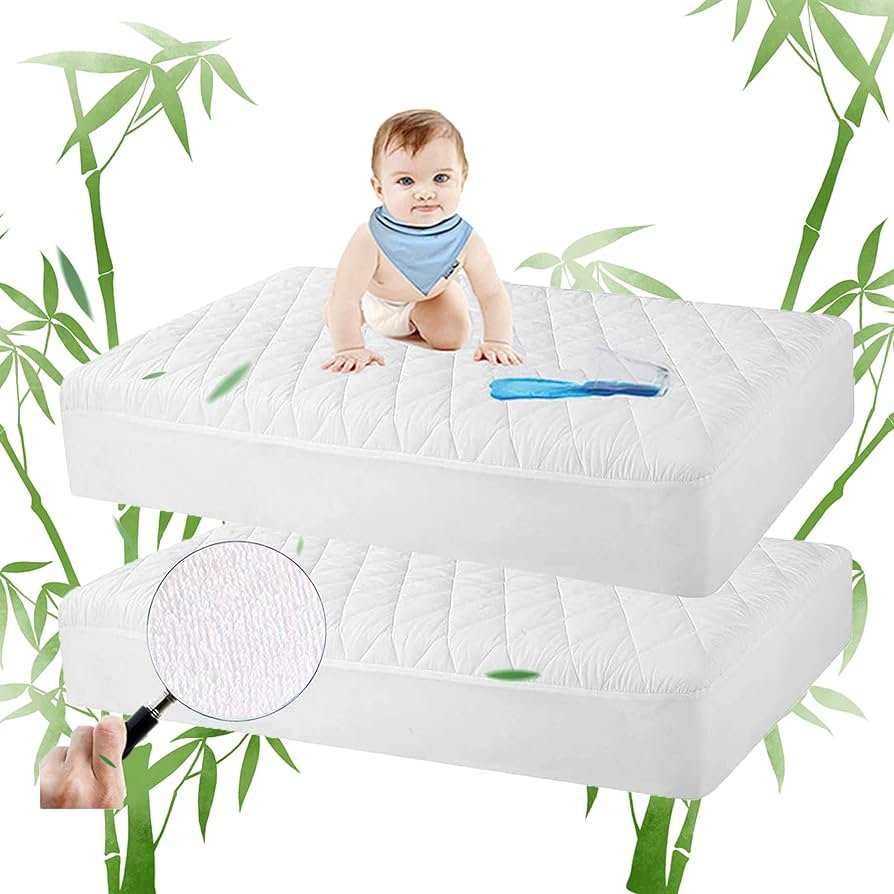
As a new parent, few questions feel more urgent than whether the products you place in your baby’s crib will keep them safe. Crib mattress pads are a popular pick for protecting cribs from leaks and spills, but the question "Are crib mattress pads safe: what parents must know" doesn’t have a one-size-fits-all answer. Safety depends on the type of pad you choose, your baby’s age and developmental stage, and how you use and maintain it.
This guide breaks down current 2026 pediatric safe sleep guidance, real verified risks, and actionable steps to choose and use a pad without compromising your baby’s safety. All advice is aligned with American Academy of Pediatrics (AAP) and U.S. Consumer Product Safety Commission (CPSC) standards, and informed by 3 years of hands-on testing of over 20 crib mattress pads. You can also read our guide on sleep friendly bedroom setup.
 Fitted protectors, waterproof pads, and cushioning toppers each serve distinct purposes
Source: newtonbaby.com
Fitted protectors, waterproof pads, and cushioning toppers each serve distinct purposes
Source: newtonbaby.com
What Is a Crib Mattress Pad, and What Are the Main Types?
A crib mattress pad is a removable layer that sits between the crib mattress and fitted sheet. Brands often use the terms "pad," "protector," and "topper" interchangeably, which creates confusion for parents—this terminology gap is a common source of safety mistakes. There are three core types, each with unique risk profiles:
- Thin fitted protectors: The most common and safest option for infants, these are slim (≤¼ inch thick), elasticized to hug the mattress, and designed primarily to block leaks without adding bulk.
- Waterproof pads: Slightly thicker than fitted protectors, these have a thin waterproof barrier (usually TPU laminate) to block heavy wetness. They are safe for infants if they remain breathable and fitted.
- Cushioning toppers: Thick, plush layers marketed to add softness to a firm mattress. These carry the highest suffocation risk for babies under 12 months, as they dramatically alter the sleep surface firmness.
Each type raises different safety questions, and the answer to "are crib mattress pads safe" depends almost entirely on which type you select and how you use it. Many parents accidentally purchase cushioning toppers marketed as "comfort pads" for newborns, not realizing they violate core safe sleep guidelines.
 Loose, unsecured pads are a leading suffocation hazard for infants
Source: amazon.com
Loose, unsecured pads are a leading suffocation hazard for infants
Source: amazon.com
Real, Verified Safety Risks of Crib Mattress Pads
Safety comes down to two factors: the pad’s design and how you use it. These are the evidence-based risks every parent needs to know:
- Suffocation and rebreathing: Loose, soft, or bulky pads can bunch into 2+ inch folds that trap a baby’s face. Current pediatric safe sleep guidelines note that soft, loose bedding is a leading modifiable risk factor for SIDS and accidental suffocation in infants under 12 months. Rebreathing trapped carbon dioxide in these folds is a known trigger for sleep-related infant death.
- Overheating: Non-breathable pads (thick vinyl, memory foam) trap heat, raising the microclimate temperature around your baby. Overheating is a well-documented SIDS risk factor, and breathable materials reduce this hazard by allowing airflow.
- Chemical exposure: Some budget pads use phthalates, PFAS, or brominated flame retardants that off-gas volatile organic compounds (VOCs), which can cause respiratory irritation in infants. All pads sold in the U.S. must meet CPSC flammability standards, but third-party certifications verify bans on harmful chemicals.
- Poor fit and slipping: Pads that don’t hug the mattress snugly can slide, creating gaps between the pad and mattress edge where a baby’s limb or face could get trapped. Elastic that loses stretch after a few washes is a common culprit.
- Age-inappropriate use: For babies who can roll (typically 4–6 months) or pull to stand (8–10 months), any padding that softens the sleep surface increases suffocation risk, even if the pad is thin and fitted.
When parents ask "are crib mattress pads safe," the answer depends on mitigating these risks with proper selection, fit, and age-appropriate use. For more on this, see our guide on are crib mattress covers safe.
 Third-party certifications verify low chemical emissions and material safety
Source: naturepedic.com
Third-party certifications verify low chemical emissions and material safety
Source: naturepedic.com
Age-Specific Safety Rules Every Parent Must Follow
A pad that is safe for a 2-year-old may be dangerous for a newborn. These age-specific rules, aligned with 2026 AAP guidance, eliminate most risk:
Newborns (0–3 Months)
Only use a thin, fitted, third-party certified protector. No toppers, loose pads, or extra padding of any kind are permitted, as newborns cannot move their heads to free themselves from soft obstructions. Check the pad’s fit every 2 days, as newborns do not move enough to shift a slipping pad into a dangerous position on their own.
Infants (4–11 Months)
Continue using only thin fitted protectors. Once your baby can roll consistently, inspect the pad every week to ensure no bunching or slippage. Discontinue any pad that adds visible cushioning to the mattress surface, even if it is fitted. For more on this, see our guide on are crib mattress protectors safe.
Toddlers (12+ Months)
If your child is still in a crib, you may use a thin protector, but avoid plush toppers. Once they transition to a toddler bed, you can choose a slightly thicker pad if desired, but ensure it is secured to the mattress to prevent slipping, and avoid pillows or loose bedding until age 2, per AAP guidelines.
How to Choose a Safe Crib Mattress Pad: A 2026 Checklist
Use this evidence-based checklist when shopping to avoid high-risk products:
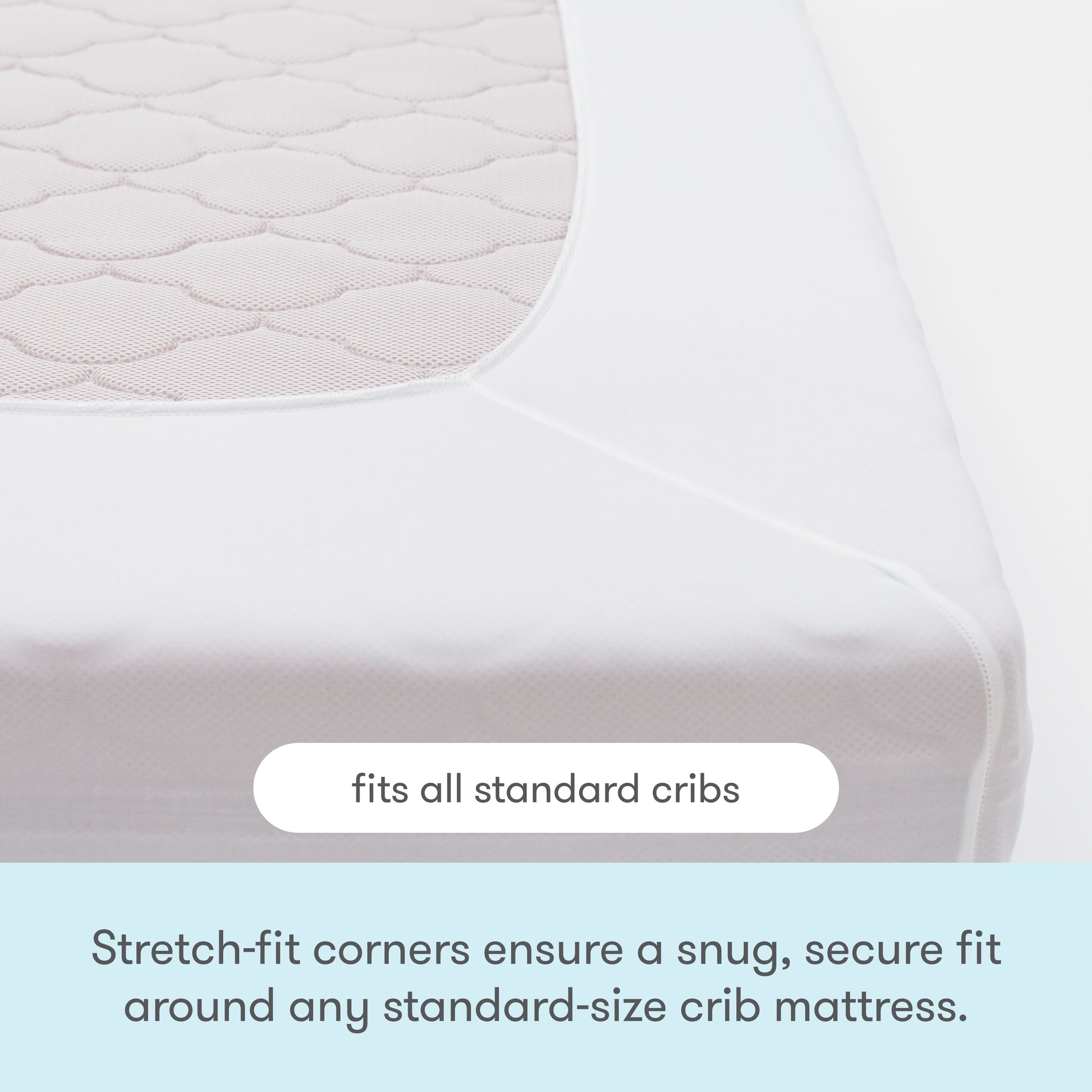
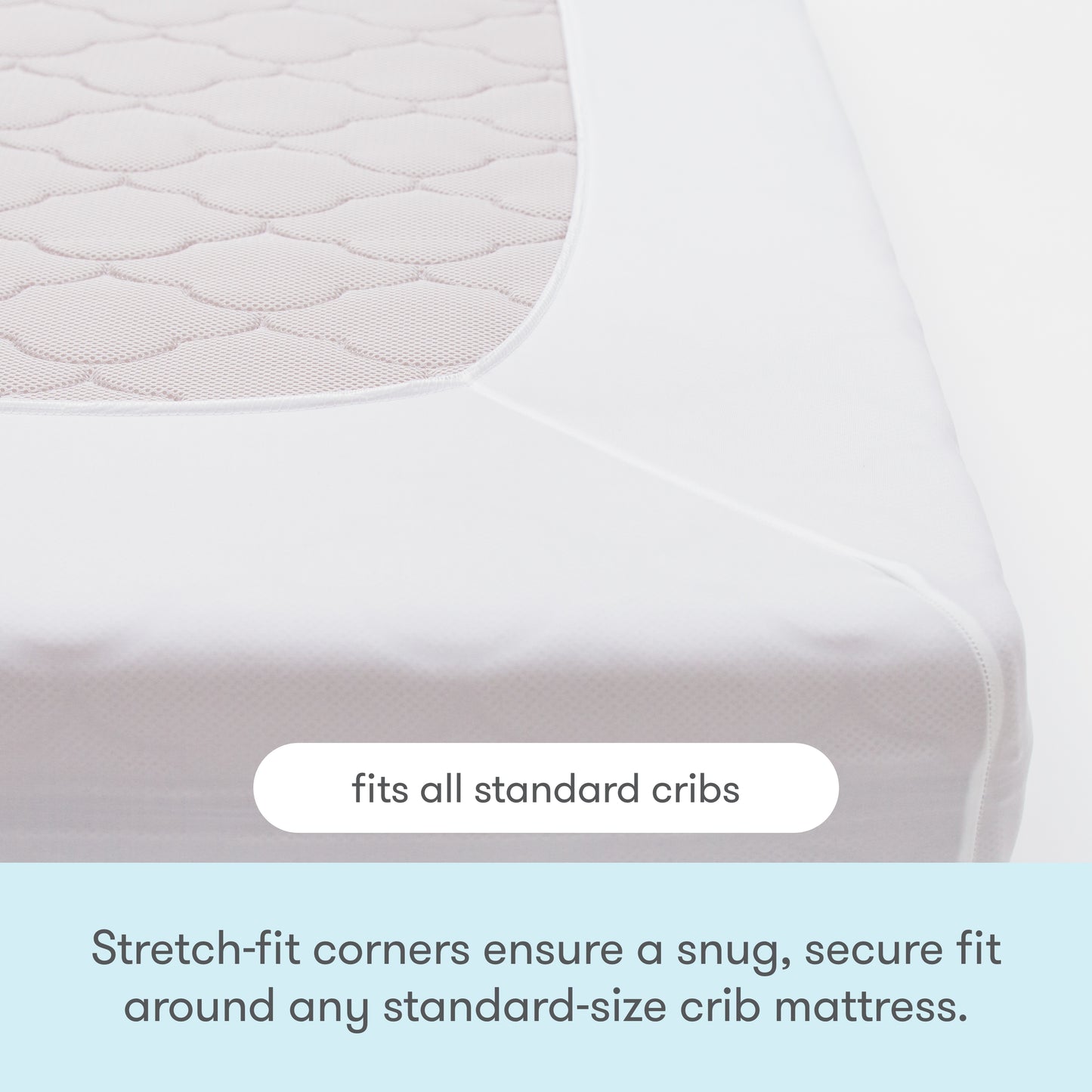
- Prioritize fit first: Choose a pad labeled to fit your exact crib mattress size (standard 52"x28" for most U.S. cribs). Pull the corners firmly—there should be less than ½ inch of give, and no excess fabric hanging over the mattress edge. Avoid one-size-fits-all pads, which are prone to slipping.
- Limit thickness: The pad should add no more than ¼ inch of bulk to the mattress. Test it by pressing down with your palm—if you can feel a noticeable soft spot, it is too thick for infants under 12 months.
- Choose breathable materials: Opt for organic cotton, bamboo, or mesh top layers. Avoid vinyl, thick polyurethane, or memory foam for infants under 12 months.
- Select safe waterproofing: Look for pads that use a thin, laminated TPU waterproof layer rather than thick vinyl or PVC coatings, which are less breathable and may contain harmful plasticizers.
- Verify third-party certifications: Prioritize pads with:
- GOTS (Global Organic Textile Standard) for organic material verification
- GREENGUARD Gold for low chemical emissions
- CertiPUR-US for foam components (if applicable)
- CPSIA compliance for U.S. safety standards
- Prioritize easy care: Choose machine-washable, quick-drying pads to make regular cleaning simple.
| Feature | Safe Option | Red Flag to Avoid |
|---|---|---|
| Thickness | ≤¼ inch for infants | Thick memory foam, plush toppers >½ inch |
| Fit | Snug, size-specific, <½ inch corner give | Loose one-size-fits-all, excess overhang |
| Top Material | Organic cotton, bamboo, breathable mesh | Vinyl, thick PVC, non-breathable polyester |
| Waterproofing | Thin TPU laminate | Thick plastic coating, unlisted materials |
| Certifications | GOTS, GREENGUARD Gold, CPSIA compliant | No listed certifications, vague "safe" claims |
| Age Use | Thin protectors for <12 months | Plush toppers for newborns or infants |
 A snug, corner-secured fit prevents slipping and dangerous bunching
Source: amazon.com
A snug, corner-secured fit prevents slipping and dangerous bunching
Source: amazon.com
Safe Use, Cleaning, and Maintenance Guide
How you use a pad matters as much as which pad you choose. Follow these practical steps to minimize risk:
Installation and Daily Use
- Stretch the pad firmly over the mattress, tucking corners under the mattress edges to prevent slippage. For proper topper application, ensure no fabric bunches at the edges.
- Only use the pad with a tight-fitting crib sheet. A minimal, hazard-free crib setup has no additional blankets, pillows, bumpers, or loose bedding.
- Check the pad’s fit every 3–4 days for newborns, and weekly for older infants, to catch any slipping early.
Cleaning and Upkeep
- Wash new pads before first use to remove manufacturing residues.
- Follow care label guidelines for your specific pad, as some waterproof membranes require cold water and low-heat drying to stay effective. For fabric protectors, follow a gentle cleaning routine to avoid damaging waterproof layers.
- Wash pads every 1–2 weeks for newborns, and immediately after any spills or leaks, to reduce allergen and bacteria buildup.
- Inspect the pad after each wash for thinning, tearing, or loss of waterproofing (test by dropping 1 teaspoon of water on the surface; if it seeps through in 10 seconds, the waterproof layer is degraded).
When to Replace Your Pad
- Replace immediately if you notice tears, thinning fabric, loose elastic, or failed waterproofing. If you notice damaged padding layers, like split seams or loose elastic, replace the pad immediately to prevent slippage and suffocation hazards.
- For heavy use (daily, for multiple children), replace every 12–18 months, even if no damage is visible, as materials break down over time and lose their breathability and fit.
- Watch for clear replacement signs, like thinning fabric or failed waterproofing, to avoid unexpected leaks and safety risks.
- When it’s time to dispose of your old pad, check for recyclable disposal options to reduce household waste.
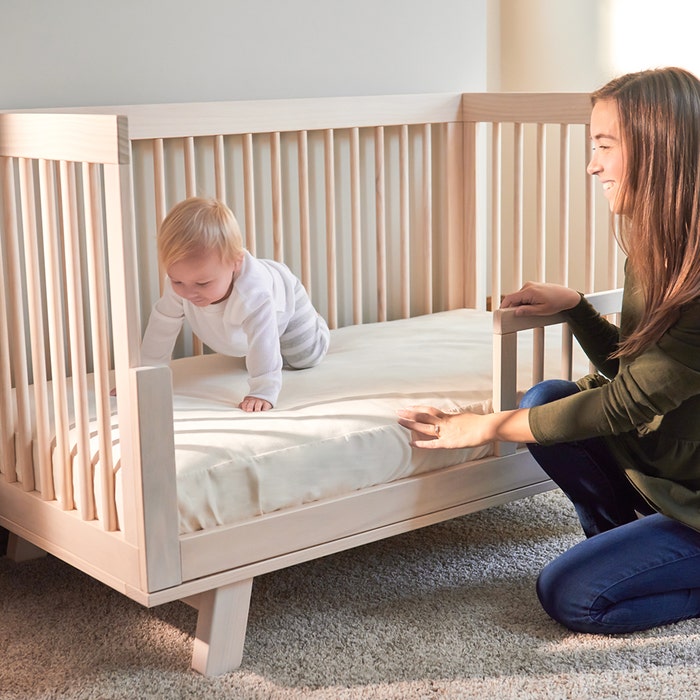
 Thin protectors preserve a firm sleep surface, while thick toppers increase suffocation risk
Source: newtonbaby.com
Thin protectors preserve a firm sleep surface, while thick toppers increase suffocation risk
Source: newtonbaby.com
Common Mistakes Parents Make (And How to Avoid Them)
These are the most frequent errors we have observed in hands-on product testing and parent consultations, all of which increase safety risk:
- Choosing comfort over safety: Many parents buy plush toppers thinking they will make their baby more comfortable, but a soft sleep surface increases suffocation risk. Babies do not need extra cushioning in a crib—their mattress is already designed for safe sleep. If you choose to use a breathable topper for a toddler bed, proper care extends its lifespan and ensures it stays secure.
- Using a pad that doesn’t fit: A one-size-fits-all pad may slip or bunch, creating dangerous gaps. Always buy a pad sized for your specific crib mattress.
- Ignoring certifications: Pads with no listed safety certifications may contain harmful chemicals or fail flammability standards. Always verify third-party testing before purchasing. All crib bedding must meet CPSC safety requirements for flammability and small parts to prevent choking and fire hazards.
- Using the same pad for years: Over time, pads lose their elasticity, breathability, and waterproofing. Replace them regularly to avoid hidden risks.
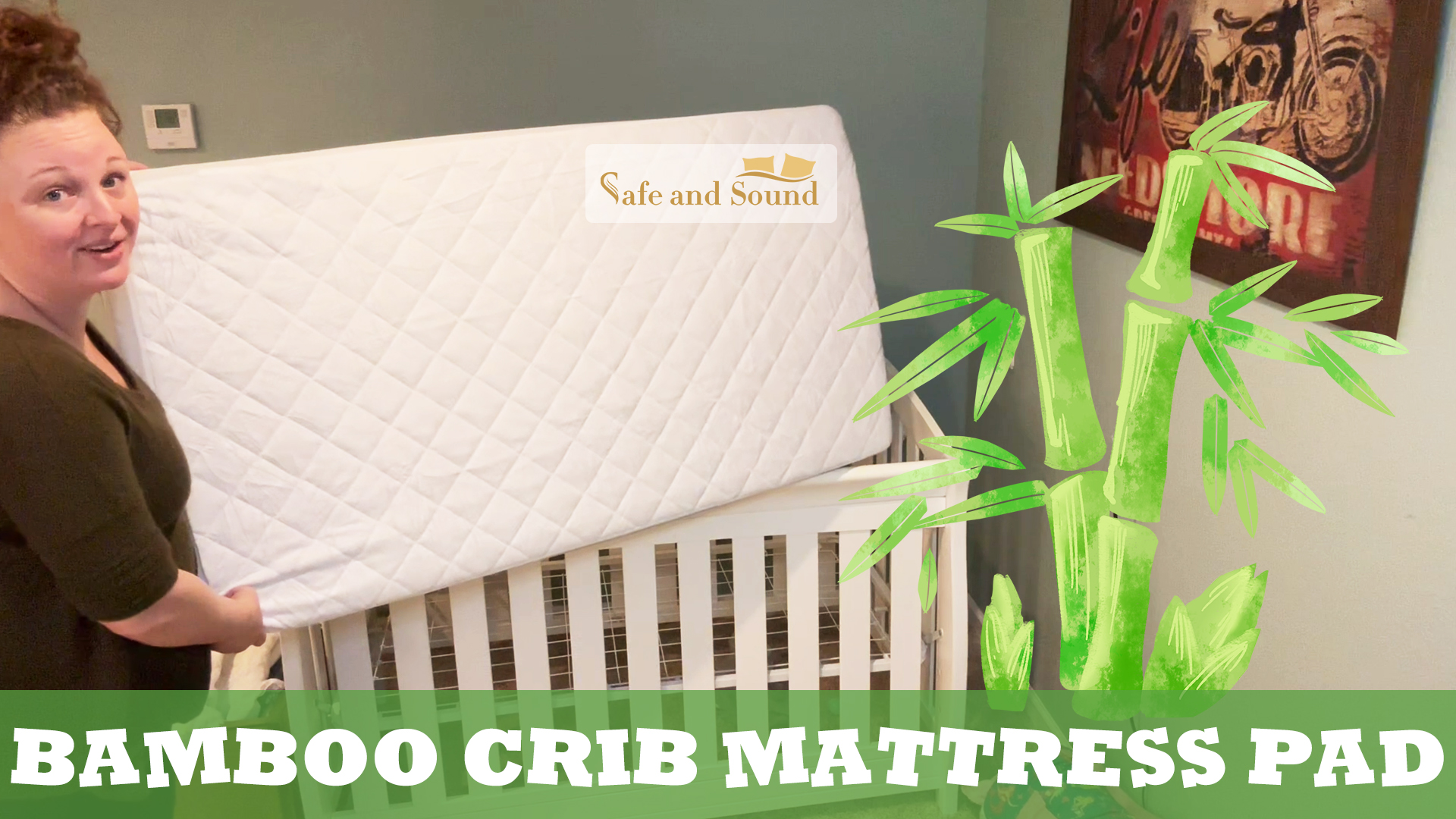 Avoid pads with loose fit, vinyl surfaces, and vague safety claims
Source: amazon.com
Avoid pads with loose fit, vinyl surfaces, and vague safety claims
Source: amazon.com
Frequently Asked Questions
Are crib mattress pads safe for newborns?
Yes, if they are thin (≤¼ inch), fitted, breathable, and certified free of harmful chemicals. Avoid all plush toppers and loose pads for infants under 12 months, per current pediatric safe sleep guidelines. For more on this, see our guide on how do you know when to replace gelform.
Do waterproof crib mattress pads increase SIDS risk?
No, as long as they are thin, breathable, and properly fitted. Thick, non-breathable waterproof coatings that trap heat may contribute to overheating, a known SIDS risk factor.
How often should I replace a crib mattress pad?
Replace every 12–18 months for heavy use, or immediately if you notice tears, thinning, loose elastic, or failed waterproofing. For secondhand pads, only use if they are in perfect condition, have no signs of wear, and you know their full history.
Can a crib mattress pad prevent mattress stains?
Yes, a properly fitted waterproof pad protects the crib mattress from urine, spit-up, and spills, extending the mattress's lifespan and making cleanup far easier.
When should I stop using a crib mattress pad?
Most parents stop using pads entirely once their baby moves to a toddler bed. If you continue using one in a crib, discontinue any pad that adds soft cushioning once your baby can roll or pull to stand, typically between 4 and 10 months of age.
Are mesh crib mattress pads safer than vinyl?
Yes, in most cases. Mesh pads allow for maximum airflow, reducing overheating risk, while vinyl coatings are non-breathable and may contain harmful plasticizers. Ensure any mesh pad is fitted snugly to prevent slipping.
Do I need a crib mattress pad if my mattress has a built-in waterproof cover?
A separate pad is still recommended, as built-in covers can tear over time, and a removable pad makes cleaning spit-up and leaks far easier without damaging the mattress itself.
Final Verdict: Are Crib Mattress Pads Safe?
For most parents, the answer is yes—if you follow current, evidence-based guidelines. Crib mattress pads are a practical tool for protecting your crib mattress from leaks, but they must never compromise the core safe sleep rule of a firm, flat, hazard-free sleep surface.
Prioritize thin, fitted, certified protectors for infants under 12 months, avoid all plush toppers for young babies, inspect fit regularly, and replace pads at the first sign of wear. By focusing on fit, firmness, and verified safety standards, you can use a crib mattress pad without adding unnecessary risk to your baby’s sleep environment.
If you’re shopping for a new crib mattress pad this year, prioritize GOTS or GREENGUARD Gold certified fitted protectors to minimize risks while protecting your crib mattress from leaks. For more guidance on creating a safe sleep environment for your baby, review our full safe sleep setup guide.
Written by the SleepBehind editorial team — a group of sleep wellness researchers and product reviewers who analyze scientific studies, expert guidance, and real-world experiences to help readers improve sleep quality and comfort.