
If you’re a new parent navigating the endless list of baby sleep safety recommendations, figuring out how to use a sleep sack correctly can feel overwhelming. Marketed as a safer alternative to loose blankets, sleep sacks are a staple in modern baby sleep routines — but incorrect use can negate their safety benefits, or even create new risks. This guide breaks down step-by-step, expert-backed instructions for using a sleep sack safely, plus practical tips to help your baby sleep longer and more soundly, so you can feel confident in your bedtime routine every night.
Why Sleep Sacks Are The Safest Alternative To Loose Bedding
The American Academy of Pediatrics recommends sleep sacks as a safe alternative to loose bedding in its official safe sleep guidelines, noting that loose blankets, pillows, and bumper pads are among the top modifiable risk factors for Sudden Infant Death Syndrome (SIDS) and accidental suffocation in infants under 12 months. Unlike loose blankets that can be kicked off or pulled over a baby’s face during sleep, sleep sacks stay securely in place, eliminating that suffocation risk while still keeping your baby warm.
Beyond safety, sleep sacks can also improve sleep quality for babies and parents alike. The gentle, snug fit mimics the feeling of being swaddled, which reduces the newborn startle reflex (also called the Moro reflex) that often wakes babies suddenly during light sleep. Many parents report that their babies sleep 1–2 hours longer stretches once they transition to a sleep sack, cutting down on frequent nighttime wakeups. Sleep sacks work for both naps and overnight sleep, and are safe for use in cribs, bassinets, and play yards as long as they fit correctly. A safe sleep space also means avoiding potential irritants: for older babies and toddlers who have hair, don’t put them to bed with wet hair at bedtime to avoid damp, uncomfortable sleep conditions.
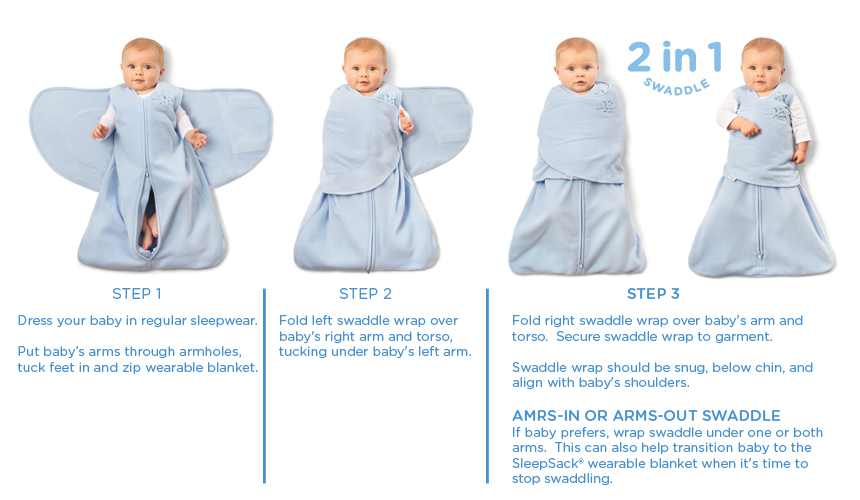 A properly fitted wearable swaddle keeps newborns snug without restricting hip movement
Source: sageuae.com
A properly fitted wearable swaddle keeps newborns snug without restricting hip movement
Source: sageuae.com
When To Start (And Stop) Using A Sleep Sack
The right time to start and stop using a sleep sack depends entirely on your baby’s age, size, and developmental milestones, not a one-size-fits-all timeline. For newborns 0–3 months old, opt for a wearable swaddle-style sleep sack, which has Velcro or zip-up wings that keep the arms snug to reduce startling while leaving enough room for hip movement. It is critical to stop swaddling as soon as your baby shows any signs of rolling, usually between 2 and 4 months old: swaddling restricts arm movement, which prevents babies from pushing themselves off their stomach if they roll during sleep, creating a serious suffocation risk.
Once your baby outgrows the swaddle stage, transition to a sleeveless or lightly sleeved sleep sack sized by height and weight, not age. Most babies use standard sleep sacks from 4 months up to 2–3 years old, when they can typically climb out of their crib or consistently escape their sleep sack. For older toddlers who still enjoy the comfort of a sleep sack, "big kid" sizes up to 5T are available, but always confirm the neck opening is loose enough to fit two fingers between the opening and your child’s neck to prevent choking hazards.
A common mistake many new parents make is keeping their baby in a swaddle sack past the rolling stage, assuming it’s fine as long as the baby is not yet rolling consistently. Even occasional rolling is enough to warrant switching to a sleeveless style to keep your baby safe.
 Sleeveless sleep sacks are ideal for babies who have outgrown swaddling and can roll independently
Source: swaddledesigns.com
Sleeveless sleep sacks are ideal for babies who have outgrown swaddling and can roll independently
Source: swaddledesigns.com
How To Choose The Right Sleep Sack For Your Baby
Picking the right sleep sack is just as important as using it correctly, as an ill-fitting sack can create safety risks or make your baby uncomfortable. Focus on three key factors when shopping:
TOG Rating
TOG (Thermal Overall Grade) is the standard measurement of a sleep sack’s insulation, designed to match your baby’s room temperature:
- 0.5 TOG: For warm rooms 72°F (22°C) and above, pair with a short-sleeve onesie or diaper
- 1.0 TOG: For moderate temperatures 68–72°F (20–22°C), pair with a long-sleeve onesie
- 2.0 TOG: For cool rooms below 68°F (20°C), pair with a long-sleeve onesie and socks if needed
Always use a room thermometer to get an accurate temperature reading, rather than guessing based on how warm the room feels to you. Overheating is a proven SIDS risk factor, so err on the side of cooler rather than warmer.
Fit
Sleep sacks are sized by height and weight, not age, so always check the manufacturer’s size chart before purchasing. The neck opening should be snug enough that you can only fit one finger between the opening and your baby’s neck — it should never be loose enough to slip over their face, or so tight that it leaves red marks on their skin. The leg openings should be wide enough to allow full hip movement, as tight leg openings can increase the risk of developmental hip dysplasia. The total length of the sack should not extend past your baby’s feet when they are lying flat, to prevent tripping or the sack riding up over their face.
Fabric And Features
Stick to 100% cotton or bamboo fabrics for maximum breathability, as synthetic materials trap heat and increase overheating risk. Look for a sleep sack with a safety flap covering the zipper, which prevents the zipper pull from rubbing against your baby’s skin or being grabbed and pulled open by curious toddlers. For newborns, choose a wearable swaddle with secure Velcro wings; for rolling babies, opt for a sleeveless style with arm holes to allow full arm movement. Just as you’d follow proper bamboo pillow care to keep your sleep surface fresh and breathable, choosing a high-quality, well-fitted sleep sack ensures it stays safe and effective for months of use.
Matching the sleep sack’s TOG rating to your room temperature prevents overheating and keeps baby comfortable
Source: swaddledesigns.com
Step-By-Step: How To Use A Sleep Sack Safely
Using a sleep sack correctly takes less than a minute once you get the hang of it, and building a consistent routine will help your baby associate the sleep sack with sleep time for better rest. Follow these steps every time you prepare your baby for a nap or bedtime:
- Inspect the sleep sack first: Before every use, check for loose threads, broken zippers, stretched neck openings, or worn fabric that could pose a choking, entanglement, or suffocation risk. If you notice any damage, stop using the sack immediately and replace it.
- Dress your baby in appropriate base layers: The general rule of thumb is to dress your baby in one more layer than you would wear to be comfortable in the same room. For a 70°F room, a short-sleeve onesie under a 1.0 TOG sleep sack is usually perfect. Avoid overdressing, and check the back of your baby’s neck for sweat to gauge if they’re too hot.
- Lay the sleep sack flat: Place the fully unzipped sleep sack on a safe, flat surface like a changing table or the crib mattress, with the top of the neck opening aligned with where your baby’s shoulders will rest.
- Position your baby: Lay your baby on their back on top of the open sleep sack, aligning their shoulders with the top of the neck opening.
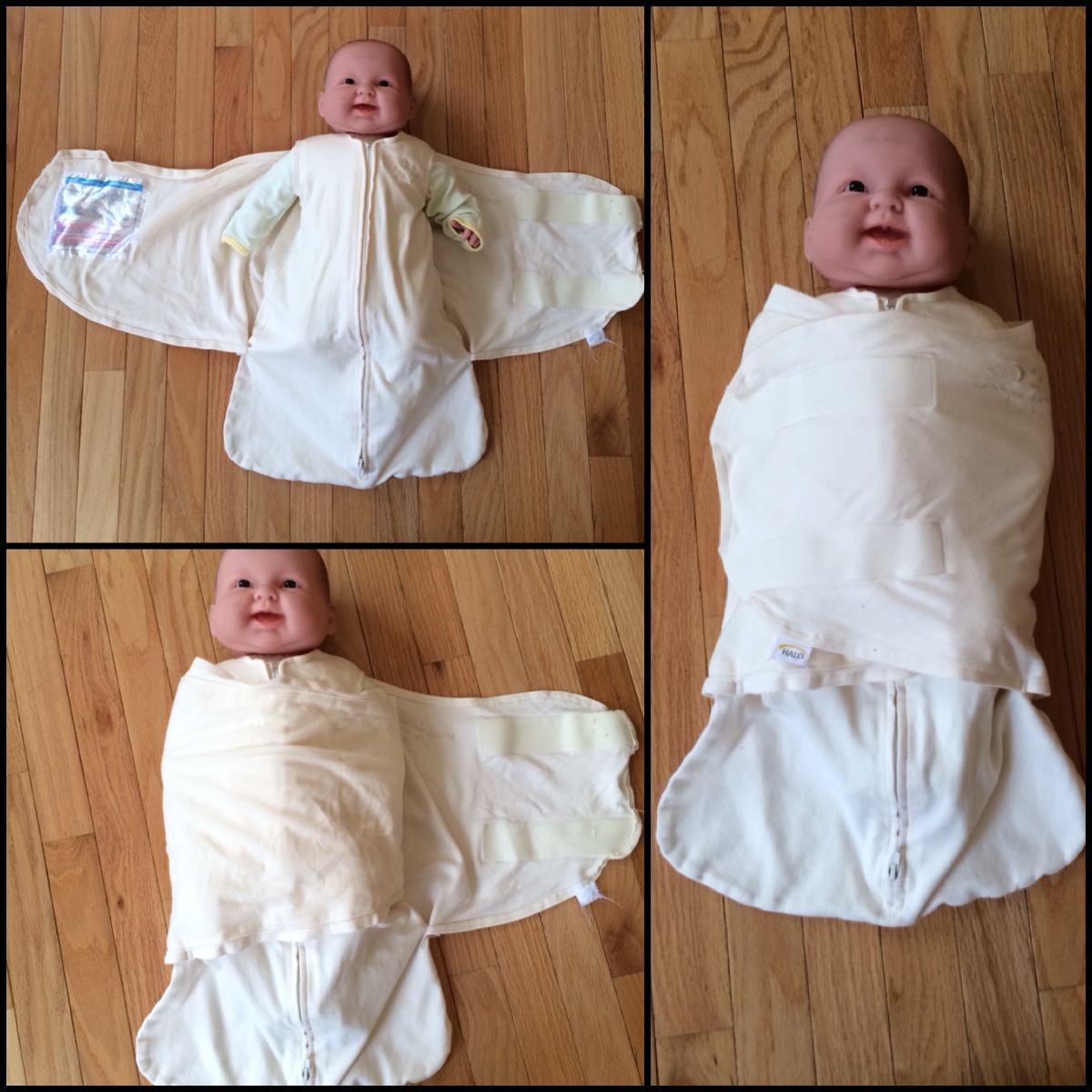
- Secure the arms and torso: Slip your baby’s arms through the arm holes (if the sack has sleeves) or let their arms rest at their sides for sleeveless styles. For wearable swaddles, fasten the Velcro wings snugly around the torso, but leave enough room for your baby to bend their hips and knees freely to support healthy hip development.
- Fasten the closure fully: Zip or snap the closure from top to bottom, tucking the safety flap over the zipper pull to prevent rubbing. Position the zipper pull away from your baby’s mouth to avoid choking hazards.
- Place baby in the crib: Lay your baby on their back in the crib, bassinet, or play yard, with no loose blankets, pillows, stuffed animals, or bumper pads in the sleep space.
In practice, many parents find it easier to complete these steps on a changing table rather than the crib mattress, to avoid bending over and disturbing a sleepy baby before transferring them to their sleep space.
 Follow these simple steps to ensure a safe, correct fit every time
Source: lizandroo.com
Follow these simple steps to ensure a safe, correct fit every time
Source: lizandroo.com
Common Sleep Sack Mistakes To Avoid
Even experienced parents make these common errors when using sleep sacks, but they’re easy to avoid with a few simple checks:
- Choosing the wrong size: A sleep sack that is too small restricts movement, can cause hip issues, and may be uncomfortable for your baby. A sleep sack that is too large can ride up over your baby’s face while they sleep, creating a suffocation hazard. Always check the manufacturer’s size chart based on height and weight, not just age.
- Overheating your baby: Adding too many layers under the sleep sack, or using a TOG rating too high for the room temperature, is one of the most common and dangerous mistakes. Overheating is a proven risk factor for SIDS. Always check the back of your baby’s neck: if it’s damp or hot to the touch, remove a layer immediately.
- Using a damaged sleep sack: Rips, broken zippers, loose snaps, or stretched neck openings can pose entanglement or suffocation risks. Inspect the sleep sack before every use, and replace it if you notice any signs of wear.
- Adding loose bedding to the crib: The sleep sack is designed to replace all loose blankets, pillows, and stuffed animals. Even a thin, lightweight blanket can pose a suffocation risk for infants under 12 months, per AAP guidelines.
- Swaddling after your baby can roll: Once your baby shows any signs of rolling (usually around 2–4 months), transition to a sleeveless sleep sack immediately. Swaddling restricts arm movement, which prevents babies from pushing themselves off their stomach if they roll, leading to serious suffocation risk.
- Skipping the zipper safety flap: Many sleep sacks have a small flap that covers the zipper pull. Not using this flap can lead to the zipper rubbing against your baby’s skin, or your baby grabbing the pull and pulling the sack open, getting tangled in the fabric.
 Avoiding these common mistakes keeps your baby safe and comfortable during sleep
Source: dreamlandbabyco.com
Avoiding these common mistakes keeps your baby safe and comfortable during sleep
Source: dreamlandbabyco.com
Washing And Care Tips To Keep Sleep Sacks Safe
Proper care keeps your sleep sack in good condition, maintains its breathability, and eliminates safety hazards from wear and tear. Follow these care tips to extend the life of your sleep sack:
- Follow the manufacturer’s care label: Some specialized fabrics, like merino wool, require specific washing instructions to avoid shrinking or damage. Always follow the label’s recommended water temperature and cycle.
- Close all fasteners before washing: Zip up zippers and snap all closures before putting the sleep sack in the washing machine to protect the fabric from snagging and prevent damage to your machine.
- Use mild, fragrance-free detergent: Babies have sensitive skin, so avoid harsh detergents, fabric softener, or dryer sheets, which can coat the fabric and reduce its breathability, increasing overheating risk.
- Dry on low heat or air dry: High heat can shrink the fabric, damage elastic, or warp zippers. Tumble dry on low, or hang to air dry for best results.
- Inspect after every wash: Check for loose threads, broken zippers, or worn fabric, especially around the neck opening and arm holes, after each wash cycle.
- Wash regularly: Wash the sleep sack once a week, or immediately if it’s soiled with spit-up, diaper leaks, sweat, or food. Most experts recommend having 2–3 sleep sacks per size, so you always have a clean one ready while the others are being washed, so you never have to skip using a sleep sack for safety.
Just as you’d regularly inspect a feather mattress topper for splits to avoid premature wear, checking your sleep sack’s seams and fasteners after each wash helps catch small damage before it becomes a safety hazard.
 Following the manufacturer’s care label extends the life of your sleep sack and keeps it safe
Source: babymori.com
Following the manufacturer’s care label extends the life of your sleep sack and keeps it safe
Source: babymori.com
Pro Tips For Better Baby Sleep With A Sleep Sack
Beyond basic safety use, these expert-backed tips will help you get the most out of your sleep sack to improve your baby’s sleep quality and make your bedtime routine smoother:
- Build a consistent sleep association: Put the sleep sack on right after a predictable pre-bed routine, like a bath, feeding, or story time. Over time, your baby will learn that the sleep sack means it’s time to sleep, reducing bedtime fussiness and helping them fall asleep faster. Just as a consistent pre-bed hair routine helps adults avoid morning tangles and discomfort, a predictable routine signals to your baby that it’s time to wind down.
- Match TOG to exact room temperature: Use a simple room thermometer to get an accurate reading, rather than relying on how warm the room feels to you. Maintaining a consistent 68–72°F room temperature not only keeps your baby safe from overheating, but is also the ideal range for preserving wavy hair gel casts for older kids and adults in the home.
- Skip extra layers and hats: Babies regulate their temperature through their heads, so avoid putting a hat on your baby while they sleep, even in cool rooms. The sleep sack is designed to provide enough warmth without extra layers, which can cause overheating.
- Use a familiar sleep sack when traveling: Babies thrive on routine, so bring your baby’s regular sleep sack when traveling to a new environment. The familiar item will signal bedtime even in an unfamiliar space, reducing jet lag and bedtime fussiness. Just as many adults rely on a familiar go-to sleep pillow to settle into sleep in new spaces, babies benefit from consistent sleep associations.
- For escape artists: If your toddler is consistently pulling off or climbing out of their sleep sack, opt for a "big kid" size with a wider neck opening, or transition to a footed wearable blanket that’s harder to remove. Make sure the crib mattress is at its lowest setting to prevent climbing even if they do get the sack off.
While some parents worry that sleep sacks are too restrictive, a properly fitted sleep sack allows full leg movement, which is critical for healthy hip development — a small effort to check the fit each time that pays off for your baby’s safety and comfort.
 A consistent bedtime routine with the sleep sack helps babies associate it with sleep time
Source: kdfoundation.org
A consistent bedtime routine with the sleep sack helps babies associate it with sleep time
Source: kdfoundation.org
Frequently Asked Questions
How tight should a sleep sack fit at the neck?
The neck opening should be snug enough that you can only fit one finger between the opening and your baby’s neck. It should never be loose enough to slip over the baby’s face, and never so tight that it restricts breathing or leaves red marks on the skin.
Can newborns use a sleep sack?
Yes, but only use wearable swaddle-style sleep sacks designed for newborns under 3 months old. Stop swaddling as soon as your baby shows signs of rolling, usually between 2 and 4 months, and transition to a sleeveless sleep sack to allow arm movement for safe rolling.
How do I pick the right TOG rating for a sleep sack?
TOG (Thermal Overall Grade) measures a sleep sack’s insulation:
- 0.5 TOG: For room temperatures 72°F (22°C) and above, paired with a short-sleeve onesie or diaper
- 1.0 TOG: For moderate temperatures 68–72°F (20–22°C), paired with a long-sleeve onesie
- 2.0 TOG: For cool temperatures below 68°F (20°C), paired with a long-sleeve onesie and socks if needed
Always use a room thermometer to get an accurate reading, rather than guessing based on how warm the room feels to you.
Is it safe to use a sleep sack all night?
Yes, sleep sacks are designed for overnight use, as long as they fit correctly, are in good condition, and you follow safe sleep guidelines (placing baby on their back, no loose bedding in the crib). Many parents find that sleep sacks reduce nighttime wakeups caused by babies getting cold or startling themselves awake.
How often should I wash a baby’s sleep sack?
Wash the sleep sack once a week, or immediately if it’s soiled with spit-up, diaper leaks, sweat, or food. Always close zippers and snaps before washing to protect the fabric and the machine, and inspect it for damage after each wash.
Can I use a sleep sack for naps as well as nighttime?
Yes, sleep sacks are safe and effective for both naps and overnight sleep. Using the same sleep sack for all sleep helps build a consistent sleep association, so your baby learns that putting on the sleep sack means it’s time to sleep, no matter the time of day.
What should I do if my baby outgrows their sleep sack?
Once your baby can consistently climb out of their sleep sack, or the neck opening is too snug, you can transition to a "big kid" wearable blanket (available in sizes up to 5T) or a lightweight, breathable blanket if they’re over 2 years old and can safely pull the blanket up and down on their own.
 Sleep sacks come in a range of sizes, fabrics, and TOG ratings to fit every baby’s needs
Source: halosleep.com
Sleep sacks come in a range of sizes, fabrics, and TOG ratings to fit every baby’s needs
Source: halosleep.com
Conclusion
Sleep sacks are one of the simplest, most effective tools for keeping your baby safe and comfortable during sleep, while reducing the risk of SIDS and accidental suffocation from loose bedding. By choosing the right size and TOG rating for your baby’s age and room temperature, following safe use steps every time, and avoiding common mistakes, you can help your baby sleep longer and more soundly, and feel confident that their sleep space is as safe as possible.
For additional expert-backed safe sleep guidance for newborns and infants, review the UC Davis Children's Hospital safe sleep and swaddle recommendations. For more tips to improve sleep comfort for the whole family, explore our full library of sleep health guides.
Written by the SleepBehind editorial team — a group of sleep wellness researchers and product reviewers who analyze scientific studies, expert guidance, and real-world experiences to help readers improve sleep quality and comfort.