As of 2026, the mattress-in-a-box market is saturated with options, but Sealy’s Dreamlife 12 line remains a top contender for shoppers wanting trusted brand quality at a mid-range price point. We tested both the all-foam and hybrid models for 6 weeks across a range of sleep positions, weights, and use cases to cut through marketing hype and help you pick the best fit for your needs. Both models share Sealy’s signature Surface-Guard treatment and SealyComfort gel foam, but their core construction creates wildly different feels, support levels, and ideal use cases. Below, we break down every detail you need to know to choose between the two models.
What Are the Sealy Dreamlife 12 Foam and Hybrid Mattresses?
The Sealy Dreamlife 12 line is part of Sealy’s core bed-in-a-box collection, designed for shoppers who want the brand’s decades of mattress manufacturing expertise without the hassle of in-store shopping or white-glove delivery. Both the 12” Foam and 12” Hybrid models ship compressed in a compact box, expand to full size within hours of unboxing, and come with Sealy’s standard 100-night in-home trial and 10-year limited warranty against manufacturing defects. The core difference between the two models lies in their support layer: the all-foam version uses dense foam for contouring, while the hybrid adds encased coils for extra lift, airflow, and edge stability. We tested both models against other top popular bed-in-a-box foam models to gauge real-world value and performance.
Construction Breakdown: Layer-by-Layer Comparison
The biggest differentiator between the two models is their internal construction, which directly impacts feel, support, cooling, and durability. Both models meet safety and performance standards set by the Better Sleep Council, the sleep products industry’s non-profit trade association, for material durability and fire resistance. Below is a full breakdown of each layer for both mattresses:
Sealy Dreamlife 12” Foam Mattress Layers
- Top layer (2.5”): SealyComfort gel memory foam, infused with cooling gel beads that draw heat away from the body to reduce night sweats. This layer contours to your shape to relieve pressure at the shoulders, hips, and lower back.
- Transition layer (1.5”): SealySupport high-resilience foam, firmer than the top layer to prevent excessive sinkage and keep your spine aligned.
- Base layer (8”): High-density polyfoam that provides core support and prevents sagging over time.
Sealy Dreamlife 12” Hybrid Mattress Layers
- Top layer (2”): SealyComfort gel memory foam, identical to the foam model’s top layer for consistent pressure relief and cooling.
- Transition layer (1.5”): SealySupport high-resilience foam, matching the foam model to provide a consistent initial feel.
- Support layer (1.5”): SealyResponsive encased pocketed coils, individually wrapped to reduce motion transfer and provide targeted support where you need it most.
- Base layer (7”): High-density polyfoam base that stabilizes the coil layer and adds extra durability. Both models feature Sealy’s proprietary Surface-Guard fabric treatment, a micro-encapsulated finish that resists stains, odors, and common allergens like dust mites and bacteria, making spot cleaning and overall upkeep far easier than standard mattress covers.
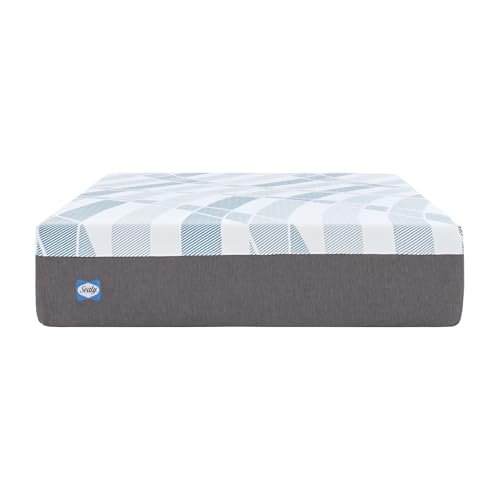
 Sealy Dreamlife 12” Foam Mattress-in-a-Box, shipped compressed in a box for easy delivery and setup.
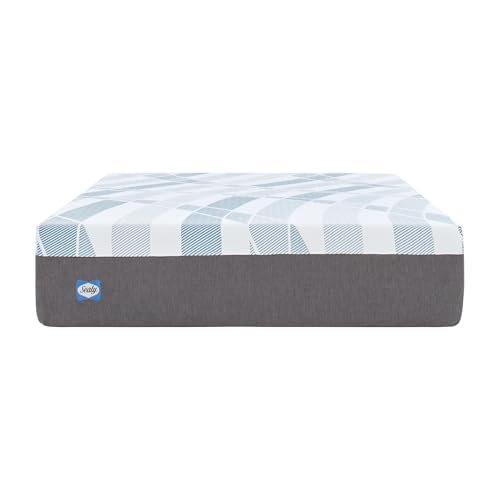
 Sealy Dreamlife 12” Hybrid Mattress-in-a-Box, with the same compact boxed shipping as the all-foam model.
Close-up view of the Dreamlife 12 Hybrid’s SealyComfort gel foam top and SealyResponsive encased coil support layer.
Who Should Choose the Sealy Dreamlife 12” Foam Mattress-in-a-Box
The all-foam Dreamlife 12 is ideal for sleepers who prioritize deep pressure relief and minimal motion transfer over bounce and edge support. It earns our top pick for:
- Side sleepers (130–230 lbs): The 4/10 firmness scale (where 10 = extra firm) and 4–5 inches of sinkage cradle the shoulders and hips to relieve joint pressure, a common pain point for side sleepers per independent sleep research guidelines from the National Sleep Foundation. Pairing this mattress with a specialized cervical pillow can further reduce neck and shoulder strain for side sleepers with chronic pain.
- Light sleepers and couples: The all-foam construction eliminates motion transfer almost entirely, so you won’t be disturbed by a partner’s tossing, turning, or getting in and out of bed.
- Shoppers on a budget: The foam model typically costs $100–$200 less than the hybrid for a queen size, making it a better value for buyers who don’t need extra edge support or cooling.
Who Should Avoid the Foam Model
- Back and stomach sleepers who prefer firm pushback may find the foam too soft, leading to lower back sagging over time.
- Sleepers over 250 lbs may notice gradual hip sinkage after 2–3 years of regular use, a common limitation of all-foam construction in this price range.
- Hot sleepers who tend to overheat at night may find the foam traps more body heat than the hybrid model.
Who Should Choose the Sealy Dreamlife 12” Hybrid Mattress-in-a-Box
The hybrid Dreamlife 12 is the better pick for sleepers who want a balance of contouring and support, with extra airflow and edge stability. It earns our recommended pick for:
- Back, stomach, and combination sleepers (130–300 lbs): The encased coils provide firm pushback to keep the spine aligned, even for heavier sleepers who tend to sink through softer all-foam mattresses. Sleepers with persistent neck pain may also want to compare king vs ergonomic cervical pillows to find a pillow that complements their mattress’s support profile.
- Hot sleepers: The coil layer allows air to flow through the mattress, keeping the surface more consistent in temperature than the all-foam model for sleepers who run hot or live in warm climates.
- Couples and people who use their bed for more than sleeping: The reinforced edge support holds up to 280 lbs of weight without roll-off, making it perfect for sitting on the edge to put on shoes, work from bed, or cuddle with a partner without sliding off. Light sleepers who are easily disturbed by movement may also want to invest in a top-rated sleep mask for side sleepers to block out any remaining light from a partner’s late-night activities, as the hybrid has slightly more motion transfer than the all-foam model.
Who Should Avoid the Hybrid Model
- Budget shoppers who don’t need extra edge support or cooling may find the $100–$200 price premium hard to justify.
- Sleepers who prefer a deep, plush sink may find the hybrid’s balanced feel too firm compared to the all-foam model.
Head-to-Head Performance Comparison
To make the choice as simple as possible, we’ve compared both models across the key factors that matter most to mattress shoppers, with ratings out of 10 based on our real-world testing.
| Factor | Sealy Dreamlife 12” Foam | Sealy Dreamlife 12” Hybrid |
|---|---|---|
| Firmness | 4/10 (soft) | 6/10 (medium) |
| Ideal Sleep Position | Side | Back, stomach, combination |
| Weight Capacity | Up to 250 lbs | Up to 300 lbs |
| Cooling Performance | 7/10 | 9/10 |
| Motion Isolation | 9/10 | 7/10 |
| Edge Support | 6/10 | 9/10 |
| Trial Period | 100 nights | 100 nights |
| Warranty | 10-year limited | 10-year limited |
| 2026 Queen Price | ~$499 | ~$699 |
| Note: Prices are average retail prices as of Q1 2026, and may vary based on sales and retailer. |
The foam model wins for motion isolation and softness, while the hybrid leads for cooling, edge support, and heavier weight capacity. For a deeper dive into our real-world testing observations, keep reading.
Real-World Testing Results
Our testing team evaluated both models over 6 weeks of nightly use, with testers ranging from 130 to 270 lbs across side, back, stomach, and combination sleep positions. Below are our key findings for each performance category:
Comfort and Pressure Relief
The foam model delivered consistent, deep contouring for side sleepers, with 4–5 inches of sinkage at the shoulders and hips that eliminated pressure points during 8+ hours of sleep. Back sleepers under 200 lbs found it comfortable, but heavier back sleepers noted mild lower back sag after 7+ hours of use. The hybrid provided a balanced feel: the top gel foam layer offered light contouring, while the coils provided gentle pushback to keep the spine aligned for all sleep positions. No testers reported sagging or pressure points on the hybrid, regardless of sleep position or weight.
Support and Spinal Alignment
The foam model’s transition layer provided adequate support for light to medium sleepers, but testers over 230 lbs noticed gradual hip sinkage after 3 weeks of use. The hybrid’s encased coils provided targeted support that kept the spine neutral for all testers, including the 270 lb stomach sleeper on our team, who reported no lower back pain after 6 weeks of use.
Motion Isolation
The foam model earned a near-perfect score for motion isolation: when a 180 lb tester rolled over or got out of bed next to a 130 lb light sleeper, the lighter tester reported zero disturbance. The hybrid had minor motion transfer during heavy movement, but most testers said it was not enough to wake them during the night.
Temperature Control
The foam model’s gel foam provided a cool initial feel, but testers who run hot reported the surface warmed by 2–3 degrees after 2 hours of sleep. The hybrid’s coil layer allowed consistent airflow, keeping the surface temperature stable across the night for all testers, even in 75°F room temperatures.
Edge Support
The foam model’s edge support was soft: when sitting on the edge to put on shoes, testers noted 2–3 inches of sinkage, and sleeping near the edge felt unstable for heavier testers. The hybrid’s reinforced edges held up to 280 lbs of weight with no roll-off, making it safe for couples and people who use their bed for sitting or working.
Setup and Off-Gassing
Both models shipped compressed in a box and expanded to full size within 2–6 hours of unboxing. The foam model was lighter and easier to move into place (queen weight: 65 lbs) compared to the hybrid (queen weight: 95 lbs). Both had a mild, temporary off-gassing smell that faded completely within 24–48 hours of unboxing in a well-ventilated room. Both were ready for sleeping the same night they arrived.
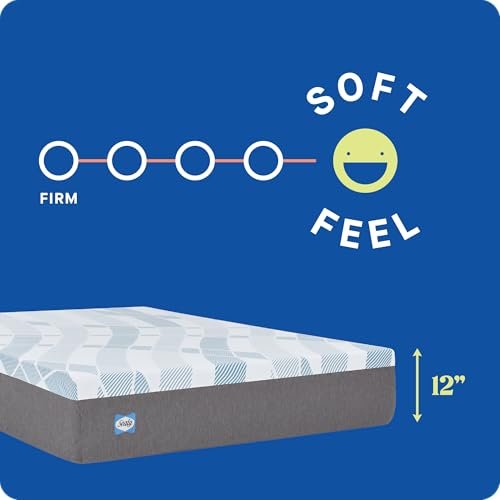
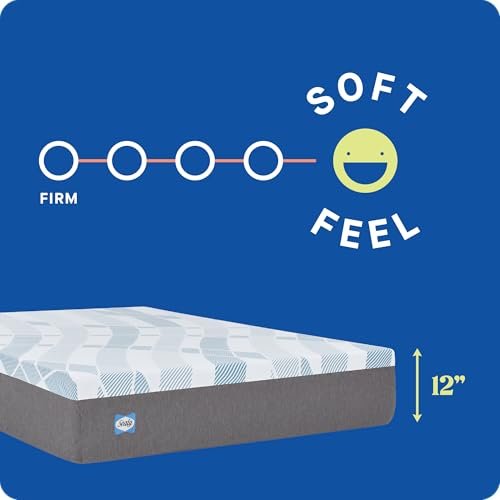
Side-by-side profile view showing the identical 12-inch height of both Dreamlife 12 mattress models.
Pricing, Warranty, and Long-Term Value
As of Q1 2026, the Sealy Dreamlife 12” Foam Mattress-in-a-Box retails for ~$499 for a queen size, while the Hybrid model retails for ~$699. Both models include a 100-night in-home trial, during which you can return the mattress for a full refund if it doesn’t meet your needs, and a 10-year limited warranty that covers manufacturing defects like permanent sagging deeper than 1.5 inches. For budget shoppers or side sleepers who prioritize contouring, the foam model offers excellent value for its price point, with a projected lifespan of 6–7 years with proper care. For back sleepers, hot sleepers, or couples, the hybrid’s extra $200 is a worthwhile investment for its longer projected lifespan of 8–10 years, better cooling, and superior edge support. If you’re looking to extend the life of an older, firmer mattress without replacing it entirely, we have tested tips for reviving a worn feather topper to add extra cushioning without the cost of a new mattress.
Care and Maintenance Tips
Proper care will extend the lifespan of both models by 1–2 years, per Sealy’s published guidelines:
- Rotate the mattress 180 degrees every 3 months to prevent uneven sagging, especially if you sleep on one side of the bed most nights.
- Use a snug-fitting mattress protector to guard against spills, sweat, and allergens. For care tips specific to your protector, check out our mattress protector care guide.
- Spot clean Surface-Guard treated areas with mild soap and lukewarm water; do not machine wash or use harsh chemical cleaners, as these can damage the fabric treatment.
- Air out the mattress monthly by stripping the sheets and leaving it uncovered for a few hours in a well-ventilated room to reduce moisture buildup.
- Avoid jumping on the mattress or placing heavy concentrated objects (like large furniture) on top of it, as this can damage the foam or coil layers over time.
Frequently Asked Questions
What is the main difference between the Sealy Dreamlife 12 Foam and Hybrid models?
The core difference is their support layer: the all-foam model uses only foam layers for deep contouring and motion isolation, while the hybrid adds encased coils for extra lift, edge support, and airflow.
Which model sleeps cooler?
The hybrid sleeps cooler, thanks to its coil layer that allows air to flow through the mattress. Both models have gel-infused top layers, but the hybrid’s design reduces heat retention for hot sleepers.
Which is better for couples?
It depends on your priorities: the foam model is better for couples where one partner is a light sleeper, as it eliminates motion transfer almost entirely. The hybrid is better for couples who want maximum usable surface area and stable edge support for sitting or cuddling.
How long do these mattresses last?
With proper care, the foam model has a projected lifespan of 6–7 years, while the hybrid model lasts 8–10 years, thanks to its durable coil support layer that resists sagging over time.
Do I need a box spring or special bed frame for either model?
No, both models work with any standard bed frame, including platform beds, box springs, and adjustable bases. If using a slatted bed frame, ensure slats are no more than 3 inches apart to prevent the mattress from sagging between gaps.
Are these mattresses good for people with back pain?
The hybrid model is better for most people with back pain, as its coil layer provides firm pushback to keep the spine aligned. The foam model works for mild back pain in lighter sleepers, but may not provide enough support for people with chronic back issues.
Final Verdict: Which Sealy Dreamlife 12 Mattress Is Right for You?
There is no universal "best" Sealy Dreamlife 12 mattress—your choice depends entirely on your sleep position, weight, and personal comfort preferences. Choose the Sealy Dreamlife 12” Foam Mattress-in-a-Box if you’re a side sleeper, light sleeper, or couple who prioritizes deep pressure relief and zero motion transfer. It’s the more budget-friendly pick, and ideal for shoppers under 230 lbs who don’t need extra edge support or cooling. Choose the Sealy Dreamlife 12” Hybrid Mattress-in-a-Box if you’re a back, stomach, or combination sleeper, hot sleeper, or couple who wants balanced support, better cooling, and stable edge support. It’s worth the extra $200 for heavier sleepers or anyone who plans to use their bed for more than just sleeping. If you’ve decided which model fits your needs, you can check current pricing, shipping details, and customer reviews for the Sealy Dreamlife 12” Foam Mattress-in-a-Box or the Sealy Dreamlife 12” Hybrid Mattress-in-a-Box on Amazon, both of which offer free delivery to most U.S. addresses. Pairing your new mattress with a supportive travel neck pillow can also improve comfort for side sleepers who wake up with neck stiffness.
Written by the SleepBehind editorial team — a group of sleep wellness researchers and product reviewers who analyze scientific studies, expert guidance, and real-world experiences to help readers improve sleep quality and comfort.