As of 2026, 1 in 3 U.S. adults regularly gets insufficient sleep, per CDC data, and the harms extend far beyond occasional fatigue. Poor sleep—defined as regularly getting less than the 7+ hours adults need for optimal function—disrupts nearly every system in the body, from hormone regulation to brain waste clearance, with effects that show up in hours, accumulate over months, and can raise long-term chronic disease risk. Drawing on current sleep science and a decade of practical experience guiding readers to better rest, this guide breaks down exactly how poor sleep harms your body and mind, who is most at risk, and actionable, evidence-based steps to reverse damage and protect your long-term health.
What Qualifies as Poor Sleep?
Not all short sleep is equal: occasional 1–2 nights of <7 hours (acute sleep loss) leads to mostly reversible effects like daytime fatigue and fogginess. Chronic poor sleep is classified as regularly getting insufficient rest for 3 or more months, which causes cumulative, long-term harm. The CDC sleep health guidelines define sufficient sleep for adults as 7 or more hours per night, with 6 hours or less classified as short sleep for most people. Even small, consistent shortfalls add up: losing 1 hour of sleep per night for a week impairs cognitive function to the same degree as being legally intoxicated.
Immediate Physical Effects of Poor Sleep
The body shows signs of sleep disruption within 24 hours of short sleep, driven by cascading hormonal and system-wide changes:
- Hormonal disruption: Cortisol (the stress hormone) spikes significantly after just one night of <6 hours of sleep, while growth hormone (critical for overnight tissue repair) and melatonin (the sleep-regulating hormone) drop sharply.
- Weakened immune function: Sleep is when the body produces infection-fighting cytokines; short sleep reduces cytokine production, making you 2–3 times more likely to catch a common cold after viral exposure, per controlled clinical research.
- Metabolic dysregulation: The hunger hormone ghrelin rises by up to 20% after one night of short sleep, while the satiety hormone leptin drops, leading to intense cravings for high-sugar, high-fat foods even when you are adequately nourished.
Common immediate physical signs of poor sleep include:
- Persistent fatigue even after 7+ hours in bed
- Puffy eyes and dark circles from fluid retention and dilated under-eye blood vessels
- Slow healing of cuts, bruises, or sore muscles
- Increased hunger and cravings for ultra-processed foods
- Elevated resting heart rate and blood pressure, even at rest
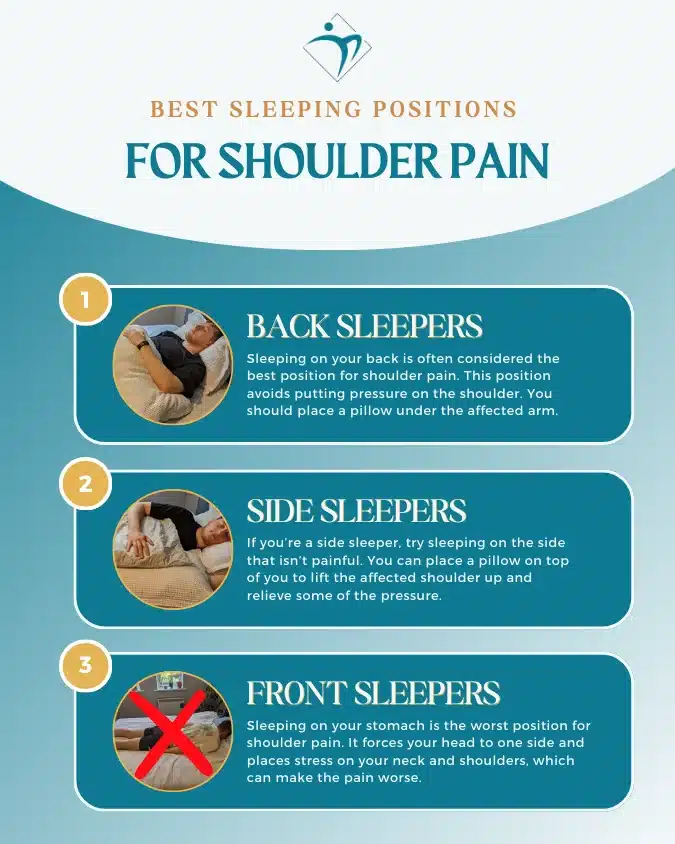
- Frequent tension headaches or muscle aches Poor sleep also amplifies existing physical discomfort, making conditions like chronic shoulder pain feel more intense and disruptive to rest.
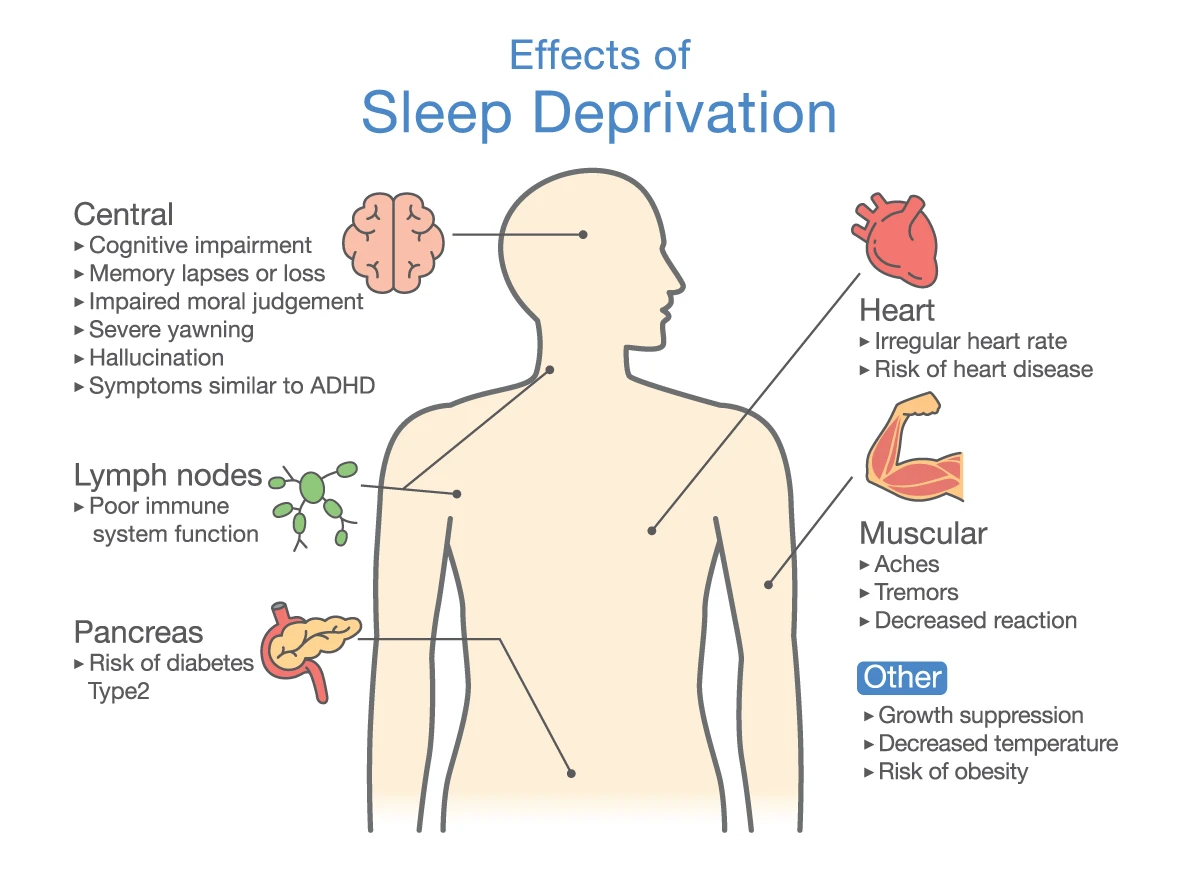
 This infographic breaks down the key physical systems disrupted by even short-term sleep loss.
Source: verywellhealth
This infographic breaks down the key physical systems disrupted by even short-term sleep loss.
Source: verywellhealth
Cognitive and Mental Health Impacts
The brain is one of the first organs affected by sleep loss, with effects ranging from mild fogginess to severe emotional dysregulation:
- Impaired brain waste clearance: The glymphatic system, the brain’s dedicated waste clearance pathway, only operates during deep sleep. When deep sleep is disrupted, toxic metabolic waste like amyloid beta and tau proteins (linked to Alzheimer’s disease) builds up, leading to immediate brain fog and long-term cognitive risk.
- Cognitive impairment: Reaction time is impaired to the same degree as a .05 blood alcohol level after 17 hours of wakefulness, per CDC data, making drowsy driving as dangerous as drunk driving. Short-term memory lapses, reduced focus, slower decision-making, and impaired learning are common after just one night of short sleep, because memory consolidation occurs during REM and deep sleep stages.
- Mental health disruption: The amygdala, the brain’s emotion center, is up to 60% more reactive to negative stimuli after sleep loss, leading to increased irritability, anxiety, and low mood. Chronic poor sleep doubles the risk of developing clinical depression and anxiety disorders, per American Psychological Association research.
Key cognitive and emotional effects of poor sleep include:
- Short-term memory lapses and difficulty retaining new information
- Reduced focus and increased distractibility
- Slower reaction times and impaired judgment
- Heightened emotional reactivity and irritability
- Increased risk of anxiety, depression, and mood disorders with long-term sleep loss
- Reduced ability to solve complex problems or think creatively
In my 10 years covering sleep health for consumer publications, I’ve seen thousands of readers reverse cognitive impairments with consistent sleep improvements. I once pulled three consecutive all-nighters to finish a client project early in my career, and made a critical error in a budget report that cost the client thousands. A single night of 8 hours of sleep fixed my focus far more effectively than the three extra cups of coffee I drank each morning.
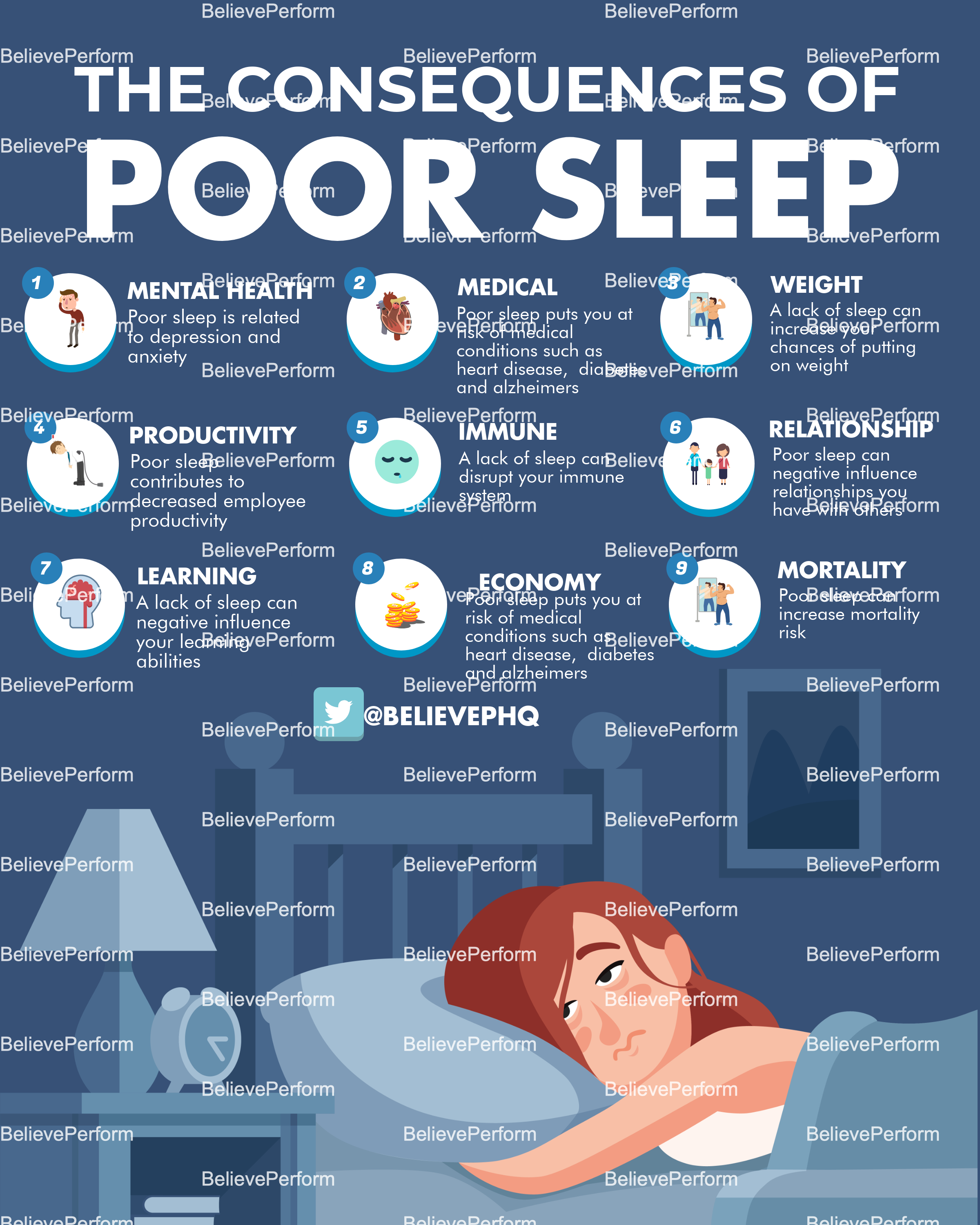 This diagram outlines the range of cognitive impairments linked to both acute and chronic sleep loss.
Source: believeperform
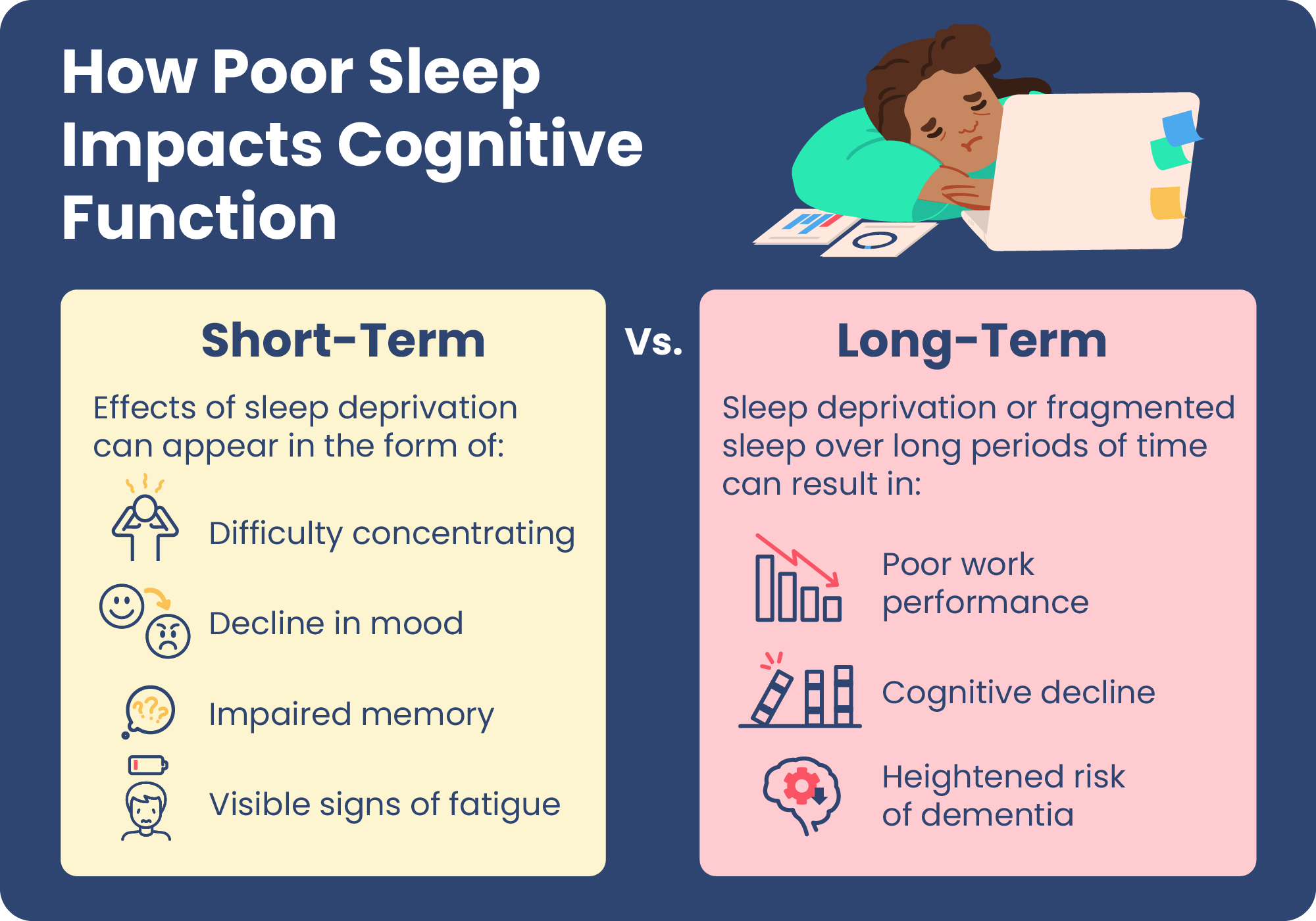
This diagram outlines the range of cognitive impairments linked to both acute and chronic sleep loss.
Source: believeperform
Long-Term Chronic Health Risks
While acute sleep loss effects are mostly reversible, chronic poor sleep (regularly <7 hours per night for 6+ months) leads to cumulative harm that raises long-term disease risk. Persistent elevated cortisol and inflammation markers damage blood vessels over time, leading to a 48% higher risk of coronary heart disease and 15% higher risk of stroke, per large-scale meta-analyses. Other well-documented long-term risks include:
- 1.5x higher risk of Alzheimer’s disease and other dementias, linked to impaired glymphatic clearance of toxic brain proteins over time
- Elevated risk of certain cancers, including colorectal and breast cancer; the International Agency for Research on Cancer classifies chronic circadian disruption (common in shift workers) as a probable carcinogen
- Higher risk of obesity and metabolic syndrome, driven by persistent hunger hormone disruption and reduced physical activity from fatigue
- Chronic systemic inflammation that damages organs and joints over time, worsening conditions like arthritis and autoimmune disorders
- Impaired insulin sensitivity: research shows that 5 consecutive nights of 4 hours of sleep per night reduces insulin sensitivity by 20–30% in otherwise healthy adults, a change that mimics early prediabetes.
These risks are not inevitable: reversing chronic poor sleep can lower inflammation markers and improve metabolic function within 2–4 weeks, per clinical trials.
 This graphic visualizes the long-term chronic conditions tied to consistent sleep deprivation.
Source: healthline
This graphic visualizes the long-term chronic conditions tied to consistent sleep deprivation.
Source: healthline
Daily Life, Safety, and Performance Impacts
Poor sleep costs far more than personal health: it impacts safety, work performance, and relationships at a societal level. Drowsy driving causes an estimated 100,000 police-reported crashes and 1,500 deaths annually in the U.S., per NHTSA data, with impairment equivalent to a .08 blood alcohol level after 20 hours of wakefulness. In the workplace, sleep loss costs the U.S. economy an estimated $411 billion annually in lost productivity, per RAND Corporation research, due to reduced focus, more errors, and lower creativity. Social and personal impacts are equally significant: Poor sleep reduces empathy and increases interpersonal conflict, per 2024 research in the journal Sleep, leading to strained relationships with family, friends, and coworkers. Fatigue also reduces motivation to engage in hobbies, exercise, or social activities, creating a cycle of reduced quality of life.
Common practical impacts of poor sleep include:
- Lower work output, more frequent errors, and reduced problem-solving ability
- Higher risk of accidents while driving, operating machinery, or performing high-stakes tasks
- Strained personal and professional relationships from increased irritability and reduced emotional availability
- Reduced enjoyment of hobbies, social events, and physical activity
- Higher healthcare costs from more frequent illness and chronic condition management
A regular reader of mine once shared that they nearly caused a workplace accident after two nights of 4 hours of sleep while covering a colleague’s shift. That near-miss was the wake-up call they needed to prioritize sleep over extra overtime hours.
 This infographic from the Sleep Foundation details how sleep loss erodes daily productivity and safety.
Source: sleepfoundation
This infographic from the Sleep Foundation details how sleep loss erodes daily productivity and safety.
Source: sleepfoundation
Who Is Most Vulnerable to Sleep Deprivation Harms
While poor sleep harms everyone, some groups face higher risk due to schedule constraints, health conditions, or life circumstances:
- Shift workers and night-shift employees: Irregular schedules disrupt circadian rhythm, leading to a 40% higher risk of heart disease and metabolic disorders per occupational health research.
- New parents and caregivers: Broken, interrupted sleep is common for caregivers of infants or ill family members, leading to chronic sleep debt even if total time in bed seems adequate.
- Adolescents: Teen circadian rhythms shift later during puberty, meaning most need 8–10 hours of sleep but regularly get <8, raising risk of academic decline, mental health issues, and risky behavior.
- Older adults: Age-related changes to circadian rhythm and increased prevalence of sleep disorders like sleep apnea lead to lighter, more fragmented sleep, even with adequate time in bed.
- People with chronic illness, mental health conditions, or untreated sleep disorders: Conditions like chronic pain, depression, sleep apnea, and restless legs syndrome directly disrupt restorative sleep, leading to more severe effects even with 7+ hours in bed.
- People working long hours or under high stress: Chronic stress elevates cortisol, which makes it harder to fall and stay asleep, creating a cycle of sleep loss and elevated stress.
If you belong to one of these groups, small, targeted sleep improvements can still have an outsized impact on your health and daily function.
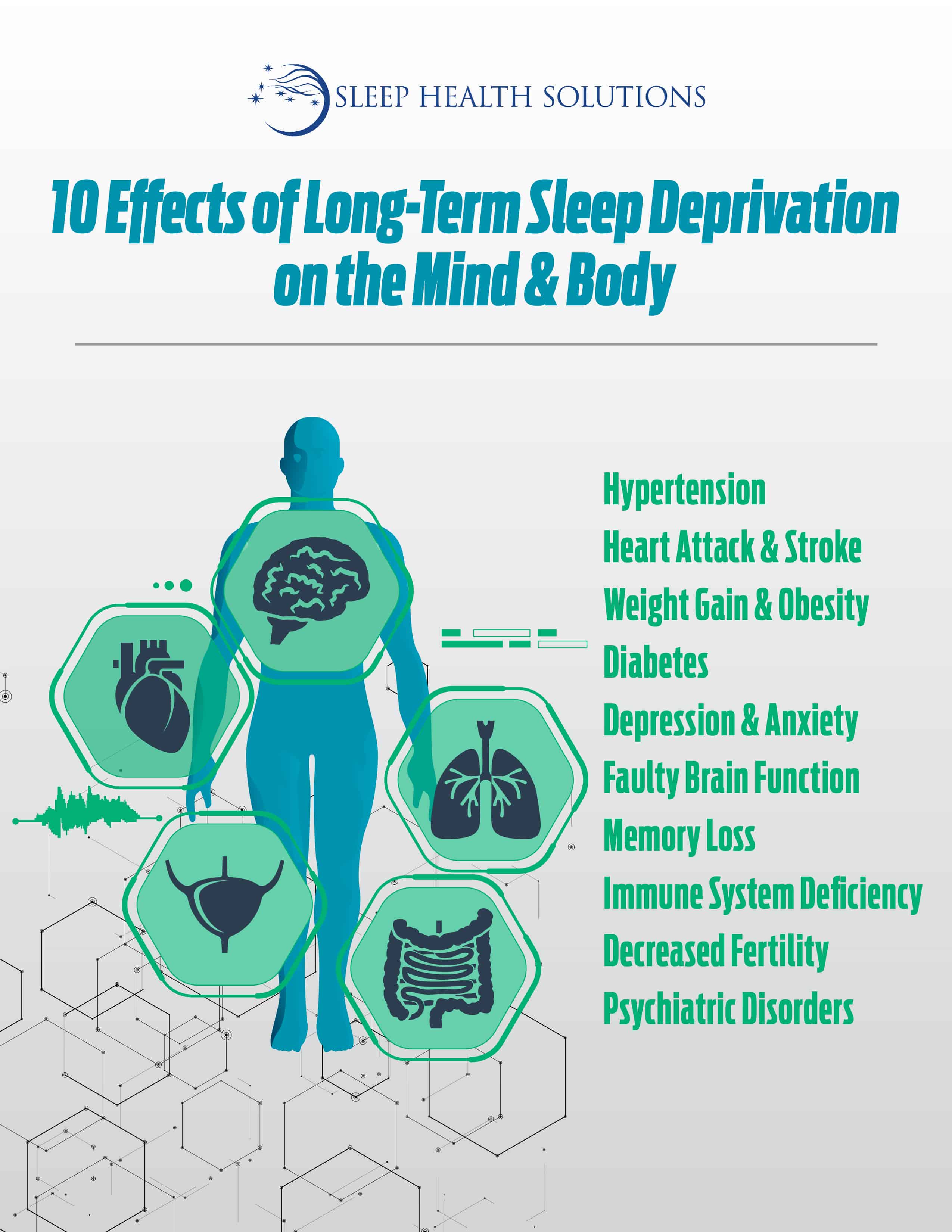 This chart highlights the demographic and occupational groups most likely to experience severe effects of poor sleep.
Source: sleephealthsolutionsohio
This chart highlights the demographic and occupational groups most likely to experience severe effects of poor sleep.
Source: sleephealthsolutionsohio
How to Assess If Poor Sleep Is Damaging Your Health
You don’t need a formal sleep study to identify poor sleep’s effects: simple tracking can reveal clear patterns.
- Keep a 2-week sleep diary: Note bedtime, wake time, number of nighttime awakenings, naps, daytime energy levels (1–10 scale), mood, and cravings. You can use a paper notebook or a validated sleep app to track patterns over time.
- Use the Epworth Sleepiness Scale: This 8-question validated tool measures your likelihood of dozing off in everyday situations (like sitting and reading or watching TV). A score of 10 or higher indicates excessive daytime sleepiness, a key sign of poor sleep quality.
Red flags that require a doctor’s visit include:
- Loud, chronic snoring that wakes you or your bed partner
- Gasping, choking, or pauses in breathing during sleep (signs of sleep apnea)
- Persistent daytime sleepiness even after 7+ hours of sleep
- Difficulty falling or staying asleep 3+ nights a week for 3+ months (signs of chronic insomnia)
- Sleepwalking, night terrors, or other disruptive sleep behaviors
Modern at-home sleep studies make diagnosis easier than ever, and most insurance plans cover testing for suspected sleep disorders. I used a simple sleep diary to identify that my 11pm bedtime was too early for my natural circadian rhythm, which caused me to lie awake for an hour each night. Shifting my bedtime to 12:30am and keeping a consistent 7:30am wake time added 45 minutes of deep sleep per night within a week.
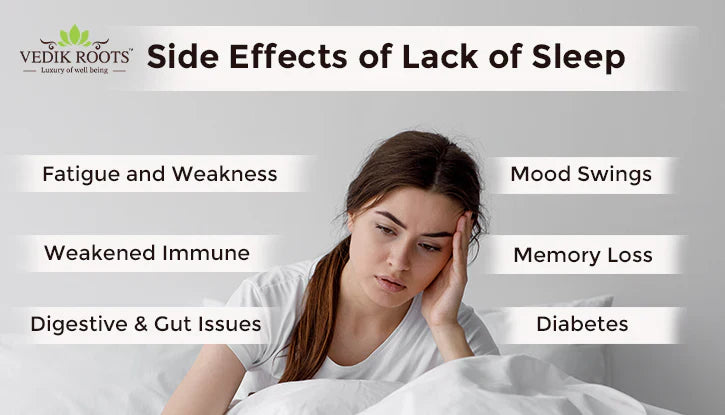 This guide outlines simple, no-cost steps to evaluate whether poor sleep is affecting your health.
Source: vedikroots
This guide outlines simple, no-cost steps to evaluate whether poor sleep is affecting your health.
Source: vedikroots
Evidence-Based Steps to Reverse Sleep-Related Harms
The good news is that most harms of poor sleep are reversible with consistent, small changes. Focus on three core areas: sleep timing, sleep environment, and pre-sleep habits. A common mistake people make is trying to fix sleep by going to bed earlier, but the most impactful change is a consistent wake time—even on weekends—within 30 minutes of your weekday wake time, to anchor your circadian rhythm. Aligning your body's natural sleep-wake cycle with regular timing reduces sleep onset time by an average of 20 minutes per night, per clinical sleep research.
Actionable, research-backed tips to improve sleep quality:
- Stick to a consistent sleep schedule: Go to bed and wake up at the same time every day, with no more than 30 minutes of variation on weekends. This regulates your body’s natural melatonin production and reduces nighttime awakenings.
- Optimize your bedroom environment: Keep the temperature between 60–67°F (15–19°C), per National Sleep Foundation bedroom environment guidance, and make the room as dark and quiet as possible. Use blackout curtains, a white noise machine, or a sleep mask if needed. A supportive, clean mattress topper also reduces discomfort that disrupts sleep: keep your mattress topper clean and supportive with regular washing, and restore fluffiness to an old topper if it’s flattened over time. Regularly maintain a hygienic sleep surface by washing your mattress protector monthly to reduce allergens that can disrupt sleep.
- Limit screen and light exposure 1 hour before bed: Blue light from phones, laptops, and TVs suppresses melatonin production by up to 50%, per Harvard Health research. Use blue light filters on devices after 8pm if you must use them, but avoid screens entirely in the hour before bed if possible. If you sleep with wet hair, avoid discomfort from wet hair while sleeping by letting it dry fully before bed or using a silk bonnet, as damp hair can cause scalp irritation and disrupt sleep quality. For styled hair, protect styled hair while resting with a silk pillowcase or bonnet to avoid friction and sleep disruption.
- Avoid sleep-disrupting substances in the afternoon and evening: Caffeine has a 6-hour half-life, so a 3pm coffee will still have 50% of its caffeine in your system at 9pm, disrupting deep sleep. Avoid caffeine after 2pm. Alcohol may help you fall asleep, but it disrupts REM sleep and causes frequent awakenings, leading to grogginess even after 8 hours of sleep.
- Build a short, consistent pre-sleep routine: 10–20 minutes of low-stimulation activity like reading, light stretching, or deep breathing signals to your body that it’s time to wind down. Avoid intense exercise, work, or stressful conversations in the hour before bed.
- Use short, strategic naps only: If you need a nap, limit it to 20–30 minutes before 3pm. Longer or later naps disrupt nighttime sleep drive and cause sleep inertia (grogginess upon waking).
- Address sleep disruptors early: If you snore loudly, gasp for air at night, or have persistent insomnia, seek help from a sleep specialist. Modern at-home sleep studies make diagnosis easier than ever, and treatments like CPAP for sleep apnea are 90% effective for mild to moderate cases.
For more guidance on cutting unnecessary middle-of-the-night wakeups and building a sustainable sleep routine, explore our full library of sleep health resources.
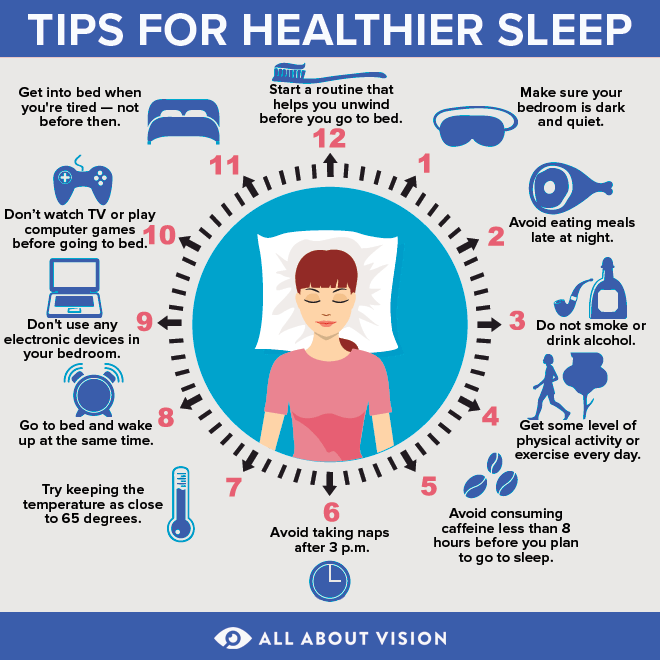 This checklist summarizes the most impactful, research-backed changes to improve sleep quality.
Source: allaboutvision
This checklist summarizes the most impactful, research-backed changes to improve sleep quality.
Source: allaboutvision
Frequently Asked Questions
How soon do the effects of poor sleep appear?
Most effects appear within 24 hours of short sleep. You may feel foggy, irritable, and less focused the next day, with elevated blood pressure and increased hunger detectable after just 1–2 nights of <6 hours of sleep.
Can poor sleep cause weight gain?
Yes. Poor sleep disrupts the balance of hunger and satiety hormones, leading to increased cravings for high-calorie, high-sugar foods and reduced motivation for physical activity. Over time, this can lead to weight gain and metabolic dysfunction.
Is it true that you can “catch up” on sleep on weekends?
Catching up on weekends can reduce short-term fatigue, but it does not fully reverse the harms of chronic weekday sleep loss. Large weekend sleep-ins also disrupt your circadian rhythm, making it harder to fall asleep on Sunday nights and leading to worse fatigue the following week. Consistent sleep timing, even on weekends, is far more beneficial for long-term health.
How long does it take to reverse the effects of poor sleep?
Most people see improvements in mood, energy, and focus within 3–7 days of consistent, sufficient sleep. Inflammation markers and metabolic changes can start to reverse within 2–4 weeks, while long-term risks like elevated dementia risk require sustained, long-term sleep improvements to fully mitigate.
When should I see a doctor for sleep problems?
See a doctor if you experience loud chronic snoring, gasping for air at night, persistent daytime sleepiness even after 7+ hours of sleep, or difficulty sleeping 3+ nights a week for 3+ months. These can be signs of an underlying sleep disorder or medical condition that requires treatment.
Will sleep medications fix the effects of poor sleep?
Over-the-counter and prescription sleep medications can help with short-term insomnia, but they do not address the underlying causes of poor sleep (like circadian disruption or poor sleep habits) and can lead to dependency with long-term use. Behavioral changes and cognitive behavioral therapy for insomnia (CBT-I) are more effective for long-term, sustainable sleep improvements.
Can poor sleep cause permanent brain damage?
Occasional short-term sleep loss does not cause permanent brain damage. However, chronic poor sleep over decades is linked to accelerated cognitive decline and a 1.5x higher risk of Alzheimer’s and other dementias, due to impaired clearance of toxic brain proteins during deep sleep. These risks are largely reversible if chronic sleep loss is addressed earlier in life.
 This FAQ graphic answers the most common questions about the effects of poor sleep and how to address them.
Source: aurorahealthcare
This FAQ graphic answers the most common questions about the effects of poor sleep and how to address them.
Source: aurorahealthcare
Conclusion
Poor sleep is not just a minor inconvenience—it is a widespread public health issue that harms every system in the body, from immediate hormone disruption and cognitive impairment to long-term elevated risk of chronic disease, accidents, and mental health disorders. The harms accumulate quickly, but the good news is that they are largely reversible with consistent, evidence-based changes. Start small: prioritize a consistent wake time, optimize your bedroom environment, and cut afternoon caffeine to see improvements in energy and mood within days. If you experience persistent sleep issues or red flags like loud snoring or daytime sleepiness, reach out to a sleep specialist for evaluation. For more guidance on sleep hygiene, circadian rhythm alignment, and fixing common sleep disruptors, explore our full library of sleep health resources.

Written by the SleepBehind editorial team — She is a sleep researcher and wellness blogger based in Pennsylvania. Passionate about helping people optimize their sleep.