
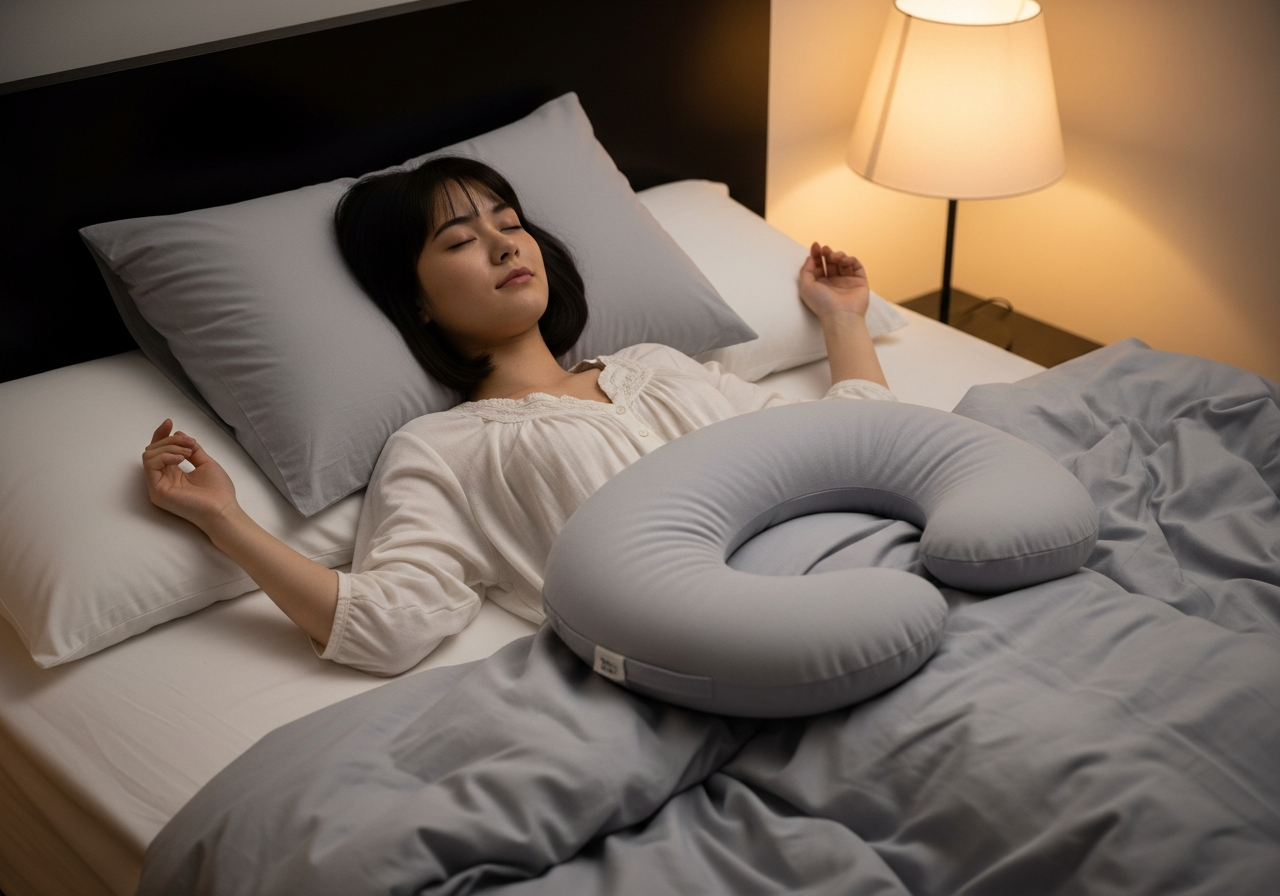
Recovering from breast reduction surgery means balancing incision protection, swelling management, and actual rest—no small feat when your chest is sore and your usual sleep positions are off-limits. This guide aligns with evidence-aligned post-operative care standards from leading plastic surgery organizations to help you rest safely while protecting your healing results. We’ll walk through stage-appropriate positions, supportive gear, pain management tips, and red flags to watch for, all designed to help you get the rest you need without risking complications.
 Source: centreforsurgery
A visual guide to how your sleep routine will evolve over the first 8 weeks of recovery.
Source: centreforsurgery
A visual guide to how your sleep routine will evolve over the first 8 weeks of recovery.
Postoperative Sleep Timeline: What to Expect Week by Week
Your sleep routine will shift dramatically as your body heals, and following a stage-appropriate plan reduces strain on your incisions and minimizes swelling. While exact timelines vary based on the extent of your reduction, personal healing speed, and any additional procedures (such as a breast lift or liposuction), most patients follow a general progression:
- 0–72 hours post-surgery: This is the most challenging phase for rest. You’ll likely have surgical drains in place, and even small movements can cause discomfort. Stick to fully supine (back) sleeping with your upper body elevated 30–45 degrees to reduce pressure on your chest and promote lymphatic drainage to cut swelling. Keep all essential items (water, medication, phone) within arm’s reach to avoid twisting or reaching across your body.
- Weeks 1–2: Pain and swelling will start to subside, but you’ll still need to wear your surgical compression bra 24/7, including while sleeping. Continue back sleeping with elevation, and do gentle in-bed leg stretches before bed to release lower back stiffness from lying flat. Avoid any movement that tugs at your incisions, including rolling over in your sleep.
- Weeks 3–6: You may start to feel comfortable adjusting your position slightly, but do not switch to side or stomach sleeping without explicit clearance from your surgeon. If you get the go-ahead to test side-lying, only do so on your non-surgical side, with a pillow between your knees and a small folded pillow under your surgical side to keep it elevated.
- Weeks 6+: Most patients are cleared to return to their usual sleep positions 6–8 weeks after surgery, once incisions are fully healed and swelling has resolved. Listen to your body: if a position causes discomfort, revert to back sleeping for a few more days.
Planning your recovery space ahead of surgery, including adjusting your sleep surface for easy access, can reduce stress in the first few days. You can also read our guide on surgical bra 1024×344.
Safe Sleep Positions After Breast Reduction (And What to Avoid)
Choosing the right sleep position is the foundation of comfortable, safe recovery. The goal of every position is to eliminate direct pressure on your chest incisions, reduce swelling, and avoid tugging at healing tissue. Below are the only safe options in early recovery, plus positions to avoid entirely:
Recommended Safe Positions
- Fully supine with 30–45 degree elevation: This is the gold standard for the first 2–4 weeks. Elevating your upper body reduces hydrostatic pressure on your chest, which minimizes swelling and prevents fluid buildup around incisions. A memory foam wedge pillow is ideal here, as it holds its shape overnight unlike stacked regular pillows that shift and flatten.
- Reclined chair or zero-gravity recliner: If getting in and out of bed is too painful in the first 48–72 hours, sleeping in a recliner is a safe alternative. It keeps your upper body elevated without requiring you to roll or strain to get settled. Opt for a zero-gravity model if possible, as it aligns your spine and prevents you from sliding down overnight, which can twist your torso.
- Modified side-lying (post-surgeon clearance only): Once your surgeon confirms your incisions are stable, you can transition to sleeping on your non-surgical side. Tuck a full-length body pillow between your knees to align your hips, and drape your arm over it to keep your upper body from rolling toward the surgical side. Place a small, soft pillow under your surgical breast to lift it slightly off the mattress and eliminate pressure.
Positions to Avoid
- Stomach sleeping: This is a hard no for the first 6–8 weeks minimum. Lying on your stomach puts direct, uneven pressure on your chest, which can tug at internal sutures, disrupt scar healing, and cause significant pain. Even after clearance, avoid stomach sleeping for the first 3 months to protect your results.
- Unelevated back sleeping: Propping your head with just one regular pillow can cause you to hunch, putting strain on your chest and neck muscles, and reducing the swelling-reducing benefits of elevation.
A common mistake patients make is trying to sleep on their side early to get comfortable, but this can tug at internal sutures and increase swelling. Always wait for your surgeon’s explicit clearance before adjusting your position.
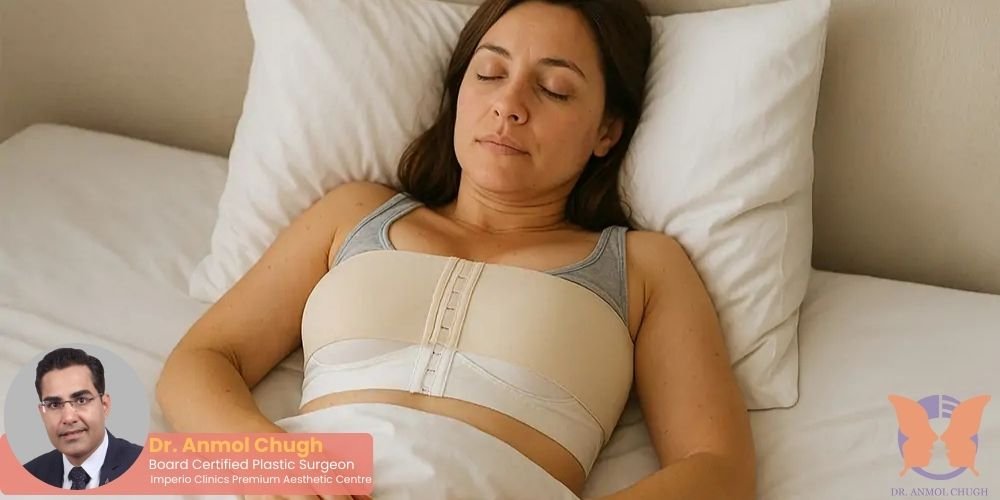 Source: dranmolchugh
Illustration of recommended back-sleeping positions and positions to avoid during early recovery.
Source: dranmolchugh
Illustration of recommended back-sleeping positions and positions to avoid during early recovery.
Essential Support Gear for Comfortable, Safe Recovery
The right gear eliminates many of the discomforts of post-op sleep, making it easier to stick to safe positions and protect your incisions. Focus on these evidence-backed items:
- Surgical compression bra: Unlike a regular sports bra, this is designed to minimize breast movement, support healing tissue, and reduce swelling. Wear it 24/7 (including sleep) for the first 2–4 weeks unless your surgeon says otherwise. Look for a front-closure design, so you don’t have to reach behind your back to adjust it, which can strain your incisions. If your surgical team doesn’t provide one, shop highly rated post-op options that are designed for comfort during sleep.
- Wedge or incline pillow: Aim for a pillow that provides a 20–45 degree incline, the sweet spot for reducing chest pressure without being so steep you slide down overnight. Memory foam wedges hold their shape better than cheaper foam inserts that flatten after a few nights.
- Full-length body pillow: A U-shaped or J-shaped body pillow is ideal for the side-sleeping transition. Tuck it between your knees to align your hips, and drape your arm over it to keep your upper body from rolling toward the surgical side.
- Soft cold therapy packs: Use a flexible gel pack wrapped in a thin cloth (never apply directly to skin) for 15–20 minutes before bed to reduce swelling and ease discomfort. Avoid leaving cold packs on overnight, as prolonged cold exposure can damage tissue.
- Seamless, breathable sleepwear: Loose cotton or bamboo shirts and shorts avoid rubbing against incision sites, and seamless options won’t catch on sutures. Opt for loose, seamless options to avoid rubbing against incisions, especially when paired with gentle bedding care to reduce irritation.
Test all gear 1–2 weeks before surgery, so you know how it fits and can adjust it without straining your healing body after your procedure. You can also read our guide on morning habits for good sleep.
 Source: Amazon
A well-fitted surgical bra minimizes movement and supports healing tissue during sleep.
Source: Amazon
A well-fitted surgical bra minimizes movement and supports healing tissue during sleep.
Pain Management and Breathing Safety for Uninterrupted Sleep
Good pain control is non-negotiable for restful recovery: if you’re in pain, you’ll toss and turn, putting unnecessary strain on your incisions and slowing healing. Follow these safety-first tips to manage discomfort without risking complications:
- Take pain medication on a schedule: Don’t wait until pain is severe to take your meds. Taking acetaminophen or prescribed NSAIDs every 4–6 hours for the first 3–5 days keeps pain levels low enough that you don’t shift excessively in your sleep. If you’re prescribed opioids, take them exactly as directed, and never combine them with alcohol or over-the-counter sedating antihistamines, as this can slow your breathing.
- Practice calming breathing exercises: 5 minutes of slow, diaphragmatic breathing before bed reduces tension in your chest and helps you fall asleep faster. Inhale for 4 counts, hold for 4, exhale for 6, and repeat.
- Prioritize gentle daytime movement: Short, slow 5–10 minute walks around the house each day improve circulation, reduce stiffness, and lower swelling, making it easier to get comfortable at night. A common mistake patients make is skipping movement out of fear of straining themselves, but this actually leads to more stiffness and worse sleep.
- Disclose sleep apnea to your surgeon ahead of time: If you have diagnosed sleep apnea, notify your surgical team well in advance of your procedure. They may adjust your CPAP settings or recommend a mask that doesn’t press on your chest, per NHLBI guidance for surgical patients. Untreated sleep apnea increases the risk of post-op breathing complications, so this step is critical for safe recovery.
Avoid alcohol and over-the-counter sedating antihistamines, as they can interact with pain medication and disrupt your rest patterns.
 Source: qcplasticsurgeons
Guidance for safe pain control and breathing support during recovery sleep.
Source: qcplasticsurgeons
Guidance for safe pain control and breathing support during recovery sleep.
Optimizing Your Sleep Environment for Faster Healing
Your bedroom setup can make or break your ability to rest comfortably during recovery. Small, intentional adjustments reduce disruptions and support your body’s healing process:
- Keep the room cool: Aim for a temperature between 60–67°F (15–19°C), the optimal range for sleep, which also constricts blood vessels slightly to reduce swelling.
- Eliminate light and noise: Use blackout curtains and a white noise machine if needed to avoid disruptions that make you roll over in your sleep. Even small movements can tug at incisions in the first few weeks.
- Keep essentials within arm’s reach: Place a glass of water, pain medication, and your phone on a bedside table at the height of your mattress, so you don’t have to twist or reach across your body to grab them.
- Stick to a wind-down routine: Avoid screens for 1 hour before bed, as blue light disrupts your circadian rhythm. Try gentle, surgeon-approved stretching, reading a physical book, or guided meditation to relax without putting pressure on your chest.
- Nap strategically: If you’re waking frequently at night, take 20–30 minute naps in the early afternoon to catch up on rest, but avoid napping after 3pm or in your bed. Daytime rest in a recliner or couch ensures your bed is only associated with nighttime sleep, which helps you fall asleep faster and maintain consistent nighttime rest even during recovery.
 Source: drjamesplasticsurgery
Simple adjustments to your bedroom can reduce swelling and improve sleep quality.
Source: drjamesplasticsurgery
Simple adjustments to your bedroom can reduce swelling and improve sleep quality.
Red Flags: When to Contact Your Surgical Team Immediately
Most discomfort after breast reduction is normal, but certain symptoms signal a complication that requires immediate attention. Contact your surgeon right away if you experience any of the following:
- Uncontrolled pain: Pain that doesn’t ease 30 minutes after taking prescribed medication, or that gets steadily worse each day instead of improving, is not a normal part of recovery.
- Incision issues: Increasing redness, warmth, thick yellow or green drainage, or a foul smell from your incisions are signs of infection.
- Systemic symptoms: Fever over 100.4°F (38°C), chills, or unexplained fatigue that doesn’t improve with rest.
- Respiratory or circulatory issues: Sudden shortness of breath, chest pain, or swelling in one calf (a potential sign of a blood clot).
- Unusual sensations: Sudden, severe numbness in your breasts or nipples, or a persistent feeling of pressure that doesn’t go away when you change positions.
If sleep is impossible due to severe pain or breathing trouble, go to urgent care instead of waiting for your surgeon’s office to open. It’s always better to get checked out and have it be a false alarm than ignore a serious complication. You can also read our guide on bedtime routine for better sleep.
 Source: creoclinic
Know the red flags that indicate a need for immediate medical attention during recovery.
Source: creoclinic
Know the red flags that indicate a need for immediate medical attention during recovery.
Frequently Asked Questions About Sleeping After Breast Reduction
How long do I need to sleep on my back after breast reduction?
Most surgeons recommend strict back sleeping for 2 to 4 weeks post-op, but this varies based on the extent of your reduction, your personal healing speed, and whether you had additional procedures (such as a breast lift or liposuction). Always follow your surgical team's specific timeline—they'll clear you for other positions when your incisions are sufficiently healed and swelling has gone down.
Can I sleep in a recliner after breast reduction?
Yes, a recliner is often the most comfortable option for the first 48–72 hours, especially if getting in and out of bed is too painful or puts strain on your incisions. Opt for a zero-gravity recliner if you have one, as it keeps your upper body elevated without causing you to slide down, which can twist your torso. Just make sure the recline angle isn’t so steep that it puts pressure on the back of your head or neck. You can also read our guide on weighted eye mask for sleeping review.
When can I start sleeping on my side after breast reduction?
Most patients are cleared for modified side-lying 4 to 6 weeks after surgery, but some may need to wait up to 8 weeks if healing is slower. Never switch to side sleeping before your surgeon gives you the go-ahead—rolling onto your side too early can tug at internal sutures, disrupt scar healing, and increase swelling. When you do transition, always lie on your non-surgical side, with pillows supporting your surgical side to keep it elevated and pressure-free, similar to how you would protect delicate hair while sleeping.
Will sleeping on my back affect the final shape of my breasts?
No. Long-term breast shape and scar appearance are determined by your surgical technique, your body's natural healing process, and how well you follow post-op care instructions (like wearing your compression bra as directed). Sleeping on your back for the first few weeks only protects your incisions from unnecessary pressure and tugging, which helps reduce scar tissue formation and ensures the best possible final result.
Can I wear a regular bra to bed after breast reduction?
No, not until your surgeon explicitly says it's safe. For the first 2–4 weeks, you'll need to wear the surgical compression bra provided by your surgical team 24/7, including while sleeping. Regular bras don't provide the necessary support to minimize breast movement, and underwires or seams can rub against incisions, causing irritation or disrupting healing. Once you're cleared, opt for a soft, wireless, seamless bra for sleep.
What can I do if I can't get comfortable sleeping on my back?
It's normal to feel restless in the first few nights. Try adjusting your wedge pillow to a slightly steeper or shallower angle to find what works for you. You can also place a small, soft pillow under your knees to reduce lower back strain from lying flat on your back. If you're still uncomfortable, talk to your surgeon—they may recommend a mild pain reliever 30 minutes before bed to help you settle. Avoid trying to sleep on your side or stomach to get comfortable, as that can cause complications.
Does sleeping on my back cause back pain during recovery?
Some patients experience mild lower back stiffness from lying on their back for extended periods, especially if they're used to side or stomach sleeping. To reduce this, place a small pillow under your knees to align your spine, and do gentle in-bed leg stretches (like sliding your heel down the mattress) before bed to release tension. Short walks during the day also improve circulation and reduce stiffness. If back pain is severe or doesn't improve with these adjustments, let your surgeon know, as they may adjust your pain medication plan. Avoid any movement that causes excess tension as you recover.
 Source: drjamesplasticsurgery
Answers to common questions about post-op sleep positions, gear, and timelines.
Source: drjamesplasticsurgery
Answers to common questions about post-op sleep positions, gear, and timelines.
Conclusion
Recovery from breast reduction takes time, but prioritizing rest with the right positions, supports, and pain management will help you heal faster and get better sleep each night. Follow your surgeon’s personalized guidance, be patient with your body’s timeline, and don’t hesitate to reach out to your care team if you have concerns. Start with one small adjustment tonight—whether that’s setting up your wedge pillow or testing a new sleep position—and build from there. If you have questions about your specific recovery, drop them in the comments below, and our team of sleep and recovery experts will weigh in.

Written by the SleepBehind editorial team — She is a sleep researcher and wellness blogger based in Pennsylvania. Passionate about helping people optimize their sleep.