
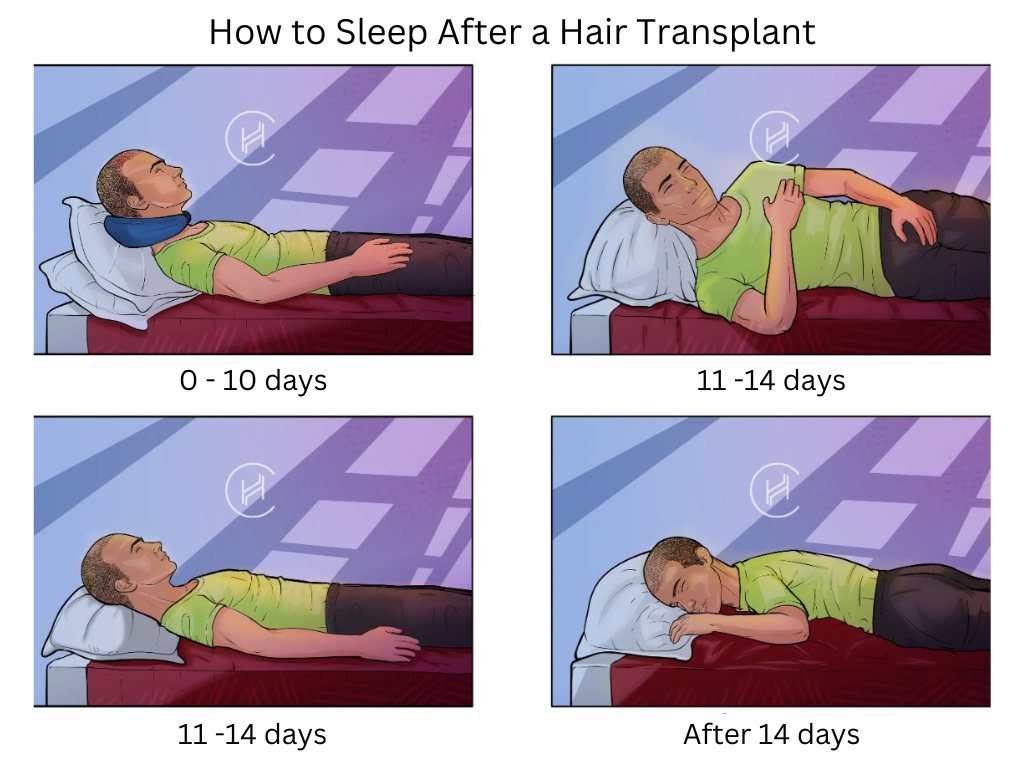
The first 1-2 weeks after a hair transplant are critical for graft survival, and your sleep habits are one of the most underrated factors in a smooth, successful recovery. Many patients are surprised by how much small adjustments to their sleep routine can reduce swelling, prevent graft displacement, and speed up healing. This 2026-updated guide outlines 7 evidence-based, surgeon-approved sleeping tips to help you rest safely and protect your results, even if you’re a chronic side or stomach sleeper.
Why Sleep Quality Directly Impacts Hair Transplant Outcomes
Sleep isn’t just rest for your body after surgery — it directly determines how well your new grafts take root and grow. When you sleep in an unsafe position, pressure on the scalp can dislodge newly implanted follicles, leading to uneven results or patchy growth. Poor sleep also disrupts your body’s inflammatory response, increasing swelling around the forehead and eyes, which can stretch the scalp and put tension on grafts. According to the American Academy of Dermatology, proper post-operative care, including sleep positioning, is one of the most impactful factors in long-term graft survival and natural-looking results. In practice, patients who follow sleep guidelines consistently report less post-op discomfort and faster healing times than those who skip these steps. Sleep position also impacts hair follicle health more broadly, whether you’re recovering from a transplant or trying to protect your style overnight. You can also read our guide on morning habits for good sleep.
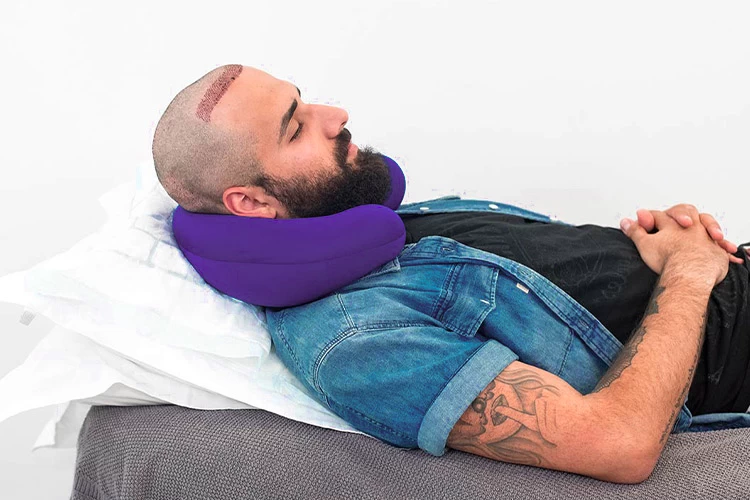 Post-operative care guidance from a board-certified hair restoration surgeon
Source: raadinahealth
Post-operative care guidance from a board-certified hair restoration surgeon
Source: raadinahealth
7 Safe Sleeping Tips for the First 2 Weeks
These tips are designed to minimize graft risk, reduce swelling, and help you get restful sleep even when your routine is disrupted. Follow them for the first 7-10 days post-op, or as long as your surgeon recommends.
1. Sleep exclusively on your back for the first 7-10 days
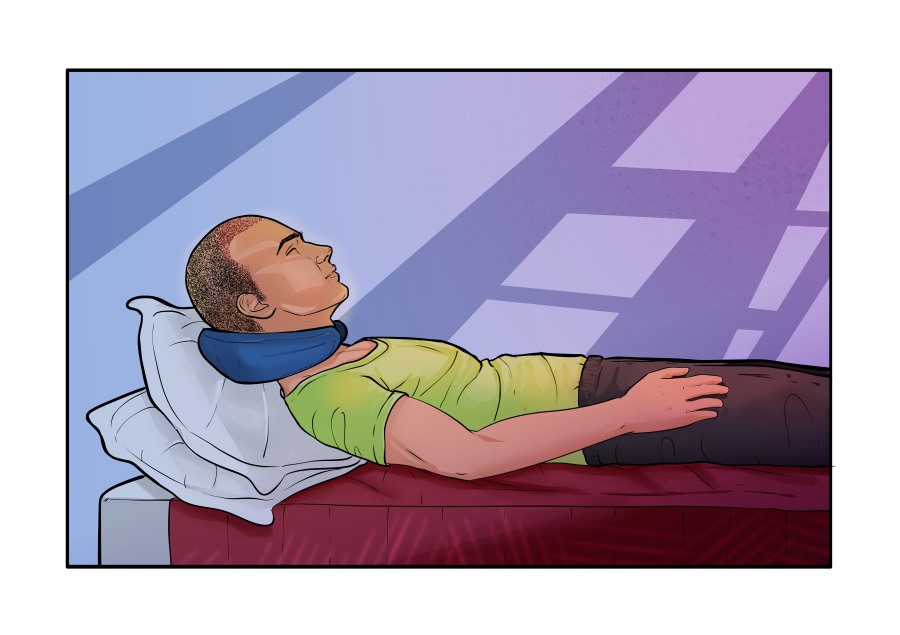
Back sleeping (the supine position) is the only safe sleep position for the first week after a hair transplant. Sleeping on your side or stomach puts direct pressure on the graft and donor sites, which can dislodge follicles or cause bleeding. A common mistake patients make is assuming they can prop themselves up on their side with pillows for comfort — even this slight angle creates enough pressure to damage new grafts. If you’re a chronic side sleeper, don’t rely on willpower alone to stay on your back: use physical barriers (see tip 4) to prevent rolling. You can also read our guide on what is circadian rhythm sleep wake disorder.
2. Elevate your head 30-45 degrees for 3-7 days
Elevating your head above heart level reduces fluid pooling in the scalp and face, cutting down on periorbital and forehead swelling during the peak 48-72 hour post-op window. The most reliable way to achieve this angle is with a firm wedge pillow, which won’t shift during the night like stacked regular pillows. If you have pre-existing neck or back pain, a recliner with adjustable incline is a great alternative, as it provides the same elevation with extra lumbar support. Avoid using multiple soft pillows, as they will compress overnight and leave your head flat, increasing swelling risk.
3. Use supportive, pressure-free pillows only
Donut pillows, which are designed to relieve pressure on specific body parts, are not recommended for hair transplant recovery: they create concentrated pressure points around the graft site that can dislodge follicles. Instead, use a flat wedge pillow for elevation, and add a thin, soft pillow under your neck for cervical support if needed. If your donor area (the back of the head where follicles are extracted) is tender, place a folded thin towel under your shoulders to slightly lift the back of your head, taking pressure off the extraction site.
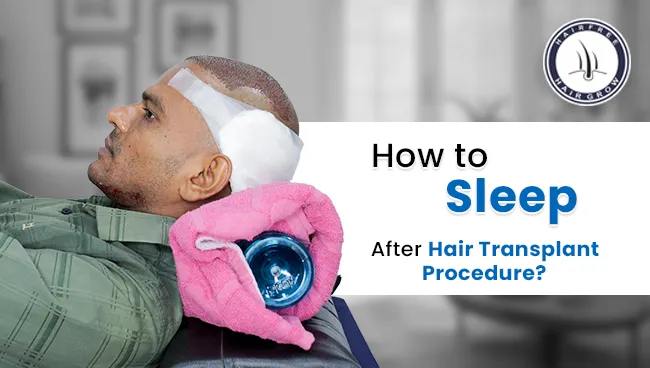 A 30-45 degree wedge pillow is the most reliable option for first-night elevation
Source: hairfreehairgrow
A 30-45 degree wedge pillow is the most reliable option for first-night elevation
Source: hairfreehairgrow
4. Secure your position to avoid accidental rolling
Most people roll over 10-15 times per night without realizing it, especially when sleep is disrupted by post-op discomfort. To prevent accidental side or stomach sleeping, place two firm body pillows on either side of your body, and tuck a rolled towel under your back for extra support. If you’re a particularly restless sleeper, ask your surgeon about a surgeon-approved sleep positioner strap that gently keeps you on your back. Taping a visual reminder to your bedside table or headboard can also help you stay mindful of your position if you wake up during the night.
5. Follow a gentle pre-bed scalp care routine
Your pre-bed scalp routine should mirror the gentle care you’d use for gentle overnight hair care for wet hair, but with surgeon-approved products only. 30 minutes before bed, apply the saline solution or antimicrobial spray your clinic prescribed with a gentle dabbing motion — never rub, scratch, or scrub the graft or donor site. Keeping grafts moist reduces scab formation and itching, which lowers the risk of you scratching the area in your sleep. Avoid all heavy hair oils, serums, or styling products unless your surgeon explicitly approves them, as they can clog the scalp and impair healing.
6. Optimize your sleep environment for healing
Small adjustments to your bedroom can reduce swelling and improve sleep quality without putting grafts at risk. Keep your room temperature between 65-68°F (18-20°C), as heat increases inflammation and sweating, which can irritate the scalp. Use blackout curtains to block excess light, which disrupts melatonin production and can increase inflammatory responses. For the first 2 weeks, avoid sleeping in humid or steamy rooms (like a bathroom attached to a shower) to reduce excess moisture on the scalp. If you experience swelling before bed, apply a cold compress wrapped in a thin cloth to your forehead and around your eyes for 10-15 minutes — never place cold directly on the graft or donor site, as this can damage fragile follicles.
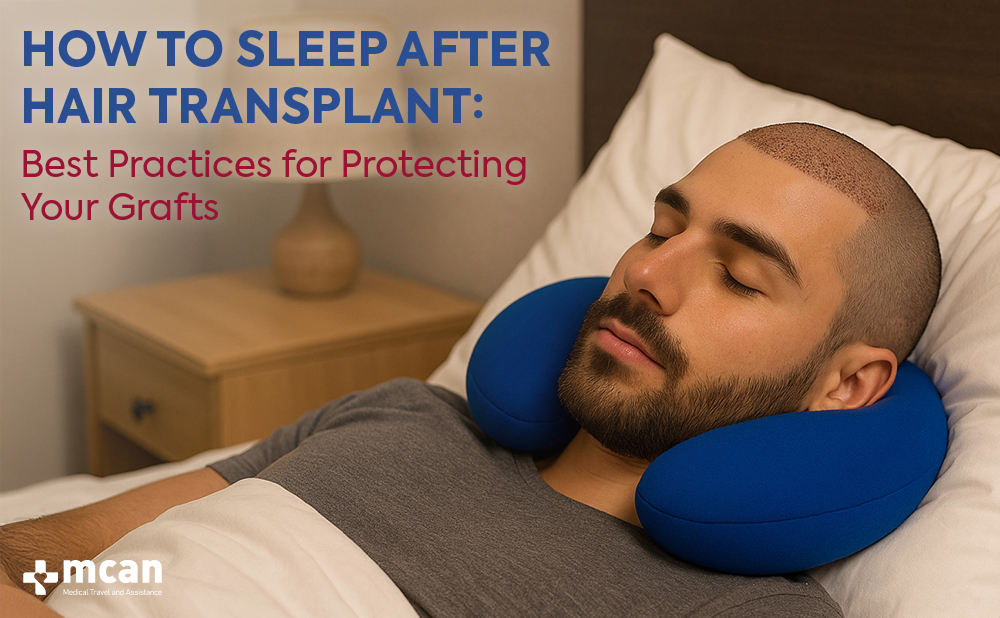 Back sleeping with elevation is the only recommended position for the first 7-10 days
Source: mcanhealth
Back sleeping with elevation is the only recommended position for the first 7-10 days
Source: mcanhealth
7. Stick to prescribed medications and avoid impairing substances
Take all post-op pain medication and any prescribed sleep aids exactly as directed by your surgeon — don’t skip doses to avoid side effects, as uncontrolled pain will disrupt your sleep and increase the risk of accidental rolling. Avoid alcohol, nicotine, and caffeine for at least 72 hours post-op, as all three increase swelling, disrupt sleep cycles, and impair blood flow to the grafts. Never take over-the-counter sleep aids unless your surgeon approves them, as many contain ingredients that thin the blood and increase bleeding risk.
Post-Transplant Sleep Recovery Timeline
Healing timelines vary by patient, but most follow a general schedule that aligns with graft anchoring and swelling reduction:
- Days 1-3: Strict back sleeping with 30-45 degree elevation. Swelling peaks around day 2-3, and sleep may be disrupted by discomfort or mild pain. Stick to your medication schedule and use physical barriers to prevent rolling.
- Days 4-7: Swelling begins to subside. You may be able to reduce elevation slightly if your surgeon approves, but continue strict back sleeping.
- Days 7-14: Scabs begin to fall off naturally. Most patients can switch from a wedge pillow to a soft, flat pillow, and can ask their surgeon about reducing elevation further.
- Weeks 2-4: Grafts are fully anchored for most patients. You can return to side sleeping once your surgeon gives clearance, but avoid stomach sleeping for 4-6 weeks if you have long hair that could tug at new follicles.
- After 4 weeks: Normal sleep patterns resume for most patients. Continue to avoid rough rubbing or scratching of the scalp for 6-8 weeks total to support full healing.
The International Society of Hair Restoration Surgery notes that most patients can resume normal sleep positions within 2-4 weeks, provided scabs have fully healed and their surgeon has given clearance.
 Gentle, surgeon-approved saline spray keeps grafts moist and reduces itching overnight
Source: dentalhairclinicturkey
Gentle, surgeon-approved saline spray keeps grafts moist and reduces itching overnight
Source: dentalhairclinicturkey
Common Sleep Mistakes That Risk Graft Health
Even well-meaning patients can make avoidable mistakes that put their results at risk. Avoid these common errors:
- Skipping elevation because stacked regular pillows feel more comfortable: soft pillows compress overnight, leaving your head flat and increasing swelling.
- Letting pets or children sleep in the bed: accidental rolling or tugging at the scalp can dislodge grafts, even if you’re a still sleeper.
- Wearing tight headwear or bonnets to bed: even loose-looking hats can create pressure points on the graft site if they shift during the night.
- Ignoring mild neck or back pain: discomfort will cause you to roll over in your sleep to find a better position, putting grafts at risk. Talk to your surgeon about alternative setups like a recliner if you can’t tolerate a wedge pillow.
- Skipping pain medication to avoid side effects: uncontrolled pain disrupts sleep and increases the likelihood of accidental movement that damages grafts.
If you’re used to overnight hair protection habits like loose braids or silk pillowcases, you can resume these once your surgeon clears you, as long as they don’t put pressure on the scalp.
Signs You’re Sleeping Safely (And When to Call Your Clinic)
Monitor your scalp each morning to confirm your sleep routine is supporting healing, not harming it.
Good signs you’re sleeping correctly
- Minimal to no bleeding from the graft or donor site when you wake up
- Swelling decreases day over day, rather than worsening
- No sharp, worsening pain in the scalp, forehead, or donor area
- Grafts are intact, with no visible gaps or stray hairs on your pillow
Red flags that require immediate contact with your clinic
- Heavy bleeding that doesn’t stop with gentle pressure after 10 minutes
- Pus, foul discharge, or red streaks spreading from the scalp
- Sudden loss of multiple grafts (more than 1-2 stray hairs on your pillow)
- Swelling that impairs your vision or breathing
- Fever over 100.4°F (38°C)
Most clinics offer 24/7 post-op support for the first week, so don’t hesitate to reach out if you’re unsure about any symptoms. Minor dry or brittle hair from existing hair around the transplant site is normal and will resolve as your scalp heals.
 Monitor your scalp each morning for signs of proper healing or complications
Source: youtube
Monitor your scalp each morning for signs of proper healing or complications
Source: youtube
Frequently Asked Questions
Will sleeping upright damage my neck?
No. Short-term elevation supported by a wedge or recliner is safe and reduces swelling. Use proper neck support to avoid strain. If you have pre-existing cervical or back issues, opt for a recliner with adjustable lumbar support instead of a wedge to reduce discomfort.
How long should I sleep elevated after a hair transplant?
Most clinics recommend elevation for 3 to 7 days, sometimes up to 10 days if you experience significant swelling. Always follow your surgeon’s personalized advice, as swelling severity varies by patient and procedure type.
Can I use a hat to protect grafts while sleeping?
Only use a hat if your surgeon explicitly approves it. If allowed, choose a loose, breathable cotton cap that does not press on the graft or donor site. Avoid tight baseball caps, beanies, or helmets for the first 2 weeks.
Is it okay to take sleep medication after surgery?
Only take sleep aids prescribed or approved by your surgeon. Over-the-counter sleep medications can thin the blood, increase bleeding risk, and interact with post-op pain medications, so always check with your care team first.
When can I sleep on my side or stomach again?
Most patients can return to side sleeping 2-4 weeks after surgery, once scabs have fully fallen off and grafts are anchored. Stomach sleeping should be avoided for 4-6 weeks if you have long hair, as it can tug at the new follicles.
What should I do if I accidentally sleep on my side?
First, check your scalp for any bleeding, dislodged grafts, or increased swelling. Minor contact usually does not cause long-term damage if you return to back sleeping immediately. If you notice heavy bleeding, pus, or multiple missing grafts, contact your clinic right away for guidance.
Can I use a sleep mask after a hair transplant?
Yes, as long as the mask is soft, lightweight, and sits above your eyebrows without pressing on the graft or donor site. Avoid tight, weighted sleep masks that put pressure on your forehead.
Will sleeping on a wedge pillow cause long-term back pain?
Short-term use (1-2 weeks) is very unlikely to cause lasting discomfort. If you have pre-existing back pain, talk to your surgeon about using a recliner with adjustable support as an alternative, which provides the same elevation without straining your spine.
 Always clarify sleep guidelines with your surgical team for personalized advice
Source: avrupahairtransplant
Always clarify sleep guidelines with your surgical team for personalized advice
Source: avrupahairtransplant
Conclusion
Sleeping safely after a hair transplant is one of the simplest, most impactful steps you can take to protect your grafts, reduce swelling, and ensure the best possible long-term results. The first 7-10 days require strict back sleeping with elevation, pressure-free pillows, and a gentle pre-bed scalp care routine, but most patients can return to their normal sleep positions within 2-4 weeks with their surgeon’s clearance.
Small, consistent habits make a massive difference: set up your wedge pillow or recliner 2-3 days before your procedure, prepare your prescribed saline spray and loose sleepwear in advance, and clarify any questions with your surgical team during your pre-op consultation. For more evidence-based advice on protecting your hair health overnight, browse our hair and sleep guides.

Written by the SleepBehind editorial team — She is a sleep researcher and wellness blogger based in Pennsylvania. Passionate about helping people optimize their sleep.