Waking up at 2 a.m. with a throbbing toothache that feels worse the second you lay flat is a uniquely miserable experience. Lying down increases blood flow to your head, amplifying pain signals from inflamed dental pulp, while the quiet of the night leaves you with nothing to distract from the ache. These 10 evidence-based, dentist-approved tips will help you manage pain fast enough to fall asleep tonight, plus clear guidance on when to seek professional care to stop the pain for good. All guidance is aligned with current dental association recommendations and tested for safety for most adults.
 Lying flat increases blood flow to the head, amplifying toothache pain at night.
Why Toothaches Worsen At Night
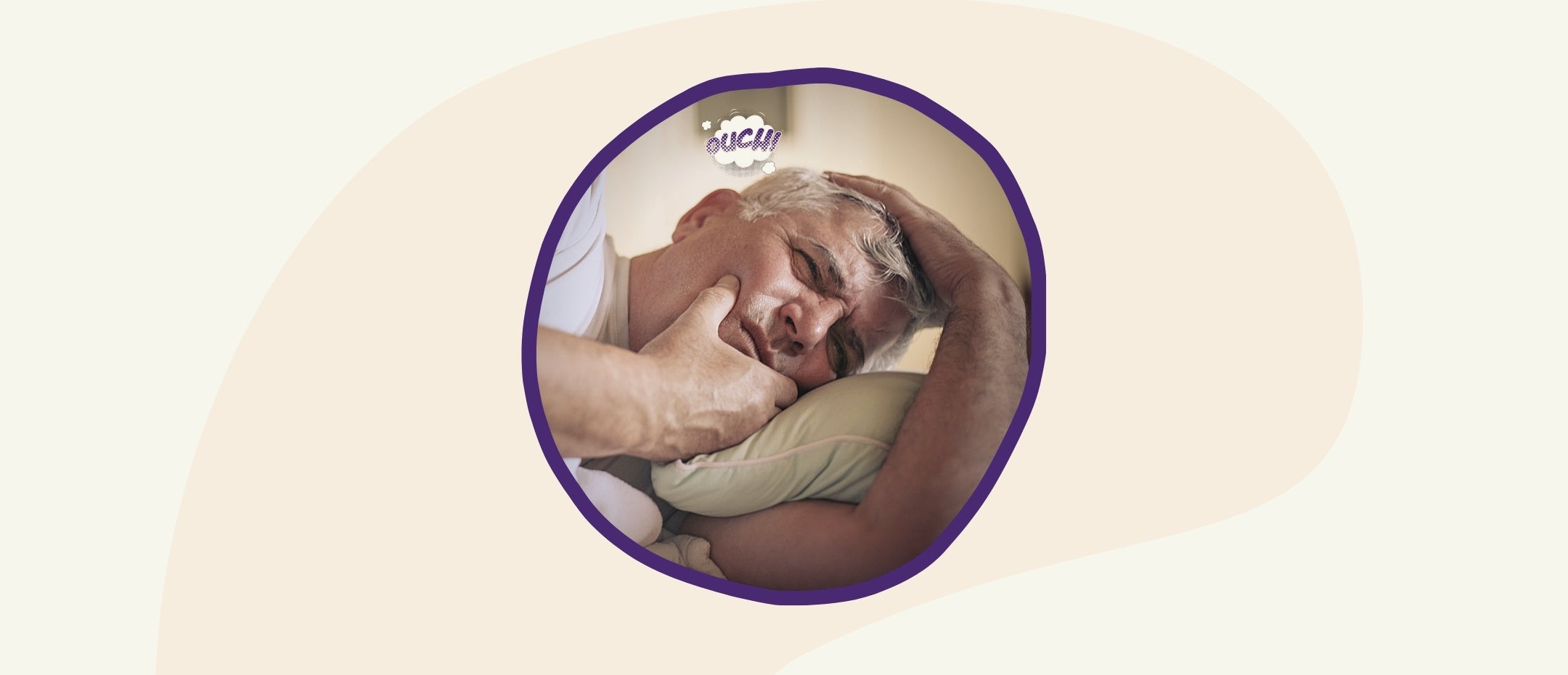
Tooth pain feels exponentially more intense at bedtime for two key reasons. First, shifting from an upright to supine position raises venous pressure in the head, which boosts blood flow to inflamed dental pulp and amplifies pain signaling. Second, the lack of daytime distractions means your brain focuses exclusively on uncomfortable sensations, triggering anxiety that lowers your overall pain threshold. Nighttime flare-ups are most often caused by untreated cavities, cracked teeth, gum inflammation, early-stage abscesses, or irritation from recent dental work. Understanding this mechanism makes it easier to target relief that works with your body’s natural rhythms, not against them. You can also read our guide on how to sleep without neck pain.
 Gather your pre-bed pain relief supplies ahead of time to avoid fumbling when pain strikes.
10 Evidence-Based Tips To Sleep With Toothache Tonight
Each tip is designed to work quickly, with minimal risk when used as directed. For best results, combine 2-3 complementary tips (e.g., salt rinse + OTC pain meds + head elevation) for layered relief.
1. Rinse With Warm Salt Water First
Mix 1/2 teaspoon of non-iodized salt in 8 ounces of warm (not hot) water, swish gently around the sore area for 30 seconds, then spit. Do not swallow the solution. This simple step reduces inflammation, cleans out food debris and bacteria from around the tooth, and lowers overall irritation in the gum tissue. For best results, do this rinse 15-20 minutes before bed, after brushing your teeth. You can also read our guide on sleep anxiety.
2. Apply A Cold Compress Correctly
Wrap an ice pack or bag of frozen peas in a thin cloth, then hold it against the outside of your cheek over the sore area for 10 minutes on, 10 minutes off. This numbs nerve endings and reduces swelling for the first 24-48 hours of acute pain. Never apply ice directly to your skin, as this can cause frostbite, and avoid heat on swollen areas for the first 48 hours, as heat increases blood flow and worsens inflammation.
3. Use OTC Pain Relievers As Directed
For most adults, ibuprofen (200-400mg every 6-8 hours, max 1200mg in 24 hours without doctor guidance) or acetaminophen (500-1000mg every 4-6 hours, max 3000mg in 24 hours) are safe, effective first-line options. Ibuprofen works best for pain tied to inflammation, while acetaminophen is a good option if you have stomach sensitivity. Never place aspirin, acetaminophen, or other pain pills directly on your gums or inside a cavity: the acidic texture can cause chemical burns to oral tissue, worsening pain and irritation. If you take other medications or have liver, kidney, or stomach conditions, consult your healthcare provider before use, and reference FDA guidance on safe OTC pain reliever use for full dosing safety rules.
4. Apply Clove Oil Sparingly For Temporary Numbing
Clove oil contains eugenol, a natural compound with mild, clinically documented analgesic properties. Dab 1-2 drops on a clean cotton swab, hold it against the sore tooth or surrounding gum for 1-2 minutes, then remove. Do not swallow the oil, and discontinue use immediately if you feel burning or irritation. Avoid use on children under 2, or if you are pregnant, without first consulting your doctor.
5. Elevate Your Head While Sleeping
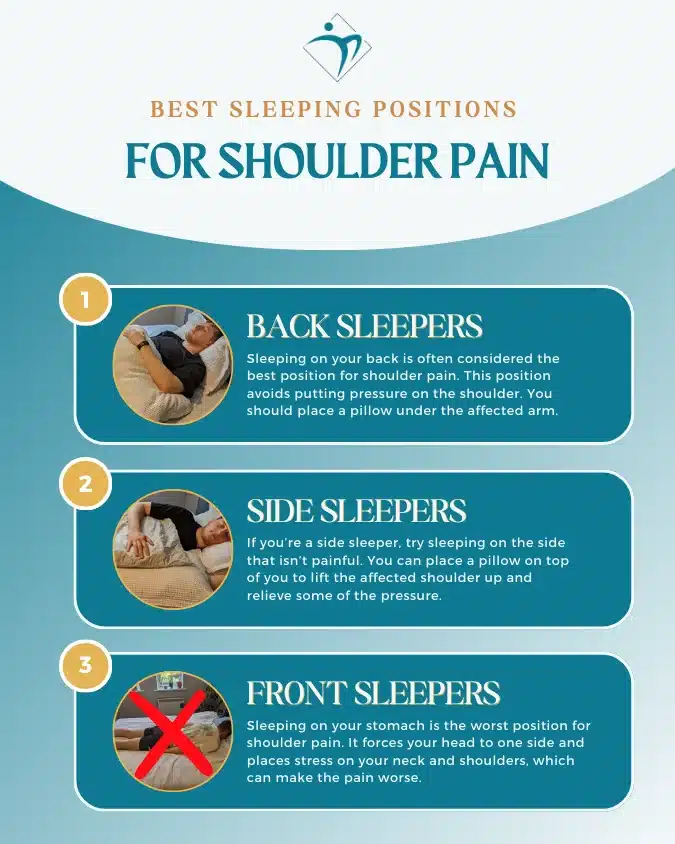
Use an extra pillow or a wedge pillow to keep your head 6-12 inches above heart level. This reduces venous pressure in the head, lessening the throbbing pain that comes from lying flat. If you experience neck pain with extra pillows, use a contoured pillow to keep your spine aligned to avoid adding jaw tension—check out our guide to pain-aligned rest positions for pillow recommendations that won’t strain your neck or jaw.
6. Sleep On The Unaffected Side
Avoid putting direct pressure on the sore side of your face by sleeping on your opposite side. If you are a back sleeper, prop yourself up slightly with pillows to avoid rolling onto the painful side during the night. For side sleepers, place a pillow between your knees to keep your hips aligned and reduce the chance of shifting onto the sore side mid-sleep.
7. Use Gentle Jaw Support To Reduce Tension
Pain often causes subconscious jaw clenching or grinding at night, which amplifies discomfort. If you have a soft night guard, wear it to bed to keep your jaw loose. If you don’t have a guard, place a rolled-up towel under your chin to provide gentle support and discourage clenching. Avoid tight collars, scarves, or face-friendly bedtime hair wraps that press on your jawline, as this adds extra pressure to inflamed tissue.
8. Follow A Pre-Bed Pain Relief Routine
20-30 minutes before you plan to get into bed, complete all your pain relief steps (salt rinse, cold compress, pain meds) so the effects are fully active when you lay down. Turn off screens 30 minutes before bed to avoid blue light that increases sleep-onset anxiety, and spend 5 minutes doing 4-7-8 breathing (inhale 4 seconds, hold 7 seconds, exhale 8 seconds) to lower stress and raise your pain threshold. Keep a glass of lukewarm water nearby to sip if dry mouth amplifies your discomfort.
9. Avoid Pain Triggers Before Bed
Skip hot, cold, acidic, or sugary foods and drinks for at least 2 hours before bed, as these can irritate exposed dentin or inflamed gums. When brushing before bed, use lukewarm water and a soft-bristled brush to avoid aggravating the sore area. If you wash your hair before bed, follow safe wet hair sleep practices to keep wet hair off the sore side of your face, as moisture and pressure from damp hair can increase irritation. For extra comfort, make sure your pillow is clean and soft: learn easy bamboo pillow care to avoid bacteria buildup that can irritate inflamed gum tissue.
10. Use Distraction To Reduce Pain Focus
Your brain can only focus on so many stimuli at once, so use gentle distraction to pull attention away from the toothache. Play soft white noise, a low-volume guided sleep meditation, or calm music to mask sharp pain sensations. Avoid staring at the clock, as counting minutes will increase anxiety and make pain feel more intense. If you wake up in the middle of the night with pain, reapply a cold compress or take a second dose of OTC pain meds (if you are within the safe dosing window) before trying to fall back asleep.
 Elevating your head 6-12 inches reduces throbbing pain for most people.
What To Avoid When Managing A Nighttime Toothache
A few common mistakes can make pain worse and derail your efforts to sleep:
- Never place aspirin, pain relief gels, or other medications directly on your gums or inside a cavity: acidic ingredients can cause chemical burns to oral tissue.
- Do not use heat on swollen or inflamed areas for the first 48 hours: heat increases blood flow and worsens inflammation.
- Avoid using alcohol to "numb" pain: alcohol disrupts deep sleep, can interact with pain medications, and increases inflammation.
- Don’t poke or prod the sore tooth with your tongue, fingers, or sharp objects: this can irritate the area further or introduce bacteria that cause infection.
- Don’t ignore persistent pain hoping it will resolve on its own: untreated tooth infections can spread to the jaw, neck, or other parts of the body, leading to serious, life-threatening complications.
 Clove oil and salt water rinses are evidence-based temporary pain relief options.
When To Seek Professional Dental Care
All the tips above are short-term symptom management, not a substitute for professional dental care. Toothaches are almost always a sign of an underlying issue (cavity, cracked tooth, gum disease, abscess) that only a dentist can resolve permanently. Seek urgent care immediately if you experience any of the following red flags, per American Dental Association’s official toothache guidance:
- Severe pain that does not improve after 2-3 days of consistent at-home care
- Swelling in the face, jaw, or neck that spreads or feels warm to the touch
- Fever over 101°F (38.3°C), chills, or general malaise, which signal a spreading infection
- Difficulty breathing, swallowing, or opening your mouth fully
- Pus, foul taste, or odor coming from the sore area, which indicates an abscess
- Pain following a dental procedure, cracked tooth, or lost filling/crown
Emergency dentists can provide temporary fillings, drain abscesses, or prescribe antibiotics to resolve the underlying cause, so you can sleep without pain long-term. For non-life-threatening but severe pain, contact an emergency dentist first, as ER staff may not have the specialized tools to treat dental issues directly.
 A 5-minute mindfulness routine can lower stress and raise your pain threshold before bed.
Real-World Lessons From Managing Nighttime Tooth Pain
From working with people managing acute dental pain overnight, a few common mistakes stand out that make pain worse and sleep harder. First, many people wait too long to take pain meds—waiting until pain is severe means the meds take longer to work, and you’re stuck awake for hours longer. Second, people often use too much clove oil or apply it directly to broken skin, which causes irritation that adds to existing pain. Third, skipping the salt rinse because it feels like a hassle leads to more bacterial buildup and worse inflammation by bedtime. The most successful routine is consistent: complete your pre-bed steps 20-30 minutes before getting into bed, so relief is already working when you lay down. If you have recurring toothaches, keep a small "toothache kit" in your bathroom with salt, a cold compress, and your preferred OTC pain meds, so you don’t have to fumble for supplies when pain strikes at 2 a.m.
 See a dentist if pain lasts longer than 72 hours or has signs of infection.
Frequently Asked Questions About Sleeping With A Toothache
How long does toothache pain last at night before I can sleep?
Mild toothaches from minor irritation or early decay often improve within 24 hours of consistent at-home care. Moderate to severe pain from cavities, cracked teeth, or early abscesses may last 2-3 days before temporary relief is possible. If pain persists beyond 72 hours without improvement, it’s a sign you need professional dental care to address the underlying cause. At-home tips only manage symptoms, not the root issue.
Can I take ibuprofen and acetaminophen together for stronger pain relief?
For most healthy adults, alternating ibuprofen and acetaminophen on a staggered schedule (e.g., ibuprofen every 8 hours, acetaminophen every 6 hours, with no overlap) is safe and can provide stronger relief than either medication alone. Never take both at the same time, and never exceed the maximum daily dose of either drug (1200mg ibuprofen, 3000mg acetaminophen for most adults) without guidance from a healthcare provider. If you have liver, kidney, or stomach issues, consult your doctor before combining medications, and review FDA guidance on safe OTC pain reliever use for full safety details.
Is clove oil safe to use every night for toothache pain?
Clove oil is safe for short-term, occasional use (1-2 nights in a row) for mild to moderate pain. It should not be used as a long-term solution, as repeated use can irritate gum tissue and mask symptoms of a worsening underlying issue. Always dilute it with a carrier oil (like coconut oil) if you have sensitive gums, and never swallow it. Discontinue use if you experience burning, redness, or increased pain.
Will elevating my head actually reduce toothache pain?
Yes. Lying flat increases blood pressure and blood flow to the head, which amplifies pain signals from inflamed dental pulp. Elevating your head 6-12 inches reduces this pressure, lessening throbbing pain for most people. For best results, use a wedge pillow or stack two medium-thickness pillows, and avoid propping your head up with just one thick pillow, which can cause neck strain and increase jaw tension.
When is toothache pain an emergency that requires ER care?
Go to an emergency room or urgent dental care if you have any of the following signs of a spreading infection: high fever (over 101°F/38.3°C), significant swelling in the face or neck that makes it hard to breathe or swallow, or difficulty opening your mouth. These symptoms can signal a life-threatening infection that requires immediate intervention. For non-life-threatening but severe pain, contact an emergency dentist first, as ER staff may not have the tools to treat dental issues directly.
 A cold compress applied correctly can numb pain for 1-2 hours at a time.
Final Takeaway: Short-Term Relief + Long-Term Care Is Key
The 10 tips above can help you get the rest you need tonight while you wait to see a dentist, but they’re not a permanent fix. Toothaches are almost always a sign of an underlying issue (cavity, cracked tooth, gum disease, abscess) that only a dental professional can resolve. Prioritize scheduling a dentist appointment as soon as possible after a nighttime toothache to stop pain from recurring. If you’re struggling with sleep pain from other sources, check out our guide to pain-aligned rest positions for additional at-home relief strategies.
 Common questions about managing nighttime toothache pain answered by dental professionals.
Take The Next Step For Long-Term Relief
One night of managed pain is a win, but it’s not a long-term solution. Toothaches almost always stem from an underlying dental issue that only a professional can fix, so schedule a dentist appointment within the next few days to address the root cause. If you’re managing other types of discomfort that keep you up at night, from flu symptoms to jaw tension, our guide to rest strategies when you’re unwell has additional actionable tips to help you get quality sleep while you recover. Bookmark this guide for future reference, and share it with anyone you know who’s dealing with unexpected nighttime dental pain. If you have a tip that works for you that we didn’t mention, drop it in the comments below to help others get the rest they need.

Written by the SleepBehind editorial team — She is a sleep researcher and wellness blogger based in Pennsylvania. Passionate about helping people optimize their sleep.