
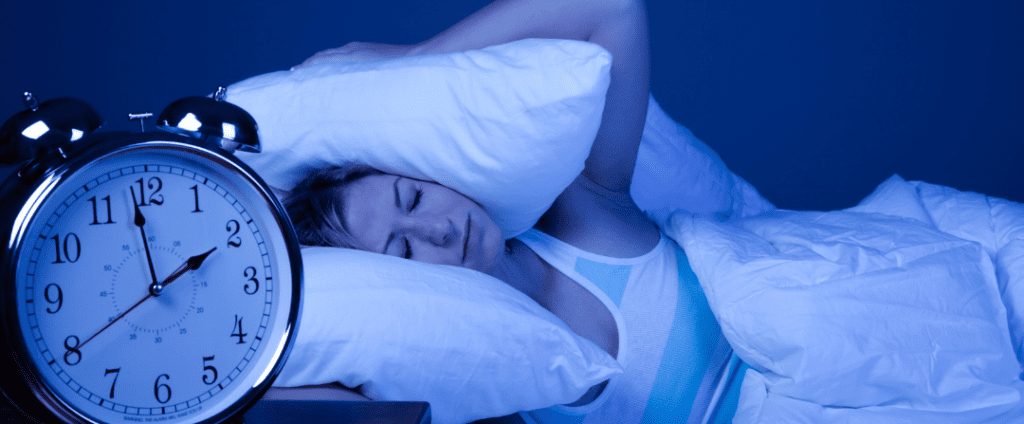
Waking up at 2 a.m. for the third time this week, staring at your ceiling and calculating how many hours of rest you have left before your alarm? You’re not alone: roughly 1 in 3 adults report regular nighttime awakenings that disrupt their sleep, per recent public health data. While the occasional mid-night wake is normal, frequent disruptions leave you groggy, irritable, and unable to function at your best during the day. This guide breaks down evidence-based, actionable steps to reduce nighttime awakenings and sleep through the night starting tonight, no prescription sleep aids or expensive gadgets required. We’ll cover common root causes, small habit shifts, bedroom tweaks, and red flags that mean it’s time to check in with a healthcare provider.
Why Do You Keep Waking Up at Night?
Nighttime awakenings almost always stem from identifiable triggers, which fall into two broad categories: external environmental factors, and internal physical or mental factors. The most common causes include:
- Nocturia (bathroom trips, often triggered by late fluid intake, caffeine, alcohol, or underlying conditions like diabetes or urinary tract issues)
- Environmental disruptions: sudden light, noise, or temperature swings in the middle of the night
- Stress and anxiety: racing thoughts or cortisol spikes that rouse you from light sleep
- Physical discomfort: an unsupportive mattress, pain, restless legs, or even scalp irritation from sleeping with wet hair
- Sleep disorders: sleep apnea, insomnia, or circadian rhythm disruption
The fastest way to spot your personal triggers is to track your sleep for 3 days: jot down what you eat and drink before bed, your pre-sleep routine, and the time you wake up, plus any obvious triggers (like a loud noise outside). Small patterns will point to simple, targeted fixes. If you do wake up and can’t fall back asleep within 20 minutes, get out of bed and do a quiet, low-light activity (like folding laundry or reading a physical book) until you feel sleepy again. Lying in bed stressing about not sleeping trains your brain to associate the bed with wakefulness, making the problem worse over time. You can also read our guide on how to fall asleep fast.
 Frequent nighttime wakes often stem from identifiable lifestyle or environmental triggers
Source: washingtonpost
Frequent nighttime wakes often stem from identifiable lifestyle or environmental triggers
Source: washingtonpost
Build a Consistent Pre-Sleep Routine
Your circadian rhythm thrives on consistency: going to bed and waking up at the same time every day (even on weekends!) regulates your body’s internal clock, making it far easier to stay asleep through the night. Even 30 minutes of extra sleep on weekends can throw off your rhythm for 2-3 days, so stick to a 15-30 minute window for your wake and bedtime as much as possible. In practice, small consistent changes to your pre-sleep routine lead to measurable results: many people report a 30–50% reduction in nighttime wakes within 2 weeks of sticking to a consistent schedule and screen cutoff time.
Pair this consistent schedule with a 30-60 minute screen-free wind-down routine before bed. Low-arousal activities like reading a physical book, gentle stretching, listening to calm music, or taking a warm shower (the subsequent drop in your core body temperature signals your body it’s time to sleep) all help you transition to rest. Screens emit blue light that suppresses melatonin production, so turn off phones, laptops, and TVs at least 60 minutes before bed. If you must use screens late, enable blue light filters, but note they are not as effective as turning devices off entirely. You can also read our guide on deep sleep tips.
If you wash your hair at night, improper drying can cause scalp irritation and itching that disrupts your sleep hours after you fall asleep. For low-fuss tips to prevent this, check out our guide to healthy wet hair sleep habits. If you use a Blissy pillow, sleeping with wet hair can also damage the fabric and cause extra irritation; our Blissy pillow wet hair guide offers specific care tips for that style.
 Screen use 60 minutes before bed suppresses melatonin and increases nighttime wake risk
Source: healthline
Screen use 60 minutes before bed suppresses melatonin and increases nighttime wake risk
Source: healthline
Optimize Your Bedroom for Uninterrupted Sleep
Your bedroom should be a dedicated sleep zone, free of work materials, TVs, and other distractions that associate the space with arousal. Three core environmental factors have the biggest impact on nighttime wakes:
- Temperature: Aim for 60–68°F (15–20°C) in your bedroom. If you get too hot during the night, your body will wake you up to regulate your core temperature—this is especially common in the early morning hours when your internal temperature starts to rise naturally.
- Light: Even small amounts of light (from a streetlamp outside, an alarm clock, or a phone charging on your nightstand) can suppress melatonin and trigger wakes. Use blackout curtains, cover small LED lights with tape, and use a dim red nightlight if you need to get up during the night.
- Noise: Sudden noises (a car horn, a partner snoring, a dog barking) are common wake triggers. A white noise machine, fan, or soft earplugs can mask these disruptions without being distracting.
Your sleep surface also matters: an old, lumpy mattress or a flattened, split mattress topper can create pressure points that wake you up. If your mattress is over 7–10 years old, it’s likely time for a replacement. If you use a feather or down topper, a common mistake is ignoring small splits that reduce support over time; our guide to split topper repairs can help you extend its life cheaply. A dirty mattress protector can also harbor dust mites and allergens that cause nighttime congestion and sneezing, so wash it every 1-2 months per manufacturer instructions—our mattress protector care guide has step-by-step tips for popular brands. You can also read our guide on sleep hygiene tips.
For people with straight hair, loose styles can lead to tangles that tug at your scalp overnight, causing subtle, overlooked disruptions. Our guide to straight hair sleep styles offers low-fuss, comfortable options that stay put all night.
 A cool, dark, quiet bedroom is the foundation of uninterrupted sleep
Source: farmaciasdirect
A cool, dark, quiet bedroom is the foundation of uninterrupted sleep
Source: farmaciasdirect
Adjust Your Diet and Medication Habits to Prevent Nighttime Bathroom Trips
Nocturia (waking up to use the bathroom) is one of the most common causes of nighttime awakenings, and it’s often tied to modifiable habits. First, cut back on liquids 1–2 hours before bed, but don’t restrict fluids all day—dehydration can cause muscle cramps and dry mouth that disrupt sleep more than a single bathroom trip. Avoid caffeine after 2 p.m., as it has a 6–8 hour half-life, meaning a 4 p.m. coffee is still 50% active in your system at 10 p.m., per CDC sleep hygiene guidelines. Limit alcohol, too: while it may help you fall asleep faster, it fragments sleep in the second half of the night, causing frequent, unremembered wakes. You can also read our guide on how to wake up refreshed.
Avoid heavy, spicy, or acidic meals 2–3 hours before bed, as indigestion or acid reflux can rouse you from sleep. If you need a bedtime snack, opt for something small and low in sugar, like a banana or a handful of almonds, to avoid blood sugar spikes that disrupt rest.
Some common medications, including decongestants, certain antidepressants, and blood pressure drugs, can cause insomnia or nocturia as side effects. If your nighttime wakes started shortly after beginning a new medication, talk to your doctor about adjusting the timing or dosage—never stop a prescription without medical guidance. For occasional use, low-dose melatonin (0.5–3mg, taken 30–60 minutes before bed) can help regulate your sleep schedule, but avoid long-term daily use unless directed by a clinician, as it can suppress your body’s natural melatonin production. Over-the-counter sedatives (like diphenhydramine) can cause next-day grogginess and dependence, so they are only recommended for short-term occasional use.
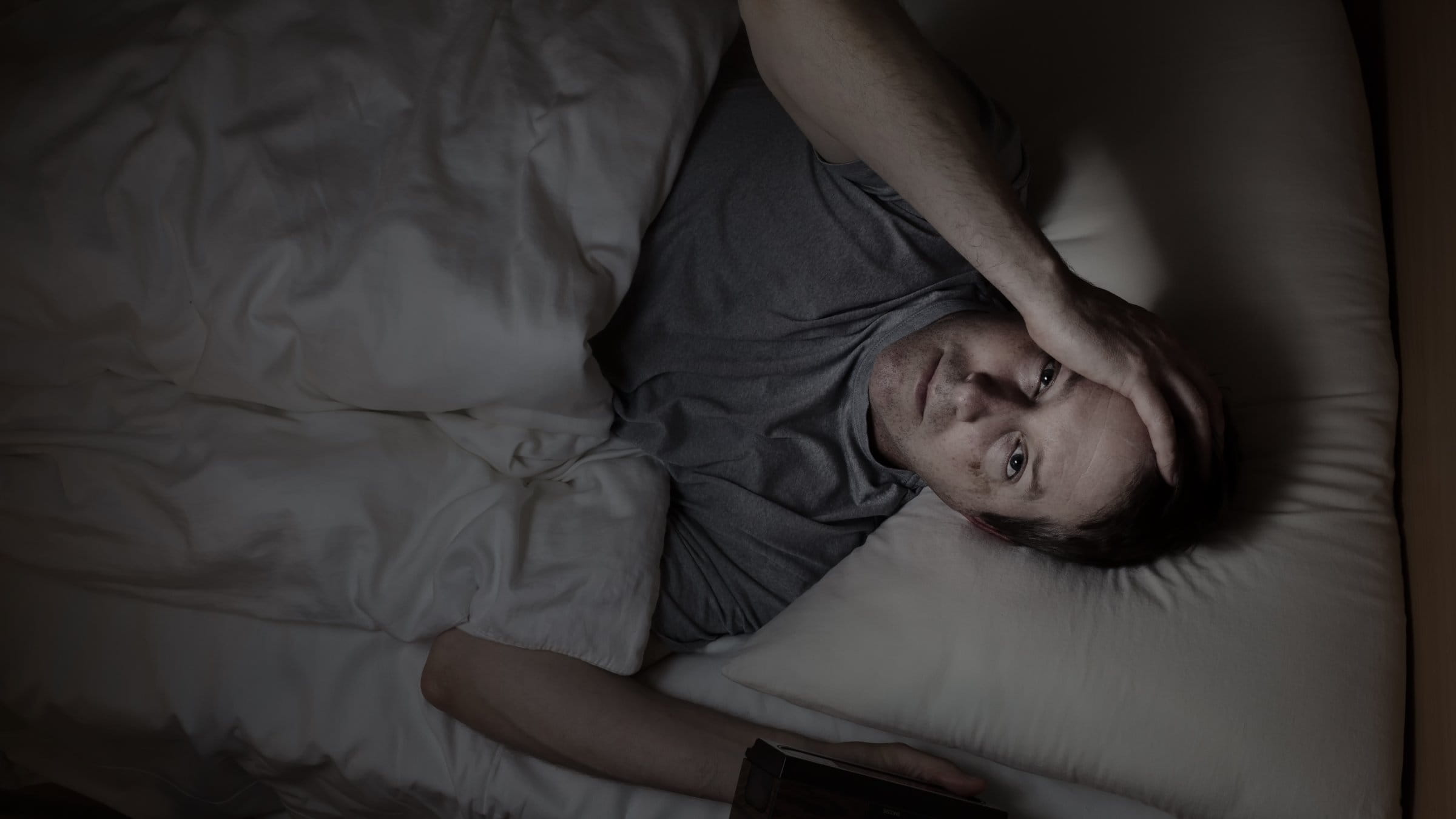 Late fluids, caffeine, and certain medications are common triggers for nighttime bathroom trips
Source: osu
Late fluids, caffeine, and certain medications are common triggers for nighttime bathroom trips
Source: osu
Reduce Stress, Pain, and Physical Discomfort That Wakes You Up
Racing thoughts about work, relationships, or tomorrow’s to-do list are one of the most common causes of middle-of-the-night wakes, especially if you’re prone to anxiety. A simple 10-minute pre-bed brain dump—writing down every task or worry on your mind, then closing the notebook—can help clear your head so you don’t replay thoughts when you wake up. 5–10 minutes of progressive muscle relaxation or guided meditation before bed can also lower cortisol levels, making it easier to fall back asleep if you do rouse.
Chronic pain (back pain, arthritis, tension headaches) is another top cause of sleep disruption. If you have consistent pain that wakes you up, talk to a doctor about pain management options tailored to your needs. Your pillow also plays a key role: a lumpy or unsupportive pillow can cause neck strain that wakes you up from light sleep. If you use a bamboo pillow, regular cleaning keeps it fresh and supportive; our guide to bamboo pillow cleaning walks you through proper care to extend its lifespan.
 Gentle pre-bed stretches can ease muscle tension that causes nighttime wakes
Source: verywellhealth
Gentle pre-bed stretches can ease muscle tension that causes nighttime wakes
Source: verywellhealth
Evidence-Based Behavioral Techniques to Stay Asleep Longer
If lifestyle tweaks aren’t enough, behavioral techniques are the first-line, non-medication treatment for chronic insomnia, recommended by sleep experts worldwide. These methods work by retraining your brain and body to associate bed with sleep, and building a stronger sleep drive over time:
- Stimulus control: Only use your bed for sleep and sex. If you can’t fall asleep within 20 minutes, or wake up and can’t fall back asleep within 20 minutes, get out of bed and go to another room. Do a quiet, boring activity (no screens!) until you feel sleepy, then return to bed. In practice, this is one of the most underused but effective fixes for nighttime wakes, as it breaks the cycle of lying in bed stressed about not sleeping.
- Sleep restriction: This may sound counterintuitive, but if you’re only sleeping 5 hours a night, limit your time in bed to 5.5 hours initially. This builds up your sleep drive, so you fall asleep faster and stay asleep longer. Once you’re sleeping through the night consistently, you can gradually add 15–30 minutes of time in bed each week.
- Mindfulness practice: Even 10 minutes of daily mindfulness meditation has been shown to reduce nighttime wake frequency for people with mild insomnia, per clinical sleep research.
The most comprehensive behavioral treatment for insomnia is CBT-I (Cognitive Behavioral Therapy for Insomnia), a 6–8 week program that combines these techniques with cognitive restructuring to address anxious thoughts about sleep. CBT-I is more effective long-term than sleep aids for most people with chronic insomnia, and many health insurance plans cover it. For more information on evidence-based insomnia treatments, see the American Academy of Sleep Medicine’s CBT-I resources.
 Sleep aids can help short-term, but long-term use should be supervised by a clinician
Source: amazon
Sleep aids can help short-term, but long-term use should be supervised by a clinician
Source: amazon
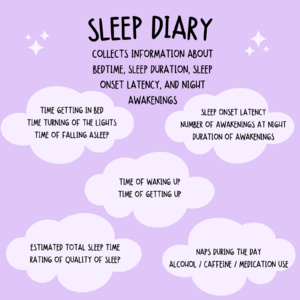 Tracking your sleep patterns for 3 days is the fastest way to identify your personal triggers
Source: physio-pedia
Tracking your sleep patterns for 3 days is the fastest way to identify your personal triggers
Source: physio-pedia
When to See a Doctor for Persistent Nighttime Awakenings
If you’ve tried consistent lifestyle and behavioral changes for 2–4 weeks and still wake up 3 or more times a week, it’s time to schedule an appointment with a healthcare provider. Some nighttime wakes are caused by underlying medical conditions that require professional treatment. Seek care immediately if you experience any of the following red flags:
- You wake up gasping, choking, or with a racing heart
- You have an irresistible urge to move your legs when you lie down
- You snore loudly and feel excessively sleepy during the day, even after 7+ hours of sleep
- You have chronic pain that disrupts your rest
- Your nighttime wakes started after a new medication or major life change
A sleep study (either at a clinic or at-home) can diagnose sleep disorders like sleep apnea, which is treatable with a CPAP machine or oral appliance. If you’re waking up tired even after a full 7+ hours of sleep, it may be a sign of an underlying issue; our guide to common causes of morning fatigue can help you spot other red flags before your appointment.
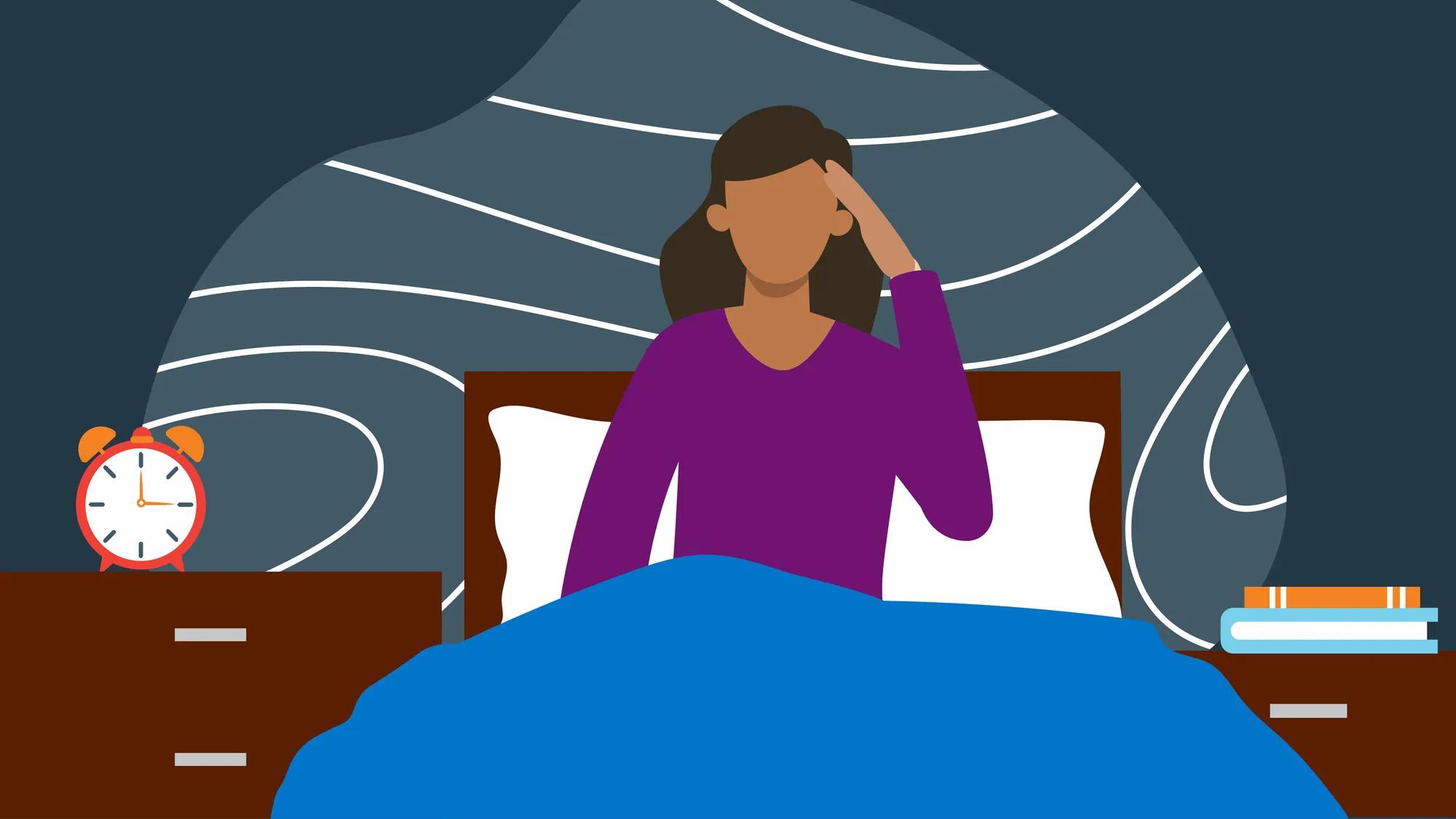
Practical Nightly Checklist to Reduce Wakes
This 10–15 minute pre-sleep routine takes the guesswork out of building better sleep habits. Follow it every night for 2 weeks and track your wake frequency to see progress:
- Finish all fluids 1–2 hours before bed, and avoid caffeine after 2 p.m. and alcohol within 3 hours of bedtime
- Turn off all screens (phones, laptops, TVs) 60 minutes before your planned bedtime
- Complete your wind-down routine: 5–10 minutes of stretching, reading, or deep breathing
- Set your bedroom temperature to 60–68°F (15–20°C), close blackout curtains, and turn on white noise if needed
- Write down 2–3 top tasks for the next day to clear your mind, then close the notebook
- If you wake up and can’t fall back asleep within 20 minutes, get out of bed and do a quiet, low-light activity until you feel sleepy
 A consistent pre-sleep routine can reduce nighttime wakes in as little as 2 weeks
Source: sleepadvisor
A consistent pre-sleep routine can reduce nighttime wakes in as little as 2 weeks
Source: sleepadvisor
Frequently Asked Questions
Why do I wake up at 3 a.m. every night?
Waking at the same time every night is often tied to your circadian rhythm, stress, or a consistent trigger like late caffeine, a noisy neighbor at that time, or a drop in blood sugar from a late dinner. Track your pre-bed habits and wake times for 3 days to spot patterns.
Will cutting out all fluids before bed help me stop waking up to pee?
Yes, reducing liquids 1–2 hours before bed cuts down on nocturia for most people, but don’t restrict fluids all day—dehydration can cause muscle cramps and dry mouth that also disrupt sleep. If you still wake up to pee 2+ times a night after adjusting fluid timing, talk to your doctor to rule out underlying conditions like diabetes or a urinary tract issue.
Will naps make nighttime awakenings worse?
Long naps (over 30 minutes) or late naps (after 3 p.m.) can reduce your sleep drive, making it harder to stay asleep at night. Short 20-minute “power naps” before 2 p.m. are fine for most people and won’t disrupt nighttime rest.
Are sleep aids safe to use every night?
Regular use of over-the-counter sleep aids can mask root causes of your wakes and lead to dependence. Try behavioral changes first, and talk with a clinician before using any sleep aid long-term. Low-dose melatonin is safe for short-term use, but avoid daily use for longer than 2 weeks without medical guidance.
How long until I see results from these changes?
Most people see small improvements in 3–7 days, and significant reductions in nighttime wakes in 2–4 weeks of consistent habit changes. If you don’t see improvement after a month of following these steps, schedule an appointment with a sleep specialist.
Conclusion
Reducing nighttime awakenings doesn’t require a complete overhaul of your routine—small, consistent changes are the most effective, sustainable option. Start with one or two tweaks from this guide, like adjusting your bedroom temperature or cutting off screens an hour earlier, and build from there. Use the nightly checklist for at least 2 weeks to track your progress, and don’t hesitate to reach out to a sleep specialist if your wakes persist. For more practical, evidence-based tips to help you rest easier and wake up refreshed, browse our full library of sleep guides.

Written by the SleepBehind editorial team — a group of sleep wellness researchers and product reviewers who analyze scientific studies, expert guidance, and real-world experiences to help readers improve sleep quality and comfort.