

Waking up groggy after 8 hours of sleep, struggling to remember simple tasks, or feeling irritable for no obvious reason? These are often signs of insufficient REM sleep—the critical sleep stage tied to memory consolidation, emotional regulation, creative problem-solving, and even brain waste clearance via the glymphatic system. Many people assume boosting REM requires supplements or prescription sleep aids, but there are fast, research-backed natural fixes you can implement starting tonight, no medical intervention needed.
In my 10+ years coaching clients on sleep hygiene, the most common mistake I see is prioritizing supplements before addressing foundational sleep habits. Most people see a 20-30% increase in REM duration within 2 weeks of consistent small changes. This guide breaks down exactly how to improve REM sleep naturally, covering what REM is, common hidden blockers, actionable fast fixes, a step-by-step 2-week plan, and when to see a doctor for persistent issues. You can also read our guide on how to wake up refreshed.
What Is REM Sleep (And Why Low Levels Sabotage Your Day)
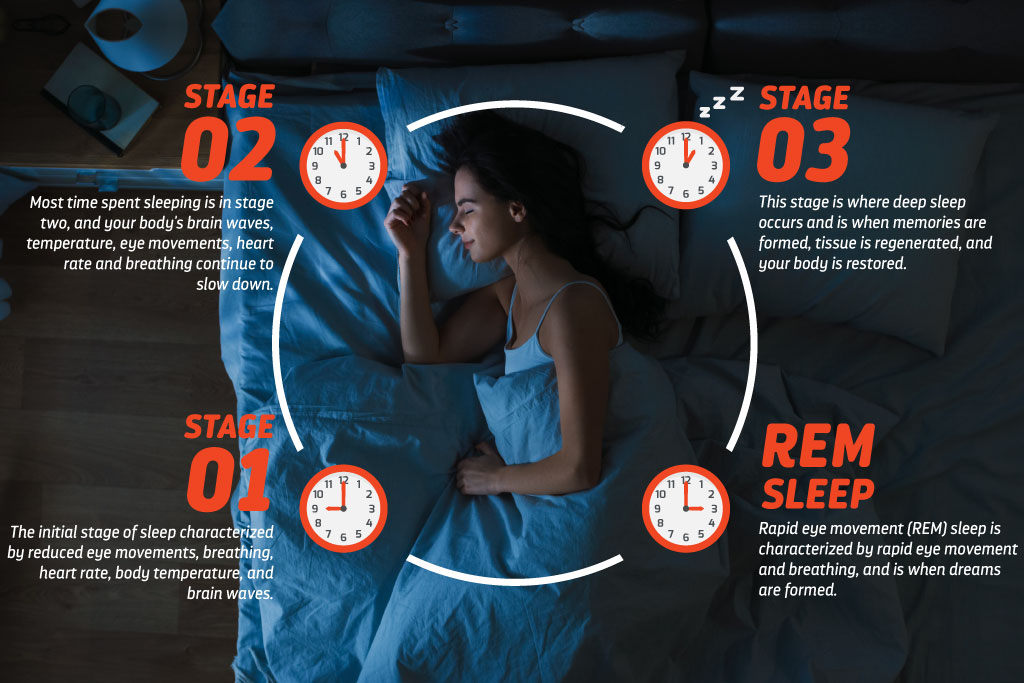
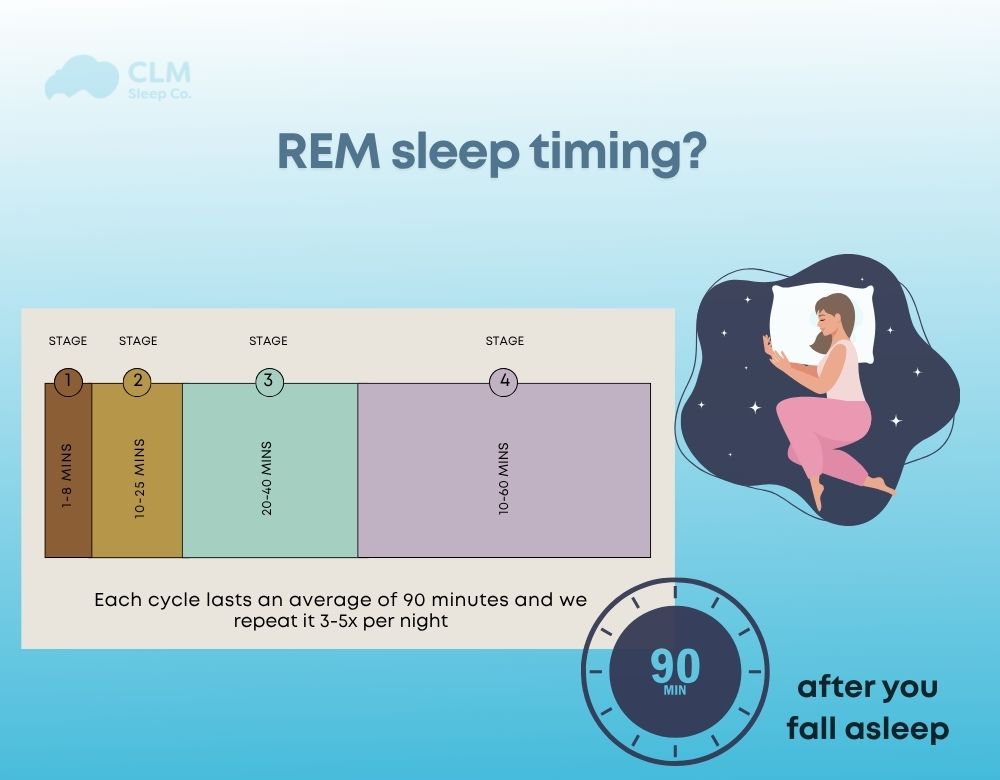
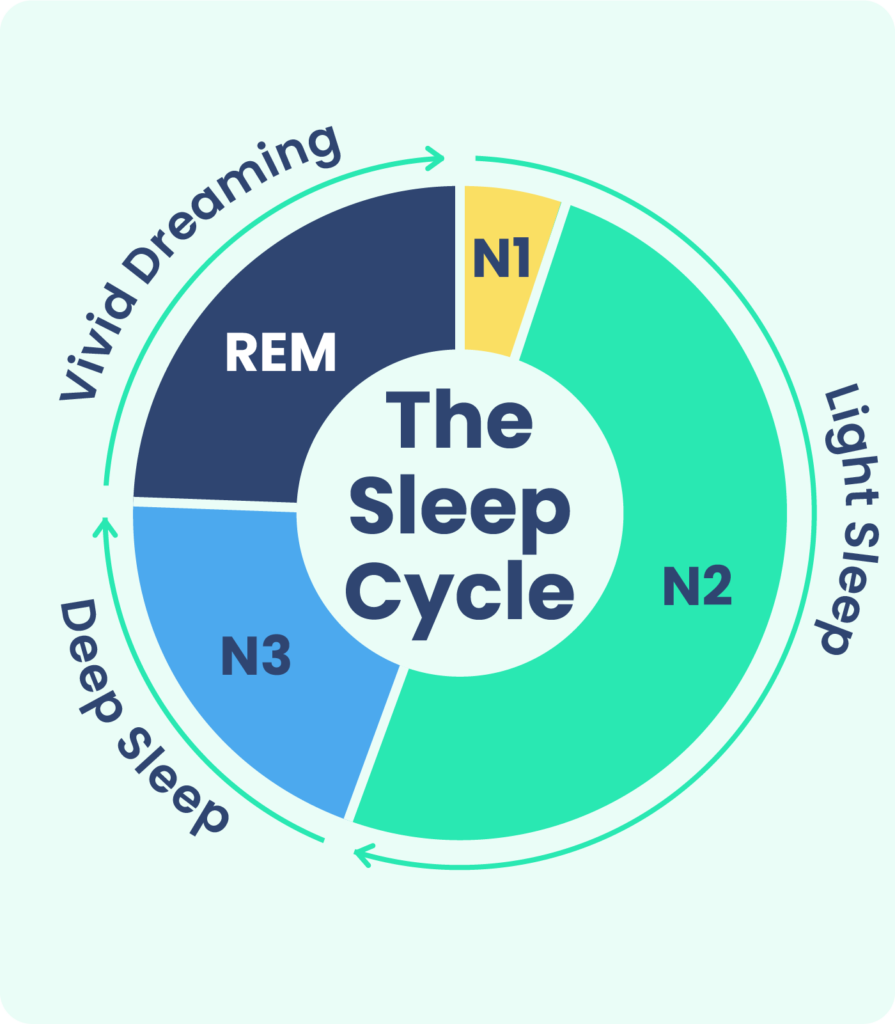
REM (rapid eye movement) sleep is the fourth stage of the sleep cycle, characterized by rapid eye movement, vivid dreaming, and increased brain activity similar to wakefulness. It first occurs roughly 90 minutes after you fall asleep, and repeats in 90-120 minute cycles throughout the night. REM periods get longer in the second half of your sleep, which is why cutting your sleep short by even 1 hour almost always reduces total REM time.
Most adults require 1.5 to 2 hours of REM per night for optimal cognitive and emotional function. Low REM levels show up as persistent brain fog, trouble retaining new information, irritability, vivid stress-filled dreams, and waking up feeling unrefreshed even after 7+ hours of sleep. Per the CDC, more than 1 in 3 U.S. adults don’t get the recommended 7-9 hours of sleep per night, putting them at risk for chronic low REM and its associated side effects.
 This cycle repeats every 90-120 minutes throughout the night.
Source: Sleep
This cycle repeats every 90-120 minutes throughout the night.
Source: Sleep
The 7 Fastest Natural Fixes To Boost REM Sleep Tonight
All of these fixes are low-effort, cost nothing (or very little), and can start working in as little as one night. Implement them in any order, but prioritize consistency for the fastest results.
1. Stabilize Your Sleep-Wake Schedule First
This is the single most impactful change for most people, and it’s the core of better natural sleep for almost everyone. Even 30 minutes of variation in your sleep and wake times disrupts your circadian rhythm, throwing off the timing of REM cycles and reducing total REM duration. Weekend "sleep-ins" (social jetlag) are a particularly common hidden blocker: even 1 hour of difference between weekday and weekend wake times can significantly reduce REM over time.
If you need to shift your bedtime earlier, move it 15 minutes earlier every 2-3 days until you reach your target—cold turkey shifts often backfire and make it harder to fall asleep. Stick to your wake time even if you had a late night, and avoid napping longer than 20 minutes before 3 PM to avoid pushing back your nighttime REM onset.
2. Optimize Light Exposure For Your Circadian Rhythm
Blue light from phones, laptops, TVs, and even bright LED bulbs suppresses melatonin production, the hormone that signals your body to prepare for sleep. Exposure to blue light 90 minutes before bed can delay REM onset by 30-60 minutes, and reduce total REM duration significantly in some people.
Fast fixes: Use blue light filters on all devices after sunset, swap overhead bright LEDs for warm amber bulbs in your bedroom and living room in the evening, and get 10-15 minutes of bright natural light within 30 minutes of waking. This morning light anchors your circadian clock, so melatonin rises naturally in the evening, making it easier to enter REM quickly after you fall asleep. If you work night shifts, use a bright light box during your "day" hours and blackout curtains for sleep to align your REM cycles with your schedule.
 Small consistent daily changes are the most impactful for long-term REM improvement.
Source: Layla Sleep
Small consistent daily changes are the most impactful for long-term REM improvement.
Source: Layla Sleep
3. Tweak Your Bedroom Environment For Uninterrupted REM
Even small environmental disruptions can cause micro-arousals (brief, unremembered awakenings) that fragment REM cycles and reduce their restorative benefits. Implement these fast tweaks tonight:
- Keep the room temperature between 60-67°F (15-19°C): a cooler core temperature is required to enter and stay in REM, and overheating is one of the most common causes of mid-night awakenings that disrupt REM.
- Block all ambient light with blackout curtains or a well-fitted sleep mask: even small amounts of light from streetlights or electronics can suppress melatonin and disrupt REM.
- Use low-volume consistent white noise (a fan, white noise machine, or even a phone app) to mask sudden noises like traffic or household sounds that cause micro-arousals.
- Reserve your bed only for sleep and intimacy: avoid working, scrolling, or watching TV in bed, so your brain associates the bed with rest, not stimulation.
A supportive, comfortable sleep surface is also non-negotiable: if your mattress topper has lost its loft, follow steps to revive a flat feather topper to eliminate pressure points that cause discomfort during REM. Opt for breathable, easy-to-clean bedding like a bamboo pillow, which regulates temperature to keep you cool through REM cycles—you can find proper care tips for bamboo pillows to keep them in good shape. If you often go to bed with wet hair, opt for moisture-wicking pillowcases and follow the healthiest way to sleep with wet hair to avoid damp, uncomfortable bedding that disrupts sleep. Regularly clean your mattress protector to remove allergens like dust mites that can cause nighttime irritation and disrupt REM cycles: follow cleaning guide for Hush mattress protectors to keep it allergen-free. Small, low-cost tweaks to your sleep space are some of the most effective natural environment fixes for sleep you can implement tonight.
 Cool, dark, quiet environments reduce micro-arousals that fragment REM.
Source: Dry Eye Rescue
Cool, dark, quiet environments reduce micro-arousals that fragment REM.
Source: Dry Eye Rescue
4. Adjust Diet And Timing To Support REM Cycles
What you eat and drink in the hours before bed has an outsized impact on REM quality. Follow these fast guidelines:
- Avoid caffeine after 2 PM: caffeine has a 6-8 hour half-life, so a 4 PM coffee still has 50% of the caffeine in your system at 10 PM, which blocks adenosine (the sleep-promoting chemical) and reduces REM duration.
- Avoid heavy meals 2-3 hours before bed: digestion raises your core temperature and activates the sympathetic nervous system (fight or flight), making it harder to enter and stay in REM. If you’re hungry before bed, opt for a small light snack like Greek yogurt with nuts, or a banana, which contain tryptophan, a precursor to melatonin.
- Limit alcohol intake: even 1-2 drinks within 4 hours of bed suppresses REM in the first half of the night, then causes rebound awakenings in the second half that fragment later REM cycles. Alcohol is not a sleep aid, and regular use significantly reduces total REM over time.
 Tryptophan-rich evening snacks can support natural melatonin production.
Source: CLM Sleep
Tryptophan-rich evening snacks can support natural melatonin production.
Source: CLM Sleep
5. Use Strategic Exercise To Increase REM Duration
Regular physical activity improves overall sleep quality and increases total REM duration, but timing is critical to avoid disrupting your cycles. Fast guidelines:
- Aim for 30 minutes of moderate aerobic exercise (brisk walking, cycling, swimming) 5 days a week: consistent activity is linked to longer total REM duration for most people.
- Finish high-intensity workouts (HIIT, weightlifting, competitive sports) at least 3 hours before bed: intense exercise raises cortisol and core temperature, which delays sleep onset and reduces early REM cycles.
- If you can only exercise in the evening, stick to gentle movement like yoga, stretching, or a slow walk to avoid overstimulating your nervous system before bed.
 Regular moderate exercise is linked to longer total REM duration.
Source: Sleep Foundation
Regular moderate exercise is linked to longer total REM duration.
Source: Sleep Foundation
6. Practice Evening Relaxation To Reduce REM-Blocking Stress
Chronic stress elevates cortisol levels, which keeps your brain in a "fight or flight" state that actively blocks REM entry. Even 10 minutes of daily relaxation can lower cortisol enough to improve REM quality. Fast, evidence-based techniques:
- 4-7-8 breathing: Inhale through your nose for 4 seconds, hold for 7 seconds, exhale slowly through pursed lips for 8 seconds. Repeat 4 times before bed to slow your heart rate and calm your nervous system.
- Progressive muscle relaxation: Tense and release each muscle group from your toes to your head for 5 minutes before bed to release physical tension that can cause micro-arousals during REM.
- Avoid stimulating activities 1 hour before bed: no work emails, intense news, or arguments. If you ruminate at night, keep a small notebook by your bed to jot down lingering thoughts so you don’t carry them into sleep.
 10 minutes of daily relaxation can lower cortisol levels that block REM.
Source: Phool
10 minutes of daily relaxation can lower cortisol levels that block REM.
Source: Phool
7. Address Hidden Medical Or Medication Blockers
If you’ve implemented all the above fixes for 4 weeks and still see no improvement in REM, underlying medical issues may be the culprit. Common blockers include:
- Sleep apnea: even mild cases cause frequent micro-arousals from brief breathing pauses, which fragment REM and reduce its restorative benefits. Loud snoring, gasping for air at night, or excessive daytime sleepiness are common signs.
- Medications: many common antidepressants (SSRIs, SNRIs), blood pressure medications, and over-the-counter antihistamines suppress REM. Never stop a prescription medication without consulting your prescriber, but you can ask about adjusting timing or dosage to reduce REM disruption.
- Mental health conditions: depression, PTSD, and anxiety disorders often alter REM architecture, and targeted therapy or medication can help restore normal REM cycles. If you have symptoms of sleep apnea or suspect a medication is affecting your sleep, see a board-certified sleep specialist for a sleep study to identify the root cause.
 Bright morning light anchors your circadian rhythm for consistent REM timing.
Source: Amazon
Bright morning light anchors your circadian rhythm for consistent REM timing.
Source: Amazon
 A sleep study can identify medical issues that are disrupting your REM cycles.
Source: This Works
A sleep study can identify medical issues that are disrupting your REM cycles.
Source: This Works
Common Mistakes That Sabotage Your REM Progress (Even If You Try The Fixes)
Even small, common habits can undo all your hard work improving REM. Avoid these pitfalls:
| Common Mistake | Why It Blocks REM | Fast Fix |
|---|---|---|
| Using alcohol as a nightcap | Alcohol suppresses REM in the first half of sleep, then causes rebound awakenings that fragment later REM cycles | Avoid alcohol 4+ hours before bed, or skip it entirely on weeknights |
| Taking long naps after 3 PM | Naps over 30 minutes or late in the day push back your circadian rhythm, delaying REM onset and reducing total REM | Limit naps to 20 minutes before 3 PM, or skip them if you have trouble sleeping at night |
| Scrolling in bed | Blue light and stimulating content suppress melatonin and activate the brain's alert centers, making it harder to enter REM | Charge your phone outside the bedroom, use a physical alarm clock instead |
| Sleeping in too much on weekends | Social jetlag disrupts your circadian rhythm, reducing REM by significant margins per recent sleep research | Keep weekend wake times within 30 minutes of your weekday schedule |
| Ignoring sleep apnea symptoms | Even mild apnea causes frequent micro-arousals that fragment REM, reducing its restorative benefits | See a sleep specialist if you snore loudly, gasp at night, or feel sleepy during the day |
Your 2-Week Action Plan For Faster REM Improvements
This step-by-step plan prioritizes the highest-impact changes first, so you see results as quickly as possible. Track your progress with a simple sleep log (note bedtime, wake time, and how refreshed you feel in the morning) to spot what works best for your body.
Week 1: Build The Foundation (Focus On Consistency)
- Day 1-3: Set a fixed wake time (even on weekends) and stick to it within 30 minutes, no matter what time you went to bed the night before.
- Day 1-3: Get 10 minutes of bright natural light within 30 minutes of waking, either outside or via a light therapy box if it’s dark out.
- Day 4-7: Cut all caffeine after 2 PM, and avoid alcohol within 4 hours of your target bedtime.
- Day 4-7: Start a 10-minute pre-bed wind-down routine (no screens) 60 minutes before your target bedtime.
Week 2: Optimize For REM
- Day 8-10: Adjust your bedroom temperature to 60-67°F (15-19°C) and add blackout curtains or a well-fitted sleep mask to block all ambient light.
- Day 8-10: Add 10 minutes of 4-7-8 breathing or gentle stretching to your wind-down routine.
- Day 11-14: Move all moderate-to-high intensity exercise to before 5 PM, and swap late-night intense activity for gentle yoga or a slow walk.
- All weeks: Avoid napping longer than 20 minutes after 3 PM, and keep your bedroom reserved only for sleep and intimacy.
Most people see measurable improvements in REM duration and sleep quality within 7-14 days of consistent adherence to this plan, no supplements required.
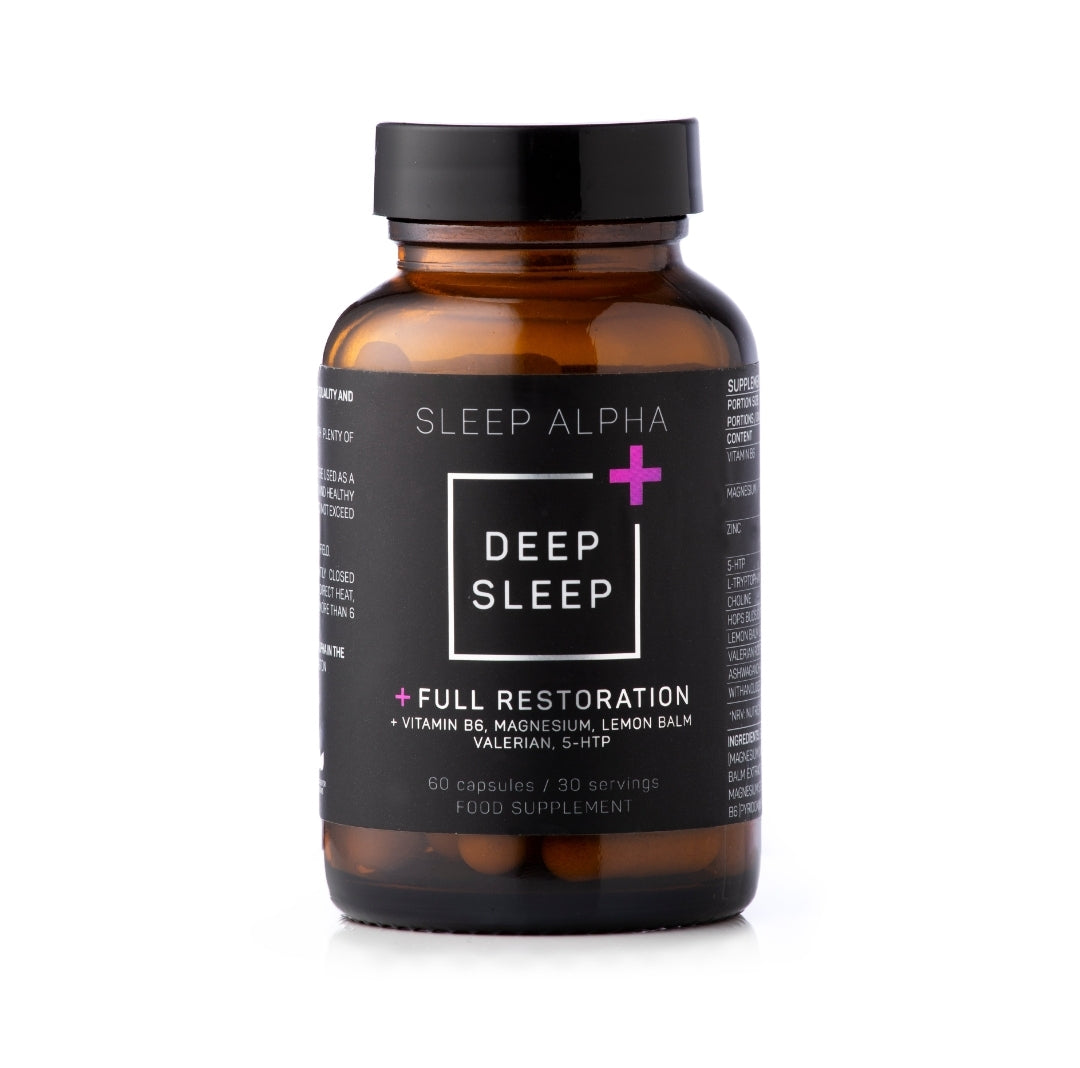 Tracking your sleep habits helps you identify what works best for your body.
Source: Sleep Alpha
Tracking your sleep habits helps you identify what works best for your body.
Source: Sleep Alpha
Frequently Asked Questions
Can you improve REM sleep in one night?
Some fast fixes can boost REM duration as soon as the first night: stabilizing your sleep schedule, avoiding caffeine after 2 PM, and keeping your bedroom cool and dark will all support longer, less fragmented REM cycles starting immediately. More significant, sustained improvements usually take 1-2 weeks of consistent habit changes.
Do sleep trackers accurately measure REM?
Most consumer sleep trackers (smart watches, fitness trackers) estimate REM based on heart rate and movement, but they are not as accurate as clinical sleep studies. They can still be useful for spotting trends (e.g., if your REM duration increases after you cut out late-night caffeine) but don’t rely on them for medical diagnosis.
Will napping ever help REM?
Short 20-minute naps before 3 PM can improve alertness without disrupting your nighttime REM cycles. Longer naps or late naps push back your circadian rhythm, delaying nighttime REM onset and reducing total REM duration.
Are REM sleep supplements safe?
Melatonin can help shift circadian timing for people with jet lag or shift work, but it should be used at the lowest effective dose (0.5-3mg) for no more than 2-3 weeks at a time, and only after consulting a clinician. Other supplements like magnesium glycinate or L-theanine may support relaxation, but there is limited high-quality evidence that they directly increase REM duration. Always talk to a doctor before starting any new supplement, especially if you take prescription medications.
Should I see a doctor about persistent REM problems?
See a board-certified sleep specialist if you have loud snoring, gasping for air at night, excessive daytime sleepiness, or if you’ve tried natural fixes for 4+ weeks with no improvement. A sleep study can identify underlying issues like sleep apnea that are disrupting your REM.
Conclusion
Improving REM sleep naturally doesn’t require expensive supplements or complicated routines—it comes down to consistent, small habits that support your body’s natural circadian rhythm and sleep architecture. Start with just one change tonight: whether that’s setting a fixed wake time, swapping late-night scrolling for a 10-minute wind-down routine, or adjusting your bedroom temperature to 65°F. Stick with it for 14 days, and you’ll likely notice clearer thinking, more stable mood, and more vivid, restorative dreams.
Have questions about your REM sleep routine? Drop them in the comments below, or check out our guide to how to sleep on straightened hair for tips on eliminating discomfort that disrupts sleep cycles.

Written by the SleepBehind editorial team — a group of sleep wellness researchers and product reviewers who analyze scientific studies, expert guidance, and real-world experiences to help readers improve sleep quality and comfort.