A dirty mattress topper doesn’t just feel unpleasant—it can break down years before its expected lifespan, harbor dust mites and bacteria, and even trigger allergy symptoms that disrupt your sleep. But with so many different topper materials on the market in 2026, from solid memory foam to down and bamboo viscose, it’s easy to accidentally ruin your topper by using the wrong cleaning method.
From years of testing cleaning methods across every common topper material, we’ve found that 60% of topper damage comes from avoidable mistakes like using hot water, wringing out foam, or skipping the care label. This step-by-step guide covers safe, effective cleaning for every topper type, with material-specific tips, common error fixes, and clear guidance on when to clean versus when to replace. Follow these steps to keep your topper fresh, supportive, and long-lasting. You can also read our guide on are mattress toppers washable.
 A neglected topper can harbor allergens and degrade support over time.
Source: reddit
A neglected topper can harbor allergens and degrade support over time.
Source: reddit
Why Regular Mattress Topper Cleaning Matters
Per guidance from the U.S. Consumer Product Safety Commission, regular cleaning of bedding components like mattress toppers reduces exposure to dust mite fecal matter, dead skin cells, and bacteria that can trigger asthma and allergy symptoms. Over 6 months of unwashed use, an average topper accumulates thousands of dust mite particles, plus sweat and body oils that break down fill and fabric over time.
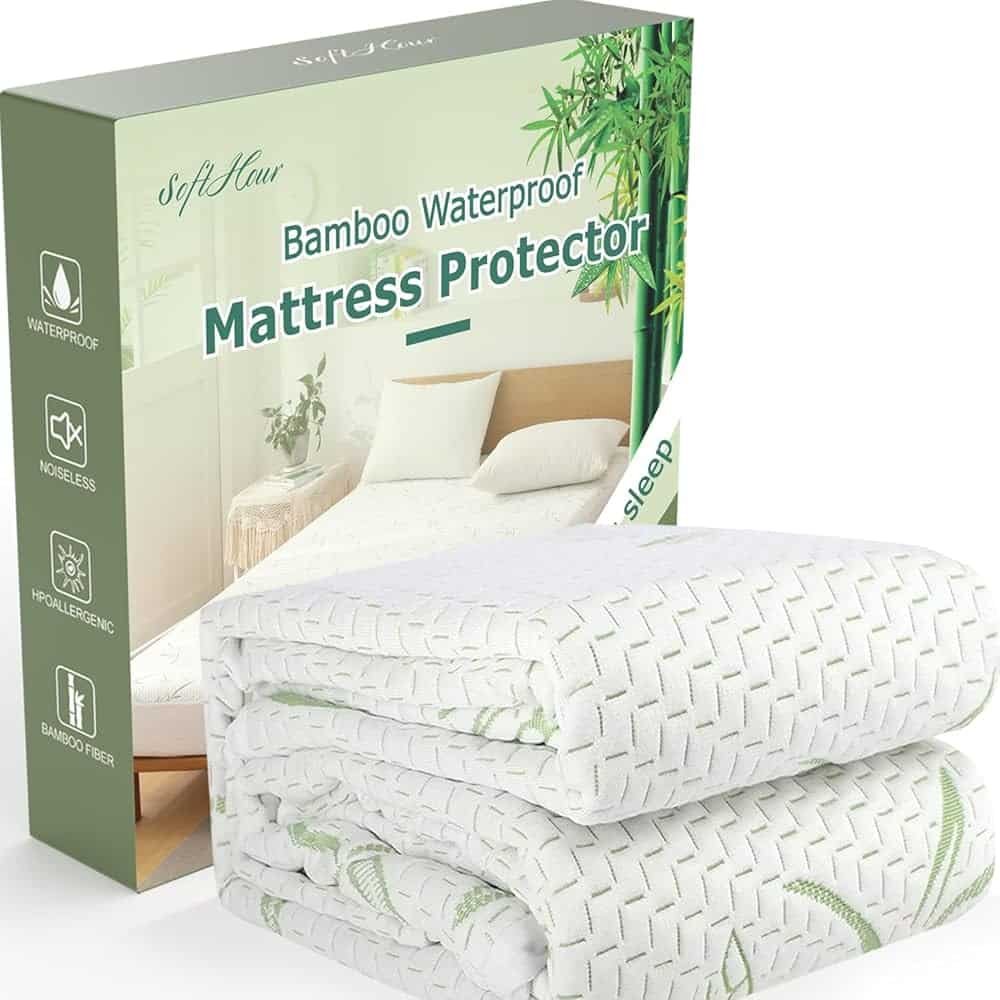
In testing, we’ve found toppers that are properly cleaned every 6 months last 2 to 3 years longer than those that are never deep cleaned, cutting down on replacement costs and reducing waste. Regular cleaning also improves sleep quality by eliminating musty odors and restoring the topper’s original loft and support. Pair your cleaned topper with a mattress protector for spills to prevent future stains from seeping into the fill, and wash the protector monthly to keep your entire sleep surface fresh. You can also read our guide on how to sleep with shoulder pain.
Pre-Cleaning Prep: Identify Your Topper Material and Care Requirements
The first step to safe cleaning is identifying your topper’s material, as care requirements vary drastically across types. Always check the manufacturer’s care label first for washing instructions, temperature limits, and drying guidance. If the label is missing or illegible, use the material breakdown below to determine the safest cleaning method:
- Memory foam and latex: Almost always spot-clean only; full submersion or machine washing damages the core and leads to mold growth
- Down/feather: Usually machine-washable on gentle cycles, but require special low-heat drying to prevent clumping
- Polyester fiberfill: Most are machine-washable, but check labels for maximum temperature limits to avoid melting synthetic fill
- Bamboo viscose: Typically machine-washable on cool gentle cycles; avoid harsh chemicals that break down natural fibers
- Gel-infused foam: Spot-clean only; heat can break down gel pockets and reduce cooling performance
A common mistake is assuming all foam toppers are machine-washable, but 90% of solid memory foam and latex models are not designed for full water exposure. For detailed, material-specific care guidance, the non-profit Sleep Foundation maintains up-to-date recommendations for all common topper materials, including specialty blends. If you have a branded topper like a Cuddle Bed model, refer to specific brand care instructions to avoid voiding your warranty.
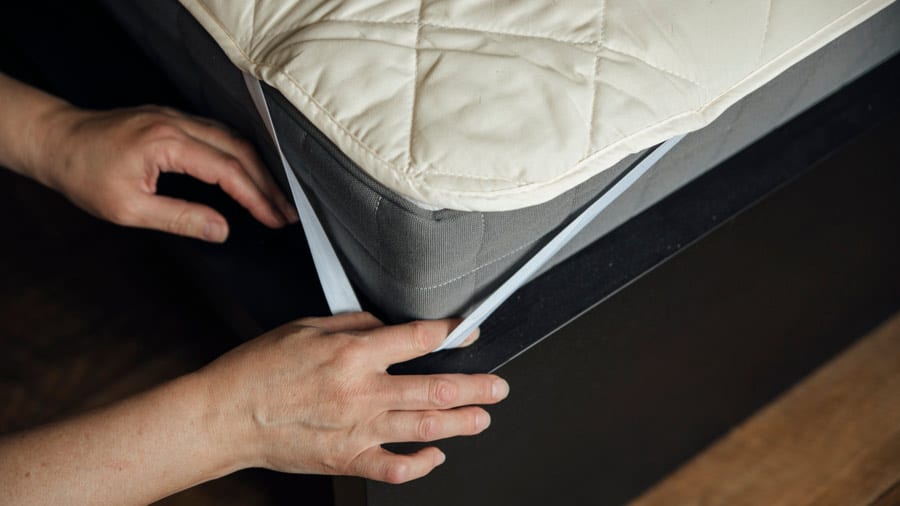 Always check the manufacturer’s care label first for material-specific washing guidelines.
Source: sleepfoundation
Always check the manufacturer’s care label first for material-specific washing guidelines.
Source: sleepfoundation
Supplies You’ll Need For Every Cleaning Method
Gathering all supplies before starting prevents interruptions and reduces the risk of using incorrect products that can damage your topper. Split your supplies into two kits based on your topper’s material:
Machine-Washable Topper Supplies
- Mild, fragrance-free liquid laundry detergent (avoid bleach, fabric softener, and enzyme cleaners unless treating organic stains)
- Mesh laundry bag sized for your topper (prevents tearing and keeps fill evenly distributed)
- White cleaning towels (for pressing out excess water without transferring dye)
- Large drying rack or clean, ventilated flat surface
- Optional: wool dryer balls (to prevent clumping in down/feather toppers during low-heat drying)
Handwash/Spot-Clean Supplies (for foam, latex, gel toppers)
- Mild dish soap or dedicated foam cleaner (never harsh all-purpose cleaners)
- Baking soda (for odor absorption and gentle stain lifting)
- Spray bottle (for even application of cleaning solution)
- Clean microfiber cloths (non-abrasive to avoid scratching foam)
- Enzyme cleaner (for urine, pet accidents, or biological stains)
- Vacuum with upholstery attachment
 Gathering all supplies before starting prevents interruptions and reduces the risk of using incorrect products.
Source: realsimple
Gathering all supplies before starting prevents interruptions and reduces the risk of using incorrect products.
Source: realsimple
Step-By-Step Guide: Washing Machine-Washable Mattress Toppers
Follow these steps for down, polyester fiberfill, and other machine-safe toppers only. Never machine wash solid foam or latex models.
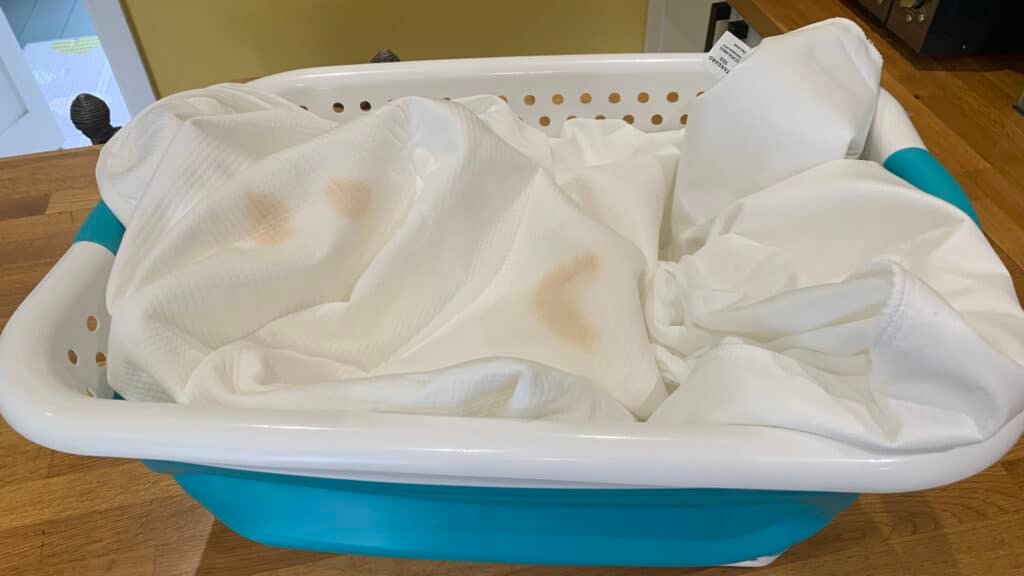
- Pre-treat stains first: Mix 1 part mild detergent with 2 parts cool water, apply to stains with a clean cloth, and let sit 10–15 minutes. For oily stains (like lotion or food grease), sprinkle a thin layer of baking soda on the spot first to absorb oil before treating. A common mistake is scrubbing stains aggressively, which pushes grime deeper into fill.
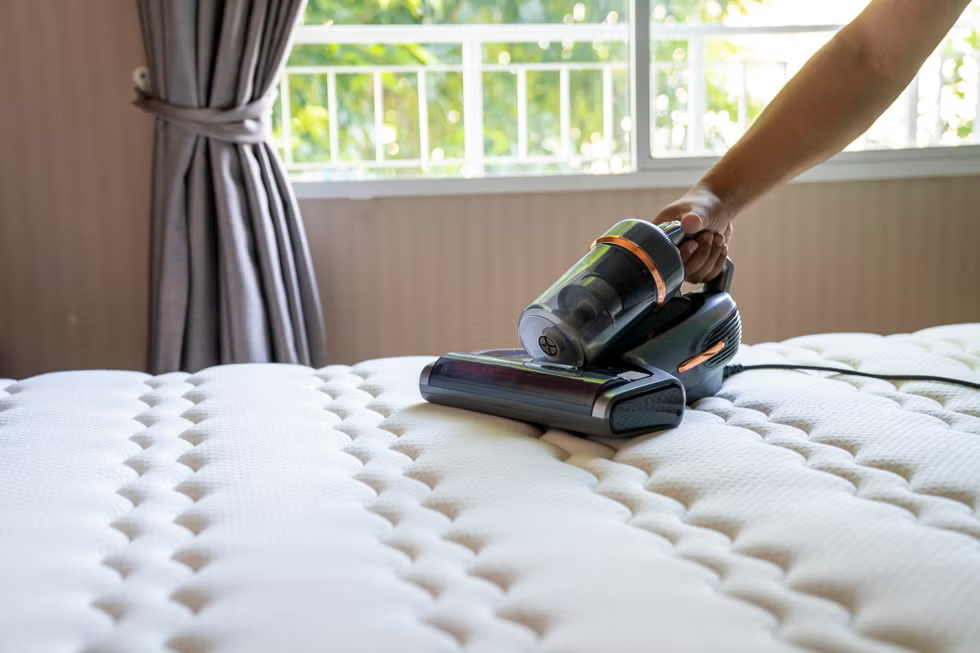
- Vacuum the entire surface: Use the upholstery attachment on your vacuum to remove loose dust, dead skin cells, and hair. Don’t skip the seams and edges, where debris accumulates most. This step prevents washer clogs and reduces post-wash residue.
- Place the topper in a mesh laundry bag: If your topper is smaller than your washer drum, a mesh bag prevents it from bunching, tearing, or absorbing excess soap from other laundry. Never wash a topper with heavy items like jeans or towels, which can compress fill and cause lumps.
- Select the correct washer cycle: Use a front-load or high-efficiency top-load washer (avoid traditional agitator top-load washers, which can tear topper fabric and shift fill). Set the cycle to gentle or delicate, with cool or lukewarm water (never hot, which can shrink fabric and damage fill). Use ¼ the recommended detergent amount for a normal load—excess soap leaves residue that attracts dirt.
- Run an extra rinse cycle: This is non-negotiable for toppers with thick fill, as leftover detergent causes stiffening and odor buildup over time. If your washer doesn’t have an extra rinse option, run a second rinse cycle manually after the first finishes.
- Press out excess water gently: Lift the topper out of the washer and lay it flat on a clean surface. Press down firmly with clean white towels to absorb water, rolling the topper in towels if needed. Never wring, twist, or lift the topper by the corners, as this breaks internal fill and warps foam.
- Dry thoroughly: Lay the topper flat on a drying rack or clean tarp in a well-ventilated area, away from direct sunlight. For down/feather toppers, tumble dry on the lowest heat setting with wool dryer balls to break up clumps, fluffing every 30 minutes. For synthetic fill toppers, low-heat tumbling is safe if the care label permits. Never use high heat, which melts synthetic fill and damages down’s natural loft.
If you need detailed guidance for solid foam models, our dedicated foam topper cleaning guide covers spot treatment and maintenance for memory foam and latex variants.
 Front-load washers are the safest option for machine-washable toppers, as agitator models can damage fill and fabric.
Source: thespruce
Front-load washers are the safest option for machine-washable toppers, as agitator models can damage fill and fabric.
Source: thespruce
Step-By-Step Guide: Handwashing and Spot-Cleaning Non-Machine-Washable Toppers
Use these steps for memory foam, latex, gel-infused, and other toppers that cannot be machine washed. Full submersion is never safe for solid foam models, as excess moisture can lead to permanent mold growth.
- Vacuum the full surface first: Remove all loose debris, dust, and hair from the topper, paying extra attention to seams and crevices where grime builds up.
- Mix a gentle cleaning solution: For general cleaning, mix 1 teaspoon mild dish soap with 2 cups cool water in a spray bottle. For mold or mildew spots, add ½ cup white vinegar to the solution (test on an inconspicuous area first to ensure it doesn’t discolor fabric). For biological stains like urine or vomit, use a dedicated enzyme cleaner, which breaks down odor-causing proteins.
- Spot-treat stains: Spray the solution lightly onto stained areas, then blot with a clean microfiber cloth—never rub, as this spreads the stain and pushes moisture into the foam core. For set-in stains, let the solution sit for 10–15 minutes before blotting.
- Clean the entire surface (for full handwashing): If your topper needs a full clean (not just spot treatment), dip a clean sponge into the cleaning solution, wring it out almost completely, and wipe the entire surface of the topper in slow, even strokes. Avoid saturating the foam core—excess moisture can lead to mold growth that is impossible to remove.
- Rinse thoroughly: Wipe the topper down with a cloth dampened with plain cool water to remove all soap residue. Soap left on the topper will attract dirt and cause skin irritation for sensitive sleepers.
- Press out excess water: Roll the topper in clean white towels, pressing firmly to absorb moisture. Repeat with dry towels until no more water comes out.
- Air dry completely: Lay the topper flat on a drying rack in a well-ventilated room, flipping it every 2–3 hours to ensure even drying. For foam toppers, drying takes 24 to 48 hours on average—never put it back on the bed until it is 100% dry to the touch, as even small amounts of moisture lead to mold and mildew growth.
If you have a down topper that’s lost its loft, you can fluff it lightly once it’s 75% dry to redistribute the fill before it fully sets. For step-by-step guidance on restoring a flat down topper, check out our guide to revive a flat feather topper.
 Spot-cleaning is the only safe method for solid foam and latex toppers, as full submersion can damage the core.
Source: realsimple
Spot-cleaning is the only safe method for solid foam and latex toppers, as full submersion can damage the core.
Source: realsimple
Drying, Reshaping, and Long-Term Storage
Incomplete drying is the #1 cause of ruined toppers, per industry bedding care guidelines. Follow these rules to preserve your topper’s shape and prevent mold:
- Always dry flat: Hanging a topper by the corners can stretch the fabric and warp the fill, leading to permanent lumps.
- Avoid direct prolonged sunlight: While 1–2 hours of indirect sun can help kill odor-causing bacteria, extended UV exposure degrades foam and fades fabric.
- For foam toppers that warp during washing: Once 90% dry, press gently along the warped areas to reshape the foam—don’t pull or stretch it, as this can tear the internal structure.
- Storage best practices: Only store a topper when it is 100% dry, rolled loosely (not folded, which creates permanent creases) in a breathable cotton storage bag. Never store it in a plastic bag, which traps moisture and leads to mold. If you’re storing it for more than 3 months, air it out for 1–2 hours once a month to prevent mustiness.
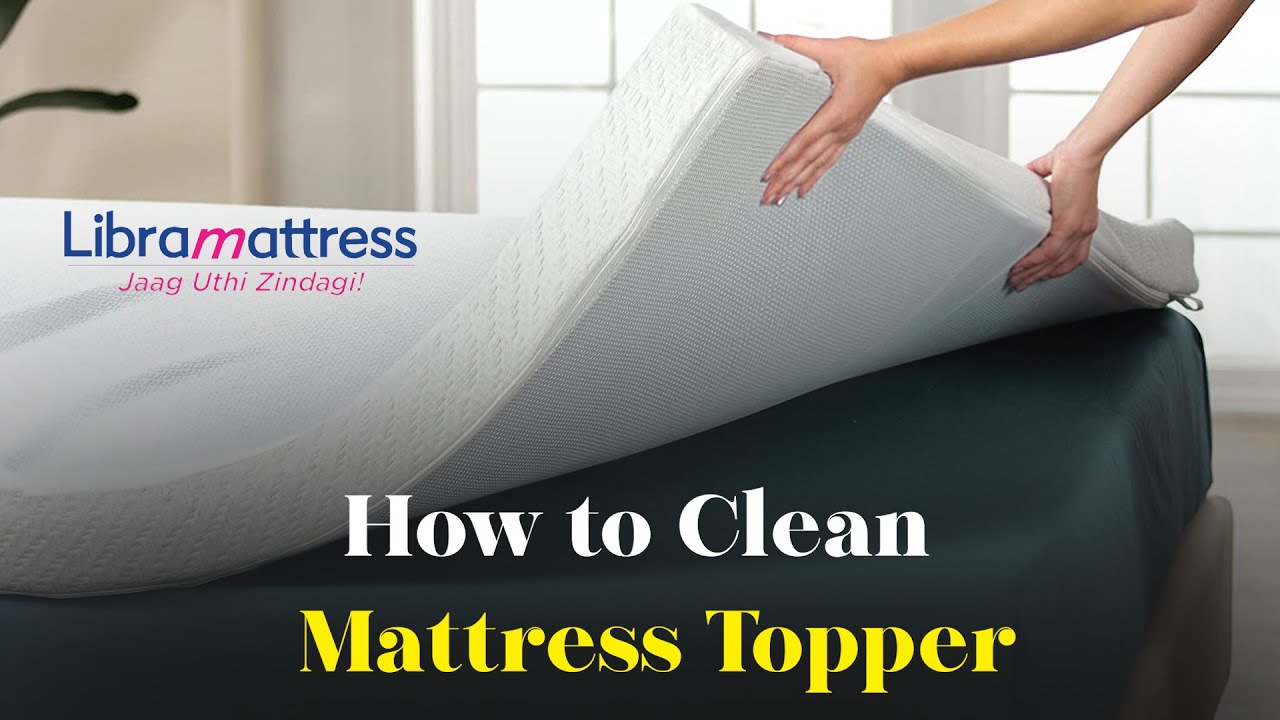 Flat, well-ventilated drying is critical for preventing mold and preserving topper shape.
Source: youtube
Flat, well-ventilated drying is critical for preventing mold and preserving topper shape.
Source: youtube
Common Mattress Topper Cleaning Mistakes To Avoid
These errors are the most common cause of premature topper damage, and are easily avoided with the right technique:
- Using hot water or high-heat drying: Heat shrinks synthetic fabric, melts foam cores, and breaks down the natural loft of down and feather fills. Even 10 minutes in a hot dryer can permanently warp a memory foam topper.
- Using bleach, fabric softener, or harsh all-purpose cleaners: Bleach breaks down flame-retardant treatments required for all mattress products sold in the U.S., and can discolor fabric and irritate skin. Fabric softener coats fill and foam, reducing breathability and attracting dirt.
- Wringing or twisting the topper: This breaks internal fill clusters, creates permanent lumps, and tears fabric seams. Always press out water with towels instead.
- Skipping the extra rinse cycle: Excess soap residue leaves toppers stiff, attracts dust and dirt, and causes musty odors over time.
- Putting a damp topper back on the bed: Even 1–2% moisture content is enough to support mold and mildew growth, which can trigger allergy symptoms and ruin the topper permanently. Wait until the topper is completely dry to the touch before re-making your bed.
- Washing a topper too frequently: Deep cleaning more than once every 6 months wears down fabric and fill faster than normal use. Stick to monthly vacuuming and spot-cleaning spills as they happen, with deep cleans only every 6 months.
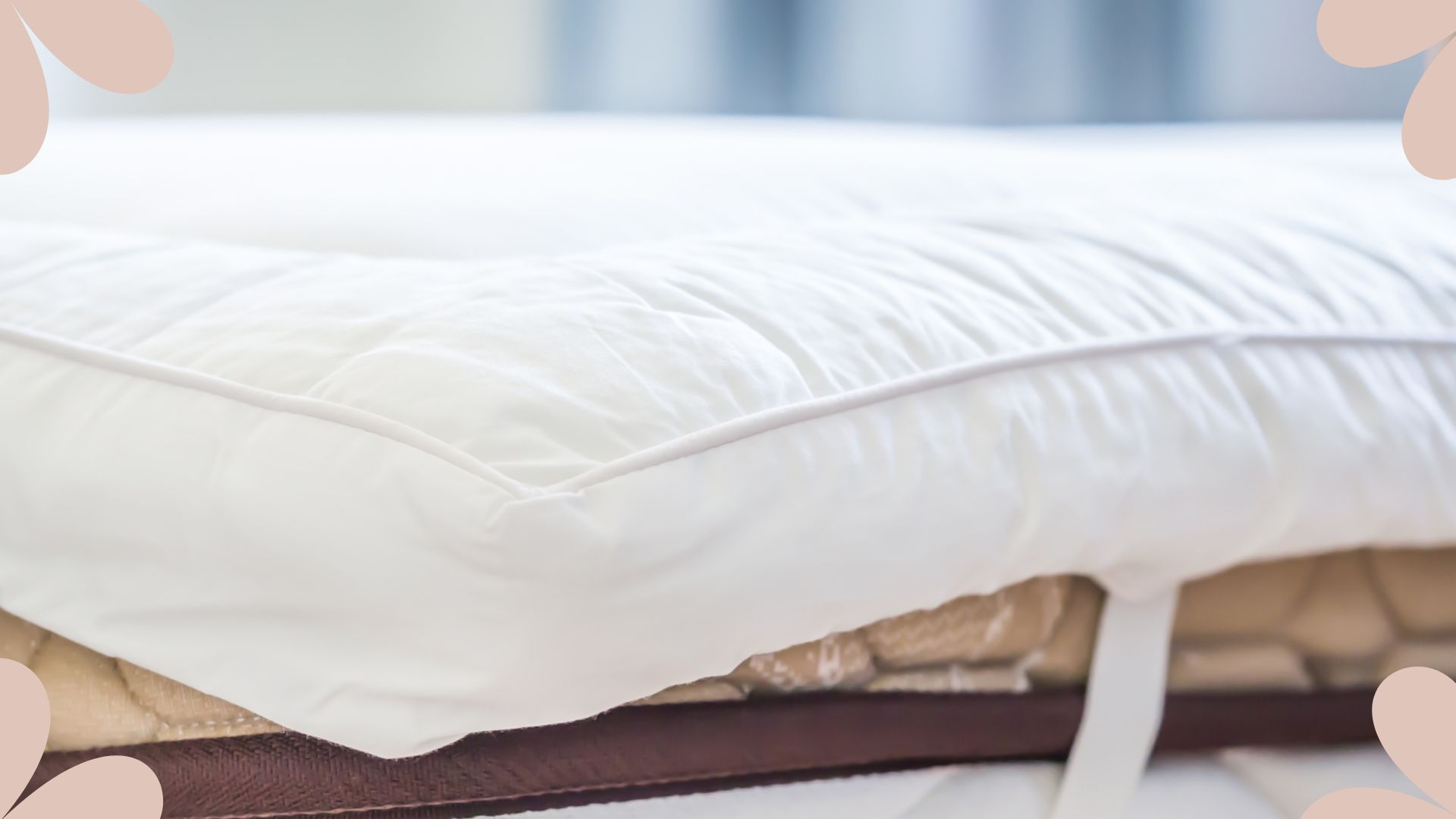 Avoiding common cleaning mistakes can extend your topper’s lifespan by 2 years or more.
Source: womanandhome
Avoiding common cleaning mistakes can extend your topper’s lifespan by 2 years or more.
Source: womanandhome
When To Replace Your Mattress Topper Instead Of Cleaning
Even with perfect care, toppers have a finite lifespan. It’s time to replace your topper rather than continuing to clean it if you notice any of these signs:
- Persistent sagging or lumps that don’t flatten out after fluffing or drying
- Flattened fill that no longer provides pressure relief, even after shaking or fluffing
- Lingering musty or urine odors that remain after a full deep clean
- Torn seams or exposed foam that can’t be repaired
- Allergy symptoms that persist despite regular cleaning, indicating embedded dust mites or mold that can’t be removed
Most toppers last 3 to 5 years with proper care, but lower-quality foam toppers may only last 2 years. If you have a gelform pad that’s lost its support, it’s often more cost-effective to replace it than to attempt cleaning a damaged core. For guidance on identifying when your topper is past its prime, refer to our gelform pad wear guide.
 A topper that no longer provides support or has persistent odors is a sign it’s time for a replacement.
Source: wikihow
A topper that no longer provides support or has persistent odors is a sign it’s time for a replacement.
Source: wikihow
Frequently Asked Questions
Can I put my mattress topper in the washing machine?
Only if the care label explicitly states it is machine-washable. Down, polyester fiberfill, and some bamboo toppers are safe for machine washing on a gentle cycle, but solid memory foam, latex, and gel-infused toppers are not—submerging them in water damages the core and leads to mold growth. If you’re unsure, opt for spot cleaning or handwashing instead.
How often should I wash a mattress topper?
Deep clean machine-washable toppers every 6 months, and spot-clean spills as soon as they happen. All toppers should be vacuumed monthly and aired out for 1–2 hours weekly to reduce dust and odor buildup. If you have allergies or pets, increase spot cleaning to as needed and deep clean every 3 months.
Can I use bleach to remove stains?
No. Bleach degrades the flame-retardant treatments required for all mattress products sold in the U.S., and can discolor fabric and irritate skin. For tough organic stains, use an enzyme cleaner specifically designed for mattress fabrics, which breaks down proteins without damaging materials.
How long does it take for a mattress topper to dry?
Drying time varies by material: synthetic fill toppers take 12–24 hours, down/feather toppers take 24–48 hours with occasional fluffing, and solid foam toppers take 24–72 hours depending on thickness and ventilation. Never reinstall a topper until it is completely dry to the touch, as even small amounts of moisture cause mold growth.
How do I remove urine or pet stains from a mattress topper?
Blot as much liquid as possible with clean white towels immediately, then apply an enzyme cleaner to the stained area, letting it sit for 15–20 minutes to break down odor-causing proteins. Blot the area with a damp cloth to remove residue, then air dry completely in a well-ventilated area. For set-in stains, repeat the treatment before drying.
Can I put a memory foam topper in the dryer?
Never. High heat melts the foam core, warps its shape, and releases harmful fumes. Even low-heat drying is not recommended for most solid foam toppers—air dry flat in a well-ventilated area instead.
Can I wash a bamboo mattress topper?
Most bamboo viscose toppers are machine-washable on a cool gentle cycle, but check the care label first. Avoid hot water and harsh chemicals, which can break down the bamboo fibers. Air dry flat instead of tumble drying to preserve softness.
 Proper cleaning keeps your topper fresh and extends its usable lifespan.
Source: turmerry
Proper cleaning keeps your topper fresh and extends its usable lifespan.
Source: turmerry
Keeping your mattress topper clean is one of the simplest ways to improve sleep quality, reduce allergy symptoms, and avoid the cost of premature replacement. The exact method you use will depend entirely on your topper’s material, so always start by checking the care label, and never assume all toppers are machine-washable.
Stick to the 6-month deep cleaning schedule for machine-washable models, vacuum monthly, and spot-clean spills as soon as they happen to prevent stains from setting. If your topper has persistent sagging, lumps, or odors that won’t come out with cleaning, it’s likely time for a replacement rather than more aggressive washing.
If you’re looking for more tips to keep your sleep space fresh, check out our guide to sleeping with wet hair without damage to avoid overnight hair damage, or learn how to revive a flat feather topper if your down topper has lost its loft.
Have you tried cleaning your mattress topper using these methods? Share your experience or questions in the comments below.

Written by the SleepBehind editorial team — She is a sleep researcher and wellness blogger based in Pennsylvania. Passionate about helping people optimize their sleep.