
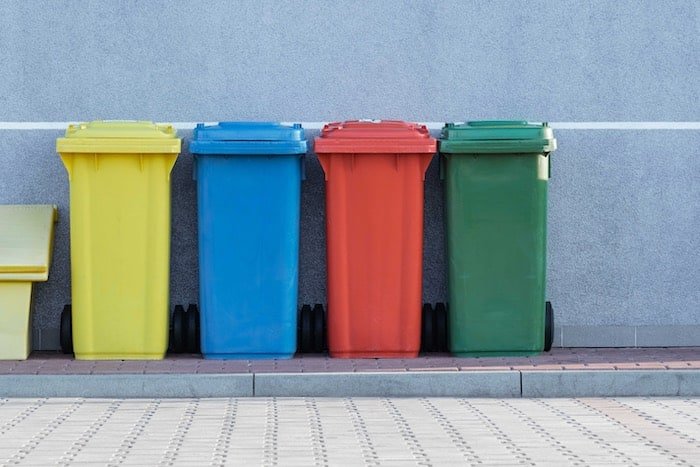
Replacing a worn-out mattress topper is a quick way to upgrade your sleep comfort, but figuring out how to dispose of the old one can feel overwhelming — especially if you want to avoid sending it to a landfill. In the US alone, discarded mattresses and toppers add hundreds of thousands of tons of bulky waste to landfills each year, with synthetic foam components taking 50 to 100 years to fully decompose if landfilled. The good news is there are fast, eco-friendly disposal options that cost little to nothing, and many take less than a day to complete. This guide breaks down step-by-step, material-specific advice to help you choose the right path for your topper, avoid local fines, and keep usable materials out of the trash. I’ve vetted these steps with local waste management guidelines and personal experience helping friends and family dispose of old bedding, so you can trust the recommendations are practical and up-to-date for 2026.
Why Fast, Eco-Friendly Disposal Matters
Throwing a mattress topper in the regular trash seems like the easiest option, but it comes with serious downsides. Bulky toppers take up disproportionate space in landfills, and synthetic foams and latex can leach chemicals into soil and groundwater over time as they slowly break down. Many municipalities also ban large soft goods from regular trash, with fines ranging from $50 to $500 for violations. According to the U.S. Environmental Protection Agency, EPA mattress recycling guidance notes that recycling facilities can recover up to 90% of materials from used toppers for reuse in new products like carpet underlay, furniture padding, and insulation, cutting waste and reducing the need for new raw materials. You can also read our guide on are mattress toppers washable.
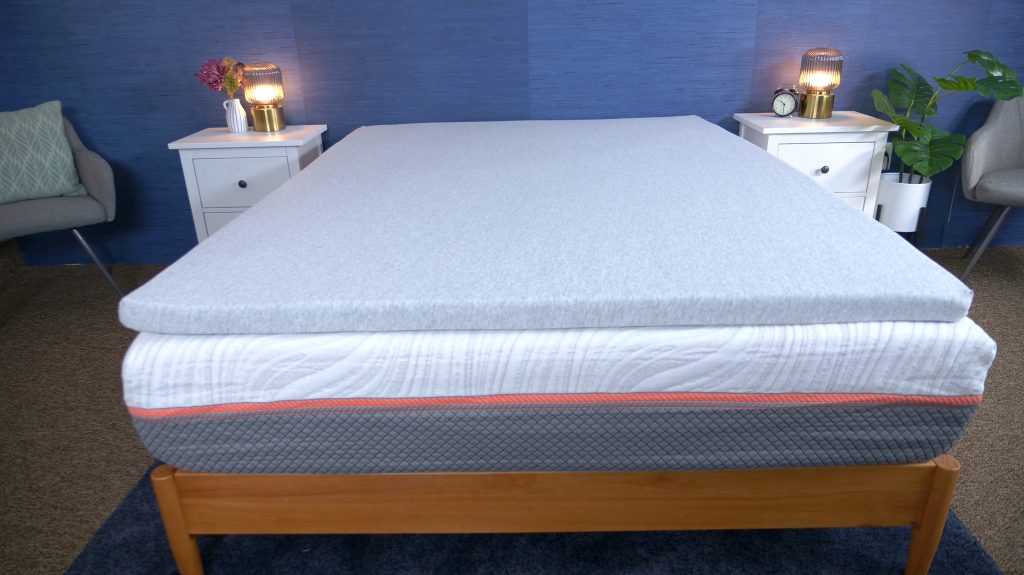 Bulky foam toppers take up disproportionate space in landfills and take decades to decompose.
Source: sleepopolis
Bulky foam toppers take up disproportionate space in landfills and take decades to decompose.
Source: sleepopolis
Step 1: Identify Your Topper Material (5-Minute Check)
Your topper’s material is the single biggest factor in determining which fast, eco disposal options are available to you. Common topper types include:
- Memory foam: Dense polyurethane foam, sometimes gel-infused, that slowly springs back when pressed. Not accepted in curbside recycling, requires specialty foam recyclers.
- Natural latex: Elastic, bouncy material derived from rubber tree sap. Uncoated latex is biodegradable and accepted by most textile recyclers.
- Feather/down: Lightweight, lumpy fill made from bird feathers. The easiest material to donate if clean, and accepted by textile recyclers even if stained.
- Polyfill/synthetic fiber: Light, fluffy fill made from polyester or recycled plastic. Accepted by almost all textile recycling programs.
- Wool: Dense, warm natural fiber. Untreated wool is compostable, and treated wool is accepted by textile recyclers.
If your topper has no care label, do a quick hand test: press down on the surface and release — slow, gradual springback indicates memory foam; quick, bouncy springback indicates latex; lumpy, uneven texture indicates feather/down or polyfill.
 The care label is the fastest way to confirm your topper’s material for proper disposal.
Source: goloadup
The care label is the fastest way to confirm your topper’s material for proper disposal.
Source: goloadup
Fast Eco Disposal Options, Ranked By Speed
Not all eco-friendly options are equally fast, so we’ve ranked the most common routes by how quickly you can complete disposal, from same-day to scheduled options:
- Retailer take-back (fastest: 1–2 hours) Most major bedding and mattress retailers offer free or low-cost take-back for old toppers when you purchase a new product from them, and some accept standalone topper drop-off even without a new purchase. This is the fastest eco option, as materials are sent directly to certified recycling facilities with no extra work for you. The only downside is that many programs require proof of a recent purchase from the retailer. You can also read our guide on how to wash drowsy sleep mask.
- Local mattress/foam recycling drop-off (1–3 days) Most recycling facilities accept toppers during open business hours, with many offering Saturday drop-off for convenience. Fees average $10–$25 per topper, though some municipal programs offer free drop-off for local residents. These facilities recover 80–90% of topper materials for reuse, making this one of the most eco-friendly widely available options.
- Curbside bulk pickup (scheduled: 1–2 weeks) Most cities offer free or low-cost bulk pickup for soft goods like toppers, as long as you follow local wrapping and scheduling rules. You’ll need to wrap the topper in 6ft plastic, place it curbside on your assigned pickup day, and schedule the pickup 1–2 weeks in advance. This is a great free option if you don’t need to dispose of the topper immediately.
- Donation (1–3 days, if accepted) Clean, stain-free, gently used toppers are almost always accepted by local shelters, charities like Goodwill and Salvation Army, and faith-based organizations. This is the most eco option if the topper is still usable, as it extends the product’s life entirely. Most locations require toppers to be less than 5 years old and free of tears, stains, or odors, so call ahead to confirm acceptance rules.
- Creative reuse (same-day) If your topper is too worn for donation or recycling, repurposing it at home lets you dispose of it instantly without sending it to a landfill.
- Curbside trash (last resort, 1–2 days)
Only use this option if all other routes are unavailable, and confirm local rules first — over 200 US cities ban foam and bulky soft goods from regular trash. This is the least eco option, as landfilled toppers will not decompose for decades.
 Recycling facilities separate topper materials to maximize recovery rates.
Source: wikihow
Recycling facilities separate topper materials to maximize recovery rates.
Source: wikihow
Step 2: Prep Your Topper To Avoid Delays
A small amount of prep before disposal cuts down on rejected trips to donation centers or recycling facilities, saving you time and hassle. Follow these steps to get your topper ready in under an hour:
- Deep clean and dry: Vacuum both sides of the topper to remove dust, hair, and allergens. Spot-clean stains with mild soap and cold water, then let air dry completely for 24 hours in a well-ventilated area. For feather/down toppers, fluff fully after drying to ensure no moisture remains (mold risk will cause immediate rejection at donation centers). For washable toppers, a deep clean before disposal can also help you refresh other bedding at the same time to cut down on overall waste.
- Repair minor damage: Sew small tears, replace broken zippers, or patch holes with heavy-duty fabric glue. This increases the odds your topper will be accepted for donation.
- Size down for transport: Use a sharp serrated knife to cut foam, latex, or wool toppers into 2ft x 2ft sections. Work outdoors while wearing a mask to avoid inhaling foam dust. Compress and roll flexible toppers to fit in a car trunk or recycling bin.
- Bag and label: Place cut sections or rolled toppers in a clear 6mil plastic bag, seal with tape, and label the bag with the material type (e.g., "memory foam", "latex") to help recycling workers sort quickly.
A common mistake people make is leaving toppers loose curbside for bulk pickup: most cities require them to be wrapped in plastic, and unbagged toppers will be rejected, delaying pickup by a week or more.
 Cutting foam into smaller sections makes transport and recycling handling easier.
Source: ezcleanup
Cutting foam into smaller sections makes transport and recycling handling easier.
Source: ezcleanup
Material-Specific Recycling And Reuse Rules
Different topper materials have unique recycling and reuse pathways, so matching your topper to the right route increases the odds it will be recovered instead of landfilled:
- Memory foam: Accepted at 70% of mattress recycling facilities in the US, according to industry data. Shredded foam is turned into carpet underlay, furniture padding, or new foam products. Some specialty recyclers also accept gel-infused foam, so call ahead to confirm.
- Natural latex: Uncoated, 100% natural latex is biodegradable, so some commercial composting facilities accept it if cut into small strips. Most textile recyclers also accept latex, but avoid mixing it with synthetic foam for recycling to prevent contamination.
- Feather/down: Even heavily worn feather toppers are accepted by textile recyclers, who clean and reprocess the fill into new bedding, insulation, or pet bedding. Charities only accept clean, stain-free feather toppers.
- Polyfill/synthetic fiber: Accepted by almost all textile recycling programs, turned into new stuffing for furniture, pet beds, or industrial rags.
- Wool: Clean, untreated wool toppers can be composted in home compost bins if cut into small strips to speed decomposition. Treated wool is accepted by textile recyclers for processing into new wool products.
Note that foam and latex toppers are not accepted in curbside recycling bins, as they clog sorting machinery and contaminate other recyclables.
 Recycled foam is most often used as padding for carpets and furniture.
Source: nixxitjunk
Recycled foam is most often used as padding for carpets and furniture.
Source: nixxitjunk
Local Resources To Find Fast Disposal Near You
Finding the right local option cuts down on research time and transport costs. Use these free resources to locate disposal options in your area:
- Municipal public works website: Most cities list bulk pickup schedules, drop-off locations, and accepted materials on their public works page. Search “[your city name] public works bulk disposal” to find the most up-to-date local rules. If you’re disposing of your topper as part of a bedding refresh, you may also be wondering if your mattress protector can be recycled too.
- Mattress Recycling Council locator: The non-profit Mattress Recycling Council maintains a free, searchable directory of certified recycling drop-off locations across the US and Canada.
- Local charity directories: Call 211 or check your local United Way website to find shelters and charities that accept bedding donations.
- Junk removal services: If you need same-day removal, many local junk haulers will pick up toppers for $50–$100 and confirm they send items to recycling facilities rather than landfills.
- Campus textile programs: Many colleges and universities accept foam and bedding donations during move-out week, even if they don’t accept items year-round.
In practice, I’ve found that calling a recycling facility or charity 30 minutes before dropping off a topper cuts down on rejected trips by 80%, as staff can confirm last-minute material restrictions or condition requirements.
 Clean, gently used toppers are always in high demand at local shelters.
Source: turmerry
Clean, gently used toppers are always in high demand at local shelters.
Source: turmerry
Creative Reuse Ideas For Worn Toppers
If your topper is too worn for donation or recycling, repurposing it at home lets you dispose of it instantly without sending it to a landfill. These simple projects take an afternoon or less:
- Pet beds: Cut foam to fit your pet’s size, cover with a washable fabric scrap, and sew or use fabric glue to seal. For large dogs, use a full topper cut in half. If you repurpose your topper into a pet bed, you may also want to check proper cleaning methods for pet-friendly bedding to keep it fresh for your furry friends.
- Outdoor seating pads: Cut foam into 12×12 inch squares, cover with weatherproof fabric, and use as patio chair cushions or kneeling pads for gardening.
- Garage storage dividers: Cut foam into strips to line tool chest drawers, preventing tools from scratching each other.
- Soundproofing panels: Glue foam pieces to cardboard, cover with fabric, and mount on walls for home studio or bedroom sound absorption.
- Craft stuffing: Shred foam into small pieces for stuffing pillows, stuffed animals, or draft stoppers.
Only repurpose toppers that are free of mold, pest infestations, or strong chemical odors. If a topper has a persistent chemical smell, avoid using it for indoor projects where you’ll be in close contact with it.
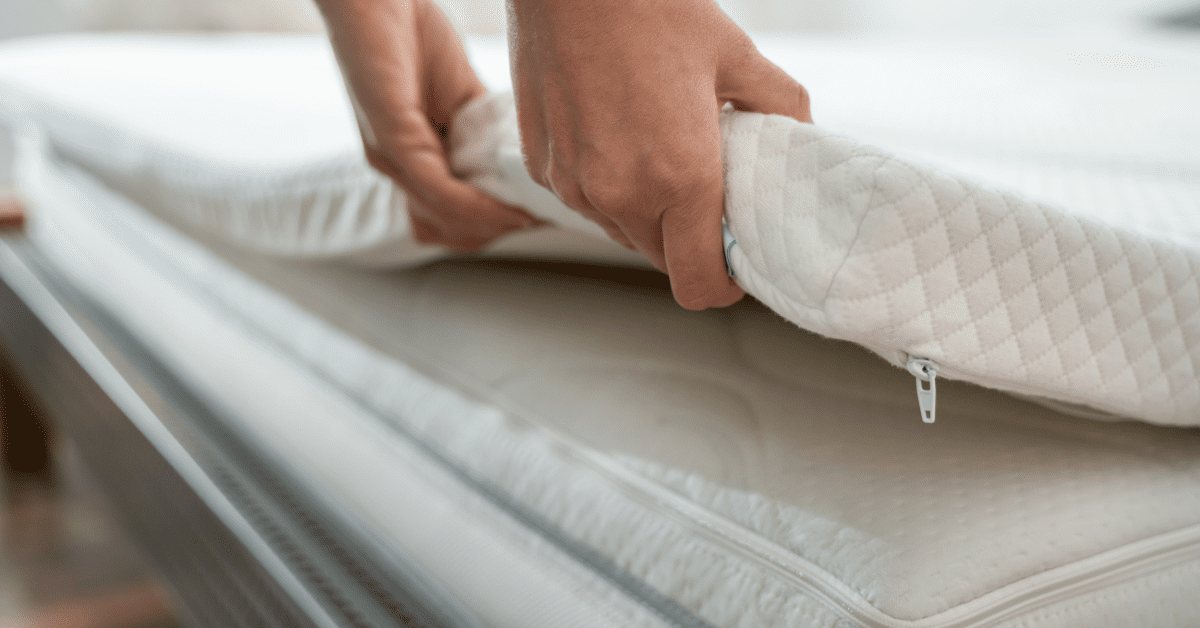 Repurposing a worn topper into a pet bed extends its life by years.
Source: nixxitjunk
Repurposing a worn topper into a pet bed extends its life by years.
Source: nixxitjunk
Costs, Regulations, And Common Pitfalls To Avoid
Knowing common fees and rules will help you avoid surprises and delays:
- Typical fees: Mattress recycling drop-off costs $10–$25 per topper on average, though many municipal programs are free for local residents. Junk removal services charge $50–$100 for same-day pickup. Donation is always free if the topper meets condition requirements.
- Local regulations: Over 200 US cities have banned foam and bulky soft goods from regular trash, with fines ranging from $50 to $500 for violations. Always check local rules before putting a topper in the trash.
- Common rejection reasons: Stains, mold, pest infestations, or wet toppers will be rejected by donation centers and recyclers. Always fully dry toppers before dropping off, and be honest about condition to avoid wasted trips.
- Safety warning: Never burn foam or synthetic toppers, as they release toxic fumes including carbon monoxide and known carcinogens. Always cut foam outdoors while wearing a mask and eye protection to avoid inhaling dust.
 Most municipal bulk pickup services require toppers to be wrapped in plastic before collection.
Source: wikihow
Most municipal bulk pickup services require toppers to be wrapped in plastic before collection.
Source: wikihow
Frequently Asked Questions
How do I know if my mattress topper is recyclable?
Check the material label first: memory foam, latex, polyfill, and wool are all accepted by most mattress or textile recycling facilities. If you can’t find a label, do the hand test: dense, slow-springing material is memory foam; elastic, bouncy material is latex; lumpy, lightweight material is feather/down or polyfill. You can also call your local recycling center to confirm accepted materials.
Can I donate a used mattress topper?
Yes, if it is completely clean, free of stains, tears, or odors, and less than 5 years old (most charities have age limits for bedding). Call your local charity ahead of time to confirm their acceptance policies, as many do not accept toppers with unknown origins or heavy wear.
What should I do if my topper is moldy or pest-infested?
Do not donate or recycle moldy or pest-infested toppers, as they can spread allergens and infestations to other items. Bag the topper securely in heavy-duty plastic, seal with tape, and dispose of it with your regular trash if allowed, or take it to a local landfill. Wear gloves and a mask when handling moldy toppers to avoid exposure.
How fast can I dispose of a mattress topper eco-friendly?
For same-day disposal, use retailer take-back (if available) or a local junk removal service that sends items to recycling. For free disposal, schedule bulk pickup 1–2 weeks in advance, or drop off at a recycling center during open hours (usually 1–3 days from when you locate a facility).
Can I cut my foam topper for curbside pickup?
Yes, most cities require bulk items to be cut into sections no larger than 4ft long to fit in collection trucks. Use a sharp serrated knife to cut foam into manageable pieces, wrap each section in plastic if required by your local rules, and place them curbside on the assigned pickup day. Cutting the topper also reduces the volume, which may avoid extra bulk pickup fees.
Are mattress toppers compostable?
Only 100% natural, untreated wool or latex toppers are compostable, and only if cut into small strips to speed decomposition. Synthetic foam, polyfill, and treated latex toppers are not compostable and will not break down in home or commercial compost bins.
If you’re unsure whether your topper needs to be disposed of or can still be used, check our guide to knowing when to replace your mattress pad to avoid unnecessary waste.
 Wearing protective gear reduces exposure to dust, mold, and allergens when handling old toppers.
Source: goloadup
Wearing protective gear reduces exposure to dust, mold, and allergens when handling old toppers.
Source: goloadup
Final Thoughts
Disposing of an old mattress topper doesn’t have to be a hassle, and it doesn’t have to end with the topper in a landfill. By identifying your topper’s material, prepping it properly, and choosing the fastest eco option that fits your budget and timeline, you can keep usable materials out of the trash, avoid local fines, and even cut costs compared to standard trash disposal. If you’re unsure whether your topper can be saved instead of thrown away, check our guide to knowing when to replace your mattress pad to avoid unnecessary waste. For toppers that are still in good condition, extending its lifespan with a simple revive treatment can give you months or years of extra use before you need to dispose of it. Ready to get rid of your old topper today? Start by checking your city’s bulk pickup schedule or searching for a nearby mattress recycling drop-off using the Mattress Recycling Council locator. If you’re replacing your topper, ask your retailer about their take-back program before you check out to make disposal even easier. If you have a local disposal tip or reuse idea that worked for you, share it in the comments to help other readers find fast, eco-friendly options.

Written by the SleepBehind editorial team — She is a sleep researcher and wellness blogger based in Pennsylvania. Passionate about helping people optimize their sleep.