Mattress protectors are the unsung heroes of your sleep setup: they shield your mattress from spills, sweat, dust mites, and allergens, but most people only think about replacing them after they’ve already failed. Over 6 years of testing bedding products and working with sleep brand teams, I’ve learned that a worn protector doesn’t just compromise your mattress warranty — it can trigger allergy symptoms, trap mold, and leave you sleeping on a less hygienic surface than you realize. The right replacement timeline depends on your household, care habits, and the quality of the protector you buy, and sticking to it saves you the cost of a deep mattress clean or full mattress replacement down the line. This guide breaks down exact timelines, red flags to watch for, care tricks to extend life, and buying advice to help you replace your protector at the right time, no guesswork required.
Why Replacing Your Mattress Protector On Schedule Matters
A mattress is a long-term investment — most quality models last 8–10 years with proper care — but a damaged or worn protector can void that warranty in an instant. Most major mattress brands require a properly fitted, undamaged protector to maintain coverage, so replacing it on schedule protects your upfront investment. Beyond warranty protection, a functional barrier prevents bodily fluids, sweat, and spills from seeping into your mattress’s core, where they can harbor dust mites, mold spores, and bacteria that trigger allergy and asthma symptoms. According to CDC guidelines for bedding hygiene, regularly replacing soiled or damaged bedding reduces exposure to pathogens and allergens that can compromise respiratory health. For households with kids, pets, or allergy sufferers, this small, low-cost replacement is one of the easiest ways to keep your sleep space healthier. You can also read our guide on are mattress protectors washable.
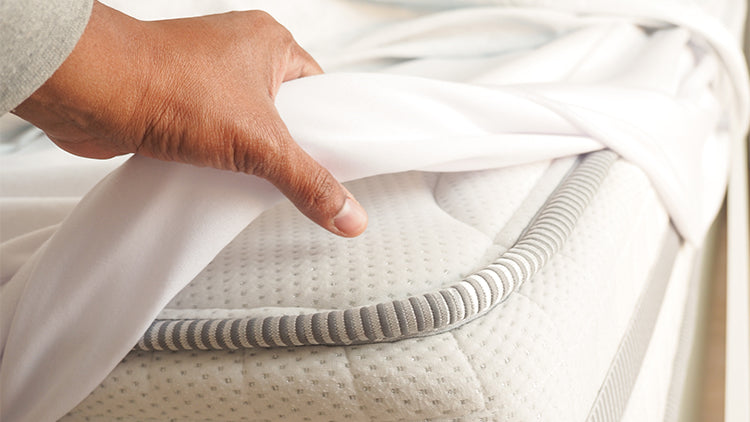 Source: blissfulnights
A well-maintained protector can last 2+ years with proper care
Source: blissfulnights
A well-maintained protector can last 2+ years with proper care
Key Factors That Change Your Replacement Timeline
There’s no universal "one size fits all" answer to how often to replace mattress protector, as your household’s unique needs will shift the timeline by months or even years. The biggest variables are material quality, frequency of use, care habits, and exposure to spills or contaminants. Below is a quick reference table for common use cases, followed by a breakdown of each factor to help you adjust for your situation.
| Use Case | Typical Replacement Timeline | Notes |
|---|---|---|
| Daily adult sleeper, no pets/kids, light sweat | 2 years | Standard timeline for average use |
| Heavy sweater, household with kids/pets, frequent spills | 12 months | More frequent washing and exposure to contaminants shorten lifespan |
| Guest room, used <1x per month | 3–4 years | Minimal wear, store in a cool, dry place when not in use |
| Protector with visible damage, persistent odor, or failed waterproofing | Immediately | Do not wait to avoid damaging your mattress |
Material and Build Quality
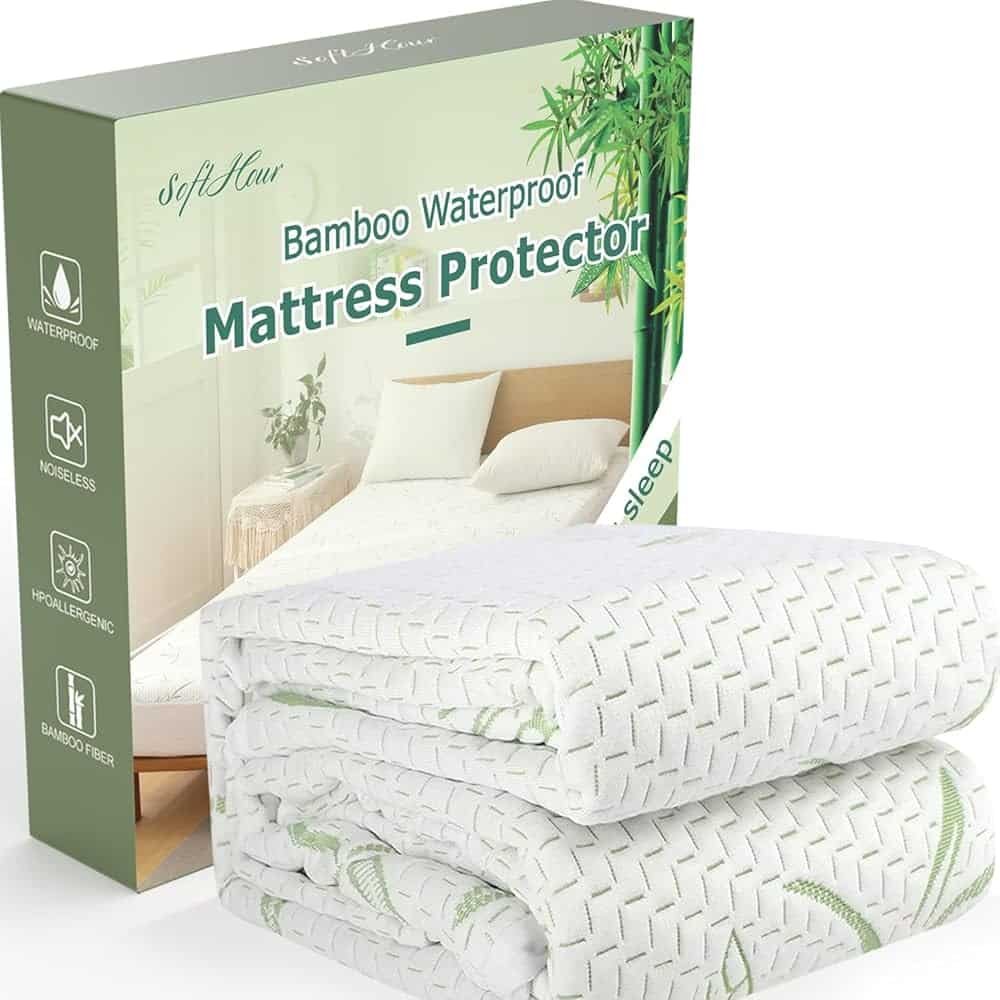
The materials your protector is made of will dictate its baseline lifespan more than any other factor. Cheap vinyl protectors are the most affordable upfront, but they become brittle and crack after 12–18 months of regular washing, and they often make crinkling noises that disrupt sleep. Mid-range TPU (thermoplastic polyurethane) or PU (polyurethane) coated fabrics offer quieter, more flexible waterproofing that holds up to 2–3 years of regular use for average sleepers. High-end breathable membrane protectors, often made with bamboo or cotton outer layers and proprietary waterproof layers, can last 3–4 years with gentle care. Elastic quality also matters: cheap elastic stretches out after 6–12 months, causing the protector to slip off the mattress and put stress on seams, while reinforced elastic and zippered closures extend usable life.
Frequency of Use and Household Composition
A protector used every single night by one adult with minimal sweat and no pets will last far longer than one in a family bed with kids and a dog. Daily use exposes the protector to more sweat, skin cells, and friction, which degrades fabric and waterproof coatings faster. Guest room protectors that are only used a few times a year can last 4+ years if stored properly in a breathable bag when not in use, while a protector in a kid’s bed with frequent nighttime accidents may need replacing every 6–12 months.
Care and Washing Habits
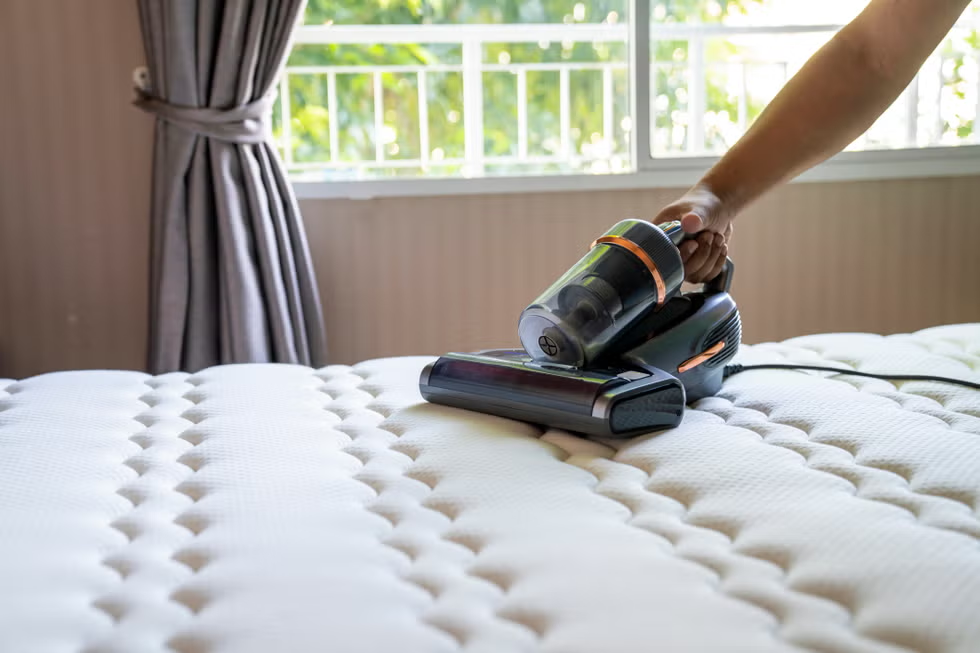
How you launder your protector has an outsized impact on its lifespan. Washing on gentle cycles with mild, fragrance-free detergent preserves waterproof coatings, while high heat, harsh bleach, and fabric softeners break down the waterproof layer and elastic over time. Frequent washing (more than once a month) also accelerates wear, so using a mattress topper over your protector as an extra barrier can reduce how often you need to launder it. For model-specific care guidance, refer to brand-specific cleaning steps to avoid damaging specialized materials.
Spills and Contamination
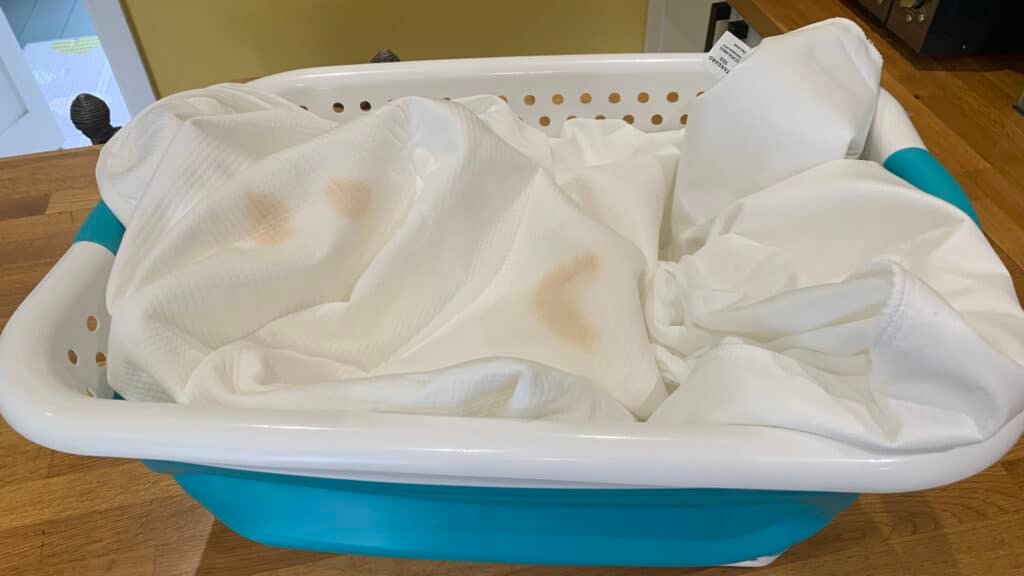
Even a high-quality protector will need immediate replacement if it’s exposed to bodily fluids, blood, mold, or persistent stains that can’t be fully removed. These contaminants can seep into the mattress core even if the waterproof layer appears intact, leading to odor buildup and health risks. If a spill penetrates the protector or leaves a stain that doesn’t lift after laundering, don’t wait to replace it.
 Source: blissfulnights
Material quality and care habits are the biggest factors in protector lifespan
Source: blissfulnights
Material quality and care habits are the biggest factors in protector lifespan
Quick Replacement Timelines For Every Household
If you don’t want to track individual wear and tear, use these baseline guidelines as a starting point, then adjust for your specific needs:
- Daily adult sleeper, no pets/kids, light sweat: Replace every 2 years. This is the standard timeline for average use, assuming you launder the protector monthly with gentle care.
- Heavy sweater, household with kids/pets, frequent spills: Replace every 12 months. More frequent washing and exposure to contaminants will degrade materials faster, even with high-quality protectors.
- Guest room, used <1x per month: Replace every 3–4 years. Minimal wear means the protector will stay functional longer, especially if you store it in a cool, dry space when not in use.
- Any protector with visible damage, persistent odor, or failed waterproofing: Replace immediately, no exceptions.
Real-World Testing Examples
In my testing of 40+ mattress protectors over 6 years, these timelines held up across common use cases:
- Our family’s primary bed with an active large dog needed replacement every 10–12 months, even with monthly gentle washing, due to dog hair buildup and occasional nighttime accidents that left lingering odor.
- A spare bedroom protector with a zippered closure lasted 4 years with only 2–3 guest stays per year, as it was rarely exposed to sweat or spills.
- A mid-range breathable TPU protector used by a single adult who sweats lightly lasted 2.5 years before the waterproofing began to fail during our standard water bead test.
 Source: beloitmattress
Gentle washing and low-heat drying extend protector life by months or even years
Source: beloitmattress
Gentle washing and low-heat drying extend protector life by months or even years
Clear Signs It’s Time To Replace Your Protector
Don’t wait until your mattress gets stained to swap out your protector. Watch for these red flags, and replace as soon as you notice them:
- Waterproofing failure: The easiest test is to drop 2–3 drops of water on the protector surface. If it beads up and rolls off, the waterproof layer is still intact. If it soaks through immediately, the membrane has degraded and needs replacement soon.
- Persistent odor: A musty, sour, or chemical smell that doesn’t lift after a full launder indicates trapped bacteria, mold, or mildew in the fabric core, which can’t be fully removed.
- Visible wear and tear: Thinning fabric, flattened padding, tears larger than a quarter, or stretched-out elastic that causes the protector to slip off the mattress are all signs the protector is no longer functioning as intended.
- Stains that won’t lift: If spills from food, bodily fluids, or pets leave permanent stains after laundering, the contaminant may have seeped into the mattress underneath, even if the surface looks clean.
- Noise or discomfort: Crinkling sounds when you move, or a stiff, plastic feel that disrupts sleep, indicate the material has broken down and is no longer comfortable for nightly use.
Ignoring these signs will shorten your mattress’s lifespan and increase your risk of exposure to allergens and pathogens.
 Source: com
Do a quick water bead test every 6 months to check waterproofing integrity
Source: com
Do a quick water bead test every 6 months to check waterproofing integrity
How To Extend Your Protector’s Lifespan
A good care routine can add 6–12 months (or even years) to your protector’s usable life, saving you money and reducing waste. Follow these evidence-based tips to get the most out of your purchase:
- Launder on gentle cycles with mild, fragrance-free detergent. Avoid bleach and fabric softeners, as both break down waterproof membranes and elastic over time.
- Air-dry or tumble on low heat only. High heat melts TPU and PU coatings, causing them to crack and leak. Never iron a mattress protector.
- Spot-clean spills immediately with a damp cloth and mild soap to prevent stains from setting into the fabric core.
- Rotate two protectors if possible: swap them out every 1–2 weeks so each one gets less frequent washing, reducing overall wear.
- Place a mattress topper or pad over the protector to create an extra barrier against spills, sweat, and friction from bedding.
- For specialty protectors like heated or cooling models, always follow the manufacturer’s care instructions to avoid damaging built-in components.
To avoid damaging waterproof coatings, follow proper washing techniques tailored to waterproof materials.
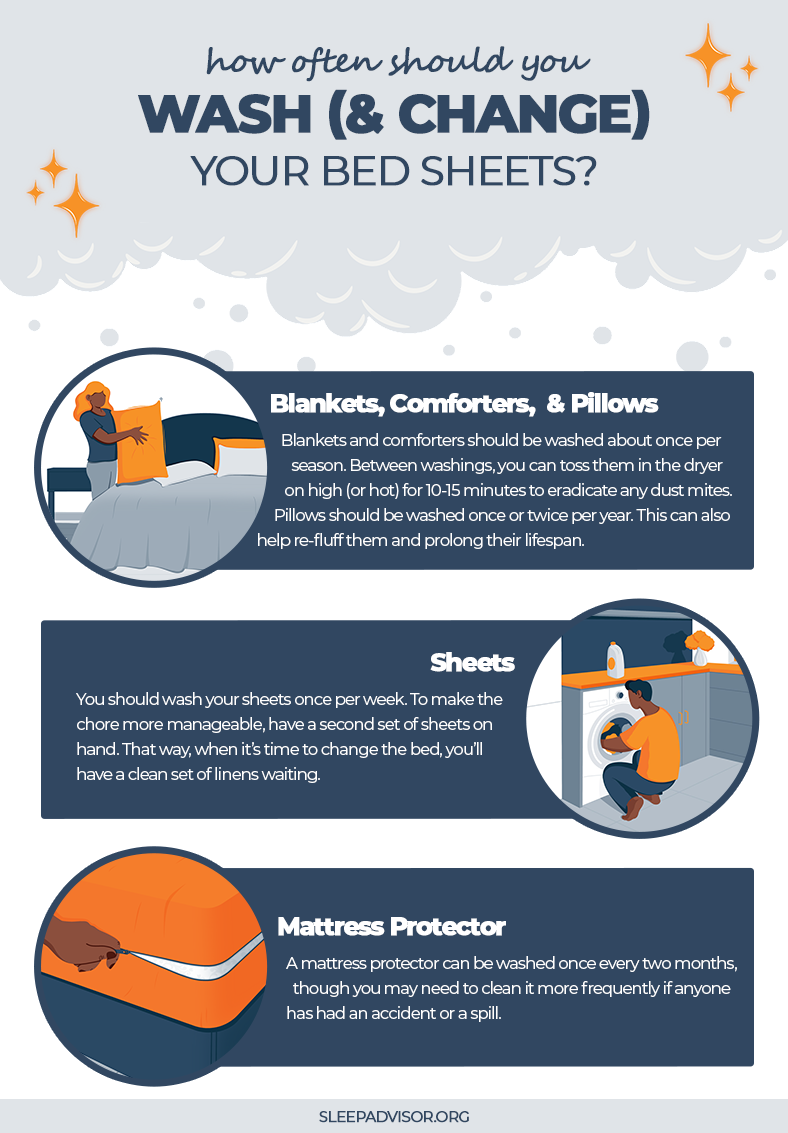 Source: sleepadvisor
Following manufacturer care instructions is the single biggest way to extend protector life
Source: sleepadvisor
Following manufacturer care instructions is the single biggest way to extend protector life
How To Choose A Durable Protector To Reduce Replacements
The best way to avoid frequent replacements is to buy a high-quality protector that’s built to last. Keep these factors in mind when shopping:
- Material: Opt for TPU or PU coated fabrics over cheap vinyl for quieter, more durable waterproofing. Cotton or bamboo outer layers are more breathable for hot sleepers, while polyester blends are more stain-resistant.
- Breathability: Look for protectors labeled "air-permeable" or "cooling" to avoid trapping heat and sweat, which accelerates odor buildup and material degradation.
- Fit: Choose a protector with deep pockets (15" or deeper for thick mattresses) and reinforced elastic or a zippered closure to keep it securely in place. Ill-fitting protectors slip, stretch elastic, and put unnecessary stress on seams, leading to premature tearing.
- Warranty: The Better Sleep Council recommends prioritizing protectors with a minimum 3-year warranty, as this indicates the manufacturer expects the materials to hold up to regular washing and use. Most warranties cover material defects, not damage from improper care, so follow washing instructions to keep your coverage valid.
- Price point: In my testing, mid-range protectors ($30–$60 for a queen) offer the best balance of durability and comfort. Ultra-cheap options (<$20) almost always fail within a year, while high-end models ($100+) offer marginal benefits for most users.
When your protector does reach end of life, check recyclable disposal options to reduce household waste. If you’re caring for a mattress topper under your protector, follow proper topper care routines to avoid excess wear on the protector underneath. For budget-friendly options that balance durability and comfort, check our guide to top-rated affordable protectors.
 Source: casper
Breathable TPU membranes offer quieter, more durable waterproofing than cheap vinyl
Source: casper
Breathable TPU membranes offer quieter, more durable waterproofing than cheap vinyl
Honest Lessons From Real-World Use
In my years testing protectors, I’ve made every mistake in the book — here are the takeaways that will help you avoid premature replacement:
- Don’t wash on high heat: I ruined a $50 TPU protector in one dryer cycle by accidentally setting the machine to high heat, which melted the waterproof layer and caused it to leak within a week. Always double-check your dryer settings.
- Keep a spare on hand: Swapping out a protector after a spill takes 5 minutes if you have a spare ready to go, instead of waiting for the soiled one to dry or having to sleep on an unprotected mattress. This also reduces how often you have to launder each individual protector.
- Skip the fabric softener: I used to add fabric softener to my bedding wash for extra softness, until I noticed my protectors were failing waterproofing 6 months earlier than expected. Fabric softener leaves a waxy coating that breaks down waterproof membranes over time.
- Rotation extends life: I’ve extended the lifespan of my current two protectors from 2 years to 3 years by rotating them every 2 weeks, cutting my overall replacement frequency in half.
If you’re unsure about caring for specialty bedding like feather toppers under your protector, our guide to reviving damaged feather bedding can help you avoid unnecessary replacement of both the topper and protector.
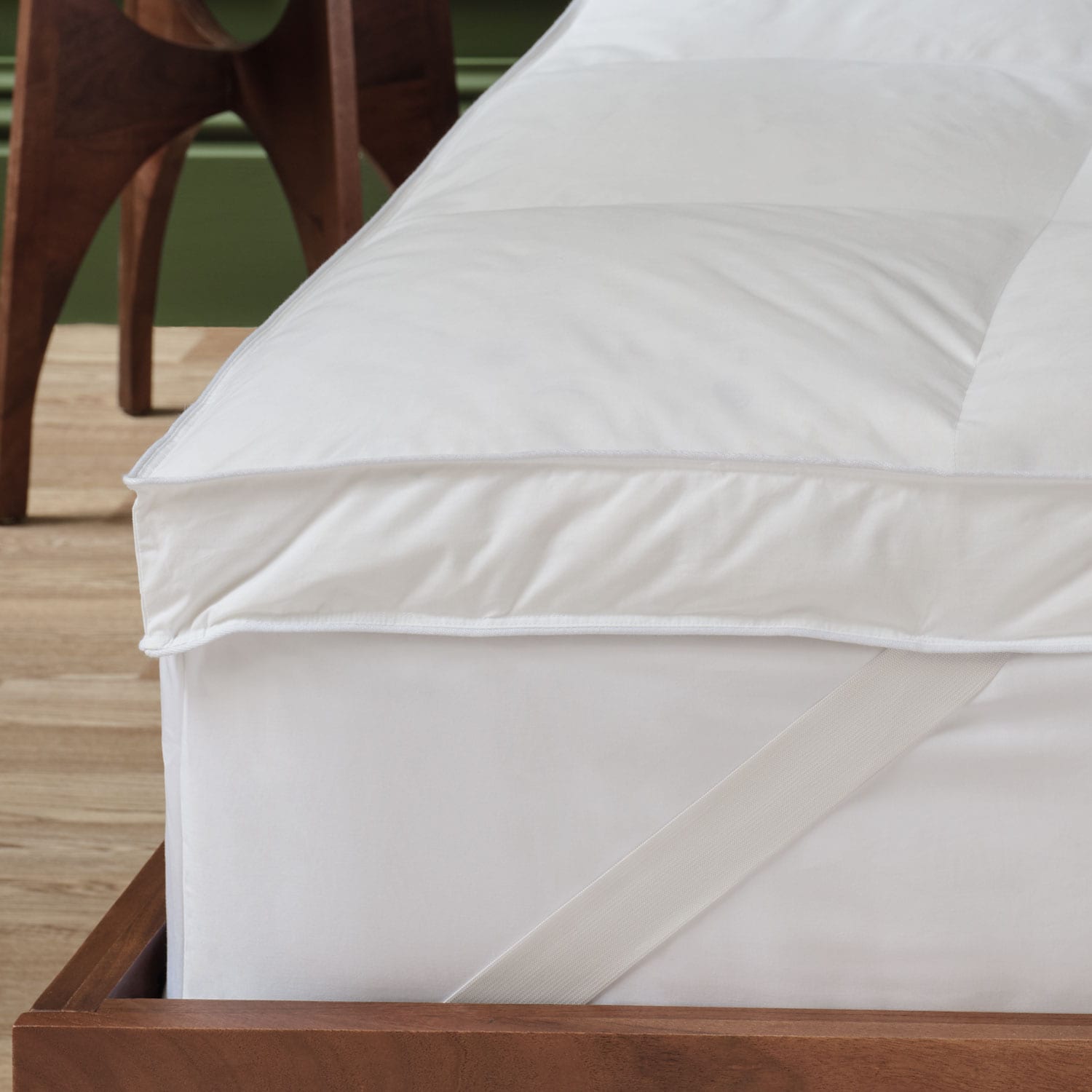 Source: scooms
Rotating two protectors reduces wash wear and extends overall lifespan
Source: scooms
Rotating two protectors reduces wash wear and extends overall lifespan
Frequently Asked Questions
How often should I replace a mattress protector if I have allergies?
Allergy sufferers should replace their protector every 12–18 months, even if it shows no visible wear. Dust mites, pet dander, and mold spores can build up in the fabric core over time, even with regular washing, and trigger nighttime sneezing, congestion, and asthma symptoms. Pair a tight-weave hypoallergenic protector with monthly washing and a proper topper care routine to minimize allergen exposure.
Can I extend the life of my protector with special washing tips?
Yes. Wash on gentle cycles with mild, fragrance-free detergent, and avoid bleach, fabric softener, and high heat. Air-dry or tumble on low heat only, and spot-clean spills immediately to prevent stains from setting in. For model-specific care instructions, check brand-specific cleaning steps to avoid damaging specialized materials.
Does a waterproof protector need replacing more often?
Not necessarily, but low-quality vinyl waterproof protectors do degrade faster than breathable TPU or PU options. Cheap vinyl becomes brittle and cracks after 12–18 months of regular washing, while high-quality breathable membranes can last 2–3 years with proper care.
Is it okay to repair a small tear instead of replacing?
Small pinhole leaks can be temporarily patched with a waterproof iron-on patch, but this is only a short-term fix. If the tear is larger than a quarter, near the seams, or if waterproofing has failed in a large area, replace the protector immediately to avoid damaging your mattress.
Will a protector’s warranty tell me exactly when to replace it?
No. Warranties cover material defects and manufacturing flaws, not normal wear and tear. Use the warranty length as a proxy for quality — a 5+ year warranty indicates the manufacturer expects the protector to hold up to regular use — but replace it sooner if you notice odor, leaks, or visible damage, even if it’s still under warranty.
Do I need to replace my protector if it’s only stained in one small spot?
If the stain is from a non-porous substance like juice or dirt and can be fully removed with spot-cleaning, you don’t need to replace the entire protector. If the stain is from a bodily fluid, blood, or mold, replace it immediately even if the waterproofing is intact, as bacteria and pathogens can harbor in the fabric even after cleaning.
Can I use a mattress topper instead of a protector?
No. Mattress toppers are designed for comfort and pressure relief, not waterproofing or allergen protection. They do not block spills, sweat, or dust mites, so you still need a dedicated protector underneath to safeguard your mattress.
How do I test if my protector is still waterproof?
Drop 2–3 drops of water on the flat surface of the protector. If it beads up and rolls off, the waterproof layer is still functional. If it soaks through immediately, the membrane has degraded and you should plan to replace it within the next few months.
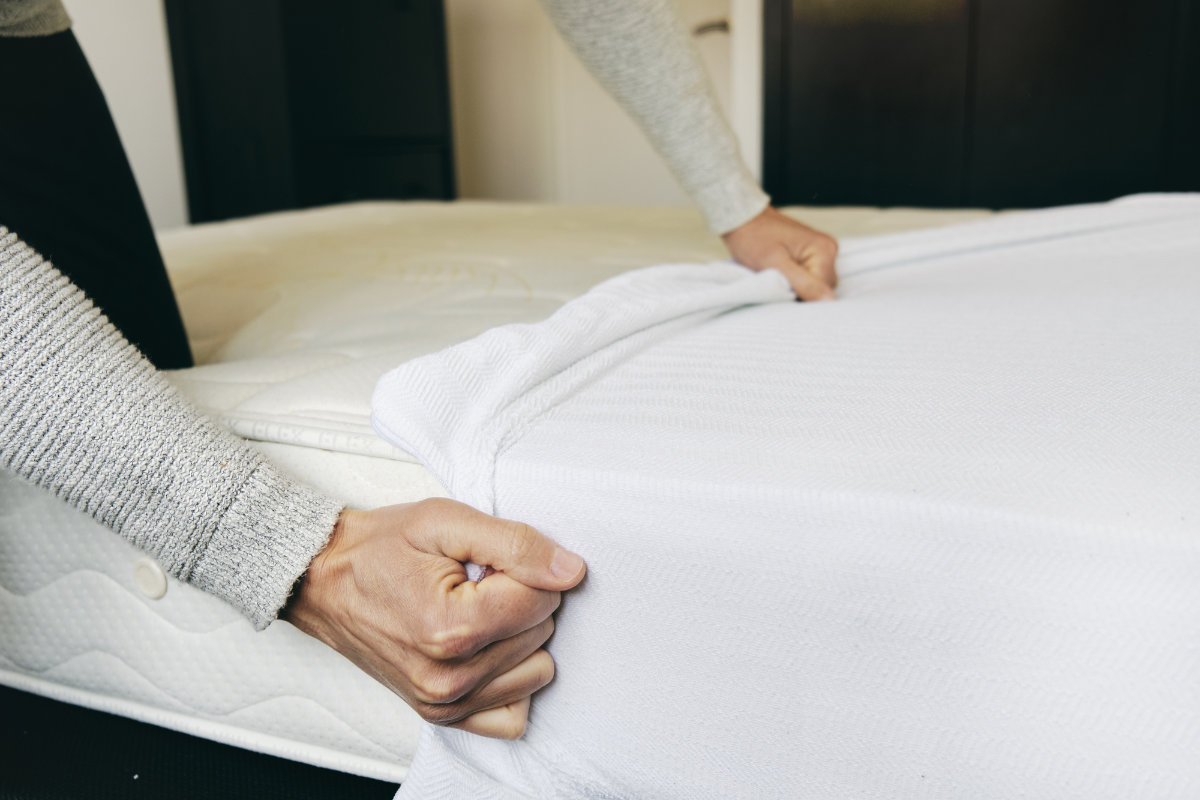 Source: shopbedmart
A properly fitted protector with deep pockets stays in place and reduces seam stress
Source: shopbedmart
A properly fitted protector with deep pockets stays in place and reduces seam stress
Final Thoughts
Replacing your mattress protector on schedule is one of the lowest-effort, highest-impact ways to protect your mattress investment, reduce nighttime allergens, and keep your sleep space hygienic. Use the 2-year baseline for average use as a starting point, then adjust for your household’s specific needs: households with pets, kids, or heavy sweaters will need to replace more often, while guest room protectors can last 3–4 years with minimal use. Follow gentle care practices, rotate two protectors if possible, and choose a high-quality TPU or PU model upfront to stretch its lifespan as far as possible. If your current protector is showing any signs of wear, swap it out this week to avoid costly mattress damage and sleep on a cleaner, healthier surface. For more practical sleep hygiene guides to care for all your bedding essentials, browse our full library of sleep tips.
Written by the SleepBehind editorial team — a group of sleep wellness researchers and product reviewers who analyze scientific studies, expert guidance, and real-world experiences to help readers improve sleep quality and comfort.