Most bunk beds use twin or twin XL mattresses; top bunks usually need a thinner mattress.
I have measured dozens of frames, fitted mattresses for kids and guests, and helped buyers choose the right size for safety and comfort. This guide explains what size mattress are bunk beds, how to measure correctly, safe thickness limits, best mattress types, and real-world tips from my experience so you can pick the right mattress with confidence.
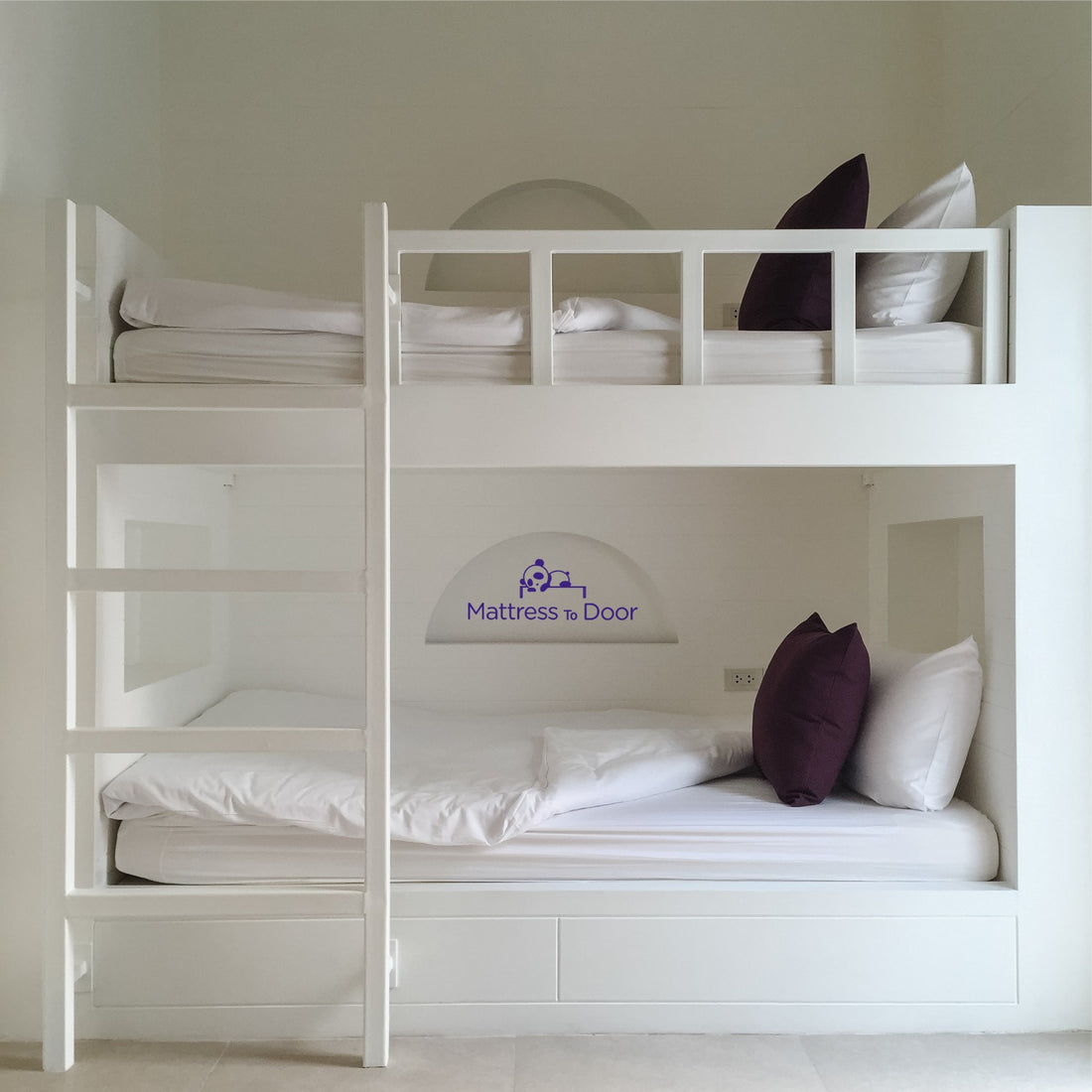
Common bunk bed mattress sizes
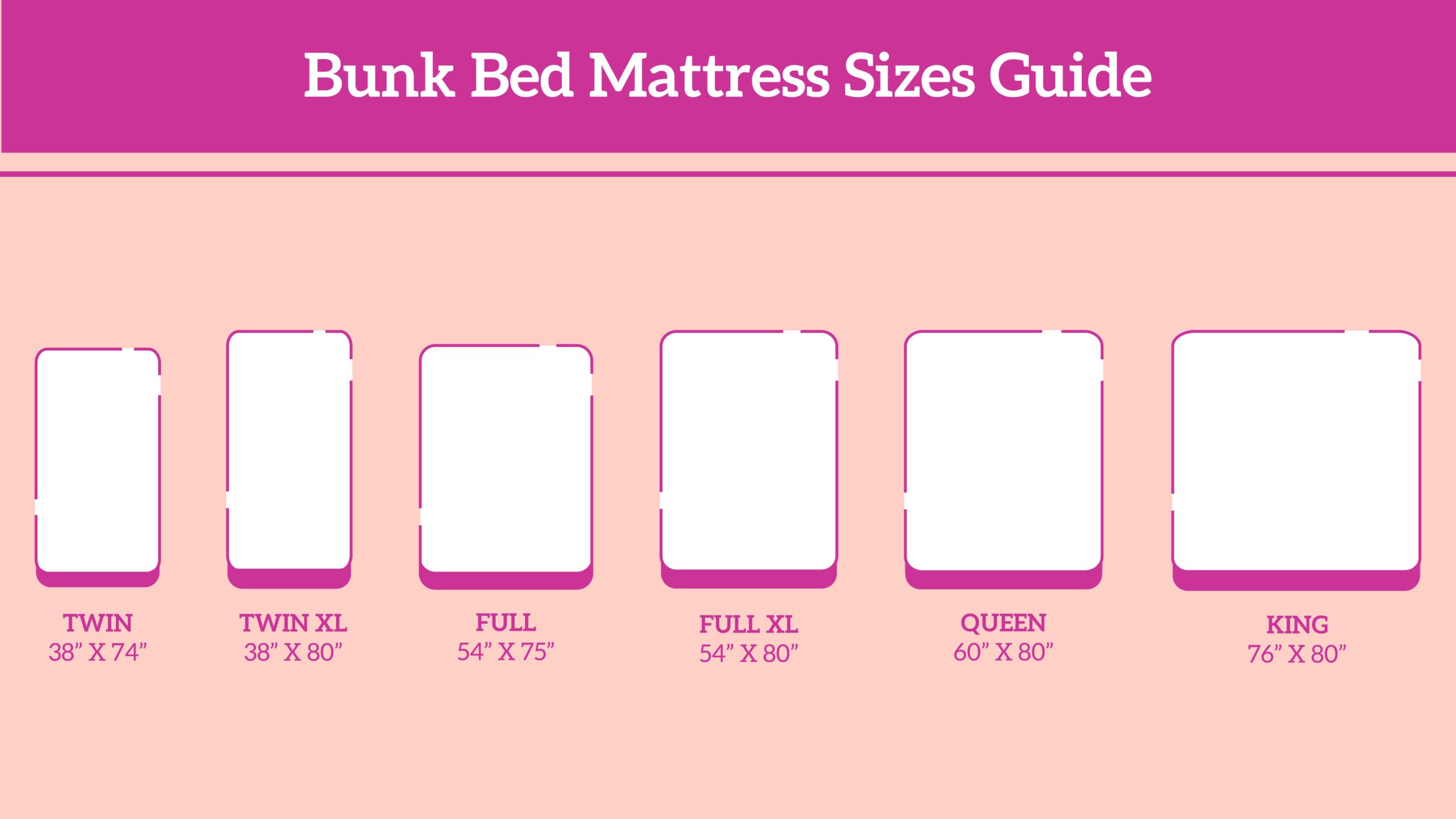
Most bunk beds use standard sizes. The most common is the twin mattress. Twin measures roughly 38 inches by 75 inches. Twin XL is also common and adds about 5 inches in length. Full-size bunks exist but are less common in stacked bunk designs. Many loft or custom frames accept nonstandard sizes too.
Key size list:
- Twin — 38 in x 75 in, the usual choice for bunk beds.
- Twin XL — 38 in x 80 in, good for taller kids or teens.
- Full — 53 in x 75 in, sometimes used on the bottom bunk.
- Custom sizes — some frames require custom cut mattresses.
When people ask what size mattress are bunk beds, the quick and short answer is twin or twin XL in nearly all ready-made frames. If you own a custom or antique bed, measure the frame. Check the manufacturer label for exact specs.
How to measure a bunk bed for mattress fit
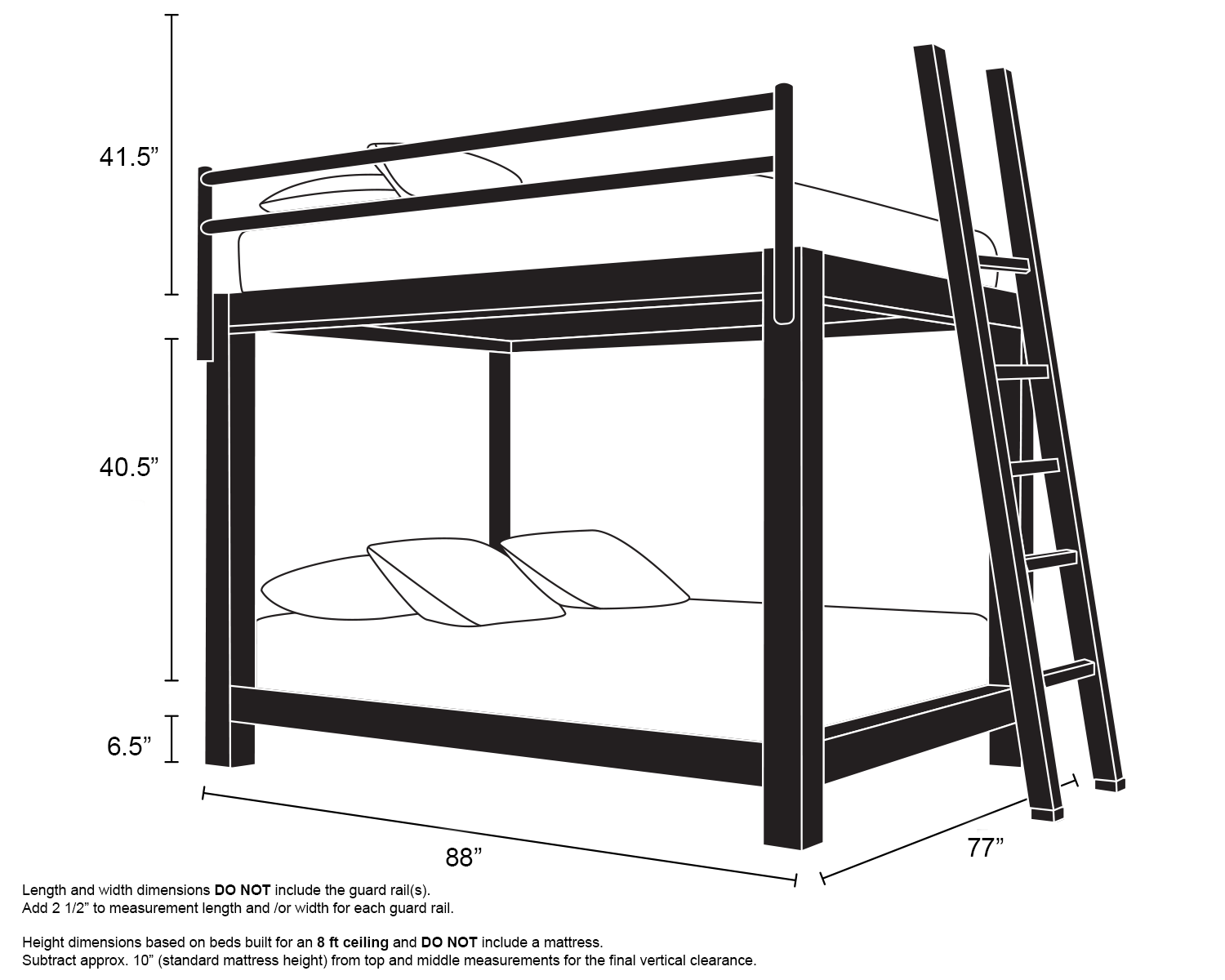
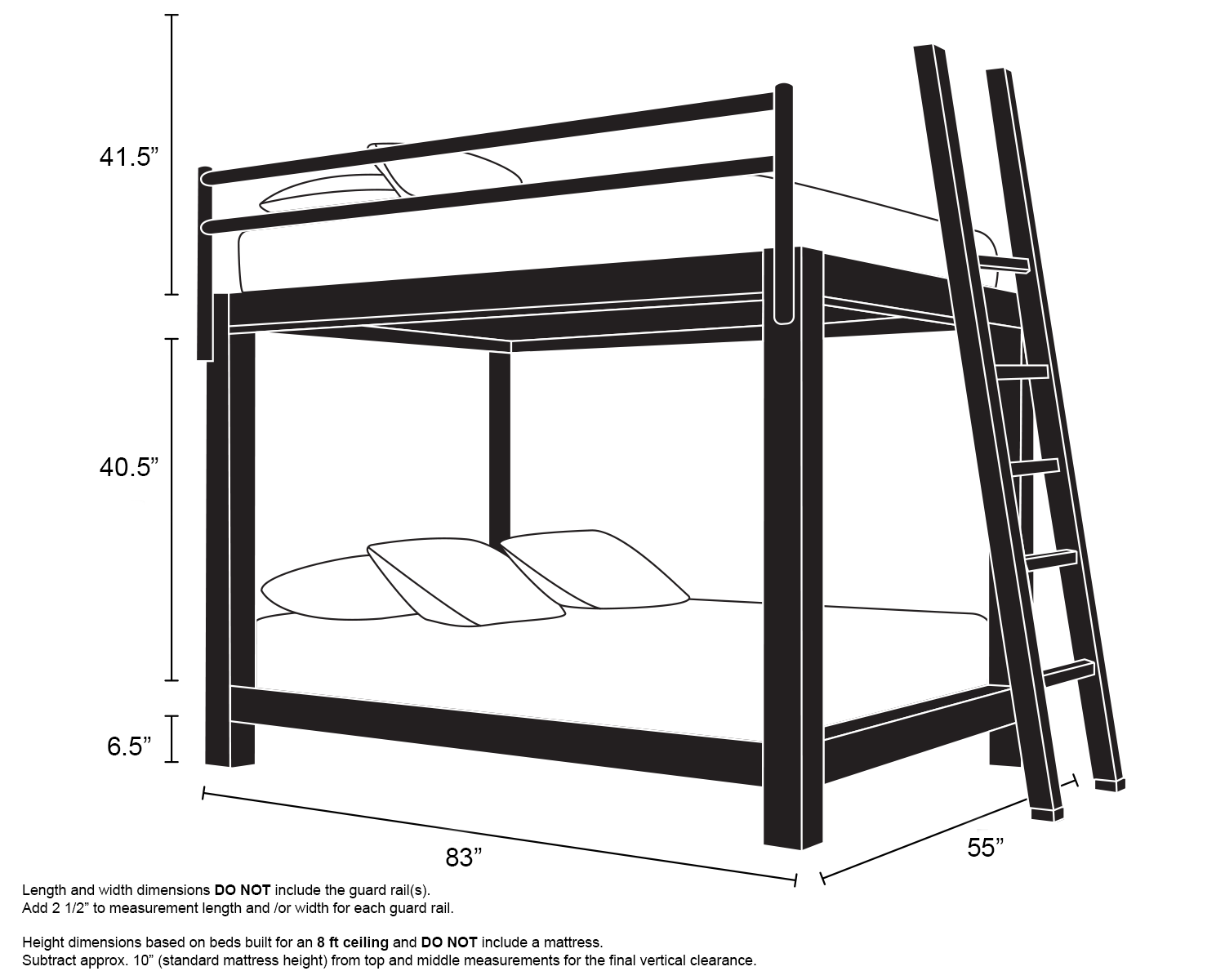
Measure the inner frame, not the outer rails. Use a tape measure across the slat-to-slat width. Measure length from inside headboard to inside footboard. Note any ledges or brackets that reduce space. Record both width and length in inches.
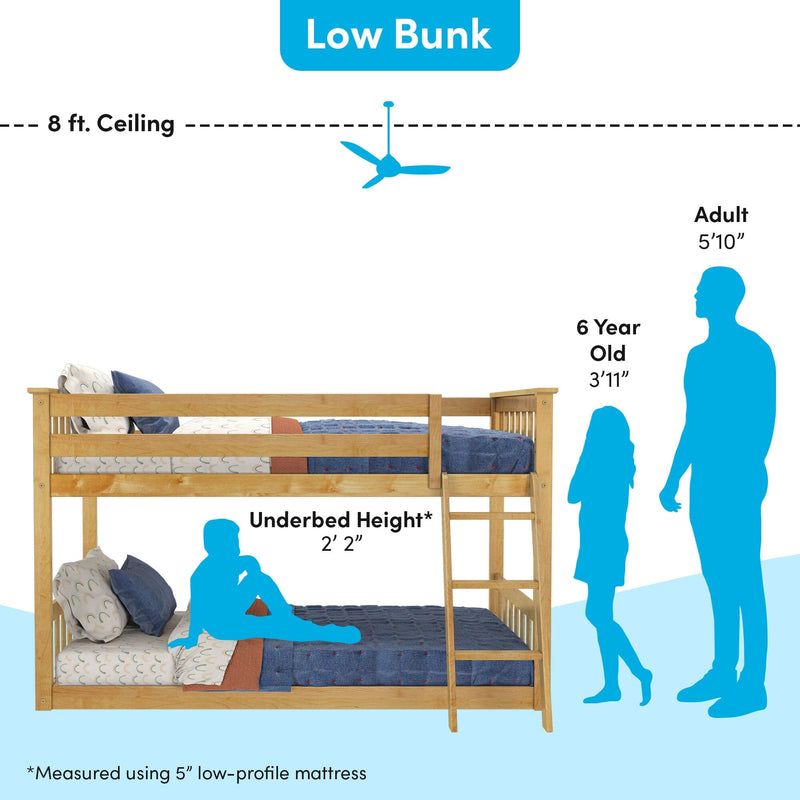
Also measure height clearance for the top bunk. Measure from the top of the mattress support to the bottom of the ceiling or light fixture. Subtract the mattress thickness to check headroom. This step answers safety concerns tied to what size mattress are bunk beds and how thick you can go on the top bunk.
Check these points before you buy:
- Inner frame width and length in inches.
- Height from top bunk platform to ceiling.
- Guardrail height above the mattress top.
- Slat spacing and center support for weight limits.
Safety rules and mattress thickness limits
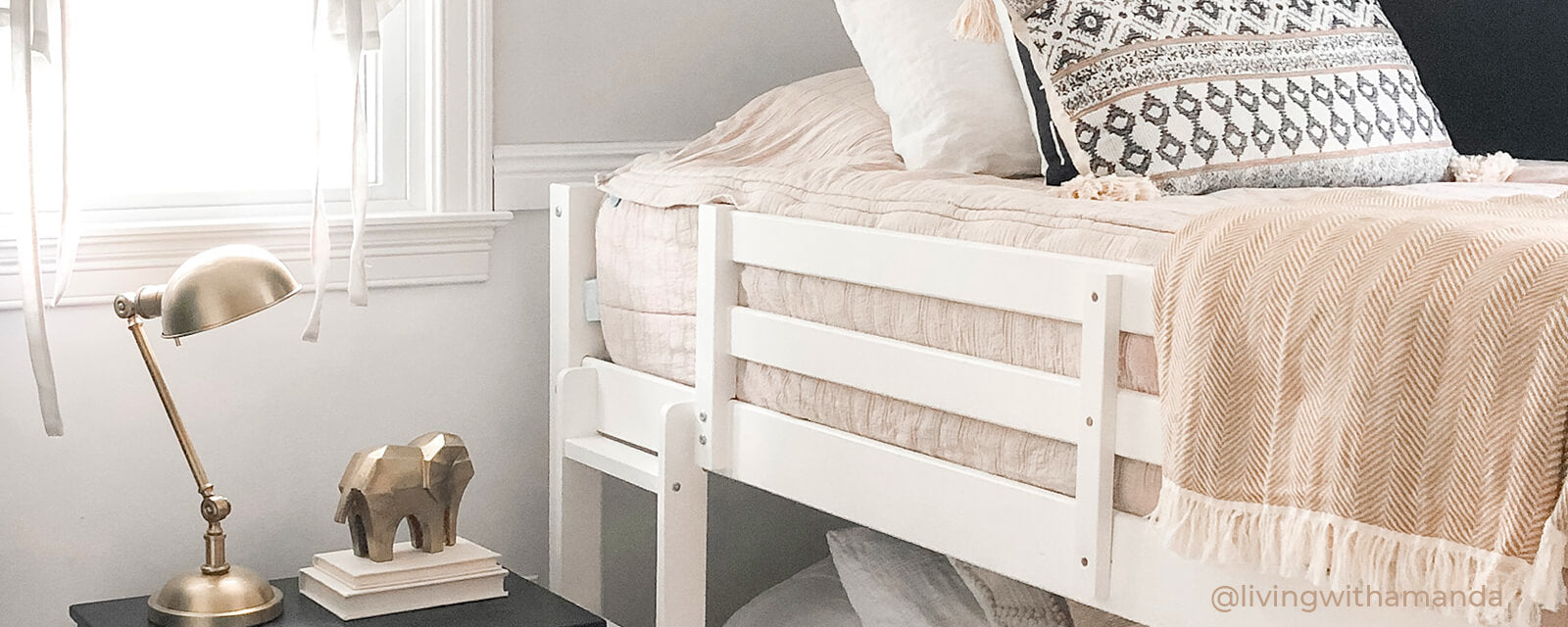
Top-bunk mattress thickness is key for safety. Many manufacturers recommend 6 inches or less on the top bunk to keep the guardrail effective. Some frames allow up to 8 inches, but you must confirm with the maker. Lower bunks often allow thicker mattresses, commonly 8 to 12 inches.
Why thickness matters:
- Too thick a mattress lowers the guardrail above the sleep surface.
- A spongey mattress can increase the risk of rolling over the rail.
- Mattress thickness affects headroom and ladder reach.
When considering what size mattress are bunk beds, always pair size with thickness. Follow the frame’s rules. If unsure, choose a thinner, high-quality foam for the top bunk.
Best mattress types for bunk beds
Foam mattresses work well on bunks. They are light, thin, and conform to slats. High-density polyurethane foam is common. Memory foam adds comfort without much height. Hybrid or innerspring mattresses can be bulkier. They can still work, but pick a low-profile model designed for bunks.
Pros and cons:
- High-density foam — light, affordable, fits low profile needs.
- Memory foam — pressure relief, slightly heavier, good in low thickness.
- Hybrid/innerspring — supportive, heavier, avoid if top bunk has strict thickness limits.
- Pocket coils — better airflow in some models, but watch height.
When shoppers ask what size mattress are bunk beds and which type to buy, I guide them to a quality foam or a thin hybrid with clear thickness specs. That keeps the top bunk safe and the bottom bunk comfy.

Buying tips and mistakes to avoid
Measure twice before buying. Don’t assume standard sizes fit every frame. Read the manufacturer’s mattress limits. Avoid the common mistake of buying a too-thick mattress for the top bunk. Check certifications for foam off-gassing and flame retardants.
Practical checklist:
- Confirm inner frame size.
- Check max thickness for the top bunk.
- Look for a trial period or return policy.
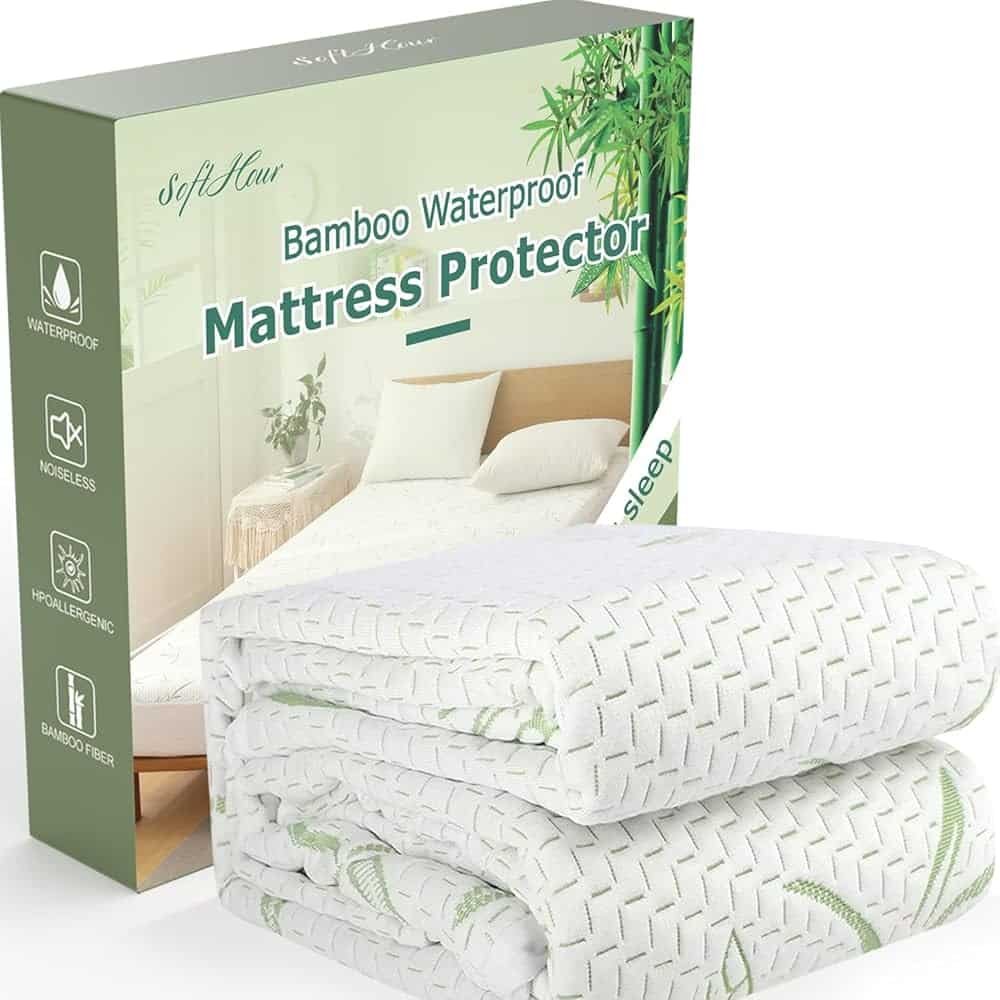
- Choose a mattress protector for spills and allergens.
- Verify weight limits for the frame and mattress.
I once bought a plush mattress that was 10 inches thick for a top bunk. The guardrail sat too low and we had to return it. Learn from that: always measure and verify before ordering.
Personal experience and practical examples
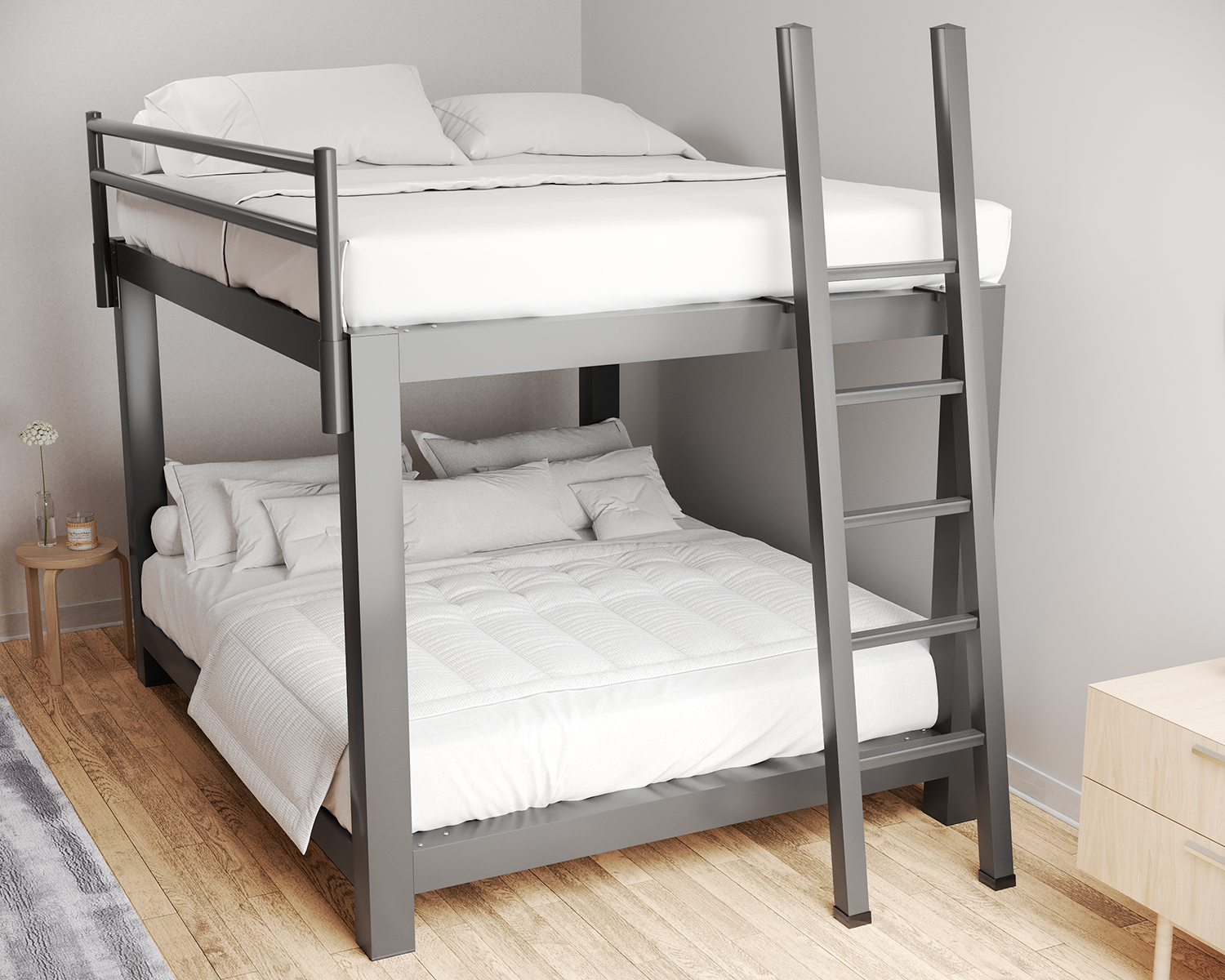
I installed bunk beds for three different rooms. Two used twin 6-inch foam mattresses on top bunks. The guests slept fine and safety rails remained effective. One lower bunk used an 11-inch hybrid for adult comfort. That combo kept kids safe above and adults comfy below.
Lessons learned:
- Thin foam top bunks are safer and easier to change.
- Taller sleepers benefit from twin XL on the bottom or for loft beds.
- Always check mattress warranty and return options.
When people ask me what size mattress are bunk beds, I often share these real examples. Simple choices solve most problems.
Maintenance and care for bunk bed mattresses
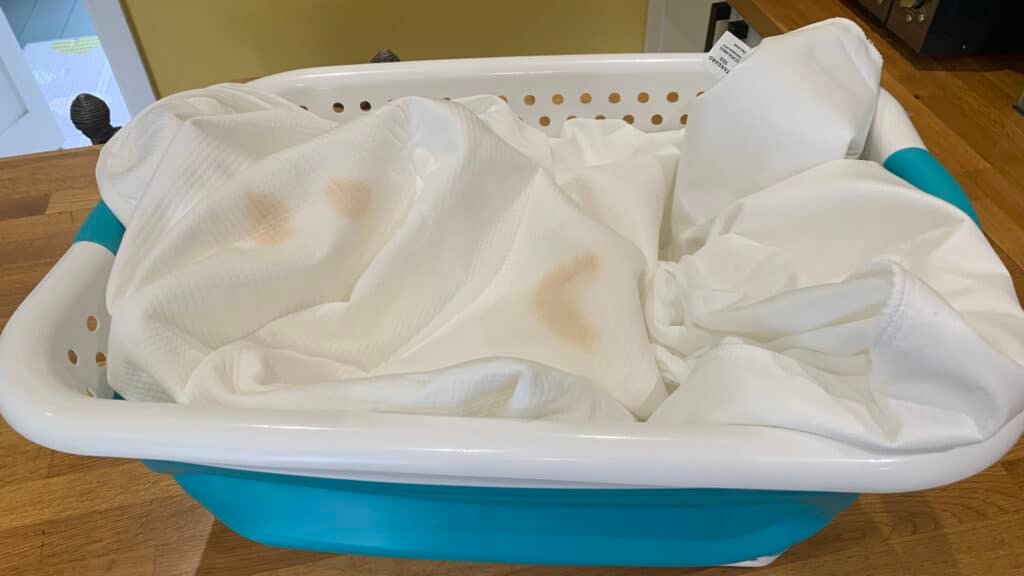
Rotate or flip thinner foam every few months to reduce sag. Use a breathable mattress protector to stop stains and spills. Air out foam mattresses on a sunny day to reduce odors. Inspect slats and supports yearly for wear or bends.
Quick care tips:
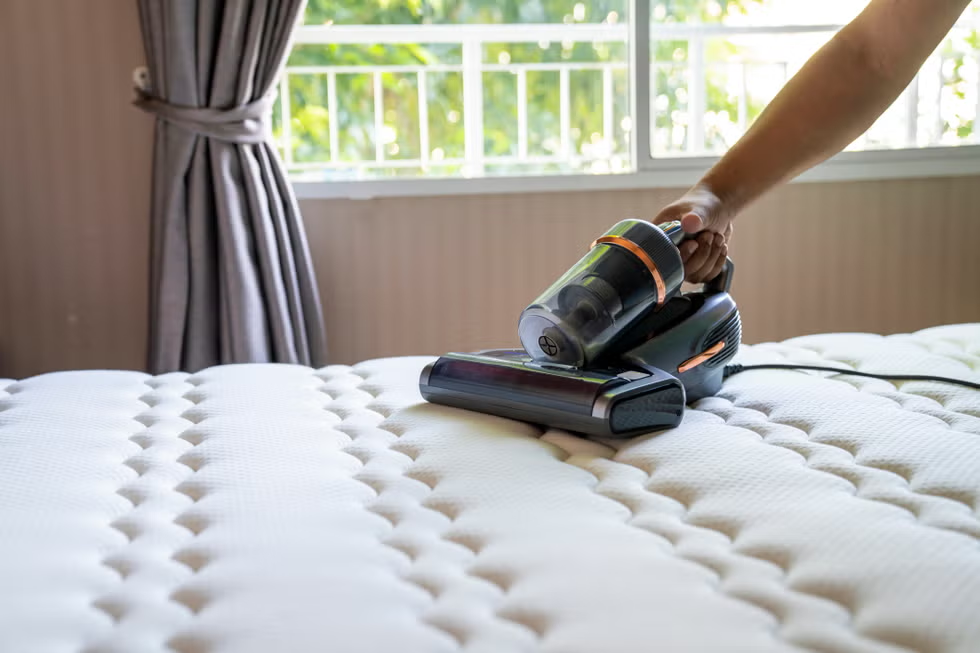
- Vacuum mattress surface occasionally.
- Use a protector to limit dirt and stains.
- Rotate every 3 to 6 months for even wear.
- Replace top-bunk mattresses sooner if they sag or lose support.
Frequently Asked Questions of what size mattress are bunk beds
What is the most common mattress size for bunk beds?
Twin size mattresses are the most common for bunk beds. They fit most standard frames and save space in small rooms.
Can I use a full-size mattress on a bunk bed?
Some bunk frames allow a full mattress on the bottom bunk only. Check frame specs for width and weight capacity before using a full mattress.
How thick should a top bunk mattress be?
Top bunk mattresses are generally 6 to 8 inches thick. Thinner mattresses keep the guardrail effective and maintain headroom.
Are twin XL mattresses suitable for bunk beds?
Twin XL can fit some bunk beds, especially loft or tall frames. Measure inside frame length to ensure a proper fit.
What mattress type is best for a top bunk?
Low-profile high-density foam or thin memory foam works best. These types are light, breathable, and meet thickness limits for safety.
Conclusion
Choosing the right mattress for a bunk bed comes down to size and thickness. Most bunk beds need twin or twin XL mattresses, and top bunks usually require a thinner mattress for safety. Measure your frame, follow the maker’s rules, and pick a mattress that balances comfort and guardrail protection.
Take action: measure your bunk now, check thickness limits, and choose a low-profile foam or thin hybrid with a good return policy. Share your questions or experiences below and subscribe for more practical mattress tips.
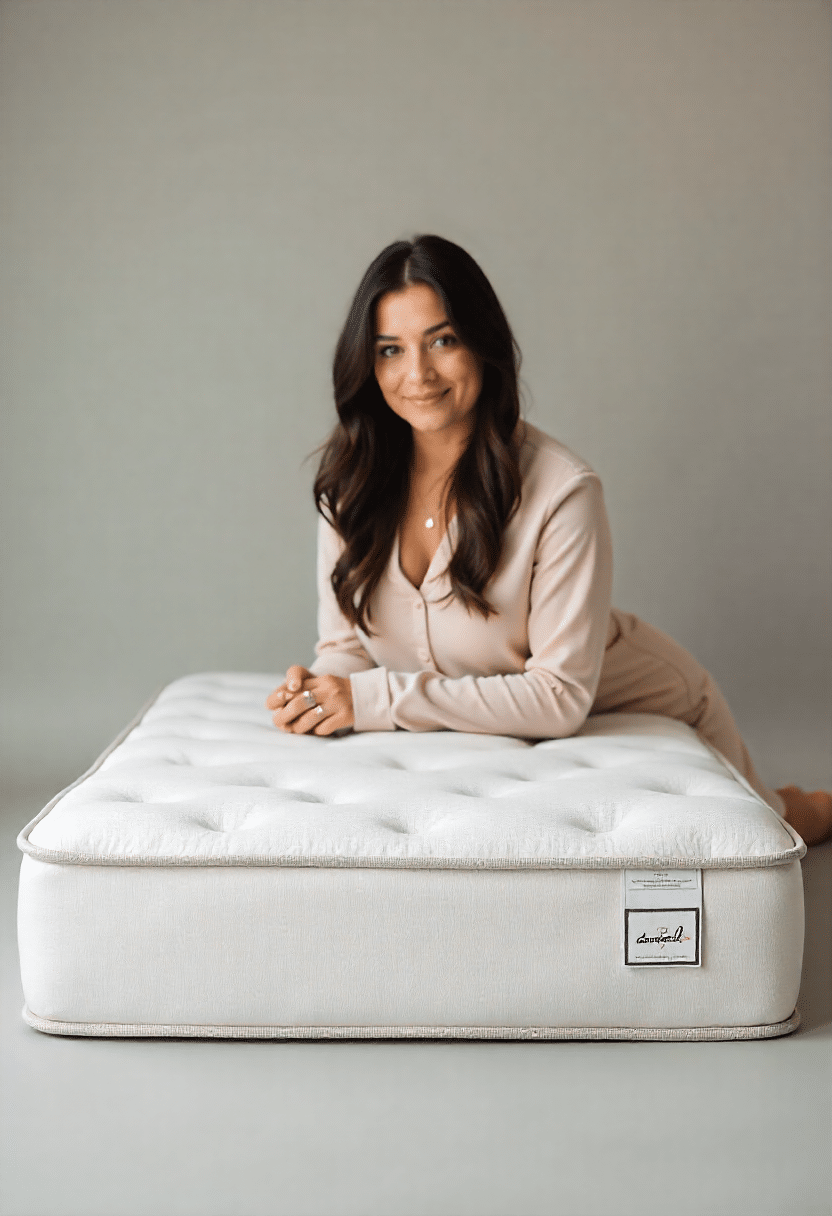
Written by the SleepBehind editorial team — a group of sleep wellness researchers and product reviewers who analyze scientific studies, expert guidance, and real-world experiences to help readers improve sleep quality and comfort.