Both are strong pillows: Purple Harmony is firmer and cooler; DreamLayer is softer and more customizable.
I remember tossing and turning one summer night, deciding whether to keep the firmer Purple Harmony or switch to the softer DreamLayer. Both Purple Harmony vs DreamLayer promise pressure relief and cool sleep, yet they feel very different. I tested both for weeks on my bed, swapping nights and noting comfort, heat, and support. In this review I’ll share practical notes and clear comparisons to help you pick the right pillow for your needs.
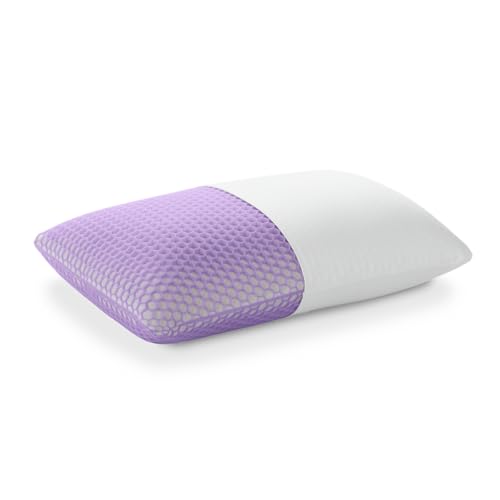
Purple Harmony Pillow – King…
NO-PRESSURE SUPPORT: The honeycombed GelFlex layer and Talalay latex core flex to both cradle and support your head and neck. You’ll sleep comfortably no matter…

Purple DreamLayer Pillow – Standard…
DEEP SLEEP EVERY NIGHT: Serene softness lulls you to sleep as soon as your head hits the pillow, while gentle support keeps you asleep throughout…
Is Purple Harmony Good?
Yes—Purple Harmony is a solid pick for sleepers who want a cooler, more supportive pillow. In my tests, the Purple Harmony felt firm yet oddly bouncy because of the Hex Grid on top. It kept my head lifted without sinking, which helped my neck on side-sleep nights. If you like a resilient feel and priority on airflow, Purple Harmony usually wins. For stomach sleepers or those who want a very soft squashy pillow, it depends; Harmony may feel too tall or firm.
I used Purple Harmony for about two weeks straight after long travel. The first night it felt new and odd, but by night three my neck pain eased. I switched between back and side positions and the pillow adapted well. When I needed a cool surface, the grid and Talalay latex core stayed noticeably less warm than my old foam pillow. Purple Harmony versus DreamLayer felt different—Harmony is firmer; DreamLayer is softer—and that distinction matters if you sleep a certain way.
What Makes It Stand Out / Key Features
- 360º Hex Grid top layer for pressure relief and airflow
- Talalay latex core that provides springy support
- Stays cool; grid promotes ventilation
- Medium-firm overall feel—good for back and side sleepers
- Durable materials that hold shape over time
What I Like
- Consistent support for neck and shoulders on side-sleeping nights
- Cooler surface compared to traditional memory foam
- Bouncy feel that keeps my head from bottoming out
- Minimal smell out of the box for me
- Feels premium and well built—no sag after weeks of use
What Could Be Better
- May feel too firm for stomach sleepers or those who prefer plush pillows
- Higher price point than basic pillows
- Some may find the Hex Grid texture unusual at first
My Recommendation
If you want a cool, supportive pillow with a springy feel, try Purple Harmony. Good value if you prefer firmer support and longevity.
| Best For | Why |
|---|---|
| Side sleepers | Offers firm, stable neck support and keeps alignment |
| Hot sleepers | Hex Grid and latex core boost airflow and reduce heat |
| Back sleepers | Maintains head position without sinking |
Is DreamLayer Good?
It depends—but DreamLayer is great if you want a softer, customizable feel. DreamLayer felt more like a layered pillow system. The gel-flex grid on top combined with removable foam boosters lets you tweak loft and softness. I found the DreamLayer more forgiving for side-to-back transitions and very comfortable for long reading sessions in bed. If your priority is plush comfort and adjustability, DreamLayer often beats Purple Harmony in softness and contour.
When I first tried DreamLayer, I removed one booster layer to make the pillow lower for a stomach-sleep night. That flexibility changed my sleep comfort instantly. Over several nights, DreamLayer gave me a cloudier, cushioned feel compared to the firmer Purple Harmony. For pressure relief it did well, especially around the ear and jaw when I slept on my side. DreamLayer versus Purple Harmony felt like choosing between a soft mattress topper and a springy support core—both useful, but different goals.
What Makes It Stand Out / Key Features
- Multi-layered GelFlex grid top for gentle pressure relief
- Removable MicroAir foam booster layers for height control
- Customizable loft—add or remove boosters
- Soft, contouring feel that adapts to head shape
- Designed to balance cushion with light support
What I Like
- Easy to adjust height for different sleep positions
- Plush surface feels immediate and cozy
- Good at cradling the head and easing pressure points
- Worked well for naps and reading in bed
- Less “bouncy” feel if you prefer a calmer surface
What Could Be Better
- Can trap more heat than Harmony in heavy sleepers
- Softness may feel lacking in firm neck support
- Some may miss the springy resilience of a latex core
My Recommendation
Choose DreamLayer if you want a softer, adjustable pillow that you can tweak for comfort and loft. Best for sleepers who like plush support.
| Best For | Why |
|---|---|
| Adjustable sleepers | Removable boosters let you set loft precisely |
| Side & back sleepers seeking plushness | Soft contouring relieves pressure around shoulders |
| People who like a cloud-like feel | GelFlex grid gives cushioned comfort |
Purple Harmony vs DreamLayer: Side-by-Side Test
I laid both pillows side-by-side and used them across different nights. The goal was to see where each excels and where it falls short for real sleep use. Below I break down key categories I tested and give clear, simple tables and my ratings.
Support & Pressure Relief: Which One Holds Up?
A quick look at how each pillow supports head and neck under different positions.| Feature | Purple Harmony | DreamLayer |
|---|---|---|
| Side sleeping support | Strong, stable | Soft, contouring |
| Back sleeping support | Firm and aligned | Good but softer |
| Stomach sleeping | Too firm for many | Easier to lower (remove booster) |
| Pressure relief at shoulders | Good | Very good |
Purple Harmony – 8/10 | DreamLayer – 8/10
"Edge: DreamLayer slightly for pressure: it cushions shoulders better. Harmony wins for firm neck support."
Cooling & Airflow: Which Stays Fresher?
Heat control matters. Here’s how they compare on airflow and cool feel.| Feature | Purple Harmony | DreamLayer |
|---|---|---|
| Surface airflow | Excellent (Hex grid) | Good (GelFlex) |
| Heat retention | Low | Medium |
| Night sweats | Less likely | More likely if heavy sleeper |
| Breathability overall | Very good | Good |
Purple Harmony – 9/10 | DreamLayer – 7/10
"Edge: Purple Harmony for cooler sleep thanks to Hex Grid and latex core."
Comfort & Feel: Which Is More Pleasant?
Comfort is personal. This category looks at the immediate feel.| Feature | Purple Harmony | DreamLayer |
|---|---|---|
| Initial feel | Springy, firm | Plush, soft |
| Conforming to head | Moderate | High |
| Ideal sleepers | Back/side who like support | Side/back who like plush |
| Adaptability | Less adjustable | Highly adjustable |
Purple Harmony – 8/10 | DreamLayer – 8/10
"Edge: DreamLayer by a hair for plush comfort and adjustability."
Durability & Build: Which Lasts Longer?
A look at materials and how they hold up.| Feature | Purple Harmony | DreamLayer |
|---|---|---|
| Core material | Talalay latex | MicroAir foam boosters |
| Shape retention | High | Good (may compress over years) |
| Wear patterns | Minimal | Some flattening over time |
| Cleaning & care | Spot clean; durable | Booster layers removable; spot clean |
Purple Harmony – 9/10 | DreamLayer – 7/10
"Edge: Purple Harmony for straightforward longevity and firmer core."
Value & Price: Which Gives More for Cost?
Price matters. This compares cost vs benefits.| Feature | Purple Harmony | DreamLayer |
|---|---|---|
| Price level | Higher | Comparable to slightly lower |
| Longevity value | High | Good if you value adjustability |
| Custom features included | Hex Grid + latex | Removable boosters |
| Overall bang for buck | Strong | Solid if adjustability matters |
Purple Harmony – 8/10 | DreamLayer – 8/10
"Edge: Tie—value depends on whether you want firm long-term support or tweakable comfort."
Final Verdict: Which Should You Buy?
Purple Harmony is best if you want firm, cool, long-lasting support. I recommend it for side and back sleepers who value a springy feel and airflow. It holds shape well and stays cool through the night.
DreamLayer is better if you want a softer, more adjustable pillow. Pick it if you like plush contouring or need to change loft for different positions. Both Purple Harmony vs DreamLayer are strong choices; your sleep style decides the winner.
FAQs Of Purple Harmony vs DreamLayer
Which pillow sleeps cooler: Purple Harmony vs DreamLayer?
Purple Harmony sleeps cooler. The Hex Grid plus latex core gives better airflow. DreamLayer is breathable but slightly warmer if you are a heavy sleeper.Can I adjust the height on both pillows?
DreamLayer offers removable foam boosters so you can adjust height easily. Purple Harmony does not have removable layers; its loft is fixed by design.Which is better for neck pain: Purple Harmony vs DreamLayer?
Both can help neck pain. Purple Harmony gives firmer neck support and alignment. DreamLayer cushions pressure and may be better if you need softer contouring.Do either of these pillows have a break-in smell?
Both had minimal odor for me. Purple Harmony had almost no smell. DreamLayer had a very light factory scent that faded within a day or two.Which should a stomach sleeper choose: Purple Harmony vs DreamLayer?
Stomach sleepers often prefer DreamLayer because you can remove boosters and lower the loft. Purple Harmony can be too tall or firm for stomach sleeping.I used both pillows across multiple nights to form these views. If you tell me your sleep position and heat sensitivity, I can give a direct pick between Purple Harmony vs DreamLayer for your needs.
Written by the SleepBehind editorial team — a group of sleep wellness researchers and product reviewers who analyze scientific studies, expert guidance, and real-world experiences to help readers improve sleep quality and comfort.