Sleep upright, clear your nose, use saline and a humidifier, and sleep with your head elevated.
I’ve helped many people find real relief and tested strategies for how to sleep with sinus pressure. This guide breaks down why sinus pressure blocks good rest and gives clear, practical steps you can use tonight. I combine real-world tips I’ve used, evidence-backed approaches, and simple routines so you can sleep with less pain, less congestion, and fewer wake-ups.
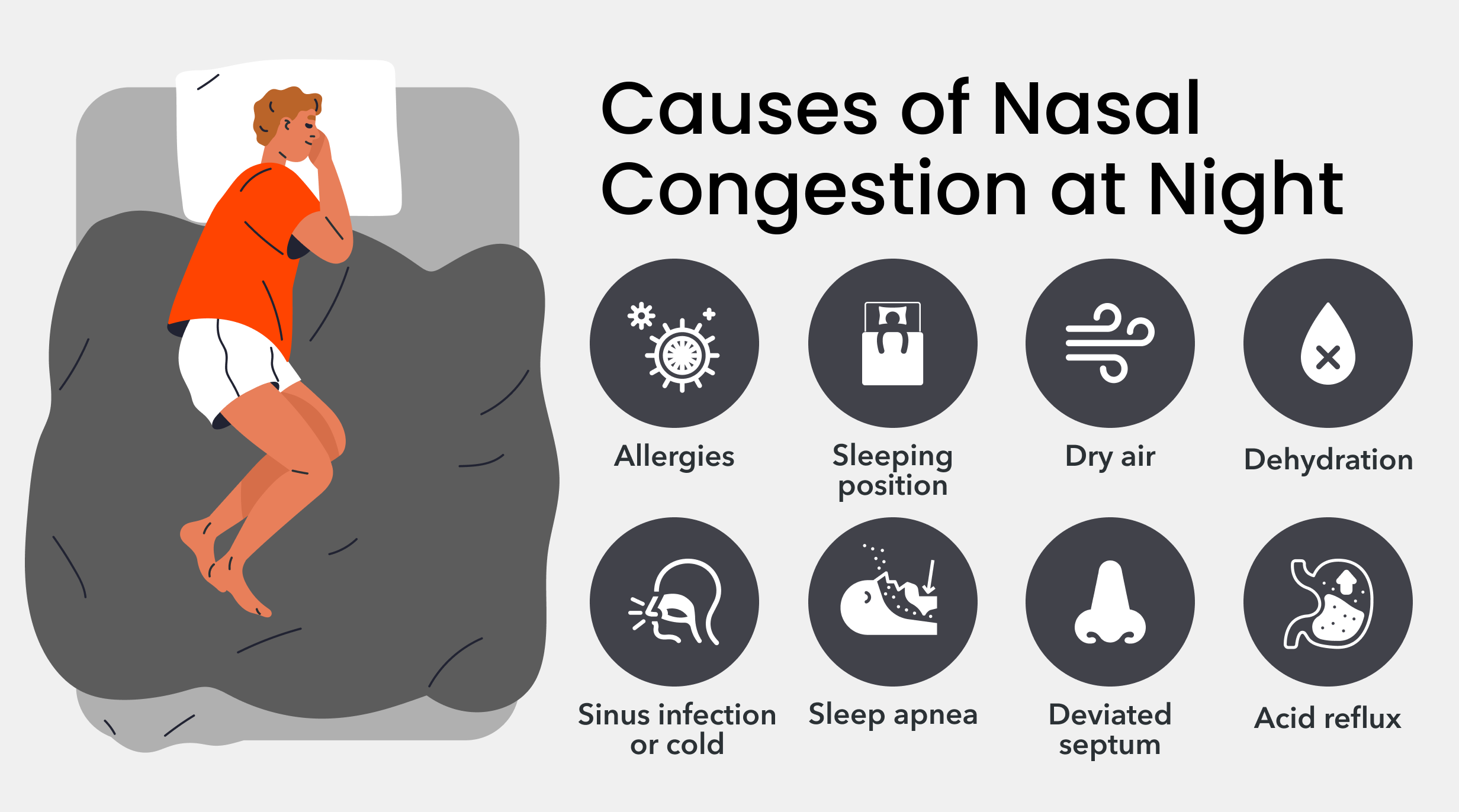
Why sinus pressure makes sleep hard
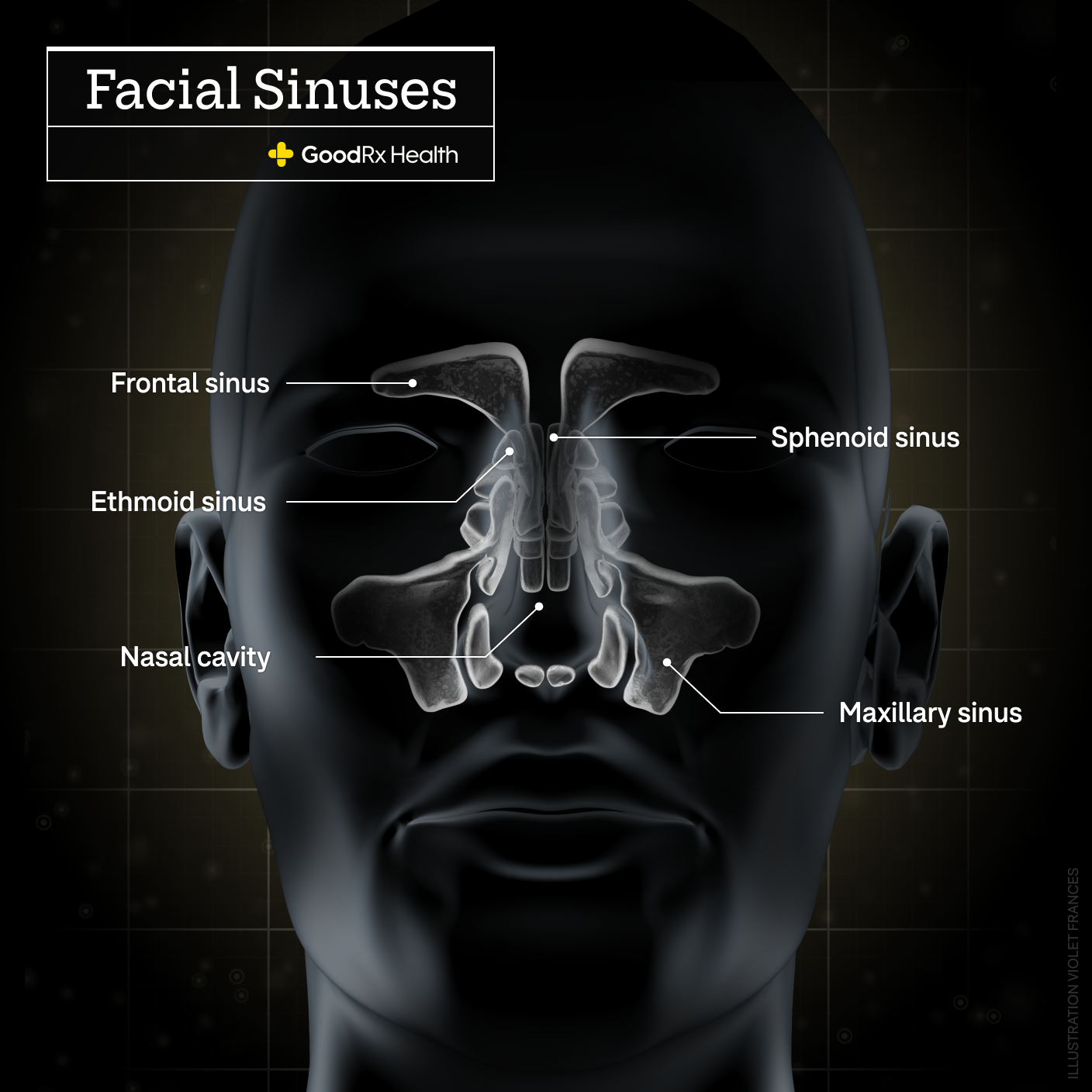
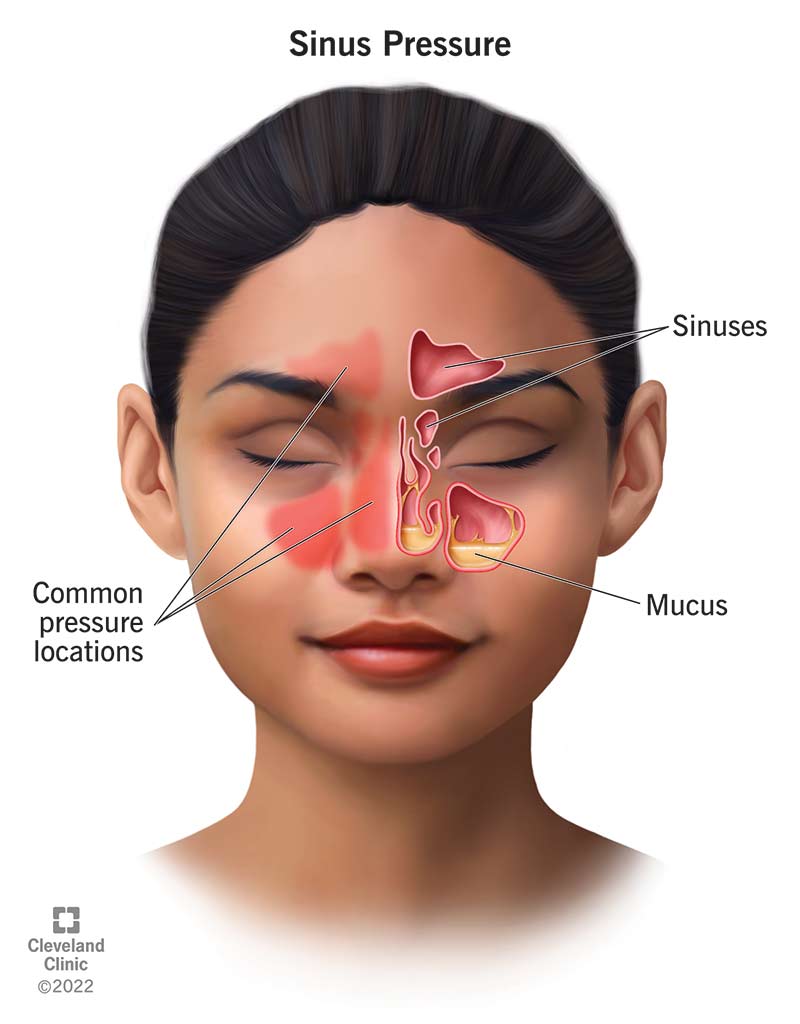
Sinus pressure comes from trapped mucus and swelling in the sinus cavities. When you lie flat, mucus pools and pressure rises. That leads to pain, ear fullness, and hard breathing. These symptoms wake you up and make falling asleep slow.
How you breathe at night affects the pressure. Mouth breathing dries airways and makes mucus thicker. Blocked nasal passages force you to change position often. Understanding this helps you pick the best fixes for how to sleep with sinus pressure.

Quick evening routine to relieve sinus pressure before bed
Follow these steps on nights when sinus pressure feels bad. They are simple and often work together to help you sleep.
- Clean your nose with saline rinse 10–20 minutes before bed.
- Use a warm compress on your face for 5–10 minutes.
- Take a decongestant or antihistamine if recommended by your clinician.
- Raise your head with an extra pillow or an inclined wedge.
- Turn on a humidifier set to comfortable humidity.
This routine addresses mucus, inflammation, and position—all key to how to sleep with sinus pressure.
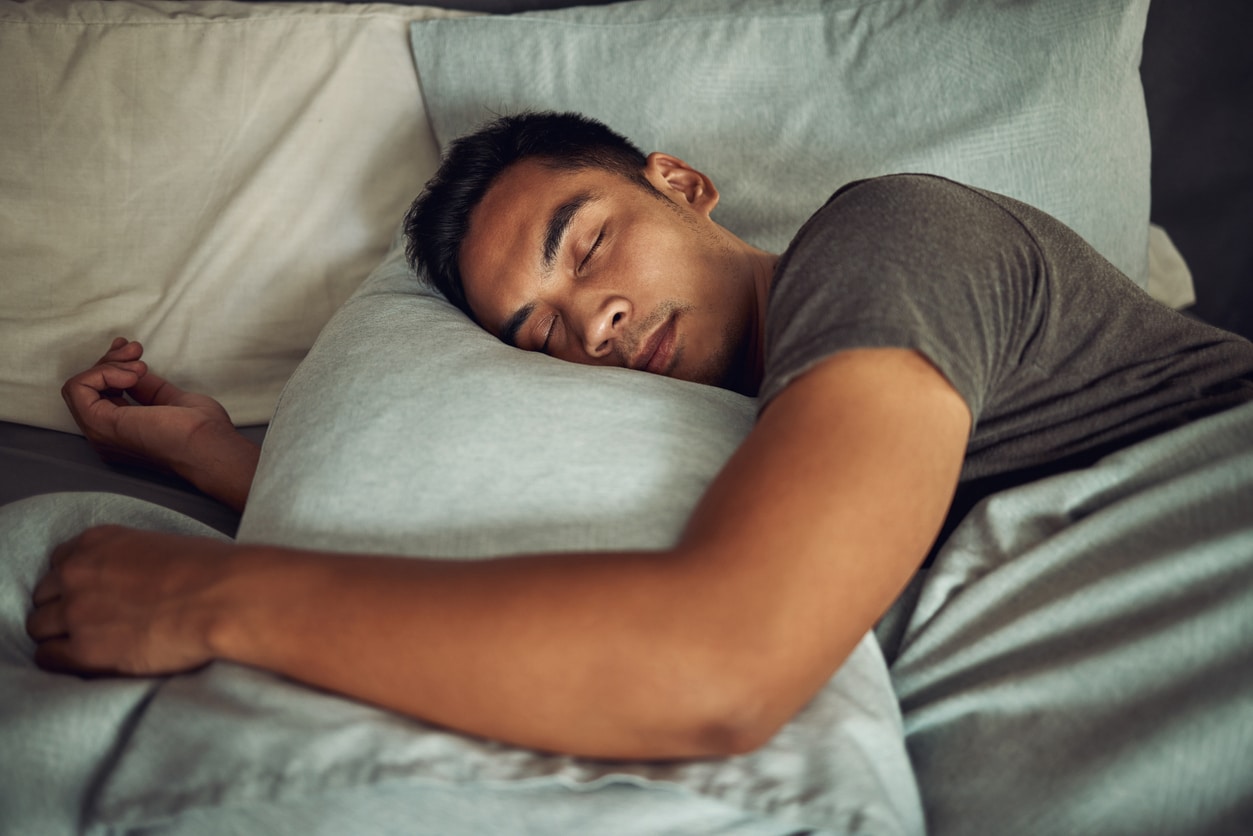
Best sleeping positions and pillow tips
Position changes matter a lot for sinus relief. Try these options.
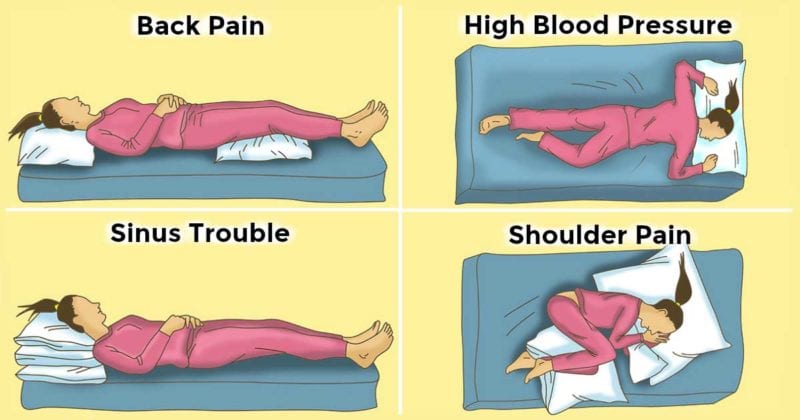
- Sleep propped up at a 30–45 degree angle using a wedge or stacked pillows. This helps drainage and lowers pressure.
- Lie on the side that feels clearer. That side usually drains better.
- Avoid sleeping face down. Pressing your face into a pillow traps mucus.
- Use breathable pillow materials to keep air flow steady.
Experiment to find your most comfortable angle. Small changes in tilt can make a big difference for how to sleep with sinus pressure.

Breathing techniques and nasal care at night
How you breathe influences sinus pressure and sleep quality. Use these steps.
- Practice slow nasal breathing before bed to calm inflammation and switch to nose breathing.
- Use saline sprays or rinses to thin mucus and clear nasal paths.
- Consider a nasal strip to open the nostrils and improve airflow.
- Apply a menthol balm lightly under the nose if it helps you breathe more easily.
Good nasal care creates better airflow, which is central to how to sleep with sinus pressure.
Medications and over-the-counter options
Medicine can give fast relief when used properly. Use only as directed.
- Saline irrigation loosens mucus and is safe to do nightly.
- Nasal steroid sprays reduce inflammation when used regularly. They often take days to reach full effect.
- Oral antihistamines help if allergies cause your sinus pressure. Choose a non-drowsy or a short-acting sedating option depending on need.
- Short courses of decongestant pills or sprays can help, but avoid long-term use of topical decongestant sprays to prevent rebound congestion.
Talk with your clinician if you use multiple medicines. Medications are a tool in the toolkit for how to sleep with sinus pressure.
Home tools and environmental changes
Small changes to the bedroom help reduce sinus pressure and improve sleep.
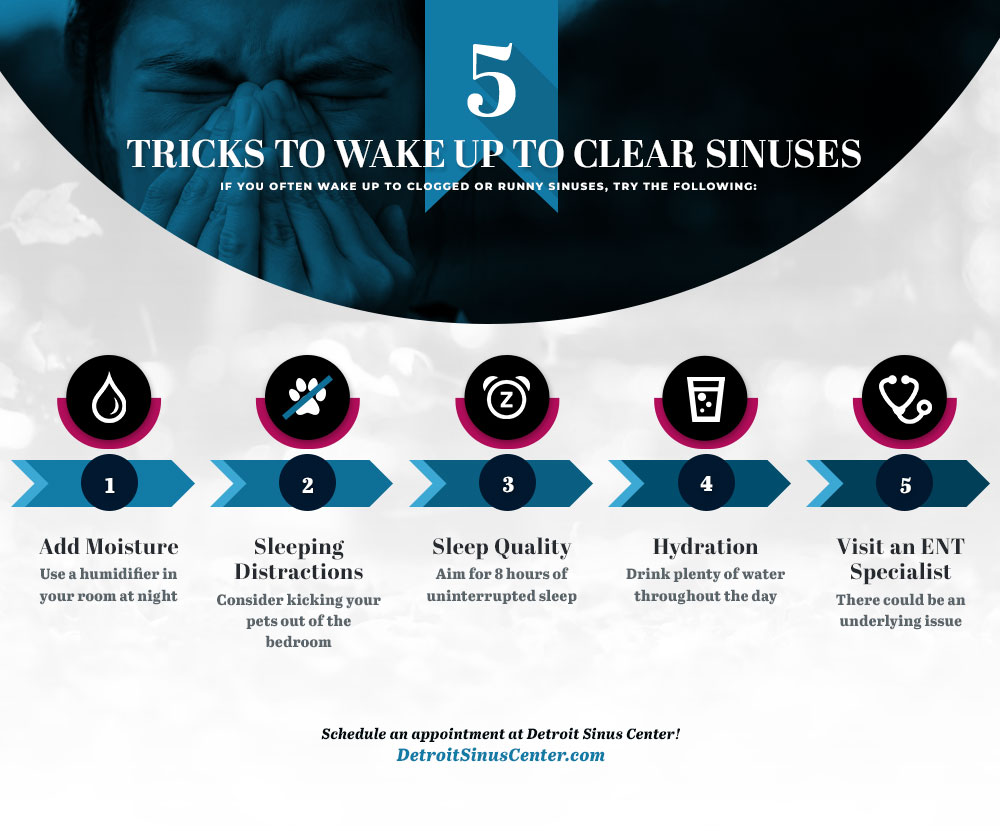
- Use a cool-mist humidifier to keep air moist and mucus thin.
- Take a warm shower before bed to loosen sinuses.
- Use a clean saline nebulizer or steam inhalation if you tolerate it.
- Keep your bedroom free of strong odors, smoke, and allergens.
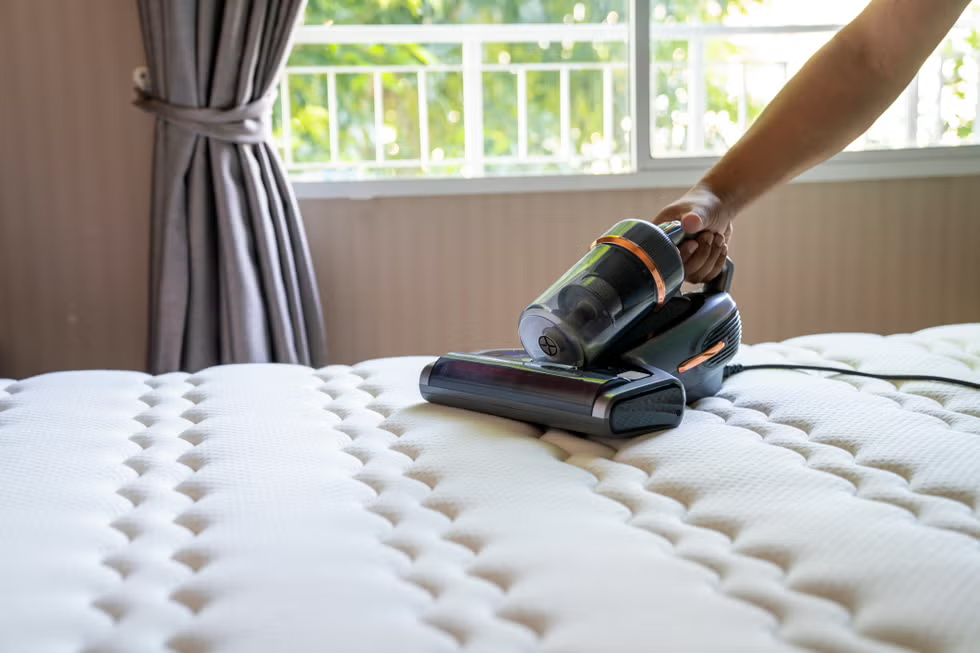
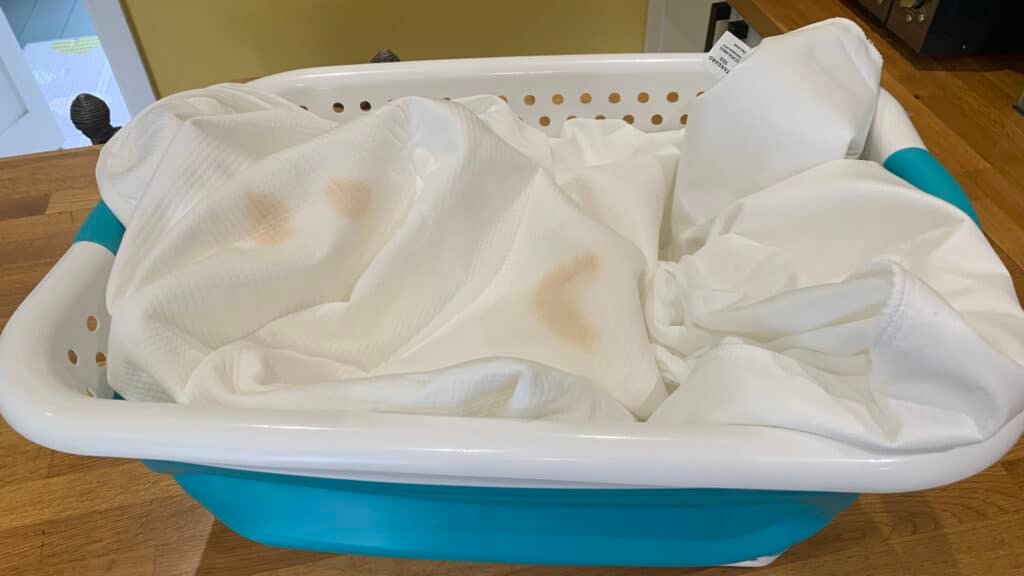
- Wash bedding frequently to reduce dust mites and triggers.
A calm, humid room and clean linens make the nose work less. These steps support how to sleep with sinus pressure night after night.

Natural and at-home remedies worth trying
I’ve tried and recommended many of these. They are low-risk and can be surprisingly effective.
- Warm compress on the forehead and cheeks eases pain and improves drainage.
- Inhaling steam from a bowl of hot water for 5–10 minutes can loosen sticky mucus.
- Drinking warm tea or broth before bed soothes the throat and can help nasal flow.
- Eating spicy foods earlier in the evening may temporarily clear nasal passages for some people.
If you have health issues like high blood pressure, check with your clinician before trying some remedies. Natural methods support but don’t replace medical advice on how to sleep with sinus pressure.
When to see a doctor
Most sinus pressure improves with home care. See a clinician if you have any of these signs.
- Severe pain or pressure that gets worse over days.
- Fever above 101.3°F or symptoms that suggest infection.
- Symptoms lasting more than 10–14 days without improvement.
- Repeated or chronic sinus problems that affect sleep every week.
A doctor can check for sinusitis, structural issues, or allergies and recommend treatments that match your situation for how to sleep with sinus pressure.
Tips for kids and sensitive sleepers
Children and sensitive sleepers need gentle approaches.
- Use saline drops and gentle suction for infants before sleep.
- Raise the head of the mattress slightly rather than piling pillows under a child.
- Use a humidifier in the child’s room and keep it clean.
- Avoid most over-the-counter decongestants in young children; consult a pediatrician.
Small, safe adjustments help kids sleep better and reduce sinus pressure without harsh meds.
My experience and lessons learned
I once battled a round of sinus pressure that ruined sleep for weeks. I tried a full routine: saline rinse, warm shower, elevated sleep with a wedge, and a humidifier. The combo helped within two nights.
Lessons I learned:
- Don’t rely on one fix alone. Combine position, humidity, and nasal cleaning.
- Start your routine 30 minutes before bed for best effect.
- Track what works. Keep a simple log: meds used, humidity level, and how many times you woke up.
These practical lessons shaped my approach to how to sleep with sinus pressure and can help you find what works fast.
Practical nightly checklist
Use this checklist tonight for better sleep with sinus pressure.
- Do a saline rinse 10–20 minutes before bed.
- Take a warm shower or inhale steam.
- Apply a warm compress for 5–10 minutes.
- Use nasal spray or medication if advised.
- Elevate your head and sleep at a slight incline.
- Keep a humidifier running at comfortable humidity.
Repeat steps as needed. Consistency helps you learn how to sleep with sinus pressure.
Frequently Asked Questions of how to sleep with sinus pressure
How soon will I feel better after trying these tips?
Many people notice relief within one or two nights using a combined routine, though full improvement can take several days if inflammation is present.
Is it safe to use a decongestant spray every night?
No. Using topical decongestant sprays nightly can cause rebound congestion. Limit use to short courses unless your doctor advises otherwise.
Can allergies cause sinus pressure at night?
Yes. Allergies commonly inflame nasal tissues and increase mucus, which worsens sinus pressure and disrupts sleep.
Will a humidifier really help sinus pressure?
Yes. A humidifier can thin mucus and keep nasal tissues moist, which often eases pressure and helps you breathe at night.
Are saline rinses safe for long-term use?
Saline rinses are generally safe long-term if you use clean water and proper technique. They are often recommended for chronic nasal care.
Conclusion
Sleeping with sinus pressure is frustrating but manageable. Use a mix of simple steps: clear the nose with saline, raise your head, add humidity, use short-term meds appropriately, and try gentle home remedies. Track what helps, consult a clinician if symptoms persist, and build a consistent pre-sleep routine. Start tonight: pick two changes from this guide and try them for a week to see real improvement. Share your results, subscribe for more tips, or leave a comment with what worked for you.

Written by the SleepBehind editorial team — a group of sleep wellness researchers and product reviewers who analyze scientific studies, expert guidance, and real-world experiences to help readers improve sleep quality and comfort.