Clean a bassinet mattress by spot-cleaning, gentle detergent wash, sanitizing, and full air-dry every time.
I’ve cleaned dozens of bassinets and tested methods that work without harming fabrics or foam. This guide explains exactly how to clean a bassinet mattress safely, step by step, with tools, stain fixes, and practical tips I learned from hands-on experience and current child-safety guidance. Read on to keep your baby’s sleep surface fresh and healthy.
Why cleaning your bassinet mattress matters
A clean bassinet mattress protects your baby from allergens, germs, and mold. Newborn skin is sensitive, and a dirty mattress can trigger rashes or respiratory issues. Knowing how to clean a bassinet mattress well keeps your infant safe and extends the life of the mattress.
Safety first — what to check before cleaning
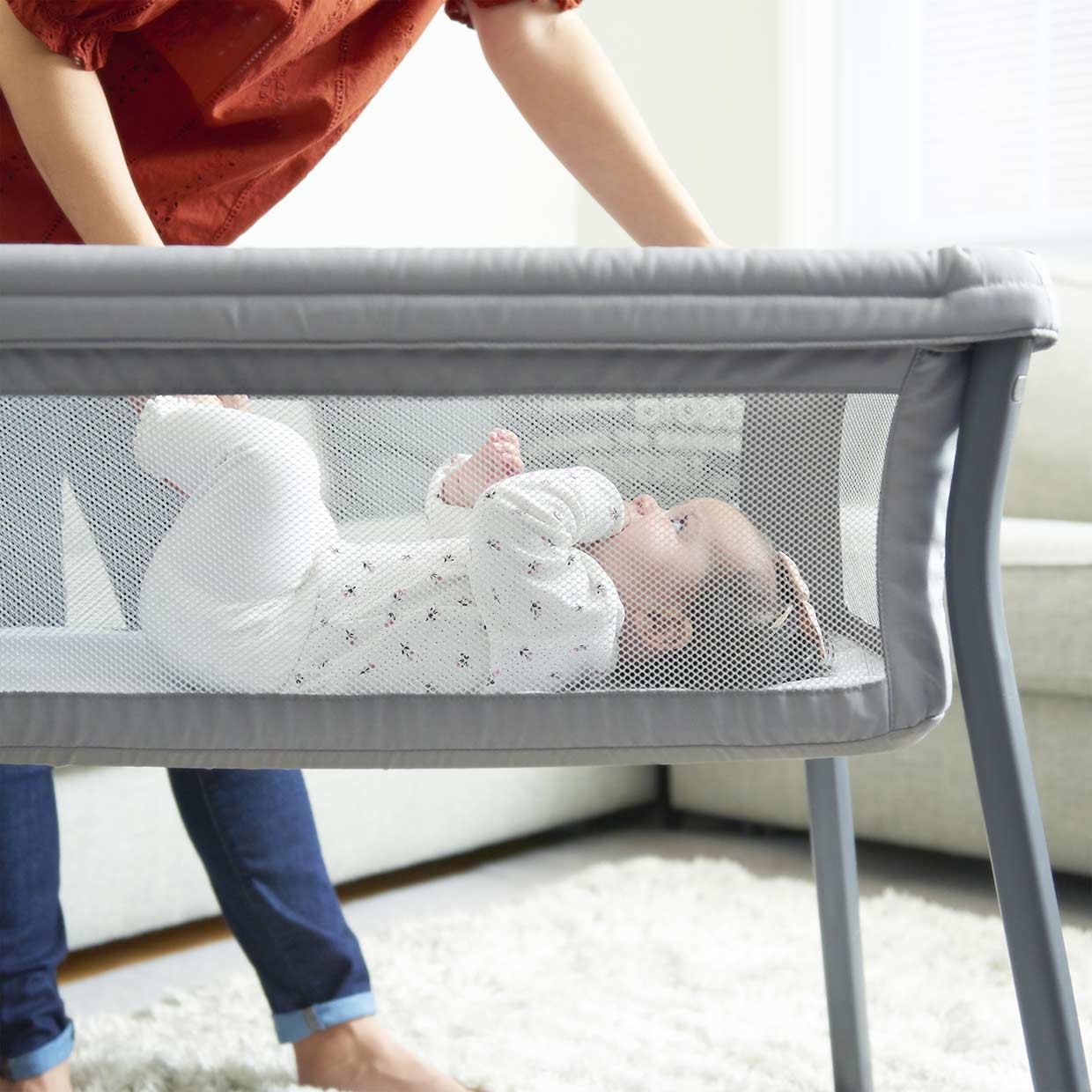
Always check the mattress label for cleaning instructions before you begin. Some mattresses have removable covers, while others are one-piece foam that must not be saturated. When you learn how to clean a bassinet mattress, safety means using mild cleaners, avoiding harsh chemicals, and keeping the mattress breathable.

Materials and tools you’ll need
Gather safe, simple supplies before you start. These items make cleaning easier and protect the mattress.
- Mild liquid detergent or baby-safe detergent
- White vinegar for mild sanitizing
- Baking soda for odor control
- Clean microfiber cloths or soft sponges
- Spray bottle and a small bucket
- Soft brush or old toothbrush for seams
- Towels for blotting
- Fan or space for air drying

Step-by-step guide: how to clean a bassinet mattress
Follow these simple steps for a thorough clean without damage.
- Remove the cover and wash first
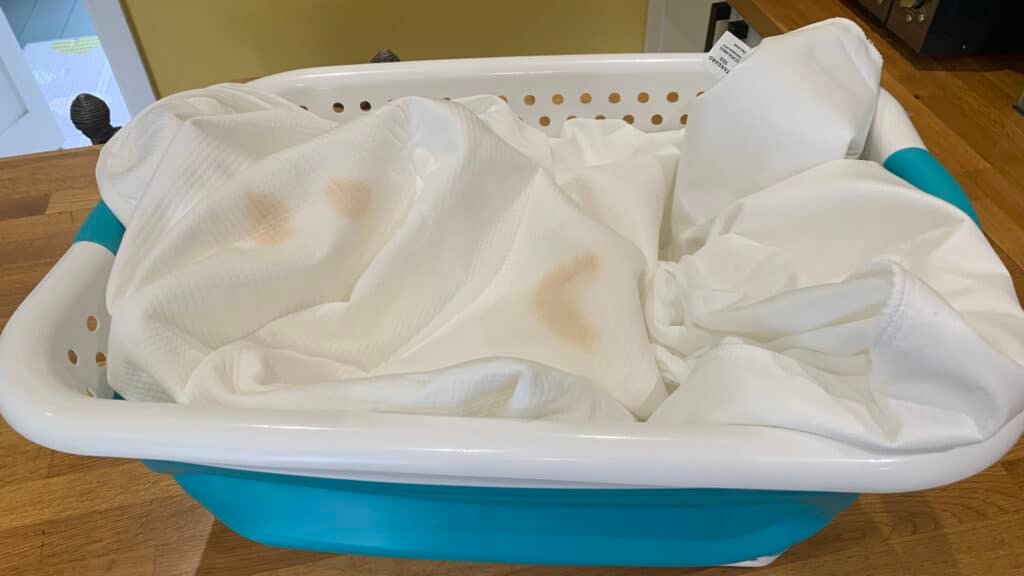
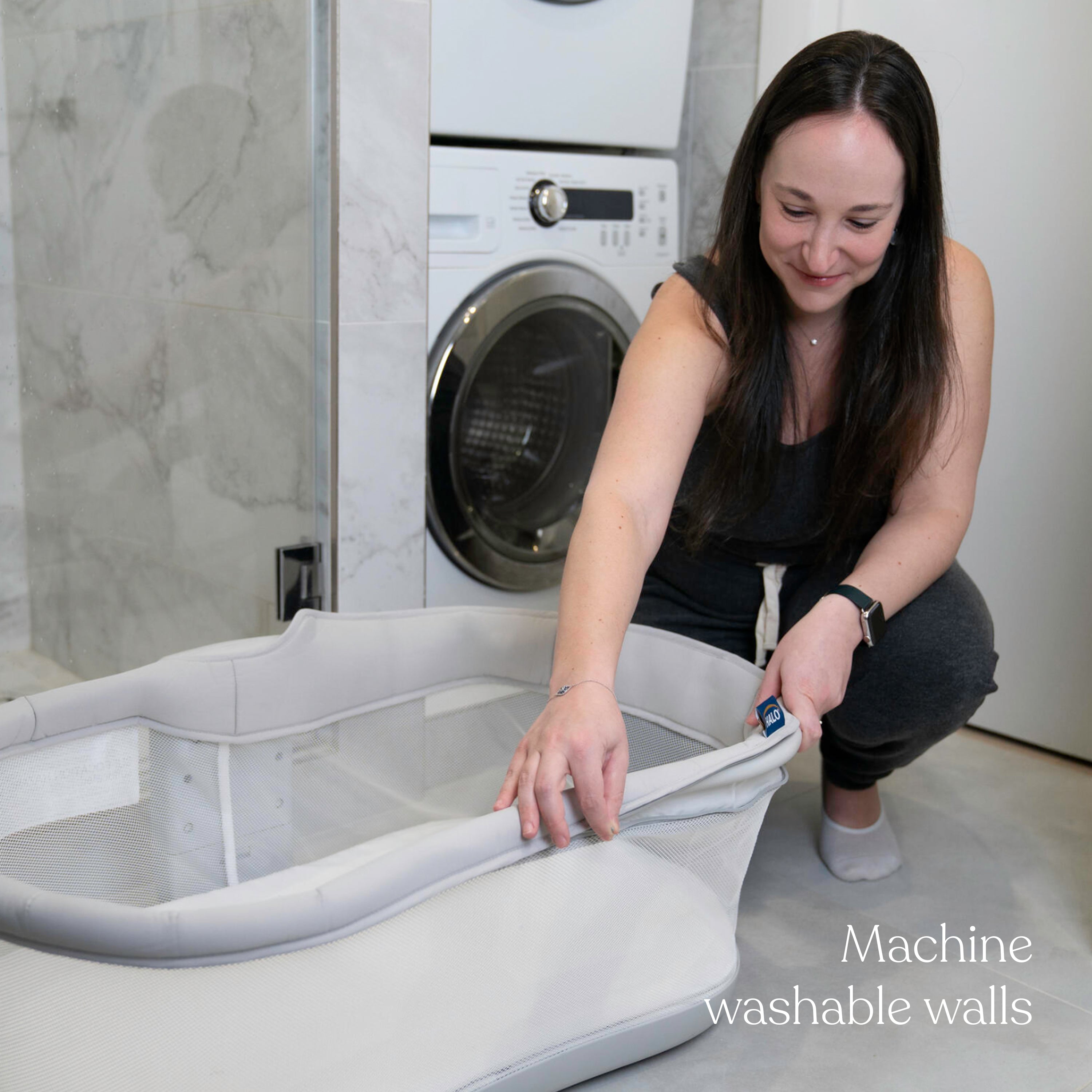
- Remove any removable cover and wash it per label directions. Use warm water and a gentle detergent to get rid of sweat and spills.
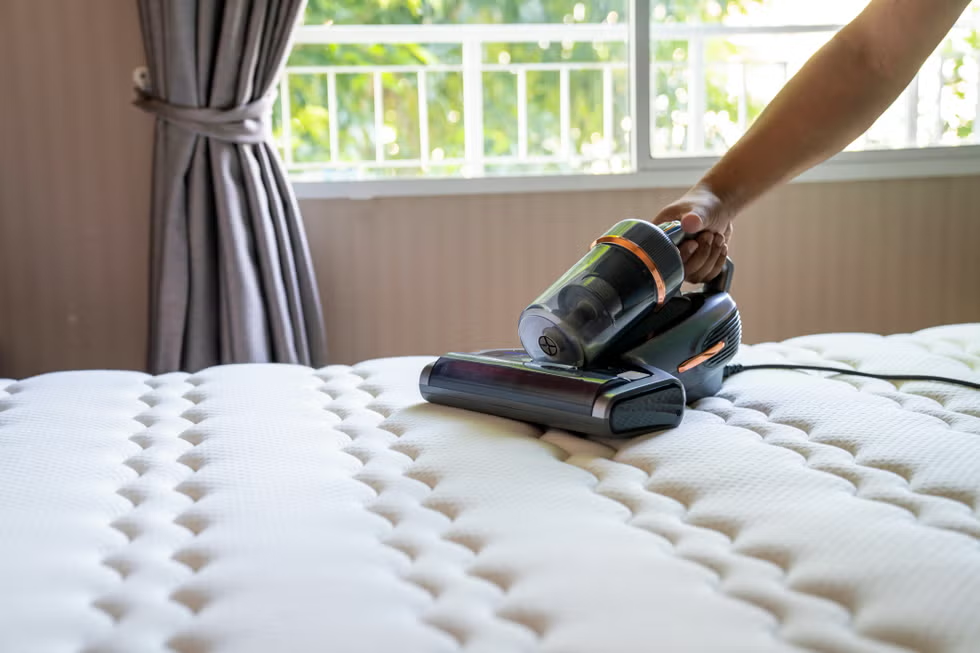
- Vacuum the bare mattress
- Run a vacuum with a brush attachment over the mattress to lift dust and crumbs. This helps before any moist cleaning.
- Spot-clean stains
- Mix one part mild detergent with two parts water in a spray bottle. Lightly spray the stain, blot with a clean cloth, and repeat until the stain lifts.
- Sanitize lightly
- For general sanitizing, mix equal parts water and white vinegar in a spray bottle. Lightly mist the mattress surface and let sit five minutes, then blot. Vinegar reduces bacteria and odors without harsh chemicals.
- Deodorize with baking soda
- Sprinkle baking soda across the mattress, let sit one hour, then vacuum it up. Baking soda absorbs smells and moisture.
- Avoid soaking or steam
- Do not pour water or use strong steam on foam mattresses. Excess moisture can cause mold and break down foam.
- Full air dry
- Place the mattress in a well-ventilated area or use a fan. Make sure it is completely dry before replacing the cover to prevent mold.
These steps outline how to clean a bassinet mattress safely while protecting the foam and fabrics.

Removing tough stains and odors
Some stains need extra attention but can be managed safely.
Urine stains
Blot as soon as possible. Use a vinegar-water mix to neutralize odor, then baking soda to absorb remaining scent.
Formula or milk stains
Use mild detergent and cool water for protein stains, avoiding hot water which can set them. Follow with a light vinegar rinse for odors.
Vomit or sticky residues
Scrape excess, then spot-clean with detergent solution and rinse by blotting. Finish with baking soda for odor control.
These methods show how to clean a bassinet mattress of stubborn spots while keeping materials intact.

Drying, airing, and reassembling
Proper drying is essential after you learn how to clean a bassinet mattress.
Airflow matters
Place the mattress where air can flow around all sides. Sun helps but avoid prolonged direct sun for foam that may degrade.
Use fans, not heaters
A fan speeds drying safely. Avoid heat sources that could warp foam or coverings.
Reassemble only when dry
Ensure both mattress and cover are fully dry before putting the cover back on. Trapped moisture invites mold.
I once skipped full drying and found a faint musty smell weeks later. Waiting longer prevented a repair bill and kept baby safe.

Maintenance tips to keep mattress fresh
Small habits make cleaning less work and keep the mattress fresh.
- Use a machine-washable fitted cover and waterproof pad to catch spills.
- Change sheets often and air the mattress weekly.
- Spot-clean right away when spills happen to avoid set-in stains.
- Rotate the mattress periodically to prevent uneven wear.
Following these tips reduces how often you need full cleanings and makes how to clean a bassinet mattress a quick task rather than a big chore.
Troubleshooting common problems
If you face issues while learning how to clean a bassinet mattress, try these fixes.
Mattress smells linger after cleaning
Sprinkle baking soda, wait a few hours, then vacuum. If odor persists, repeat and ensure full drying.
Stain won’t budge
Use a gentle enzyme cleaner safe for baby items. Test a small area first to check for colorfastness.
Foam feels damp after drying time
Move to a more ventilated area and use fans on both sides. If still damp after 24 hours, consider replacing the mattress.
These solutions reflect real situations I’ve handled and help you keep your baby’s sleep surface healthy.

Frequently Asked Questions of how to clean a bassinet mattress
How often should I clean a bassinet mattress?
Clean the cover and sheets weekly. Spot-clean the mattress as needed and do a full cleaning every 1–3 months or after major spills.
Can I machine-wash a bassinet mattress?
Only wash removable covers and pads in the machine. Most bassinet foam mattresses should not be machine-washed to avoid damage.
What is the safest cleaner for a bassinet mattress?
Use mild liquid detergent, water, white vinegar, and baking soda. These are safe and effective when used sparingly and rinsed or blotted.
How do I remove urine odor from a bassinet mattress?
Blot excess, apply a vinegar-water solution, let sit, blot again, then use baking soda to absorb remaining odor before vacuuming.
When should I replace a bassinet mattress?
Replace if foam loses shape, develops mold, has persistent odor, or is more than a few years old. Safety and firmness are key for newborn sleep.
Conclusion
Learning how to clean a bassinet mattress is simple with the right steps, gentle supplies, and good drying habits. Protect your baby by spot-cleaning promptly, using mild cleaners, and ensuring full air drying. Take action today: check your mattress label, wash removable covers, and set a regular cleaning routine to keep the sleep space safe and fresh. Leave a comment with your cleaning tips or subscribe for more baby-care guides.

Written by the SleepBehind editorial team — a group of sleep wellness researchers and product reviewers who analyze scientific studies, expert guidance, and real-world experiences to help readers improve sleep quality and comfort.