Beauty sleep is best between 10:00 PM and 2:00 AM when deep restorative sleep peaks.
I’ve studied sleep science and tested routines with clients and myself, so I’ll explain clearly what time is beauty sleep, why timing matters, and how to make your rest work for your skin, mood, and health. This guide mixes research, practical tips, and real-life examples to help you find the best sleep window and get more benefit from every night.
Why beauty sleep matters
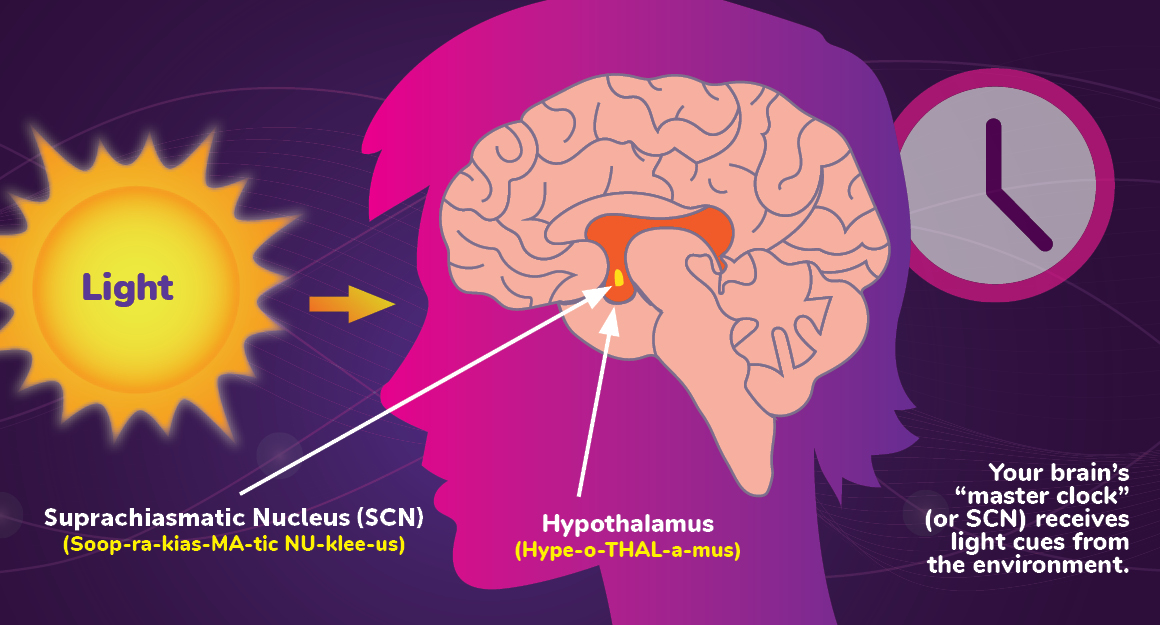
Beauty sleep is more than a saying. Sleep drives skin repair, hormone balance, and cognitive recovery. During deep sleep, the body releases growth hormone and ramps up cell repair. Knowing what time is beauty sleep helps you schedule sleep so those repair processes line up with your natural rhythms.

When is beauty sleep: optimal time window
Most experts point to the early night as the most restorative. Aim to be asleep by 10:00 PM to 11:00 PM so you hit deep slow-wave sleep in the first half of the night. If you wonder "what time is beauty sleep?" think of it as the hours shortly after falling asleep, roughly between 10:00 PM and 2:00 AM. Shift workers and late sleepers can still get beauty sleep, but timing relative to sleep onset matters more than clock time.
How long is beauty sleep: duration guidelines
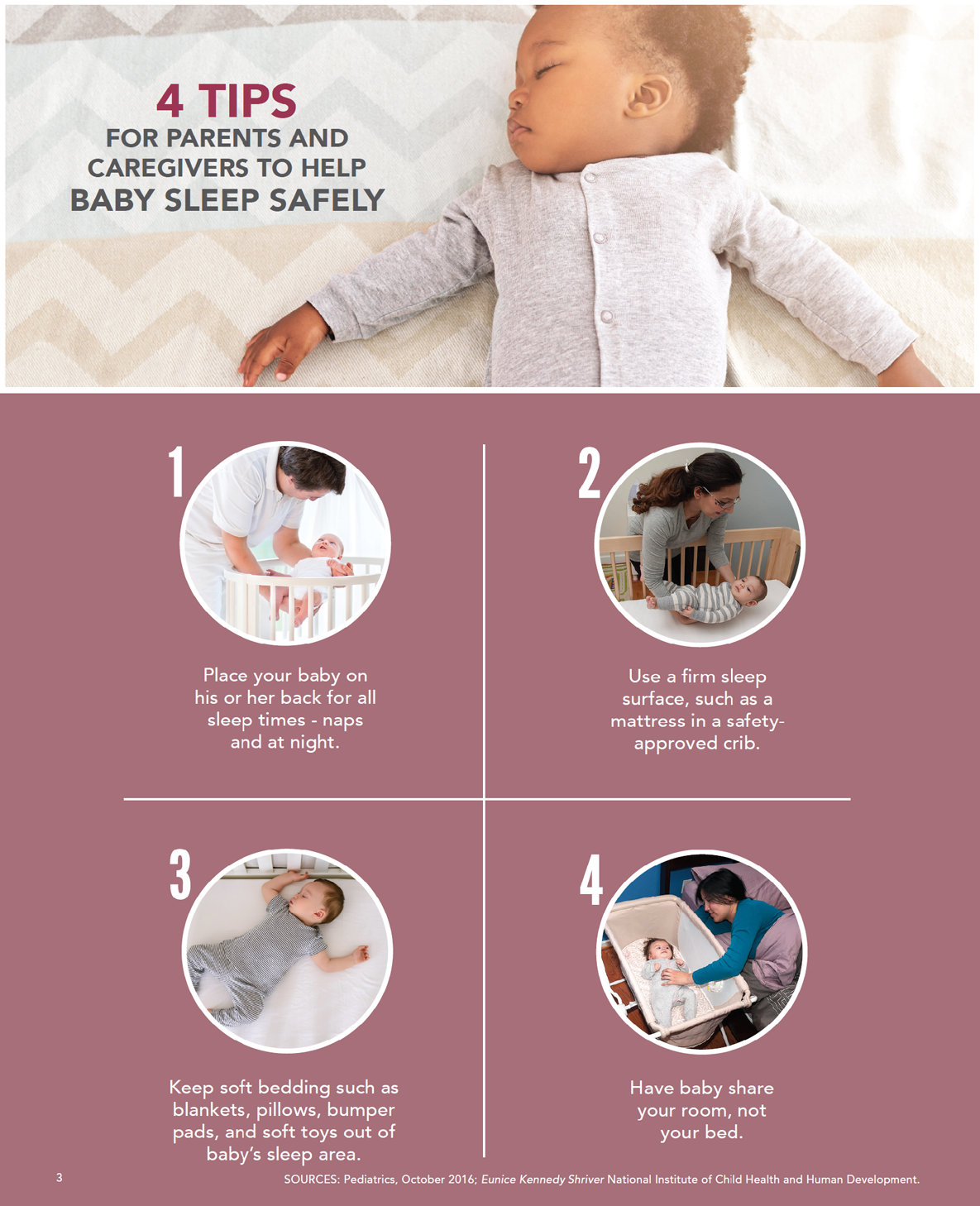
Deep restorative sleep occurs in cycles. Each cycle lasts about 90 minutes and repeats 4 to 6 times per night. To get full benefits, aim for 7 to 9 hours of sleep so you capture multiple deep cycles. If you focus on "what time is beauty sleep?" remember both timing and total duration matter: early nights plus enough hours equals best results.

How to get beauty sleep: routines & tips
Good sleep habits make the window more effective. Try these simple steps:
- Set a consistent bedtime and wake time to anchor your internal clock.
- Dim lights and avoid screens 60 minutes before bed to support melatonin release.
- Keep your bedroom cool, dark, and quiet to encourage deep sleep stages.
- Use a calm pre-sleep routine like reading or light stretching to fall asleep earlier.
- Limit heavy meals, caffeine, and alcohol in the hours before bed to protect sleep quality.
I used these tips myself when I shifted from 2:00 AM bedtimes to a 10:30 PM routine. My skin felt calmer and my mornings became sharper. When asking "what time is beauty sleep?" these habits helped make early sleep actually restorative.

Who benefits most from beauty sleep
Everyone benefits, but some groups see bigger gains. Teenagers, people recovering from illness, those with active training schedules, and anyone with skin concerns will notice stronger effects. If you’re asking "what time is beauty sleep?" and you have structured days, aligning sleep to early night hours boosts repair and clears inflammation. Older adults often need good sleep too, and timing helps maintain hormone balance as they age.

Common pitfalls and myths
There are many myths about beauty sleep timing. Common pitfalls include:
- Believing only midnight matters — total sleep and timing both matter.
- Relying on naps to replace early-night deep sleep — naps help but don’t fully substitute.
- Thinking beauty sleep is instant — consistent sleep habits build long-term benefits.
If you ask "what time is beauty sleep?" avoid one-off fixes. Consistency over weeks yields real changes in skin, mood, and energy.
Frequently Asked Questions of What time is beauty sleep?
What time is beauty sleep for most people?
Most people get the best restorative sleep when asleep by 10:00 PM to 11:00 PM, especially for deep slow-wave sleep. The early night supports growth hormone release and tissue repair.
Can you get beauty sleep if you go to bed at midnight?
Yes, you can still get benefits if you sleep enough hours, but the deepest restorative cycles are more concentrated earlier in the night. Shifting sleep earlier generally improves repair and hormone balance.
How many hours count as beauty sleep?
Aim for 7 to 9 hours per night to capture multiple deep sleep cycles. Short nights make it hard to reach the most restorative stages consistently.
Does beauty sleep help with acne and skin aging?
Quality sleep supports skin barrier repair and reduces inflammation, which can help acne and aging signs over time. Consistent sleep habits matter more than occasional long nights.
Is nap time part of beauty sleep?
Short naps can boost alertness and recovery but do not fully replace the deep slow-wave sleep from a full night. Use naps to supplement but not substitute nightly sleep.
What if I work nights—when is my beauty sleep then?
Your body needs regular, consolidated sleep aligned to your schedule to maximize repair. Aim for sleep at the same time daily, and create a dark, quiet environment to support deep sleep even during daytime.
Conclusion
Sleep timing and duration both shape what time is beauty sleep and how much benefit you get. Prioritize falling asleep earlier in the night, aim for 7 to 9 hours, and use simple routines to improve sleep quality. Start small: move bedtime 15 minutes earlier each week until you hit your target window, track changes, and adjust habits that disrupt sleep. Try these steps for a month, notice the difference in your skin and energy, and share your progress or questions below to keep the momentum going.
Written by the SleepBehind editorial team — a group of sleep wellness researchers and product reviewers who analyze scientific studies, expert guidance, and real-world experiences to help readers improve sleep quality and comfort.