Sleep disorders affect an estimated 50-70 million adults in the U.S. alone, per the CDC, and are linked to long-term health risks including heart disease, diabetes, and mood disorders. Many people suffer for years without a diagnosis, mistaking persistent fatigue or restless nights for normal stress. This Sleep Disorders Guide: Symptoms, Causes & Solutions breaks down evidence-based information on the most common sleep conditions, how to spot warning signs, diagnostic steps, and actionable treatments aligned with 2026 clinical standards from the American Academy of Sleep Medicine. We focus on practical, usable guidance so you can take informed steps toward better rest, no matter your current sleep habits.
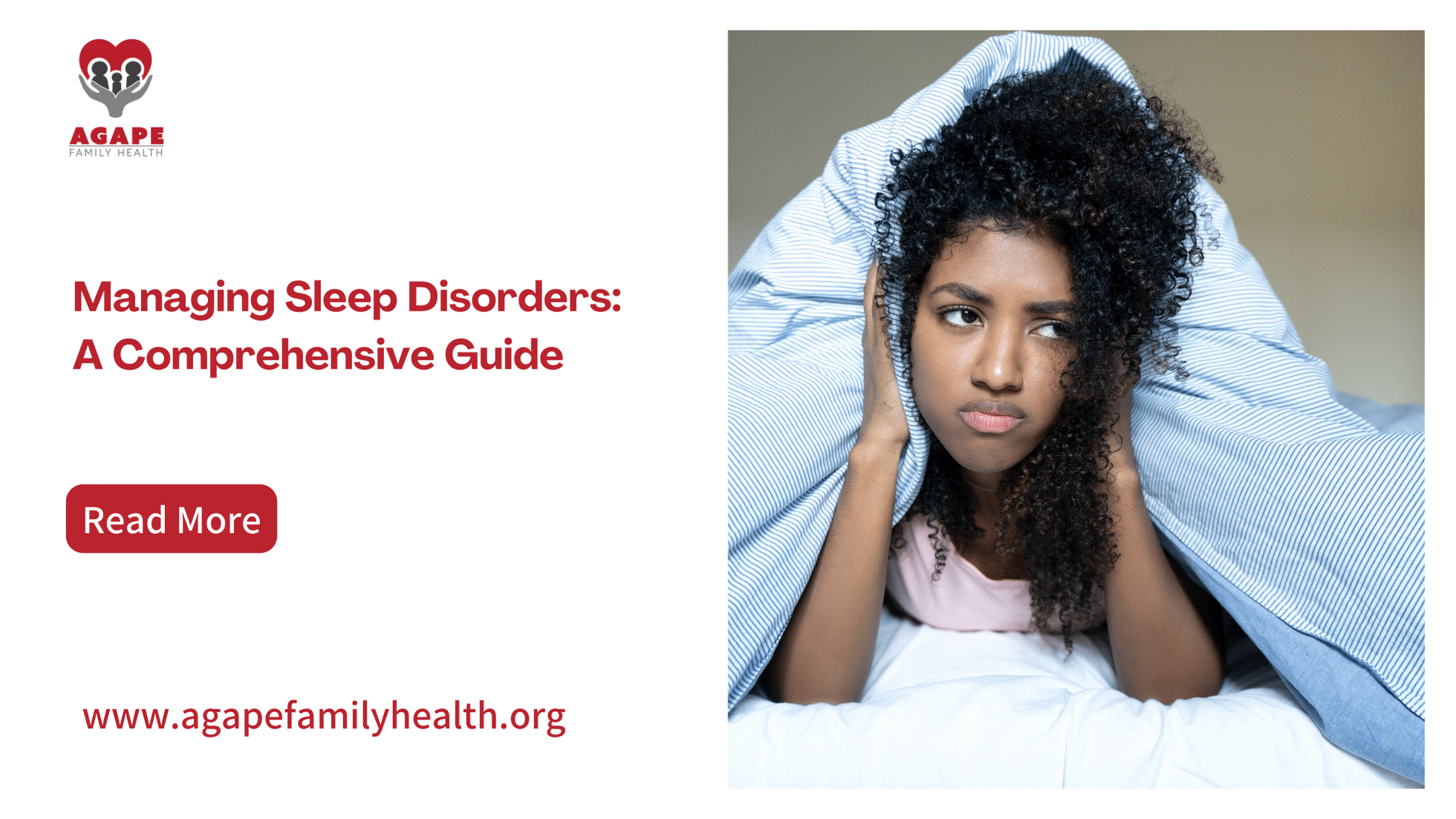 Banner graphic illustrating common sleep disorder symptoms and management strategies
Source: agapefamilyhealth.org
Banner graphic illustrating common sleep disorder symptoms and management strategies
Source: agapefamilyhealth.org
What Are Sleep Disorders?
Sleep disorders are medical conditions that disrupt the timing, quality, duration, or restorative function of sleep, leading to impaired daytime functioning and long-term health risks. They are classified under the International Classification of Sleep Disorders, 3rd edition (ICSD-3), the current global clinical standard for diagnosis and treatment. You can also read our guide on how to cure circadian rhythm sleep disorder.
Unlike occasional poor sleep tied to a one-time stressor (like a work deadline or late-night event), sleep disorders persist for three or more nights a week for at least three months, and do not resolve with basic sleep hygiene adjustments. Common consequences include chronic fatigue, difficulty concentrating, mood instability, and increased risk of chronic illness. Early recognition and intervention are critical to preventing long-term health complications.
Common Types of Sleep Disorders
There are more than 80 recognized sleep disorders, but six categories cover nearly all clinical cases:
| Type | Core Symptoms | Common Risk Factors |
|---|---|---|
| Insomnia | Difficulty falling asleep, staying asleep, or waking up too early, with non-restorative sleep | Stress, anxiety, depression, irregular sleep schedule, chronic pain |
| Obstructive Sleep Apnea (OSA) | Loud snoring, gasping/choking during sleep, morning headaches, excessive daytime sleepiness | Overweight/obesity, large neck circumference, family history, enlarged tonsils |
| Central Sleep Apnea (CSA) | Paused breathing during sleep without airway blockage, often linked to brain signaling issues | Heart failure, stroke, neurological conditions, opioid use |
| Restless Legs Syndrome (RLS) | Uncontrollable urge to move legs, especially at rest or in the evening, with uncomfortable crawling/burning sensations | Iron deficiency, pregnancy, chronic kidney disease, family history |
| Narcolepsy | Sudden, uncontrollable daytime sleep attacks, sleep paralysis, hypnagogic hallucinations, cataplexy (sudden muscle weakness triggered by strong emotions) | Autoimmune conditions, family history, brain injury |
| Circadian Rhythm Sleep-Wake Disorders | Misalignment between internal sleep clock and external light/dark cues, including delayed sleep phase (night owls), advanced sleep phase (early birds), shift work disorder, and jet lag disorder | Shift work, frequent travel across time zones, lack of morning sunlight exposure |
| Parasomnias | Abnormal behaviors during sleep, including sleepwalking, sleep terrors, REM sleep behavior disorder (acting out dreams) | Sleep deprivation, stress, alcohol use, neurological conditions |
 Visual chart of 6 common sleep disorder types and key identifying traits
Source: reddit.com
Visual chart of 6 common sleep disorder types and key identifying traits
Source: reddit.com
In clinical practice, insomnia is the most prevalent, affecting 30-40% of adults at some point in their lives, while obstructive sleep apnea affects an estimated 22 million Americans, many of whom are undiagnosed. You can also read our guide on sleep myths explained.
Causes and Risk Factors for Sleep Disorders
Sleep disorders stem from a mix of non-modifiable and modifiable risk factors, and most cases involve a combination of both rather than a single cause.
Non-Modifiable Risk Factors
- Age: Older adults are more likely to experience fragmented sleep, sleep apnea, and RLS due to age-related changes in sleep architecture and higher rates of chronic health conditions.
- Genetics: Narcolepsy has a strong genetic component, and family history increases risk for insomnia, sleep apnea, and RLS by 2-4x.
- Sex: Women are twice as likely to develop insomnia, while men are twice as likely to develop obstructive sleep apnea, due to hormonal and anatomical differences.
Modifiable Risk Factors
- Lifestyle habits: Irregular sleep schedules, excessive caffeine or alcohol consumption, screen use 1-2 hours before bed, and lack of physical activity all disrupt sleep regulation.
- Mental health: Anxiety, depression, PTSD, and chronic stress are the leading causes of chronic insomnia, with 75% of people with depression reporting sleep disruptions.
- Medications: Common drugs including SSRIs, beta blockers, decongestants, corticosteroids, and some blood pressure medications can cause insomnia, drowsiness, or restless sleep as side effects.
- Underlying medical conditions: Chronic pain, GERD, asthma, heart failure, thyroid disorders, and neurological conditions like Parkinson’s disease all interfere with sleep quality.
- Sleep environment: An uncomfortable mattress, excessive noise or light, and allergens in bedding can cause frequent nighttime awakenings.
 Infographic breaking down common causes and risk factors for sleep disorders
Source: braincenter.org
Infographic breaking down common causes and risk factors for sleep disorders
Source: braincenter.org
A common mistake patients make is attributing persistent sleep issues solely to stress, when underlying medical or anatomical issues are often the root cause. A full clinical evaluation is the only way to identify the true driver of sleep disruption. You can also read our guide on effects of poor sleep.
Key Symptoms and When to See a Doctor
Most sleep disorders share a core set of symptoms, but some red flags require immediate medical attention.
Common Symptoms Across Most Sleep Disorders
- Persistent daytime fatigue that does not improve after 7+ hours of sleep
- Difficulty falling or staying asleep 3+ nights per week
- Loud, frequent snoring that disturbs your bed partner
- Gasping, choking, or pauses in breathing during sleep
- Uncontrollable urge to move legs when resting, with relief only from movement
- Sudden muscle weakness triggered by strong emotions (cataplexy)
- Sleep paralysis or vivid hallucinations when falling asleep or waking up
- Confused or abnormal behavior during sleep (sleepwalking, yelling out in terror)
Red Flag Symptoms That Require Immediate Care
- Pauses in breathing lasting 10 seconds or longer during sleep
- Severe morning headaches or chest pain/palpitations at night
- Falling asleep unexpectedly while driving, working, or operating machinery
- Symptoms that do not improve after 2-4 weeks of consistent sleep hygiene adjustments
- In children: persistent irritability, hyperactivity, bedwetting, or sharp decline in school performance (children rarely report daytime sleepiness directly, so behavioral changes are often the first sign)
For a full list of clinical warning signs, refer to official guidance on sleep disorder symptoms from the CDC.
 Checklist of red flag symptoms that warrant a medical sleep evaluation
Source: reddit.com
Checklist of red flag symptoms that warrant a medical sleep evaluation
Source: reddit.com
Diagnosis and Testing Options
Diagnosis always starts with a full clinical evaluation, including a detailed sleep history, review of medications and underlying health conditions, and input from a bed partner if possible (to document snoring, gasping, or abnormal sleep behaviors). Your provider may recommend one or more of the following tests:
- Sleep Diary: A free, low-effort first step where you track bedtime, wake time, nighttime awakenings, caffeine/alcohol intake, and daytime naps for 1-2 weeks to identify patterns.
- Actigraphy: A wearable wrist device that tracks movement and light exposure for 1-4 weeks, used to diagnose circadian rhythm disorders and track sleep patterns over time.
- Polysomnography (PSG): The gold standard overnight in-lab sleep study, which records brain waves, oxygen levels, heart rate, breathing, and muscle activity to diagnose sleep apnea, narcolepsy, parasomnias, and other complex conditions.
- Home Sleep Apnea Test (HSAT): A simplified at-home breathing test for people with high suspected risk of obstructive sleep apnea, which does not record brain waves but is sufficient for diagnosis in most uncomplicated cases.
- Multiple Sleep Latency Test (MSLT): A daytime test that measures how quickly you fall asleep and whether you enter REM sleep rapidly, used exclusively to diagnose narcolepsy.
- Blood work: Ordered to rule out underlying conditions like iron deficiency (a leading cause of RLS), thyroid disorders, or vitamin deficiencies that may be disrupting sleep.
If you have mild obstructive sleep apnea, alternative comfort options for mild apnea may reduce symptoms before medical intervention. You can also read our guide on how to reduce nighttime awakenings.
 Home sleep apnea test kit for at-home breathing monitoring
Source: amazon.com
Home sleep apnea test kit for at-home breathing monitoring
Source: amazon.com
Evidence-Based Treatment Options
Treatment for sleep disorders is highly personalized, and most patients benefit from a combination of approaches rather than a single intervention. All treatment plans should be developed in partnership with a board-certified sleep specialist.
Behavioral and Lifestyle Interventions
These are first-line treatments for most mild to moderate sleep disorders, and have no risk of side effects:
- Cognitive Behavioral Therapy for Insomnia (CBT-I): The most effective long-term treatment for chronic insomnia, per official AASM treatment guidelines, with 70-80% of patients seeing significant improvement without medication. CBT-I works by addressing the thoughts and behaviors that perpetuate insomnia, such as bed-related anxiety or irregular sleep schedules.
- Stimulus control therapy: Restricting bed use to sleep and intimacy only, and leaving the bed if you are unable to fall asleep after 20 minutes, to rebuild the association between bed and sleep.
- Sleep restriction therapy: Temporarily limiting time in bed to match actual sleep time, then gradually increasing time in bed as sleep efficiency improves.
Medical Devices
- CPAP/APAP: The first-line treatment for moderate to severe obstructive sleep apnea, delivering steady air pressure to keep airways open during sleep. Many patients struggle with initial adherence due to mask discomfort, but working with a sleep technician to adjust fit and pressure settings improves long-term use for most people.
- Oral mandibular advancement devices: Custom-fit mouthguards that reposition the jaw to keep airways open, used for mild to moderate apnea or for patients who cannot tolerate CPAP.
- Positional therapy: Devices that encourage side sleeping for people who only experience apnea when sleeping on their back.
Medications
Medications are typically used short-term or as an adjunct to behavioral therapy, as long-term use carries risk of tolerance, dependence, and side effects:
- Short-term sleep aids (z-drugs, low-dose antihistamines) for acute insomnia, used for no longer than 2-4 weeks.
- Melatonin, timed correctly based on your circadian rhythm, for circadian rhythm disorders (incorrect timing can worsen symptoms).
- Dopamine agonists or iron supplements for RLS, if iron levels are low.
- Modafinil or sodium oxybate for narcolepsy, to reduce daytime sleepiness and prevent cataplexy.
Advanced Therapies
For patients who do not respond to first-line treatments, options include upper airway surgery for sleep apnea, vagus nerve stimulation for treatment-resistant depression-related insomnia, or bright light therapy for severe circadian rhythm disorders. You can also read our guide on guides on better sleep.
 CPAP machine, the first-line treatment for moderate to severe obstructive sleep apnea
Source: amazon.com
CPAP machine, the first-line treatment for moderate to severe obstructive sleep apnea
Source: amazon.com
A comfortable, supportive sleep environment is a core part of treatment; proper care for supportive bedding ensures your pillows and mattress toppers stay in good condition for optimal rest. If you use a feather mattress topper, regular maintenance like extending the life of your sleep surface can improve comfort and reduce nighttime awakenings.
Sleep Hygiene and Lifestyle Adjustments
Sleep hygiene refers to the daily habits and environmental factors that support consistent, high-quality sleep. Even for people with diagnosed sleep disorders, small, consistent adjustments can significantly improve symptoms. Key evidence-based sleep hygiene practices include:
- Maintain a consistent sleep schedule: Go to bed and wake up within 30 minutes of the same time every day, even on weekends, to regulate your circadian rhythm.
- Optimize your sleep environment: Keep bedroom temperature between 60-67°F (15-19°C), use blackout curtains to block light, and reserve the bed for sleep and intimacy only (no work, scrolling, or TV in bed).
- Limit stimulants and alcohol: Avoid caffeine after 2pm (it has a 6-hour half-life, so afternoon coffee can still disrupt sleep at 10pm), avoid nicotine entirely, and limit alcohol to 1 drink maximum 3 hours before bed (alcohol disrupts REM sleep even if it causes initial drowsiness).
- Manage screen exposure: Avoid screens 60-90 minutes before bed, use blue light filters if you must use devices after dark, and keep phones out of the bedroom if possible to avoid late-night notifications.
- Get morning sunlight: 15-30 minutes of natural sunlight within 1 hour of waking helps regulate your circadian clock and improves nighttime sleep quality.
- Exercise strategically: Regular moderate exercise improves sleep quality, but finish vigorous workouts at least 3 hours before bed to avoid elevated core body temperature that can interfere with sleep onset.
- Build a wind-down routine: 30-60 minutes of calming activities before bed (reading, gentle stretching, meditation, a warm shower) signals to your body that it is time to sleep. The drop in core body temperature after a warm shower is a natural trigger for sleepiness.
Common sleep hygiene mistakes to avoid: napping longer than 20 minutes after 3pm, which can disrupt nighttime sleep, and lying in bed awake for more than 20 minutes, which creates an association between bed and wakefulness. If you can’t fall asleep, get out of bed and do a boring, low-light activity (like folding laundry) until you feel sleepy.
If you wash your hair before bed, proper pre-bed hair routines can prevent discomfort and sleep disruptions from damp hair or loose strands. Regularly washing mattress protectors and pillowcases, as outlined in maintaining clean sleep surfaces, reduces allergens that can disrupt sleep, especially for people with allergies or asthma.
Special Populations and Sleep Considerations
Sleep needs and common disorders vary significantly across age groups and life stages:
- Children and teens: Kids need 9-14 hours of sleep per night depending on age, but 1 in 3 children do not get enough. Common issues include behavioral insomnia of childhood (bedtime refusal, frequent night wakings), sleep apnea from enlarged tonsils, and parasomnias. Children rarely report daytime sleepiness directly, so symptoms often present as irritability, hyperactivity, poor school performance, or bedwetting. Neurodivergent children (autism, ADHD) have 2-3x higher rates of sleep disorders, and may need tailored routines with reduced sensory input in the bedroom.
- Older adults: Adults over 65 need 7-8 hours of sleep per night, but 50% report frequent sleep disruptions. Age-related changes in sleep architecture, higher rates of chronic pain, and medication side effects increase risk of insomnia, sleep apnea, and RLS. Consistent schedules and limited daytime napping (20 minutes max) can improve sleep quality.
- Shift workers: People who work overnight or rotating shifts are at 2-3x higher risk of insomnia, sleep deprivation, and metabolic disorders. Strategies for shift workers include strategic 20-30 minute naps before shifts, bright light exposure during night shifts, blackout curtains for daytime sleep, and avoiding sunlight on the way home from night shifts to prevent circadian disruption.
- Pregnant people: Hormonal changes, weight gain, and fetal movement increase risk of insomnia, RLS, and sleep apnea during pregnancy. Left-side sleeping improves blood flow to the fetus, and supportive pregnancy pillows can reduce discomfort.
- People with chronic illness: Chronic pain, heart failure, COPD, and neurological conditions like Parkinson’s and Alzheimer’s all disrupt sleep, so treatment must be coordinated with your primary care team to avoid medication interactions.
 Infographic outlining sleep needs and common disorders in children and teens
Source: dentalmedicalbilling.org
Infographic outlining sleep needs and common disorders in children and teens
Source: dentalmedicalbilling.org
 Adjustable weighted blanket designed for children with sensory sensitivities
Source: amazon.com
Adjustable weighted blanket designed for children with sensory sensitivities
Source: amazon.com
Long-Term Management and Prevention
Most sleep disorders are chronic, so long-term management is key to preventing symptom recurrence and long-term health complications. Evidence-based long-term strategies include:
- Schedule regular follow-ups with a sleep specialist every 6-12 months to adjust treatment as needed (e.g., weight gain can worsen sleep apnea, requiring increased CPAP pressure; new medications may cause sleep disruptions).
- Track sleep patterns regularly with a sleep diary or wearable device, but avoid over-reliance on trackers, which can cause orthosomnia (obsession with achieving "perfect" sleep that actually worsens insomnia).
- Manage comorbid mental and physical health conditions: treating anxiety, depression, chronic pain, or allergies will improve sleep outcomes for most patients.
- Adjust your sleep routine as life changes: aging, job changes, pregnancy, and travel across time zones all require tweaks to your sleep schedule and hygiene practices.
- For people at high risk of sleep apnea (snorers, overweight individuals, those with a family history), regular screening can lead to early diagnosis and treatment before cardiovascular complications develop.
Frequently Asked Questions
What is the most common sleep disorder?
Insomnia is the most prevalent sleep disorder, affecting 30-40% of adults at some point in their lives. It includes difficulty falling asleep, staying asleep, or waking up too early, and is often linked to stress, anxiety, or poor sleep hygiene.
Can lifestyle changes fix sleep disorders?
Yes, lifestyle and sleep hygiene changes can resolve or significantly improve many mild to moderate sleep disorders, including acute insomnia, mild circadian rhythm disorders, and some cases of mild sleep apnea. Consistent routines, light management, and limiting caffeine are highly effective first steps for most people.
When should I get a sleep study?
Get a sleep study if you experience loud snoring paired with gasping or choking at night, extreme daytime sleepiness, or unexplained morning headaches. A sleep study is the only way to definitively diagnose sleep apnea, narcolepsy, and most parasomnias.
Are sleep medications safe long-term?
Most prescription and over-the-counter sleep medications are not recommended for long-term use, due to risk of tolerance, dependence, next-day grogginess, and (in older adults) increased risk of cognitive decline. Non-drug therapies like CBT-I are far more effective for long-term management of chronic insomnia.
Can kids have sleep disorders?
Yes, children experience all the same sleep disorders as adults, but they often present as behavioral issues rather than daytime sleepiness. Early evaluation and treatment can prevent long-term impacts on school performance, mood, and development.
Is snoring always a sign of sleep apnea?
No, 30-50% of people who snore do not have sleep apnea. However, loud, frequent snoring paired with gasping, choking, or daytime sleepiness is a strong indicator of obstructive sleep apnea, and warrants a sleep study to rule out the condition.
Can weight loss cure sleep apnea?
For many people with mild to moderate obstructive sleep apnea, losing 10-15% of body weight can significantly reduce or even eliminate apnea symptoms. However, not all sleep apnea is weight-related (anatomical issues like a deviated septum or narrow airway can cause it regardless of weight), so weight loss is a highly effective first step but not a guaranteed cure for all patients.
Conclusion
Sleep disorders are far more common than most people realize, and they are almost always treatable with the right combination of lifestyle adjustments, behavioral therapy, and medical care. If you are experiencing persistent sleep disruptions, start by tracking your sleep for 1-2 weeks to identify patterns, then make small, consistent adjustments to your sleep hygiene. If symptoms do not improve after 2-4 weeks, or if you experience any red flag symptoms, reach out to a board-certified sleep specialist for evaluation — early diagnosis prevents long-term health risks including heart disease, diabetes, and mood disorders.
If you’re ready to optimize your nightly routine, browse our full library of sleep guides, including our step-by-step guide to low-fuss pre-sleep hair habits for simple adjustments that won’t interfere with rest.
Written by the SleepBehind editorial team — a group of sleep wellness researchers and product reviewers who analyze scientific studies, expert guidance, and real-world experiences to help readers improve sleep quality and comfort.