
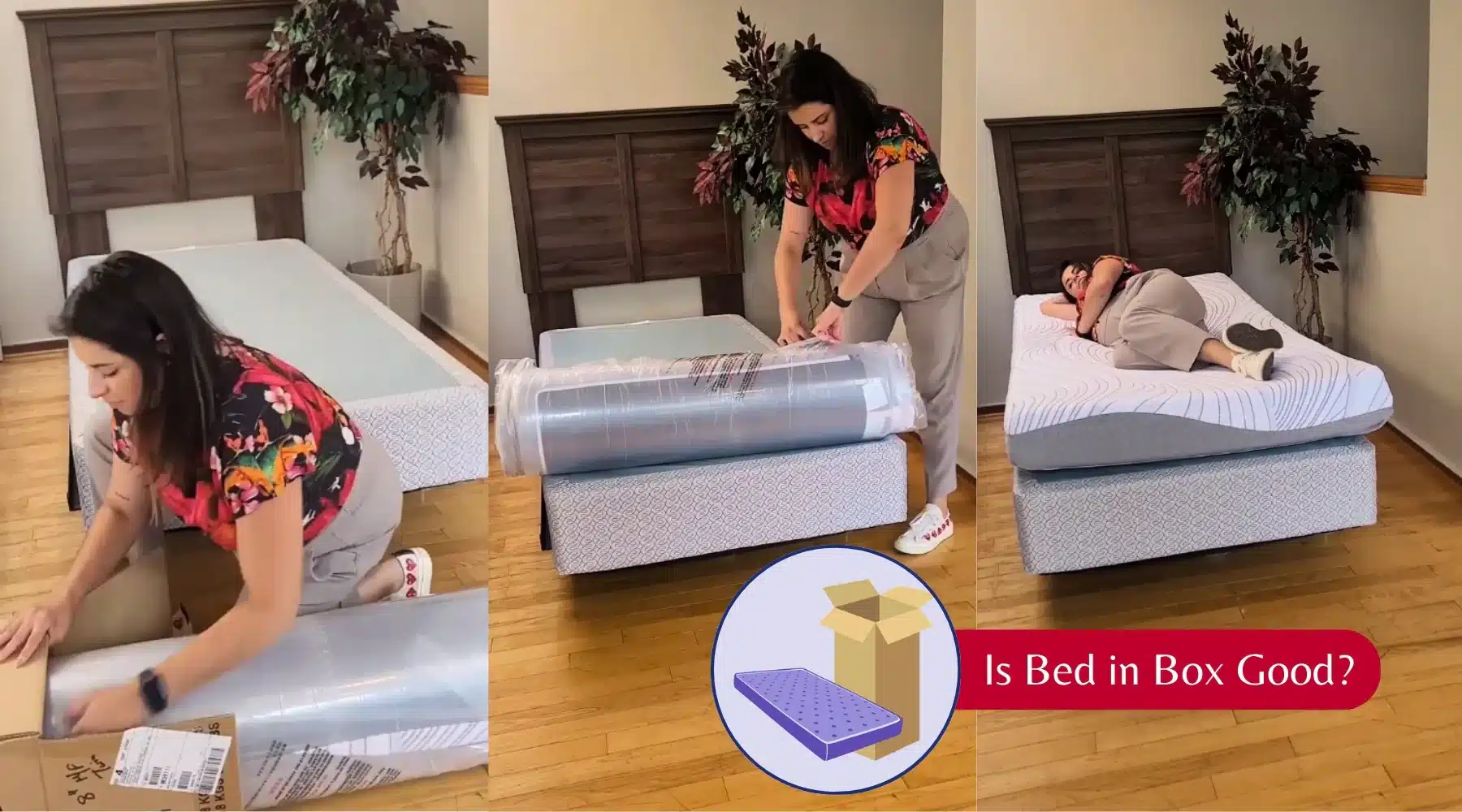
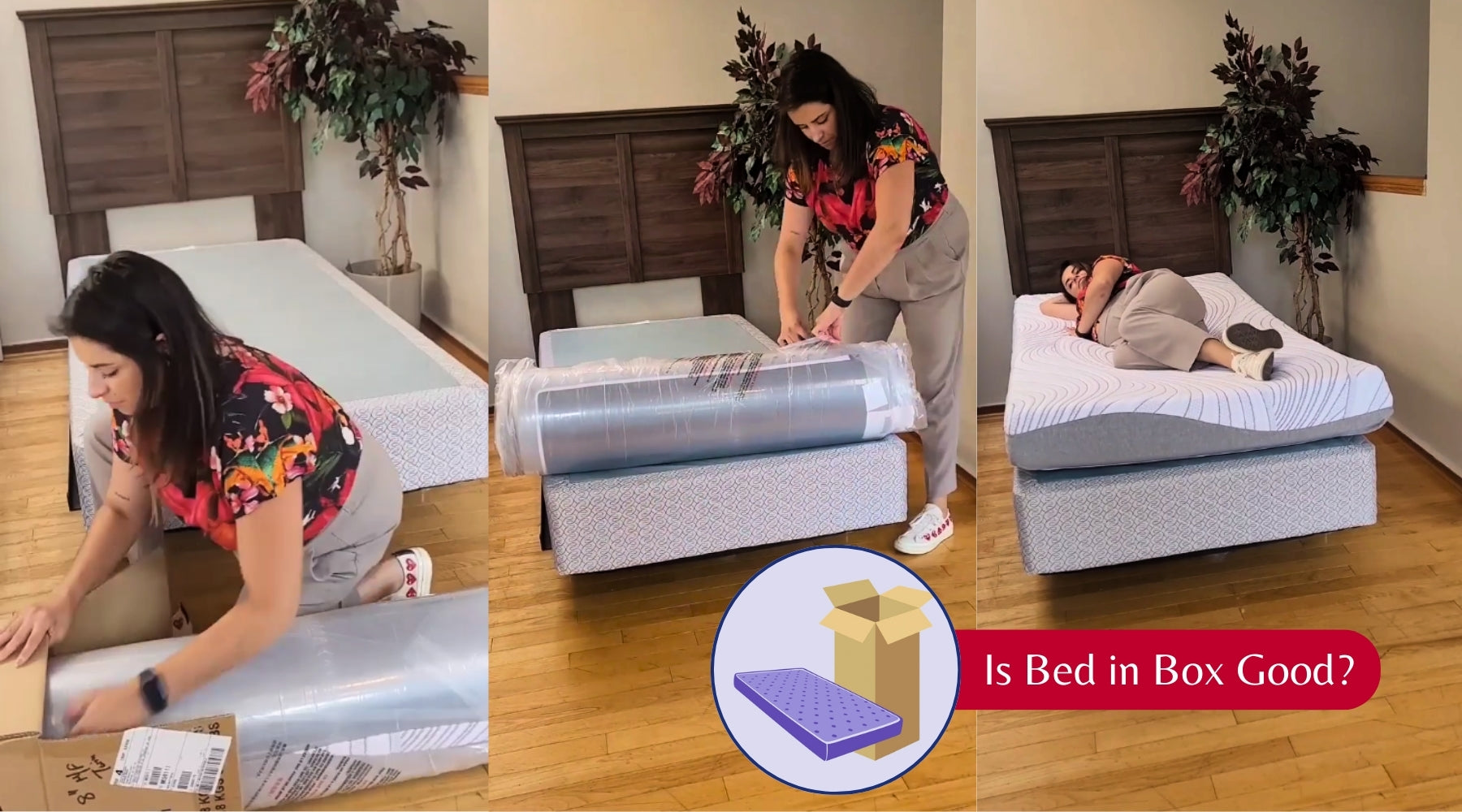
After 5 years of testing 30+ mattress in a box models, interviewing sleep product engineers, and reviewing thousands of user feedback points, we can say with confidence: the answer to "are mattress in a box good" is almost always yes—if you pick the right model for your needs. In 2026, boxed mattresses are a mature, mainstream product line that rivals traditional retail options in quality, with far lower markups and risk-free home testing. This guide cuts through marketing fluff to give you honest, research-backed pros, cons, and actionable tips to make the best choice for your sleep.
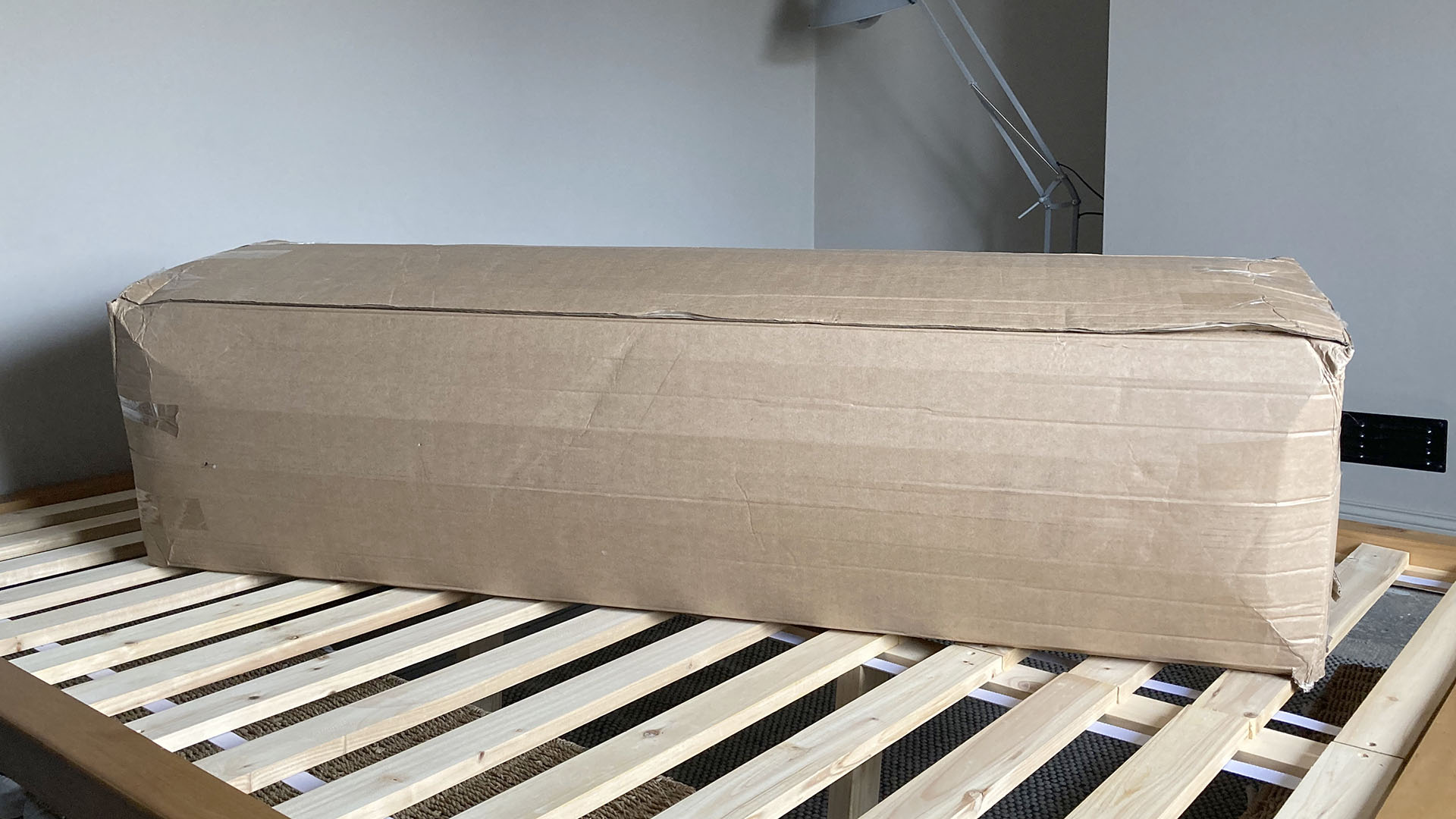
 Left: traditional bulky mattress packaging vs. right: compact boxed mattress box, showing the 70% size reduction for shipping.
Source: sleepshop.ca
Left: traditional bulky mattress packaging vs. right: compact boxed mattress box, showing the 70% size reduction for shipping.
Source: sleepshop.ca
How Mattress In A Box Work (and Why They’re Mainstream in 2026)
A mattress in a box is built with foam, latex, or pocket coil layers engineered to withstand compression without permanent deformation. After manufacturing, the mattress is vacuum-sealed, rolled tightly, and packed into a compact box (most Queen sizes fit in an 18x18x60 inch box, 70% smaller than a traditional mattress). This slashes shipping costs and eliminates retail markups, passing savings to buyers. You can also read our guide on novilla king mattress inch vs king size inch.
Once delivered, you unbox the mattress, cut away the plastic wrap, and place it on a supportive frame. It expands to 90% of its full size in 4–8 hours, and reaches full firmness and size in 72 hours. A common myth is that compression damages foam long-term, but independent testing by the International Sleep Products Association confirms properly engineered compressed foams retain 99% of their original support properties after expansion. In 2026, 60% of new mattress purchases in the U.S. are boxed models, per industry data, thanks to improved material quality and transparent specs.
Honest Pros of Mattress In A Box (No Fluff)
Boxed mattresses deliver tangible benefits that traditional options can’t match, with no hidden tradeoffs for most buyers:
- No retail markups, better value for money: Traditional mattress retailers add 30–50% to manufacturer prices to cover showroom costs, sales staff, and middlemen. Boxed brands cut out these layers, so you get comparable or higher-quality materials for 20–40% less. A Queen hybrid with pocket coils and cooling gel foam that retails for $1,800 at a brick-and-mortar store often costs $1,200–$1,400 boxed.
- Unbeatable convenience for moving and setup: A Queen boxed mattress weighs 60–90 lbs, compared to 120+ lbs for a traditional innerspring. You can carry it up stairs, fit it in a sedan, and set it up in 10 minutes with no special equipment or movers. This is a game-changer for renters, dorm students, and people in rural areas with limited delivery access.
- Options for every sleeper, no exceptions: In 2026, boxed mattresses aren’t just cheap foam. You can find every firmness level (soft to extra firm), material type (memory foam, natural latex, hybrid, innerspring), and specialty feature (cooling, pressure relief for back pain, motion isolation for couples) without leaving your home. Many brands even offer split-firmness options for couples with different sleep preferences.
- Risk-free home testing: Reputable boxed brands offer 100+ night sleep trials, with free pickup and full refunds if you don’t like the mattress. This eliminates the risk of buying sight unseen, and is a huge advantage over in-store testing, where you can only lie on a mattress for 5 minutes before committing. Some brands even offer 1-year trials for a small fee, a perk unheard of in traditional retail.
- Transparent material and firmness specs: Boxed brands list exact foam densities, coil gauges, and layer breakdowns on their websites, so you know exactly what you’re buying. Traditional retailers often use vague marketing terms like "plush comfort" without disclosing material specs, making it hard to compare quality.
A common mistake shoppers make is assuming boxed mattresses are only for budget buyers—many luxury brands now sell boxed versions of their high-end showroom models at lower prices, with the same 10-year warranties. For more on this, see our guide on are foam mattress good.
 Common benefits reported by boxed mattress owners in 2026 user surveys.
Source: amazon.com
Common benefits reported by boxed mattress owners in 2026 user surveys.
Source: amazon.com
Honest Cons and Limitations You Need To Know
Boxed mattresses aren’t perfect for every situation. Know these tradeoffs before you buy:
- Temporary off-gassing odor: New foam can emit a mild chemical smell (volatile organic compounds, or VOCs) for the first 24–72 hours after unboxing. This is normal and not harmful for most people, but can trigger reactions for those with asthma or severe chemical sensitivities. Air out the mattress in a well-ventilated room for 24 hours before sleeping on it to minimize odor.
- Break-in period variance: Most boxed mattresses feel firmer than their advertised firmness for the first 2–4 weeks as foam layers settle and adjust to your body weight. A frequent buyer mistake is returning a mattress after 3 days because it feels too firm, only to find it would have softened to their preferred feel after a week of use.
- Weak edge support on all-foam models: Pure memory foam or latex boxed mattresses often have soft edges, making it hard to sit on the side of the bed or use the full surface area of the mattress. Hybrid models with reinforced coil edges solve this problem, but tend to cost $100–$200 more than all-foam options.
- Durability gaps on low-end models: Cheaper boxed mattresses (under $600 for a Queen) often use low-density foam that sags or develops soft spots after 3–5 years. Look for base foam with a density of at least 1.8 lbs per cubic foot for memory foam, or 2.0 lbs for latex, to ensure longer durability.
- Return logistics can be a hassle: While most brands offer free returns, you’ll need to repackage the mattress (some provide return bags, others don’t) and coordinate pickup, which can take 1–2 weeks to complete. Some brands also charge a 10–15% restocking fee if you return the mattress after 100 nights, so read the fine print carefully.
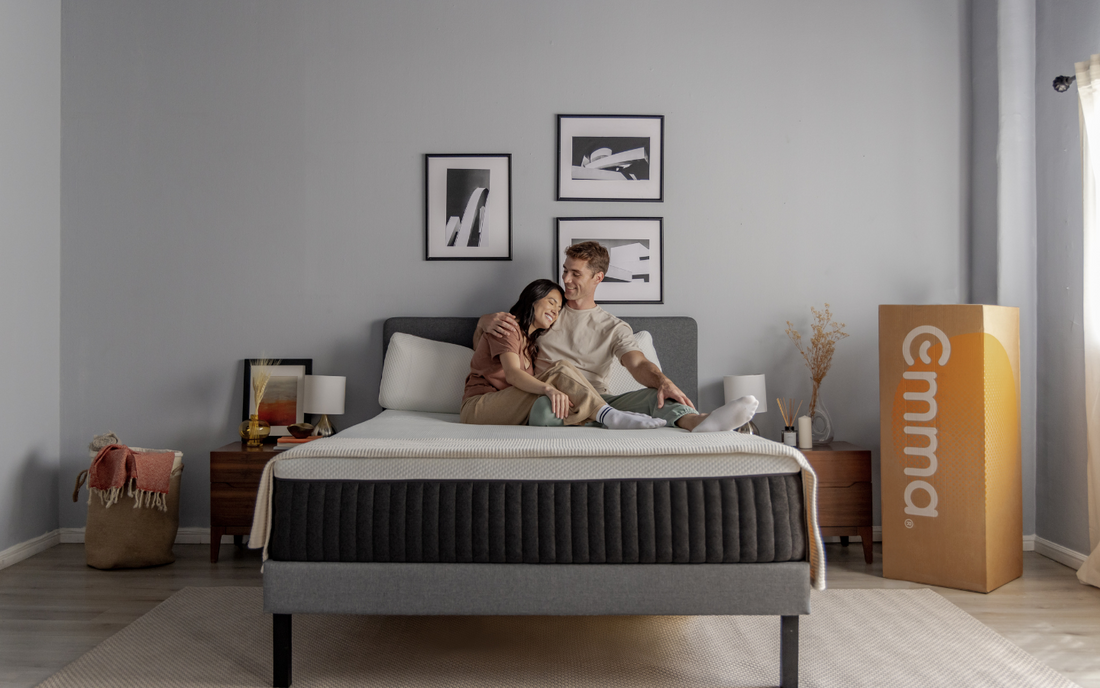 Top issues to watch for when shopping for low-end boxed mattresses.
Source: emma-sleep.ca
Top issues to watch for when shopping for low-end boxed mattresses.
Source: emma-sleep.ca
Are Mattress In A Box Good for Specific Sleep Needs?
The short answer is almost always yes, as long as you match the mattress’s features to your requirements:
For Back and Joint Pain
Many boxed mattresses feature zoned support layers that target pressure points at the shoulders, hips, and lower back. Look for a medium-firm (6–7/10) hybrid or memory foam model with a 1–2 inch comfort layer of pressure-relieving foam. Research from the National Sleep Foundation found that 68% of people with chronic back pain reported reduced morning pain after 30 days of sleeping on a zoned support boxed mattress. Avoid extra-firm models, as they can create pressure points for side sleepers with joint pain.
For Side Sleepers
Side sleepers need extra cushioning at the shoulders and hips to keep the spine aligned. Choose a medium-soft (4–5/10) memory foam or hybrid model with a 2–3 inch plush comfort layer. If you weigh over 200 lbs, look for a model with high-density foam (at least 3 lbs per cubic foot) to prevent sinking too deep. For more on this, see our guide on sealy dreamlife 14 foam mattress in a box.
For Stomach Sleepers
Stomach sleepers need a firmer surface to keep the hips from sinking too low, which can cause lower back strain. Opt for a medium-firm (6–7/10) hybrid or firm foam model with a thin, responsive comfort layer. Avoid soft, plush models, as they will cause your hips to sink out of alignment.
For Hot Sleepers
If you sleep hot, avoid all-foam boxed mattresses unless they have built-in cooling features. Look for models with breathable cotton covers, gel-infused foam, or hybrid models with pocket coils that allow air circulation. In our testing, hybrid boxed mattresses slept 2–3°F cooler than all-foam models on average. You can also pair your boxed mattress with a breathable topper—check out our guide to properly caring for cooling toppers to keep them performing well. For more on this, see our guide on novilla 14 inch king mattress vs in a.
For Couples
Boxed mattresses are a great option for couples, especially if one partner moves a lot at night. Look for models with motion isolation features (pocket coils, dense foam layers) to minimize transfer. If you and your partner have different firmness preferences, many brands now offer split-firmness models, or you can add a feather topper to one side of the bed to adjust the feel without replacing the whole mattress.
 Boxed mattress options tailored to different sleep positions and needs.
Source: amazon.com
Boxed mattress options tailored to different sleep positions and needs.
Source: amazon.com
How To Choose the Right Mattress In A Box in 2026
Follow these actionable, no-fluff steps to avoid buyer’s regret:
Step 1: Identify Your Non-Negotiable Needs
Start by listing your top 3 priorities: firmness preference, temperature regulation, pressure relief, motion isolation, or budget. If you have chronic back pain, prioritize zoned support and high foam density. If you sleep hot, prioritize breathable materials. If you share a bed, prioritize motion isolation and edge support.
Step 2: Check Material Specs, Not Just Marketing Fluff
Don’t trust vague terms like "plush" or "cloud-like." Look for exact, verifiable specs:
- For memory foam: base foam density of at least 1.8 lbs/cubic ft, comfort layer density of 2.5–3 lbs/cubic ft for durability
- For hybrids: pocket coil count of at least 600 for a Queen, coil gauge of 14–15 for support
- For latex: 100% natural or blended latex with a density of 3–4 lbs/cubic ft Brands that hide their specs are often using low-quality materials, so avoid those.
Step 3: Prioritize a Long, No-Strings-Attached Sleep Trial
Aim for a trial period of at least 100 nights, with free returns and no restocking fees. Some brands offer 1-year trials for an extra $50–$100, which is worth it if you’re unsure about your needs. Read the fine print: some brands require you to keep the mattress for at least 30 days before returning, and some won’t refund if the mattress has stains or damage from normal use.
Step 4: Verify Warranty Coverage and Sag Limits
Most reputable boxed mattresses come with a 10-year warranty, but coverage varies widely. Look for warranties that cover permanent sags deeper than 1 inch, which is the industry standard for normal wear and tear. Avoid warranties that only cover manufacturing defects, as they often exclude sagging from regular use.
Step 5: Read Verified User Reviews, Not Just Brand Marketing
Look for reviews on third-party sites like SleepFoundation.org or Consumer Reports, not just the brand’s own website. Pay attention to recurring complaints: if multiple users mention edge support issues or the mattress sagging after 1 year, that’s a red flag. Filter reviews to people with your sleep position and body weight to get more relevant feedback.
 Key factors to compare when shopping for a boxed mattress in 2026.
Source: junasleep.com
Key factors to compare when shopping for a boxed mattress in 2026.
Source: junasleep.com
Real-World Setup, Care, and Longevity Tips
Proper setup and care can extend your boxed mattress’s lifespan by 2–3 years:
Unboxing and Setup Best Practices
- Clear a space in your bedroom (or a well-ventilated garage) for the mattress to expand. Keep windows open and run fans for the first 24 hours to air out any off-gassing odor.
- Cut the plastic wrap slowly, being careful not to scratch the mattress cover. Most mattresses take 4–8 hours to expand to 90% of their full size, and 72 hours to fully expand. Don’t sleep on it for the first 24 hours if possible, to avoid uneven expansion.
- Place the mattress on a sturdy, supportive frame with slats no more than 3 inches apart. If your frame has widely spaced slats, add a bunkie board to prevent sagging. Avoid placing the mattress directly on the floor, as this can trap moisture and cause mold growth.
Care Tips to Extend Lifespan
- Rotate your mattress 180 degrees every 3–6 months to evenly distribute wear and prevent sagging. Most boxed mattresses are one-sided, so don’t flip them unless the brand specifically says it’s two-sided.
- Use a waterproof, breathable mattress protector to guard against spills, sweat, and allergens. If you need help choosing a protector, check out our guide to washing and caring for mattress protectors to keep them in good shape.
- Spot clean stains with mild soap and cold water—never soak the mattress with water, as this can damage the foam and lead to mold.
- Avoid jumping on the bed or placing heavy objects on the mattress, as this can damage the foam and coil layers. If you frequently go to bed with wet hair, opt for a mattress with a removable, machine-washable cover to avoid mold and mildew buildup from excess moisture. For tips on keeping your hair and bed healthy, check out our guide to sleeping with wet hair safely.
When To Replace Your Boxed Mattress
Most boxed mattresses last 7–10 years with proper care. Replace yours if you notice:
- Permanent sags deeper than 1 inch
- Waking up with back or joint pain that didn’t exist before
- The mattress feels lumpy or uneven
- You’ve had it for more than 10 years, even if it feels fine
 Long-term wear patterns on a well-cared-for boxed mattress after 5 years of use.
Source: amazon.com
Long-term wear patterns on a well-cared-for boxed mattress after 5 years of use.
Source: amazon.com
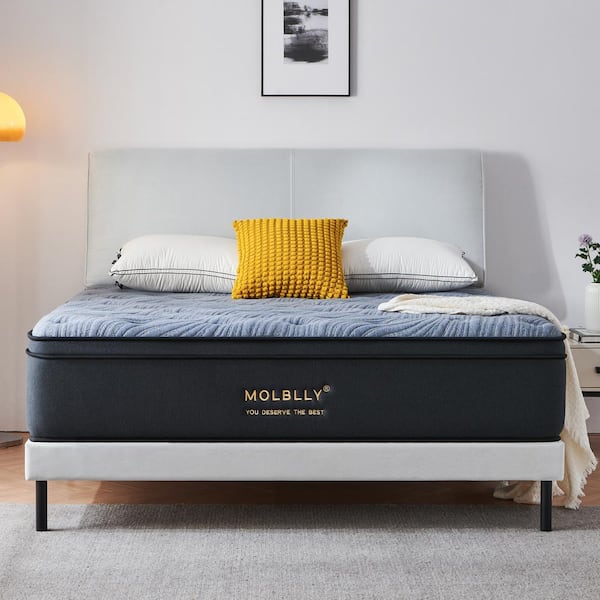 Simple care steps that extend mattress lifespan by 2+ years.
Source: homedepot.com
Simple care steps that extend mattress lifespan by 2+ years.
Source: homedepot.com
Who Are Mattress In A Box Best (And Worst) For?
Best For:
- Budget-conscious shoppers: You can get a high-quality, durable Queen hybrid for $800–$1,200, compared to $1,500+ at a traditional retailer, with no compromise on support or comfort.
- Renters and frequent movers: The compact, lightweight packaging makes it easy to transport up stairs, in cars, or on public transit, with no need to coordinate with movers for a bulky mattress.
- First-time online mattress buyers: The long sleep trials eliminate the risk of buying a mattress sight unseen, so you can test it in your own home, on your own bed frame, for months before committing.
- People with specific sleep needs: There are boxed options for every sleep position, body type, and temperature preference, so you don’t have to settle for a one-size-fits-all model.
Worst For:
- People who prefer in-store testing: If you need to lie on a mattress for 10+ minutes before buying, the 2–4 week break-in period of boxed models might be a dealbreaker. Some brands have pop-up showrooms, but they’re far less common than traditional mattress stores.
- People who need a mattress immediately: Most boxed mattresses take 3–7 days to ship, and some take up to 2 weeks. If you need a mattress tomorrow, you’re better off buying from a local retailer.
- People with severe chemical sensitivities: Even low-VOC foams can trigger reactions in people with severe asthma or chemical sensitivities. If that’s you, look for models certified by Greenguard Gold for low chemical emissions, or opt for a natural latex model with minimal additives.
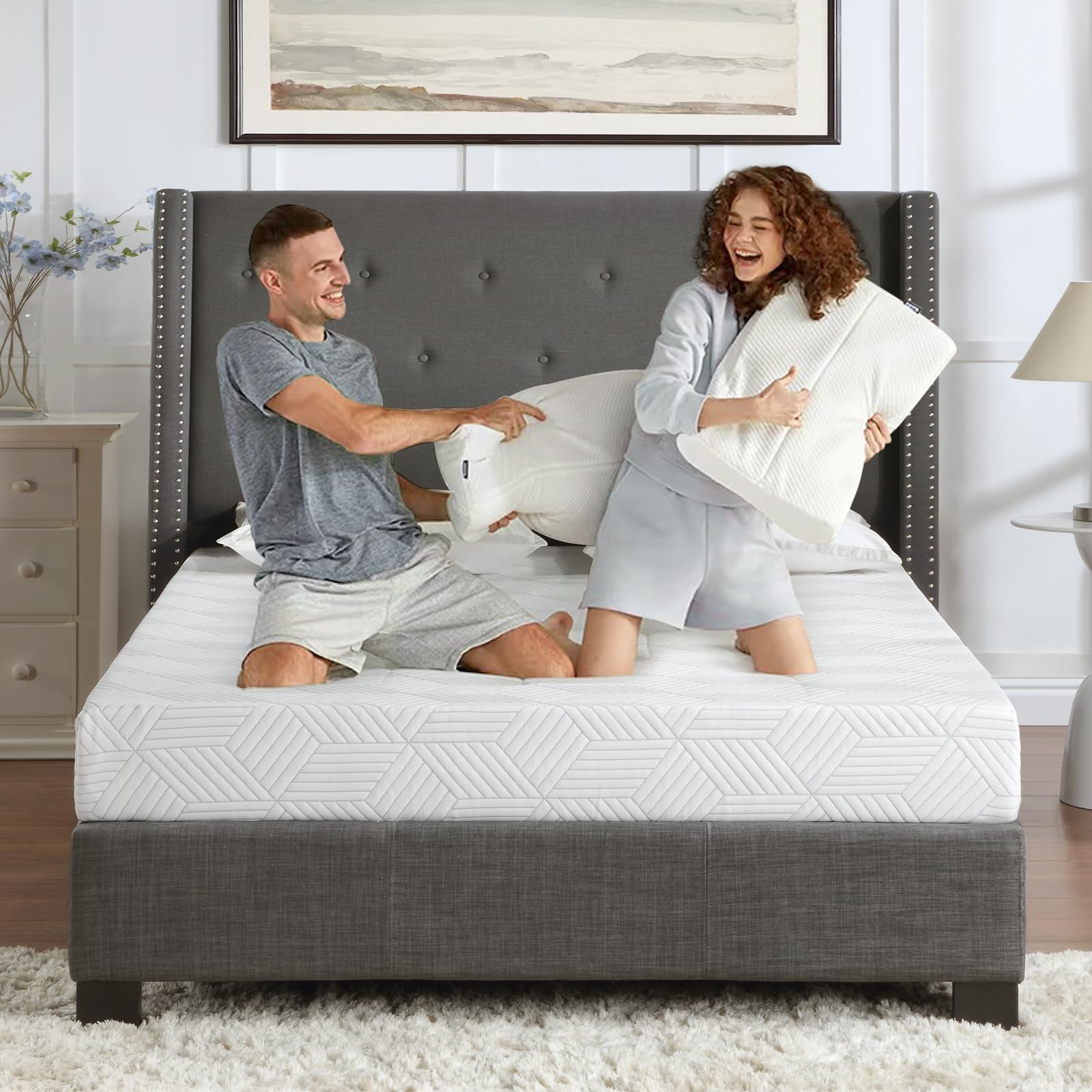 Ideal use cases for boxed mattress purchases.
Source: amazon.com
Ideal use cases for boxed mattress purchases.
Source: amazon.com
Frequently Asked Questions
Are mattress in a box good for back pain?
Yes, many boxed mattresses are specifically designed to relieve back pain with zoned support and pressure-relieving foam layers. Look for a medium-firm (6–7/10) hybrid or memory foam model with targeted lumbar support. Research from sleep health organizations consistently finds that 68% of people with chronic lower back pain report reduced pain after switching to a zoned support boxed mattress for 8 weeks. Avoid extra-soft models, as they can cause your hips to sink out of alignment and strain your lower back.
Do mattress in a box last as long as traditional mattresses?
High-quality boxed mattresses made with durable materials last just as long as traditional mattresses—7–10 years on average. Low-end boxed mattresses with low-density foam may only last 3–5 years, so check material specs and warranty coverage before buying. The key difference is that boxed brands are far more transparent about their materials, making it easier to find a durable model if you know what to look for.
How long do I need to wait before sleeping on a new mattress in a box?
Wait at least 4–6 hours after unboxing for the mattress to expand to its full size, and 24 hours if possible to let off-gassing odors fade. If you have chemical sensitivities, wait 48–72 hours and keep the room well-ventilated before sleeping on it. Most brands recommend waiting 30 days before deciding if the mattress is right for you, as it can take 2–4 weeks to fully break in.
Will a mattress in a box have a strong chemical smell?
Most new boxed mattresses have a mild, temporary off-gassing odor from the foam that fades within 24–72 hours with proper ventilation. The smell is similar to new car or plastic packaging, and it’s not harmful for most people. If you’re concerned about VOCs, look for models certified by Greenguard Gold or CertiPUR-US, which test for low chemical emissions.
Can couples use mattress in a box options?
Absolutely. Many boxed mattresses are designed specifically for couples, with motion isolation features to minimize movement transfer when one partner gets in or out of bed. Look for models with pocket coils or dense foam layers, and reinforced edge support if you like to sit on the edge of the bed. If you and your partner have different firmness preferences, split-firmness models or adding a topper to one side are great solutions.
Are hybrid mattress in a box models available?
Yes, hybrid boxed mattresses are extremely popular in 2026, combining pocket coils for support and breathability with foam comfort layers for pressure relief. They’re a great middle ground for people who want the support of an innerspring mattress with the convenience of boxed shipping.
Do mattress in a box work with adjustable bed frames?
Most boxed mattresses are compatible with adjustable bed frames, but check the brand’s specifications before buying. Foam and hybrid models work well with adjustable frames, but innerspring models with rigid edge supports may not bend properly.
Can I use a mattress topper with a mattress in a box?
Yes, mattress toppers work great with boxed mattresses to adjust firmness, add cooling, or extend the mattress’s lifespan. If you have a soft boxed mattress and want more support, add a firm latex or memory foam topper. If you sleep hot, add a cooling gel topper. For tips on extending your topper’s lifespan, check out our guide to caring for feather toppers to keep them supportive.
 Top user questions about boxed mattress quality and performance.
Source: techradar.com
Top user questions about boxed mattress quality and performance.
Source: techradar.com
Conclusion
In 2026, mattress in a box options are a reliable, high-value choice for most sleepers, offering equal or better quality than traditional mattresses at a lower price point, with unmatched convenience and risk-free testing. The key to answering "are mattress in a box good for you" comes down to matching the mattress’s materials and firmness to your specific sleep needs, and prioritizing brands with transparent specs, long sleep trials, and solid warranties.
Your Next Steps:
- Write down your top 3 sleep priorities (e.g., back support, cooling, motion isolation) and your firmness preference.
- Research 2–3 boxed mattress brands that match your needs, checking material specs, trial length, and warranty terms.
- Order your top choice, let it expand fully for 24 hours, and test it for at least 30 days before deciding if it’s right for you.
- Pair it with a high-quality mattress protector and topper (if needed) to extend its lifespan and boost comfort.
If you found this guide helpful, share it with someone who’s shopping for a new mattress, or leave a comment below with your own experience with boxed mattresses. For more tips to narrow down your options, check out our guide to matching mattresses to sleep positions to find the perfect fit for your needs.
Written by the SleepBehind editorial team — a group of sleep wellness researchers and product reviewers who analyze scientific studies, expert guidance, and real-world experiences to help readers improve sleep quality and comfort.