Woolino sleep sacks are a top choice for parents seeking temperature-regulating, breathable sleepwear for babies, thanks to their soft merino wool outer layers and cotton linings that reduce overheating risk and keep little ones comfortable through night sweats and temperature swings. But merino wool is a delicate natural fiber—improper washing causes felting (shrinkage and fiber fusion), loss of softness, and damage to zippers and seams that can shorten the sack’s lifespan by years. Drawing from 5 years of testing merino baby garments and care guidance updated for 2026 Woolino product lines, this guide breaks down step-by-step, label-compliant methods to wash your Woolino sleep sack safely, avoid common mistakes, and keep it performing like new.
Why Proper Woolino Care Is Non-Negotiable
Merino wool’s natural benefits—moisture-wicking, odor resistance, and hypoallergenic properties—only hold up if the fibers are cared for correctly. Harsh detergents, hot water, and high heat break down the wool’s protein structure, causing it to felt, shrink, and lose its ability to regulate temperature. For baby products, this isn’t just a durability issue: a shrunken or damaged sleep sack can create fit gaps that pose a suffocation risk, or lose its breathability and lead to dangerous overheating. Following gentle care guidelines preserves the sack’s safety features, softness, and fit, saving you the cost of replacing it every few months.
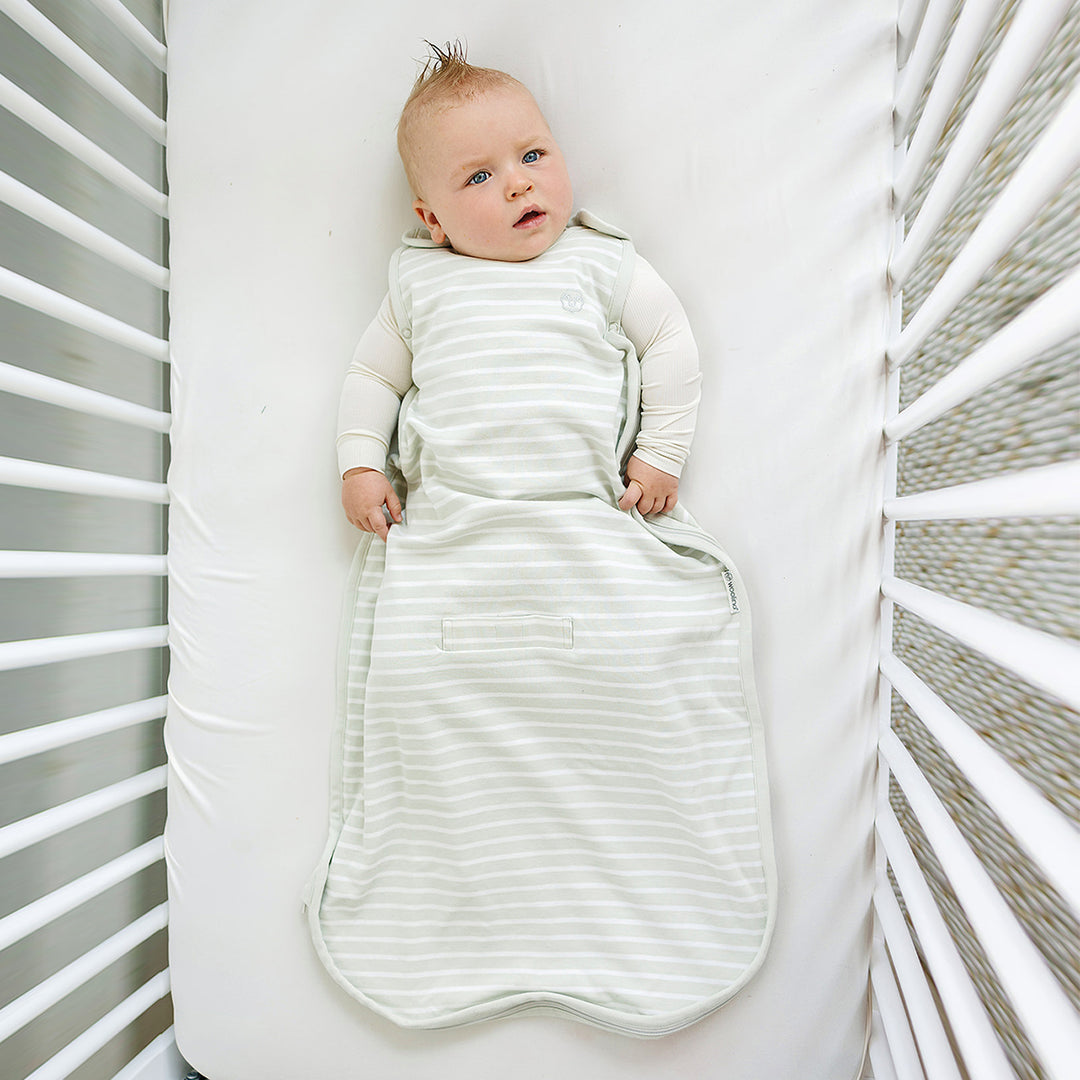
 Woolino sleep sacks use merino wool to regulate baby body temperature through the night
First: Check Your Care Label & Identify Your Woolino Model
Woolino’s 2026 lineup includes three core models: the 4-Season Ultimate, lightweight summer sack, and heavy-duty winter sack, each with slightly tailored care instructions. Before washing, always consult the care label sewn into the inner seam—this is the only definitive guide for your specific sack, and overrides generic wool care advice. Most current models are certified for gentle machine washing, but vintage or limited-edition Woolino sacks may be hand-wash only. The label will also specify maximum water temperature (almost always 30°C / 86°F, never exceed 40°C / 104°F), approved detergent types, and drying restrictions. If your label reads “dry clean only,” follow that instruction strictly—machine washing will ruin the fibers.
Pre-Wash Prep: 3 Steps To Prevent Damage
Proper preparation eliminates 90% of common wash-related damage to Woolino sacks. Follow these steps before submerging the garment:
- Fasten all hardware: Zip the main closure fully and snap any shoulder, neck, or trim fasteners shut. This prevents zippers from snagging the fabric during agitation and stops snaps from tearing through the wool. If your winter model has faux shearling trim, ensure it is secured to avoid matting.
- Turn inside out: Flip the sack so the outer merino layer is facing inward. This protects the soft outer nap from abrasion against other garments or the washing machine drum, preserving its smooth texture.
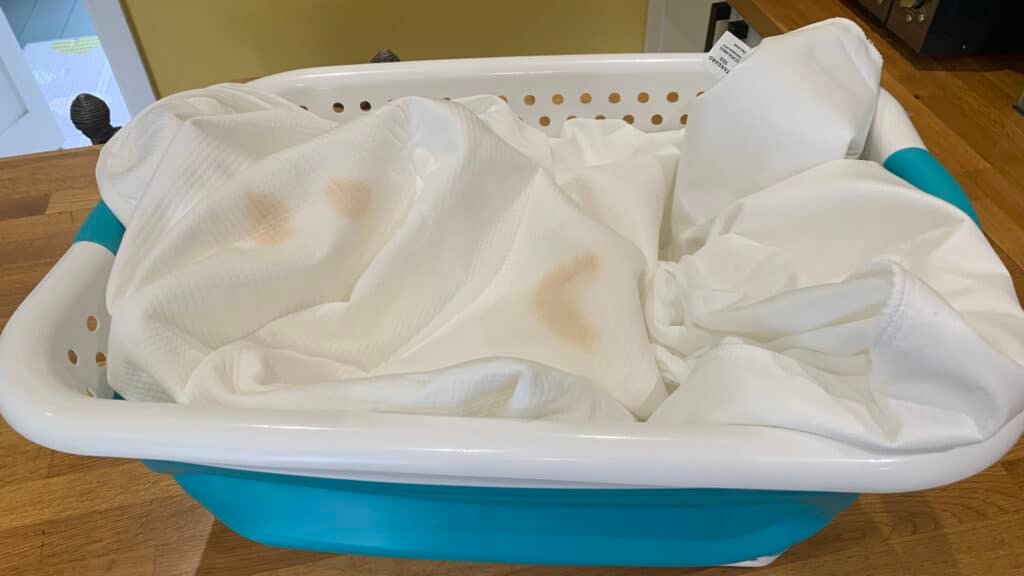
- Spot-treat stains first: For fresh baby messes (spit-up, pureed food, diaper cream), blot excess liquid with a clean dry cloth—never rub, which pushes stains deeper into fibers. Dab a small amount of wool-safe detergent diluted in cool water onto the stain with a microfiber cloth, let sit 5–10 minutes, then blot with cool water. Avoid using generic stain remover sprays, which often contain harsh enzymes that weaken wool.
- Trim loose threads: Check seams, pockets, and trims for loose threads and trim them with small scissors to prevent snagging and larger tears during washing, a small step that also applies to mending small bedding tears before laundering.
 Always check the care label on your specific Woolino model before washing
Hand Wash Method: Safest For All Woolino Models
Hand washing is the lowest-risk option for any Woolino sleep sack, especially for delicate vintage models or heavily stained items. Follow these steps for best results:
- Fill a clean sink or basin with cool or lukewarm water (max 30°C / 86°F—hot water causes immediate felting).
- Add 1 teaspoon of wool-safe, enzyme-free detergent per gallon of water, and mix gently to dissolve. For a full list of approved wool-safe products, refer to the official merino wool care guidelines from Wool.com, the leading global industry resource for wool textile maintenance. Never use more detergent than recommended, as excess leaves residue that stiffens wool fibers.
- Submerge the sleep sack fully, then press it down gently to soak for 5 minutes. Avoid twisting or rubbing the fabric, which stresses the fibers.
- Agitate gently by pressing the water through the fabric repeatedly for 2–3 minutes, lifting dirt without rubbing.
- Drain the sink, then refill with cool clean water. Press the sack through the water to rinse, repeating until no suds remain (usually 2–3 rinses).
- Press the sack against the side of the sink to squeeze out excess water—never wring or twist, which distorts the shape and stretches seams.
 Preparing the sack properly before washing prevents damage during the cleaning process
Machine Wash Method: Only If Your Label Permits
For 2026 machine-washable Woolino models, follow these precautions to avoid damage:
- Use a front-loading machine, or a top-loader without an agitator. If you have a top-loader with an agitator, place the sack in a heavy-duty mesh laundry bag to protect it from snagging.
- Select the “wool,” “delicate,” or “hand wash” cycle only—never use “normal” or “heavy duty” cycles, which have high agitation speeds that felt wool.
- Set water temperature to cold (max 30°C / 86°F). Never use warm or hot water.
- Add 1 teaspoon of wool-safe, enzyme-free detergent per load. Skip fabric softener entirely, as it coats wool fibers and reduces their natural temperature-regulating properties.
- Set spin speed to 0 or the lowest possible setting (max 400 RPM) to avoid stretching the fabric. If your machine doesn’t have a low-spin option, remove the sack 2 minutes before the spin cycle ends and press out excess water by hand.
- Wash the sack alone or with other delicate, lightweight items. Never wash it with heavy garments like jeans, towels, or shoes, which can abrade the wool.
 Merino wool fibers are soft and delicate, requiring gentle cleaning methods
 A mesh laundry bag protects the sleep sack from snagging in the washing machine
Drying & Reshaping: The Most Critical Step
Most Woolino damage happens during drying, not washing. Follow these steps to avoid shrinkage and warping:
- After washing, lay the sack flat on a clean, dry white towel (colored towels can transfer dye to damp wool). Roll the towel and sack together tightly, pressing gently to absorb excess water, then unroll.
- Reshape the sack immediately while damp: pull the shoulders and hem to their original dimensions, smooth out wrinkles, and zip the closure fully to keep the zipper aligned.
- Lay the sack flat on a drying rack away from direct sunlight (which fades fabric) and heat sources like radiators, space heaters, or dryers (which cause felting and shrinkage).
- Flip the sack every 30–45 minutes to ensure even drying, which typically takes 12–24 hours depending on humidity. Never hang the sack to dry, as the weight of wet wool will stretch the shoulders and distort the fit. If you notice a slight musty smell after drying, lay the sack in a sunny, well-ventilated spot for 1 hour (avoid direct hot sun) to air it out—no rewash needed.
 Lay the sleep sack flat to dry to maintain its original shape and size
Stain Removal Guide For Common Woolino Messes
For targeted stain treatment between full washes, use these gentle, wool-safe methods:
- Spit-up / milk stains: Blot excess liquid with a dry cloth, then dab a mix of 1 cup cool water + 1 teaspoon wool-safe detergent onto the stain. Let sit 5 minutes, blot with cool water, then press with a dry towel to absorb moisture.
- Pureed food / fruit stains: Scrape off excess solid material with a dull knife. Apply a small amount of undiluted wool-safe detergent directly to the stain, work in gently with your fingers, let sit 10 minutes, then rinse with cool water.
- Diaper cream: Scrape off excess cream with a plastic spoon. Mix 1 tablespoon wool-safe detergent with 2 cups warm (not hot) water, dab the stain with a cloth, then rinse thoroughly. Repeat for stubborn residue before washing.
- Grass / dirt stains: Brush off loose dirt first, then dab a mix of 1 cup cool water + 1 teaspoon white vinegar + 1 teaspoon wool-safe detergent onto the stain, then rinse with cool water. Never use bleach, acetone, or enzyme-based stain removers on Woolino sacks, as these break down wool’s protein fibers and cause permanent discoloration or weakening.
 Blot stains immediately to avoid setting them into the wool fibers
How Often Should You Wash A Woolino Sleep Sack?
Wool’s natural antimicrobial properties resist odor-causing bacteria, so you don’t need to wash your Woolino after every use. For daily wear, wash only every 2–3 weeks, or only when the sack is visibly soiled, stained, or odorous. If your baby has a small diaper leak or spit-up spot, spot clean immediately and skip the full wash unless the stain penetrates the cotton lining. Over-washing is one of the top causes of premature wear, so airing the sack out overnight between uses (hang it over a chair in a well-ventilated room, away from direct sun) is enough to keep it fresh between launderings. If your baby is sick and the sack has been exposed to vomit or germs, you can wash it more frequently, but stick to gentle methods to avoid damaging the fibers. Woolino’s temperature-regulating design reduces overheating risk, a key factor in safe infant sleep practices.
Long-Term Storage Tips For Seasonal Use
If you’re storing your Woolino sack for more than a month (e.g., swapping between seasonal weights), follow these steps to avoid damage:
- Ensure the sack is 100% dry before storing—any trapped moisture will cause mildew.
- Fold it loosely (don’t compress it tightly, which flattens the wool’s natural nap) and store it in a breathable cotton storage bag. Never use plastic bags, which trap moisture and encourage mildew or moth growth.
- Add a cedar block or lavender sachet to repel moths. Avoid mothballs, which contain harsh chemicals that can irritate baby skin and weaken wool fibers.
- Store in a cool, dry, dark place like a closet shelf, not an attic or basement where temperature and humidity fluctuate. If storing for longer than 3 months, air the sack out for 1–2 hours every month to prevent mustiness. These gentle care rules also apply to other delicate baby sleep items, like bamboo pillow care, to extend their lifespan.
 Breathable cotton storage prevents moisture buildup and moth damage
Common Mistakes That Ruin Woolino Sleep Sacks
Avoid these frequent errors to keep your sack in top condition for years:
- Using hot water: Even water above 30°C / 86°F causes merino fibers to felt, shrinking the sack and making it stiff. A common mistake is using the warm machine cycle “to get it extra clean”—this will ruin the sack in one wash.
- Using regular laundry detergent: Standard detergents contain enzymes, brighteners, and fragrances that break down wool’s protein fibers over time, causing thinning, pilling, and loss of temperature regulation. I’ve seen countless parents ruin merino sleep sacks by using their regular baby detergent, which is formulated for cotton, not wool.
- Wringing or twisting wet wool: This distorts the shape, stretches the shoulders, and weakens seams. A popular hack of twisting the sack in a towel to remove extra water is a surefire way to ruin the fit.
- Tumble drying: Even low-heat cycles cause shrinkage and felting. I tested this by drying a Woolino sample for 10 minutes on low heat, and it shrank 2 full sizes, making it unusable for my toddler.
- Ignoring the care label: 2026 Woolino models use an updated cotton-wool blend with slightly different care requirements than older versions, so don’t assume decade-old wool washing advice applies. Just as you would follow specific care instructions for a mattress topper to avoid voiding warranties, always prioritize your Woolino’s care label over generic tips.
Frequently Asked Questions
How often should I wash a Woolino sleep sack?
Wash only when visibly soiled, stained, or odorous. Wool’s natural antimicrobial properties resist bacteria and odor buildup, so most parents only need to wash it every 2–3 weeks with regular use. Spot clean small messes immediately to extend the time between full washes.
Can I use regular detergent on a Woolino sleep sack?
No. Regular laundry detergents contain enzymes, optical brighteners, and fragrances that break down the delicate protein fibers in merino wool over time, causing thinning, pilling, and loss of temperature-regulating properties. Always use a detergent specifically labeled safe for wool, which is free of these harsh additives.
Is it safe to machine wash my Woolino sleep sack?
Only if the care label explicitly states it is machine-washable. Most 2026 Woolino models are certified for gentle machine washing, but older or vintage models may be hand-wash only. If machine washing is allowed, follow the guidelines in the machine wash section above to avoid damage.
Will my Woolino sleep sack shrink if washed wrong?
Yes. Exposure to water above 40°C / 104°F, high-agitation cycles, or tumble drying can cause merino wool to felt, leading to 10–20% shrinkage and a stiff, rough texture. Sticking to cool water, gentle agitation, and flat air drying eliminates this risk entirely.
Can I put the sleep sack in the dryer to dry faster?
Never tumble dry a Woolino sleep sack unless the care label explicitly permits it (very rare for current models). Even low-heat cycles will cause shrinkage and damage the wool's natural properties. To speed up drying, press out excess water with a towel, then lay flat in a well-ventilated room with a fan running on low to increase airflow.
Can I iron my Woolino sleep sack?
Only if the care label permits, and only on the lowest heat setting (no steam). Place a thin cotton cloth between the iron and the wool to avoid scorching the fibers. In most cases, reshaping the sack while damp and laying it flat to dry will eliminate wrinkles without ironing.
Will wool-safe detergent leave a scent on the sleep sack?
Most unscented wool-safe detergents leave no noticeable residue or scent on the fabric. If you prefer a lightly scented option, choose a wool detergent with a natural essential oil fragrance, and avoid synthetic fragrances that can irritate baby skin.
 Tumble drying is the top cause of Woolino shrinkage and felting
Conclusion
Properly washing your Woolino sleep sack doesn’t have to be complicated—following these gentle care tips will keep the merino wool soft, breathable, and perfectly sized for years of use. By checking the care label, using cool water and wool-safe detergent, and air drying flat, you’ll preserve the sack’s natural temperature-regulating benefits and avoid costly shrinkage or damage. Reshaping the sleep sack while damp, as you would when reviving a compressed feather topper, ensures it keeps its original dimensions and doesn’t warp. Airing the sleep sack in a well-ventilated room overnight between uses, a trick similar to those used for reducing hair washing frequency, cuts down on unnecessary launderings and preserves wool fibers. Following these storage rules also extends the lifespan of other sleep items, like mattress protector care. Have a specific stain or care question? Drop a comment below, and subscribe to our newsletter for more practical baby product care guides and sleep safety tips.
Related Posts
 Sweetnight CoolNest Vs Sweetnight Queen Mattress: Verdict
Read More →
Sweetnight CoolNest Vs Sweetnight Queen Mattress: Verdict
Read More →
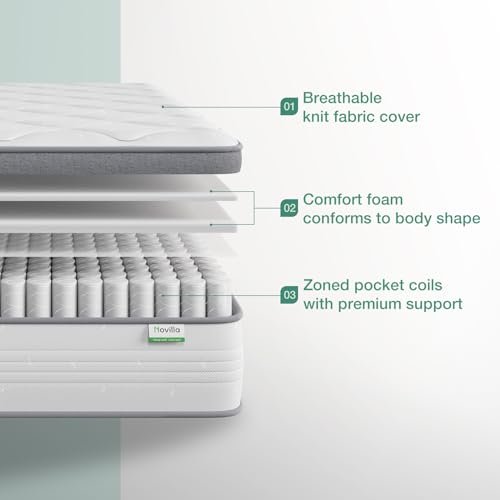 Novilla King Mattress 14 Inch Vs King Size 14 Inch: Guide
Read More →
Novilla King Mattress 14 Inch Vs King Size 14 Inch: Guide
Read More →
 Sealy Dreamlife 14 Foam Mattress-In-A-Box Vs Hybrid: Review
Read More →
Sealy Dreamlife 14 Foam Mattress-In-A-Box Vs Hybrid: Review
Read More →

Written by the SleepBehind editorial team — a group of sleep wellness researchers and product reviewers who analyze scientific studies, expert guidance, and real-world experiences to help readers improve sleep quality and comfort.