
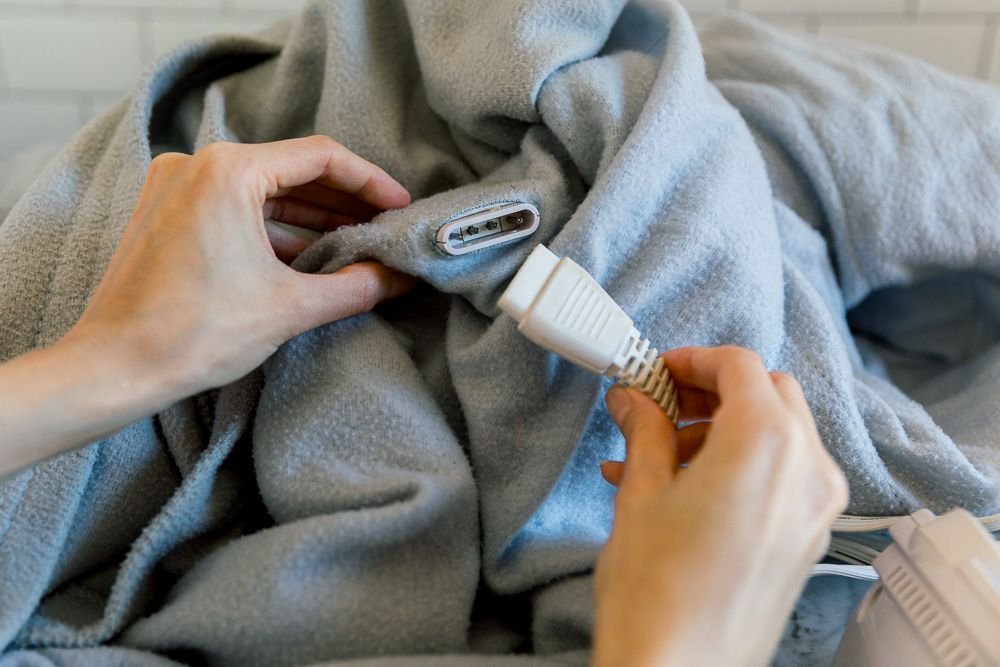
Washing a heated mattress pad feels intimidating for many people, and for good reason: one wrong move can damage sensitive internal wiring, break heating elements, or even create electrical hazards. In our years of testing and reviewing bedding products, we’ve found that improper washing is one of the most common causes of premature heated mattress pad failure, issues that could almost always be avoided with the right technique. This guide aligns with University of Illinois Extension electric bedding care recommendations and follows safety standards set by the U.S. Consumer Product Safety Commission to keep your pad clean, safe, and functional for years. Whether you have a standard machine-washable pad or a delicate vintage model, we’ll walk you through every step, from pre-wash checks to long-term storage, so you can avoid costly mistakes. If you also sleep with straightened hair and want to reduce oil transfer to your bedding, regular gentle washing is key to keeping your pad fresh and hygienic.
Why Proper Cleaning Matters For Your Heated Mattress Pad
A clean heated mattress pad isn’t just about freshness — it’s about safety and longevity. Over time, sweat, skin cells, dust, and spills seep into the pad’s fabric layers, creating a breeding ground for dust mites, mold, and bacteria that can trigger allergies or respiratory irritation. This buildup also degrades fabric fibers and can clog the small vents near heating elements, forcing the pad to work harder to reach your set temperature, which shortens its usable lifespan. Many manufacturer warranties also require regular, correct cleaning to remain valid, so skipping washes or using improper techniques could leave you on the hook for a replacement if the pad fails prematurely. Regular gentle cleaning can keep your pad running efficiently for 5+ years, compared to 2–3 years for pads that are washed incorrectly or rarely cleaned at all.
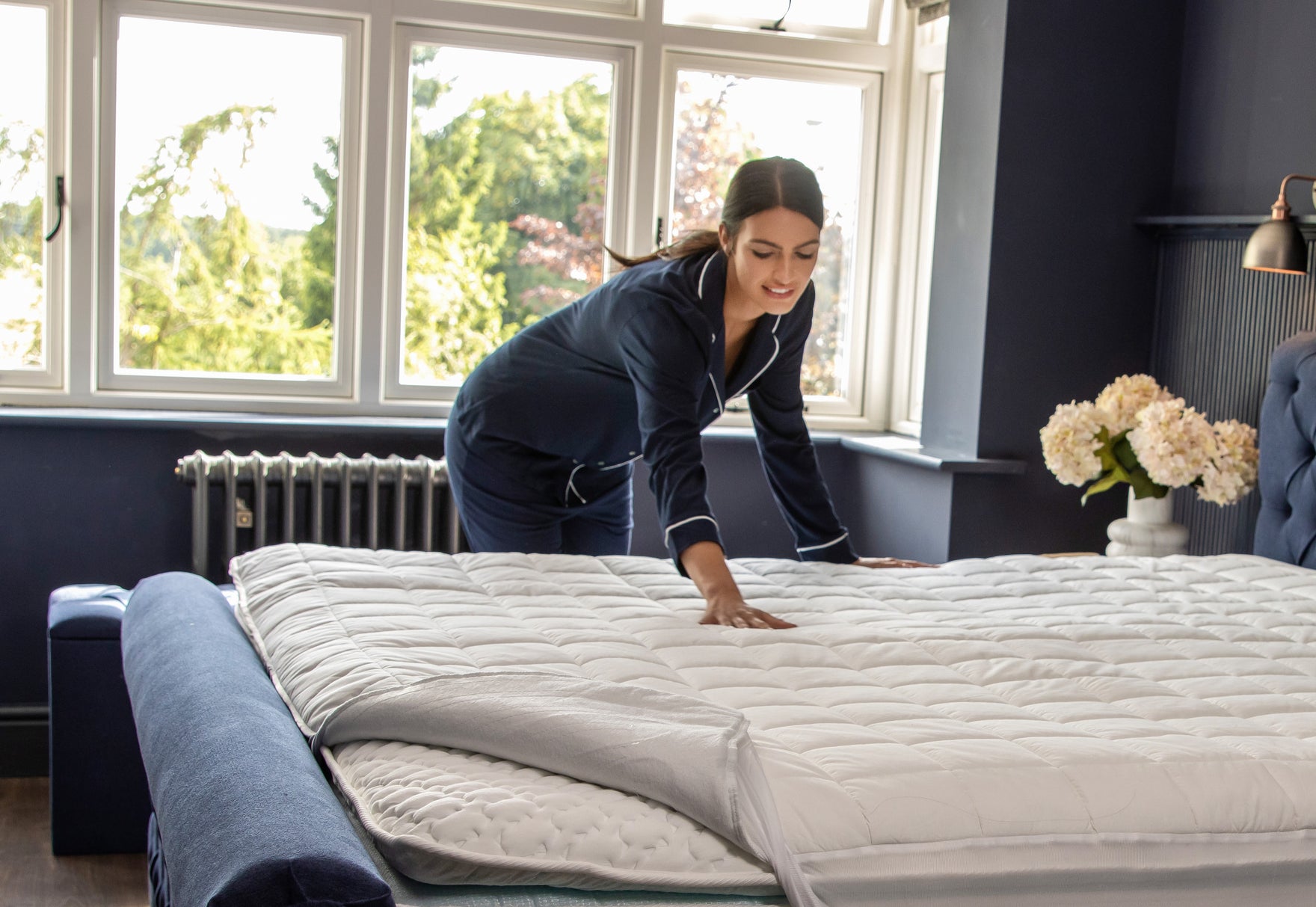 Soil buildup and degraded fabric are the top causes of shortened heated pad lifespan
Source: co.uk
Soil buildup and degraded fabric are the top causes of shortened heated pad lifespan
Source: co.uk
Pre-Wash Safety Checks You Can’t Skip
Safety is the non-negotiable first step when learning how to wash a heated mattress pad. Skipping these checks can lead to electrical damage, fire hazards, or ruined bedding:
- Unplug and disconnect the controller fully: Never just turn the pad off — unplug it from the wall outlet, and detach the controller from the pad’s connector if it’s removable. Even a small amount of water seeping into a powered connector can cause a short circuit that ruins the pad entirely.
- Inspect for damage: Check the entire pad for frayed wiring, exposed heating elements, torn seams, burn marks, or cracks in the controller. If you find any damage, do not wash the pad — contact the manufacturer first for repair or replacement instructions.
- Read the care label: The care label is almost always sewn into the side seam of the pad, and will specify if it’s machine washable, hand wash only, maximum water temperature, and drying restrictions. A common mistake we see users make is assuming all heated pads are machine washable, but older models, pads with memory foam toppers, or specialty heated pads may have different rules.
- Remove separate covers: If your pad has a zip-off removable cover, take it off and wash it separately per its care instructions. This reduces wear on the main pad’s wiring and fabric.
If you’re also washing other machine-safe bedding, you can clean a bamboo pillow in the same gentle cycle, as long as its care label allows machine washing.
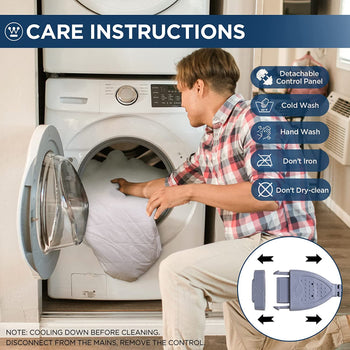 Always unplug the controller and check the care label before cleaning to avoid damage
Source: westinghouse.com
Always unplug the controller and check the care label before cleaning to avoid damage
Source: westinghouse.com
How To Wash Heated Mattress Pad: Step-By-Step Guide
Most modern heated mattress pads are designed for gentle home washing, but the exact process depends on what your care label specifies. Follow the steps below for your pad’s recommended cleaning method.
Machine Washing For Machine-Safe Pads
Machine washing is the easiest option for pads marked as machine washable, but you’ll need to take extra precautions to protect internal wiring:
- Prep the pad: Fold the pad loosely, avoiding tight rolling or creasing that can bend or stress internal heating wires. If you have an agitator top-load washer (with a central spindle), place the pad in a large mesh laundry bag to prevent snagging.
- Load the washer: Place the pad in a front-loading or high-efficiency top-load washer. Avoid washing it with heavy items like jeans, towels, or winter blankets, as the extra weight can strain the pad’s wiring and cause uneven stretching.
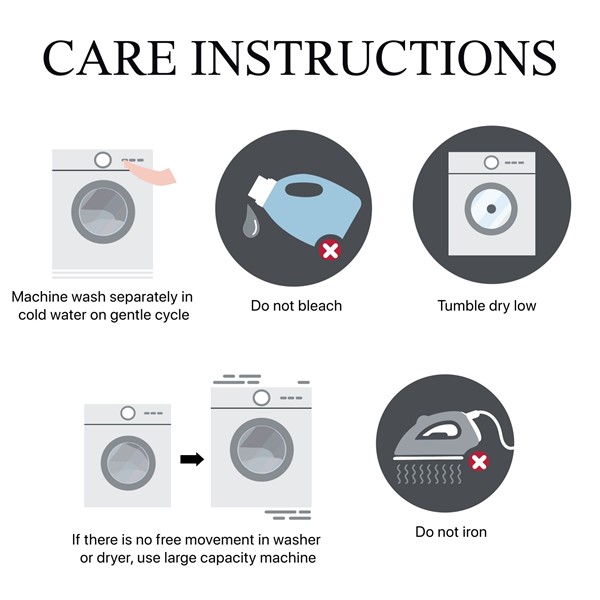
- Add detergent: Use only 1–2 tablespoons of mild, dye-free liquid detergent. Never use powder detergent, bleach, fabric softener, or harsh stain remover sprays: fabric softener leaves a conductive residue on heating elements that can cause overheating, while bleach and abrasive chemicals degrade fabric and wiring insulation.
- Select the right cycle: Run the washer on a gentle or delicate cycle with cold water (30°C / 86°F maximum). Add an extra rinse cycle if your washer has that option, to remove all detergent residue that could corrode wiring over time.
From our testing, using a gentle cycle and cold water prevents internal wiring from shifting and drastically reduces the risk of heat element damage, even for pads with thin, low-voltage wiring common in 2026 models. If you also use a feather mattress topper on your bed, wash it separately per its care instructions, as feather toppers often require different washing methods than heated pads.
 Loosely fold the pad to avoid stressing internal heating wires before loading the washer
Source: turmerry.com
Loosely fold the pad to avoid stressing internal heating wires before loading the washer
Source: turmerry.com
Hand Washing For Delicate Or Hand-Only Pads
If your pad’s care label says hand wash only, or if it’s a vintage model with older, more fragile wiring, hand washing is the safest option:
- Fill a tub with cool water: Use a clean bathtub or large utility sink, and fill it with cool or lukewarm water (no hotter than 30°C). Add a small cap of mild, dye-free liquid detergent, and mix fully to dissolve.
- Submerge and soak: Gently push the pad fully into the water, and let it soak for 10–15 minutes if it’s heavily soiled. Press gently to push water through the fabric layers — never wring, twist, or scrub aggressively, as this can break thin internal heating wires.
- Rinse thoroughly: Drain the soapy water, then refill the tub with clean cool water. Repeat the pressing motion to rinse out all soap, and refill with clean water as needed until no suds remain when you squeeze a section of the pad.
- Spot clean small stains: For fresh spills, mix a solution of 1 part mild detergent to 4 parts cool water, dab (don’t rub) the stain with a soft microfiber cloth, then rinse the spot with a clean damp cloth and blot dry with a towel.
Hand washing gives you full control over pressure and water temperature, making it ideal for older pads or models with exposed wiring that could be damaged in a machine.
 Gently press water through the pad when hand washing to avoid breaking internal wires
Source: amazon.com
Gently press water through the pad when hand washing to avoid breaking internal wires
Source: amazon.com
Drying Your Heated Mattress Pad Safely
Drying is just as important as washing when it comes to preserving your heated mattress pad’s function and safety. Follow these rules to avoid damage:
- Never use a dryer unless explicitly allowed: The vast majority of heated mattress pads are not safe for tumble drying, as high heat can warp heating elements, melt wiring insulation, and even cause fires. Only use a dryer if your care label explicitly states it’s safe, and even then, use the lowest heat setting and no dryer sheets.
- Press out excess water gently: After washing, lay the pad flat on a clean, dry towel, then roll the towel and pad together gently to absorb as much excess water as possible. Never wring or twist the pad, as this can break internal wires.
- Air dry flat: Lay the pad flat on a drying rack or clean, dry surface in a well-ventilated area, away from direct sunlight, radiators, space heaters, or other heat sources. Direct sun and high heat can degrade fabric and wiring insulation over time.
- Flip for even drying: Turn the pad over every 1–2 hours to ensure all layers dry evenly. Drying time typically takes 12–24 hours, depending on your home’s humidity levels.
- Confirm full dryness before use: Before reconnecting the controller or plugging the pad in, touch the entire surface of the pad to confirm it is 100% dry. Even small pockets of dampness can cause electrical shorts when the pad is powered on, or lead to mold growth inside the fabric layers that’s impossible to remove later.
A common mistake we see users make is trying to speed up drying with a hair dryer or space heater — this concentrated heat can melt internal wiring and create serious fire hazards, so always stick to natural air flow. Once fully dry, you can add a machine-washable mattress topper on top of the pad for extra cushioning, as long as it’s fully dry to avoid trapping moisture against the heated pad.
 Lay the pad flat on a drying rack in a well-ventilated area for even, safe drying
Source: designerliving.com
Lay the pad flat on a drying rack in a well-ventilated area for even, safe drying
Source: designerliving.com
Stain Removal Tips For Tough Stains
Acting fast is the key to removing stains from a heated mattress pad without damaging its internal components. Follow these steps for safe, effective stain treatment:
- Treat fresh spills immediately: Blot liquid spills (coffee, juice, sweat) with a clean, dry microfiber towel as soon as they happen. Never rub the stain, as this pushes liquid deeper into the fabric layers and can damage wiring.
- Test cleaning solutions first: Before applying any cleaner to the visible stain, test it on an inconspicuous corner of the pad (like the edge of the side seam) to make sure it doesn’t discolor the fabric or damage the coating.
- Use gentle cleaners for most stains: Mix 1 part mild liquid detergent with 4 parts cool water, dab the stain with a soft cloth, then rinse the spot with a clean damp cloth and blot dry with a towel.
- Treat set-in stains with baking soda: For stubborn, dried stains, make a paste of baking soda and cool water, apply it to the stain, let sit for 15–20 minutes, then gently dab with a soft cloth and rinse thoroughly.
- Remove oil-based stains with cornstarch: For grease or lotion stains, sprinkle a small amount of cornstarch on the stain, let sit for 30 minutes to absorb the oil, then brush off the powder and rinse with cool mild soapy water.
Never use harsh chemical stain removers, oven cleaners, whitening agents, or alcohol-based cleaners on your heated mattress pad — these can corrode heating elements, degrade fabric coatings, and create fire hazards. If a stain won’t lift with gentle methods, it’s better to leave it than risk damaging the pad’s internal wiring.
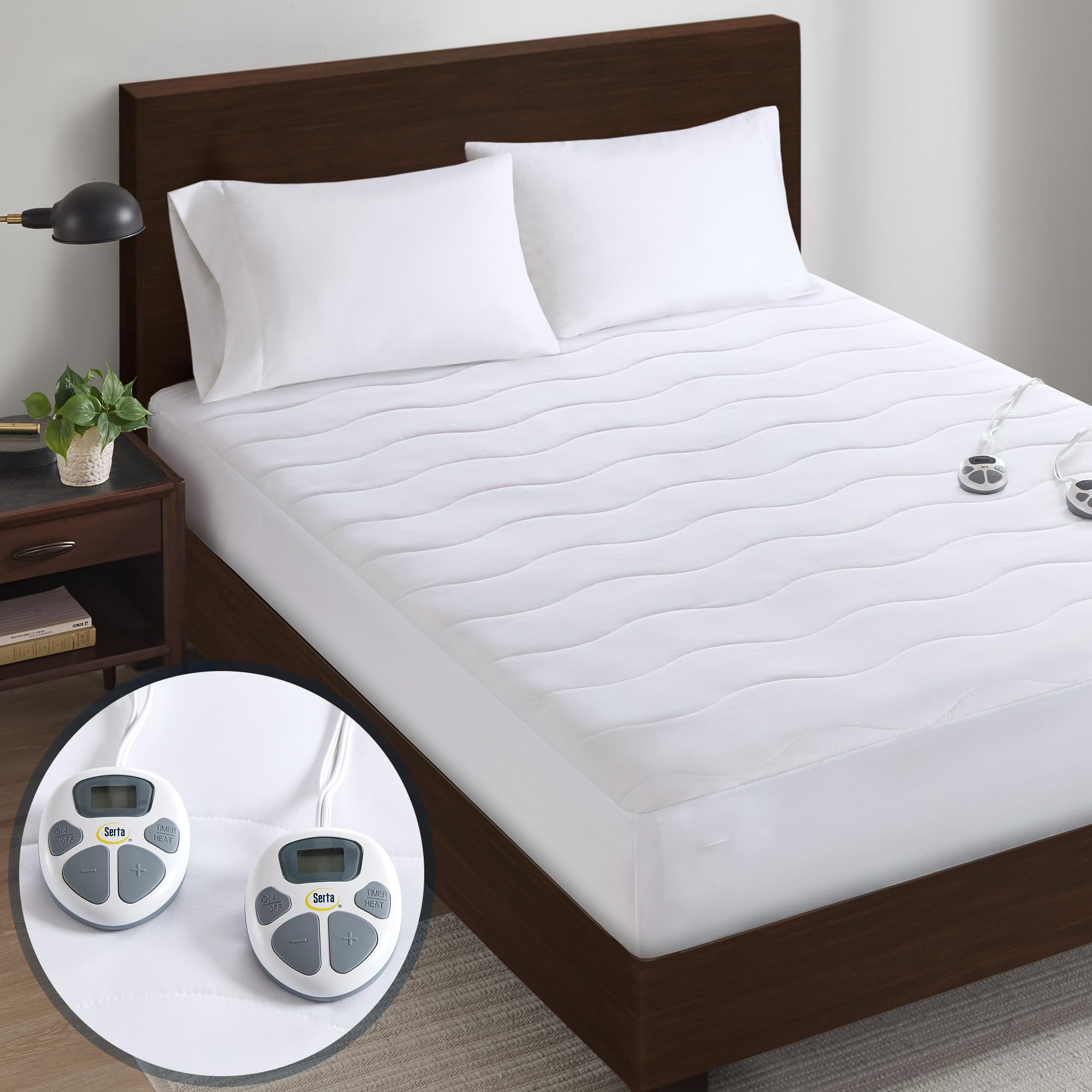 Blot stains gently instead of rubbing to avoid pushing debris into wiring layers
Source: amazon.com
Blot stains gently instead of rubbing to avoid pushing debris into wiring layers
Source: amazon.com
Common Washing Mistakes To Avoid
Even experienced bedding owners make these errors when washing heated mattress pads. Avoid them to keep your pad safe and functional:
- Washing with the controller still attached: Even if the pad is turned off, water can seep into the connector and cause short circuits that ruin the pad’s electronics.
- Using hot water or harsh chemicals: Water above 30°C can melt the adhesive holding internal wiring in place, while bleach and fabric softener degrade fabric and wiring insulation.
- Wringing or twisting the pad: This can break thin internal heating wires, leading to cold spots or complete loss of heating function.
- Drying in a high-heat dryer unless explicitly allowed: Excess heat can warp heating elements, melt wiring, and cause fires in extreme cases.
- Using the pad before it’s fully dry: Even slightly damp pads can cause electrical shorts when powered on, and create mold growth inside fabric layers that’s impossible to fully remove.
Troubleshooting Post-Wash Issues
If your pad stops heating after washing, first unplug it and let it air dry for an extra 24–48 hours in a well-ventilated area — moisture trapped inside the pad’s layers is the most common cause of post-wash failure. If it still doesn’t work, check that the controller is fully seated in the pad’s connector, and if there’s still no power, contact the manufacturer’s customer service. Never attempt to open the pad or repair exposed wiring yourself — this will void your warranty and poses a serious electrical shock risk. If you need to replace your pad, you may want to check your revived feather topper for similar wear, as both products are susceptible to damage from improper care.
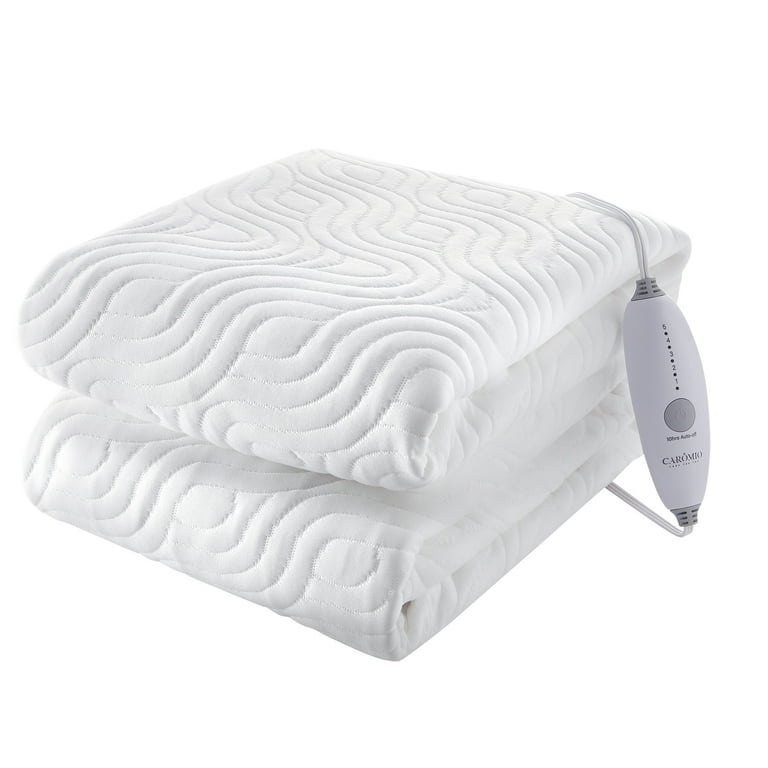 Frayed seams or exposed wiring mean the pad should not be washed until repaired by a professional
Source: walmart.com
Frayed seams or exposed wiring mean the pad should not be washed until repaired by a professional
Source: walmart.com
Long-Term Care To Extend Your Pad’s Lifespan
With proper care, a high-quality heated mattress pad can last 5–10 years. Follow these tips to keep yours running like new:
- Wash regularly: Wash your pad every 3–6 months under normal use. If you sweat heavily at night, have allergies, or have frequent spills, wash it every 1–2 months instead. Spot clean small spills as soon as they happen to reduce full wash cycles, which cause less wear on internal wiring over time.
- Use a protective layer: Place a waterproof mattress protector over the pad to reduce soiling from sweat, spills, and skin cells, cutting down on how often you need to wash the pad fully.
- Store properly: When not in use, store the pad loosely rolled or flat in a cool, dry place, away from direct sunlight and heavy objects that could crease or bend internal wiring. Never fold the pad tightly for storage, as this can break heating elements.
- Inspect regularly: Every 3 months, check the pad for frayed seams, exposed wiring, or worn fabric. Catching small issues early can prevent larger safety hazards and extend the pad’s lifespan.
If you use extra cushioning like a gelform mattress pad under your heated pad, inspect it for wear as well, as damaged cushioning can put extra strain on the heated pad’s wiring.
 Store pads loosely rolled or flat to avoid breaking internal heating wires
Source: amazon.com
Store pads loosely rolled or flat to avoid breaking internal heating wires
Source: amazon.com
Frequently Asked Questions
How often should I wash my heated mattress pad?
Wash your heated mattress pad every 3–6 months under normal use. If you sweat heavily at night, have allergies, or have recent spills, wash it every 1–2 months instead. Spot clean small spills as soon as they happen to reduce full washes, which cause less wear and tear on the pad’s internal wiring over time.
Can I put a heated mattress pad in the dryer?
Only dry your heated mattress pad in a machine if the care label explicitly states it’s safe for tumble drying. Most manufacturers recommend air drying only, as high heat can warp heating elements and melt wiring insulation. If your pad is dryer-safe, use the lowest heat setting and no dryer sheets.
Is it safe to machine wash the pad with other linens?
It’s best to wash your heated mattress pad alone, or only with lightweight, soft items like t-shirts or pillowcases. Avoid washing it with heavy, rough items like jeans, towels, or blankets, as the weight and friction can snag the pad’s fabric and stress internal wiring.
What temperature should I use to wash a heated mattress pad?
Always use cold or cool water (30°C / 86°F maximum) on a gentle cycle. Hot water can melt the adhesive holding internal wiring in place, warp heating elements, and degrade the pad’s fabric coating.
My pad stopped heating after washing. What should I do?
First, unplug the pad and let it air dry for an extra 24–48 hours in a well-ventilated area — trapped moisture is the most common cause of post-wash heating failure. If it still doesn’t work, check that the controller is fully seated in the pad’s connector. If there’s still no power, contact the manufacturer’s customer service for support. Never attempt to open the pad or repair exposed wiring yourself, as this will void your warranty and poses a serious electrical shock risk.
Can I use stain remover sprays on my heated mattress pad?
Avoid all harsh chemical stain removers, whitening agents, and alcohol-based cleaners on your heated mattress pad. These products can corrode heating elements, degrade fabric insulation, and create fire hazards. Stick to mild soap and water, or baking soda for set-in stains, and always test any cleaner on an inconspicuous area first.
Do I need to remove the controller before washing, or can I just turn it off?
You must fully unplug the controller from the wall and detach it from the pad’s connector before washing. Simply turning the pad off is not enough — water can still seep into the connector and cause short circuits that ruin the pad’s electronics.
Conclusion
Washing a heated mattress pad safely doesn’t have to be stressful — the process comes down to three simple rules: unplug and inspect the pad first, use only cold water and mild detergent on a gentle cycle, and air dry flat fully before use. By avoiding common mistakes like using hot water, wringing the pad, or using harsh chemicals, you can keep your pad clean, hygienic, and functional for years, rather than replacing it prematurely due to avoidable damage. If you have questions about caring for your specific heated mattress pad model, drop a comment below with your brand and model number, and we’ll help you find the right care instructions. Bookmark this guide for future reference, and share it with anyone who’s hesitant to wash their heated bedding for fear of ruining it.
Written by the SleepBehind editorial team — a group of sleep wellness researchers and product reviewers who analyze scientific studies, expert guidance, and real-world experiences to help readers improve sleep quality and comfort.