
If you strip your bed and wash your sheets every week but haven’t tackled your mattress pad in months, you’re not alone. Mattress pads accumulate far more grime than top sheets: the average pad absorbs dead skin cells, sweat, body oils, dust mite waste, pet dander, and spills over time, creating a breeding ground for allergens and bacteria that can trigger asthma, allergies, and skin irritation. Washing your pad correctly doesn’t just keep your bed smelling fresh—it preserves the pad’s fill loft, waterproof coatings, and structural integrity, so it lasts for years instead of needing replacement after a few months. With years of experience cleaning household and client mattress pads of all materials, from cotton to memory foam to down, this guide covers step-by-step, material-specific instructions, stain removal hacks, and common mistakes to avoid, so you can get a fresh, clean bed without damaging your investment.
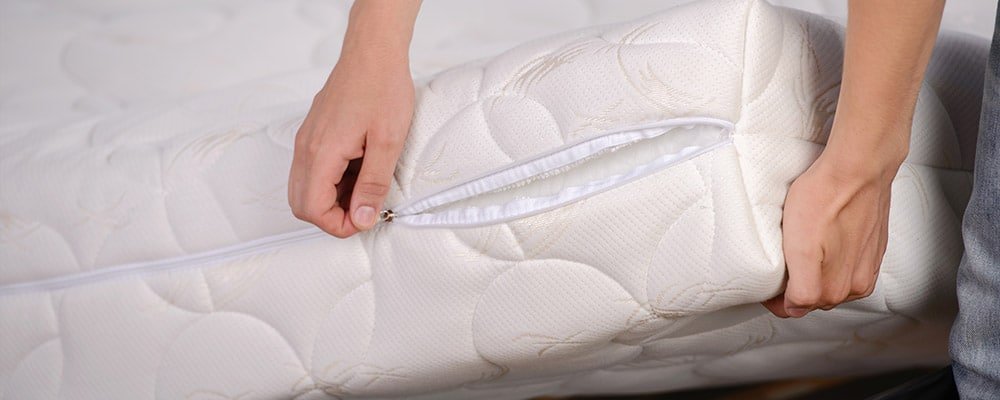
 A damp cloth lifts surface grime from a foam mattress pad before a full wash.
Source: thespruce.com
A damp cloth lifts surface grime from a foam mattress pad before a full wash.
Source: thespruce.com
Why Regular Mattress Pad Washing Is Non-Negotiable
Regular mattress pad washing is one of the most overlooked parts of bedding care, but it has a major impact on your health and comfort. Unwashed pads are a top reservoir for dust mites, tiny pests that feed on dead skin cells and produce waste that triggers allergic reactions and asthma flare-ups, per dust mite allergen guidance from the CDC. Sweat and body oils seep into pad fills over time, causing persistent odors and breaking down fabric fibers, while unaddressed spills can seep through to your mattress, leading to mold growth that’s expensive to remediate. Even waterproof mattress protectors need regular washing: while their backing blocks liquid, the top fabric still traps allergens and grime that can irritate skin and disrupt sleep. A clean pad also maintains its original cushioning and breathability, so you get the full comfort benefit of your investment. You can also read our guide on mattress vs pillow comparisons.
How Often Should You Wash Your Mattress Pad?
Wash frequency depends on your household habits, use case, and the pad’s material. Use the guide below to build a routine that works for you:
| Use Case | Recommended Wash Frequency | Notes |
|---|---|---|
| Nightly regular use | Every 1–2 months | Adjust based on personal sweat levels and mattress fill and care differences |
| Heavy sweaters, allergy/asthma sufferers, or pet owners | Every 2–4 weeks | More frequent washing reduces allergen and odor buildup |
| Post-spill, accident, or illness | Immediately after the incident | Prevents stains from setting and bacterial growth |
| Seasonal use (e.g., guest room pads) | Every 3–4 months, or before each use | Dust accumulates even on rarely used pads |
For most people who sleep on their pad nightly, washing every 1 to 2 months is sufficient to keep grime and allergens at bay. If you suffer from seasonal allergies, increase wash frequency during peak pollen months to reduce symptom flares. In humid summer months, when you’re likely to sweat more, add an extra mid-season wash to avoid musty odors.
Pre-Wash Prep: Read The Care Label And Get Your Pad Ready
Skipping prep can lead to torn pads, broken seams, or poor wash results, so spend 5 minutes on these steps before loading your washer. First, locate and read the care label sewn into the pad’s side seam: this will specify if the pad is machine washable, maximum water temperature, allowed dry settings, and whether bleach is safe to use. If the label is faded or missing, check the manufacturer’s website for care instructions before proceeding to avoid voiding your warranty. You can also read our guide on novilla inch king mattress vs in a box.
Next, inspect the pad for loose threads, tears, or separated seams: repair any damage with a fabric patch or strong thread before washing, as agitation during the cycle will make small holes larger, especially for down or feather-filled pads. If you notice a small tear in a feather or down pad, repair it immediately to prevent fill from escaping during washing—learn what to do if your topper splits to avoid ruining the fill. Close all zippers and fasten any ties to prevent snags on other laundry items, then shake the pad outdoors or vacuum it with an upholstery attachment to remove loose dust, hair, and debris. If your pad has a removable cover, unzip it and wash it separately from the fill for a deeper clean, following the cover’s care instructions.
For visible stains, pre-treat with a gentle stain remover safe for your pad’s fabric, blotting (not rubbing) to avoid pushing the stain deeper into the fill. If you just purchased a new bamboo or foam pad, let it acclimate to your home’s temperature and humidity for 24–48 hours before first use to avoid permanent indentations—learn letting a new topper acclimate to ensure it performs as intended. You can also read our guide on novilla inch queen mattress.
 Care labels specify exact washing instructions to avoid damage.
Source: wikihow.life
Care labels specify exact washing instructions to avoid damage.
Source: wikihow.life
Step-by-Step Machine Washing For Most Mattress Pads
Most all-purpose cotton, polyester, and waterproof mattress pads are fully machine washable, but material-specific adjustments will help you avoid damage. Use the guidelines below for best results:
Standard Cotton And Polyester Pads
Load the pad into a large-capacity washer (standard top-load machines are often too small for king or California king pads, which can compress the fill if crammed in; use a laundromat’s large machine or a front-load washer for oversized pads). Wash the pad alone, or with 1–2 lightweight bath towels to balance the load—never wash it with heavy items like jeans or towels, which can tug and tear the pad’s fabric. Use a mild liquid detergent (powdered detergents often leave gritty residue in fills) and avoid fabric softener entirely: softener coats fabric fibers and waterproof layers, reducing absorbency and breaking down synthetic fills over time. Select cool or warm water (never hot, unless the care label explicitly permits it, as hot water can shrink cotton covers and melt TPU waterproof backings) and a gentle or delicate cycle. If your washer has an extra rinse option, use it to remove all soap residue, which can cause stiffness and attract dirt after washing.
Waterproof Mattress Protectors
Waterproof pads with TPU or polyurethane backing require extra care to preserve their leak-proof function. Always use cool water and a mild detergent, never hot water, which can warp or melt the waterproof layer. Skip fabric softener and dryer sheets, as these coat the backing and reduce its ability to repel liquids. Wash on a gentle cycle, and avoid overloading the washer, which can stretch the pad’s seams. For more on this, see our guide on how to wash heated mattress pad.
Down And Feather-Filled Pads
Down and feather pads need special detergent to preserve their natural loft and prevent clumping. Use a down-specific cleaner on a gentle cycle with cool or warm water, and avoid standard detergents with additives that can strip the down’s natural oils. Tumble dry on low heat with 2–3 wool dryer balls to fluff the fill and break up clumps; pause every 30 minutes to rearrange the pad so it dries evenly.
In practice, I’ve found that skipping the extra rinse cycle on synthetic-filled pads leads to soap buildup that makes the pad feel stiff and attracts more dirt after just a few weeks, so it’s worth the extra 10 minutes of cycle time. For more on this, see our guide on how to wash electric mattress pad.
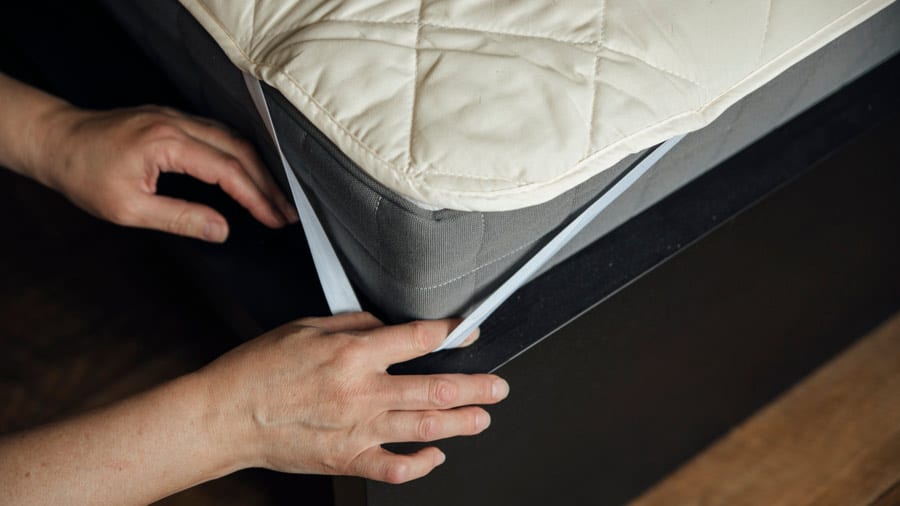 A large-capacity front-load washer fits oversized king pads without compressing the fill.
Source: sleepfoundation.org
A large-capacity front-load washer fits oversized king pads without compressing the fill.
Source: sleepfoundation.org
Hand Washing For Delicate Pads
Hand washing is the safest option for delicate quilted pads, vintage styles, or any pad you’re worried about damaging in a machine. It’s also ideal for small spot cleanups between full washes:
- Fill a clean bathtub or large basin with lukewarm water and 1–2 tbsp mild liquid detergent.
- Submerge the pad fully, and gently squeeze the soapy water through the fabric and fill—do not agitate or wring the pad, as this can shift the fill and damage delicate seams.
- Drain the soapy water, then refill the basin with cool, clean water. Gently squeeze the pad to rinse out all soap residue, repeating the rinse step until the water runs clear.
- Press out excess water by laying the pad flat on a clean, dry towel, rolling the pad and towel together, and pressing firmly to absorb moisture. Do not wring the pad, as this can tear the fabric and shift the fill.
- Lay the pad flat on a drying rack to air dry, rearranging it occasionally to ensure even drying.
I hand washed a delicate quilted pad once and avoided shrinkage completely, though the process takes twice as long as machine washing.
 Gentle hand washing protects delicate or non-machine-safe pads from damage.
Source: beloitmattress.com
Gentle hand washing protects delicate or non-machine-safe pads from damage.
Source: beloitmattress.com
Washing Non-Machine-Safe Pads: Memory Foam, Latex, And Gel
Memory foam, latex, and gel-infused mattress pads are porous and extremely heavy when saturated with water, making them unsafe for machine washing: the weight of waterlogged foam can tear the pad’s cover, and the thick material takes 24–48 hours to dry fully, creating a high risk of mold and mildew growth. These pads require gentle, low-moisture cleaning:
- For surface dirt and fresh spills, mix 1 tsp mild dish soap with 2 cups cool water, dip a soft cloth into the solution, and blot the stained area (do not rub, as this pushes dirt deeper into the foam). Wipe the area with a clean, damp cloth to remove soap residue.
- For odors, sprinkle a thin layer of baking soda over the entire pad surface, let sit for 2–3 hours, then vacuum thoroughly with an upholstery attachment.
- For set-in stains, use a low-moisture upholstery cleaner on a gentle setting, testing it on a small, hidden area first to ensure it doesn’t discolor the fabric.
Never saturate memory foam, latex, or gel pads with water, and never put them in a dryer. Air dry the pad flat in a well-ventilated area, away from direct sunlight (UV rays break down foam materials over time). If you live in a humid climate, place a fan or dehumidifier near the pad to speed up drying and prevent musty odors.
Drying Tips To Prevent Mildew And Preserve Shape
Proper drying is just as important as washing: a damp mattress pad can develop mold and mildew within 24–48 hours, leading to musty odors and respiratory irritation. For machine-washable pads, tumble drying is the fastest option:
- Always use the lowest heat setting or air-fluff only, as high heat melts TPU waterproof backings, shrinks cotton covers, and clumps down or synthetic fills.
- Add 2–3 wool dryer balls or clean tennis balls to the dryer to fluff the pad’s fill and prevent clumping.
- Pause the cycle every 30 minutes to rearrange the pad, ensuring even drying and preventing cold, damp spots from lingering in the center of thick pads. Note: Never tumble dry memory foam, latex, or gel-infused pads—air dry these materials only.
For air drying, lay the pad flat on a clean drying rack or clean, dry surface, avoiding hanging it by the corners, which can stretch the fabric and distort the pad’s shape. If you’re air drying a down or feather pad, fluff it occasionally to maintain even loft. Keep the pad out of direct, prolonged sunlight, as UV rays can fade colored fabrics and break down synthetic materials. In humid climates, use a fan or dehumidifier in the drying room to speed up the process and prevent musty odors.
I always run my cotton and down pads on a 15-minute low-heat tumble cycle before air drying to speed up the process and prevent musty smells, but I skip this step entirely for foam-based pads to avoid heat damage.
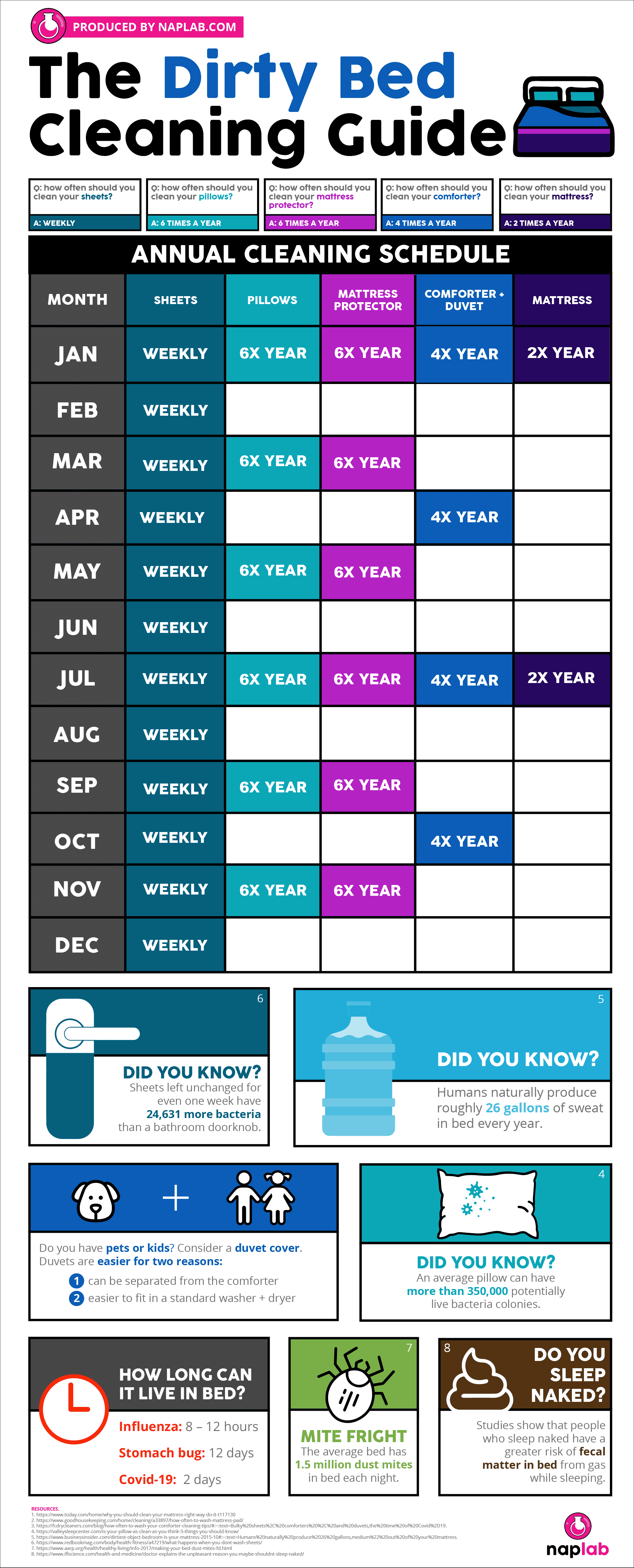 Air drying flat preserves the pad's shape and prevents stretch marks from hanging.
Source: naplab.com
Air drying flat preserves the pad's shape and prevents stretch marks from hanging.
Source: naplab.com
Stain And Odor Removal For Tough Messes
Even with regular washing, tough stains and odors can pop up, especially if you have kids, pets, or spills in bed. Target the stain type for the best results, using university-tested stain removal methods to avoid damaging your pad:
- Sweat and body oil: Pre-treat set-in stains by soaking the pad in a solution of 1 part white vinegar and 3 parts cool water for 30 minutes before washing. For fresh stains, mix 1 tsp mild dish soap with 2 cups warm water, blot the stain with a clean cloth, then rinse with cool water.
- Urine, vomit, or other biological stains: Blot up excess liquid with a clean, dry cloth (never rub, as this spreads the stain), then rinse the area with cold water. Apply an enzyme cleaner specifically designed for pet or biological stains, let sit for 10 minutes, then wash as normal. For fresh urine, avoid hot water, as it sets protein-based stains permanently.
- Grease or food stains: Sprinkle cornstarch or baking soda on the grease spot, let sit for 15 minutes to absorb the oil, then brush off the powder. Pre-treat the remaining stain with a small amount of dish soap before washing.
- Ink or dye: Dab the stain with a cotton ball soaked in rubbing alcohol, blotting from the outside of the stain inward to avoid spreading. Rinse with cool water before washing.
For persistent odors, add 1/2 cup white vinegar to the rinse cycle of your washer to neutralize smells without leaving a vinegar scent. You can also sprinkle baking soda over the pad before washing for extra odor removal. If your pad still smells musty after a full wash and dry cycle, it likely has hidden mold growth: mold spores can cause respiratory issues, so replace the pad rather than continuing to use it.
I removed a stubborn sweat odor by soaking the pad in a diluted vinegar solution overnight. The smell was gone after a normal wash, no extra products needed.
 Blotting (not rubbing) lifts stains without pushing them deeper into the pad's fill.
Source: realsimple.com
Blotting (not rubbing) lifts stains without pushing them deeper into the pad's fill.
Source: realsimple.com
Storage And Long-Term Maintenance To Extend Your Pad's Lifespan
With proper care, a high-quality mattress pad can last 3–5 years or longer. Follow these tips to get the most out of your investment:
- Proper storage: Only store pads that are 100% clean and completely dry. Fold the pad loosely and store it in a breathable cotton storage bag—never use plastic, which traps moisture and leads to mold and mildew growth. Keep the pad in a cool, dry, dark place, away from attics, basements, or areas with extreme temperature fluctuations that can degrade foam and fabric.
- Ongoing care: Use a fitted sheet and a removable mattress protector on top of your pad to catch dead skin, spills, and allergens before they reach the pad, reducing how often you need to wash it. For long-term protector performance, follow maintaining your protector care instructions to keep it functioning as intended. Rotate the pad 180 degrees every 3 months to even out wear and prevent permanent indentations. Vacuum the pad lightly with an upholstery attachment every 1–2 months between washes to remove dust, hair, and allergens. For down or feather pads, fluff them daily to maintain loft, and air them outside on a breezy, dry day a few times a year to freshen them without washing.
Even with perfect care, all mattress pads have a finite lifespan. If your pad has permanent stains, clumped or flattened fill, or reduced comfort that washing can’t fix, it’s time for a replacement—learn knowing when to replace to avoid sleeping on a pad that no longer supports you.
 Breathable storage prevents trapped moisture that leads to mold and mildew.
Source: thespruce.com
Breathable storage prevents trapped moisture that leads to mold and mildew.
Source: thespruce.com
Common Mistakes That Damage Mattress Pads
Avoid these frequent errors to keep your pad in good condition for years:
- Ignoring the care label: Every material has unique washing needs. A cotton pad can handle warm water, but a TPU-backed waterproof pad will melt if washed in hot water, and a down pad will clump if dried on high heat. Always follow the manufacturer’s instructions to avoid voiding your warranty.
- Using too much detergent: Excess soap leaves residue in the pad’s fill, reducing breathability and attracting more dirt over time. Use 1/2 to 1/3 the recommended amount of detergent for a normal load.
- Using fabric softener or dryer sheets: These coat the pad’s fabric and waterproof layers, reducing absorbency and waterproof performance, while breaking down synthetic fills over time. Skip them entirely when washing and drying mattress pads.
- Drying on high heat: High heat is the top cause of damaged mattress pads: it melts waterproof backings, shrinks covers, and clumps fills. Always use low heat or air-fluff settings.
- Wringing or twisting the pad: This tears the fabric, shifts the fill, and breaks down memory foam or latex structures. Instead, press out excess water gently with a clean, dry towel.
- Putting a damp pad back on the bed: Even slight dampness leads to mold and mildew growth within 24–48 hours, which can cause allergic reactions and respiratory issues. Always confirm the pad is completely dry to the touch before use.
A common mistake I see clients make is using hot water to "kill germs" on waterproof pads, which melts the TPU backing and renders the pad non-waterproof within 2–3 washes. Cool water and mild detergent are just as effective at removing germs without damaging the pad.
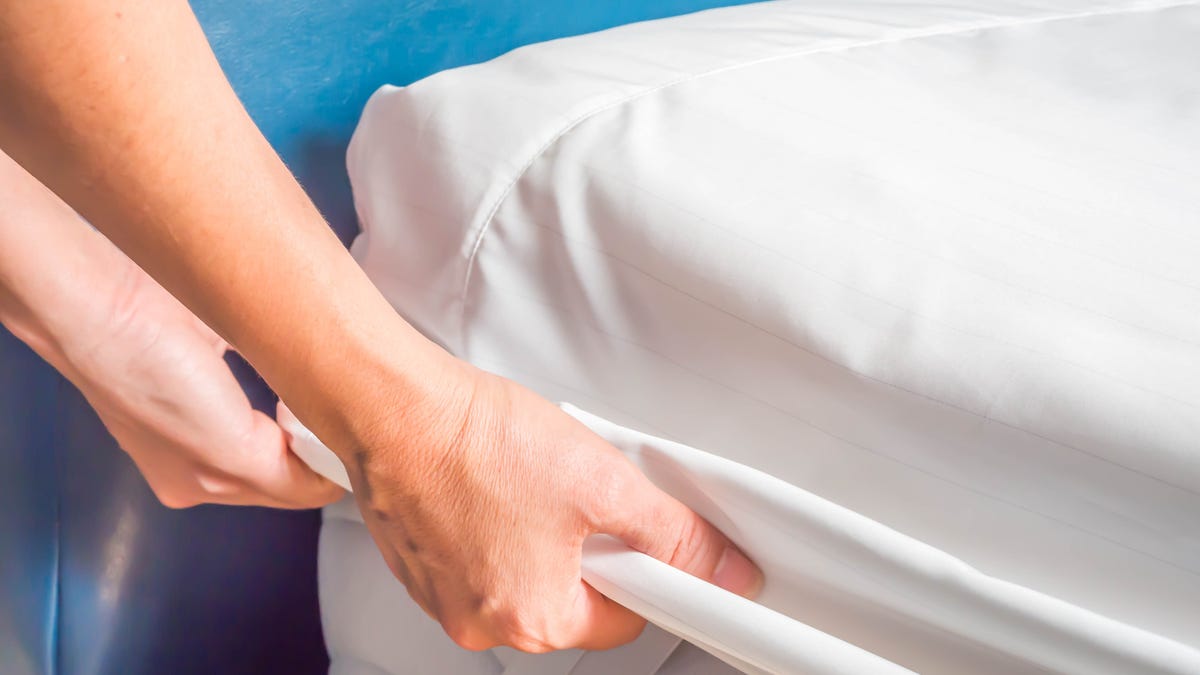 Excess detergent leaves residue in mattress pad fill, reducing breathability over time.
Source: cnet.com
Excess detergent leaves residue in mattress pad fill, reducing breathability over time.
Source: cnet.com
Frequently Asked Questions
Can I wash a mattress pad with a fitted sheet?
Yes, washing a mattress pad with a fitted sheet is perfectly safe, and can help balance the load in your washer. Avoid washing it with heavy items like jeans or towels that can tug and tear the pad’s fabric.
How do I wash a down mattress pad?
Use a mild, down-specific detergent on a gentle cycle with cool or warm water. Tumble dry on low heat with dryer balls to fluff the down, and make sure it is completely dry before storing to prevent mold growth.
Will washing ruin a waterproof mattress pad?
No, if you follow the care label. Use cool water, mild detergent, skip fabric softener, and tumble dry on low or air dry. High heat is the only factor that will damage the waterproof backing over time.
How do I know if my mattress pad is fully dry?
Feel the thickest part of the pad (usually the center) with your hand—it should feel completely dry, with no cool, damp spots. For thick down or foam pads, press a dry towel against the center; if no moisture transfers, it is ready to use.
Can I use bleach on a mattress pad?
Oxygen-based bleach (like OxiClean) is safe for most white cotton pads, but never use chlorine bleach, as it can break down fibers, damage waterproof coatings, and cause discoloration. Always check the care label first before using any bleach product.
Can I machine wash a heated mattress pad?
Most heated mattress pads are machine washable, but only if you first disconnect and remove the heating controller (never wash the electrical component). Wash on a gentle cycle with mild detergent, and tumble dry on low heat, or air dry to extend the pad’s lifespan. Check the care label for brand-specific instructions.
Conclusion
Washing your mattress pad correctly is a small task that delivers big benefits: it keeps your bed free of allergens and odors, preserves the pad’s comfort and structural integrity, and extends its lifespan by years. The core rules are simple: always read the care label first, use cool or warm water and mild detergent, avoid high heat and fabric softener, and make sure the pad is 100% dry before putting it back on your bed. For material-specific pads like memory foam or down, follow the targeted steps above to avoid damage. If you’re unsure about your pad’s care instructions, check the manufacturer’s website first to avoid voiding your warranty. For more tips on keeping your bedding fresh and your sleep space comfortable, browse our full library of home and sleep care guides. Have a question about washing a specific type of mattress pad, or a tough stain you can’t get out? Drop a comment below, and we’ll help you troubleshoot.
Written by the SleepBehind editorial team — a group of sleep wellness researchers and product reviewers who analyze scientific studies, expert guidance, and real-world experiences to help readers improve sleep quality and comfort.