Acute sinus infections, most often triggered by cold or flu viruses, affect millions of people annually, and the resulting nasal congestion, facial pressure, and postnasal drip can make falling and staying asleep feel impossible. The tips below are drawn from clinical guidance and real-world patient experiences, with clear caveats for safe use to avoid worsening symptoms. Even mild congestion can reduce restorative deep sleep time, leaving you exhausted even after a full night in bed, but these actionable steps can help you get the rest you need to recover faster.
Why Sinus Infections Disrupt Sleep So Drastically
Sinus infections cause the mucous membranes lining your hollow sinus cavities to swell and produce excess thick mucus, which blocks nasal passages and disrupts normal airflow. When you can’t breathe through your nose, you’re forced to breathe through your mouth, leading to dry, sore throat, louder snoring, and frequent micro-awakenings throughout the night. Mucus also pools in your sinuses when lying flat, increasing facial pressure and triggering postnasal drip that causes disruptive nighttime coughing. On top of that, the fever and immune system activity that accompany sinus infections raise your core body temperature, which interferes with the natural temperature drop required to fall asleep. Understanding this physiological cascade makes it easier to pick targeted fixes that address the root cause of your sleep disruption, rather than just masking symptoms. You can also read our guide on why cant i fall asleep fast.
9 Actionable Tips to Sleep Comfortably With a Sinus Infection
These tips work best when used in combination, starting with low-risk, drug-free options before adding over-the-counter medications if needed.
1. Elevate Your Head 30–45 Degrees With Proper Support
Lying flat lets mucus pool in your nasal passages, worsening congestion and pressure. Elevating your head uses gravity to drain sinuses and reduce postnasal drip. Avoid stacking random pillows, which can twist your neck and increase facial pain — instead, use a wedge pillow or adjustable bed base to keep your head and neck aligned. If you don’t have a wedge, stack two standard pillows to hit the 30–45 degree elevation range. A common mistake is elevating too high, which strains your neck and makes it harder to get comfortable. If you use a wedge pillow for elevation, regular cleaning will keep it free of allergens that could worsen congestion; proper bamboo pillow care is simple and extends the life of your support. You can also read our guide on morning habits for good sleep.
2. Use a Cool-Mist Humidifier Set to 40–50% Humidity
Dry air from heating or air conditioning thickens mucus and irritates inflamed sinus tissue, making congestion far worse. A cool-mist humidifier adds moisture to the air, thinning mucus and soothing nasal passages. Set it to 40–50% relative humidity (use a cheap hygrometer to check levels) — higher humidity encourages mold or dust mite growth, which will worsen sinus symptoms. Cool-mist models are also safer than warm-mist options around children and pets, as they carry no risk of hot water burns. A common mistake is letting the humidifier sit with stale water, which breeds bacteria and mold; empty and clean it daily with white vinegar to prevent inhaling irritants.
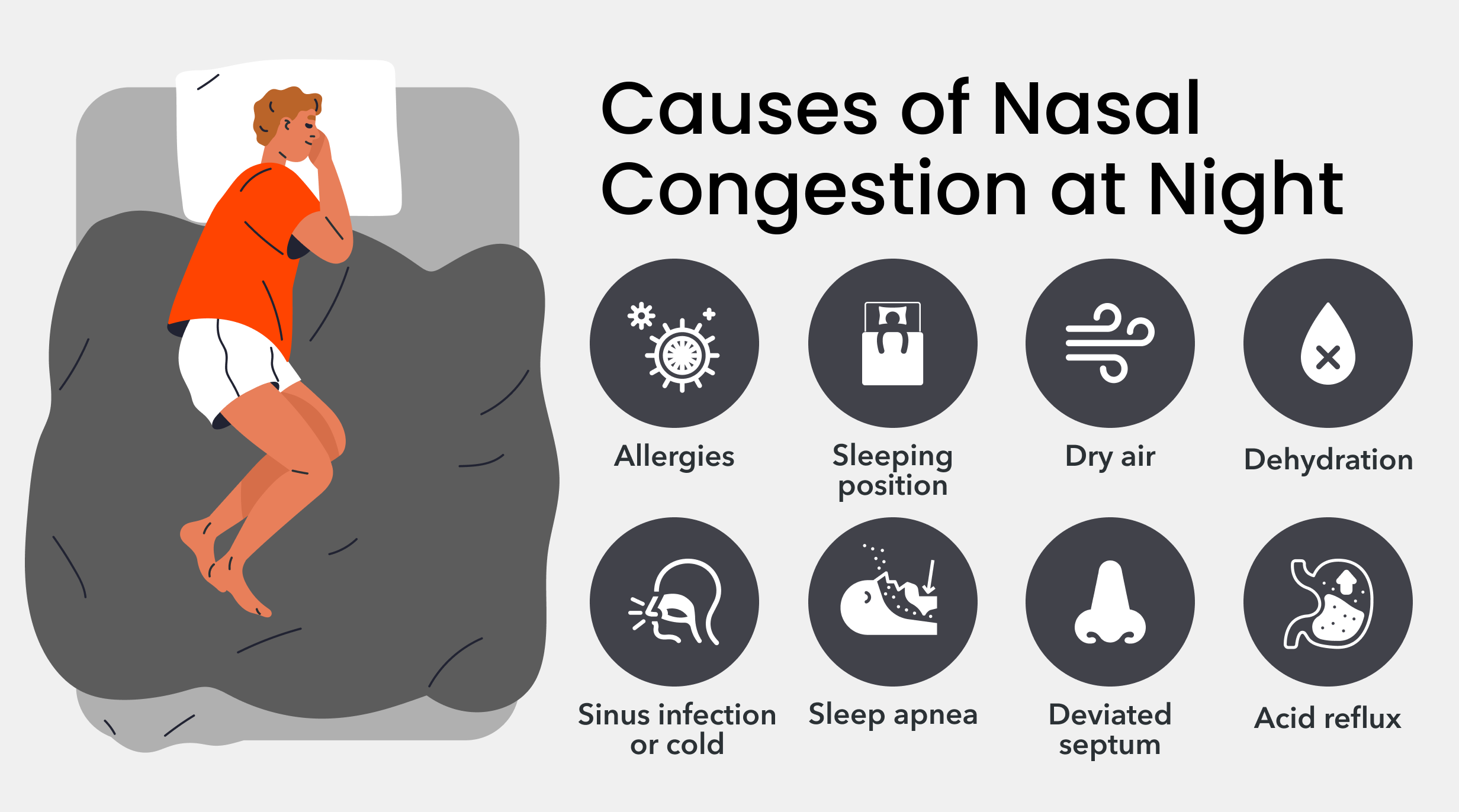 This graphic breaks down the most common triggers of nighttime nasal congestion that a humidifier can help mitigate.
Source: laylasleep
This graphic breaks down the most common triggers of nighttime nasal congestion that a humidifier can help mitigate.
Source: laylasleep
3. Do a Pre-Bed Saline Nasal Rinse (Not Just a Spray)
Saline sprays only moisten the surface of nasal passages, but a full rinse (using a neti pot or squeeze bottle) flushes out thick mucus, allergens, and irritants that are blocking your airways. Use only sterile, distilled, or previously boiled and cooled water — never tap water, which can contain microorganisms that cause serious sinus or ear infections. Do this 15–30 minutes before bed, tilting your head over the sink to let the saline drain out the opposite nostril. Start with a low volume of saline if you have severe congestion to avoid discomfort, and repeat once if needed. A common mistake is using too much force when rinsing, which can push mucus deeper into your sinuses or cause ear pressure.
 Sterile saline rinses are one of the most effective, low-risk ways to clear nasal passages before bed.
Source: palmettoentallergy
Sterile saline rinses are one of the most effective, low-risk ways to clear nasal passages before bed.
Source: palmettoentallergy
4. Try Targeted Steam Therapy for 10–15 Minutes Pre-Bed
Steam thins thick, sticky mucus so it drains more easily, and soothes inflamed sinus tissue to reduce pain and pressure. The easiest way to do this is to take a warm (not hot) shower right before bed, or lean over a bowl of hot water with a towel draped over your head for 10 minutes. Add 2–3 drops of eucalyptus or menthol oil for extra decongestant effect, but skip this if you have asthma or sensitive skin, as the oils can trigger irritation. A common mistake is using water that’s too hot, which can burn delicate sinus tissue or cause dizziness. If you take a pre-bed shower for steam relief, avoid going to sleep with soaking wet hair to prevent scalp irritation and damage; guidance on safe wet hair sleep habits can help you balance both needs.
5. Apply a Warm Facial Compress to Soothe Pressure
Warmth increases blood flow to the sinus area, reducing inflammation and easing the throbbing pain that makes it hard to fall asleep. Soak a clean washcloth in warm (not scalding) water, wring out excess, and hold it over your nose, cheeks, and forehead for 5–10 minutes, reheating the cloth as it cools. For extra relief, add a teaspoon of salt to the warm water, which can draw out excess fluid from inflamed tissues. This is a safe, drug-free option that works well for people who can’t take decongestant medications due to high blood pressure or heart conditions. A common mistake is using water that’s too hot, which can burn sensitive facial skin or worsen inflammation.
6. Optimize Your Sleep Position to Aid Drainage
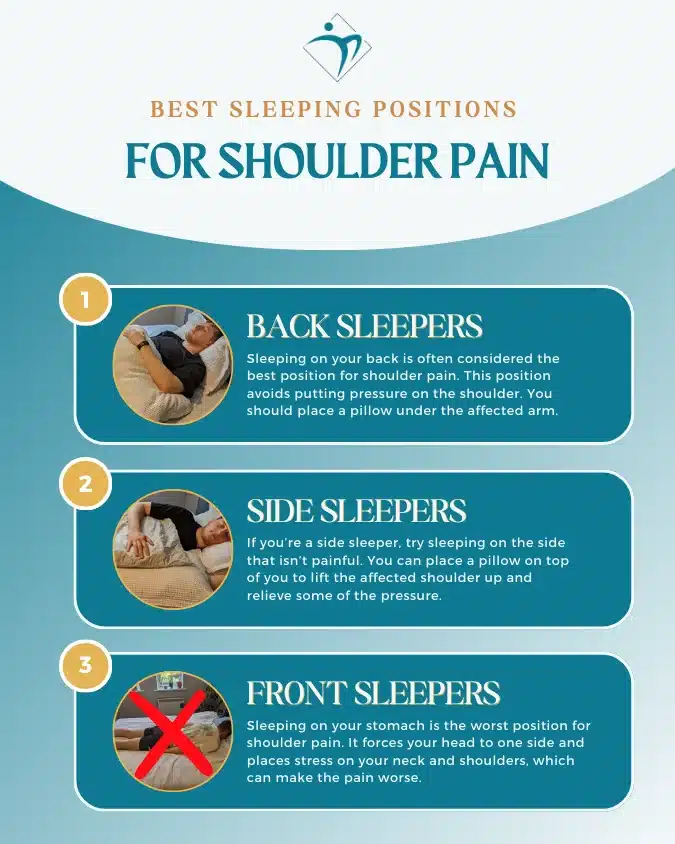
Back sleeping with your head elevated is ideal, as gravity helps mucus drain from your sinuses instead of pooling in your nasal passages. If back sleep feels uncomfortable, side sleeping is a good alternative, but avoid sleeping with your face pressed into the pillow, as this can trap mucus and increase pressure. Use a supportive pillow that keeps your neck in a neutral alignment — a twisted neck can increase facial pressure and make sinus pain worse. If you’re adjusting your sleep position to relieve sinus pressure, you may also want to consider how your position affects your hair; guidance on sleep positions for straight hair can help you avoid morning bedhead while you recover.
 Proper head elevation and neutral neck alignment are key to reducing sinus pressure while sleeping.
Source: docsmedicalgroup
Proper head elevation and neutral neck alignment are key to reducing sinus pressure while sleeping.
Source: docsmedicalgroup
7. Use OTC Medications Strategically to Avoid Rebound
For short-term relief, over-the-counter options work well when used correctly:
- Nasal decongestant sprays (like oxymetazoline) work in minutes to shrink swollen nasal tissue, but limit use to 3 consecutive days max — longer use causes rebound congestion (rhinitis medicamentosa), a condition where your nasal passages swell more than before, leading to worse congestion that can last for weeks.
- Oral decongestants (pseudoephedrine) or combination cold medicines reduce congestion, but avoid them if you have high blood pressure, heart disease, or are taking monoamine oxidase inhibitors (MAOIs), as they can cause dangerous spikes in blood pressure or heart rate.
- Antihistamines (first-generation options like diphenhydramine) can reduce allergy-related sinus swelling and cause drowsiness to help you fall asleep, but they reduce REM sleep quality and can cause next-day grogginess, so avoid using them for more than a few nights in a row. Second-generation antihistamines (like loratadine) are less likely to cause drowsiness but may still help reduce inflammation.
- Pain relievers (ibuprofen, acetaminophen) reduce facial pain and fever, making it easier to stay asleep. Always follow label dosing, and consult a pharmacist or doctor if you take other regular medications. A common mistake is combining multiple cold medicines that contain the same active ingredient (like acetaminophen), which can lead to accidental overdose. Always check labels before taking multiple products. If your sinus infection is accompanied by flu-like symptoms like fever and loss of appetite, guidance on sleeping through illness can help you manage both issues safely.
8. Prep Your Bedroom to Minimize Irritants
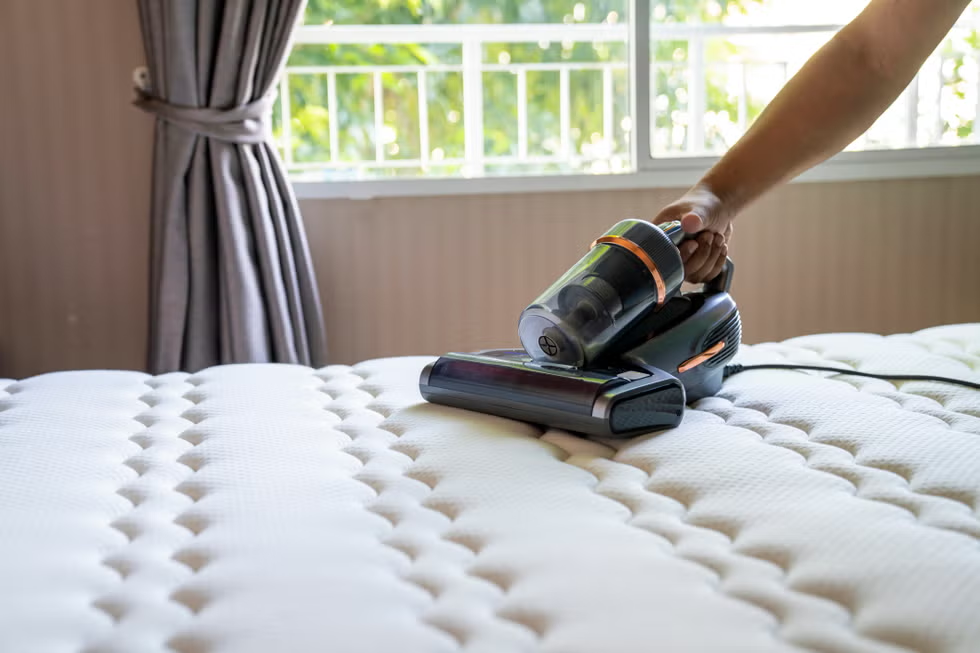
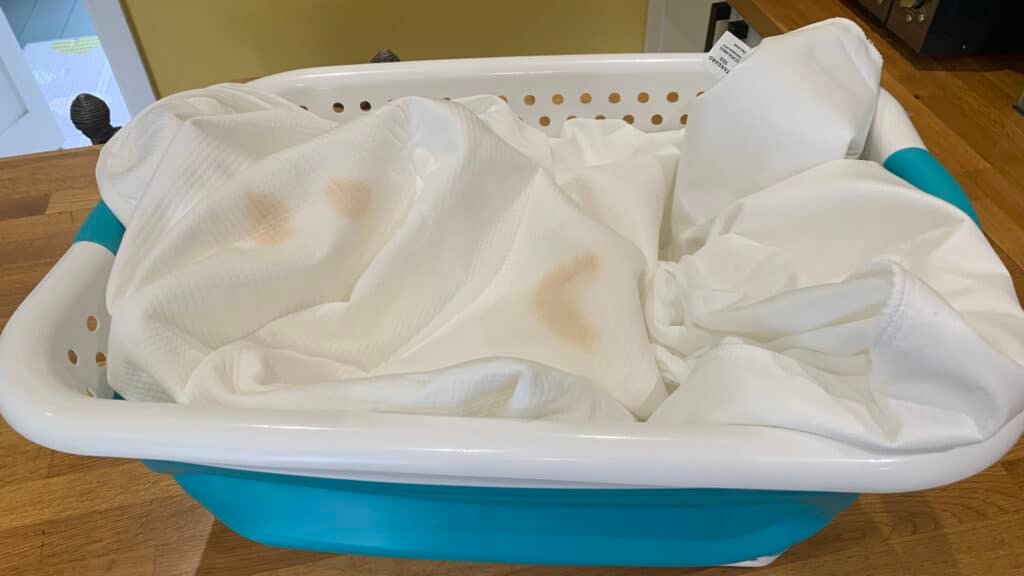
Even small irritants can worsen sinus inflammation at night, derailing your sleep efforts. Start by keeping your bedroom free of dust, pet dander, and mold: vacuum with a HEPA filter weekly, wash bedding in hot water (130°F/54°C) every week to kill dust mites, and keep pets out of the bed if you have allergies. Avoid using strong fragrances (perfumes, scented candles, air fresheners) in the bedroom, as these can irritate inflamed nasal passages. If you have seasonal allergies, keep windows closed during high pollen days, and use an air purifier with a HEPA filter to remove airborne allergens. A hypoallergenic mattress protector can block allergens from seeping into your mattress; proper care for your bed protector keeps it effective at reducing irritants while you sleep.
 Reducing bedroom allergens and irritants can reduce nighttime sinus inflammation significantly.
Source: wikihow
Reducing bedroom allergens and irritants can reduce nighttime sinus inflammation significantly.
Source: wikihow
9. Adjust Your Pre-Bed Routine to Reduce Mucus Production
What you do in the 2 hours before bed has a big impact on sinus symptoms. Avoid heavy, spicy, or dairy-heavy meals close to bedtime, as these can increase mucus production and worsen congestion. Skip alcohol entirely, which dehydrates you and thins the mucus membranes in your nose, making inflammation worse. Stay hydrated throughout the day with water and herbal tea, but limit fluids 1 hour before bed to avoid frequent nighttime bathroom trips that disrupt sleep. If you have a history of chronic sinus infections, avoid smoking and secondhand smoke entirely, as it severely irritates nasal passages and slows healing. A common mistake is lying down immediately after eating, which can increase postnasal drip and acid reflux that irritates the throat and sinuses.
 A consistent 10–15 minute pre-bed routine can signal your body it’s time to sleep while reducing sinus congestion.
Source: everydayhealth
A consistent 10–15 minute pre-bed routine can signal your body it’s time to sleep while reducing sinus congestion.
Source: everydayhealth
What to Avoid to Prevent Worsening Symptoms
Small, common mistakes can make your sinus congestion and sleep disruption far worse:
- Don’t use topical decongestant sprays for more than 3 days: Rebound congestion can develop in as little as 5 days of regular use, leading to worse symptoms that last for weeks without medical intervention.
- Don’t ignore excess mucus: Letting mucus pool in your nasal passages or drip down your throat triggers coughing and skin irritation around the nose. Use a saline rinse before bed to clear excess mucus.
- Don’t use warm-mist humidifiers if you have asthma or young children: They increase the risk of mold growth and hot water burns.
- Don’t self-treat persistent symptoms: If congestion lasts more than 10 days, or you have a high fever, it may be a bacterial infection requiring prescription medication.
When to See a Doctor for Sinus-Related Sleep Loss
Most acute sinus infections are viral and resolve in 7–14 days with consistent home care, but you should seek professional medical attention if you experience any of the following:
- Symptoms that last longer than 10 days without improvement, or get better then worsen again (a "double worsening" pattern that is a classic sign of bacterial sinus infection)
- Fever over 101.5°F (38.6°C) that lasts more than 3 days
- Swelling, redness, or pain around the eyes, vision changes, or severe headache that does not improve with OTC pain relievers
- Recurrent sinus infections (more than 4 per year) that regularly disrupt your sleep A doctor may prescribe antibiotics for confirmed bacterial infections, prescription nasal corticosteroids to reduce severe inflammation, or refer you to an ear, nose, and throat (ENT) specialist for chronic cases. For official, up-to-date guidance on sinus infection symptoms and treatment options, refer to the CDC’s sinusitis resource page. Don’t delay care if you have severe symptoms, as untreated sinus infections can spread to nearby areas like the eyes or brain in rare cases.
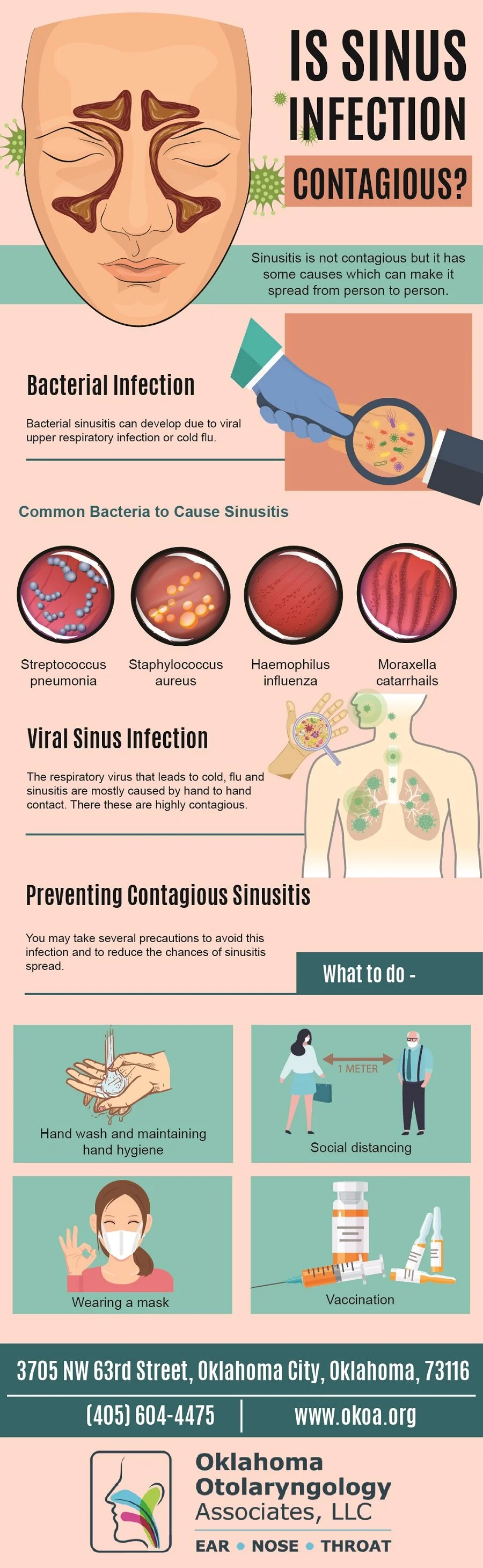
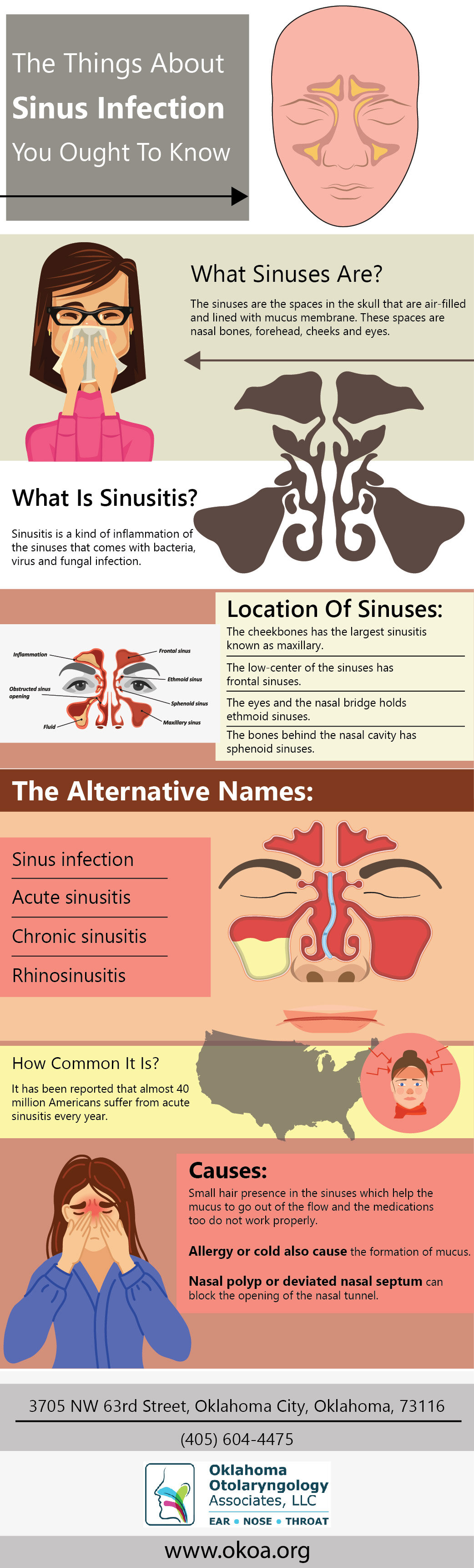 These are the key red flags that indicate you need professional medical care for your sinus infection.
Source: okoa
These are the key red flags that indicate you need professional medical care for your sinus infection.
Source: okoa
Frequently Asked Questions
How long will a sinus infection keep me from sleeping well?
Most acute viral sinus infections resolve in 7–14 days, and sleep usually improves within 3–5 nights of starting consistent home care like elevation, humidification, and saline rinses. Bacterial sinus infections may take longer to resolve, and sleep disruption can last until antibiotic treatment takes effect (usually 24–48 hours after starting medication).
Can I use a decongestant spray every night to help sleep?
No. Topical nasal decongestant sprays (like oxymetazoline) are only safe for 3 consecutive days of use. Longer use causes rebound congestion (rhinitis medicamentosa), a condition where your nasal passages swell more than before, leading to worse congestion that can last for weeks or months without medical treatment.
Is it safe to take antihistamines to help me sleep with a sinus infection?
First-generation antihistamines (like diphenhydramine, the active ingredient in Benadryl and many over-the-counter sleep aids) can reduce allergy-related sinus swelling and cause drowsiness to help you fall asleep. However, they reduce REM sleep quality, can cause next-day grogginess, and are not recommended for long-term use. Second-generation antihistamines (like loratadine, cetirizine) are less likely to cause drowsiness but may still help reduce sinus inflammation. Always consult a doctor or pharmacist before taking new medications, especially if you have underlying health conditions or take other regular medications.
Will a humidifier really help me sleep with a sinus infection?
Yes, when used correctly. A cool-mist humidifier adds moisture to dry air, which thins thick mucus and soothes inflamed sinus tissue, reducing congestion and pressure. Keep humidity levels between 40–50% to avoid mold or dust mite growth, which can worsen sinus symptoms. Clean your humidifier daily with white vinegar to prevent bacterial or mold buildup, which can make congestion worse if inhaled.
When should I go to urgent care for sinus pain and sleep loss?
Seek urgent care if you have a fever over 101.5°F (38.6°C) that lasts more than 3 days, severe facial pain or swelling around the eyes, vision changes, or congestion that does not improve after 10 days of home care. These can be signs of a bacterial sinus infection or rare but serious complications that require prompt medical treatment.
Can I use nasal strips to help with sinus congestion at night?
Yes, adhesive nasal strips (like Breathe Right strips) can gently widen nasal passages to improve airflow and reduce mouth breathing, which lessens dry throat and snoring. They are a safe, drug-free option for mild to moderate congestion, but they are not effective for severe blockage from thick mucus. They work best when combined with head elevation and humidification.
 These are the most common questions patients ask about managing sinus infection symptoms at night.
Source: detroitsinuscenter
These are the most common questions patients ask about managing sinus infection symptoms at night.
Source: detroitsinuscenter
Conclusion
Sleeping with a sinus infection is challenging, but combining these 9 evidence-based tips can drastically reduce congestion, pain, and sleep disruption to help you rest and recover faster. Start with the lowest-risk options first — head elevation, humidification, and saline rinses — before adding over-the-counter medications if needed, and always follow dosing guidelines to avoid rebound side effects. Most people see improvement in their sleep within 3–5 nights of consistent use, but don’t hesitate to seek medical care if symptoms persist or worsen. If you’re struggling with sleep disruption from sinus congestion, try adding one new tip to your routine tonight — small, consistent changes make the biggest difference over a few days. For more evidence-based sleep tips to support your recovery, browse our full library of sleep health guides.

Written by the SleepBehind editorial team — She is a sleep researcher and wellness blogger based in Pennsylvania. Passionate about helping people optimize their sleep.