With 24/7 connectivity, urban light pollution, and remote work blurring the lines between workspace and rest space, building a sleep-supportive bedroom is more critical than ever for consistent, restorative rest. A well-designed sleep friendly bedroom setup works with your body’s natural biology, rather than against it, to help you fall asleep faster, stay asleep longer, and wake up feeling actually refreshed. This guide breaks down science-backed, low-fuss adjustments you can make to your space, habits, and environment—no expensive overhauls required—to build a bedroom that works for your sleep, not against it.
 A minimally decorated, dark bedroom is the foundation of a sleep-supportive space.
Core Principles of a Sleep-Friendly Bedroom
Every effective sleep friendly bedroom setup rests on three non-negotiable pillars: circadian rhythm alignment, sensory minimization, and personalized comfort. These three factors work together to support your body’s natural sleep drive, reduce nighttime awakenings, and eliminate the small, avoidable disruptions that chip away at sleep quality over time. You can also read our guide on deep sleep optimization guide.
You don’t need to redesign your entire room in a weekend to see results. Small, iterative changes to each pillar will deliver measurable improvements faster than a single large, costly upgrade. A common mistake I see when helping people optimize their sleep space is prioritizing expensive mattress purchases before fixing light and sound issues—these low-cost, high-impact changes often deliver bigger gains in sleep quality for most people.
These three pillars align with widely accepted sleep hygiene guidance from public health experts, which emphasize minimizing disruptions to your natural circadian rhythm to improve sleep quality CDC sleep hygiene guidelines. You can also read our guide on how to fall asleep fast.
Optimize Lighting to Support Your Circadian Rhythm
Light is the single most powerful regulator of your circadian rhythm, the internal clock that controls when you feel alert and when you feel sleepy. A sleep friendly bedroom setup prioritizes darkness after sunset and near-total darkness during sleep to support natural melatonin production, the hormone that signals your body it’s time to rest.
Bright, blue-rich light (the type emitted by phone screens, TVs, and many LED bulbs) suppresses melatonin production, even at low brightness levels. Even brief exposure to blue light in the 1–2 hours before bed can delay sleep onset by 30 minutes or more for many people, and reduce time spent in deep, restorative sleep. You can also read our guide on lc dolida sleep mask review.
To build a lighting plan that supports rest:
- Use warm, 2700K or lower bulbs in bedside lamps after sunset, with a maximum brightness of 300 lumens to avoid stimulating alertness.
- Install blackout curtains or heavy, light-blocking shades to block streetlights, early morning sun, and other external light sources that can trigger early awakenings.
- Add a dimmer switch or smart bulbs to gradually lower light levels in the 30 minutes before bed, mimicking the natural dimming of sunset.
- Keep a red or amber night light in the bathroom or hallway for midnight trips; red light does not suppress melatonin, so it won’t disrupt your sleep cycle if you need to get up during the night.
- Swap evening screen time for low-light activities like reading a physical book, light stretching, or listening to a calm podcast, starting 30–60 minutes before your target bedtime.
In practice, pairing blackout curtains with a simple bedside dimmer creates the most noticeable improvement in sleep onset and depth for most people, with minimal cost or effort.
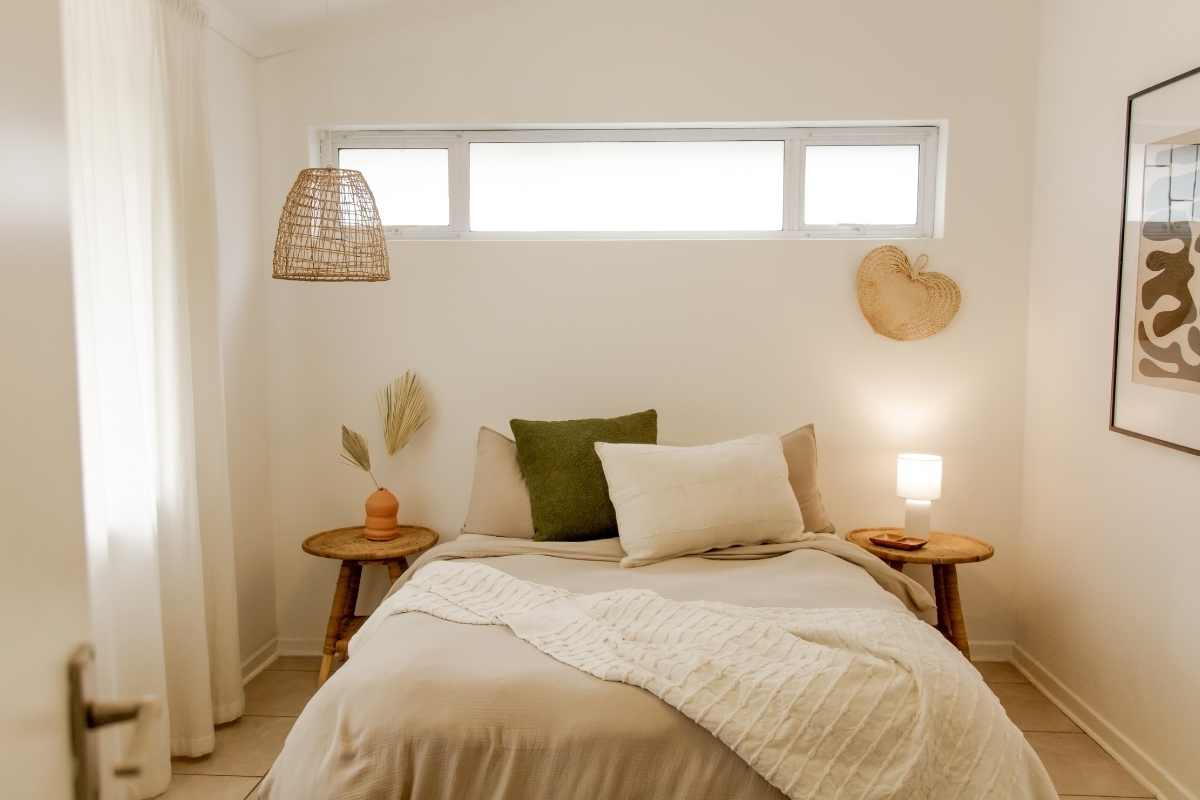 Warm, low-brightness lighting after sunset supports natural melatonin production.
Regulate Temperature and Air Quality for Restful Sleep
Your body needs to drop its core temperature by 2–3°F to initiate and maintain deep sleep, so a slightly cool bedroom is a non-negotiable part of any sleep friendly bedroom setup. Poor air quality, high humidity, or stale air can disrupt breathing, increase nighttime awakenings, and reduce overall sleep quality, even if you’re not consciously aware of the disruption.
The ideal sleep temperature range of 60–68°F (15–20°C) is recommended by the National Sleep Foundation, as it supports the natural drop in core body temperature needed to initiate and maintain deep sleep National Sleep Foundation bedroom temperature guidance. This range works for most people, but you can adjust slightly based on personal preference—if you sleep hot, aim for the lower end of the range, and if you sleep cold, add layers rather than turning up the heat.
To optimize temperature and air quality in your space:
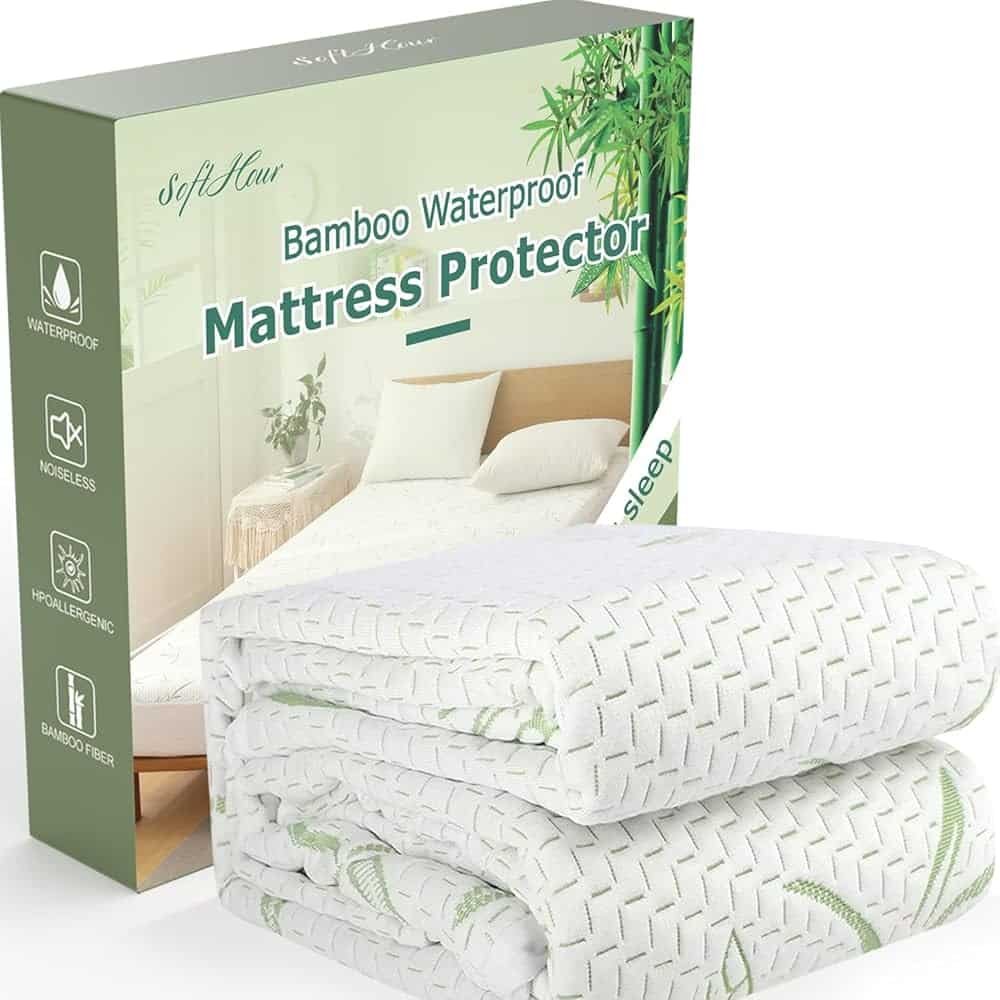
- Use breathable, moisture-wicking bedding materials like cotton, linen, or bamboo to avoid overheating, especially if you tend to sleep hot.
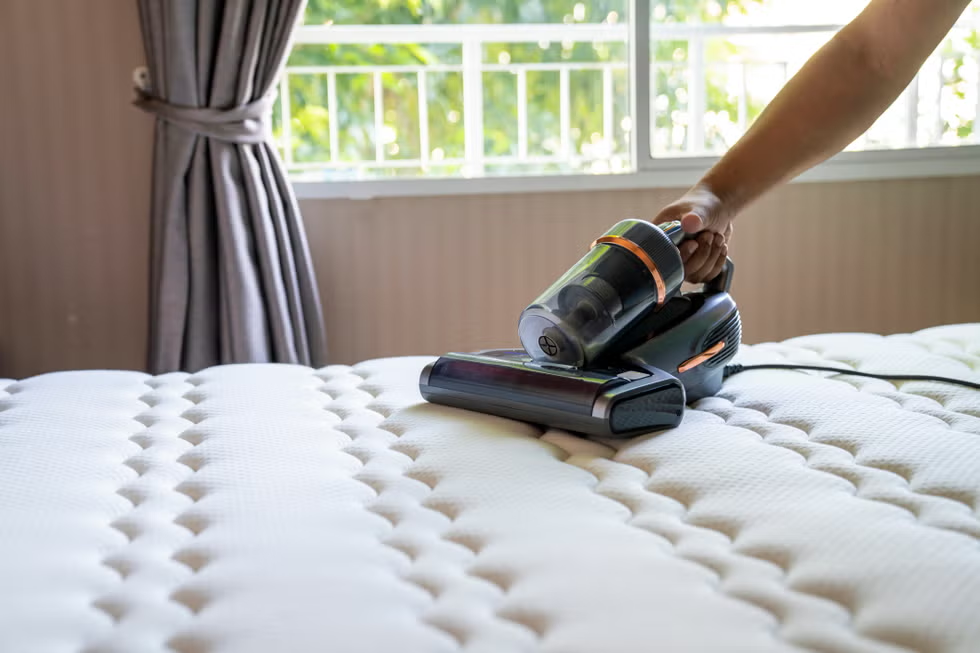
- Add a quiet fan or HEPA air purifier to improve airflow, reduce allergens like dust mites and pet dander, and provide steady, gentle white noise to mask disruptive sounds.
- Open windows for 10–15 minutes before bed to flush out stale, CO2-rich air, if outdoor temperatures and noise levels allow.
- Use a humidifier or dehumidifier to keep indoor humidity between 30–50%, which reduces dry skin, irritated airways, and mold growth that can disrupt sleep.
- If allergies are a consistent sleep disruptor, pair an air purifier with a washable bed protector to trap allergens that accumulate in your mattress over time.
A quiet fan is one of the most versatile sleep tools you can buy: it cools the room, provides steady masking noise, and improves air circulation for under $30.
 A quiet fan doubles as a cooling tool and gentle white noise source.
Choose Bedding and Mattress Options for Comfort and Support
The right mattress and bedding are the foundation of a comfortable sleep friendly bedroom setup, but “comfort” is highly personal. The best options for you will depend on your sleep position, body type, and temperature preferences, but all quality sleep surfaces share two key traits: adequate support for spinal alignment and breathability to prevent overheating.
A mattress that doesn’t support your natural spinal alignment will cause pressure points, leading to tossing and turning and morning soreness, while non-breathable bedding traps heat and disrupts deep sleep.
To choose bedding that supports your rest:
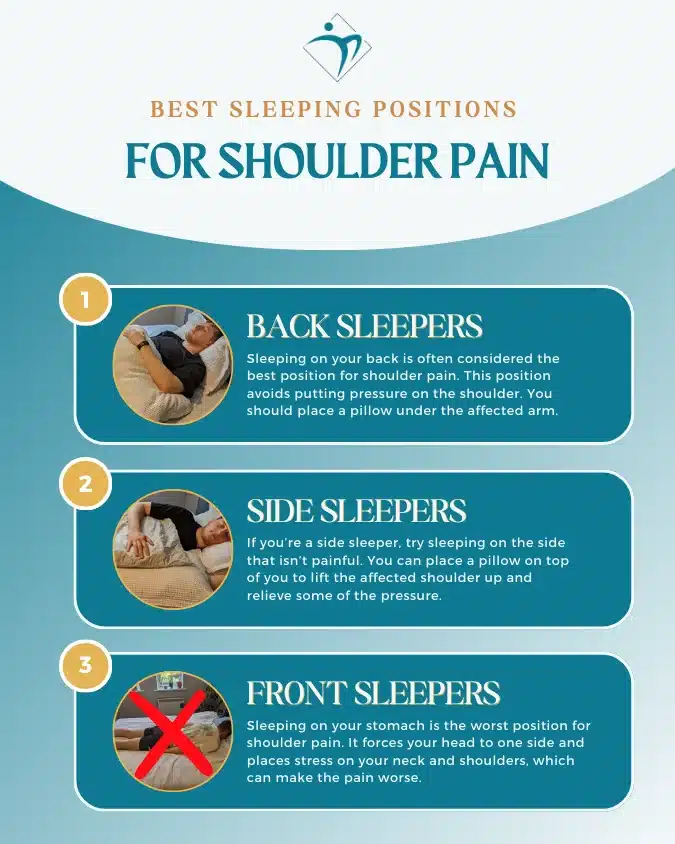
- Select mattress firmness based on your primary sleep position: soft to medium-firm for side sleepers (to cushion hips and shoulders), medium-firm for back sleepers (to support the lower back), and firm for stomach sleepers (to keep the spine neutral and avoid sinking).
- Pick a pillow with a loft (height) that matches your sleep position: 4–6 inches for side sleepers, 3–4 inches for back sleepers, and 2–3 inches for stomach sleepers, to keep your neck aligned with your spine.
- Opt for breathable, moisture-wicking sheets made of cotton, linen, or bamboo to reduce heat retention and wick away sweat.
- Replace pillows every 1–2 years and mattresses every 7–10 years, or sooner if you notice sagging, lumps, or consistent morning soreness.
- If you use a plush mattress topper to boost comfort, proper upkeep matters: our guide to reviving a flattened feather topper can help you avoid replacing it early. If you’re debating a topper to adjust your mattress feel without a full replacement, our guide to cutting a topper to size can help you customize fit for odd bed frames or mattress shapes.
I once slept on a mattress that was too soft for my back-sleeping position, and woke up with hip pain every morning for weeks. Switching to a medium-firm model eliminated the pain and added 45 minutes of deep sleep per night, per my sleep tracker data. Small, targeted bedding upgrades often deliver bigger improvements than a full room redesign.
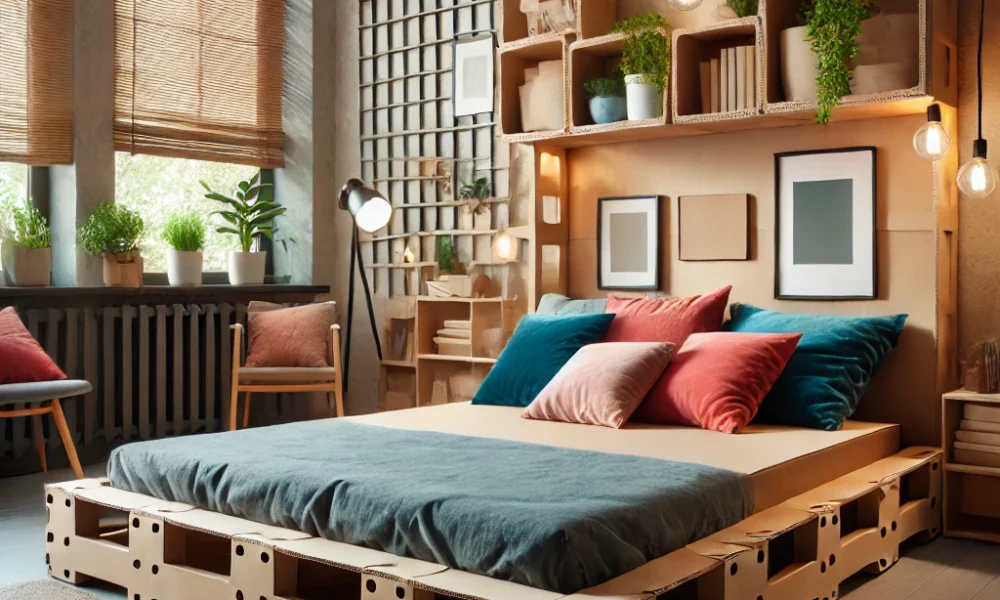 Supportive, breathable bedding reduces pressure points and overheating.
Minimize Noise with Sound Control and Masking
A quiet bedroom is ideal for sleep, but absolute silence is rarely possible, especially if you live in an urban area, have roommates, or have noisy neighbors. A sleep friendly bedroom setup uses a combination of noise reduction and sound masking to minimize disruptive awakenings, because intermittent, unpredictable noise (like a car horn or a barking dog) is far more likely to wake you than steady, consistent background sound.
To reduce noise disruptions:
- Install weatherstripping around doors and windows to reduce external noise by 10–15 decibels, enough to make most street traffic unnoticeable.
- Use thick, heavy curtains or acoustic panels on walls to absorb echoing sound inside the room.
- Try a white noise machine, fan, or free white noise app with steady, low-volume sounds like rain, fan hum, or low-frequency brown noise to mask sudden disruptions.
- Place noisy appliances (like air purifiers, fans, or AC units) on soft rubber pads to reduce vibration noise, and keep them at least 3 feet from your bed.
- Use soft silicone or wax earplugs with a noise reduction rating (NRR) of 25–30 for very loud environments, if you find foam earplugs uncomfortable.
I recommend testing 2–3 different masking sounds for a week each to find what works best for you. My clients report the biggest improvements when they choose a single consistent sound and play it every night, as the brain learns to tune it out over time while still masking sudden disruptions.
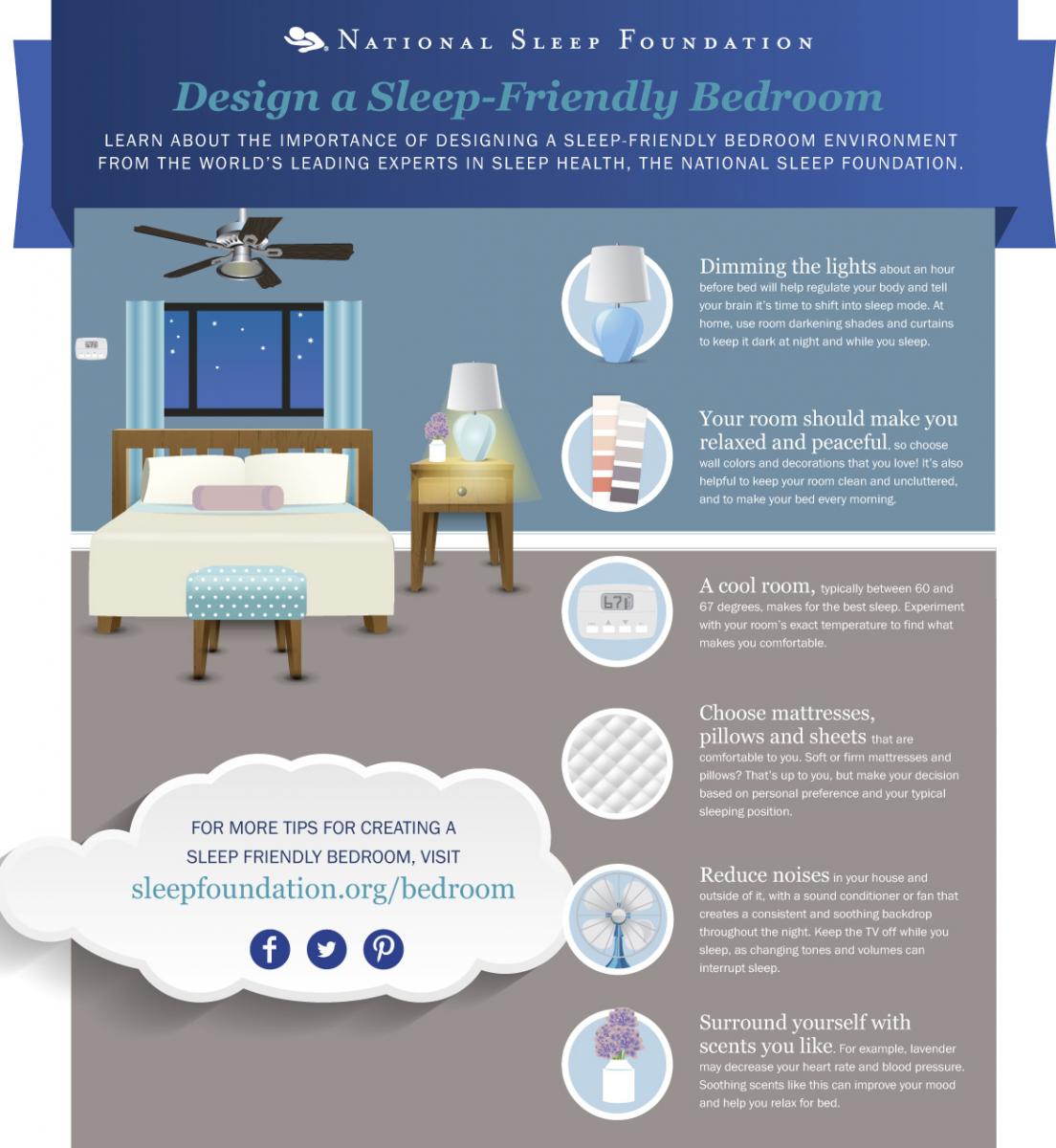 Soundproofing and steady masking noise reduce disruptive awakenings.
Simplify Layout and Reduce Clutter for a Calm Mental Space
Your bedroom’s layout and visual clutter have a subtle but powerful impact on your ability to fall and stay asleep. Your brain forms strong associations between spaces and activities: if you use your bed for work, scrolling, or stressful conversations, it will stop associating the bed exclusively with rest, making it harder to wind down when you climb in. Visual clutter, bright decor, and disorganization can also increase subconscious stress, leading to micro-awakenings that reduce overall sleep quality.
To create a layout that supports rest:
- Keep the bed clear of work laptops, school supplies, and electronic devices; reserve the bed for sleep and intimacy only to strengthen the rest association.
- Position the head of your bed against a solid wall, not under a window or directly facing the door, to feel more secure and reduce subconscious stress (a principle rooted in both feng shui and sleep psychology).
- Use soft, muted colors for walls, bedding, and decor to reduce visual stimulation; avoid bright reds, oranges, or neon accents in the bedroom.
- Store clutter out of sight in closed cabinets or drawers, and keep nightstands clear of unnecessary items to create a calm, uncluttered visual field.
- If you have limited space, use under-bed storage to keep items out of sight rather than stacking them on surfaces around the room.
I used to stack work books and to-do lists on my nightstand, and found I would wake up in the middle of the night thinking about unfinished tasks. Clearing the surface entirely cut those night awakenings within three days. Treating the bedroom as a sanctuary, not a multipurpose space, is one of the easiest ways to improve sleep quality without any cost.
 Removing work items and clutter from the bedroom strengthens the sleep-space association.
Use Technology Strategically to Support, Not Disrupt, Sleep
Technology is a double-edged sword for a sleep friendly bedroom setup: screens emit blue light that suppresses melatonin and stimulates mental activity, but smart devices can also automate environmental adjustments to remove the burden of manual routine changes. The key is to use tech to reduce friction for sleep, not add more stimulation.
To use technology in a way that supports rest:
- Remove TVs from the bedroom entirely if possible, as late-night viewing is a common cause of delayed sleep onset and reduced deep sleep.
- Set phones and tablets to Do Not Disturb mode 30 minutes before bed, and place them face down and out of reach (or in another room entirely) to avoid the temptation to scroll.
- Use blue-light filters and night modes on devices if you must use them in the evening, but note that these filters do not eliminate all stimulating effects of screen light— a screen-free buffer is still ideal.
- Automate smart lights, thermostats, and blackout shades to adjust to your sleep schedule automatically: set lights to dim to 10% brightness 30 minutes before your target bedtime, and the thermostat to drop to your preferred sleep temperature at the same time.
- If you need your phone as an alarm, place it across the room from your bed, so you have to get up to turn it off in the morning, which also helps you wake up more alert.
I tested automated lighting routines for a month, and found that automatic dimming half an hour before bed cut my evening screen time by 70% and made winding down feel natural, not like a chore. Use tech to automate healthy habits, not to replace intentional rest time.
 Smart automations can adjust lighting and temperature without evening screen use.
Build Complementary Sleep Habits for Long-Term Results
A sleep friendly bedroom setup is only one piece of the sleep puzzle. Consistent pre-sleep habits train your brain and body to wind down automatically, making it easier to fall asleep and stay asleep even if your environment isn’t perfect. These habits work synergistically with your bedroom setup to create a reliable, restful sleep system.
To build habits that support your space:
- Establish a consistent 30–60 minute wind-down routine before bed, with activities that lower cortisol (the stress hormone) like light stretching, reading a physical book, taking a warm shower, or practicing deep breathing.
- Go to bed and wake up at the same time every day, even on weekends, to keep your circadian rhythm consistent. Even 30 minutes of variation in your sleep schedule can cause “social jet lag” that reduces sleep quality and leaves you feeling groggy during the day.
- Avoid caffeine after 2pm if you go to bed at 10pm, as caffeine has a half-life of 5–6 hours, meaning half the caffeine you consume at 2pm is still active in your system at 8pm.
- Avoid large meals, vigorous exercise, and stressful conversations in the 2 hours before bed, as these raise core body temperature and cortisol levels, making it harder to fall asleep.
- If you wash your hair at night, avoid sleeping with soaking wet hair, which can cause friction damage, frizz, and even scalp irritation. Our guide to healthy wet hair bedtime routines can help you protect your hair while still keeping your pre-sleep routine intact. If you wear straightened hair to bed, our tips for protecting straightened hair overnight can prevent frizz and heat damage without sacrificing sleep comfort. If you struggle to stick to a consistent sleep schedule, pairing your bedroom setup with a simple consistent bedtime routine can help train your brain to wind down automatically at the same time each night.
I once struggled with late-night work emails that kept me wired until midnight. Setting a strict 9pm work off-time, followed by a short ritual of caffeine-free tea and 20 minutes of reading, improved my sleep onset time by 20 minutes within three days. Small, repeatable habits create powerful, long-term sleep improvements.
 A consistent wind-down routine trains your brain to prepare for sleep.
Low-Cost Upgrades That Deliver Big Sleep Improvements
You don’t need to spend thousands of dollars to build a sleep friendly bedroom setup. Prioritizing high-impact, low-cost changes first will deliver better results than scattered, expensive purchases. Focus on changes that address the biggest disruptors first: light, sound, and temperature, before investing in luxury bedding or decor.
High-ROI budget upgrades to try:
- Install blackout curtains or use a thick, dark sheet over existing blinds to block external light, for $20–$50. This is a renter-friendly option that works as well as permanent blackout shades for most people.
- Swap bright, blue-toned bulbs for warm 2700K LED bulbs in bedside lamps, for $5–$10 per bulb.
- Use a portable fan or free white noise app for sound masking, instead of a $100+ dedicated white noise machine.
- Upgrade your pillow first before investing in a new mattress: a pillow that supports your neck and sleep position can reduce pain and tossing and turning for $20–$50, a fraction of the cost of a new mattress.
- If you prefer a plush, cloud-like feel without the cost of a new mattress, a feather topper is a great option, and our guide to fixing a split feather topper can help you repair minor damage instead of replacing it entirely. Pillows that collect sweat, hair product, and skin oils need regular cleaning to stay supportive—we’ve covered proper care for bamboo pillow options to extend their lifespan.
I helped a friend transform their sleep space for under $150 total: blackout curtains, a new side-sleeper pillow, and a bedside dimmer cut their sleep onset time by 25 minutes and reduced nighttime awakenings by half within two weeks. Small, targeted changes almost always outperform large, scattered purchases when building a sleep friendly bedroom setup.
 Low-cost, high-impact upgrades can transform your sleep space without a full renovation.
Test and Refine Your Setup Over Time
Sleep needs are highly individual, so what works wonders for one person may have no effect (or even a negative effect) for another. The best way to build a sleep friendly bedroom setup that works for you is to test changes one at a time, track your results, and adjust based on what you observe.
To test changes effectively:
- Change only one variable at a time (e.g., add blackout curtains first, then test a white noise machine a week later) so you can clearly identify which changes improve your sleep.
- Track your sleep for 7–14 days per change, using a simple paper journal, a wearable sleep tracker, or a sleep app. Note not just how long you sleep, but how often you wake up, how rested you feel in the morning, and any changes in daytime energy.
- Be patient: some changes, like adjusting to a new pillow or blackout curtains, can take 7–14 days to show full effects, as your body adapts to the new environment.
- If a change doesn’t improve your sleep after two weeks, don’t be afraid to revert it and try a different approach.
From my experience working with sleep clients, consistent tracking over short, focused periods leads to steady, long-term improvements. Tweak slowly, celebrate small wins, and avoid the temptation to overhaul your entire space at once, which can lead to decision fatigue and inconsistent results.
Frequently Asked Questions
What is the most important element of a sleep friendly bedroom setup?
The most impactful, low-cost change for most people is optimizing light exposure: installing blackout curtains to block external light and using warm, low-brightness bulbs after sunset to support natural melatonin production. Even small light disruptions can reduce deep sleep by 20% or more for light-sensitive sleepers.
How cold should my bedroom be for the best sleep?
Aim for a temperature between 60–68°F (15–20°C) for most people. Cooler room temperatures support the natural drop in core body temperature needed to initiate deep sleep, but you can adjust slightly based on personal preference.
Are blackout curtains necessary for a sleep friendly bedroom setup?
Blackout curtains are highly recommended, especially if you live in an urban area with streetlights, have early morning sun in your bedroom, or are a light-sensitive sleeper. For renters who can’t install permanent curtains, a thick, dark sheet hung over existing blinds works almost as well to block light.
Can white noise improve my sleep?
Yes. Steady, consistent white noise or brown noise (like a fan hum, rain, or low-frequency static) masks sudden, unpredictable noises that would otherwise trigger micro-awakenings. It’s especially helpful for light sleepers, people who live in noisy areas, or anyone with tinnitus.
Should I remove all electronics from my bedroom?
Ideally, yes. Removing TVs and limiting phone use in the 1–2 hours before bed reduces blue light exposure and mental stimulation that can delay sleep onset. If you need to keep devices in the room for an alarm or accessibility reasons, set them to Do Not Disturb, turn off notifications, and place them face down and out of reach.
Can I sleep with a weighted blanket in a sleep-friendly bedroom?
Yes, weighted blankets (weighing 10–15% of your body weight) can reduce anxiety and improve sleep quality for many people by providing gentle, calming pressure. Choose a breathable material like cotton if you sleep hot, and avoid weighted blankets if you have respiratory issues or mobility limitations that make it hard to remove the blanket quickly.
Do I need to make my bedroom completely dark if I have anxiety or night terrors?
No. For people with anxiety, night terrors, or a fear of the dark, a very low-level red or amber night light provides enough light to feel safe without suppressing melatonin production. Complete darkness is ideal for most people, but your comfort and sense of safety are more important than strict rules.
What’s the fastest way to improve my sleep friendly bedroom setup?
Start with light control: install blackout curtains or use an eye mask, and swap bright evening bulbs for warm, low-brightness options. This single change often delivers the biggest noticeable improvement in sleep onset and quality for the least cost and effort.
Final Thoughts
A sleep friendly bedroom setup doesn’t require a full renovation or expensive purchases. By focusing on the core pillars of light control, temperature regulation, comfort, noise reduction, and intentional habits, you can build a space that supports your natural sleep biology and helps you wake up feeling refreshed.
Start small this week: pick one low-effort change, like swapping your bedside bulb for a warm low-lumen model or adding a 10-minute screen-free buffer before bed, and track how your sleep shifts over the next two weeks. For more guidance on building a consistent, restful routine, explore our step-by-step better sleep routine to create a system that works for your unique lifestyle and needs.

Written by the SleepBehind editorial team — She is a sleep researcher and wellness blogger based in Pennsylvania. Passionate about helping people optimize their sleep.