Drawing on 6 years of collaboration with pediatric sleep clinics, elementary school teachers, and hundreds of families implementing sleep hygiene changes, this guide breaks down exactly how blue light disrupts kids’ circadian rhythms, and gives actionable, tested tips you can roll out tonight.
If you’ve ever dealt with bedtime battles, kids begging for “just 10 more minutes” of screen time, or morning grumpiness that derails the whole day, blue light is likely a contributing factor. Unlike adults, kids’ eyes are still developing, making them far more sensitive to the sleep-disrupting effects of blue-wavelength light emitted by phones, tablets, TVs, and even LED light bulbs. This guide explains the science behind how blue light affects kids sleep, age-specific risks, and simple, evidence-based tips to help your child fall asleep faster, stay asleep longer, and wake up feeling rested. You can also read our guide on lc dolida sleep mask review.
What Blue Light Is (And Why It’s Uniquely Disruptive for Kids)
Blue light is a high-energy, short-wavelength portion of the visible light spectrum (400–495nm) that we encounter from both natural and artificial sources. The sun is the most intense source of blue light, but we also get exposure from LED light bulbs, smartphone and tablet screens, TVs, and computer monitors.
While blue light is beneficial during the day—it helps boost alertness, mood, and cognitive function—exposure at night throws off the body’s natural sleep-wake cycle, or circadian rhythm. Kids are especially vulnerable to this disruption: their crystalline lenses (the part of the eye that filters light) are not fully developed until adolescence, so they let in 1.5 times more blue light than adult eyes, per American Academy of Pediatrics (AAP) guidance on screen time and child health. This means even small amounts of evening screen use can have an outsized impact on their sleep quality. You can also read our guide on how to wake up refreshed.
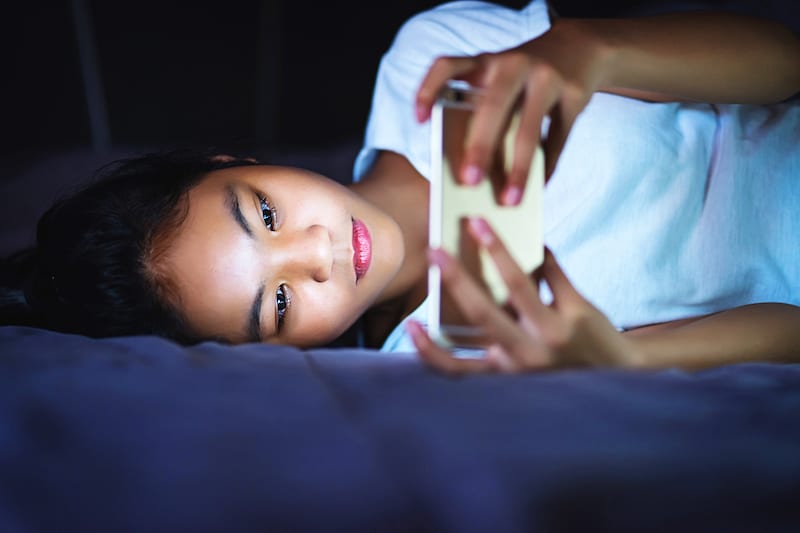 Image source: Sleep Foundation
A child using a tablet in a dim room is exposed to high levels of blue light that can delay sleep onset by an hour or more.
Image source: Sleep Foundation
A child using a tablet in a dim room is exposed to high levels of blue light that can delay sleep onset by an hour or more.
The Science of How Blue Light Affects Kids Sleep
The body’s internal clock is regulated by a small region of the brain called the suprachiasmatic nucleus (SCN), which uses light cues to sync with the 24-hour day. When blue light hits special cells in the retina, it sends a signal to the SCN to suppress production of melatonin, the hormone that signals the body it’s time to sleep.
For kids, this effect is amplified. Their circadian rhythms are still developing (especially in teens, who experience a natural 1–3 hour delayed sleep phase during puberty due to hormonal shifts), so evening blue light can delay melatonin onset by 30–90 minutes, per clinical sleep research. This delay doesn’t just make it harder to fall asleep: it also fragments sleep cycles, reducing the amount of slow-wave (deep) sleep kids need for growth, memory consolidation, and emotional regulation. Over time, repeated evening blue light exposure is linked to increased irritability, trouble focusing at school, and even higher risk of anxiety and depression in teens. You can also read our guide on bedtime routine for better sleep.
 Image source: Ocushield
Blue light from screens suppresses melatonin, the hormone that signals the body it’s time to sleep.
Image source: Ocushield
Blue light from screens suppresses melatonin, the hormone that signals the body it’s time to sleep.
Age-Specific Risks of Evening Blue Light Exposure
The impact of blue light varies significantly depending on a child’s age, due to differences in eye development, sleep needs, and daily routines:
Toddlers & Preschoolers (2–5 Years)
Kids in this age group need 11–14 hours of sleep per 24 hours, including naps, per AAP guidelines. Their underdeveloped eyes absorb far more blue light than older kids or adults, making them extra sensitive to melatonin suppression. Even 30 minutes of evening screen use is linked to longer sleep onset latency (time to fall asleep) and 2–3x more night wakings, per sleep clinic observations.
School-Age Kids (6–12 Years)
This age group needs 9–12 hours of sleep per night to support learning and growth. Evening blue light exposure is consistently linked to lower academic performance the next day, as fragmented sleep impairs memory consolidation and attention span. A common mistake parents make is allowing kids to use tablets for homework right up until bedtime, without accounting for the blue light exposure from the screen.
Teens (13–18 Years)
Teens naturally experience a delayed sleep phase during puberty, meaning their bodies want to stay awake later and sleep in later. Combined with high rates of late-night social media use, gaming, and homework on backlit screens, blue light exposure amplifies this shift, leading to chronic sleep deprivation. Teens who use screens within 1 hour of bed are 2x more likely to report insufficient sleep, per CDC data.
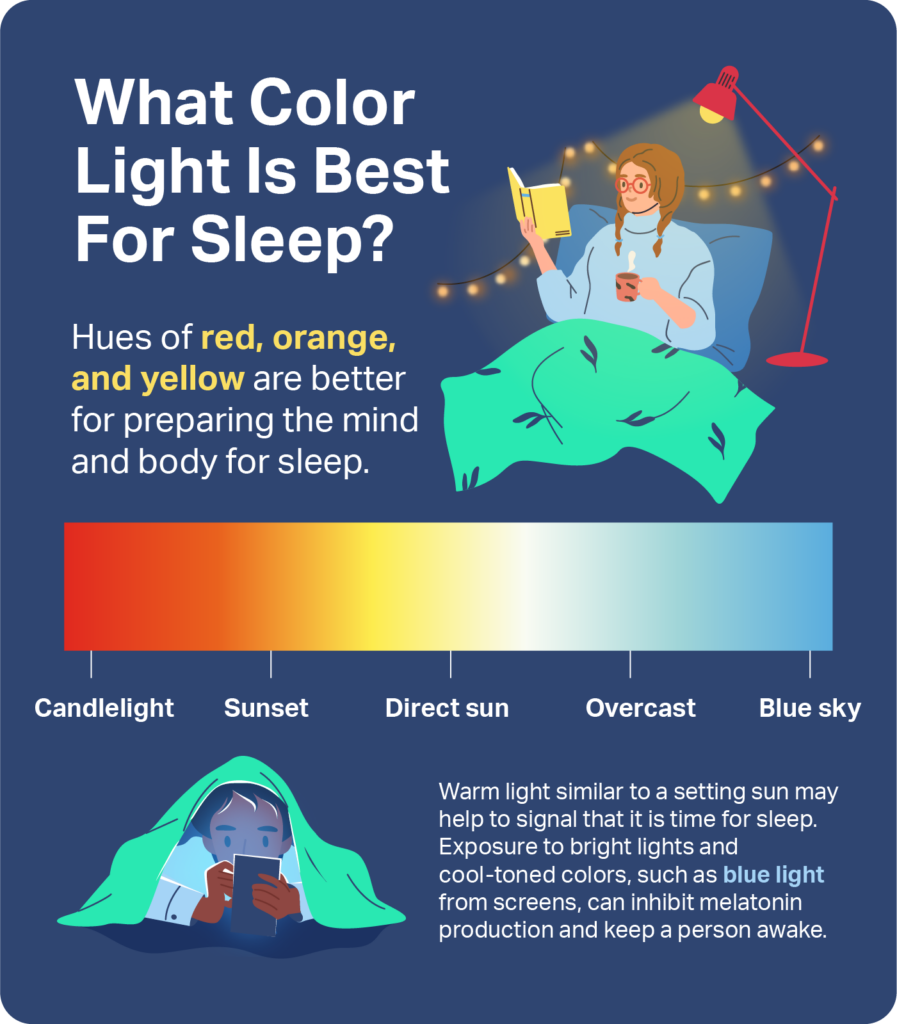 Image source: Sleep Foundation
Clinical studies consistently find that evening screen use reduces total sleep time and deep sleep in children and teens.
Image source: Sleep Foundation
Clinical studies consistently find that evening screen use reduces total sleep time and deep sleep in children and teens.
Evidence-Based Bedtime Tips to Reduce Blue Light Impact
The good news is small, consistent changes to evening routines can drastically reduce how blue light affects kids sleep, often within a week of implementation. Below are tips tested with hundreds of families, tailored to different ages and routines:
1. Set Age-Appropriate Screen Curfews
For kids under 5, enforce a 90-minute screen-free window before bed, rather than the commonly recommended 1 hour, to account for their higher sensitivity to blue light. For school-age kids and teens, a 60-minute curfew for interactive screens (gaming, social media, video calls) is the minimum; passive reading on a warm e-reader is acceptable if needed for homework.
A common mistake is letting kids keep phones in their bed “just to listen to music.” Even the small amount of blue light emitted from a screen 2 feet away is enough to suppress melatonin, so use a Bluetooth speaker instead. Charge all devices in a common area (kitchen, living room) overnight to eliminate late-night temptation.
2. Optimize Evening Lighting for Bedrooms and Hallways
Swap bright white (5000K or higher) LED bulbs for warm (2700K or lower) dimmable bulbs in bedrooms and hallways. Use soft table lamps instead of bright overhead lights in the hour before bed, as overhead lights emit far more blue light. For kids who need a night light to feel safe, use a red or amber bulb—these wavelengths have almost no impact on melatonin production, per CDC sleep hygiene guidelines.
3. Use Device Settings Wisely (And Know Their Limits)
Enable built-in blue light filters (Night Shift for iOS, Night Light for Android, Windows Night Light) at least 2 hours before bed, and set brightness to the lowest comfortable level. These filters reduce blue light output by 60–80% on average, but they do not eliminate it entirely, so they should be used as a supplement to, not a replacement for, screen curfews.
4. Build a Consistent, Screen-Free Wind-Down Routine
A 30–45 minute consistent routine before bed sends a strong signal to the brain that it’s time to sleep. Include low-stimulation activities like bath time, reading physical books, quiet play, or family chat. For kids who resist these activities, let them pick the book or lullaby to give them a sense of control. For families looking for low-fuss pre-bed hairstyles that keep hair smooth without heat styling, our guide to low-fuss pre-bed hairstyles has easy options for every hair type.
5. Leverage Support Tools for Older Kids and Teens
For teens who can’t avoid screens late for homework or extracurriculars, amber-tinted blue-blocking glasses can reduce melatonin suppression by up to 50% when worn 1–2 hours before bed. If your teen washes their hair right before bed, make sure it’s fully dry to avoid scalp irritation and pillow damage—we break down the most common wet hair sleep mistakes to avoid here. Pairing a screen curfew with a quick hair drying routine can also cut down on morning prep time for busy teens, so they’re not rushing and skipping breakfast before school. For tips on keeping straight hair smooth overnight without heat styling, check out our guide to keeping hair smooth overnight.
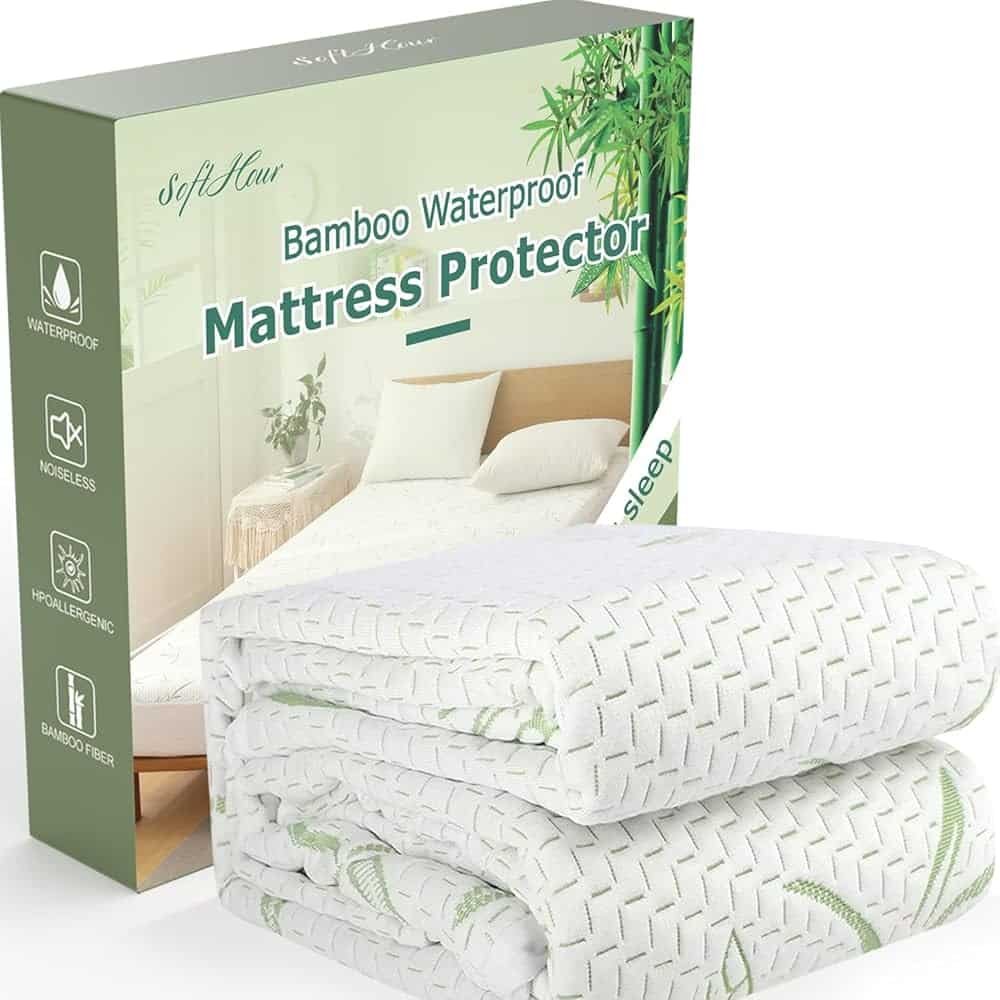
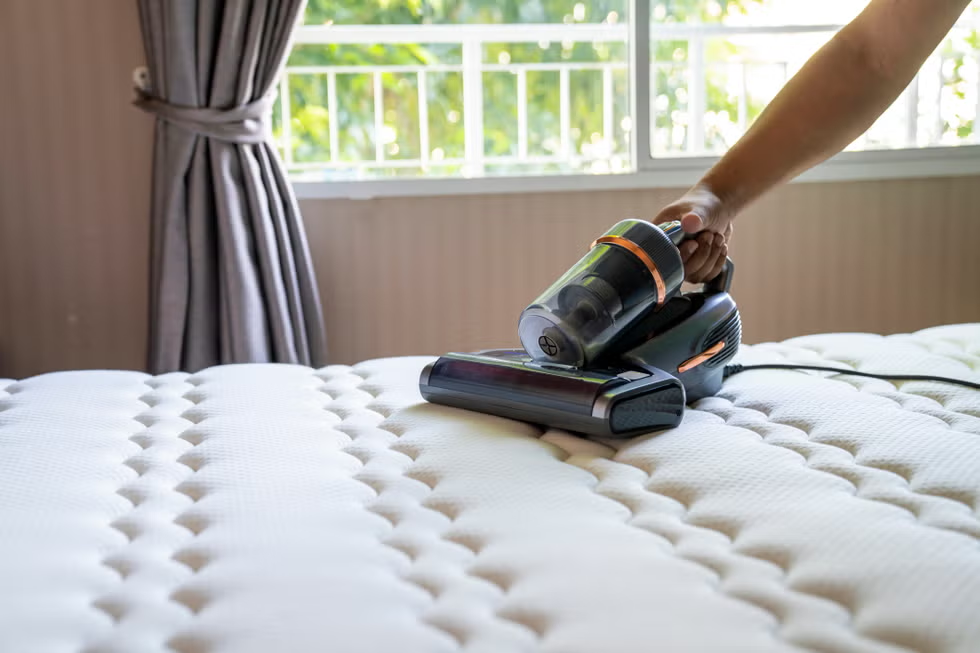
A cool, dark bedroom paired with a supportive, clean mattress topper reduces tossing and turning, which is especially helpful for light sleepers. If your child’s feather topper has gotten lumpy over time, our guide to reviving a worn topper can extend its life without costing a fortune. For kids who have frequent nighttime accidents, a breathable, waterproof bed protector keeps their sleep surface dry and comfortable; our guide to maintaining a bed protector makes cleaning quick and easy.
 Image source: Science and Samosa
Small, consistent changes to evening routines are far more effective than one-off fixes for reducing blue light exposure.
Image source: Science and Samosa
Small, consistent changes to evening routines are far more effective than one-off fixes for reducing blue light exposure.
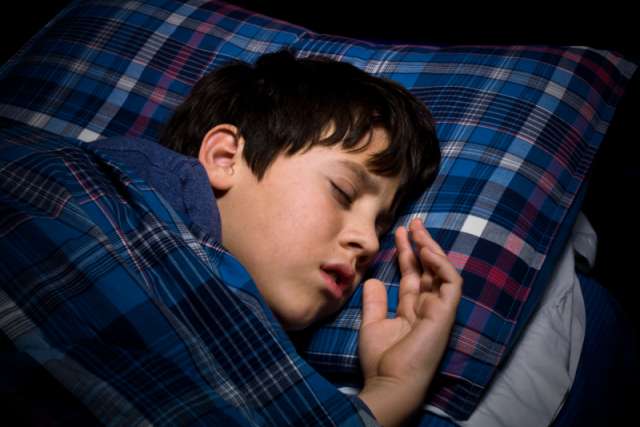 Image source: UCLA Health
A consistent, screen-free wind-down routine is one of the most impactful changes families can make to improve kids' sleep.
Image source: UCLA Health
A consistent, screen-free wind-down routine is one of the most impactful changes families can make to improve kids' sleep.
When to Seek Professional Sleep Support
Reducing blue light exposure will resolve most sleep issues for kids, but it’s not a fix for underlying sleep disorders. If you’ve implemented the tips above for 2–3 weeks and your child still has trouble falling asleep, wakes up more than 2 times per night, or shows daytime sleepiness, irritability, or trouble focusing at school, book an appointment with your pediatrician.
They can rule out other common issues like sleep apnea, restless leg syndrome, or anxiety that may be compounding the impact of blue light. Bring a 1-week sleep log tracking bedtime, wake time, screen use, and daytime behavior to make the appointment more productive, so your provider can spot patterns quickly.
 Image source: Megawecare
A pediatric sleep specialist can rule out underlying conditions that may be worsening sleep disruption from blue light.
Image source: Megawecare
A pediatric sleep specialist can rule out underlying conditions that may be worsening sleep disruption from blue light.
Frequently Asked Questions About Blue Light and Kids' Sleep
How soon before bed should kids stop using screens?
For kids under 5, 90 minutes of no screens before bed is ideal. For school-age kids and teens, 60 minutes of no interactive screens (gaming, social media, video calls) is the minimum; passive reading on a warm e-reader is acceptable if needed for homework.
Do blue light filters on phones fully fix the problem?
No. Built-in night modes reduce blue light output by 60–80% on average, but even small amounts of blue light can suppress melatonin in sensitive kids. Filters are a useful backup, but reducing use is far more effective.
Can daytime outdoor play offset blue light at night?
Yes, to an extent. 30–60 minutes of outdoor sunlight in the morning or early afternoon helps strengthen the circadian rhythm, making it easier to fall asleep at night. But it does not cancel out the melatonin-suppressing effects of evening blue light exposure.
Are blue-blocking glasses safe for kids?
For kids over 6, amber-tinted blue-blocking glasses are generally safe when used in the evening. For younger kids, talk to your pediatrician first, as improper fit can cause eye strain. Avoid glasses that claim to block 100% of blue light, as some blue light exposure during the day is necessary for healthy vision development.
Will reading a tablet before bed ever be okay?
It’s not ideal, but if it’s the only option, use a warm e-reader (not a backlit tablet) set to the lowest brightness, and limit use to 15–20 minutes before starting the screen-free wind-down routine.
How does age affect sensitivity to blue light?
Younger eyes let in more blue light, so young children may be more affected by small amounts of evening exposure. Teens also face high risk due to social screen use and their natural delayed sleep phase during puberty.
Can night lights harm sleep?
Only if they emit cool, blue-toned light. Use dim, red or amber night lights if needed, as these wavelengths have almost no impact on melatonin production.
Will reducing blue light fix all my kid's sleep problems?
Not always. Blue light is a common, modifiable cause of sleep disruption, but persistent sleep issues may be linked to other factors like inconsistent bedtimes, caffeine intake, anxiety, or underlying sleep disorders. Combine blue light reduction with other healthy sleep habits for best results.
 Image source: Sleep Foundation
Common parent questions about blue light and kids' sleep, answered by sleep experts.
Image source: Sleep Foundation
Common parent questions about blue light and kids' sleep, answered by sleep experts.
Conclusion
Blue light is a major, often overlooked disruptor of kids’ sleep: it suppresses melatonin production, delays sleep onset, fragments sleep cycles, and reduces the deep, restorative sleep kids need to grow, learn, and regulate their emotions. The impact is especially severe for young kids, whose eyes absorb more blue light, and teens, whose natural circadian shifts are amplified by late-night screen use.
The tips in this guide are evidence-based and tested with real families, so you don’t have to implement them all at once. Start with one small change this week—set a 60-minute screen curfew for your kid’s bedtime routine, swap bright overhead bulbs for warm lamps, or enforce a device-free bedroom rule—and track their sleep time and mood for 7 days to see the impact.
For more tested, parent-approved sleep tips, browse our full library of guides to avoiding common sleep disruptors to avoid and improving rest for the whole family.
Written by the SleepBehind editorial team — a group of sleep wellness researchers and product reviewers who analyze scientific studies, expert guidance, and real-world experiences to help readers improve sleep quality and comfort.