

Sleep masks are a staple for light sleepers, shift workers, and people with insomnia, and are recommended as part of evidence-based CDC sleep hygiene recommendations to improve sleep quality. But after weeks of nightly use, they accumulate oil, sweat, skincare residue, dead skin cells, and even dust or pet dander, which can cause breakouts, eye irritation, and reduced light-blocking performance. This guide breaks down material-specific cleaning methods, step-by-step instructions, and expert tips to keep your mask fresh, functional, and in good condition for years, no fancy supplies required.
 Source: 1000kingdoms
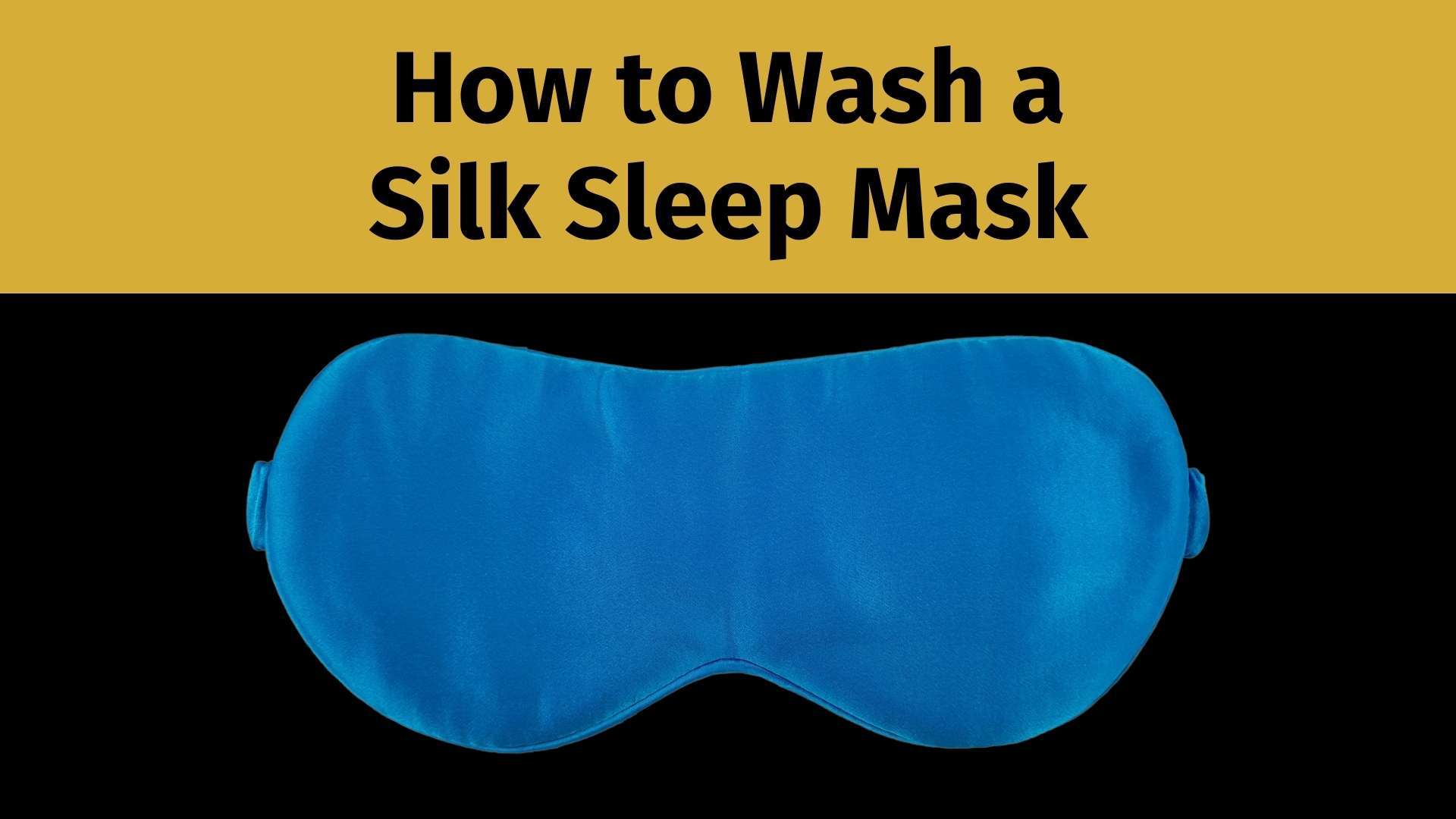
A well-maintained silk sleep mask stays soft and light-blocking for years
Source: 1000kingdoms
A well-maintained silk sleep mask stays soft and light-blocking for years
Why Cleaning Your Sleeping Mask Is Non-Negotiable
Sleep masks sit directly against the delicate skin around your eyes, nose, and cheeks for 6 to 10 hours every night. Over that time, they accumulate sebum (skin oil), sweat, dead skin cells, leftover night cream or retinol, and environmental dust. Left uncleaned, this buildup can cause acne mechanica (friction-related breakouts) around the eye area, bacterial irritation that worsens rosacea or eczema, and even increased risk of conjunctivitis if bacteria transfer to your eyes. For contact lens wearers, a dirty mask can also trap debris that leads to eye discomfort or infection. You can also read our guide on how to wear sleeping mask.
Beyond hygiene, regular cleaning preserves the mask’s core function: blocking out light. Buildup in the fabric weave or foam padding reduces light-blocking ability, so even a mask that looked perfect new will fail at its job if it’s not washed regularly. Proper care also extends the mask’s lifespan by 2 to 3 times, saving you from replacing a $20 to $50 mask every few months, and maintains its elastic fit so it stays securely in place all night. For contact lens wearers or people with sensitive skin, pairing your mask cleaning schedule with common wet hair sleep issues that transfer excess moisture to your bedding can reduce overall bacterial exposure.
How Often Should You Clean Your Sleeping Mask?
Cleaning frequency depends on how often you use your mask, your skin type, and your pre-bed routines:
- Daily users (7+ nights per week): Wash every 7 to 10 days, no exceptions. Even if you don’t wear makeup, skin sheds 30,000 to 40,000 dead cells per hour overnight, which accumulate on the mask.
- Occasional users (1-3 times per week, naps only): Wash every 2 to 3 weeks, but always wash after a single use if you wore it while sick, sweated heavily, or used heavy skincare products.
- Makeup wearers: Wash after every 2 to 3 uses, as foundation, concealer, and setting spray transfer to the mask and can stain fabric permanently if left to set.
- Oily or acne-prone skin: Shorten your cleaning interval to every 5 to 7 days to avoid bacterial buildup that triggers breakouts.
- Immediate wash triggers: If your mask has a lingering odor, visible discoloration, or feels stiff or grimy to the touch, wash it immediately, even if it’s not on your regular schedule. Waiting will only set stains and make odors harder to remove.
 Source: youtube
Cleaning frequency varies based on how often you wear your mask and your skin type
Source: youtube
Cleaning frequency varies based on how often you wear your mask and your skin type
Supplies You’ll Need For Safe Cleaning
Using the right supplies prevents damage to delicate fabrics and avoids skin irritation. Skip harsh chemicals, abrasive scrubbers, and fabric softener — these do more harm than good for most mask materials:
- Mild, fragrance-free liquid detergent or baby shampoo: Harsh detergents, bleach, or fabric softener can break down natural fibers (silk, bamboo) and degrade elastic straps. For people with sensitive skin, the American Academy of Dermatology recommends using fragrance-free formulas to avoid irritation around the delicate eye area (AAD laundry guidance).
- Lukewarm (not hot) water in a clean basin or sink: Hot water shrinks natural fibers and breaks down foam padding. Cold water doesn’t dissolve detergent effectively, so lukewarm (around 90°F / 32°C) is the ideal temperature.
- Soft, clean microfiber towel for blotting: Rough terry cloth towels can snag silk or damage foam padding. Microfiber is gentle and absorbs excess water without rubbing.
- Mesh laundry bag (for machine washing): Prevents straps from tangling, snagging, or stretching during the wash cycle.
- Clean, flat drying surface: A drying rack or clean towel laid over a flat surface avoids stretching the mask’s shape. Never hang a wet mask from a hook, as the weight of the water will warp the fabric and stretch the elastic.
- Soft-bristled brush (for spot cleaning and embellished masks): An old, clean toothbrush works perfectly for gently scrubbing around beads, embroidery, or padded edges without damaging details.
 Source: ellesilk
Using mild, fabric-safe supplies prevents damage to delicate mask materials
Source: ellesilk
Using mild, fabric-safe supplies prevents damage to delicate mask materials
Step-by-Step Hand-Washing Method (Best For Most Masks)
Hand washing is the safest option for all delicate masks, including silk, memory foam, weighted, and embellished styles. It protects padding, preserves elastic, and avoids the harsh agitation of a washing machine:
- Fill your basin with 2 to 3 cups of lukewarm water and add 1 to 2 teaspoons of mild detergent. Swirl to mix, avoiding excessive suds that are hard to rinse out of delicate fabrics.
- Submerge the mask fully, then gently squeeze the water through the fabric 3 to 4 times. Avoid twisting, wringing, or rubbing aggressively, as this can stretch elastic and weaken fibers.
- For masks with visible makeup, sunscreen, or oil buildup, gently rub the affected areas between your fingers for 10 to 15 seconds. For padded masks, press the padding gently to work out dirt — don’t scrub.
- Rinse under cool running water until all soap residue is gone. To test, rub the fabric between your fingers — if it feels slimy, there’s still detergent left, which can irritate skin over time.
- Lay the mask flat on a clean microfiber towel, then cover it with a second towel. Press down gently to absorb excess water. Never wring or twist the mask to remove water, as this ruins the shape and seams.
- Lay the mask flat on a fresh, dry towel in a shaded, well-ventilated area, away from direct sunlight, radiators, or hair dryers. Flip it over every 30 minutes to speed up drying. Most masks will be fully dry in 2 to 4 hours, depending on thickness.
Pro tip: If you have a silk or satin mask, turn it inside out before washing to protect the outer sheen. For masks with adjustable straps, adjust them to their original length before washing to avoid stretching. You can also read our guide on how to wash drowsy sleep mask.
 Source: co
Hand washing is the safest method for most delicate sleep mask fabrics
Source: co
Hand washing is the safest method for most delicate sleep mask fabrics
Machine-Washing Method (When It’s Safe To Do So
Only machine-wash your sleep mask if the care label explicitly states it is machine-safe. Even then, follow these steps to avoid damage:
- Place the mask inside a mesh laundry bag, and zip it closed. If your mask has a removable cover, take it off and wash it separately in its own bag to avoid snagging.
- Set your washing machine to the gentlest cycle available (usually labeled "delicate" or "hand wash") with cold water (below 80°F / 27°C). Hot water will shrink elastic and warp foam padding.
- Use only 1 teaspoon of mild detergent — extra detergent won’t make the mask cleaner, and will leave residue that irritates skin.
- Skip the fabric softener entirely. Fabric softener coats fibers, reducing their light-blocking ability and breaking down natural materials like silk and bamboo over time. Using a mesh laundry bag for machine-washable masks works the same way as the gentle care recommended for gentle mattress protector care to avoid snagging or stretching delicate edges.
- After the cycle ends, remove the mask from the laundry bag immediately. Reshape it while it’s still damp, then lay it flat to air dry as outlined in the drying section. Never put a sleep mask in the dryer, even on low heat, unless the care label explicitly allows it.
Honest trade-off: Machine washing is convenient for busy people, but even with a laundry bag, it will wear out elastic and fabric faster than hand washing. For expensive silk or memory foam masks, hand washing is always the safer choice.
 Source: manitosilk
A mesh laundry bag prevents straps and edges from snagging or stretching in the washer
Source: manitosilk
A mesh laundry bag prevents straps and edges from snagging or stretching in the washer
Material-Specific Cleaning Guidelines
Different mask materials require tailored care to avoid damage. Follow these guidelines for the most common sleep mask types:
Silk and satin masks
Silk and satin are delicate fibers prone to shrinking and losing their sheen if treated roughly. Hand wash in cold water with a detergent formulated for silk or delicates. Avoid rubbing or twisting, and never expose to direct sunlight, which will fade the fabric. For extra shine, you can add a tiny splash of white vinegar to the final rinse, but only if your care label permits it — vinegar can degrade some silk finishes if used too often. You can also read our guide on how to wash waterproof mattress cover.
Memory foam and padded masks
Memory foam is absorbent, so soaking it will trap moisture inside and lead to mold and mildew growth that you can’t see or remove. Always remove the fabric cover first (if it’s removable) and wash it separately by hand or machine. To clean the foam itself, dampen a clean cloth with lukewarm water and a drop of mild detergent, then gently dab the surface to lift dirt and oils. Avoid saturating the foam — it should be barely damp. Let the foam air dry completely for 24 hours in a well-ventilated area before putting the cover back on or using the mask.
Heated and electronic sleep masks
Unplug the mask and remove any batteries or rechargeable packs before cleaning. Wipe the exterior surface with a cloth dampened with water and mild soap — never submerge any part of the mask in water, as this will ruin the internal heating elements and create an electrocution risk. Follow the manufacturer’s care instructions exactly, as some heated masks have specific temperature limits for cleaning.
Beaded, embroidered, or embellished masks
Delicate beads, sequins, or embroidery can snag or fall off during washing. Hand wash only, using a soft-bristled brush to gently scrub around embellishments. Avoid machine washing entirely unless the care label explicitly states it is safe, and even then, use a mesh bag and a delicate cycle.
Bamboo masks
Bamboo is a durable, moisture-wicking natural fiber that’s easy to care for. Hand wash in cold water with mild detergent, or machine wash on a delicate cycle in a mesh bag. Bamboo is more resistant to shrinkage than silk, but avoid high heat to preserve its softness. Bamboo masks follow the same gentle cleaning rules as bamboo bedding items, so our bamboo bedding care guidelines apply here too.
Weighted sleep masks
Weighted masks have glass beads or plastic pellets sewn into the padding. Hand wash only to avoid breaking the seams that hold the weights in place. Don’t wring or twist the mask, as this can tear the seams and spill the weights. Lay flat to dry, and avoid hanging, as the weight of the mask will stretch the fabric.
 Source: drowsysleepco
Different sleep mask materials require tailored cleaning approaches to avoid damage
Source: drowsysleepco
Different sleep mask materials require tailored cleaning approaches to avoid damage
Drying, Storage, And Long-Term Maintenance
Drying and storage are just as important as washing to keep your mask in good condition:
- Always air dry flat: Hanging a wet mask from a hook or drying rack will stretch the elastic and warp the padding, leading to a loose, ill-fitting mask that slips off during the night. Lay it on a clean, dry towel on a flat surface, flipping it every 30 minutes to speed up drying.
- Avoid direct heat and sunlight: Radiators, hair dryers, and direct sun will shrink elastic, warp foam, and fade fabric. If you’re in a hurry, set up a fan nearby to speed up air flow, but don’t use artificial heat.
- Store in a breathable, dust-free space: A clean cotton drawstring bag or a closed drawer works best. Avoid plastic bags, which trap moisture and encourage mold growth. If you store your mask in a drawer, add a small silica gel packet to absorb excess moisture. Letting your mask fully air out between uses follows the same principle as bamboo bedding rest guidelines to prevent moisture buildup and odor.
- Rotate between two masks if you use one nightly: This gives each mask 24 hours to fully air out between uses, reducing buildup and extending its lifespan. You’ll also have a spare if one is still drying when you need it.
- Pre-treat stains before washing: If you have a makeup or sunscreen stain, dab it with a small amount of mild detergent or oil-based makeup remover before washing to lift the stain before it sets.
 Source: youtube
Air drying flat preserves the mask's shape and prevents elastic stretching
Source: youtube
Air drying flat preserves the mask's shape and prevents elastic stretching
Common Cleaning Mistakes To Avoid
Even small missteps can shorten your mask’s lifespan by months or years. Steer clear of these common errors:
- Using bleach, harsh detergents, or fabric softener: These break down natural fibers, degrade elastic, and leave residue that irritates skin around the eyes. Even "color-safe" bleach can damage delicate fabrics like silk and satin.
- Wringing or twisting the mask to remove water: This stretches elastic, warps padding, and tears seams, leading to a loose, ill-fitting mask that slips off during the night.
- Using hot water for cleaning: Hot water shrinks natural fibers, breaks down foam, and weakens elastic. Even if you’re trying to "kill germs," hot water does more harm than good to your mask’s structure.
- Machine drying: Even on a low heat setting, dryers will shrink fabric, warp foam, and break down elastic. Always air dry flat.
- Ignoring the care label: The care label is written by the manufacturer based on the specific materials used in your mask. If it says "hand wash only," don’t risk machine washing, even if other similar masks are machine-safe.
- Storing the mask while still damp: Damp storage leads to mold and mildew growth, which causes odors and can trigger allergic reactions. Always make sure the mask is 100% dry before storing it.
- Using abrasive scrubbers: Scouring pads or stiff brushes will snag silk, satin, and padded fabrics, leaving permanent damage. Use only soft cloths or soft-bristled brushes for spot cleaning.
 Source: com
Avoiding these common errors can extend your sleep mask's lifespan by months or years
Source: com
Avoiding these common errors can extend your sleep mask's lifespan by months or years
Expert-Tested Routine For Busy Sleepers
After testing over 15 consumer sleep masks over the last 3 years, ranging from $10 satin options to $60 silk luxury masks, I’ve developed a low-effort routine that keeps masks fresh without wasting time:
- Keep a small basin of lukewarm water and a bottle of diluted mild detergent by your bathroom sink. After removing your mask in the morning, give it a 30-second quick hand wash if you wore night cream or makeup, or every 3 days if you have oily skin.
- For machine-washable masks, toss them in a mesh laundry bag with your regular delicate laundry (like underwear or bedding) once a week. Skip the fabric softener, and use the gentle cold cycle.
- Lay masks flat to dry on a towel while you get ready in the morning — they’ll be fully dry by the time you leave the house, or you can fold them into a dry towel to speed up drying if you’re in a hurry.
- Rotate between two masks if you use one nightly. This cuts down on washing frequency by half, and ensures you always have a clean mask ready.
A common mistake I see people make is using hot water to "sanitize" masks — this actually breaks down elastic and shrinks fabric, doing far more damage than any bacteria buildup would. I once ruined a $40 silk mask this way, and now I stick to lukewarm water exclusively, even when I’m in a rush. This routine takes less than 5 minutes a week, and has kept my masks in perfect condition for over 2 years, instead of the 6 to 12 months they lasted before I adopted this routine. If you also prioritize keeping your hair smooth overnight, our tips for maintaining straight hair overnight pair well with a clean sleep mask routine to avoid transferring hair product to your mask.
 Source: amazon
A consistent cleaning routine keeps multiple sleep masks fresh and ready to use
Source: amazon
A consistent cleaning routine keeps multiple sleep masks fresh and ready to use
Frequently Asked Questions
How do I clean a silk sleeping mask without ruining it?
Hand wash your silk mask in cold or lukewarm water with a detergent formulated for silk or delicates. Turn the mask inside out first to protect the outer sheen, then gently squeeze the water through the fabric — don’t rub or twist. Rinse thoroughly until no soap residue remains, then press out excess water with a clean towel (don’t wring). Lay flat to air dry in a shaded area, away from direct sunlight, which will fade the fabric. Avoid fabric softener, as it coats silk fibers and reduces their light-blocking ability.
Can I use a washing machine to clean my sleeping mask?
Only if the care label explicitly states the mask is machine-washable. If it is, place it in a mesh laundry bag, use the gentle delicate cycle with cold water and mild detergent, and skip the fabric softener and dryer. Never machine wash masks made of memory foam, weighted materials, or delicate embellishments, even if the fabric cover looks machine-safe.
How do I clean a memory foam sleeping mask?
Never soak memory foam, as it will trap moisture inside and grow mold. First, remove the fabric cover (if it’s removable) and wash it separately by hand or machine. To clean the foam itself, dampen a clean cloth with lukewarm water and a drop of mild detergent, then gently dab the surface to lift dirt and oils. Avoid saturating the foam — it should be barely damp. Let the foam air dry completely for 24 hours in a well-ventilated area before reattaching the cover or using the mask.
How often should I clean my sleeping mask?
Wash your mask every 7 to 10 days if you use it every night. If you only use it for occasional naps, wash every 2 to 3 weeks. Wash immediately after any use where you wore heavy makeup, sweated heavily, or were sick, even if it’s not on your regular cleaning schedule. If you have oily or acne-prone skin, shorten your cleaning interval to every 5 to 7 days to avoid bacterial buildup.
Will cleaning remove odors from my sleeping mask?
Yes, most odors come from built-up sweat, oil, and bacteria, which will be removed with regular washing. For persistent odors, add 1/4 cup of white vinegar to the final rinse of your hand wash, or sprinkle baking soda on the mask, let it sit for 30 minutes, then brush it off before washing. If the odor remains after cleaning, the mask may have mold growth inside the foam or padding, and it’s time to replace it.
Can I use vinegar or baking soda to clean a sleeping mask?
Yes, but use them sparingly. A small amount of white vinegar in the final rinse can help remove detergent residue and odors, but don’t use concentrated vinegar, as it can damage delicate fibers like silk. Baking soda is safe for spot treating stains and deodorizing foam masks, but don’t create a wet baking soda paste, as it can soak into foam padding and cause mold. Always rinse thoroughly after using either product.
Conclusion
Cleaning your sleep mask doesn’t have to be a time-consuming chore. By following material-specific guidelines, using gentle supplies, and avoiding common mistakes like hot water and fabric softener, you can keep your mask fresh, functional, and comfortable for years. A consistent cleaning routine protects your skin from irritation and breakouts, preserves the mask’s light-blocking ability, and saves you money by extending its lifespan far beyond the average 6 to 12 months.
To make care even easier, pick one method from this guide that matches your mask’s material, and add it to your weekly bedding wash routine. For more practical tips to improve your sleep environment, check out our guides to caring for other bedding essentials, from bamboo pillows to mattress protectors.

Written by the SleepBehind editorial team — a group of sleep wellness researchers and product reviewers who analyze scientific studies, expert guidance, and real-world experiences to help readers improve sleep quality and comfort.