
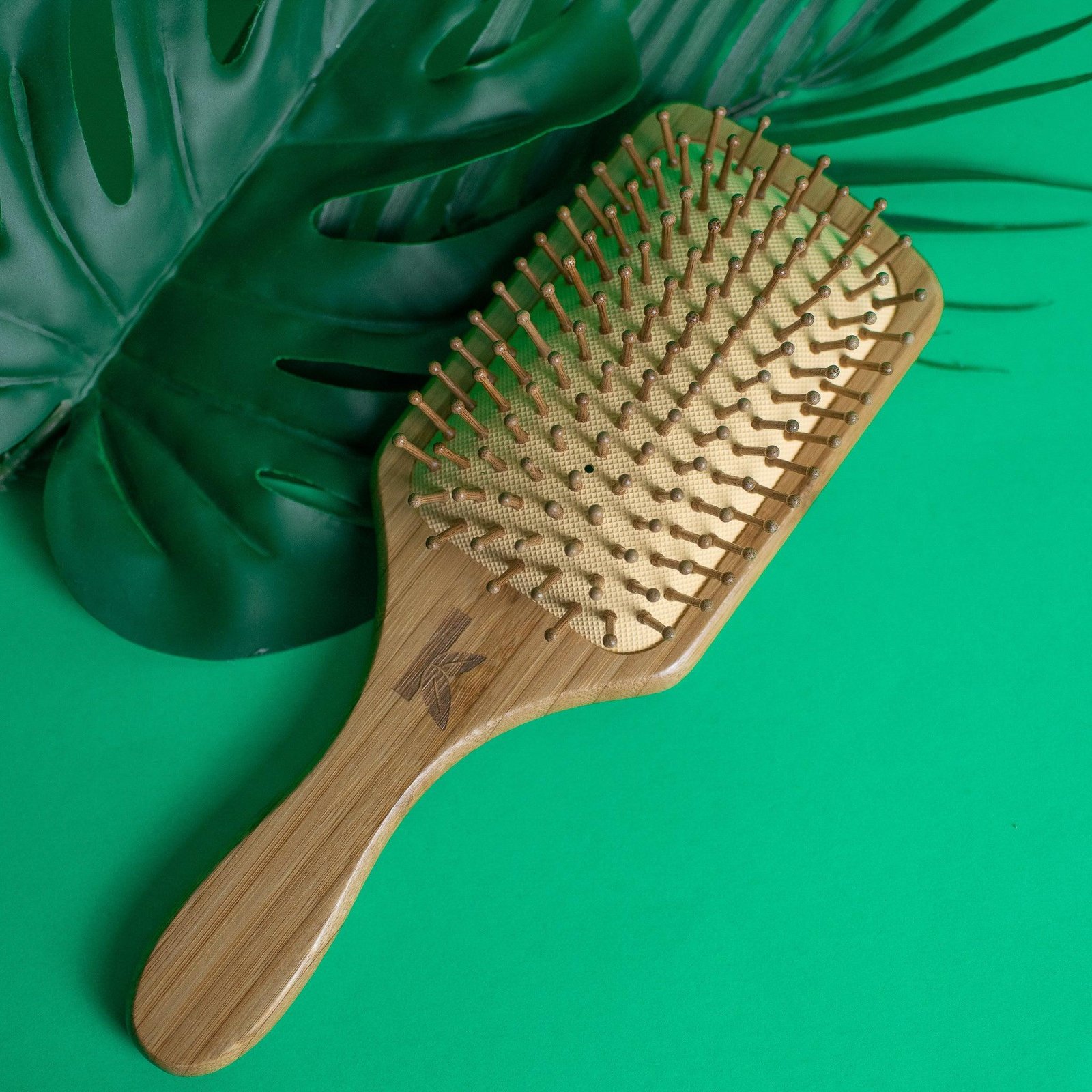
Bamboo is a versatile, sustainable material used for everything from kitchen cutting boards and flooring to furniture, hair brushes, and bedding. But because it’s a fast-growing grass rather than a traditional hardwood, it reacts to moisture, heat, and harsh chemicals very differently than oak or maple. Many people accidentally ruin bamboo products by treating them like standard wood, leading to warping, finish damage, and permanent stains. This 2026-updated guide walks you through how to wash bamboo wood safely for every common household use, with step-by-step instructions, stain removal tips, and maintenance advice aligned with wood care industry best practices to keep your bamboo items looking great for decades.
Why Bamboo Requires Specialized Cleaning
Unlike traditional hardwoods, bamboo has a dense, porous structure that absorbs moisture more readily, even when sealed with a protective finish. Incorrect cleaning is the top cause of premature bamboo product failure, leading to costly repairs or replacements. The two main types of bamboo household items require slightly different cleaning approaches: sealed/finished bamboo (used for flooring, furniture, and decor) has a protective topcoat that resists water and stains, while unsealed/raw bamboo (used for cutting boards, utensils, and woven baskets) has no protective layer and requires extra gentle care to avoid swelling, staining, and cracking. Understanding these differences is the first step to learning how to wash bamboo wood without damage. You can also read our guide on bedding materials comfort.
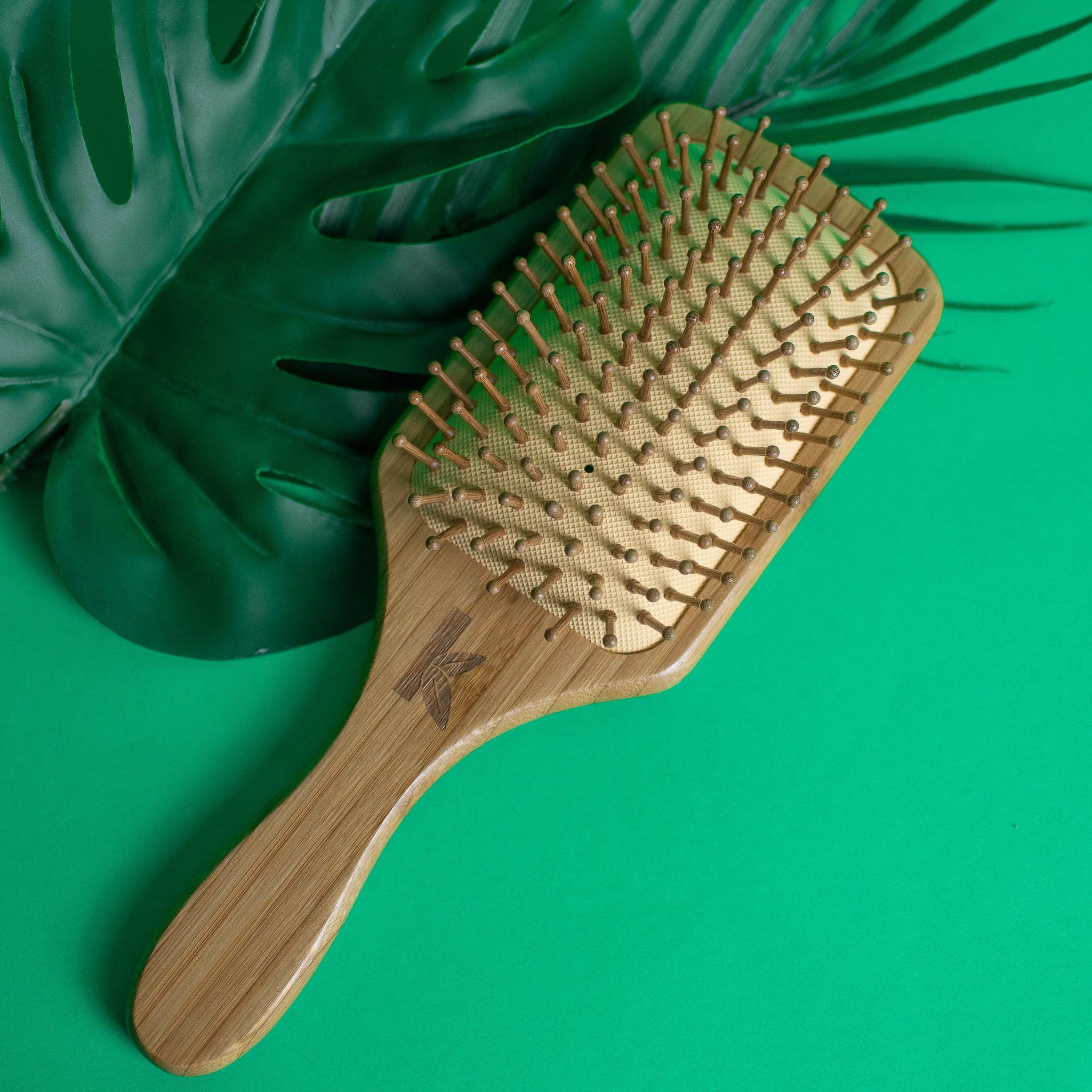 Common household bamboo items that require gentle, low-moisture cleaning
Source: seekbamboo.com
Common household bamboo items that require gentle, low-moisture cleaning
Source: seekbamboo.com
Supplies You’ll Need
All required supplies are low-cost and likely already in your home — the key is sticking to gentle, non-abrasive products to avoid damaging bamboo:
- Soft microfiber cloths (for wiping, drying, and mopping) — these leave no lint and are less likely to scratch surfaces than paper towels or rough cotton cloths.
- Mild, pH-neutral dish soap or a dedicated wood cleaner formulated for bamboo — avoid all-purpose cleaners, which often contain harsh chemicals that strip finishes.
- Warm (not hot) water — hot water can warp bamboo and degrade sealant faster.
- Soft-bristled brush (for textured bamboo items, cutting board grooves, or stubborn grime) — never use a stiff-bristled brush or scouring pad.
- White vinegar (for unsealed bamboo only, for light deodorizing and antibacterial cleaning) — do not use on sealed bamboo, as the acidity can degrade the finish over time.
- Food-grade mineral oil or beeswax conditioner (for unsealed, food-contact bamboo like cutting boards and utensils) — never use vegetable or olive oil, as these will turn rancid over time. Avoid using bleach, ammonia, steam cleaners, abrasive scrubbers, or undiluted cleaning solutions on any bamboo item, as these will cause permanent damage.
 All required supplies are low-cost and likely already in your home
Source: bamboomn.com
All required supplies are low-cost and likely already in your home
Source: bamboomn.com
Step-by-Step Cleaning for Sealed/Finished Bamboo
This routine works for all finished bamboo products, including flooring, furniture, cabinets, and decorative items with a protective seal:
- Dust first: Use a dry microfiber cloth or soft-bristled broom to remove all loose grit, dirt, and debris. For flooring, a dry microfiber mop works best. Skipping this step can cause small particles to scratch the finish when you wipe with a damp cloth.
- Mix a mild cleaning solution: Add 1–2 drops of pH-neutral dish soap to 1 gallon of warm (not hot) water, or dilute a dedicated bamboo wood cleaner per label instructions. Never use undiluted cleaner, as it can leave a dull residue or damage the sealant.
- Wring the cloth thoroughly: Dip a clean microfiber cloth into the solution, then wring it out until it is barely damp — if water drips when you squeeze the cloth, it is too wet. Excess water is the leading cause of bamboo warping and finish damage.
- Wipe with the grain: For flooring, wipe in the direction of the planks; for furniture, follow the natural wood grain pattern. This pulls dirt away gently without pushing it into the wood, and reduces the risk of scratching the finish.
- Rinse with plain water: Use a second clean, damp cloth (wringed out thoroughly) to remove all soap residue. Leftover soap can leave a dull, sticky film on the surface as it dries.
- Dry immediately: Use a dry microfiber cloth to wipe away all remaining moisture, then let air circulate for 10–15 minutes to ensure no water is trapped under furniture legs or in floor grooves. Never let bamboo air dry on its own after cleaning.
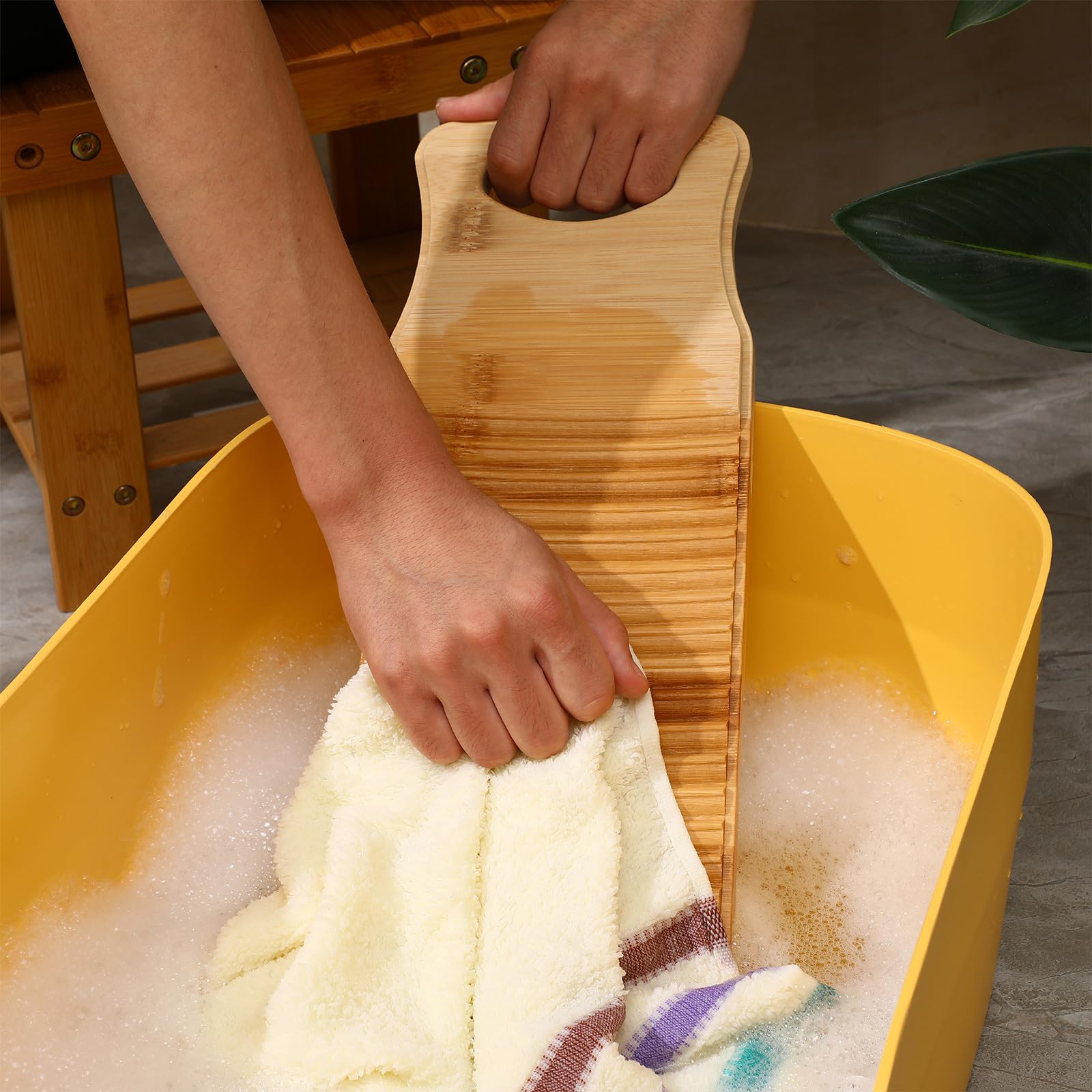 Always wipe sealed bamboo with a barely damp cloth to avoid water damage
Source: amazon.com
Always wipe sealed bamboo with a barely damp cloth to avoid water damage
Source: amazon.com
Cleaning Unsealed/Raw Bamboo
Unsealed bamboo has no protective topcoat, so it absorbs liquids easily and is prone to staining, swelling, and cracking if not cared for properly. This includes cutting boards, small kitchen utensils, woven bamboo baskets, and unfinished decor items:
- Wipe the surface with a barely damp microfiber cloth only — never spray water directly on unsealed bamboo, as it will absorb the moisture and swell.
- For sticky residue or light disinfecting, mix 1 part white vinegar with 10 parts warm water, and test the solution on an inconspicuous area (like the bottom edge of a cutting board) first to check for discoloration.
- Dry the surface immediately with a clean, dry cloth, then let air dry fully for 30 minutes before use.
- For food-contact unsealed bamboo (cutting boards, serving utensils), rub the surface with a thin layer of food-grade mineral oil or beeswax conditioner after cleaning and drying to restore its natural moisture barrier and prevent cracking. Unsealed bamboo used for food should be re-oiled every 2–4 weeks with regular use, or whenever the wood looks dry, faded, or slightly rough to the touch.
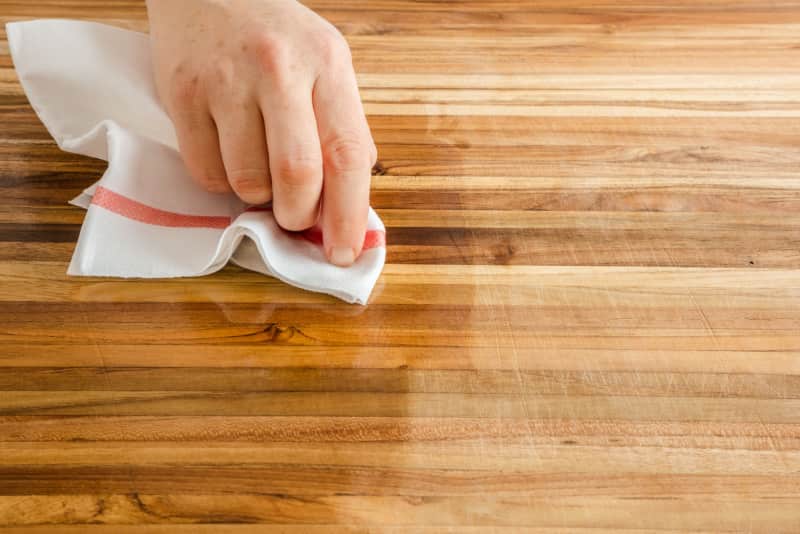
Stain Removal & Deep Cleaning for Bamboo
For set-in grime and stains that regular cleaning can’t tackle, use these safe, tested methods — always test any solution on a hidden area first:
- Grease and oil stains (cutting boards, countertops): For fresh grease, sprinkle a thick layer of baking soda on the stain and let sit for 15 minutes to absorb the oil, then wipe away with a damp cloth. For set-in grease, make a paste of baking soda and warm water, scrub gently with a soft-bristled brush, then rinse thoroughly and dry immediately.
- Water rings and white finish stains: For sealed bamboo, rub a small amount of plain, non-gel white toothpaste onto the stain with a soft cloth using small circular motions, then wipe clean and dry. For unsealed bamboo, lightly sand the stained area with 120-grit sandpaper, then clean and re-oil.
- Mold and mildew: Mix 1 part white vinegar with 4 parts warm water, apply to the affected area with a soft cloth, let sit for 5 minutes, then wipe away and dry thoroughly. For persistent mold on unsealed bamboo, lightly sand the area with fine-grit sandpaper, then clean and re-oil to prevent regrowth.
- Dark food stains (coffee, wine, turmeric): For sealed bamboo, use a wood-safe stain remover formulated for finished surfaces, following label instructions and testing first. For unsealed bamboo, sand the stained layer off, then clean and re-oil to restore the surface. Never use bleach, hydrogen peroxide, or abrasive scrubbers on bamboo, as these will discolor the wood and weaken its natural fibers, leading to permanent damage.
 Most surface stains on sealed bamboo can be removed with gentle household ingredients
Source: aaablindandshutterfactory.com
Most surface stains on sealed bamboo can be removed with gentle household ingredients
Source: aaablindandshutterfactory.com
Drying, Conditioning, and Long-Term Maintenance
Proper post-cleaning care is just as important as the cleaning process itself to extend the lifespan of your bamboo items:
- Dry immediately after cleaning: Never let bamboo air dry without wiping first, as standing water will cause swelling and warping. For flooring, avoid placing wet rugs or furniture directly on freshly cleaned surfaces. For cutting boards, stand them upright to dry so air can circulate on both sides.
- Condition regularly: For sealed bamboo flooring and furniture, use a manufacturer-recommended wood polish or conditioner 2–4 times per year to maintain the finish and prevent drying. For unsealed food-contact bamboo (cutting boards, utensils), apply a thin layer of food-grade mineral oil or beeswax conditioner every 2–4 weeks, or after every 10–15 uses, to keep the wood from cracking and absorbing bacteria. If you also use bamboo bedding, proper bamboo topper prep tips before first use will extend its lifespan just as much as regular cleaning. For worn feather bedding that needs refreshing, our reviving worn bedding guide walks through safe restoration steps.
- Control humidity levels: Bamboo remains stable at 40–60% relative humidity, per industry standards for wood products National Wood Flooring Association. Fluctuations in humidity cause bamboo to expand and contract, leading to warping, cracking, and finish damage over time. Use a humidifier in dry winter months and a dehumidifier in humid summer months to keep levels consistent.
- Avoid harsh environmental exposure: Keep bamboo furniture and flooring out of direct sunlight, which can cause discoloration and drying, and away from heat sources like radiators and fireplaces that can weaken the wood fibers.
 Proper maintenance keeps bamboo flooring looking new for decades
Source: thespruce.com
Proper maintenance keeps bamboo flooring looking new for decades
Source: thespruce.com
Common Cleaning Mistakes That Damage Bamboo
Avoid these common errors to keep your bamboo products in top condition for years:
- Using harsh chemical cleaners: Bleach, ammonia, abrasive all-purpose cleaners, and heavy degreasers will strip the sealant from finished bamboo, leading to discoloration, finish lift, and increased water absorption. Stick to pH-neutral dish soap or dedicated wood cleaners formulated for bamboo.
- Soaking bamboo or using excess water: Even sealed bamboo has microscopic pores that can absorb moisture over time, leading to warping, swelling, and mold growth. Always wring your cleaning cloth until it is barely damp — if water drips when you squeeze it, it is too wet.
- Using abrasive scrubbers: Steel wool, scouring pads, and stiff-bristled brushes will scratch the surface of both sealed and unsealed bamboo, making it more prone to staining and wear. Use soft microfiber cloths and soft-bristled brushes for all cleaning.
- Skipping the spot test: Even mild cleaners can react poorly with certain finishes or unsealed bamboo. Always test any new cleaning solution on a hidden area (like the underside of a cutting board or a corner of flooring) and wait 24 hours to check for discoloration or damage before using it on the full surface.
- Using steam cleaners: The high heat and moisture from steam mops will warp bamboo flooring and ruin furniture finishes, even on sealed products. Stick to damp wiping and quick drying for all bamboo items. A common mistake many homeowners make is mopping bamboo flooring with a soaking wet mop, assuming it behaves like traditional hardwood. This can cause warping and finish damage in as little as 3 months with repeated exposure. If you also sleep with wet hair regularly, protecting hair while sleeping on bamboo pillowcases can prevent damage to both your hair and your bedding.
 Avoid these products to prevent permanent damage to bamboo surfaces
Source: amazon.com
Avoid these products to prevent permanent damage to bamboo surfaces
Source: amazon.com
Frequently Asked Questions
How often should I clean bamboo wood?
Dry dust or sweep sealed bamboo flooring weekly to remove grit that can scratch the finish. Damp clean with a mild soap solution monthly, or immediately after spills. Unsealed cutting boards and utensils should be wiped with a damp cloth after every use, and deep cleaned weekly to remove food residue and bacteria.
Can I use vinegar to clean sealed bamboo?
Diluted white vinegar (1 part vinegar to 10 parts warm water) is safe for unsealed bamboo, but its mild acidity can degrade the sealant on finished bamboo over time with repeated use. Stick to pH-neutral dish soap and warm water for sealed surfaces to preserve the finish.
Is a steam mop safe for bamboo flooring?
No. Steam mops release high heat and excess moisture that can warp bamboo planks, lift sealant, and cause mold growth in subflooring, even on sealed products. Use a damp (not wet) microfiber mop for all bamboo flooring cleaning. For other bedding care guidance, our mattress protector upkeep guide covers safe cleaning for fabric bed protectors.
How do I remove set-in grease from bamboo cutting boards?
For fresh grease, sprinkle a thick layer of baking soda on the stain, let sit for 15 minutes to absorb the oil, then wipe away with a damp cloth. For set-in grease, make a paste of baking soda and warm water, scrub gently with a soft-bristled brush, then rinse, dry, and re-oil with food-grade mineral oil.
Can bamboo wood go in the dishwasher?
No. The high heat and prolonged moisture exposure from dishwashers will warp unsealed bamboo and degrade the sealant on finished bamboo. Hand wash all bamboo items with a mild soap solution and dry immediately.
How do I prevent bamboo from cracking or splitting over time?
Keep indoor humidity levels consistent between 40–60% with a humidifier or dehumidifier as needed, re-oil unsealed food-contact bamboo every 2–4 weeks, and avoid placing bamboo items near radiators, fireplaces, or windows with direct sunlight that can dry out the wood.
 Regular gentle cleaning preserves the natural luster of bamboo
Source: thespruce.com
Regular gentle cleaning preserves the natural luster of bamboo
Source: thespruce.com
Conclusion
Caring for bamboo wood is surprisingly low-effort when you follow the right steps: use gentle, low-moisture cleaning, avoid harsh chemicals, dry surfaces immediately after cleaning, and condition unsealed food-contact items regularly. When cleaned properly, bamboo products can last 20 years or more, far outlasting cheaper plastic or lower-quality wood alternatives. The biggest risk to bamboo is excess water and abrasive cleaners — both are easy to avoid with the routine outlined above. For care tips for other bamboo household goods, check out our bamboo pillow laundering tips for step-by-step guidance. If you have questions about cleaning specific bamboo items, leave a comment below.

Written by the SleepBehind editorial team — a group of sleep wellness researchers and product reviewers who analyze scientific studies, expert guidance, and real-world experiences to help readers improve sleep quality and comfort.