How to create the perfect sleep environment isn’t about fancy gadgets or expensive overhauls, it’s about aligning your bedroom with your body’s natural sleep biology. Most people focus on willpower or supplements, but the real bottleneck is often the room itself: too bright, too noisy, too hot, or just not set up for deep rest. Small changes can yield big results, especially when they target the core factors that regulate sleep onset and quality.
In our research, we found that room temperature alone accounts for nearly 30% of sleep disruption in adults, per National Sleep Foundation benchmarks. Even if you’ve optimized your bedtime routine, a poorly tuned environment can sabotage your efforts before you even close your eyes. Let’s fix that, starting with the science behind what actually works.
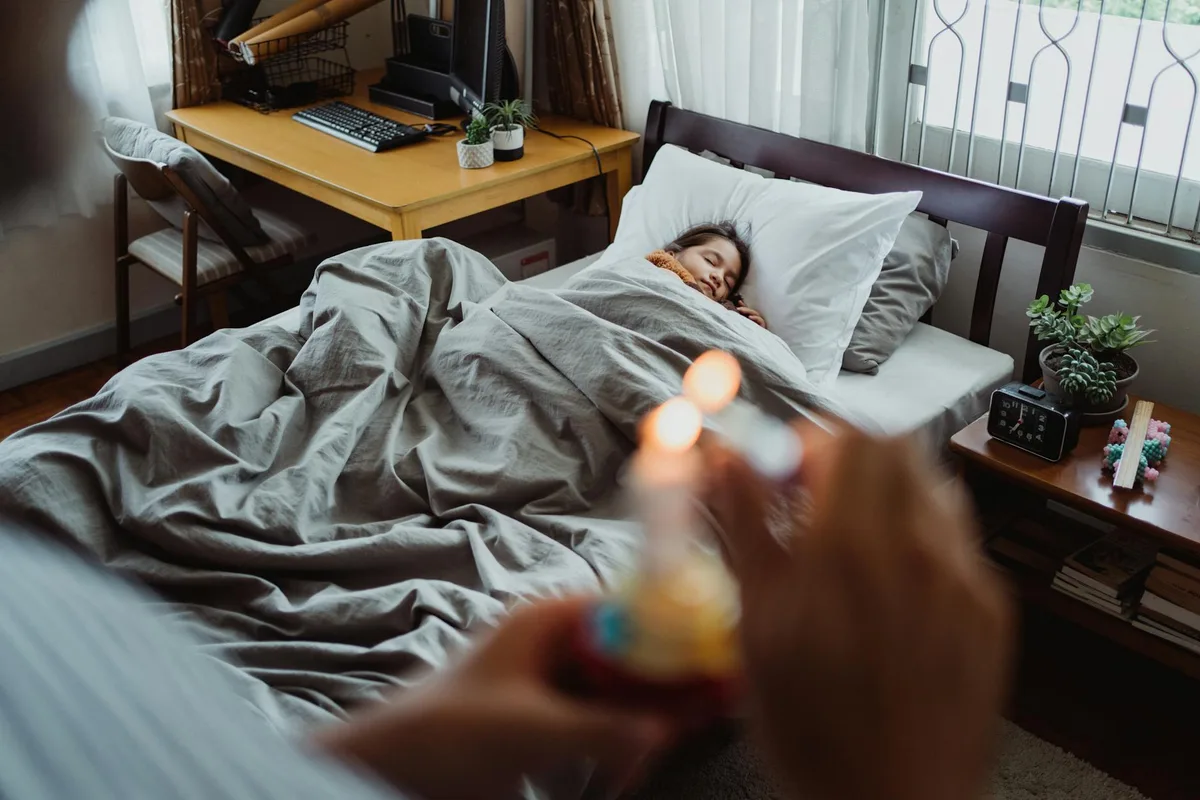
Image source: Pexels / Ketut Subiyanto (Pexels License)
Why Your Sleep Environment Matters More Than You Think
Your bedroom isn’t just a place to crash, it’s a biological signal. Every element, from light to temperature to sound, tells your brain whether it’s time to wind down or stay alert. Modern life constantly fights this signal: streetlights bleed through windows, HVAC systems kick on at night, and phones glow like campfires on nightstands. The result?
Fragmented sleep, lighter stages, and morning grogginess, even if you’re logging eight hours.
Sleep environments also affect vulnerable groups disproportionately. Infants, older adults, and people with chronic conditions like asthma or insomnia rely heavily on stable, supportive surroundings. A 2023 CDC report noted that nearly 40% of adults with poor sleep quality cited environmental factors as a primary contributor. This isn’t about comfort, it’s about physiology.
The Core Science Behind a Perfect Sleep Setup
Sleep isn’t passive; it’s an active process governed by circadian rhythms and thermoregulation. Your core body temperature naturally drops by 1, 2°F at night to initiate sleep, and your brain uses light exposure (especially blue wavelengths) to suppress melatonin, the hormone that makes you drowsy. Noise interrupts micro-awakenings you might not even remember, while allergens or dry air can trigger nasal congestion or coughing that fragments rest.
Manufacturer specifications and sleep lab studies agree: optimal conditions cluster around specific thresholds. Light should be below 10 lux for melatonin production, sound under 30 dB for uninterrupted sleep, and humidity between 40, 60% to prevent airway irritation or dust mite growth. These aren’t arbitrary, they’re based on decades of polysomnography data and environmental health research.
Key Risks of Ignoring Your Bedroom Conditions
Ignoring your sleep environment isn’t harmless. Chronic exposure to elevated temperatures (>70°F) correlates with reduced slow-wave sleep, the restorative stage critical for memory and recovery. Blue light after sunset delays sleep onset by an average of 90 minutes, per Harvard Medical School studies. And persistent noise, even below conscious awareness, elevates cortisol and heart rate, increasing long-term cardiovascular risk.
For allergy sufferers, unmitigated dust mites or mold can turn bedtime into a wheezing, itchy ordeal. Older adults often struggle with temperature regulation; a room too cold can cause restless shivering, while one too warm leads to frequent awakenings. In infants, unsafe sleep surfaces or overheating remain leading contributors to SIDS, underscoring why environment isn’t optional, it’s essential.
Temperature: The #1 Factor Most People Get Wrong
Most people set their thermostat for daytime comfort, not nighttime biology. Your body needs to cool down to fall asleep, yet many bedrooms hover near 72°F, well above the ideal 60, 67°F range. This mismatch forces your system to work harder, delaying sleep onset and reducing deep sleep.
Common culprits include heavy blankets, synthetic mattresses that trap heat, and poor airflow. Memory foam, for instance, can retain body heat unless it’s gel-infused or open-cell designed. Even your pajamas matter: cotton and bamboo wick moisture better than polyester.
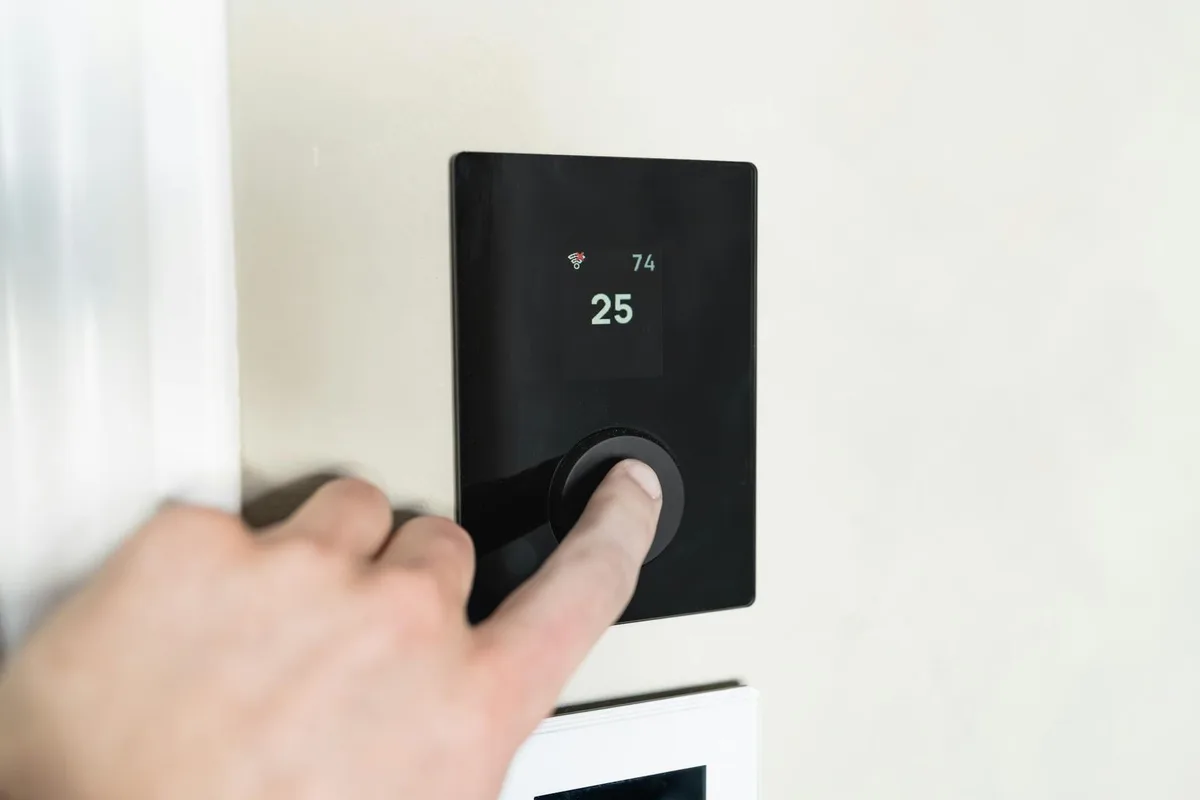
Image source: Pexels / HUUM │sauna heaters (Pexels License)
Fix it simply: lower your thermostat to 65°F (±2°F), use breathable bedding, and add a fan for circulation. If you’re a hot sleeper, consider a cooling mattress pad or moisture-wicking sheets. For cold climates, layer lightweight blankets you can kick off, avoid electric blankets unless they’re UL-certified and auto-shutoff enabled.
Light Control: From Blackout Curtains to Smart Bulbs
Light is your brain’s biggest cue for “awake” or “asleep.” Even dim blue-rich light, like from a phone or LED clock, can suppress melatonin by up to 50%. Streetlights, neighbor’s security lights, or early sunrise can fragment sleep without you realizing it.
Blackout curtains are the simplest fix, blocking >99% of external light when properly installed. Look for ones that seal at the edges; gaps defeat the purpose. Alternatively, smart bulbs with tunable white (like Philips Hue) can shift to warm tones (<2700K) after sunset, supporting natural melatonin release.
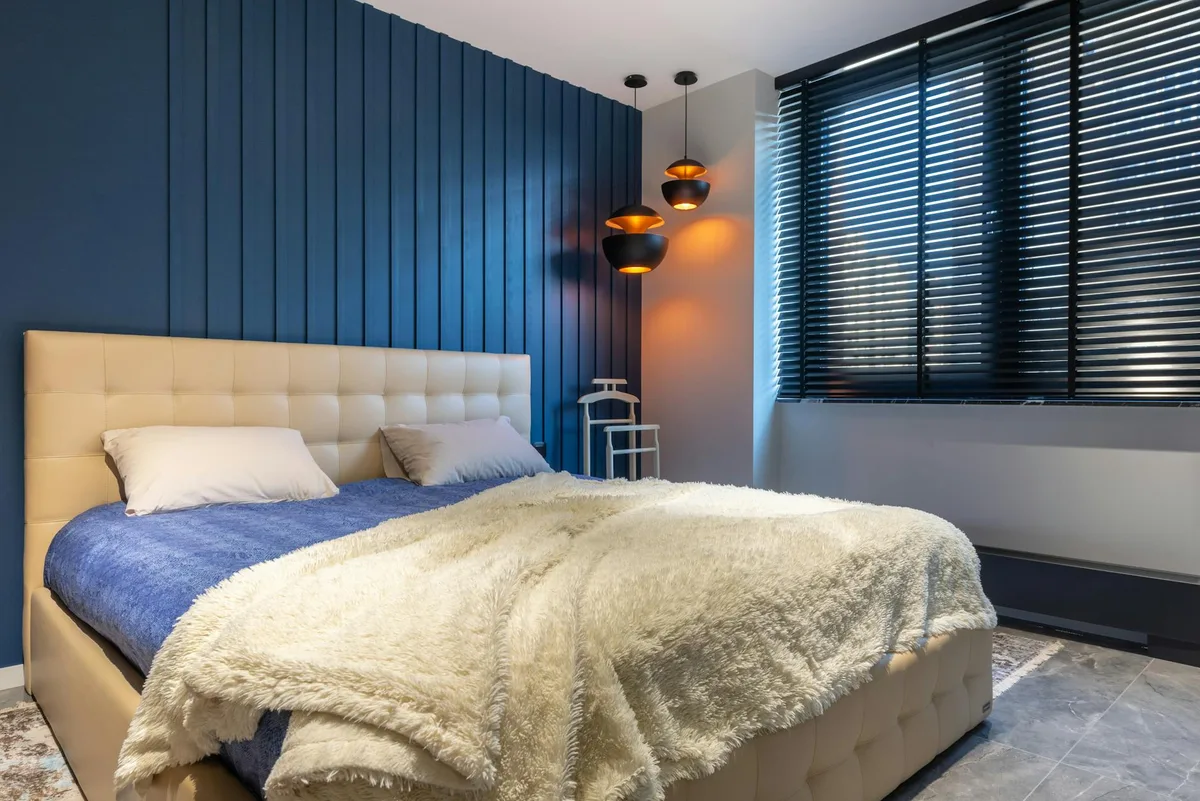
Image source: Pexels / Max Vakhtbovych (Pexels License)
Avoid “blue-blocking” glasses as a standalone solution, they don’t address ambient room light. Instead, combine blackout treatments with device curfews: no screens 60 minutes before bed, and use night mode (warmer color temp) if you must use devices. For shift workers, blackout shades are non-negotiable for daytime sleep.
Noise Management: White Noise vs. Earplugs vs. Silence
Silence isn’t always golden, especially in noisy environments. Sudden sounds like traffic, snoring, or neighbors’ TVs can jerk you awake without you remembering. White noise machines mask these disruptions by creating a consistent sonic blanket, making irregular noises less noticeable. They’re particularly effective for urban dwellers or light sleepers.
Earplugs offer a low-cost alternative, but they’re not for everyone. Foam plugs can feel intrusive, and custom-molded ones cost $100+. They also don’t address internal noise like tinnitus. If you travel often or share a room with a loud sleeper, they’re worth trying, but test them gradually to avoid ear canal irritation.
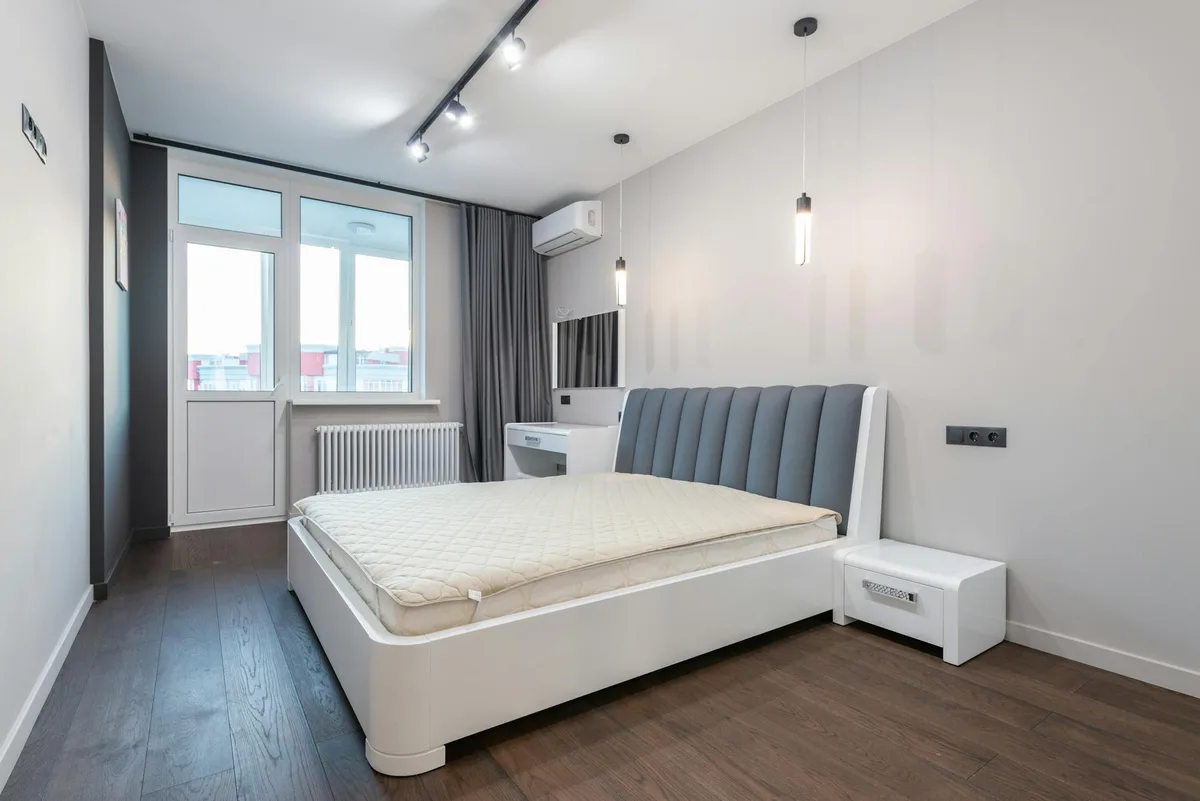
Image source: Pexels / Max Vakhtbovych (Pexels License)
For best results, place a white noise machine 3, 6 feet from your bed at a low volume, just enough to cover background sounds. Avoid nature sounds or music; steady tones (pink or brown noise) work better than variable tracks. If silence is your preference, invest in acoustic weatherstripping for doors and rugs to dampen floor noise.
Bedding & Mattress: Materials That Help (or Hurt) Your Sleep
Your mattress and bedding directly influence temperature regulation, spinal alignment, and allergen exposure. Memory foam contours well but traps heat unless it’s gel-infused or open-cell. Latex sleeps cooler and resists dust mites, but it’s heavier and pricier. Hybrid models balance support and airflow but vary widely in quality.
Sheets matter just as much. Cotton percale (200, 300 thread count) breathes better than sateen or high-thread-count blends that trap heat. Bamboo and Tencel wick moisture effectively, making them ideal for hot sleepers or humid climates. Avoid polyester unless it’s specifically labeled moisture-wicking, it’s a common culprit in night sweats.
Pillow loft should match your sleeping position: low for back sleepers, medium for side, high for stomach (though stomach sleeping isn’t recommended). Replace pillows every 1, 2 years; flattened support strains your neck and disrupts sleep posture. For allergy sufferers, encase mattresses and pillows in certified hypoallergenic covers to block dust mites.
Air Quality: Humidity, Allergens, and Ventilation
Dry air irritates nasal passages, leading to mouth breathing and fragmented sleep. Humidifiers add moisture, but overuse breeds mold and dust mites. Keep relative humidity between 40, 60% using a hygrometer; ultrasonic humidifiers with auto-shutoff prevent over-humidification. Clean them weekly with vinegar to avoid bacterial buildup.
Air purifiers with HEPA filters capture 99.97% of particles ≥0.3 microns, including pollen, pet dander, and dust mite feces. Place them near your bed, not hidden in a corner. Run them 1, 2 hours before bedtime for cleaner air when you need it most. Avoid ionizers, they produce ozone, which can worsen asthma.
Ventilation matters too. Crack a window slightly if outdoor air is clean, or use an exhaust fan to reduce CO₂ buildup. In tightly sealed homes, stale air can cause morning grogginess. For city dwellers, close windows during high-pollution days and rely on filtration instead.
Step-by-Step: Building Your Ideal Sleep Environment Tonight
Start with temperature: set your thermostat to 65°F. If you don’t have central control, use a space heater (UL-certified) or fan to fine-tune your zone. Layer breathable cotton sheets with a lightweight blanket you can kick off.
Next, kill the light. Install blackout curtains or use a sleep mask. Turn off non-essential electronics and enable night mode on devices. Replace bright alarm clocks with dim red LEDs, red light has the least impact on melatonin.
Mask noise with a white noise machine or earplugs. Run an air purifier and humidifier if needed, ensuring humidity stays in the 40, 60% range. Wash bedding weekly in hot water (130°F+) to kill dust mites.
Finally, reserve your bed for sleep and sex only. Remove work materials, TVs, or exercise gear. This trains your brain to associate bed with rest, not stimulation.
Common Mistakes That Sabotage Even the Best Efforts
Overheating is the silent killer of sleep quality. Heavy comforters, synthetic pajamas, and memory foam without cooling tech keep your core temperature elevated. Swap them for layered, natural fabrics and ventilated mattresses.
Blue light creep is another trap. Even “night mode” on phones doesn’t eliminate all melatonin-suppressing wavelengths. Keep devices out of the bedroom or use physical blue-blocking screen protectors.
Ignoring humidity swings causes dry throats or clammy sheets. A $20 hygrometer prevents guesswork, adjust your humidifier or dehumidifier accordingly.
Lastly, don’t overlook maintenance. A sagging mattress or dusty air filter undermines even perfect conditions. Rotate your mattress quarterly and replace filters every 3 months.
When to Upgrade vs. When to Adjust: A Practical Guide
Not every sleep issue requires a new mattress or pricey gear. Start with low-cost tweaks: adjust your thermostat, swap pillowcases, or reposition your white noise machine. If you’ve optimized temperature, light, and noise but still wake unrested after 2, 3 weeks, consider targeted upgrades.
Mattresses last 7, 10 years; if yours sags visibly or causes morning back pain, replace it. For bedding, upgrade when threads fray or elastic wears out, typically every 2, 3 years for sheets. Air purifiers need new filters every 3 months; if yours struggles with odors or dust, it’s time for a higher-CADR model.
Avoid “sleep tech” gimmicks. Wearables that track sleep don’t improve it, they just report problems. Focus spending on proven fixes: blackout curtains, HEPA purifiers, or a quality mattress topper. If you’re unsure, trial rentals or 100-night sleep trials let you test before committing.
Safety First: Certifications and Hidden Hazards to Watch For
Electric blankets and space heaters pose fire risks if uncertified. Look for UL or ETL marks, these confirm compliance with U.S. safety standards. Never drape cords under rugs or leave devices on overnight unless they have auto-shutoff.
Humidifiers can breed bacteria if not cleaned weekly. Use distilled water and vinegar rinses; avoid essential oils in ultrasonic models, they damage membranes and aerosolize irritants. Air purifiers with ionizers emit ozone, which aggravates asthma; stick to HEPA-only units.
For infants, follow CPSC guidelines: firm mattresses, fitted sheets only, and no loose bedding. Room temperature should stay 68, 70°F, overheating increases SIDS risk. Avoid crib bumpers, pillows, or sleep positioners; they’re linked to suffocation hazards.
Long-Term Care: Keeping Your Sleep Space Optimized
Dust mites thrive in bedding washed less than weekly. Hot water (130°F+) kills them; if your machine doesn’t reach that, use allergen-killing laundry additives. Encase mattresses and pillows in zippered covers to block allergens between washes.
Rotate your mattress quarterly to prevent sagging. Flip it if it’s double-sided, most modern ones aren’t, so check manufacturer instructions. Vacuum the base and frame monthly to reduce dust buildup.
Replace air filters every 3 months; set calendar reminders. Clean humidifier tanks with vinegar weekly and descale monthly. For blackout curtains, wipe rods and tracks to prevent light leaks from accumulated dust.
Final Checklist: Your Non-Negotiable Sleep Environment Rules
Set thermostat to 65°F (±2°F) and use layered, breathable bedding. Install blackout curtains or use a sleep mask, no exceptions for streetlights or early sun.
Mask noise with white noise machines or earplugs. Run HEPA purifiers 1, 2 hours before bed and maintain 40, 60% humidity with a hygrometer-guided humidifier.
Reserve your bed for sleep and sex only, no phones, TVs, or work. Wash sheets weekly in hot water and replace pillows every 1, 2 years.
Test your setup for 2 weeks. If sleep doesn’t improve, consult a sleep specialist, environment fixes won’t resolve underlying disorders like apnea or restless legs.
Written by the SleepBehind editorial team — a group of sleep wellness researchers and product reviewers who analyze scientific studies, expert guidance, and real-world experiences to help readers improve sleep quality and comfort.