The Navy SEAL sleep trick has been a viral sleep hack for nearly a decade, with claims that it helps people fall asleep in 2 minutes or less, even in high-stress or noisy environments. But is it a real, evidence-based technique, or just another overhyped military myth? As a fact check, we break down the routine’s origins, the science behind its components, who it works for, and common mistakes that undermine results, with input from sleep medicine research and U.S. military training materials. This guide will help you decide if the trick is right for your sleep needs, and how to use it safely and effectively if you choose to try it.
What Is The Navy SEAL Sleep Trick, Exactly?
Often called the "1-minute military sleep trick" or "combat rest routine" in addition to its more common Navy SEAL moniker, the technique is a 60-90 second sequence combining three evidence-based relaxation practices: progressive muscle relaxation (PMR), paced breathing, and a simple cognitive distraction task. Its core goal is to reduce both physical tension and mental rumination—two of the most common barriers to fast sleep onset—so you can drift off even when you’re stressed or in an unfamiliar environment. You can also read our guide on tempur travel neck pillow.
Contrary to popular myth, the routine is not a unique "SEAL secret": it is a packaged combination of standard relaxation techniques adapted for use by U.S. military personnel in high-stakes, time-constrained settings, where even 30 minutes of extra rest can improve cognitive performance and reaction time. The version popularized online is pulled directly from U.S. Navy field manuals for operational rest, with minor tweaks for civilian use.
Origins And Military Context
The core of the routine was first formalized in U.S. military field manuals in the early 2000s, as part of training for operational personnel (including Navy SEALs, Army Special Forces, and combat medics) on how to maximize rest during long missions, pre-deployment waits, or overnight patrols where traditional sleep is impossible. The technique was designed to work even in high-noise, high-adrenaline environments, where standard relaxation methods often fail due to elevated cortisol and heart rate.
It gained mainstream popularity in 2015, when former Navy SEAL Lt. Commander Jocko Willink referenced the routine in his bestselling leadership book Discipline Equals Freedom, noting that it helped him and his team rest during 20-hour combat deployments. Since then, it has been shared across social media, sleep health forums, and veteran support groups, often with exaggerated claims about its speed and effectiveness.
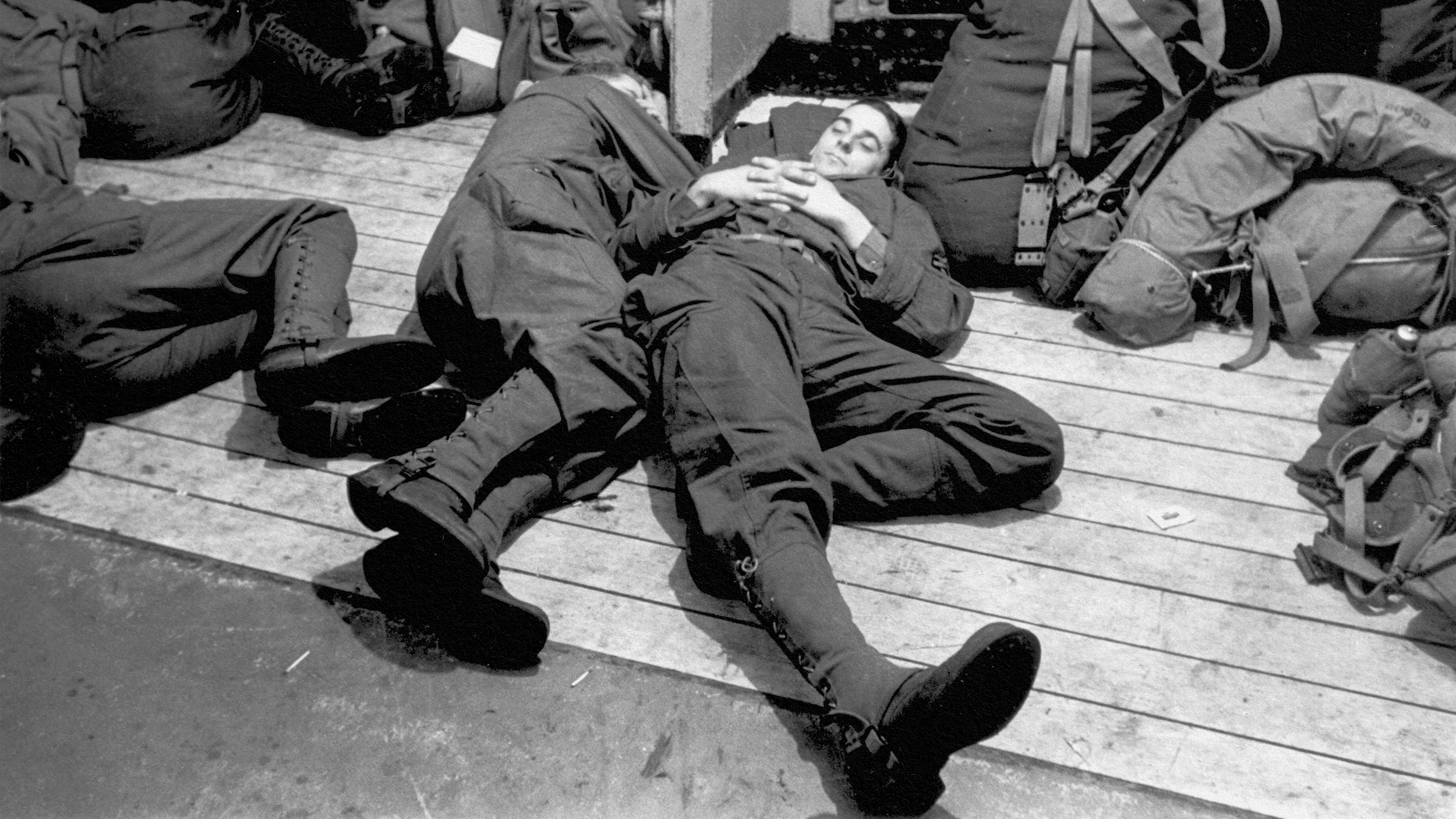 The technique was originally developed for rest during high-stress, time-constrained military operations
Source: bigthink.com
The technique was originally developed for rest during high-stress, time-constrained military operations
Source: bigthink.com
The Science Behind The Technique: Is It Evidence-Based?
A key part of our fact check is separating the routine’s proven components from exaggerated claims. While there are no peer-reviewed studies specifically testing the branded "Navy SEAL sleep trick" (as it is a combination of existing techniques, not a novel method), each of its three core parts has extensive research backing for improving sleep onset:
- Paced breathing: Research from the National Center for Complementary and Integrative Health confirms that slow, intentional breathing (exhaling longer than you inhale) activates the parasympathetic nervous system, reducing heart rate and cortisol levels within 60 seconds, which lowers the physiological arousal that keeps you awake.
- Progressive muscle relaxation: Systematic reviews in sleep medicine journals consistently find that PMR, which involves systematically releasing tension from your toes to your head, reduces pre-sleep physical discomfort and shortens sleep onset time for most adults, particularly those with stress-related insomnia.
- Cognitive distraction: The final step of the routine—focusing on a neutral mental image (like a hammock in a dark room) or repeating a short, meaningless phrase—blocks racing thoughts and pre-sleep rumination, a leading cause of delayed sleep onset for people with anxiety or high-stress lifestyles.
 Research confirms the core components of the Navy SEAL sleep trick are evidence-based for improving sleep onset
Source: iflscience.com
Research confirms the core components of the Navy SEAL sleep trick are evidence-based for improving sleep onset
Source: iflscience.com
 Each step of the routine targets a different barrier to sleep onset: physical tension, racing thoughts, and physiological arousal
Source: verywellmind.com
Each step of the routine targets a different barrier to sleep onset: physical tension, racing thoughts, and physiological arousal
Source: verywellmind.com
Does The Trick Work For Civilians?
Yes, the routine works for most civilians, but results vary based on your baseline sleep health and consistency of practice. User-reported data from sleep health platforms and veteran support groups consistently shows that most people who practice the technique daily for 2 weeks report falling asleep 5+ minutes faster than their baseline, particularly for stress-related sleep disruptions like job anxiety, travel jet lag, or pre-event nerves.
It is most effective for people with mild, acute insomnia (lasting less than 3 weeks) and people with irregular sleep schedules, such as shift workers or frequent travelers. For people with chronic sleep disorders like sleep apnea, restless legs syndrome, or clinical insomnia lasting 3+ months, the trick is a useful complementary tool but not a replacement for medical treatment. Per guidance from the American Academy of Sleep Medicine, chronic insomnia typically requires cognitive behavioral therapy for insomnia (CBT-I) or targeted medical intervention for long-term improvement.
In practice, many users find the routine works better than other relaxation techniques for noisy environments, since it redirects focus inward rather than relying on external quiet. It is also low-cost, requires no special equipment, and can be used anywhere, making it a practical option for people who travel frequently or share a bedroom with a partner who has different sleep schedules. If you often go to bed with damp hair, pair the routine with safe wet hair sleep habits to avoid disruptions from hair damage or discomfort.
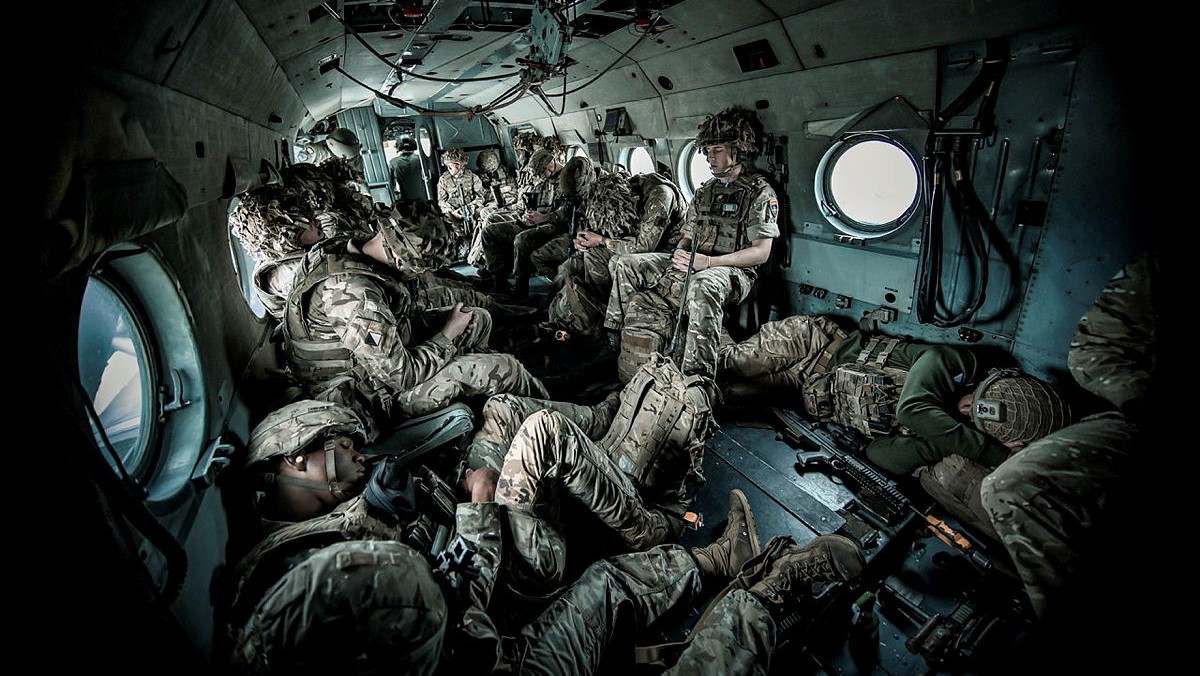 The routine was designed for use in high-stress, noisy environments where traditional sleep aids are impractical
Source: forcesnews.com
The routine was designed for use in high-stress, noisy environments where traditional sleep aids are impractical
Source: forcesnews.com
Step-By-Step Guide To Try The Navy SEAL Sleep Trick Correctly
The full routine takes 60-90 seconds once you are practiced, and 2-3 minutes when first learning. For best results, practice the steps 10 minutes before your usual bedtime for 7-10 days first, before trying to use it when you are already restless and struggling to fall asleep. Follow these exact steps, adapted for civilian use from the original U.S. military field manual:
- Get into your usual comfortable sleep position (you do not need to lie flat on your back, despite common online claims). Start by releasing all tension in your face: unclench your jaw, relax the muscles between your eyebrows, and let your tongue fall away from the roof of your mouth.
- Drop your shoulders as far away from your ears as possible, then release your arms and hands, letting them rest heavy at your sides or on your chest. Do not force your limbs down—let gravity do the work.
- Exhale fully to relax your chest, then release your legs, letting your feet fall outward naturally. Breathe in slowly for a 4-count, hold for 7 counts, then exhale slowly for an 8-count (the standard 4-7-8 breathing pattern used in the routine). If this count feels strained, shorten it to 3-5-6 to avoid discomfort.
- Clear your mind for 10 seconds: either visualize yourself lying in a dark, quiet room on a soft black velvet hammock, or repeat a neutral 2-word phrase like "sleep now" or "calm down" to block racing thoughts.
Pair the routine with a supportive sleep surface to eliminate physical discomfort; if your mattress topper is lumpy, learn how to fix a split topper to create a more comfortable rest environment. Avoid heavy screen use and caffeine in the 2 hours before bed, and skip harsh hair products if you sleep with wet hair regularly.
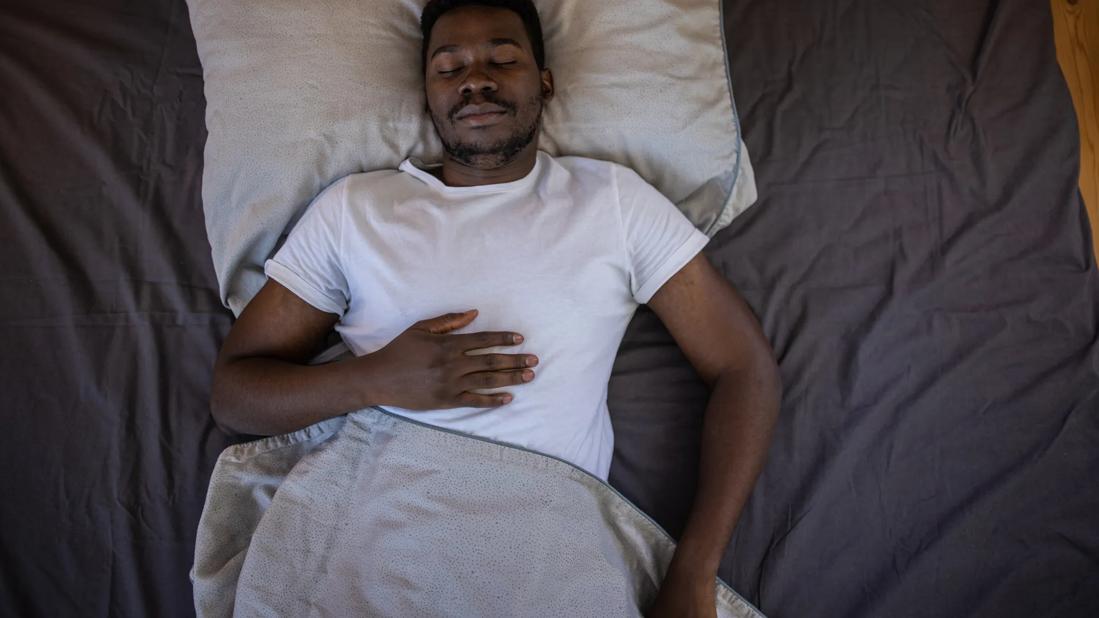
 Practice the routine in a calm, low-stimulation environment first to build muscle memory
Source: futurecdn.net
Practice the routine in a calm, low-stimulation environment first to build muscle memory
Source: futurecdn.net
Common Mistakes That Undermine Results
A common reason people write off the Navy SEAL sleep trick as "fake" is that they make avoidable errors when trying it for the first time. Avoid these pitfalls to improve your results:
- Trying it only when you’re already panicking about not sleeping: The routine requires mild, focused attention, which is nearly impossible when you’re highly anxious. Practice it 10 minutes before bed when you’re already drowsy for 7-10 days first, so you can use it automatically when you’re stressed.
- Forcing your breathing or holding your breath: The goal of the breathing step is to activate your parasympathetic nervous system, not hit exact count targets. If the 4-7-8 pattern feels strained, shorten the counts—any slow, exhale-longer-than-inhale pattern will work.
- Using an uncomfortable position: You do not need to lie flat on your back to use the trick. Use a hair-friendly sleep position that lets you fully relax your muscles without straining your neck or back.
- Giving up after one or two tries: Most people need 5-10 practice sessions before they see consistent results. It is a learned skill, not a magic button that works instantly for everyone.
- Skipping pre-sleep wind-down habits: The trick will not override the effects of caffeine at 6pm, 2 hours of TikTok scrolling in bed, or a hot, stuffy bedroom. Pair it with a consistent 30-minute wind-down routine (no screens, low light) for best results. If you sleep with wet hair and worry about damage, avoid heavy styling products before bed to reduce discomfort that disrupts relaxation.
- Ignoring underlying sleep disorders: If you regularly wake up gasping, have persistent leg discomfort at night, or have had trouble sleeping for 3+ months, consult a sleep specialist before relying on the trick as your only solution. For worn-out bedding that causes discomfort, our guide to reviving worn feather toppers can help you create a more supportive sleep surface.
Fact Check: Separating Myth From Reality
As part of our expert review, we addressed the most common viral claims about the Navy SEAL sleep trick to separate fact from fiction:
| Myth | Fact |
|---|---|
| The trick makes you fall asleep in 2 minutes every single time | The original U.S. military field manual notes the routine reduces sleep onset time by an average of 50% for trained personnel. First-time users may take 10-20 minutes to fall asleep, or see no results on the first try. |
| It is a unique, secret Navy SEAL technique no one else knows | The core components (PMR, paced breathing, cognitive distraction) are standard, evidence-based techniques used by sleep therapists and meditation teachers for decades. The military only packaged them into a quick routine for operational use. |
| It cures chronic insomnia | No. Per guidance from the American Academy of Sleep Medicine, relaxation techniques like this are effective for mild, acute insomnia, but chronic insomnia (3+ months) requires CBT-I or medical intervention for most people. |
| You have to be in total silence to use it | One of its core design features is that it works in high-noise, high-stress environments like combat zones or busy barracks. It is often more effective than other sleep techniques for people with noisy bedrooms or disruptive partners. |
| It works better than prescription sleep aids | It is a low-risk, low-cost complementary tool, but it is not a replacement for prescription sleep aids for people with diagnosed sleep disorders that require medical treatment. |
Frequently Asked Questions
What exactly is the Navy SEAL sleep trick?
It is a 60-90 second relaxation routine combining progressive muscle relaxation, paced 4-7-8 breathing, and a simple cognitive distraction task (either a neutral mental image or short repeated phrase) designed to reduce physiological and mental arousal to speed up sleep onset. It was originally developed for U.S. military personnel to use in high-stress, time-constrained environments.
How long does it take to work?
For first-time users, it may take 10-20 minutes to fall asleep, or may not work on the first try. With 1-2 weeks of daily practice, most people report falling asleep in 2-10 minutes. Results vary based on your baseline stress level, existing sleep habits, and whether you have underlying sleep disorders.
Is the Navy SEAL sleep trick safe?
Yes, it is safe for most healthy adults. If you have respiratory conditions (asthma, COPD), anxiety disorders, or other chronic health conditions, consult your healthcare provider before trying breath-holding steps, and modify the breathing pattern to avoid discomfort.
Can the Navy SEAL sleep trick cure chronic insomnia?
No. It is an effective complementary tool for mild, acute insomnia (lasting less than 3 weeks) caused by stress, travel, or temporary schedule changes. Chronic insomnia (lasting 3 or more months) typically requires cognitive behavioral therapy for insomnia (CBT-I) or medical treatment, per guidance from the American Academy of Sleep Medicine.
Do I need to lie flat on my back to use the trick?
No. The routine works in any sleep position you find comfortable. The original military instructions recommend a flat back, but most civilians find the technique equally effective on their side or stomach, as long as they can fully relax their muscles.
Will the trick work in a noisy environment?
Yes, one of its core design features is that it works in high-noise, high-stress environments (like combat zones, busy military barracks, or shared living spaces) because it redirects your focus inward rather than relying on external quiet. Pairing it with earplugs or white noise can improve results for people with very disruptive background noise.
Conclusion
The Navy SEAL sleep trick is not a secret military super-skill, but a practical, evidence-based combination of well-validated relaxation techniques that works for most people when practiced consistently. It is not a cure for chronic sleep disorders, but a low-effort, no-cost tool to add to your sleep hygiene routine to reduce sleep onset time for stress-related disruptions.
If you’re struggling to fall asleep, try practicing the routine for 10 days alongside a consistent pre-bed wind-down (no screens, low light, no caffeine after 2pm) to see if it works for you. If sleep problems persist for 3 or more weeks, consult a sleep specialist to rule out underlying conditions.
Have you tried the Navy SEAL sleep trick? Share your results in the comments below, and subscribe to our newsletter for weekly science-backed sleep tips to help you rest easier.
Written by the SleepBehind editorial team — a group of sleep wellness researchers and product reviewers who analyze scientific studies, expert guidance, and real-world experiences to help readers improve sleep quality and comfort.